A bastioned fortress on Citadel Hill, north of the old town, built to stop enemies firing on Brașov from the heights; the interior is closed for works, but the walls and the view can be enjoyed from the paths on the hill.
Fortresses and fortificationsMonuments and historic sites
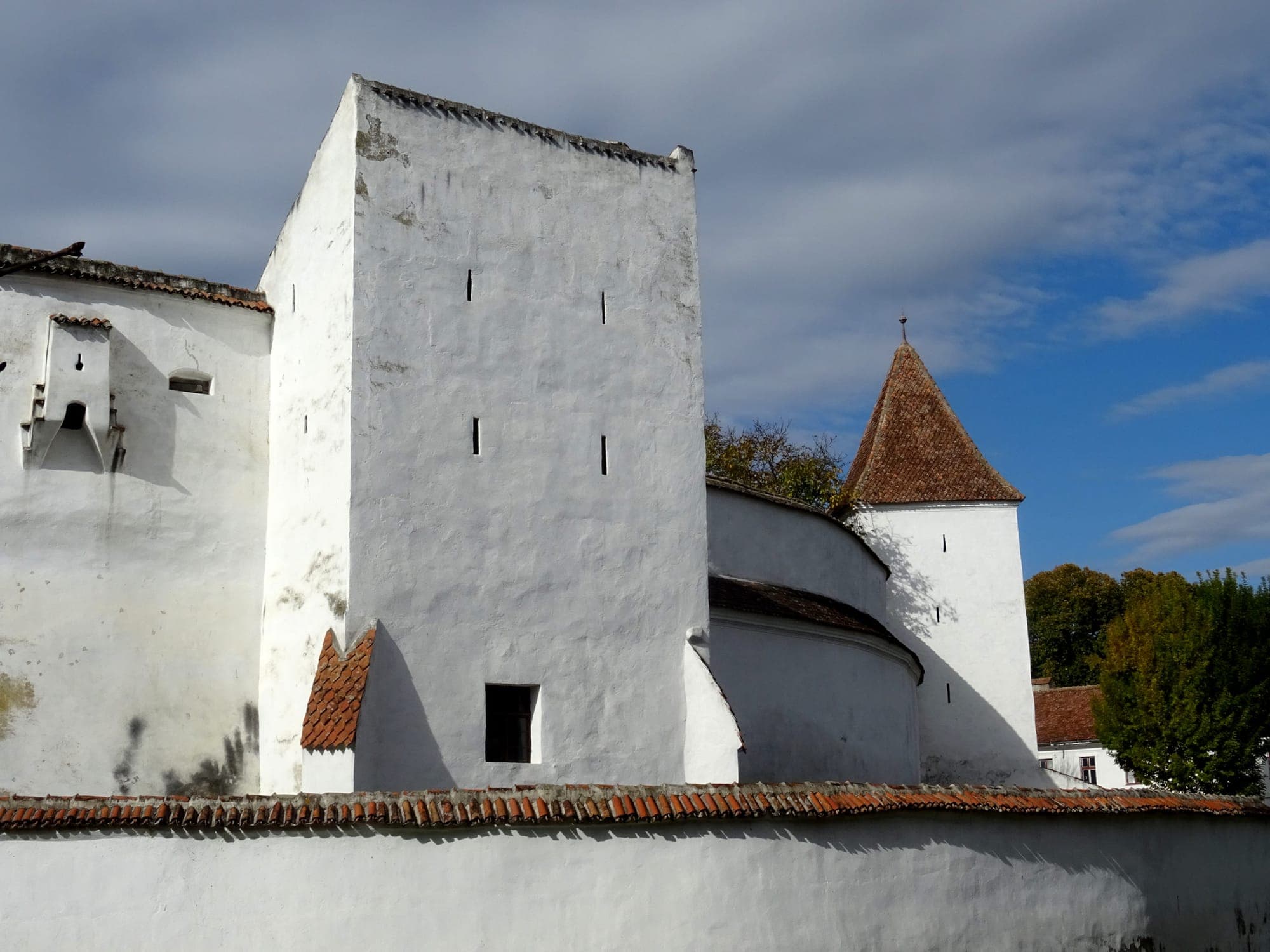
The Evangelical church of Bunești (Bodendorf), a late 13th-century basilica ringed by a wall with towers and the villagers' grain chambers, with a narrow, tall interior full of painted galleries.
Monasteries and churchesFortresses and fortifications
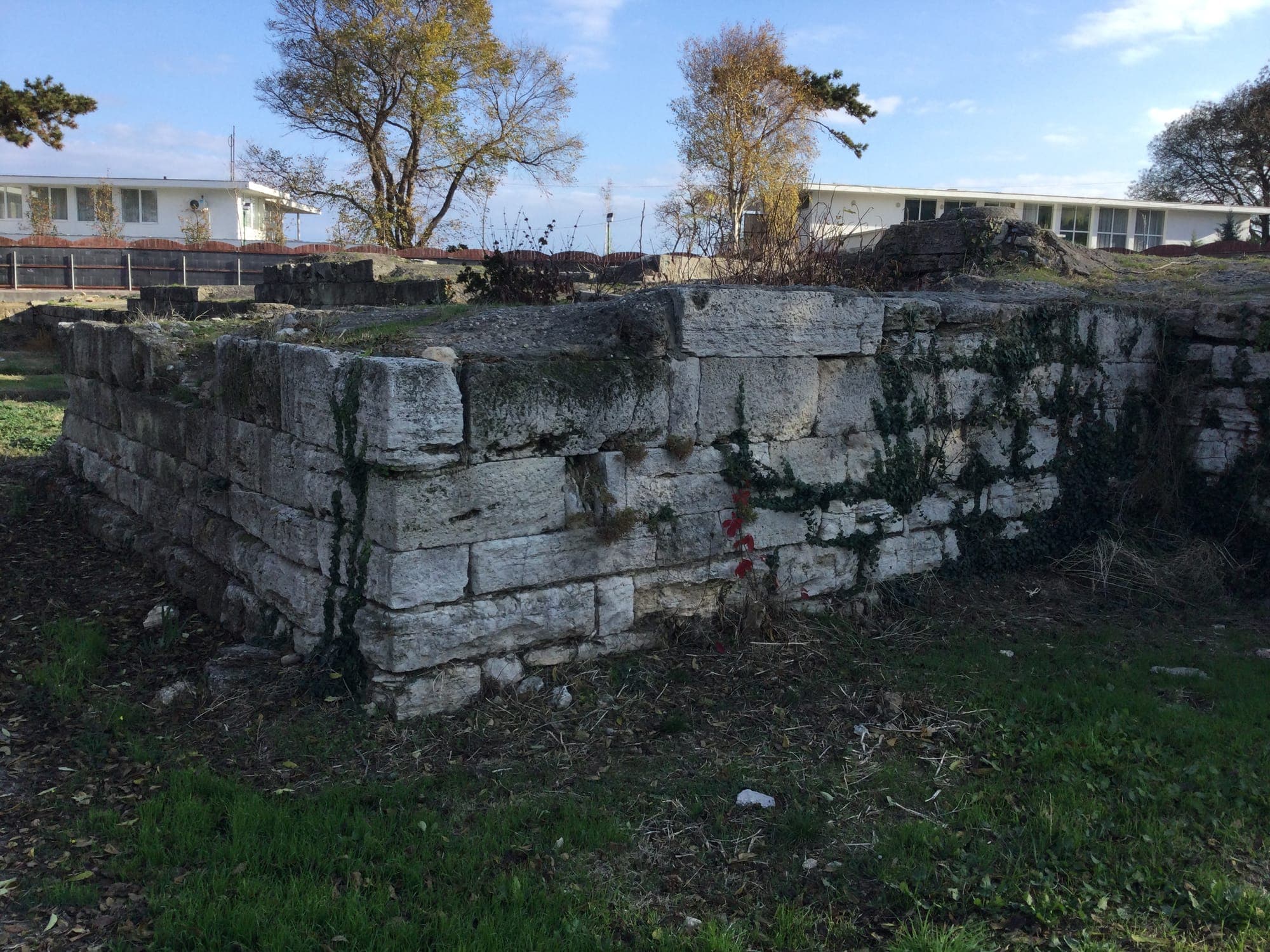
The ruins of the Greek city from which Mangalia grew: the circuit wall with its towers and the Syrian-type basilica on the clifftop promenade, steps from the beach, plus the town's archaeology museum.
Fortresses and fortificationsMonuments and historic sitesSeaside
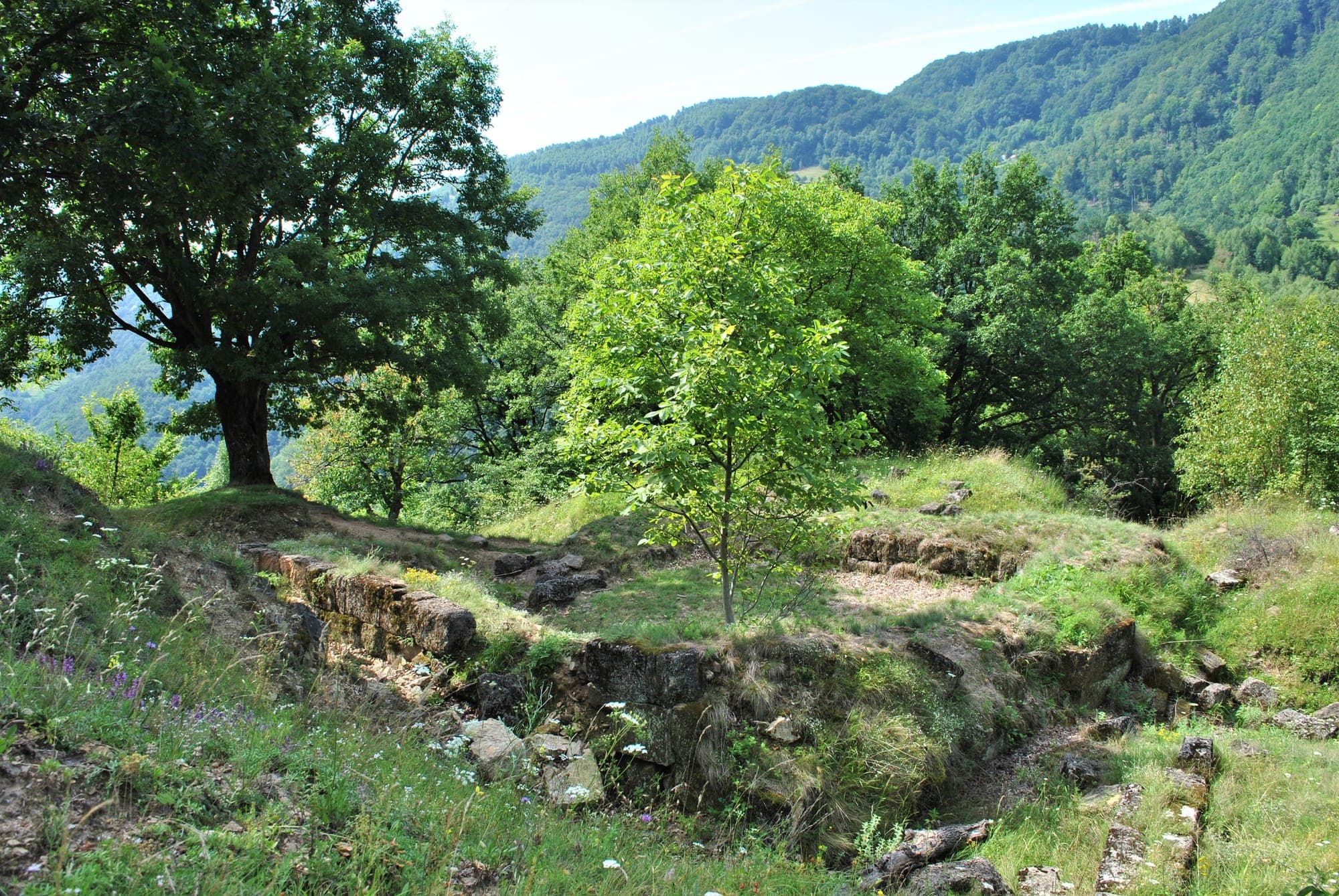
The ruins of a Dacian fortress on a wooded hill above the Sebeș valley: limestone walls in the murus dacicus technique and the base of a tower house, the only Dacian UNESCO site in Alba County.
Fortresses and fortificationsMonuments and historic sitesUNESCO
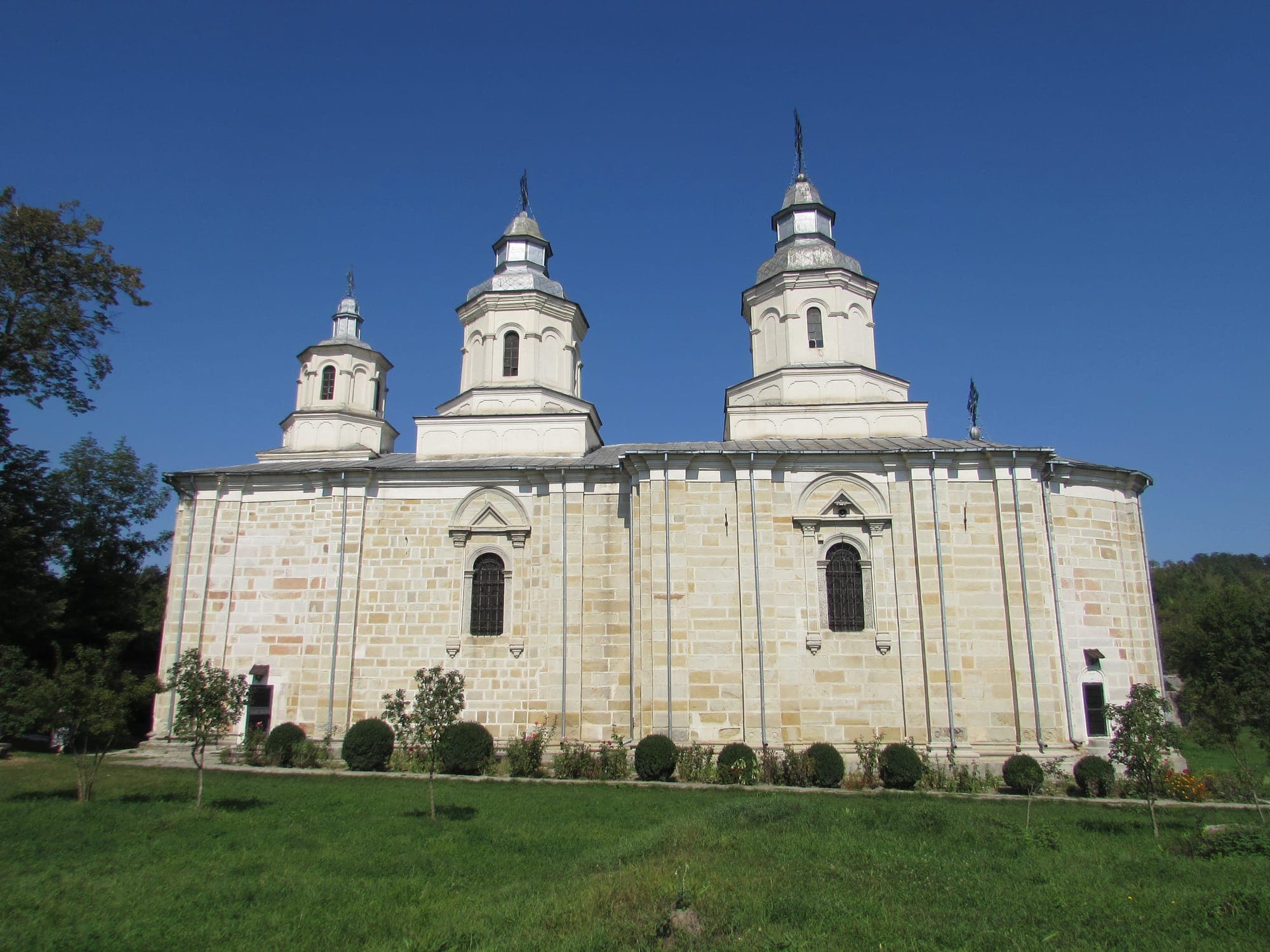
A foundation of Prince Gheorghe Ștefan from 1655–1657: a dressed-stone church inside a walled enclosure with towers, near Onești; today a parish church.
Monasteries and churchesFortresses and fortifications
The only surviving medieval gate of Brașov's walled town, a white tower of 1559 with four corner turrets and the town's coat of arms; next to it, the neoclassical Șchei Gate of 1827–1828.
Fortresses and fortificationsMonuments and historic sites
A Gothic Saxon church from 1421, enclosed by walls, four defensive towers and a second ring of fortifications, in the middle of a village by the Olt with the Făgăraș Mountains behind it.
Monasteries and churchesFortresses and fortifications
A 13th-century Romanesque basilica turned Saxon fortress, 10 km from Sibiu: a bell tower with a clock dating from 1425, double walls and a small museum.
Monasteries and churchesFortresses and fortifications
A Saxon church fortified around 1510, with a tall choir under a star vault, a bell tower with a timber gallery and a winegrowers' village around it, in the Wine Country.
Monasteries and churchesFortresses and fortifications
One of the strongest Dacian fortresses in the Orăștie Mountains: murus dacicus walls, six towers and a dog-leg entrance, on a wooded hill above Costești, a UNESCO site.
Fortresses and fortificationsMonuments and historic sitesUNESCO
A Saxon church fortress in the Burzenland, near Brașov: a 19th-century Neoclassical church ringed by a double medieval wall with eight surviving defensive towers.
Monasteries and churchesFortresses and fortifications
A 19th-century Lutheran church with an 1813 organ, enclosed by an oval 15th-century wall, on a hill in the middle of a quiet Saxon village a few kilometres off the DN13.
Monasteries and churchesFortresses and fortifications
A 13th-century Romanesque basilica enclosed by 12 m walls with seven towers, with the tallest bell tower in the Burzenland and a chapel of 15th-century Gothic frescoes.
Monasteries and churchesFortresses and fortifications
A 13th-century Romanesque hall church with an eight-storey keep above the old choir, two rings of walls and fragments of medieval wall paintings, a few kilometres from Rupea.
Monasteries and churchesFortresses and fortifications
A 13th-century Romanesque church with a richly carved portal, enclosed by a double ring of walls in the Hârtibaciu valley, with the Făgăraș Mountains behind.
Monasteries and churchesFortresses and fortifications