Piața Unirii (Union Square)
Cluj-Napoca, CJ · 3 km from Cluj-Napoca
The central square of Cluj, with the Gothic St Michael's Church, the 1902 equestrian statue of Matthias Corvinus and the façades of the Bánffy Palace and the surrounding houses.
50 results
The central square of Cluj, with the Gothic St Michael's Church, the 1902 equestrian statue of Matthias Corvinus and the façades of the Bánffy Palace and the surrounding houses.
A cave in the Bihor Mountains, discovered in 1984, with chambers richly decorated with calcite formations; a class A reserve, padlocked and open only to scientific research.

The fortress of the Fifth Legion Macedonica on Dealul Cetății in Turda, with its restored headquarters building and baths, open to the public since 2026 and part of the UNESCO site of the Dacian frontier.

The Gothic hall church begun in 1486 for the Franciscans, with a 17th-century star vault, the 1646 pulpit, the 1913 Angster organ and the Apafi tombs.

The auxiliary fort of Resculum, the westernmost Roman fortification on the frontier of Dacia Porolissensis, on the bank of the Crișul Repede, beside the medieval fortress of Bologa.

The auxiliary fort of the ala Siliana, one of the largest on the western frontier of Dacia, in the park of Rákóczi-Bánffy Castle, with information panels and graphic reconstructions.

Romania's first open-air museum, on Hoia hill: farmsteads, workshops, peasant installations and three wooden churches gathered over ~16 hectares into a scattered village.

A 19th-century manor in Câmpia Turzii, restored with PNRR funds and opened to the public in 2026 as a cultural tourism centre, with exhibitions and the Metallurgy House in the basement.

Archaeology and local history museum in a 15th–16th-century building in Turda's old centre, known as the Princely Palace: finds from the Roman fort of Potaissa, prehistory and medieval Turda.
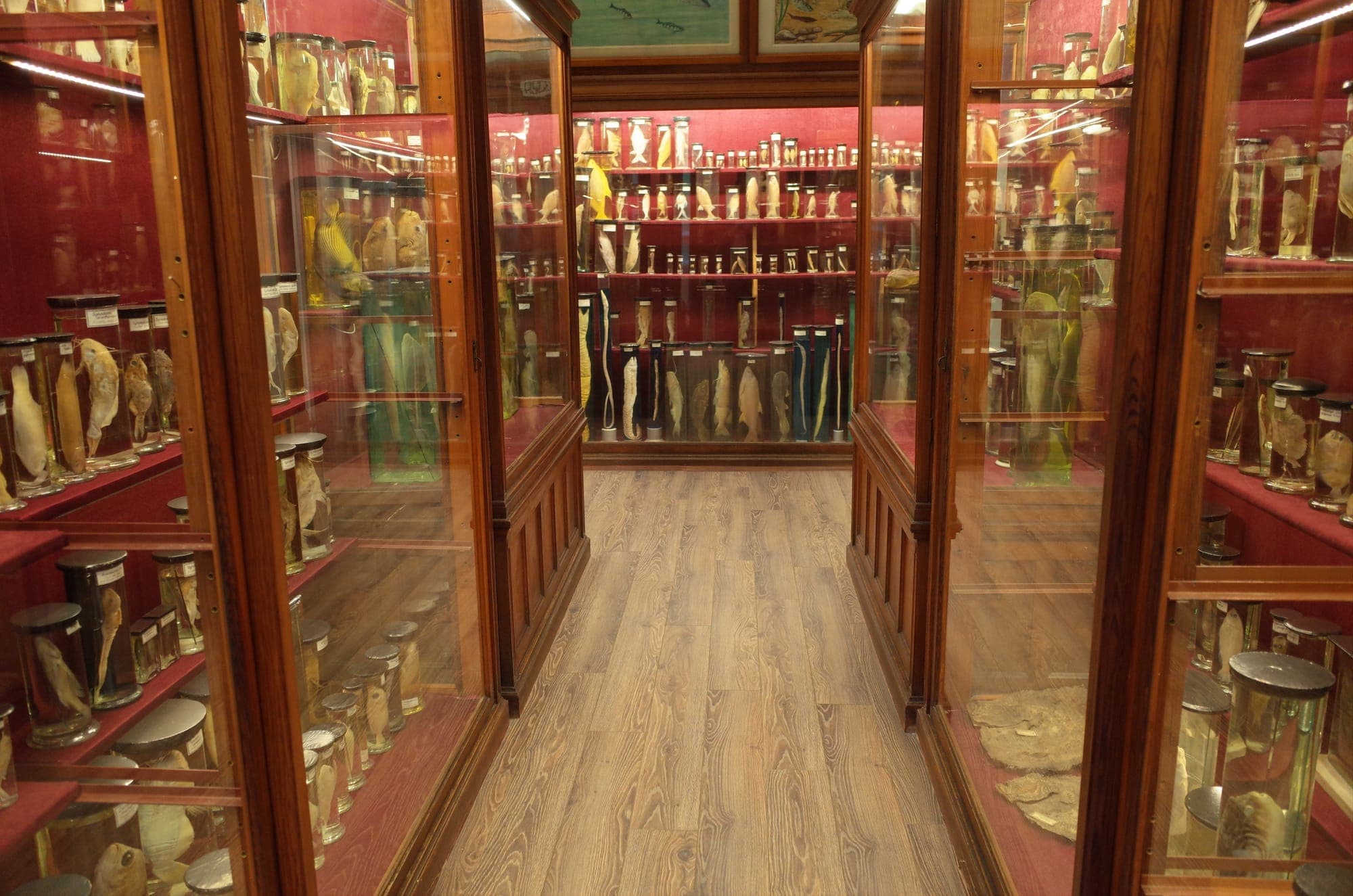
A university museum founded in 1859, in a building on Strada Clinicilor: bird dioramas, 19th-century butterfly and spider collections and an exhibition running from sponges to mammals.

Renaissance residence of the Keresztúri and Kornis families, now a ruin near Dej: the 1720 gate tower, a neoclassical wing with a colonnade and the plinths of the two unicorns.

A Gothic house of the 15th century where King Matthias Corvinus was born in 1443; today it belongs to the University of Art and Design and is best seen from the street, with its pointed-arch portal and commemorative plaques.
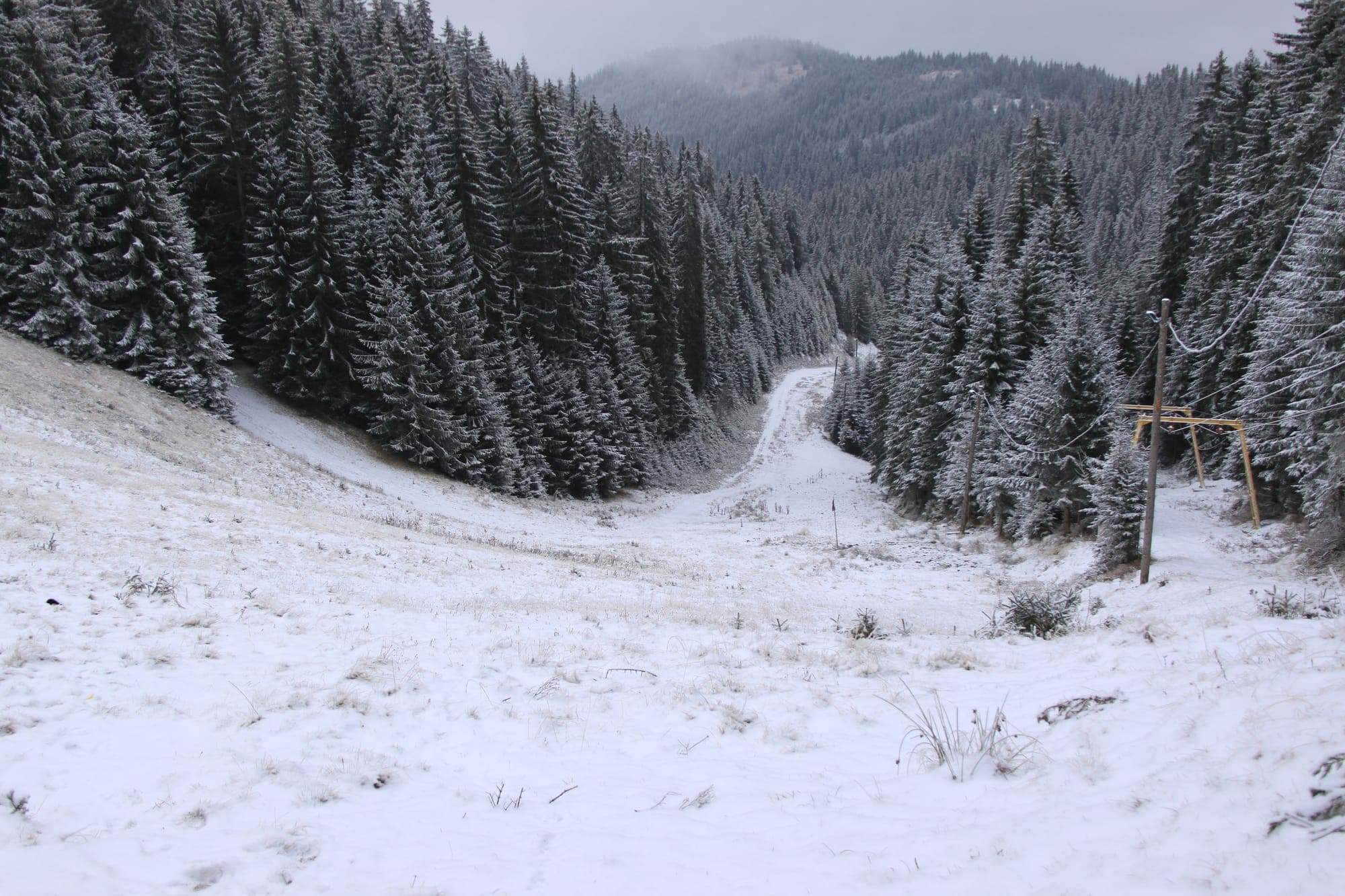
A mountain resort in the Gilău Mountains, about 55 km from Cluj-Napoca: in winter, the slopes of Buscat Ski Resort, with a chairlift, sledging and tubing; in summer, waymarked trails to Scărița-Belioara and Muntele Mare.

A Moorish Revival synagogue of 1886–1887, with four towers and a façade in yellow and ochre bands facing Strada Horea; today the Memorial Temple of the Deported Jews of Cluj.

A roughly 30 m, two-tiered waterfall at the foot of the Vlădeasa massif, on the Stanciului valley near Răchițele; the water fans out over the rock like a veil, and in winter the frozen wall is an ice-climbing spot.