The Bucegi Sphinx
Moroeni, DB · 70 km from Târgoviște
An 8 m conglomerate rock shaped by wind, frost and rain that, from certain angles, looks like a human head; it stands on the Bucegi plateau at 2,216 m, next to Babele.
Dâmbovița descends from the Bucegi plateau, along the Ialomița valley with small resorts such as Pucioasa, to the plain south of Titu. In the middle stands Târgoviște, for centuries the capital of Wallachia: the Princely Court, the Chindia Tower and the surrounding churches are the first things to see for anyone wondering what to visit in Dâmbovița county. The north of the county is mountain country, though, and the best-known spots on the Bucegi plateau belong, administratively, here rather than to Prahova.
Babele and the Bucegi Sphinx, the wind-carved rocks at around 2,200 m, are the classic target; you reach them by cable car from Bușteni or along the Transbucegi, the only paved road up to the plateau. Down in the Ialomița valley, Ialomița Cave, with a monastery pressed against its entrance, is visited with a guide, and the Bolboci reservoir mirrors the mountain. On the plain, the Brâncoveanu Palace in Potlogi is one of the best-preserved residences of Constantin Brâncoveanu.
11 results
An 8 m conglomerate rock shaped by wind, frost and rain that, from certain angles, looks like a human head; it stands on the Bucegi plateau at 2,216 m, next to Babele.

The stone mushrooms of the Bucegi plateau, at ~2,200 m: conglomerate rocks worn by wind, frost and rain, a few minutes from the Bușteni cable car and the Sphinx.

A cave cut into the wall of the Ialomița Gorge, in the heart of the Bucegi Mountains at 1,660 m, with a monastery built against its mouth and 480 m of lit galleries leading to the Bears' Hall and the Altar.

The DJ713 climbs from the DN71 near Sinaia over 16 km of tarmac to 1,925 m at Piatra Arsă: the only road that takes you by car onto the Bucegi plateau.

The princely court built by Constantin Brâncoveanu in 1698 for his eldest son, with a loggia-fronted palace, walled courtyards and restored gardens, ~50 km from Bucharest.
The manor, family chapel with crypt and park where the statesman Ion Ghica lived and is buried, now being restored by his heirs; open at events or by appointment.

A reservoir on the Ialomița at 1,438 m, in the heart of the Bucegi Mountains, held back by a 55 m stone dam and ringed by spruce forest, between the Tătaru and Zănoaga gorges.

The residence of the rulers of Wallachia for almost three centuries, with the Chindia Tower, the ruins of the princely palace and the Great Princely Church, home to the largest votive painting of rulers in the country.

Radu the Great's foundation on the hill north of Târgoviște, built in 1499–1501: a church clad in dressed stone and a princely necropolis where the head of Michael the Brave is kept.
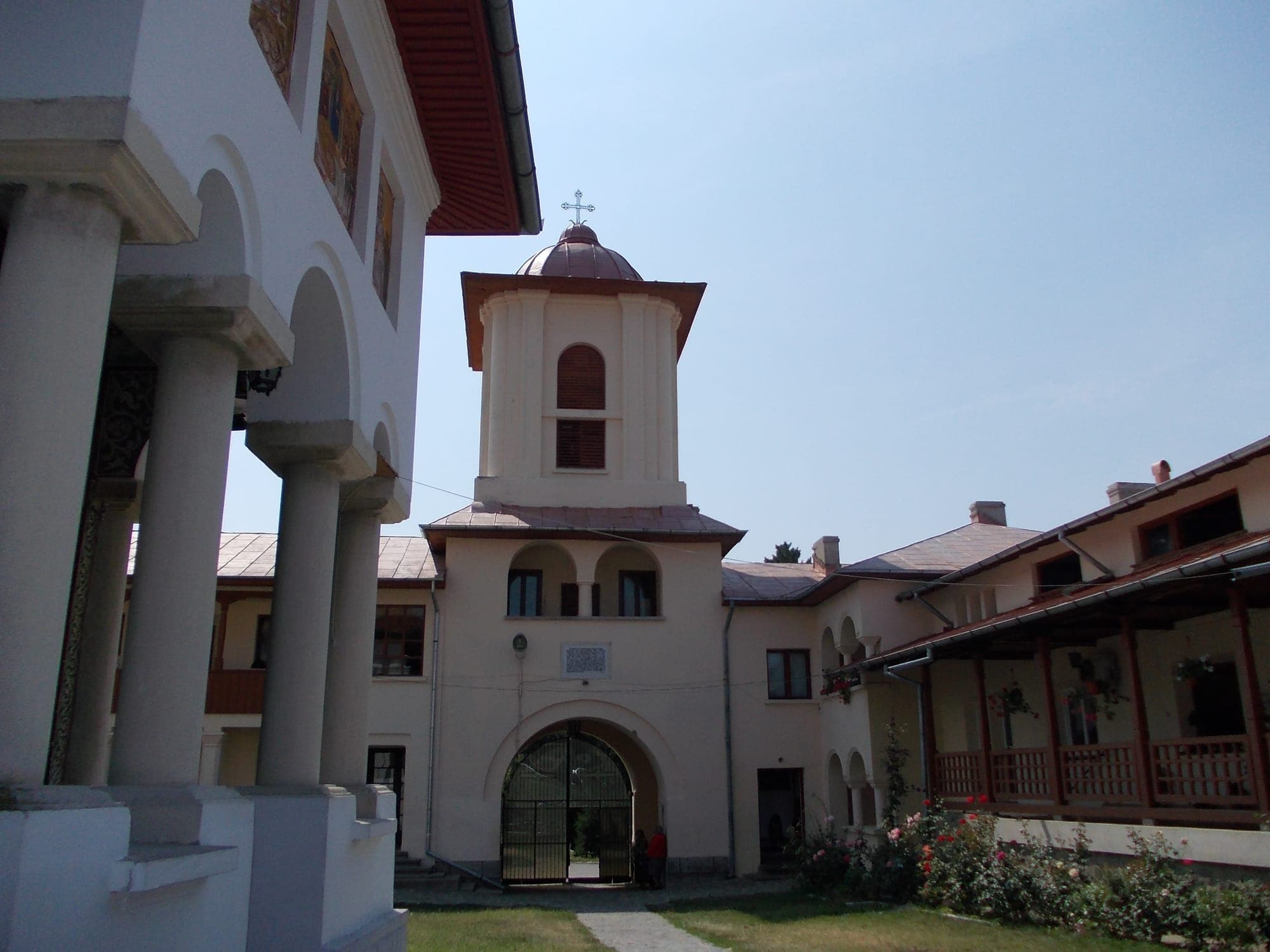
A convent first recorded in 1530, founded by Vlad the Drowned, a few kilometres from Târgoviște: a church with a porch painted with scenes from the Apocalypse, Brâncoveanu votive portraits and cells with wooden verandas.
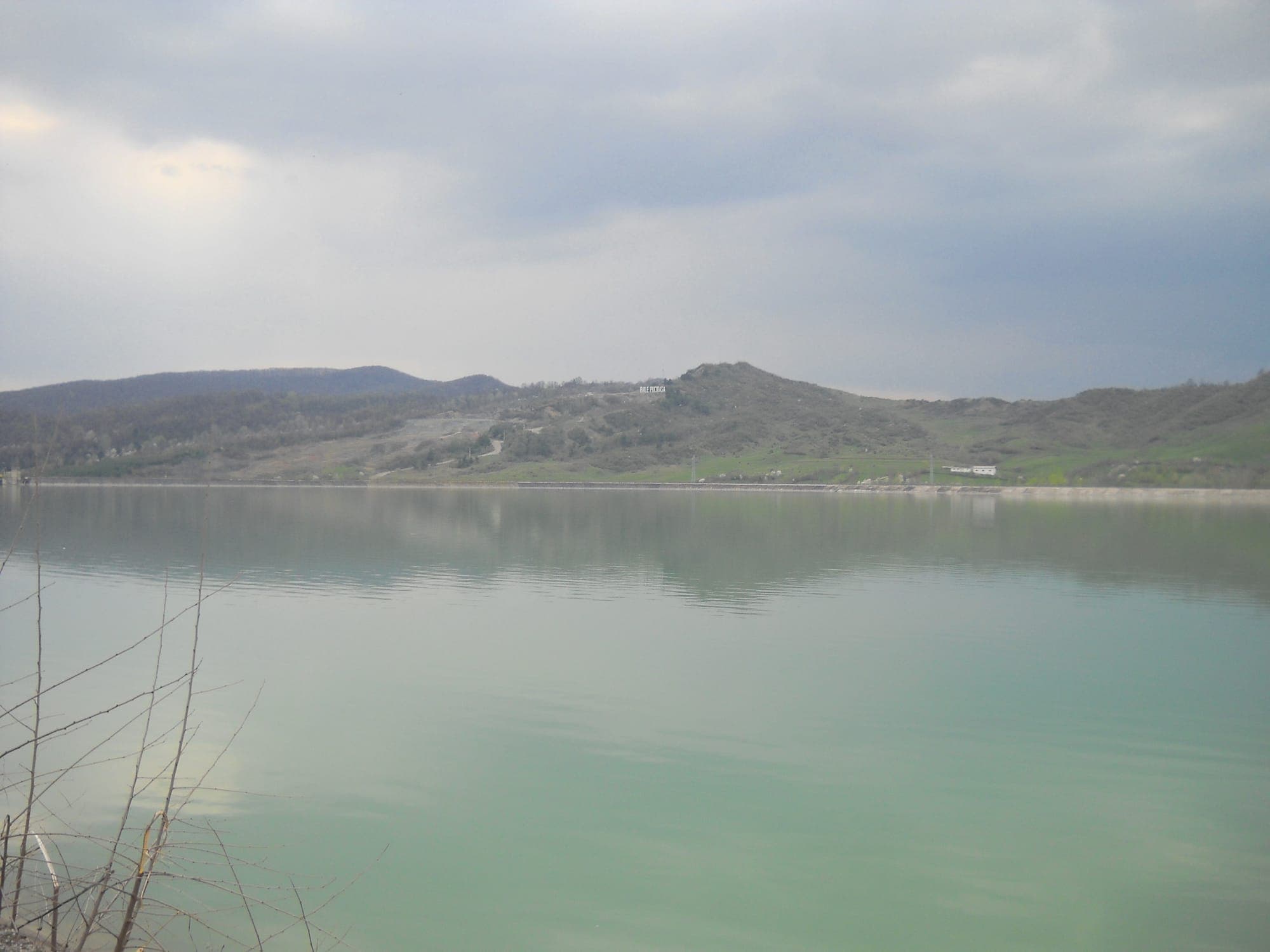
A spa and climatic resort in the Ialomița valley, with sulphurous waters discovered in 1828, treatment centres, a historic park in the centre and a reservoir lake with wild ducks.