Transfăgărășan
Argeș County · 111 km from Pitești
The DN7C crosses the Făgăraș Mountains for 151 km, from the Vidraru dam up to the glacial Bâlea Lake at 2,042 m, then winds down in hairpin bends into Transylvania.
Argeș rises from the plain around Pitești to the crest of the Făgăraș Mountains, home to Moldoveanu, the highest peak in Romania. In between lie the Muscel hills, with orchards and scattered villages, and two towns that were once capitals of Wallachia: Câmpulung and Curtea de Argeș, with the monastery of Neagoe Basarab that became the burial place of the kings. The county seat is Pitești, an industrial town known for the Dacia car plant. If you are wondering what to visit in Argeș county, the answer lies mostly in the north, along the Argeș valley and in the mountains.
The Transfăgărășan starts near Curtea de Argeș, passes beneath Poenari Citadel, Vlad the Impaler's fortress reached by 1,480 steps, skirts the shore of Lake Vidraru and winds its way up towards Bâlea. Along the road, trails to the ridge set off from Capra Waterfall and the lake of the same name. Further east, in the Rucăr–Bran corridor, Dâmbovicioara Cave is an easy visit, even with children.
20 results
The DN7C crosses the Făgăraș Mountains for 151 km, from the Vidraru dam up to the glacial Bâlea Lake at 2,042 m, then winds down in hairpin bends into Transylvania.

Vlad the Impaler's fortress, often called Poenari Castle, perched on a ridge above the Argeș Gorge on the Transfăgărășan; 1,480 steps lead up to walls that look out over the whole valley.

Neagoe Basarab's foundation of 1515–1517, with the twisted towers and stone lacework of the legend of Master Manole, and Romania's royal necropolis, from Carol I to Michael I.

A reservoir over 10 km long on the Argeș, held back by the 166 m Vidraru arch dam; the Transfăgărășan runs along its crest, watched over by a statue of Prometheus.

Romania's highest peak (2,544 m), in the Făgăraș Mountains, joined to Viștea Mare by a narrow ridge. It is climbed on long trails, from Valea Rea, the Sâmbăta Valley or the Viștea Valley.
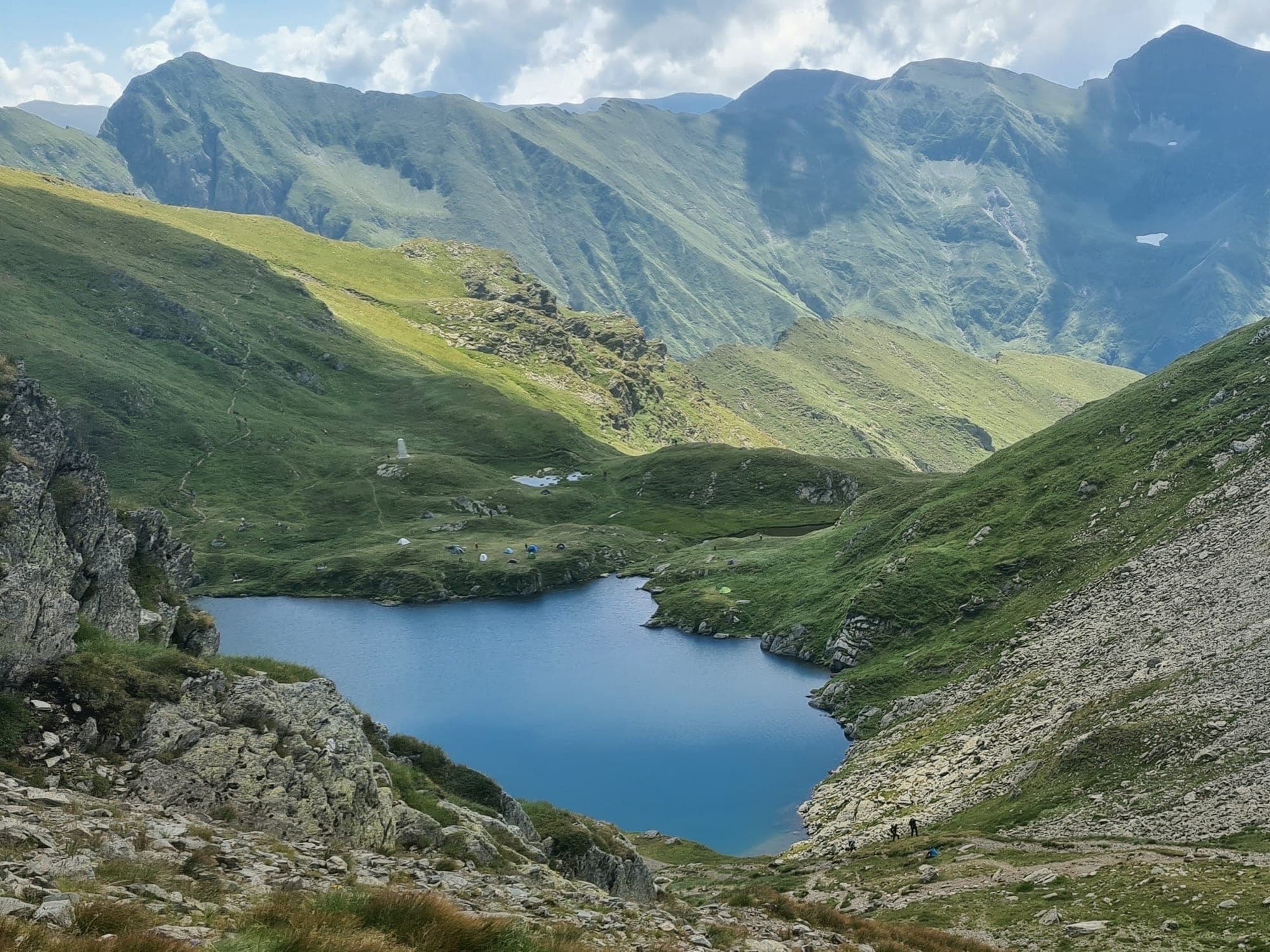
A glacial lake at 2,230 m on the southern side of the Făgăraș Mountains, just below the ridge; about an hour's walk from Bâlea Lake, over the Capra saddle.

A small, easy-to-visit cave on the Rucăr–Bran corridor, in Piatra Craiului National Park: a dry gallery carved by the Dâmbovicioara stream, with about 250 m laid out and lit.
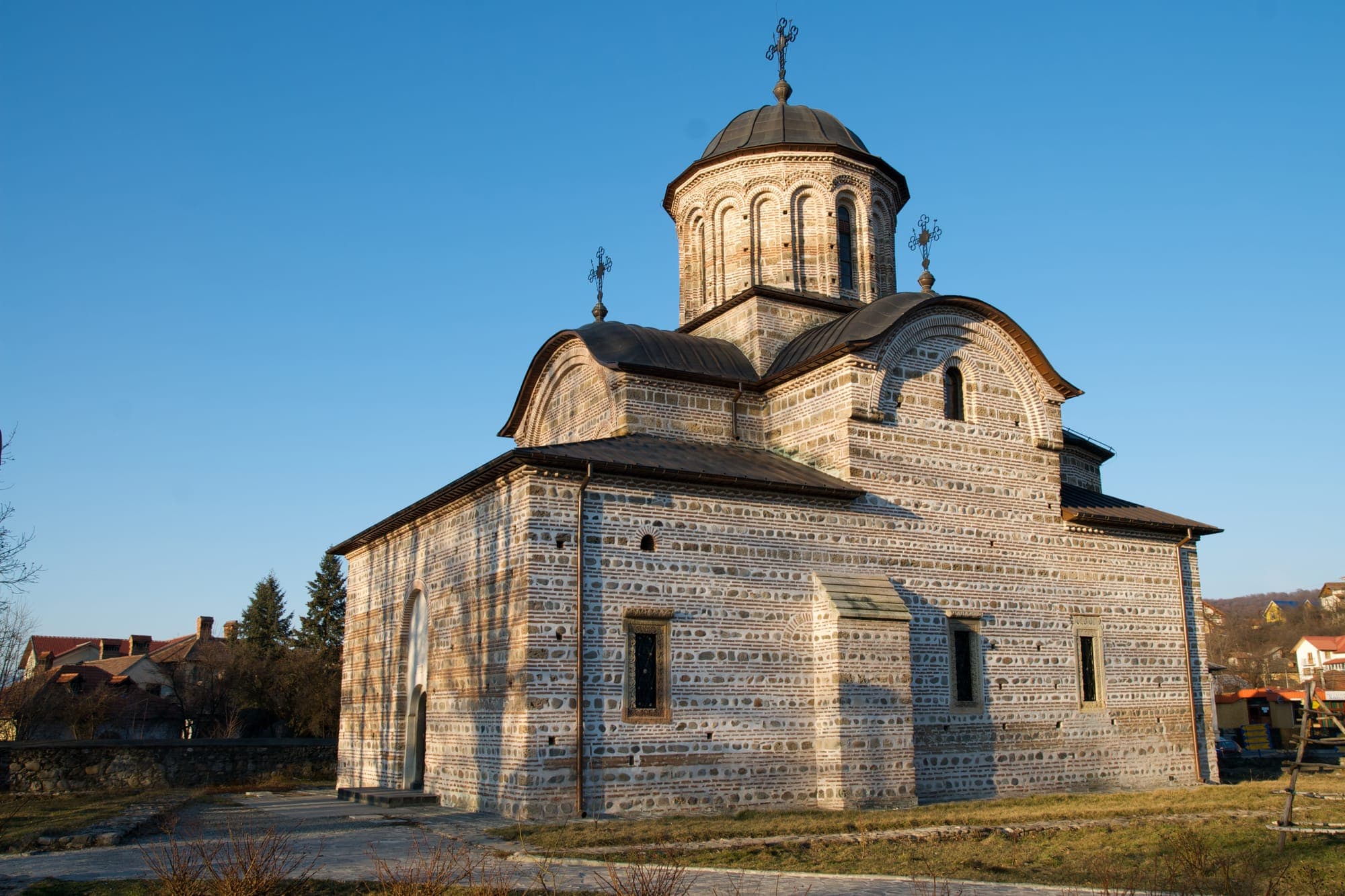
Basarab I's foundation in Curtea de Argeș, with 14th-century frescoes, surrounded by the ruins of the princely court of Wallachia.

A waterfall of about 40 m on the Capra stream, right beside the Transfăgărășan on the southern side of the Făgăraș Mountains, at 1,690 m; you see it from the bridge, without any hiking.

The Golescu boyars' manor house, built in 1640 near Pitești, and an open-air museum with more than 30 farmsteads from the country's vineyards and orchards, on 10 hectares.

The former Pitești prison, where in 1949–1951 students held as political prisoners were subjected to “re-education” through torture, now a private memorial museum; on the UNESCO Tentative List since 2024.

The Jidova or Jidava fort, at the entrance to Câmpulung, the only stone fort on the Limes Transalutanus, with walls, rebuilt towers, a hypocaust and a site museum; part of the UNESCO site of the Roman frontier in Dacia.
A waterfall of almost 100 m in three tiers on the side of the Valea Rea valley in the Făgăraș Mountains, below Moldoveanu Peak; it can be seen from Stâna lui Burnei, at the end of the forest road from Slatina.

A wooden church of 1742 built of oak beams, with a wide porch, an open bell tower and wall paintings of heaven and hell in the porch, in a village of Coșești commune.
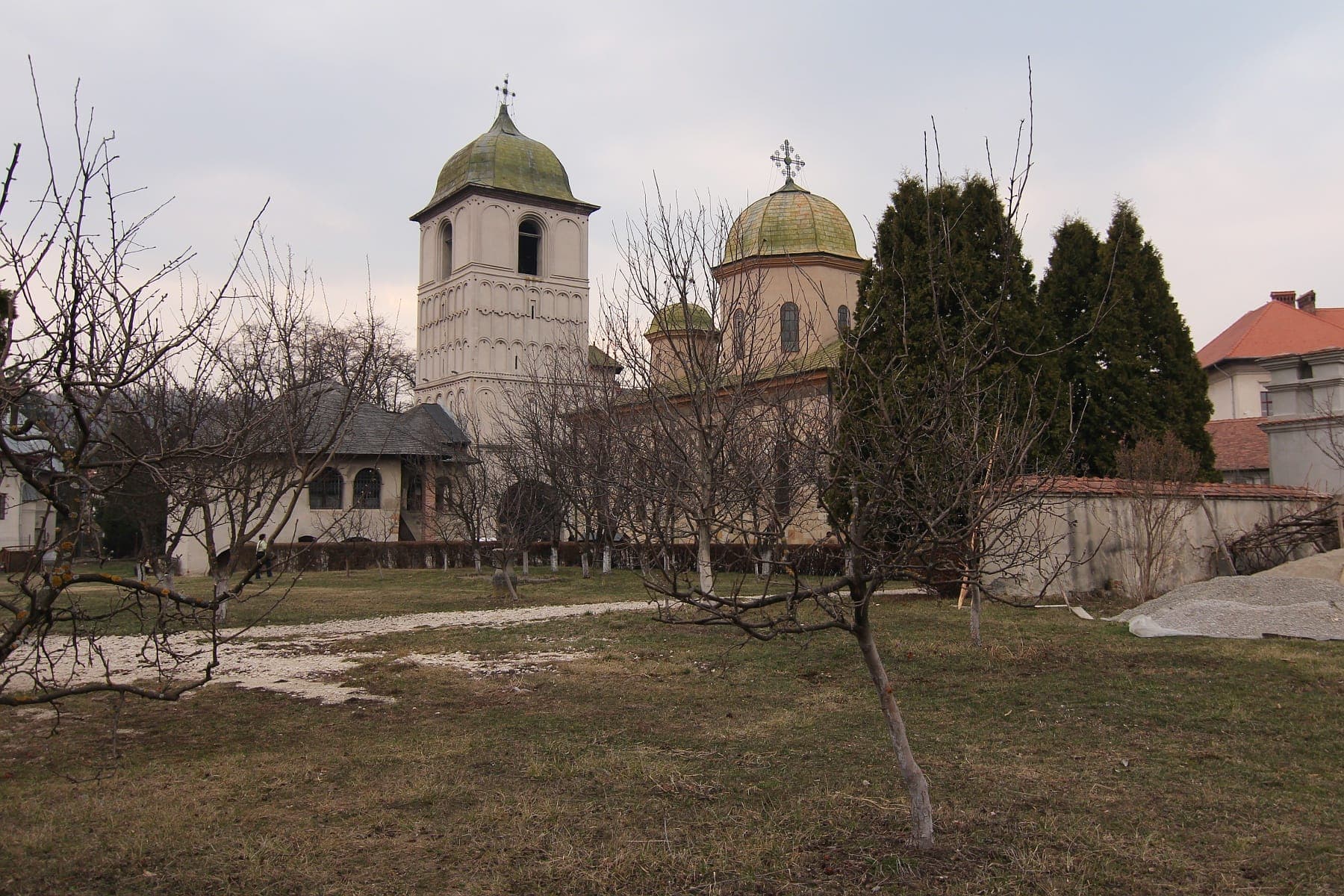
The ensemble on the site of the old princely court of Câmpulung, with the 1647 bell tower, the 1364 tombstone of Prince Nicolae Alexandru and Matei Basarab's Princely House.