

Mogoșoaia Palace
Mogoșoaia, IF · 18 km from Bucharest
The Brâncovenesc palace built by Constantin Brâncoveanu in 1702, with its carved stone loggia, the old kitchen, a church from 1688 and a large lakeside park, 15 km from the centre of Bucharest.
Ilfov is the ring of plains, lakes and woods around Bucharest: this is where Otopeni airport is, along with the new housing estates and, in between, what is left of the old Vlăsia forest, the Băneasa and Snagov woods. The county has no large town, but it does have boyar palaces, monasteries on islands and leisure lakes half an hour from the capital. Anyone wondering what to visit in Ilfov is really discovering the weekend haunts of Bucharest's residents.
Mogoșoaia Palace, built by Constantin Brâncoveanu on the shore of the lake, is one of the best-known examples of the Brâncoveanu style, with a park and gardens. Lake Snagov, long and wooded, has Snagov Monastery on its island, where Vlad the Impaler is said to be buried, and a water-lily reserve in the middle. Therme București, in Balotești, is the complex of thermal baths and pools open all year round. The monasteries of Cernica and Căldărușani are also worth the trip.
8 results
The Brâncovenesc palace built by Constantin Brâncoveanu in 1702, with its carved stone loggia, the old kitchen, a church from 1688 and a large lakeside park, 15 km from the centre of Bucharest.

A liman lake some 16 km long, 40 km north of Bucharest, between forests, villas and jetties, with a water-lily reserve in the middle and Snagov Monastery on an island.

A princely monastery on an island in Lake Snagov, with the exposed-brick church raised by Neagoe Basarab in 1521, paintings from 1563 and the grave that tradition attributes to Vlad the Impaler.

A thermal and wellness complex on the edge of Bucharest, on the DN1: geothermal pools under a glass dome full of palm trees, water slides, saunas and a sandy beach open in summer.

A monastery for monks built on two islands in Lake Cernica, on the edge of Bucharest: the lavra of St Calinic, with two large churches, a museum and the graves of figures from Romanian culture.

A fort in Bucharest's defensive ring turned political prison: the 1940 massacre, the 1946 executions and thousands of prisoners of the communist regime; on the UNESCO Tentative List since 2024.
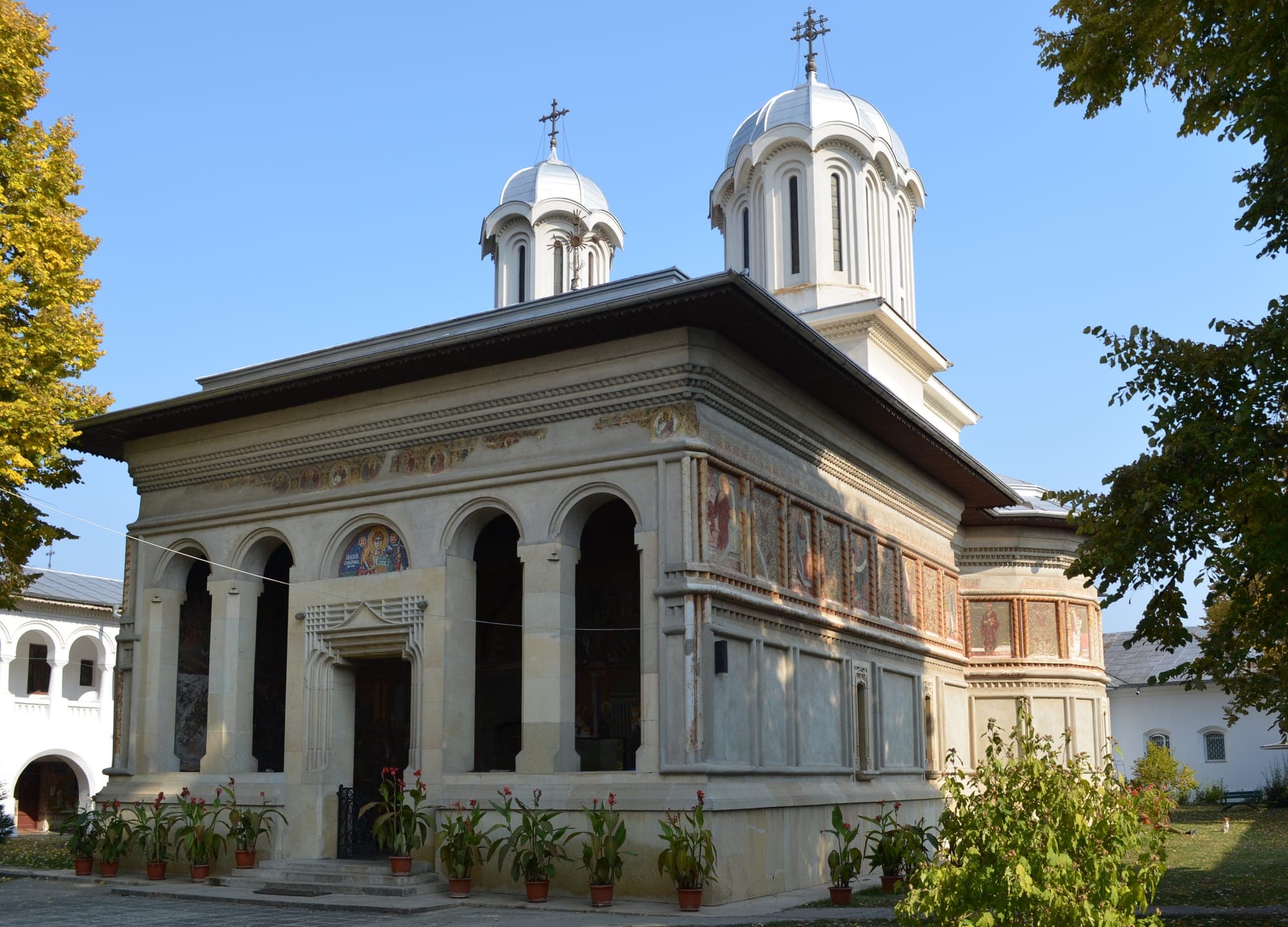
A monastery founded in 1638 by Matei Basarab on a peninsula of Lake Căldărușani, with fortress walls, a great three-towered church, the relics of St Gregory the Teacher and three museum collections.
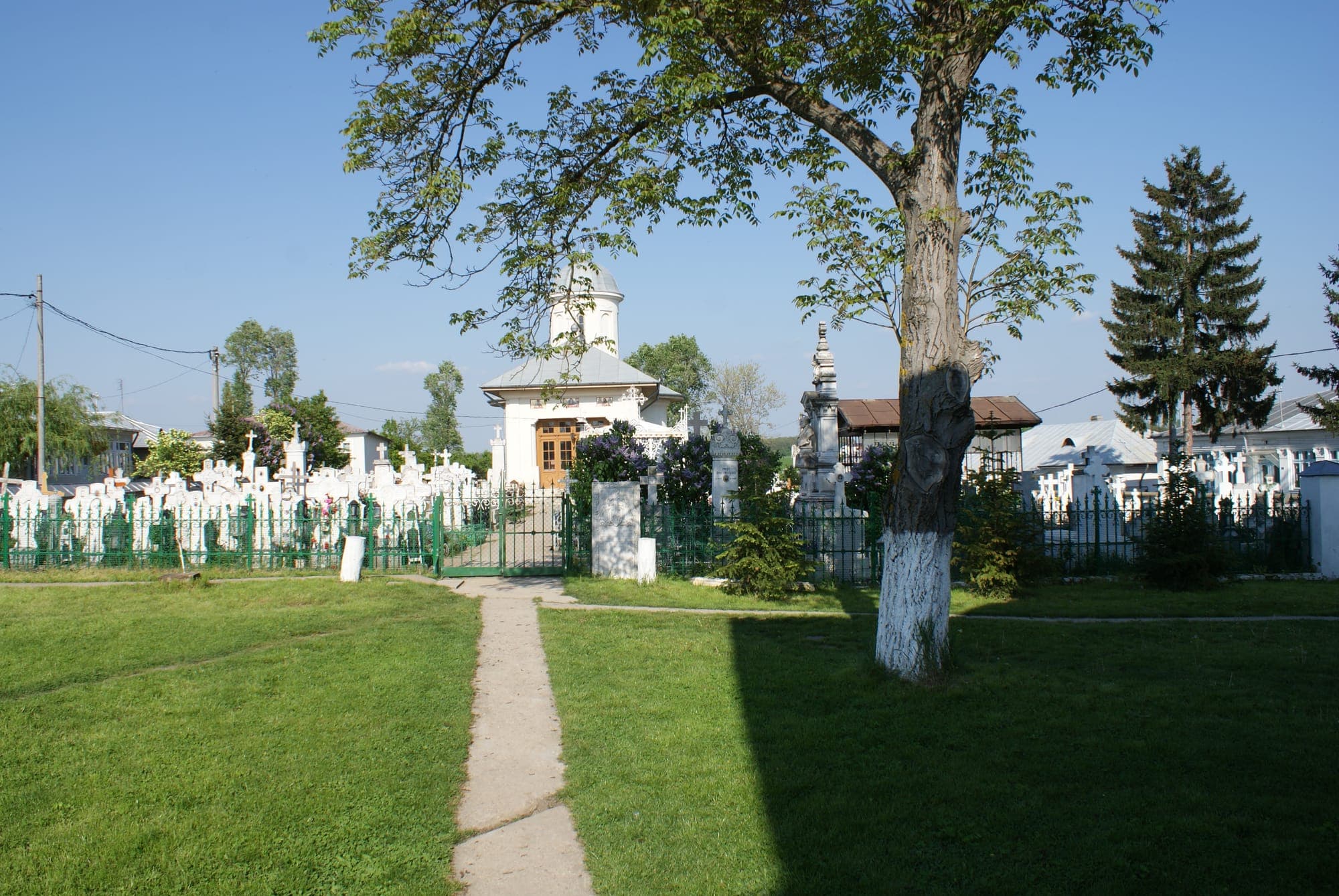
A convent founded in 1813 near Bucharest, with a great church built by St Calinic of Cernica, nuns' houses with verandas, a museum collection and a cemetery with artists' graves.


