Top 20Peleș Castle
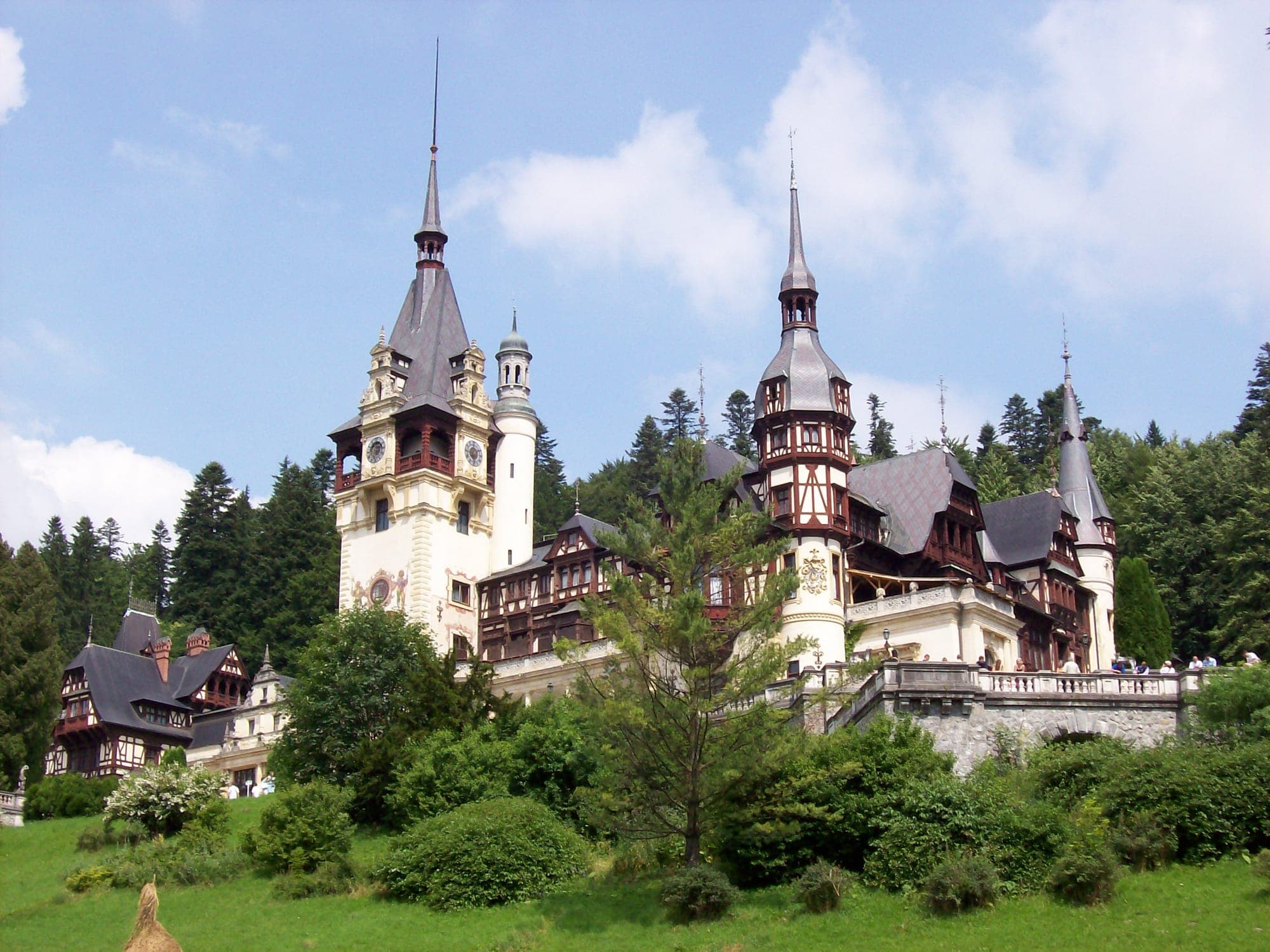
King Carol I's summer residence, built between 1873 and 1914 at the foot of the Bucegi Mountains in Sinaia, with carved wooden interiors, armouries and stained glass.
Top 20King Carol I's summer residence, built between 1873 and 1914 at the foot of the Bucegi Mountains in Sinaia, with carved wooden interiors, armouries and stained glass.
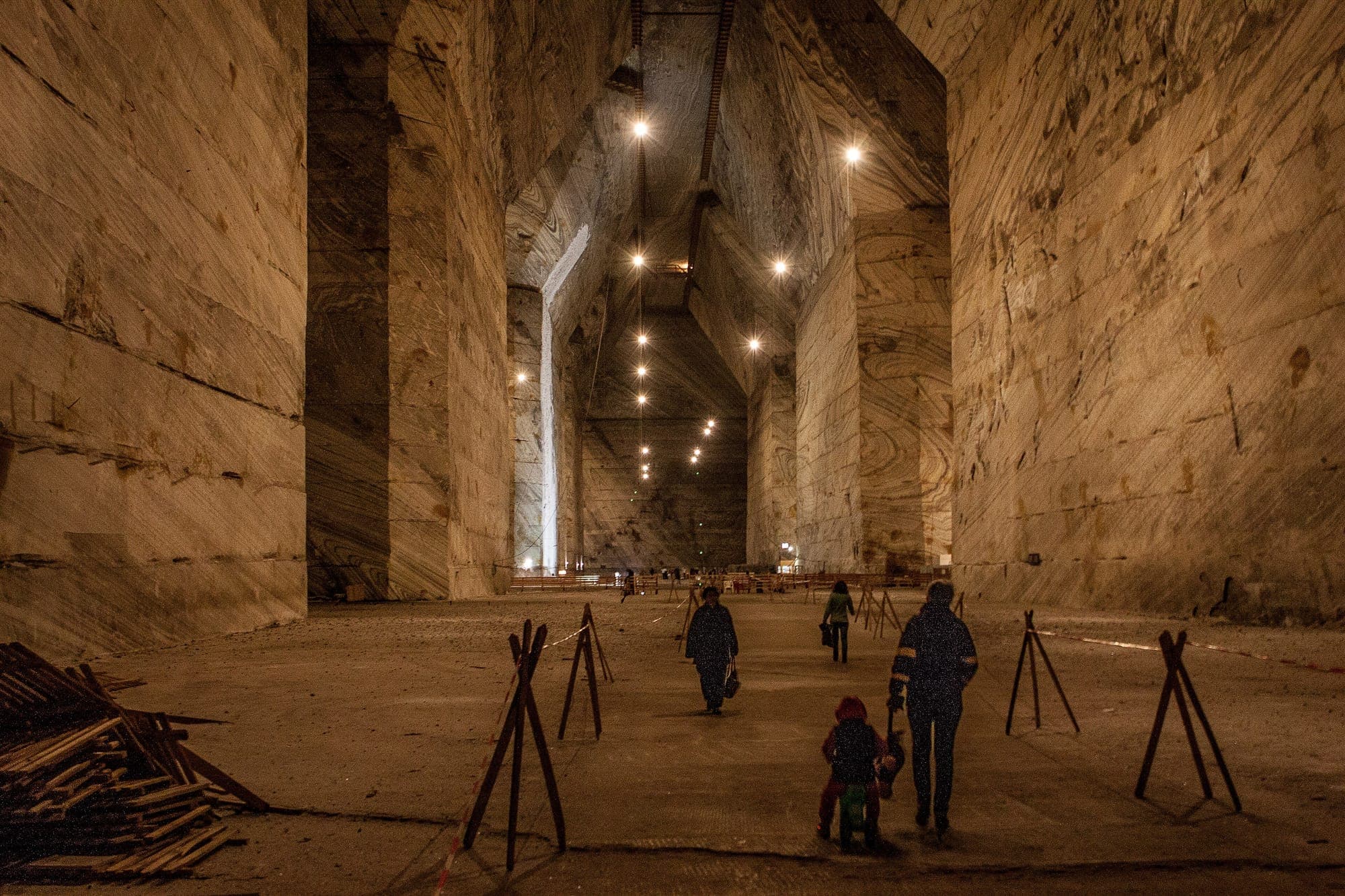
Top 100The Unirea mine, dug between 1938 and 1970, is a string of 14 salt halls over 50 m high, 208 m underground, which you reach by minibus; 100 km from Bucharest.
Top 100The Neo-Romanian summer residence of the 'Nabob' Gheorghe Grigore Cantacuzino, with a ballroom lined with coats of arms, a terrace facing the Bucegi Mountains and the Nevermore Academy exterior from Wednesday.
Top 100A 39 m steel cross raised in the 1920s on the edge of the Caraiman escarpment, at 2,291 m, in memory of the heroes of the First World War; it can be seen from all over Bușteni.
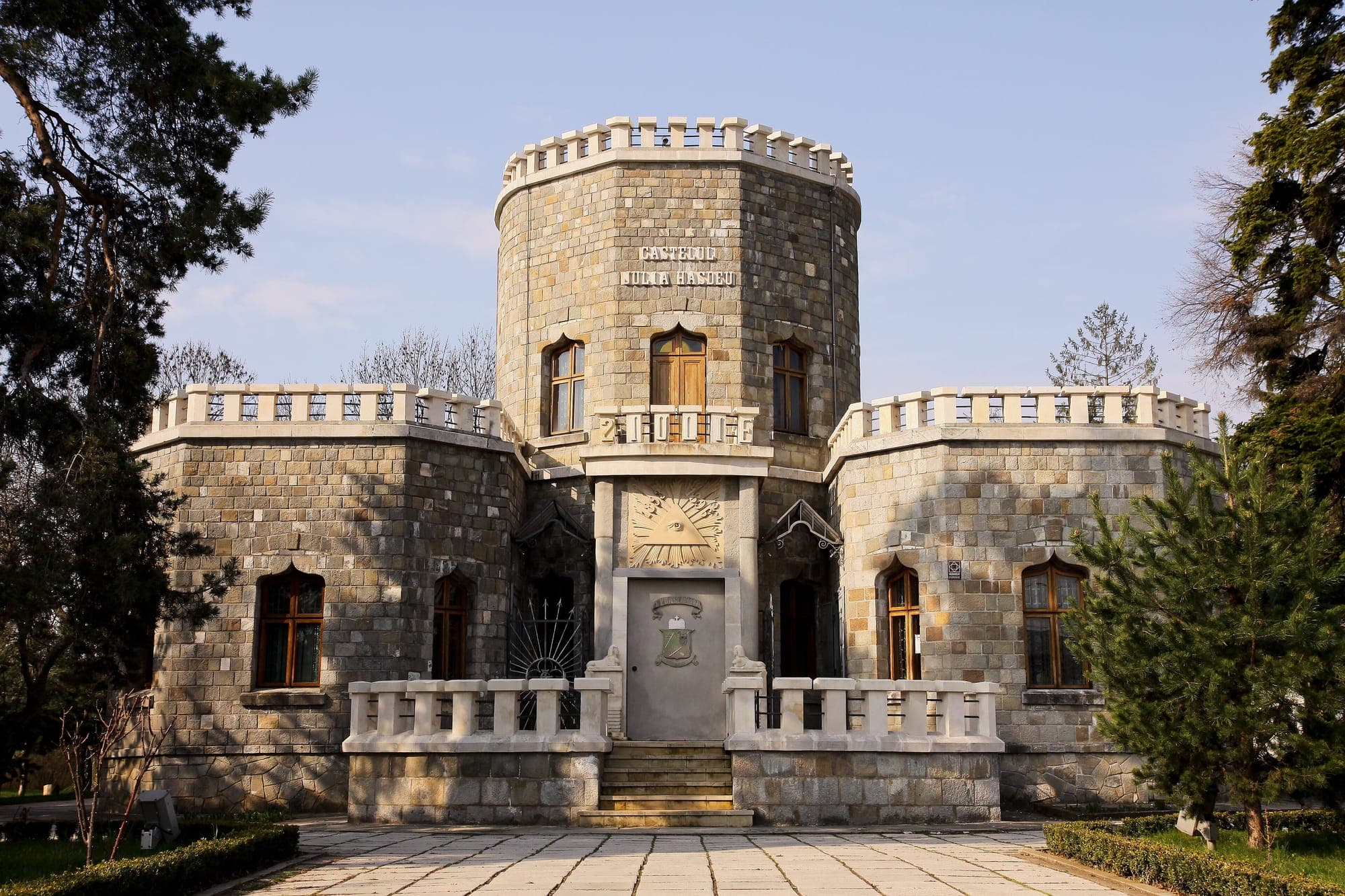
Top 100The temple-castle built by Bogdan Petriceicu Hasdeu in memory of his daughter Iulia, to plans he claimed she gave him in spiritualist séances; today a memorial museum.
Top 100Queen Marie's Art Nouveau castle, built between 1899 and 1902 next to Peleș, with the Gold Room, the Gold Bedroom and interiors designed by the queen herself; her heart is kept here.

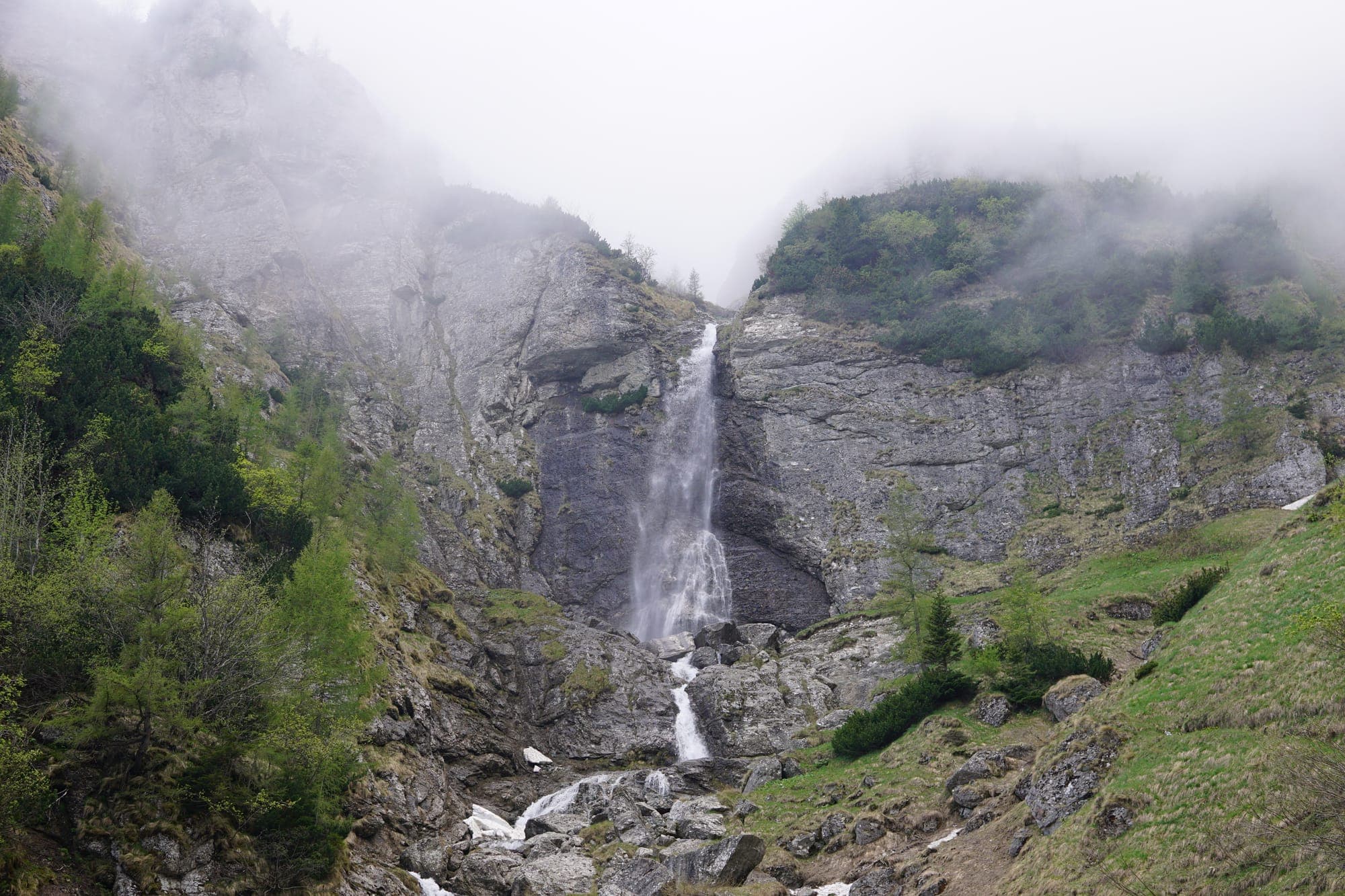
A waterfall on the rock step at the head of the Jepi valley, below the Caraiman chalet in the Bucegi; it only flows in full in late spring and early summer, hence its nickname of the ‘ghost waterfall’.
Salt lakes formed over the old salt mines of Telega, near Câmpina: in summer you swim in water holding almost 277 g of salts per litre. The mine galleries cannot be visited.

A roughly 15 m waterfall on the eastern slopes of the Bucegi Mountains, an hour's easy forest walk from Bușteni; the most visited waterfall in the massif and a classic outing on the Prahova Valley.
Top 20
Top 100
Top 100
Top 100
Top 100
Top 100