A Dacian fortress on Cetățuia hill, at the gateway to the Orăștie Mountains: earth ramparts, a stone wall built in the Hellenistic manner, tower houses and temples, a UNESCO site.
Fortresses and fortificationsMonuments and historic sitesUNESCO
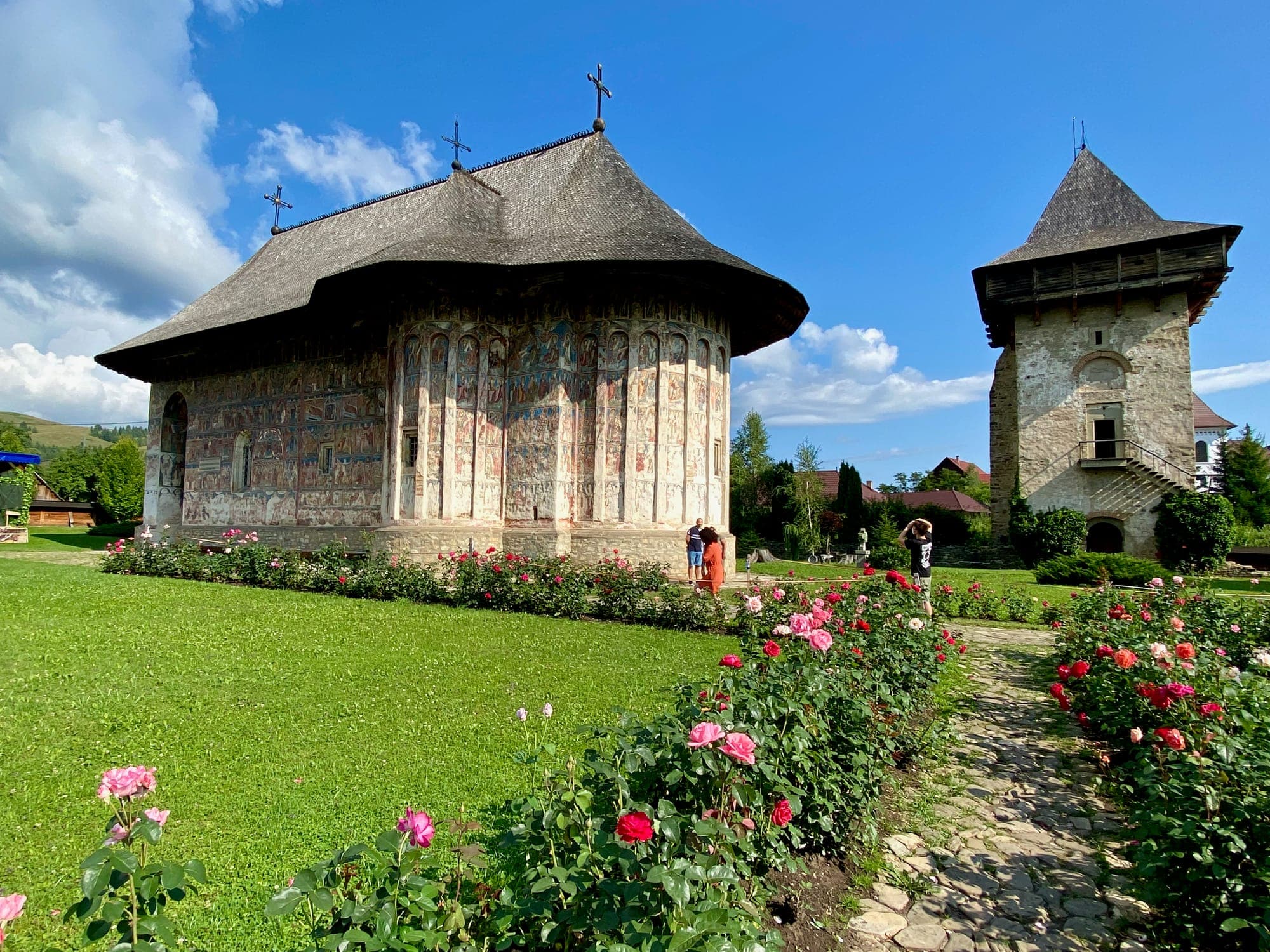
The church built in 1530 by chancellor Toader Bubuiog under Petru Rareș, painted outside in shades of red, with an open porch and Vasile Lupu's tower; a UNESCO site.
Monasteries and churchesMonuments and historic sitesUNESCO
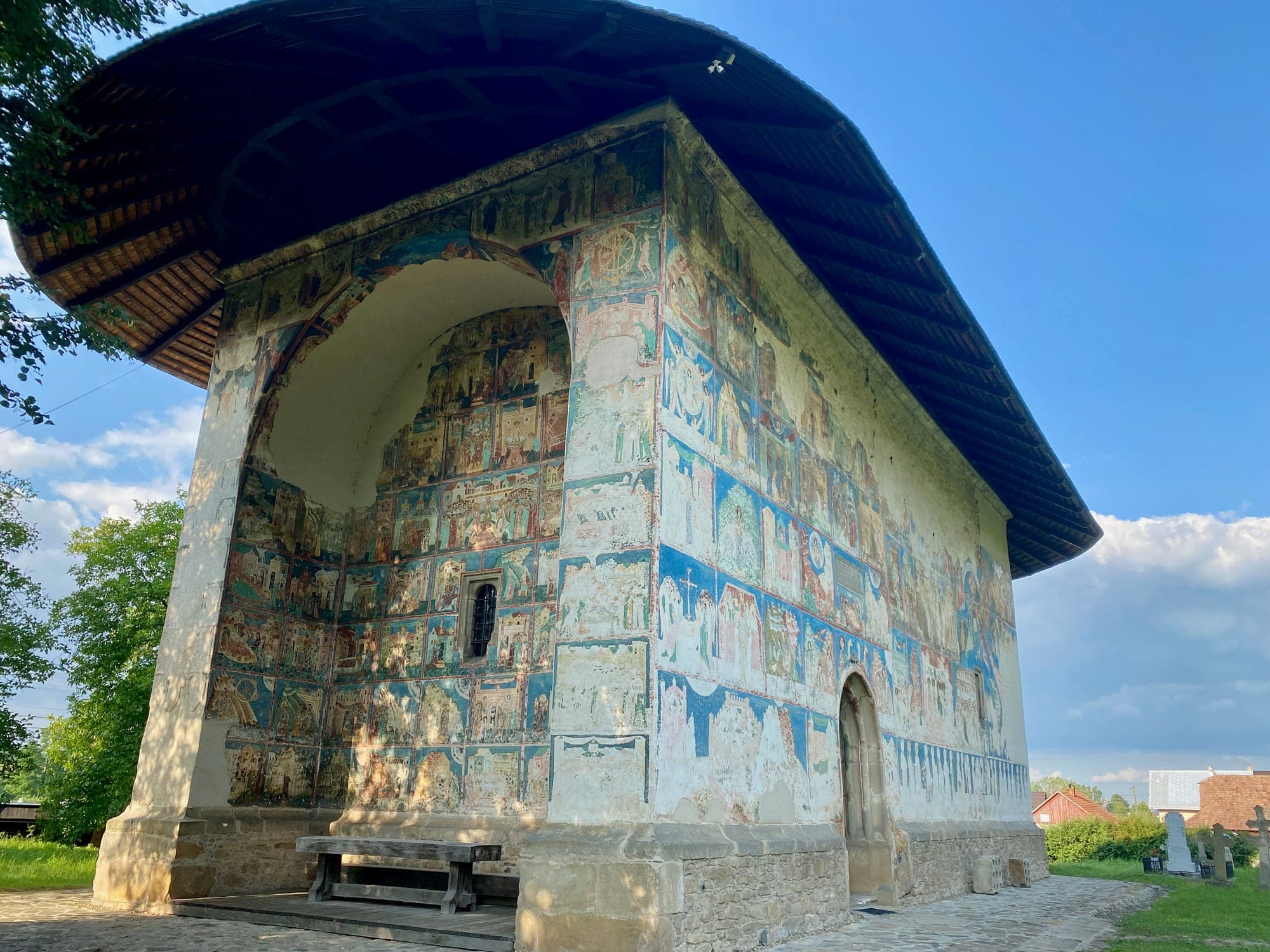
The church built in 1502 by Hetman Luca Arbore, with no tower and exterior frescoes from 1541 dominated by green; a UNESCO site, today the church of Arbore Monastery.
Monasteries and churchesMonuments and historic sitesUNESCO
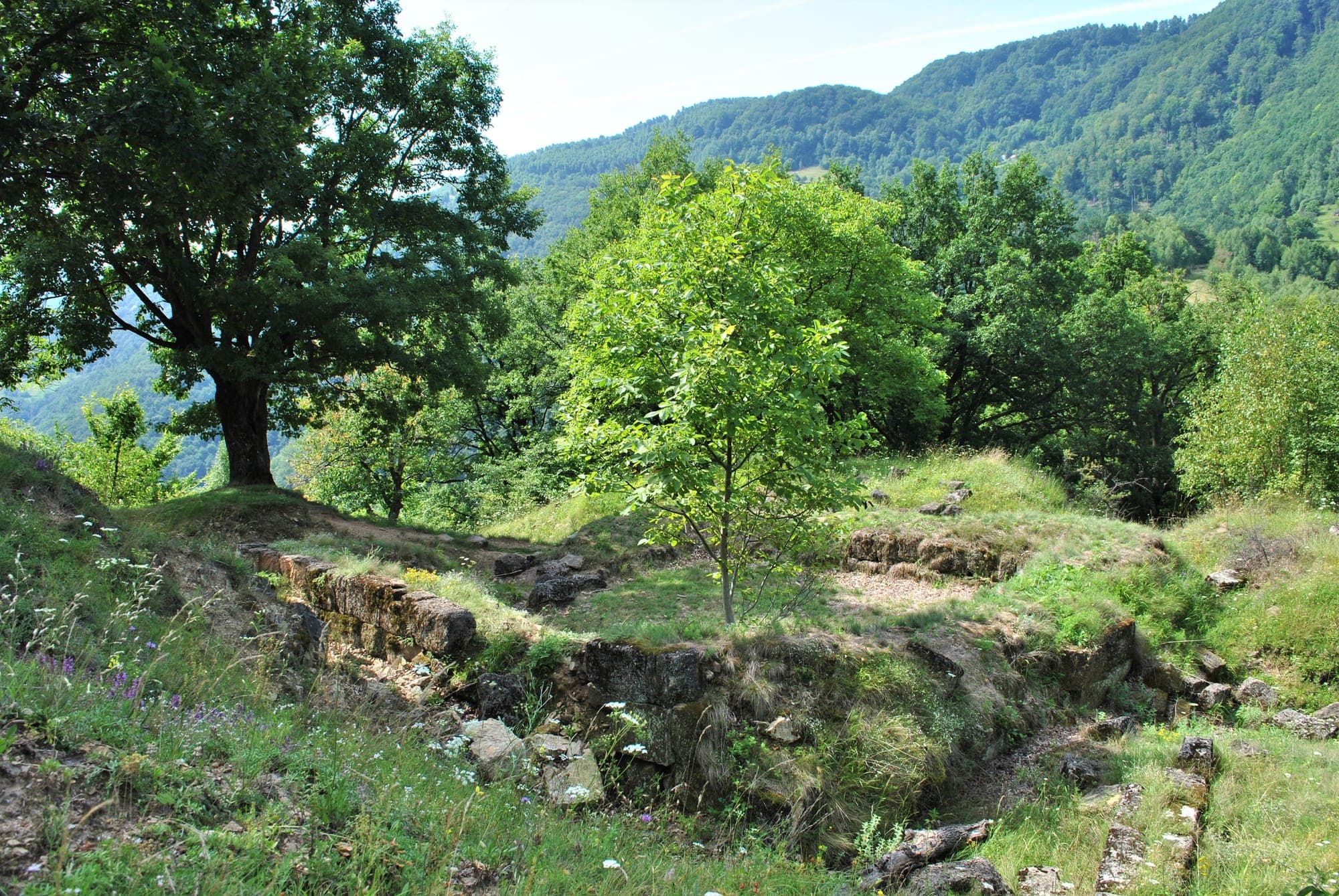
The ruins of a Dacian fortress on the rocky summit of Piatra Cetății, above the DN66, which guarded the southern approach to Sarmizegetusa Regia; a UNESCO site, reached only on foot by a steep climb.
Fortresses and fortificationsMonuments and historic sitesUNESCO
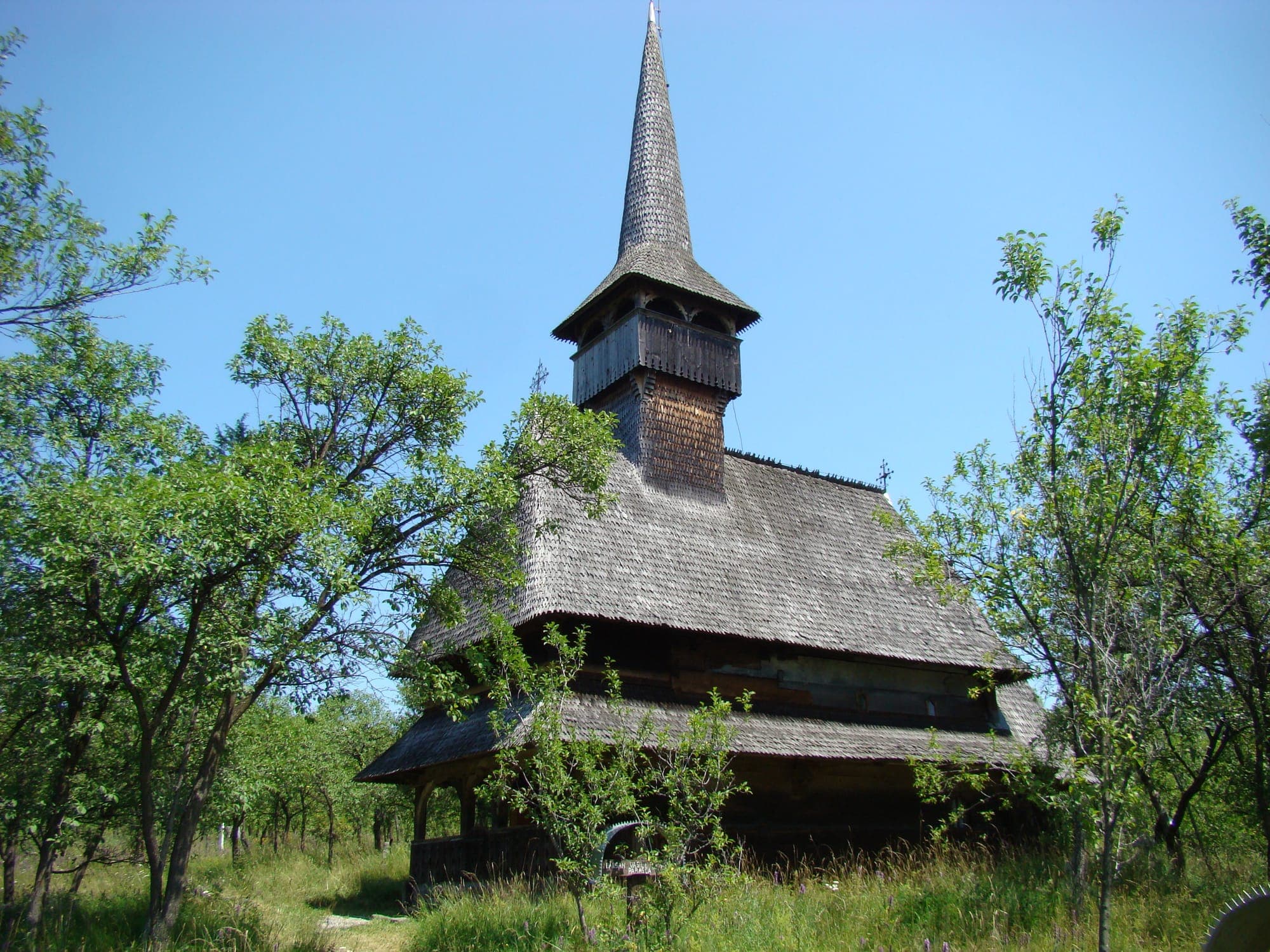
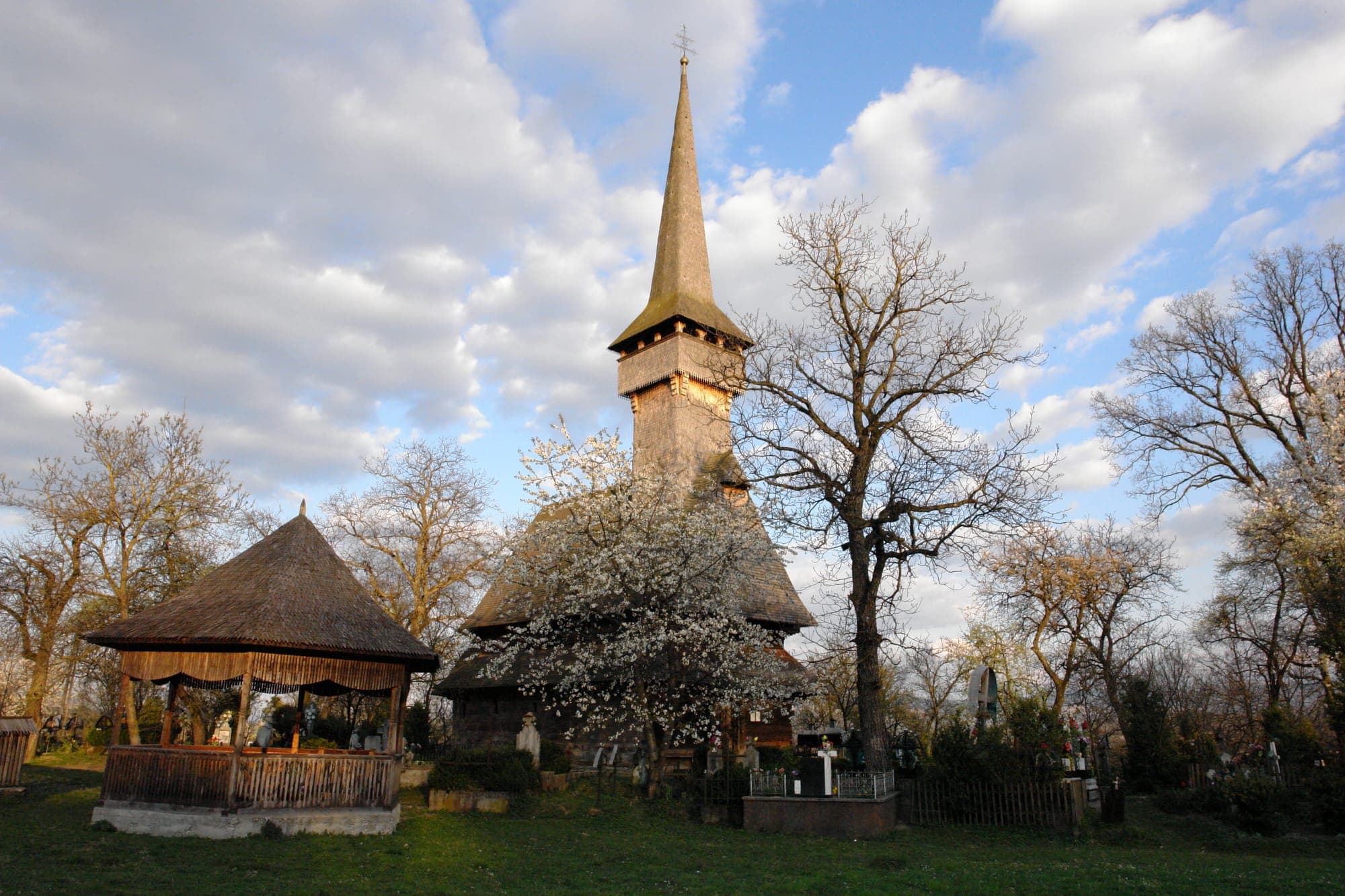
Bârsana's old wooden church, dating from 1711, stands on Jbâr Hill in an orchard full of crosses; inside is Toader Hodor's Baroque painting of 1806. A UNESCO site.
Monasteries and churchesMonuments and historic sitesUNESCO
The 1643 Church of Saint Nicholas in the Cosău Valley, with a slender tower framed by four small turrets, paintings by Alexandru Ponehalschi and the chain mail attributed to the outlaw Pintea the Brave. A UNESCO site.
The ruins of a Dacian fortress on a wooded hill above the Sebeș valley: limestone walls in the murus dacicus technique and the base of a tower house, the only Dacian UNESCO site in Alba County.
Fortresses and fortificationsMonuments and historic sitesUNESCO
One of the strongest Dacian fortresses in the Orăștie Mountains: murus dacicus walls, six towers and a dog-leg entrance, on a wooded hill above Costești, a UNESCO site.
Fortresses and fortificationsMonuments and historic sitesUNESCO
A wooden church from 1770 dedicated to Saint Paraskeva, painted in 1780 by Radu Munteanu with a crowded Last Judgement; one of the eight Maramureș churches on the UNESCO World Heritage List.
Constantin Brâncoveanu's largest foundation, officially Hurezi Monastery: the model ensemble of the Brâncovenesc style, built in 1690–1693 and a UNESCO site since 1993.
Monasteries and churchesMuseums and memorial housesUNESCO
The Church of the Nativity of the Virgin on Ieud's rocky hillside, built in 1611–1621, painted inside by Alexandru Ponehalschi and the place where the Ieud Codex was found. A UNESCO site.
Founded by Petru Rareș in 1532, with a church painted on the outside in shades of yellow and blue and the famous Siege of Constantinople fresco; a UNESCO site in Bukovina.
Monasteries and churchesMonuments and historic sitesUNESCO
The Church of the Exaltation of the Holy Cross, built by Stephen the Great in 1487: his oldest surviving foundation, with the "Cavalcade of the Holy Cross" fresco; a UNESCO site near Suceava.
Monasteries and churchesMonuments and historic sitesUNESCO
A Dacian fortress on top of a rocky hill above Luncani, with an ancient paved road of stone steps and tower ruins hidden in the forest; a UNESCO site, far from the crowds.
Fortresses and fortificationsMonuments and historic sitesUNESCO
The northernmost bastion of Roman Dacia: the fort with its reconstructed gates, the paved imperial road, the civil town and the amphitheatre, on the hills at Moigrad in Sălaj.
Monuments and historic sitesFortresses and fortificationsUNESCO