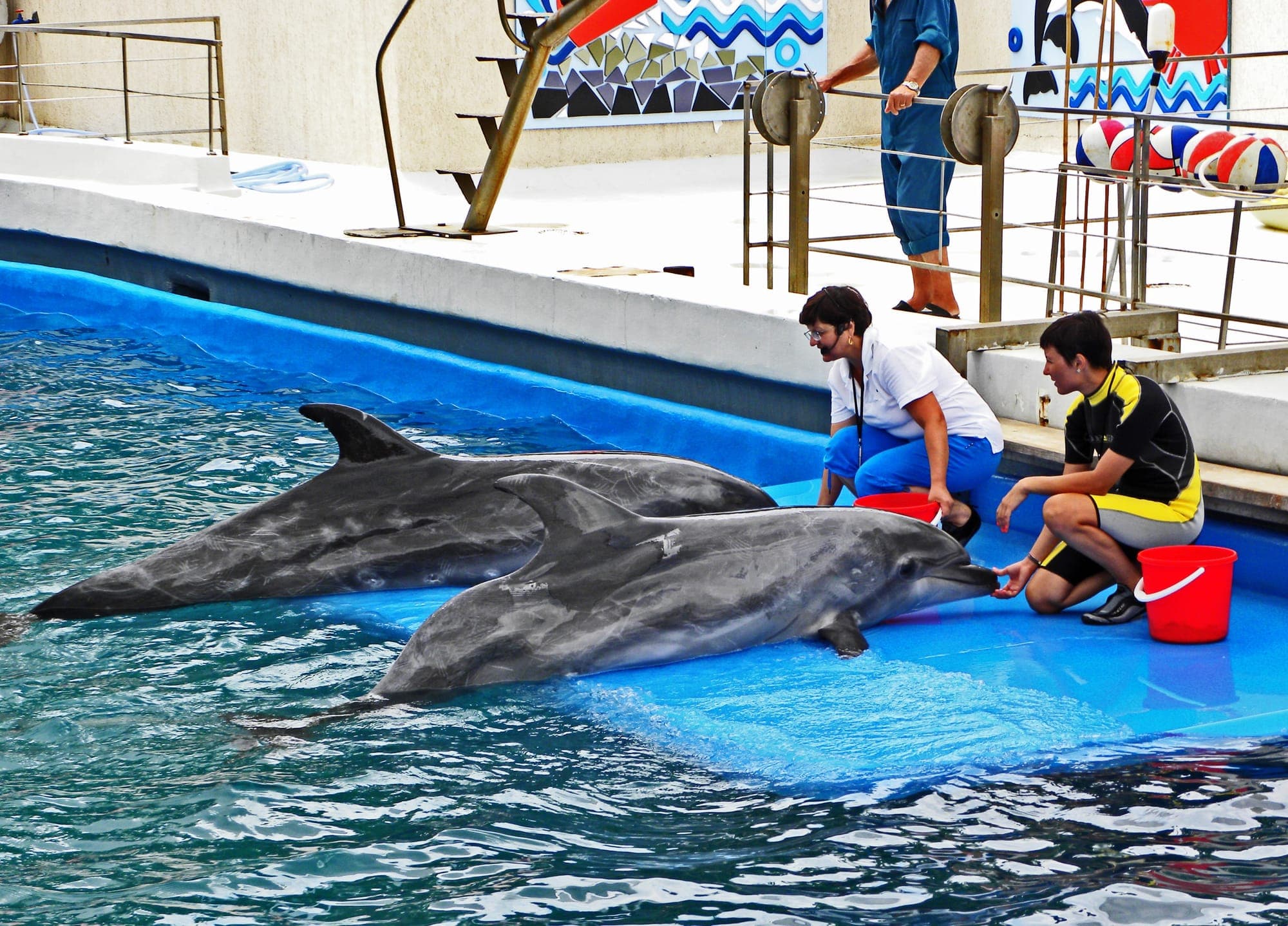
Romania's first dolphinarium, opened in 1972 on Mamaia Boulevard, with dolphin shows in a covered arena and, on the same ticket, a small reserve with Dobrujan birds and animals.
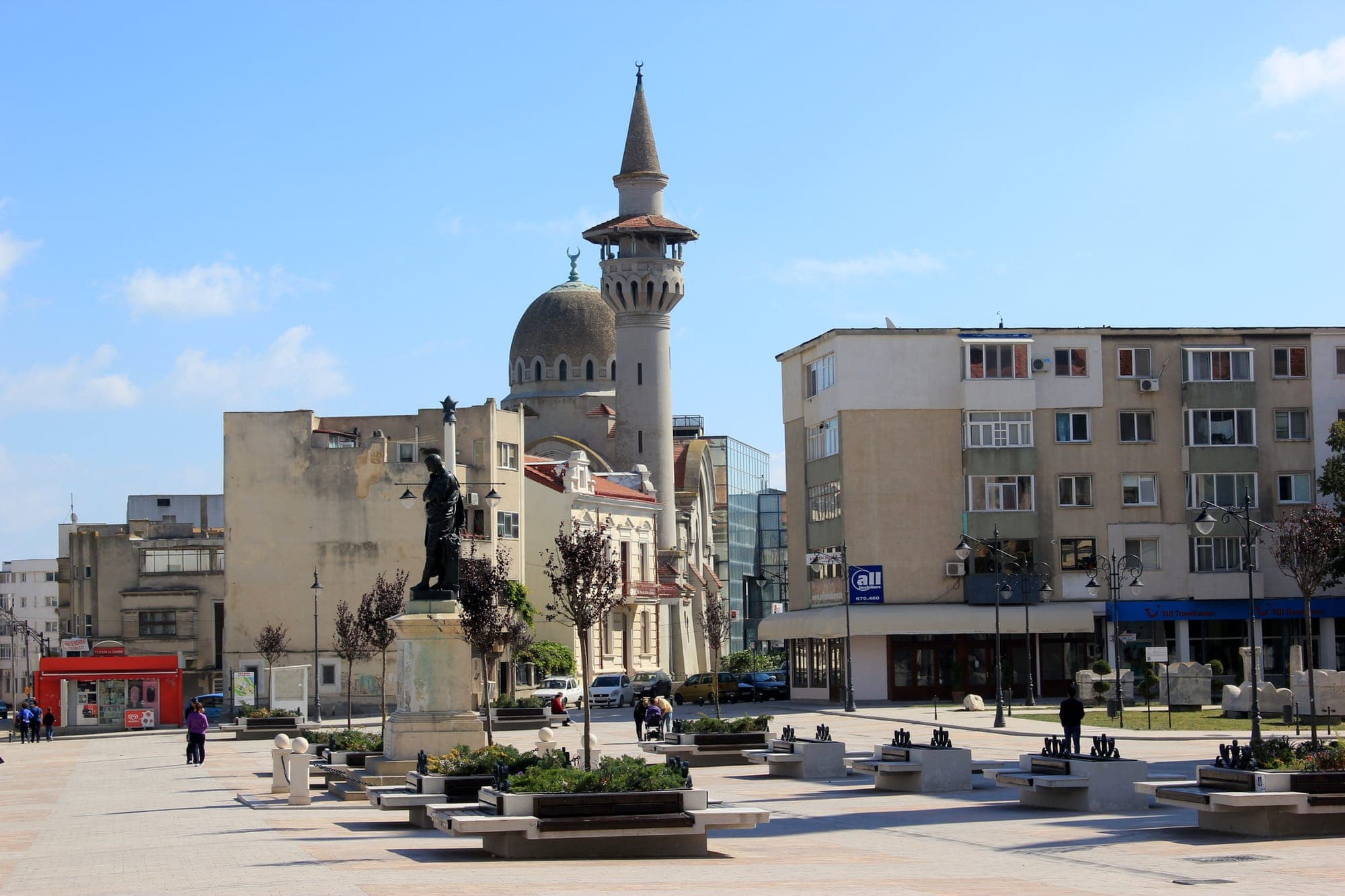
Constanța's old town, on the site of ancient Tomis: Ovid Square, the Roman mosaic, the mosque and its minaret, the cathedral, the Genoese Lighthouse and the casino seafront, all a few steps apart.
The oldest public park in Iași, laid out from 1834 on Copou hill, with the Lions' Obelisk, Eminescu's Linden Tree, the busts of the Junimea writers and the "Mihai Eminescu" Museum.
A Saxon church fortified around 1510, with a tall choir under a star vault, a bell tower with a timber gallery and a winegrowers' village around it, in the Wine Country.
Monasteries and churchesFortresses and fortifications
One of the strongest Dacian fortresses in the Orăștie Mountains: murus dacicus walls, six towers and a dog-leg entrance, on a wooded hill above Costești, a UNESCO site.
Fortresses and fortificationsMonuments and historic sitesUNESCO
The spa resort in the town of Covasna, Romania's "resort of the heart": carbon dioxide mofettes, sparkling mineral springs on every corner and the Devil's Pond, a mud volcano in the central park.
The museum in the Jean Mihail Palace, built in 1898–1907 to plans by Paul Gottereau, holds six works by Brâncuși, including “The Kiss”, as well as Romanian and European art.
A Saxon church fortress in the Burzenland, near Brașov: a 19th-century Neoclassical church ringed by a double medieval wall with eight surviving defensive towers.
Monasteries and churchesFortresses and fortifications
A 19th-century Lutheran church with an 1813 organ, enclosed by an oval 15th-century wall, on a hill in the middle of a quiet Saxon village a few kilometres off the DN13.
Monasteries and churchesFortresses and fortifications
The house of Alexandru Ioan Cuza's parents, now the first house museum founded in Galați (1939), reopened in 2024 after restoration, with an exhibition on the ruler of the Union and on Galați between 1850 and 1930.
The former Pannonia Hotel, built in 1901–1902 in Liberty Square to plans by Zoltán Bálint and Lajos Jámbor, is one of the finest Secession buildings in Satu Mare. It can only be seen from outside: it is under restoration.
Galați's 3–4 km promenade, on two levels above the Danube, with metal sculptures from the 1976–1991 camps and restaurants on boats; under redevelopment since 2026.
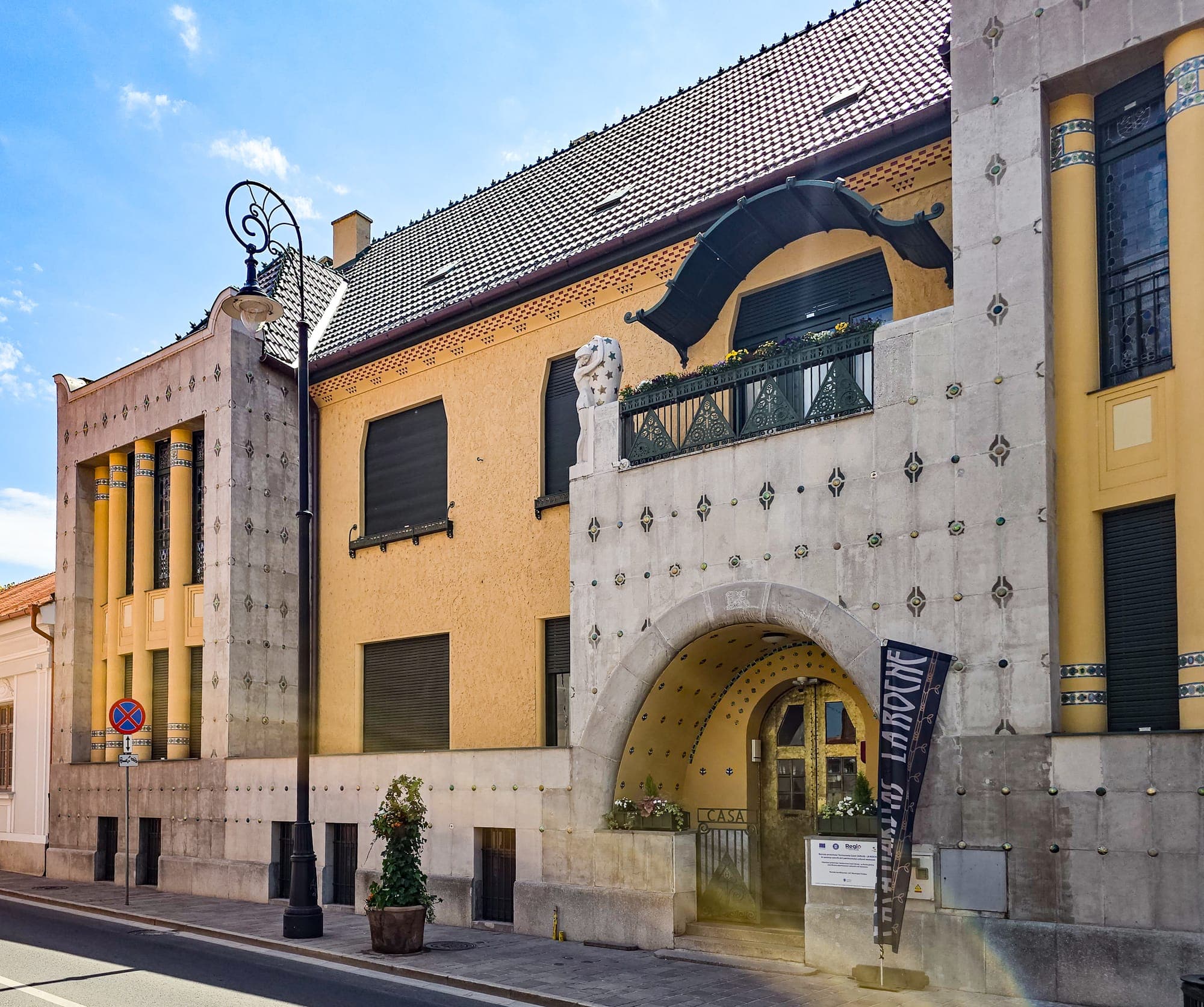
The Secession villa of the industrialist Imre Darvas, designed by the Vágó brothers in 1909–1912, now houses Romania's first Art Nouveau museum, with period interiors and a garden.
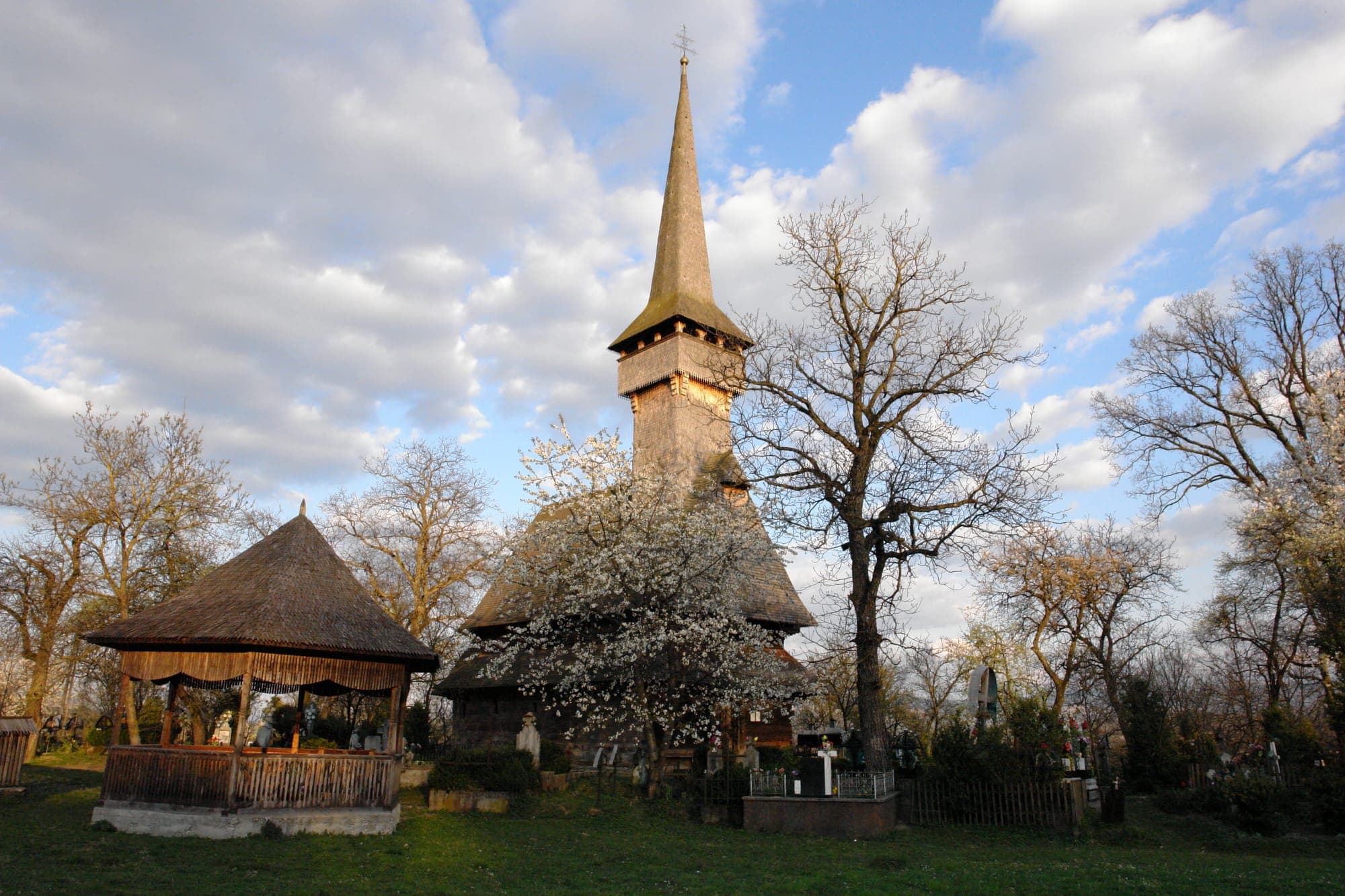
A wooden church from 1770 dedicated to Saint Paraskeva, painted in 1780 by Radu Munteanu with a crowded Last Judgement; one of the eight Maramureș churches on the UNESCO World Heritage List.