An open-air ethnographic museum on the shore of Lake Herăstrău, in the middle of Bucharest: farmsteads, wooden churches, mills and workshops brought from all over the country and rebuilt here since 1936.
Museums and memorial housesVillages and traditions
A geological reserve in Sălaj with 10–15 m sandstone towers and spurs, shaped by erosion and named by locals "the Dragon and the Dragoness", "Fata Cătanei" or "the Monks".
The old school in the courtyard of St Nicholas' Church in Șcheii Brașovului, now a museum: a classroom with wooden benches, a replica of Coresi's printing press and Romanian books five centuries old.
Museums and memorial housesMonuments and historic sites
A nature reserve in the Vrancea Subcarpathians where methane gas seeps out of the ground and burns by itself, in small flames best seen in dry weather and towards evening.
An ice cave in the forests of the Galbena Valley near Padiș, reached on foot along a marked trail. Around midday, light pours in through a hole in the roof and falls on the ice.
The youngest botanical garden in Romania, on 18 hectares above the Danube: a rose garden with thousands of roses, a Japanese garden with a lake, a sensory garden and plant collections from five continents.
The house in the village of Liveni, rebuilt on the foundations of the one where George Enescu was born in 1881, holds an exhibition on the composer's childhood: the pianino, rugs, photographs and early scores.
An 18th-century Ottoman watchtower, 22 m high and slightly leaning, in the middle of Piața Unirii: the symbol of Giurgiu and of the county's coat of arms.
The main square of old Sibiu, about 140 by 90 metres, enclosed by merchants' houses with "eyes" in their roofs, by the Brukenthal Palace, the Jesuit church and the Council Tower.
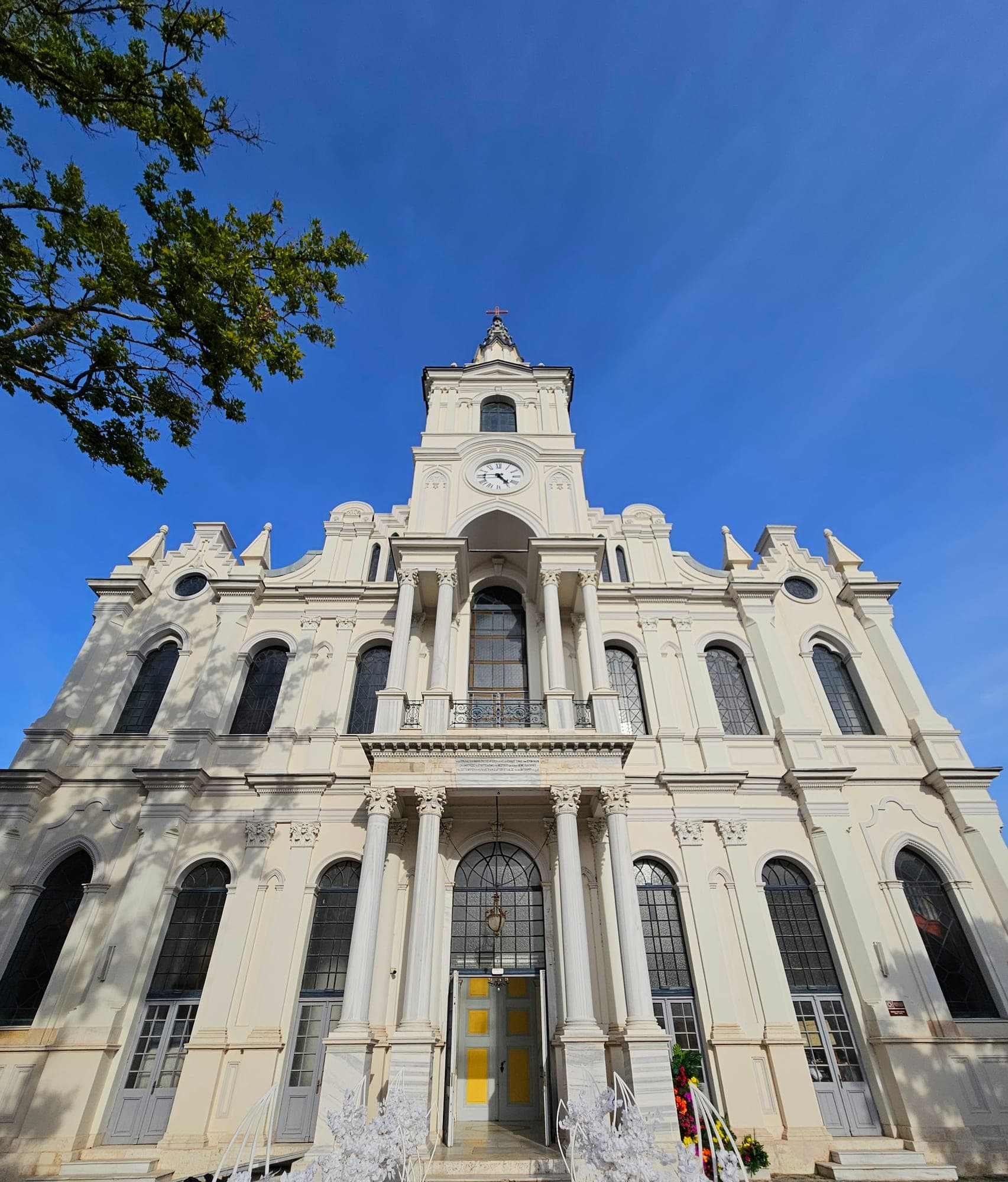
The church raised between 1863 and 1872 by Brăila’s Greek community to plans by the architect Avraam Ioanidis: a Byzantine-style building with a clock tower, paintings by Tattarescu and Liochis, and the famous Healing Spring.
The museum on Kiseleff Road holds the 1907 dioramas, the Deinotherium skeleton and over 2 million zoological, palaeontological and mineralogical pieces, in a building inaugurated in 1908.
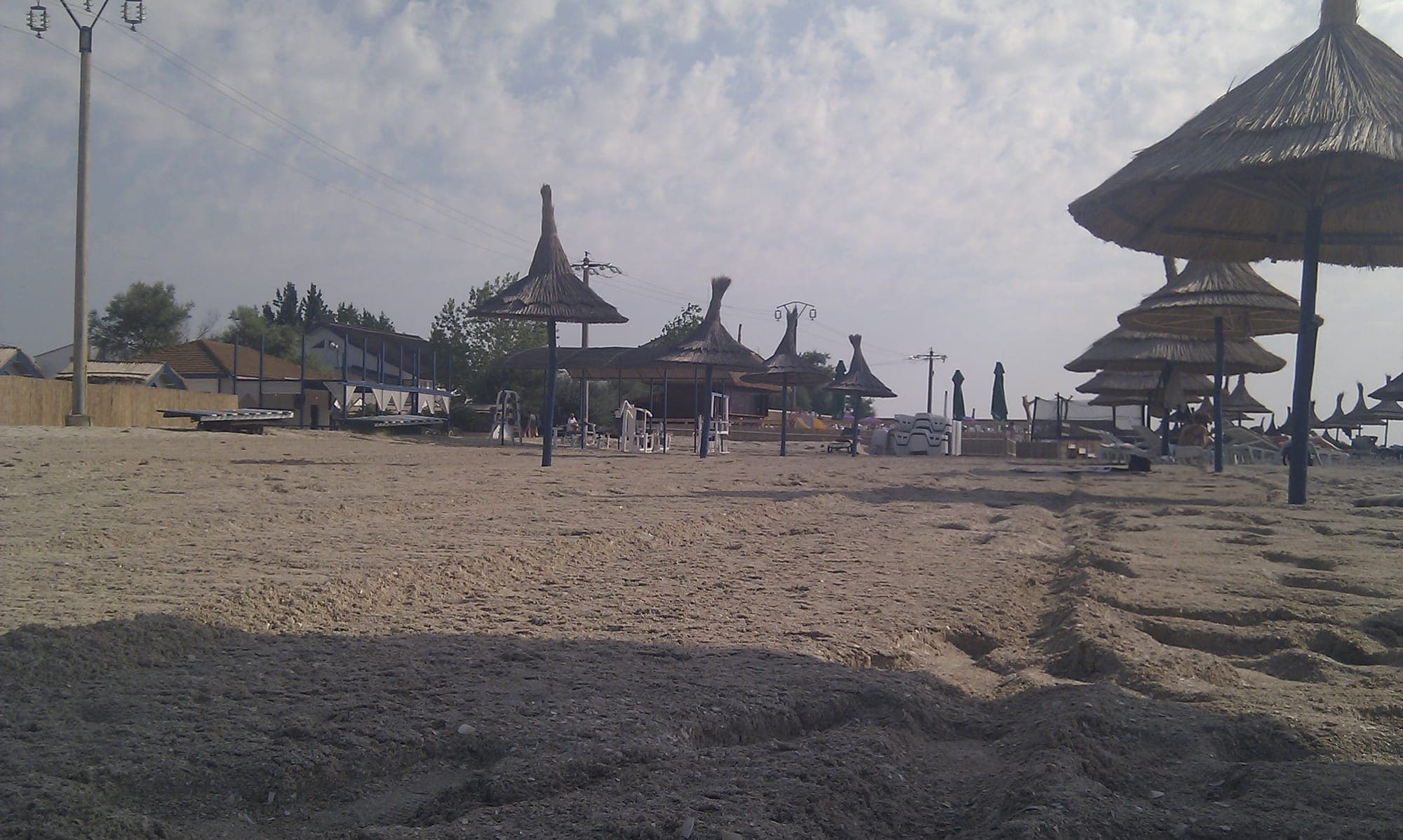
A strip of sand between the Black Sea and Lake Golovița, in the Danube Delta, reached only by boat from Jurilovca: a wide beach with reed sunshades and a single resort.
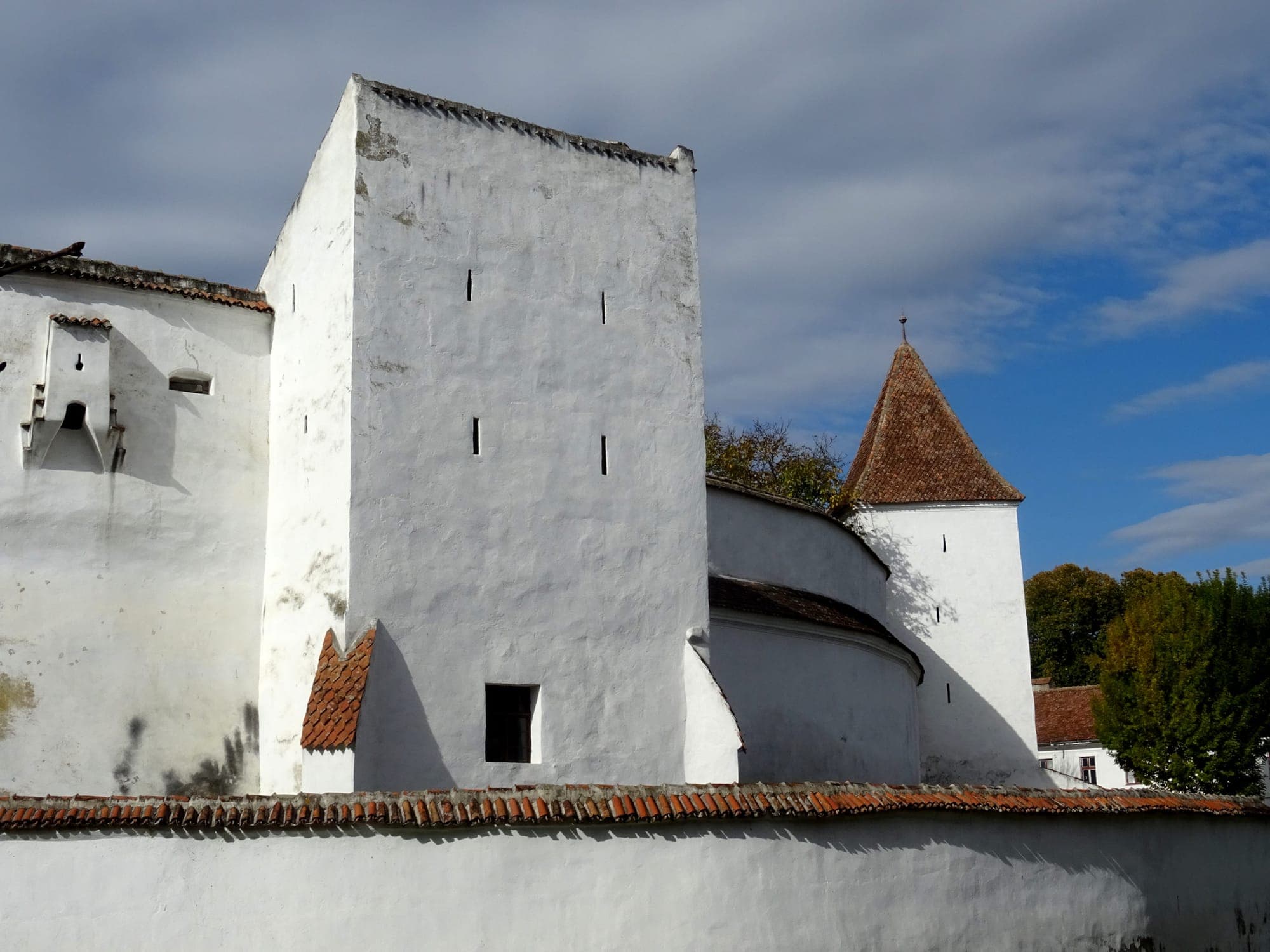
A 13th-century Romanesque basilica enclosed by 12 m walls with seven towers, with the tallest bell tower in the Burzenland and a chapel of 15th-century Gothic frescoes.
Monasteries and churchesFortresses and fortifications
Romania's oldest European bison reserve, in the Slivuț forest near Hațeg: the first bison brought from Poland arrived here in 1958, and the herd can be watched from the fence of the enclosure.
A forest of about 300 ha on the western edge of Cluj, known for its twisted tree trunks, the Round Clearing and the "paranormal" legends that made it famous worldwide.