A bastioned fortress on Citadel Hill, north of the old town, built to stop enemies firing on Brașov from the heights; the interior is closed for works, but the walls and the view can be enjoyed from the paths on the hill.
Fortresses and fortificationsMonuments and historic sites
The zoo in the Noua district, at the foot of the forest, enlarged to 10 hectares after the 2012–2014 modernisation, with tigers, lions, bears, sea lions, penguins and a planetarium on site.
The pass where the DN1A crosses from the Teleajen valley into the Bârsa region at 1,263 m, below the Ciucaș Mountains: a mountain road between Cheia and Săcele and the trailhead for Ciucaș Peak.
The Evangelical church of Bunești (Bodendorf), a late 13th-century basilica ringed by a wall with towers and the villagers' grain chambers, with a narrow, tall interior full of painted galleries.
Monasteries and churchesFortresses and fortifications
A spa resort in the Olt Valley, where the river leaves the Cozia Mountains: sulphur springs known since the 19th century, the Central Pavilion of 1886 and thermal pools open all year round.
A sixteenth-century foundation of the Buzești boyars, tucked into a valley in Olt County: a church with the votive painting of Michael the Brave, the Buzești tombs and a brick enclosure wall.
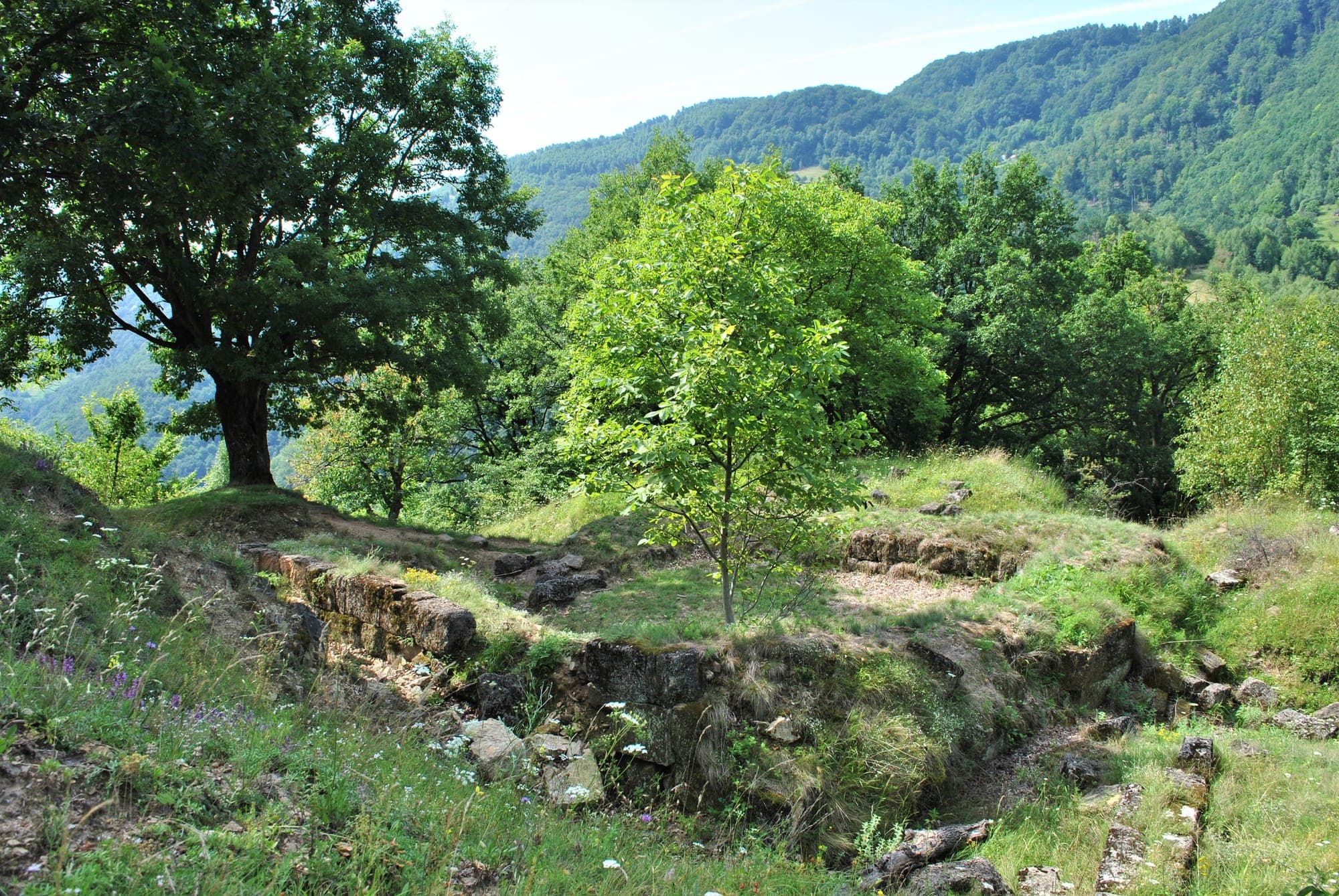
The ruins of a Dacian fortress on a wooded hill above the Sebeș valley: limestone walls in the murus dacicus technique and the base of a tower house, the only Dacian UNESCO site in Alba County.
Fortresses and fortificationsMonuments and historic sitesUNESCO
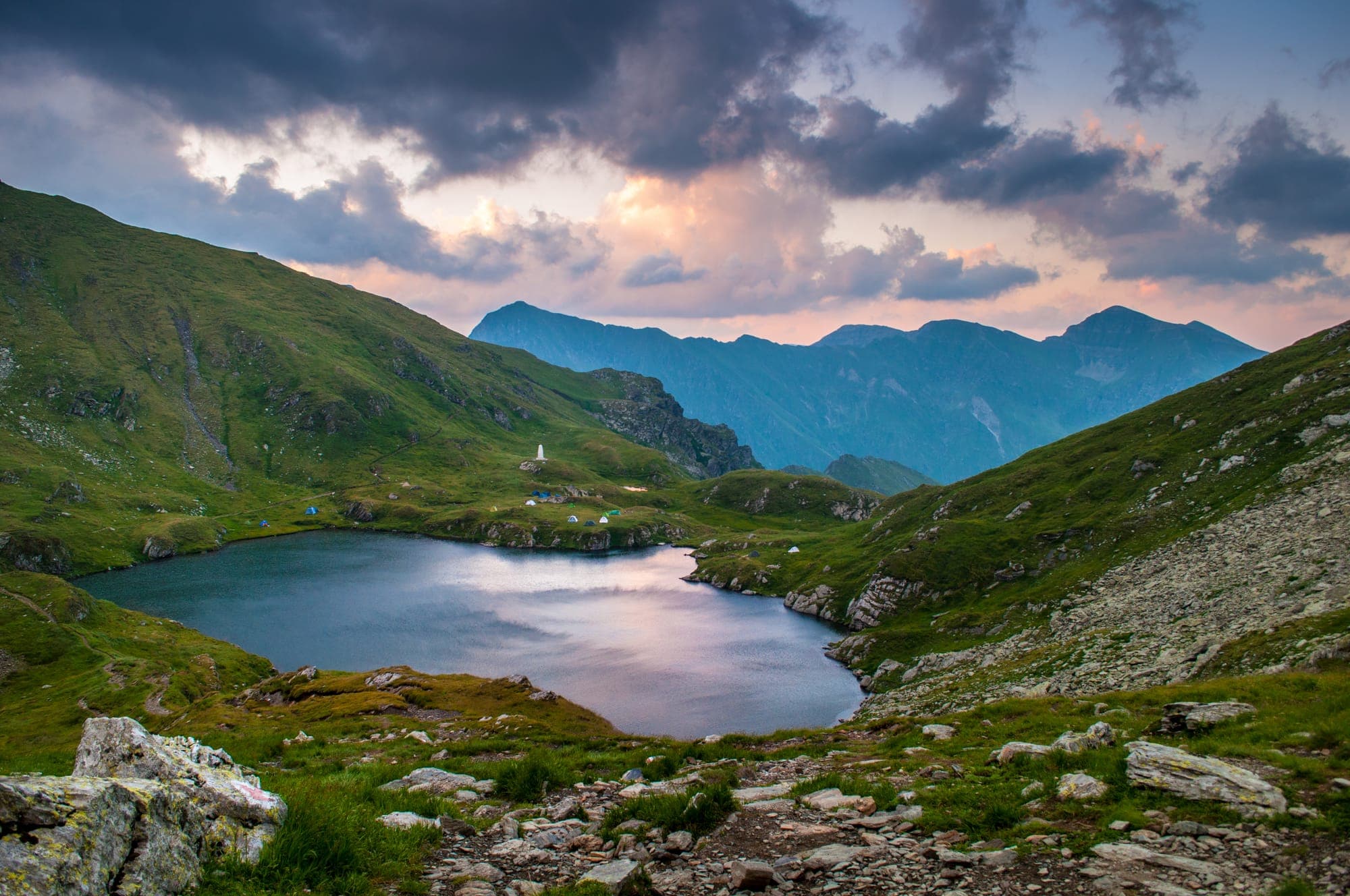
A glacial lake at 2,230 m on the southern side of the Făgăraș Mountains, just below the ridge; about an hour's walk from Bâlea Lake, over the Capra saddle.
A historic park laid out in 1900–1906 on Filaret Hill for the General Romanian Exhibition, with a lake, a monumental central avenue, the Zodiac Fountain and the Heroes of the Nation Memorial on the upper plateau.
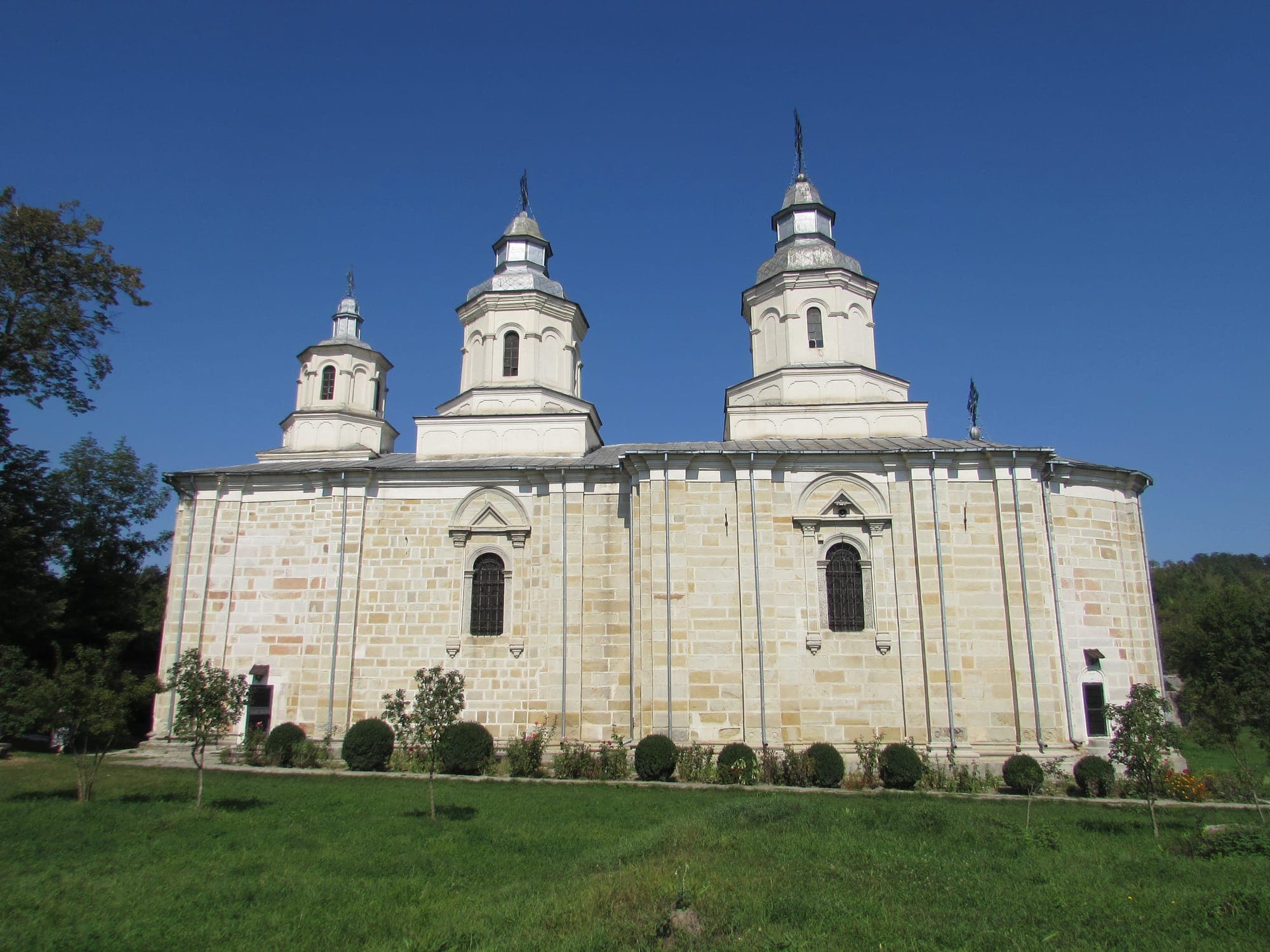
A foundation of Prince Gheorghe Ștefan from 1655–1657: a dressed-stone church inside a walled enclosure with towers, near Onești; today a parish church.
Monasteries and churchesFortresses and fortifications
A 1648 foundation of Matei Basarab and Lady Elina, a historic monument of national importance, in the village named after an old monastery: a brick church with an octagonal tower and interior painting.
Monasteries and churchesMonuments and historic sites
The ~1,100 m pass where the DN17A crosses the Obcina Mare ridge between Vatra Moldoviței and Sucevița, with hairpins through spruce forest, wide views over the Bukovina hills and the road builders' “Palm” monument.
A fairy-tale building of clay, sand, straw, wood and river stone, raised between 2014 and 2017 at the foot of the Făgăraș Mountains. Today it is a restaurant and guesthouse: you enter with a reservation, not a sightseeing ticket.
A thermal waterfall that never freezes, spilling over a moss-covered travertine wall, a quarter of an hour's walk from the centre of the Geoagiu-Băi spa resort.
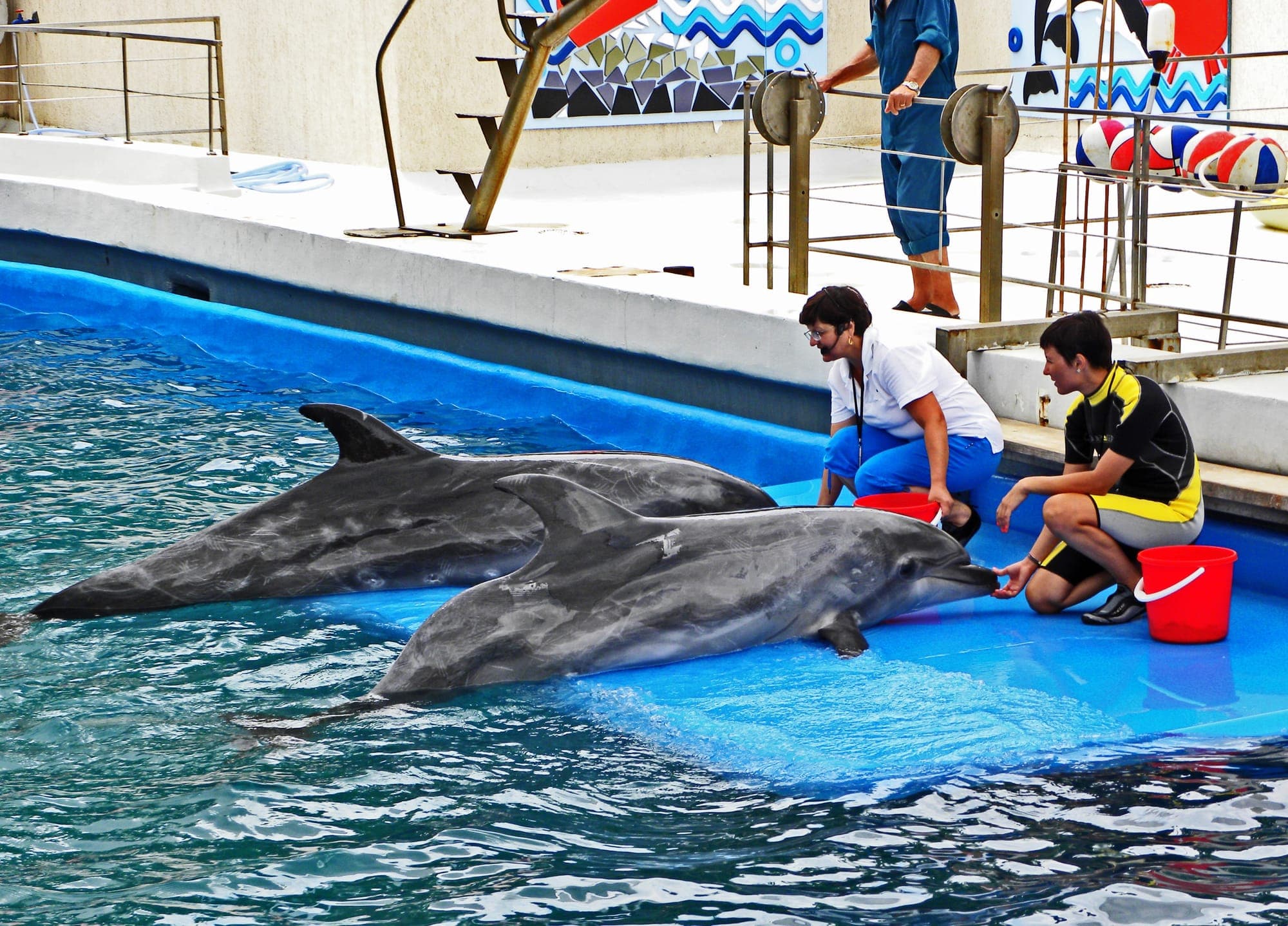
Romania's first dolphinarium, opened in 1972 on Mamaia Boulevard, with dolphin shows in a covered arena and, on the same ticket, a small reserve with Dobrujan birds and animals.