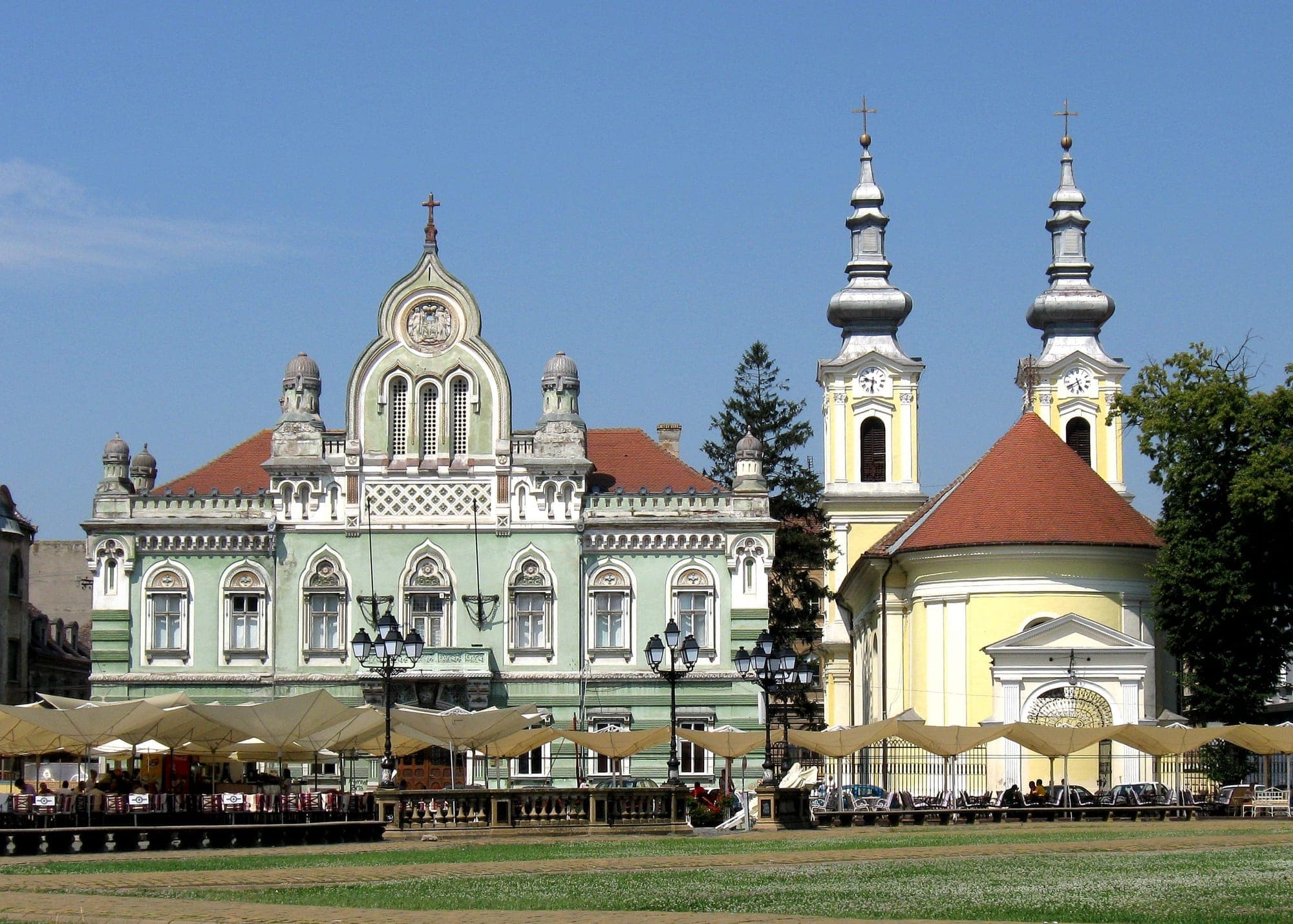
The Baroque church of the Serbian Orthodox Bishopric on Union Square, built between 1744 and 1748, with two clock towers and a carved and gilded wooden iconostasis.
19 results
The Baroque church of the Serbian Orthodox Bishopric on Union Square, built between 1744 and 1748, with two clock towers and a carved and gilded wooden iconostasis.

The Orthodox cathedral of the Banat, built between 1936 and 1946 in the Neo-Moldavian style, with a main tower of over 80 m, glazed-tile roofs and a museum of old church art in the basement.

An open-air ethnographic museum on ~17 hectares at the edge of the Green Forest: houses and outbuildings from Banat villages, a wooden church, a school and an “Alley of Ethnicities”, all gathered into one village.

The dendrological park beside Timișoara's former fortress, laid out in 1986–1990 on a 1966 plan: over 8 hectares with rare trees, a Japanese garden, a rose collection and a stretch of the fortress wall.
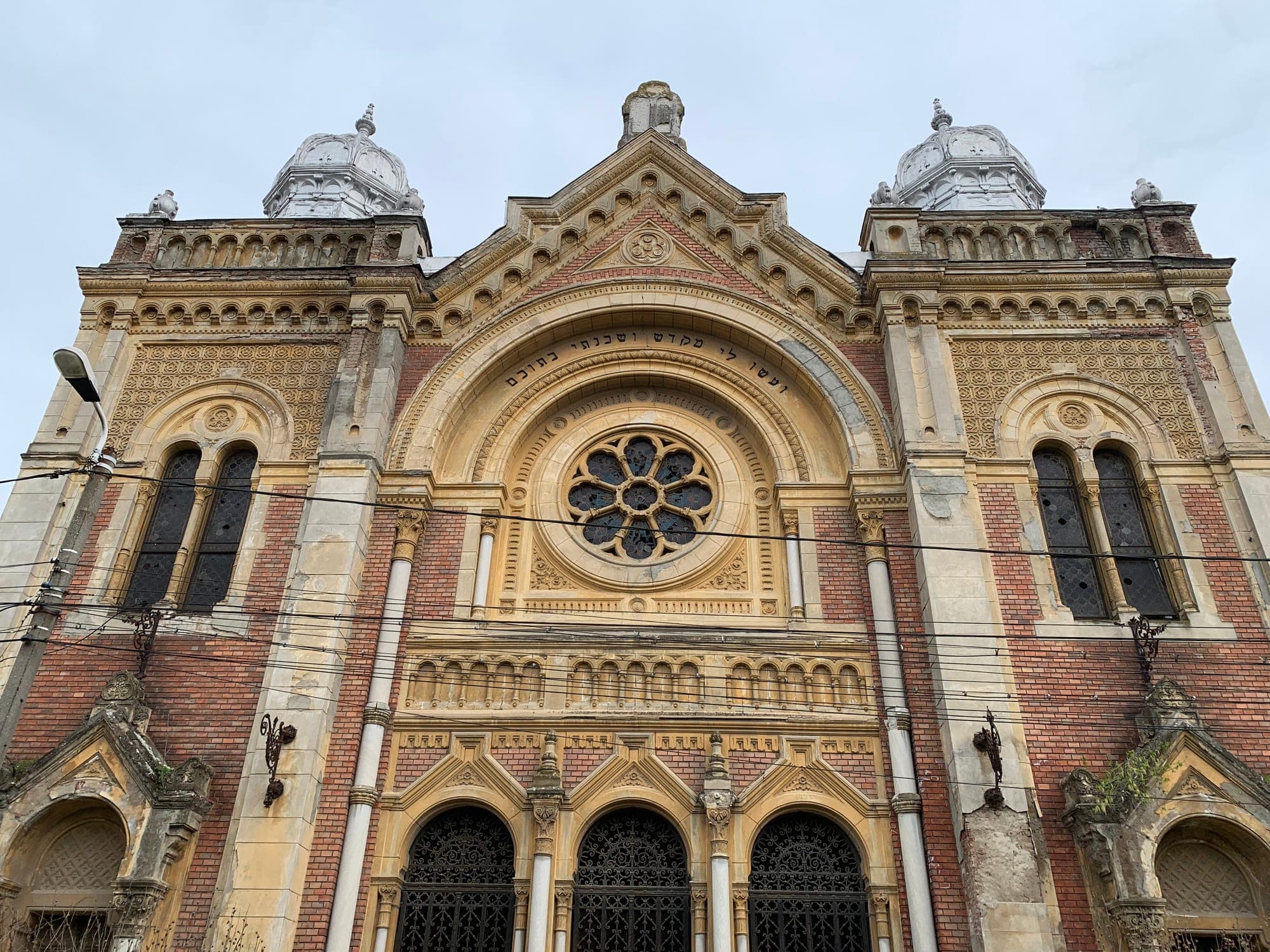
An eclectic exposed-brick synagogue with a central dome and a rose window on its façade, designed by Lipót Baumhorn and inaugurated in 1899; today a monument awaiting restoration.

The oldest building in Timișoara, a royal residence in the Middle Ages and the historic home of the Banat Museum; closed for restoration and visible from the outside only.

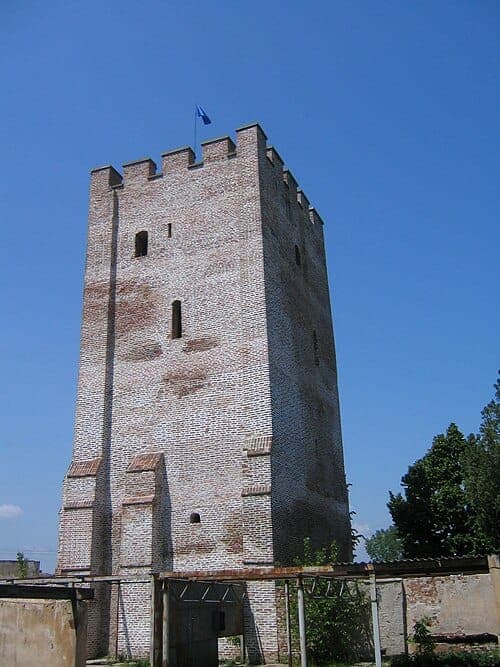
The largest surviving piece of Timișoara's bastioned fortress, built by the Austrians in the 1730s and restored with EU funds, now home to the National Museum of Banat.

Timișoara's oldest square, about 150 by 110 metres, laid out in the Baroque style around the Roman Catholic Cathedral, the Serbian Cathedral and the Plague Column, among colourful houses from the 18th to the 20th centuries.
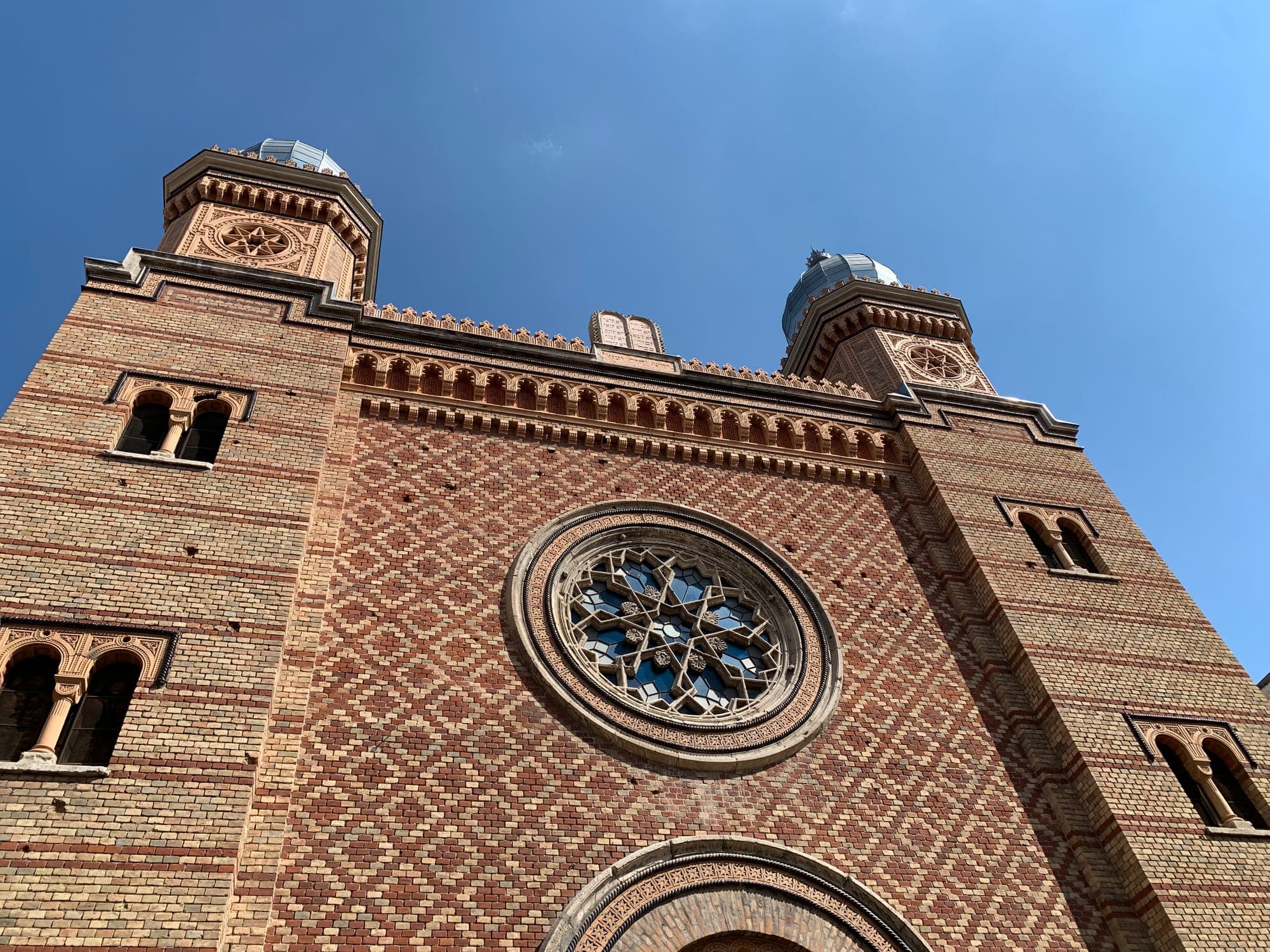
An eclectic synagogue with Moorish touches, built in 1863–1865 to plans by the Viennese architect Carl Schumann, with two domed towers and a two-colour brick façade; reopened in 2022.
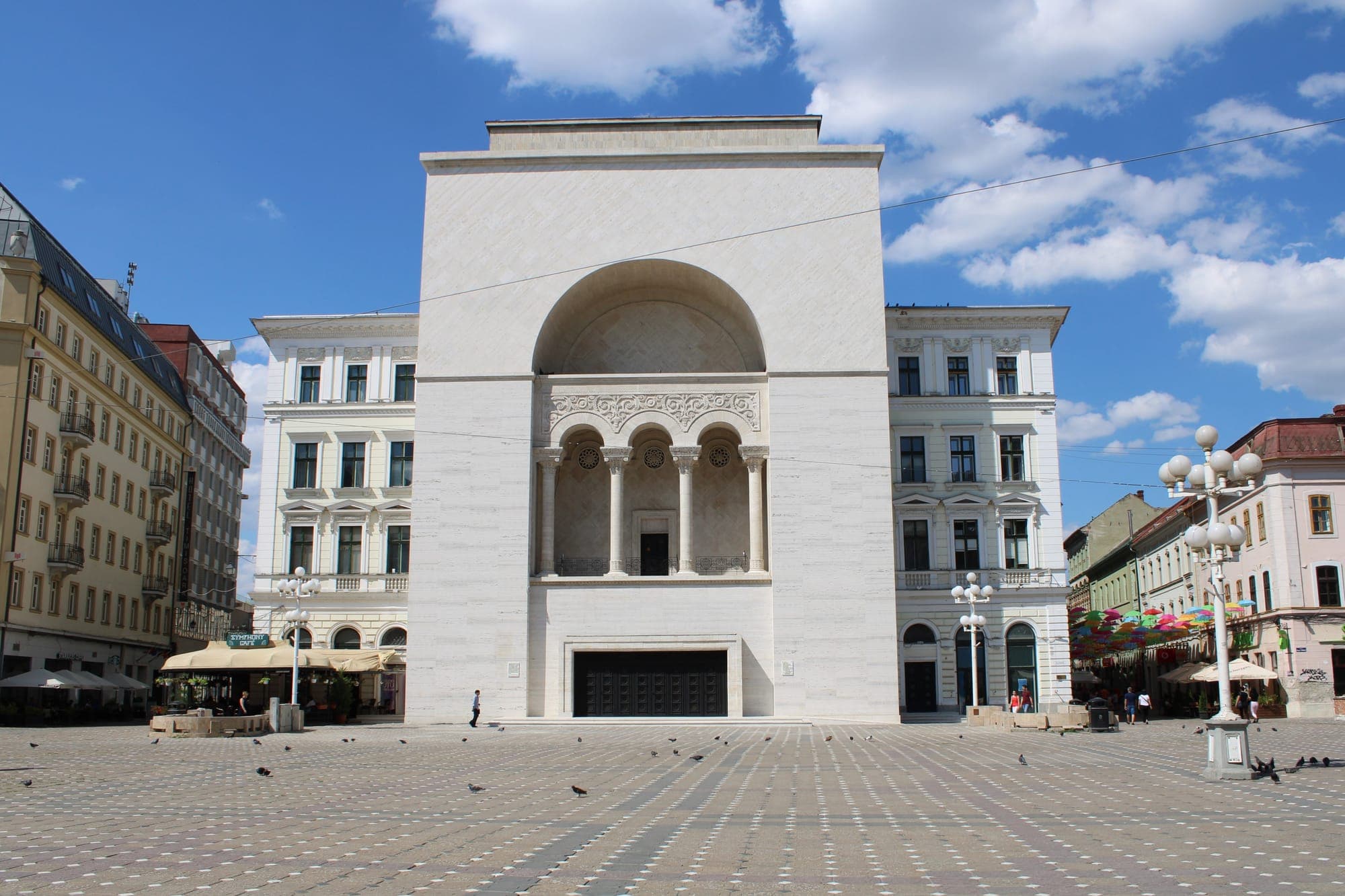
The building on Piața Victoriei, opened in 1875 to plans by the firm Fellner & Helmer and rebuilt by Duiliu Marcu, with a travertine façade; four performing-arts institutions are based here.
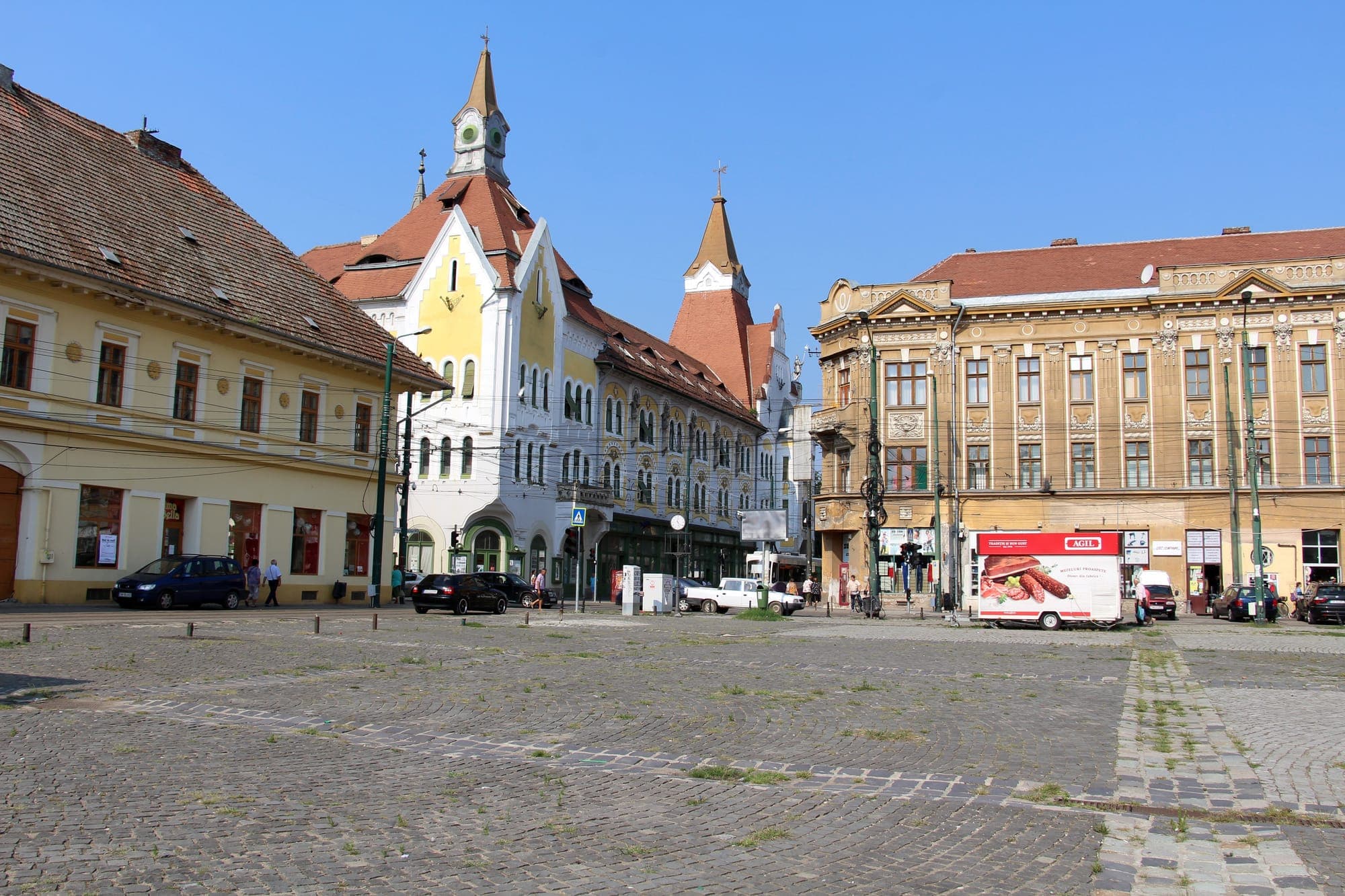
The central square of Fabric, Timișoara's historic district, laid out in the 1740s as a smaller replica of Union Square, with a Baroque Serbian church, an obelisk from 1774 and palaces from around 1900.

Timișoara's pedestrian esplanade between the Opera in the Palace of Culture and the Metropolitan Cathedral, lined with the Corso palaces and the place where Timișoara was declared the first free city in December 1989.
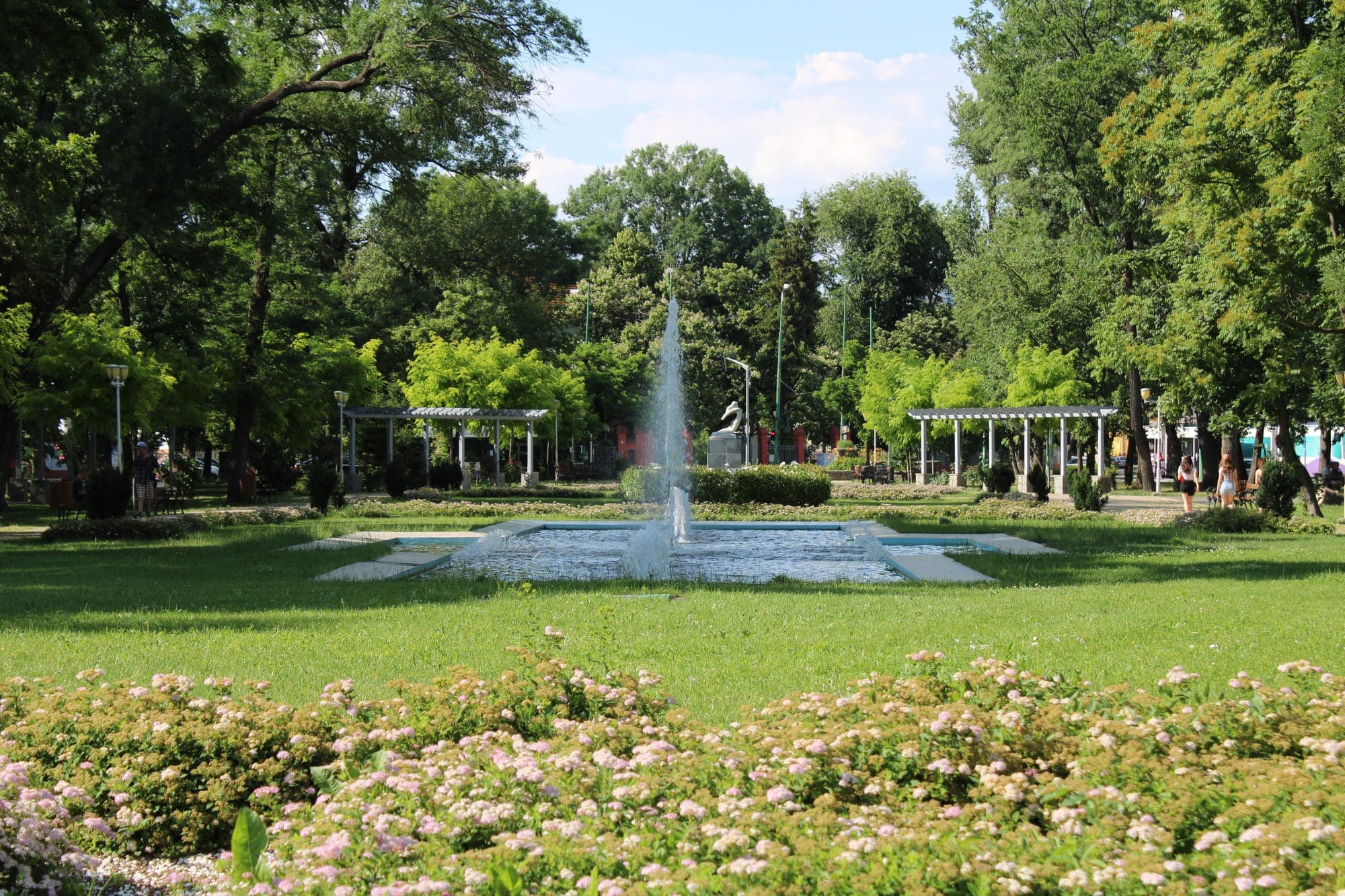
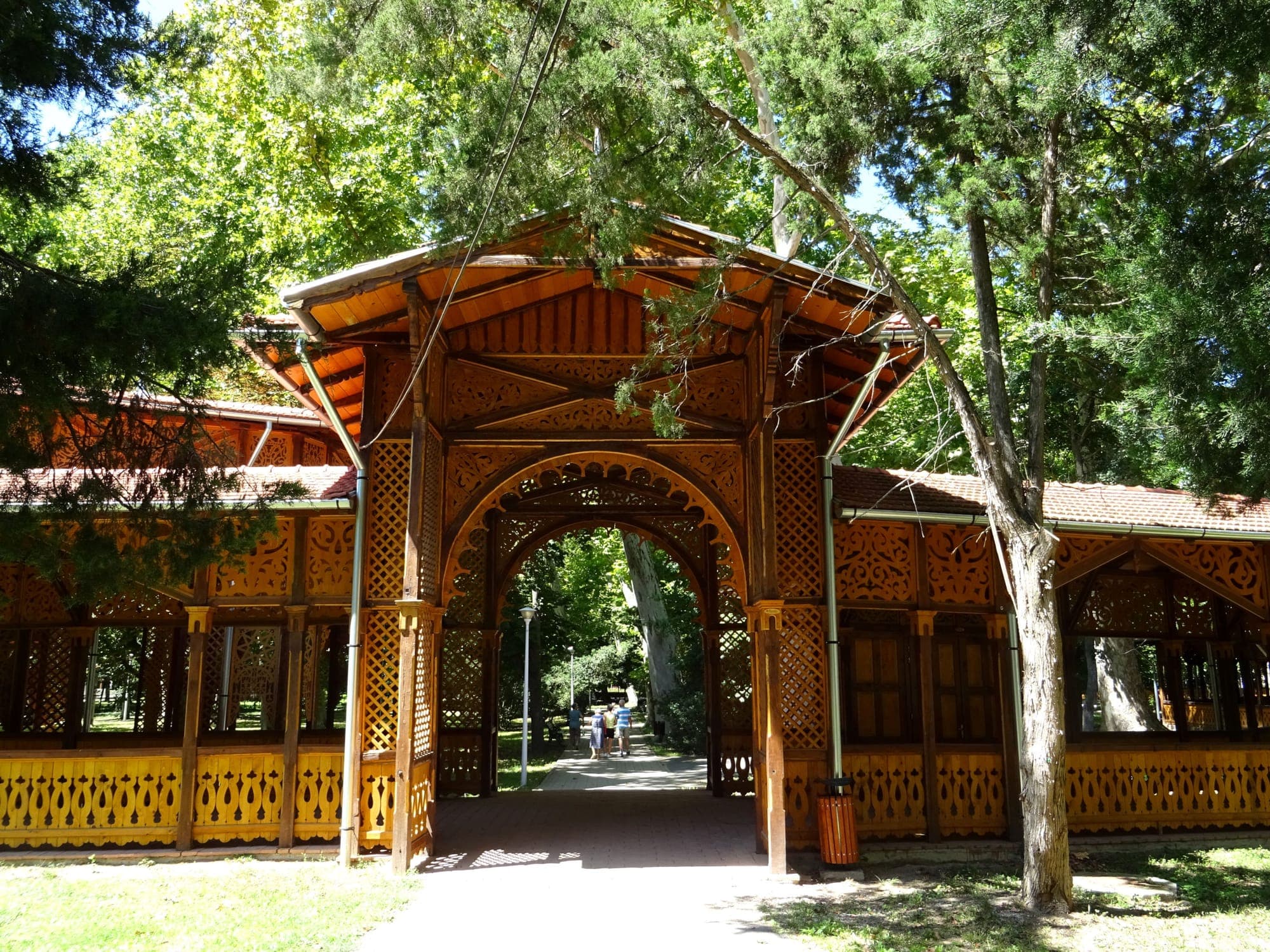
One of Timișoara's oldest parks, next to the Metropolitan Cathedral: wide paths, fountains, pergolas, monuments and the Alley of Personalities, an open-air museum of bronze busts.

The museum of the Memorial of the Revolution Association, in a former military building in Timișoara: clothes and flags from the days of December 1989, a chapel of the hero-martyrs and the only section of the Berlin Wall in Romania.
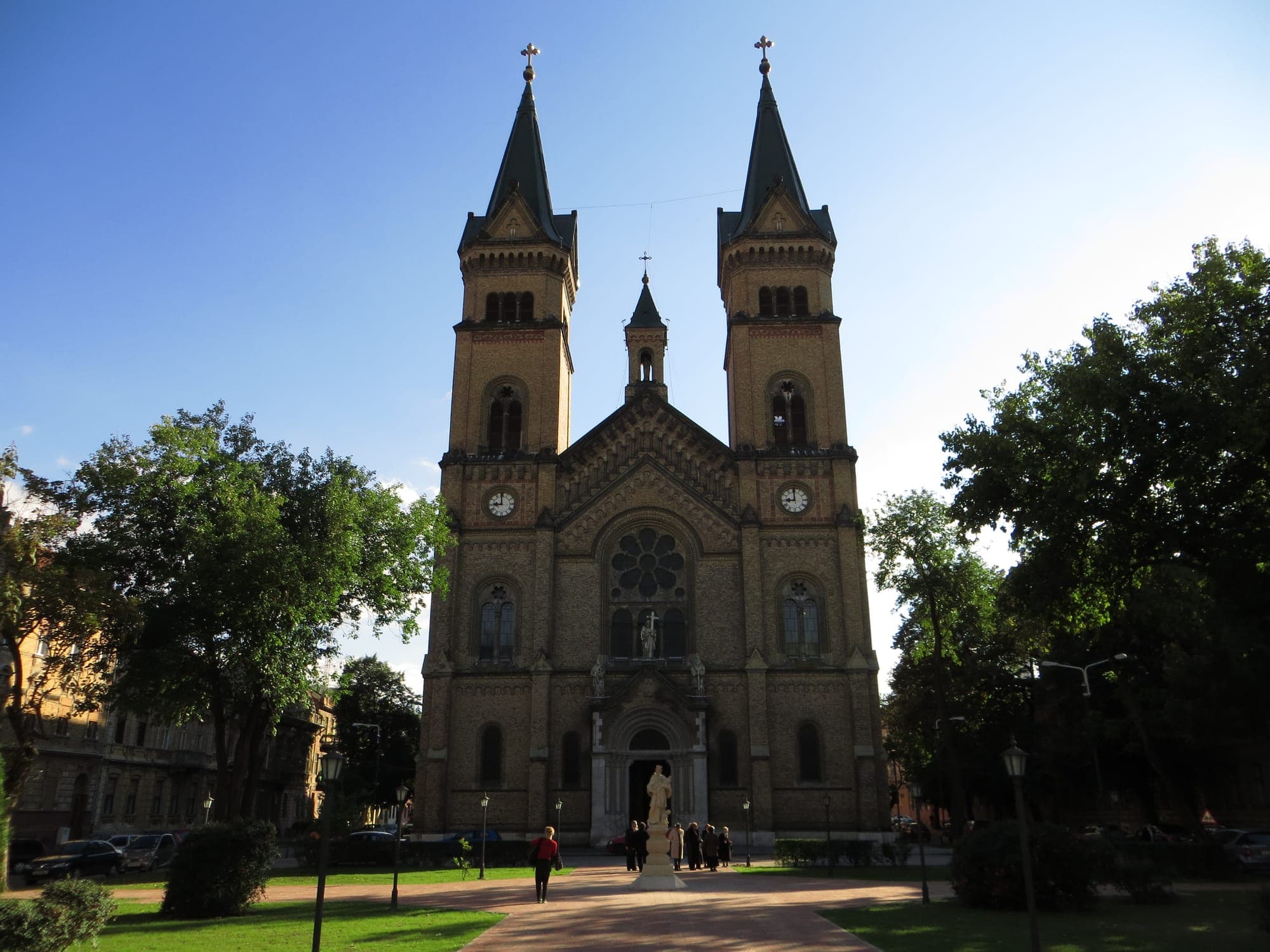
The largest Roman Catholic church in Timișoara, built between 1896 and 1901 in the Neo-Romanesque style, in exposed brick, with two 65.7 m towers on Piața Romanilor in Fabric.
Audio tour of historic Timișoara

Audio tour of Timișoara's Jewish heritage
Guided tour of Timișoara's 1989 Revolution and communist-era sites

Timișoara street food tour with a local guide
Guided walk on the trail of the 1989 Revolution
Not in Timișoara itself, but in the surrounding area — sorted by distance from Timișoara.