Serbian Orthodox Cathedral of the Ascension of the Lord
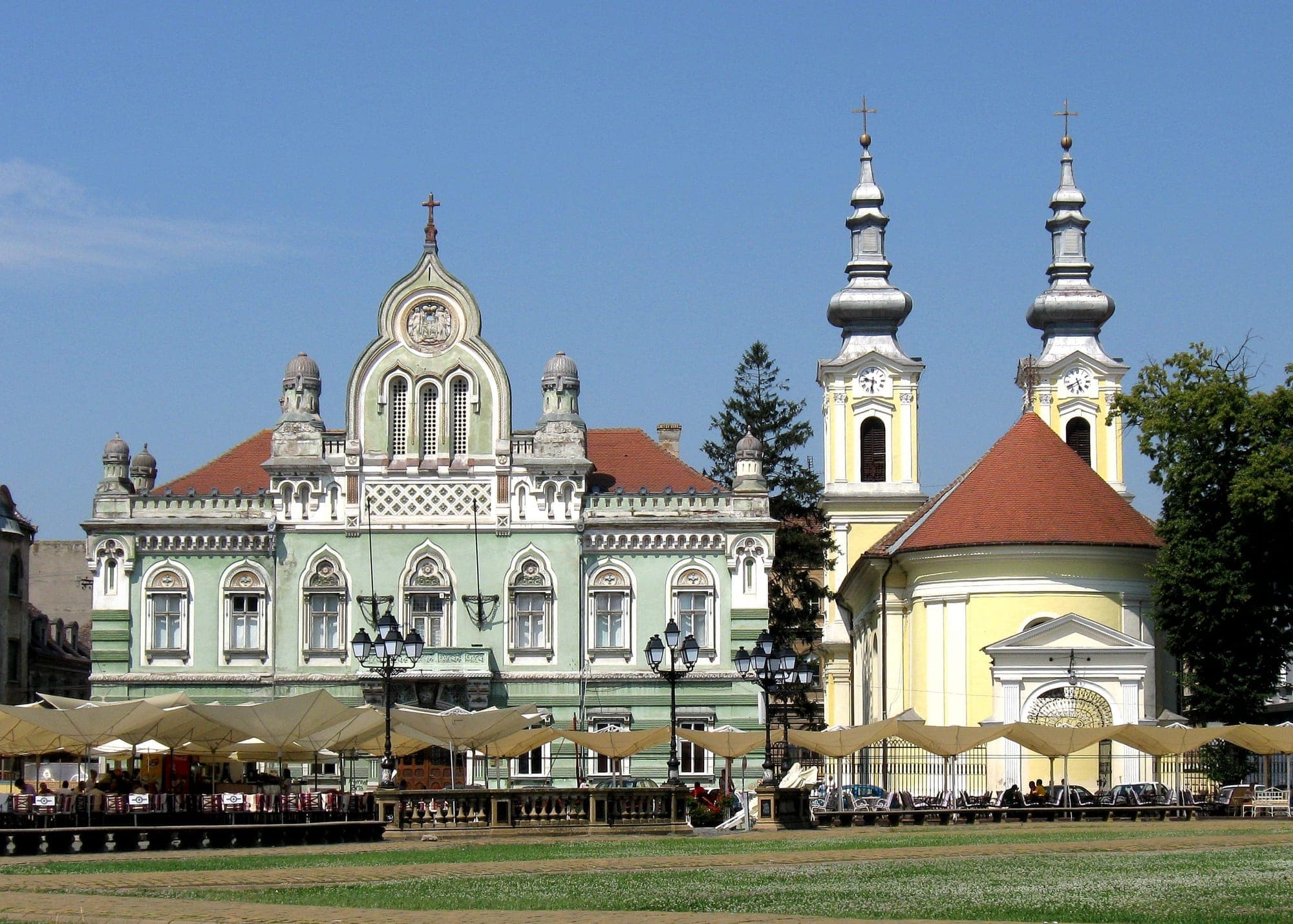
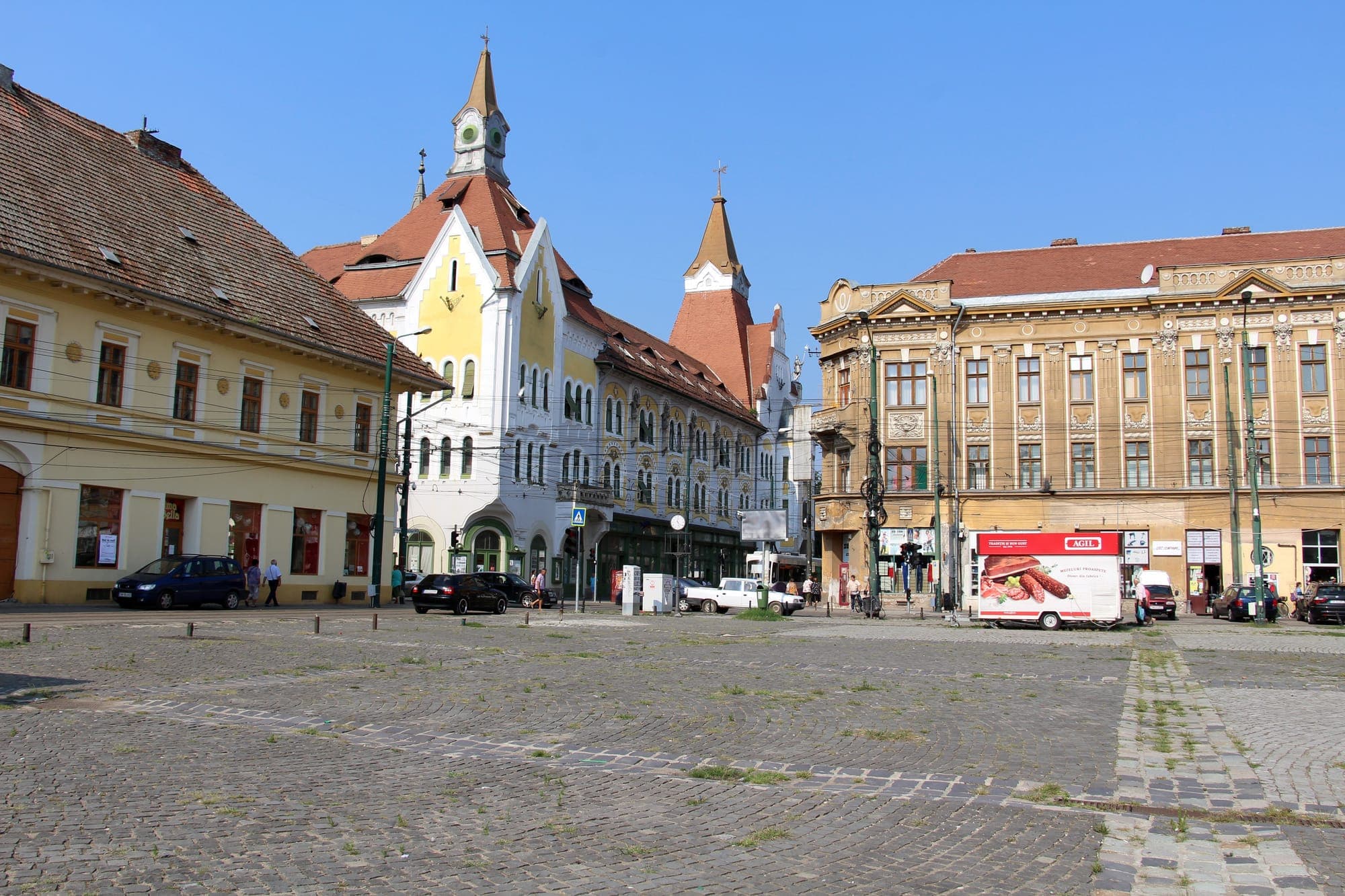
The Baroque church of the Serbian Orthodox Bishopric on Union Square, built between 1744 and 1748, with two clock towers and a carved and gilded wooden iconostasis.
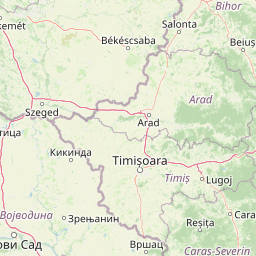
Timiș is the lowland county of Banat, with Timișoara, the region's largest city, as its county seat. The city, European Capital of Culture in 2023, has baroque squares – Unirii, Libertății, Victoriei –, Secession districts and the bastion of the old Habsburg fortress. Around it, the plain is crossed by the Timiș and the Bega, with Swabian and Serbian villages, the Recaș vineyards and the spa resort of Buziaș; Lugoj is the county's second town. What you can visit in Timiș is mostly about the city; for the mountains, see the rest of Banat, in Caraș-Severin.

29 results

The Baroque church of the Serbian Orthodox Bishopric on Union Square, built between 1744 and 1748, with two clock towers and a carved and gilded wooden iconostasis.

The Orthodox cathedral of the Banat, built between 1936 and 1946 in the Neo-Moldavian style, with a main tower of over 80 m, glazed-tile roofs and a museum of old church art in the basement.

An open-air ethnographic museum on ~17 hectares at the edge of the Green Forest: houses and outbuildings from Banat villages, a wooden church, a school and an “Alley of Ethnicities”, all gathered into one village.

The oldest building in Timișoara, a royal residence in the Middle Ages and the historic home of the Banat Museum; closed for restoration and visible from the outside only.

Timișoara's oldest square, about 150 by 110 metres, laid out in the Baroque style around the Roman Catholic Cathedral, the Serbian Cathedral and the Plague Column, among colourful houses from the 18th to the 20th centuries.

The dendrological park beside Timișoara's former fortress, laid out in 1986–1990 on a 1966 plan: over 8 hectares with rare trees, a Japanese garden, a rose collection and a stretch of the fortress wall.

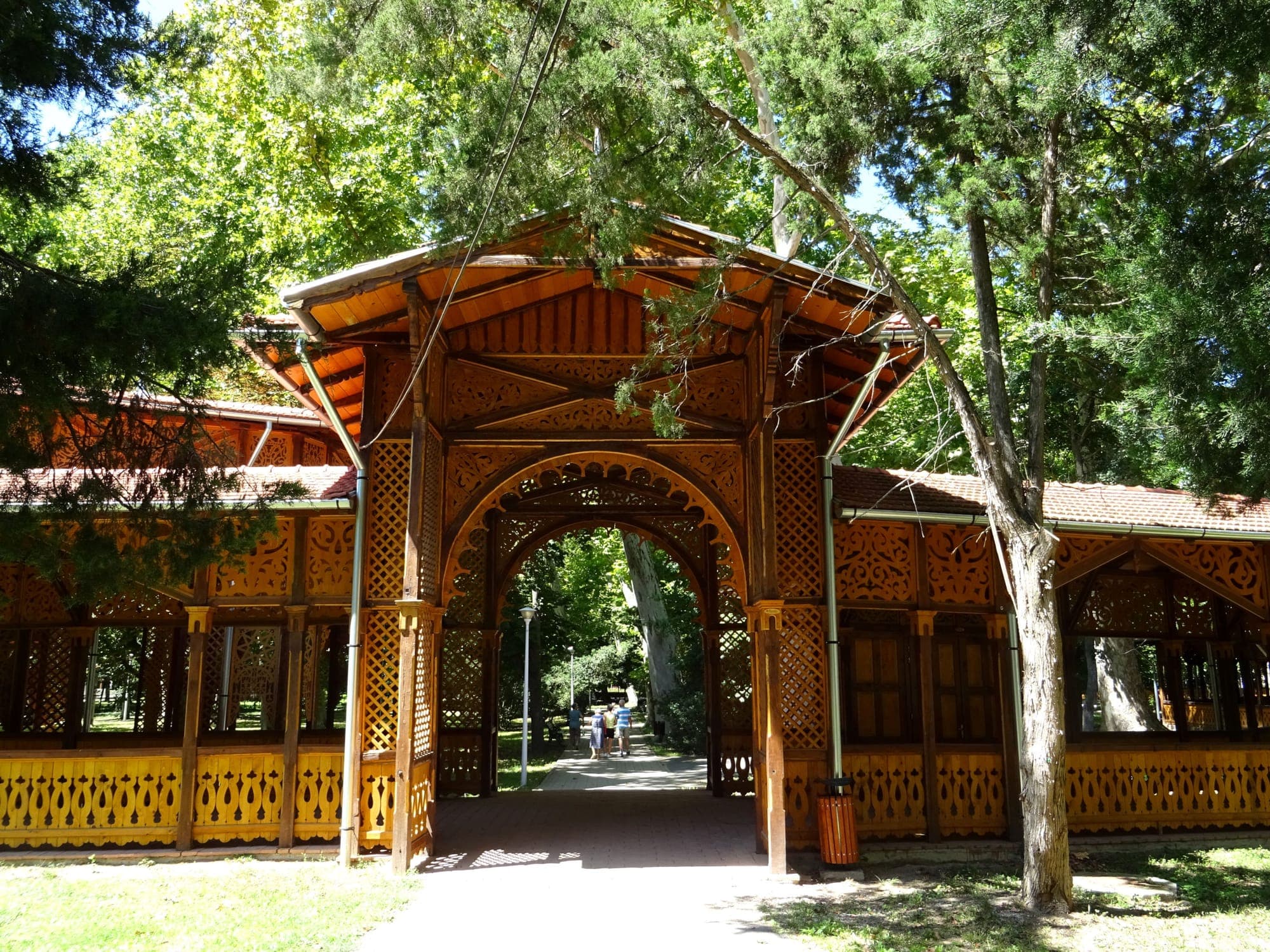
A spa resort in the Banat with carbonated mineral springs, a listed historic park of over 20 ha and a wooden colonnade about 500 m long.

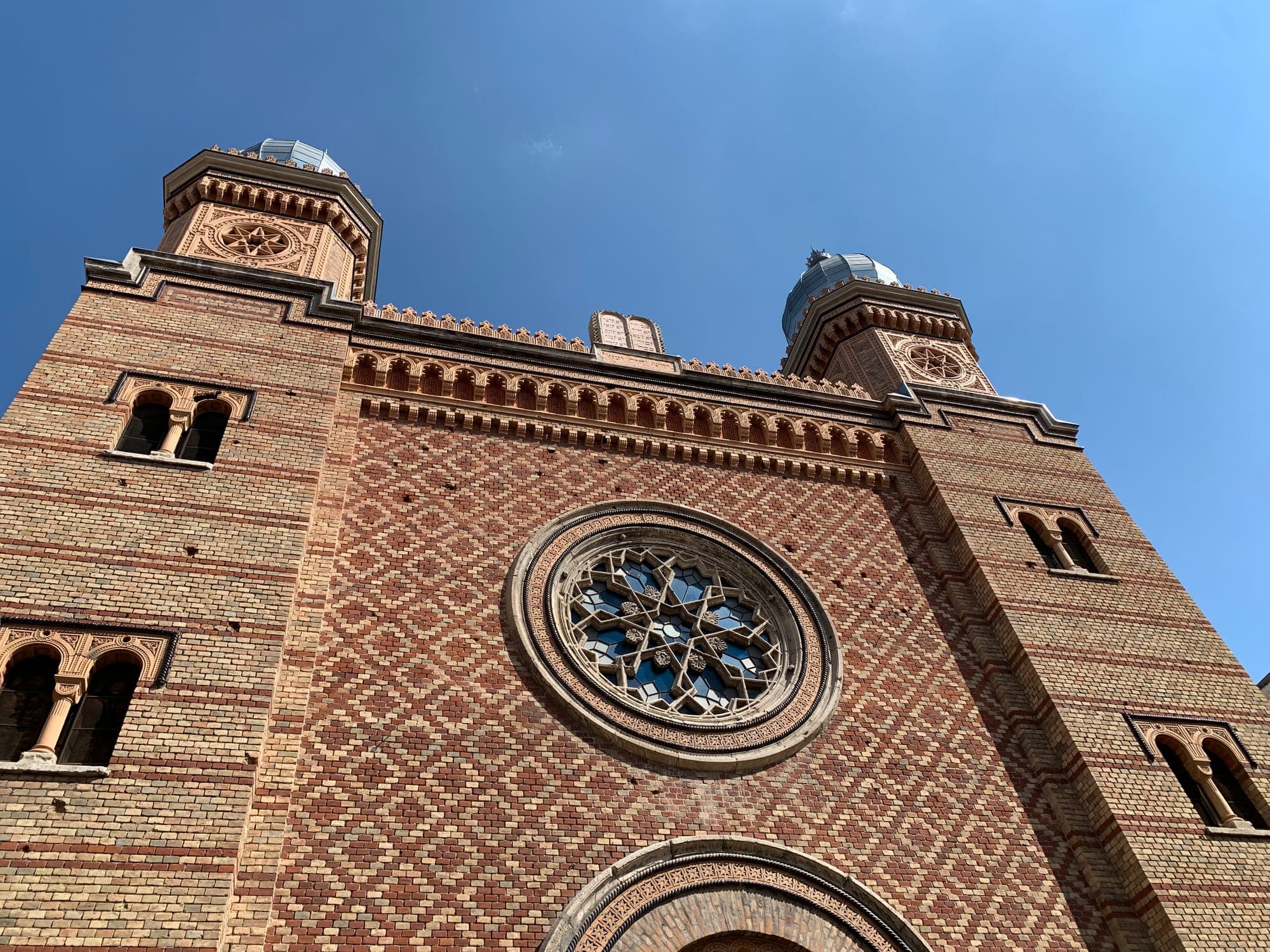
An eclectic synagogue with Moorish touches, built in 1863–1865 to plans by the Viennese architect Carl Schumann, with two domed towers and a two-colour brick façade; reopened in 2022.

Family leisure park in Murani village, near Timișoara: old trees, a farm, playgrounds and outdoor activities on an estate with a historic manor house.

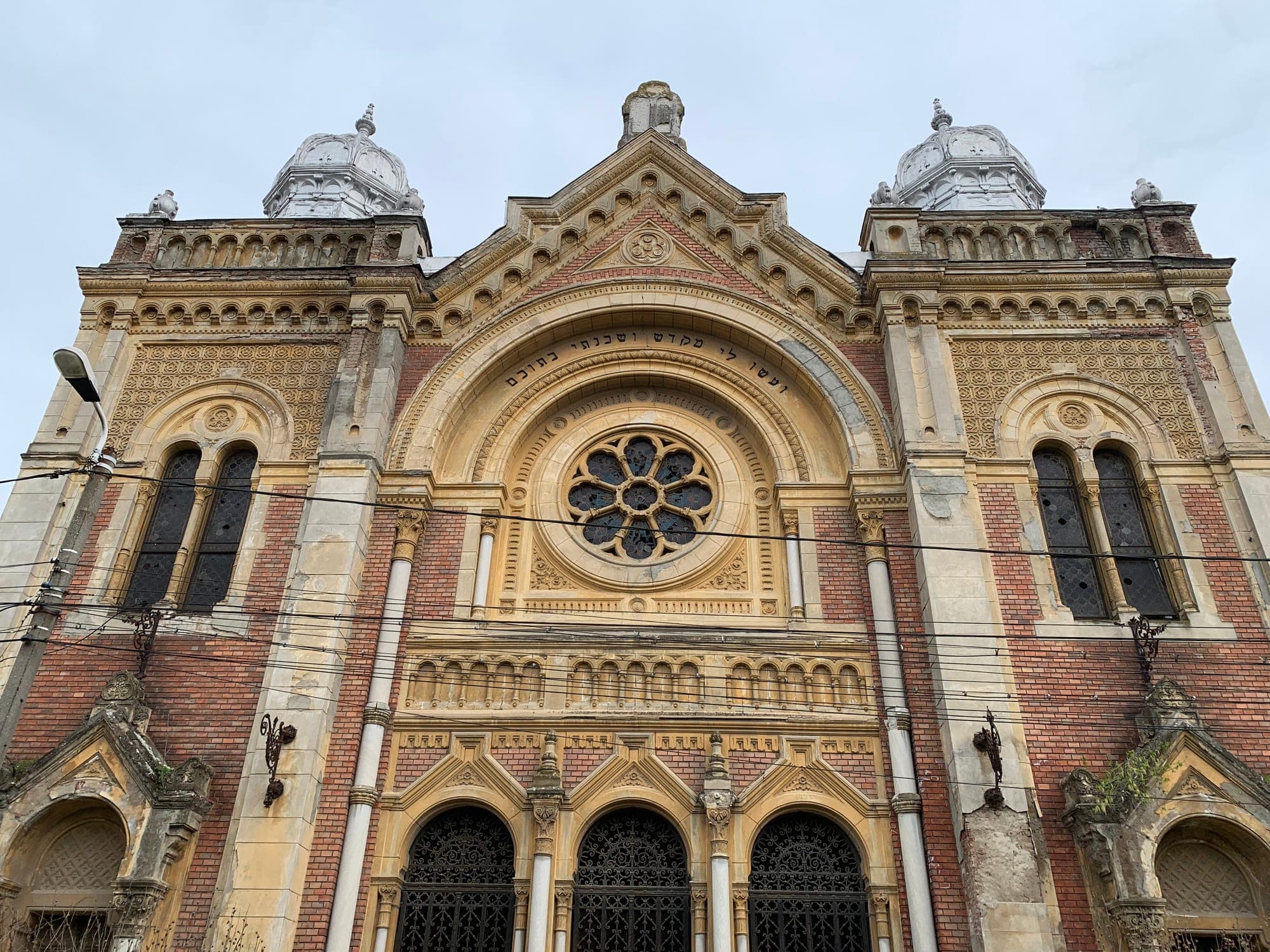
An eclectic exposed-brick synagogue with a central dome and a rose window on its façade, designed by Lipót Baumhorn and inaugurated in 1899; today a monument awaiting restoration.

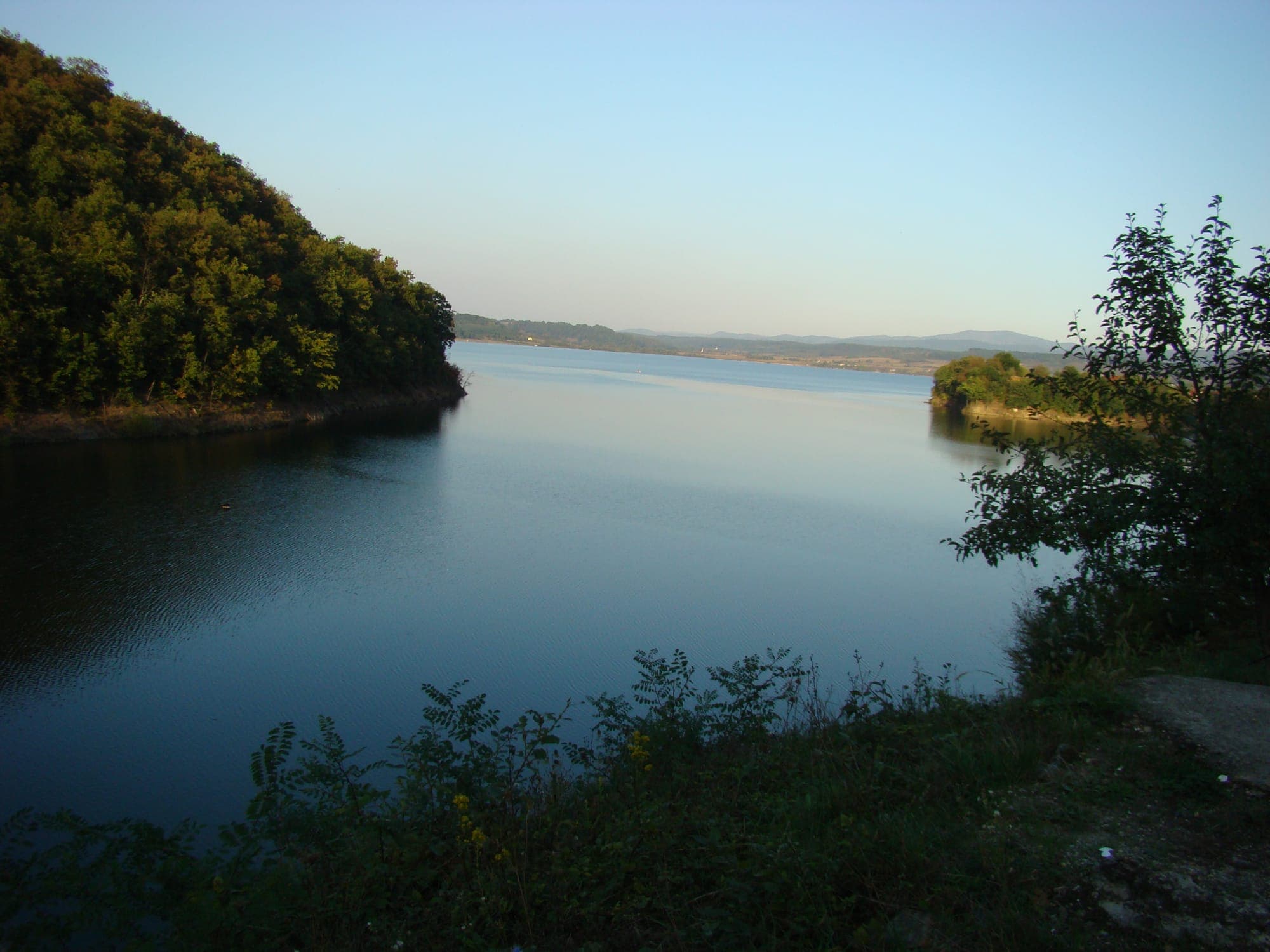
A reservoir in the north-west of the Poiana Ruscă Mountains, about 33 km from Lugoj, with a rockfill dam and holiday cabins scattered along the shore; its water also supplies Timișoara.

The largest surviving piece of Timișoara's bastioned fortress, built by the Austrians in the 1730s and restored with EU funds, now home to the National Museum of Banat.

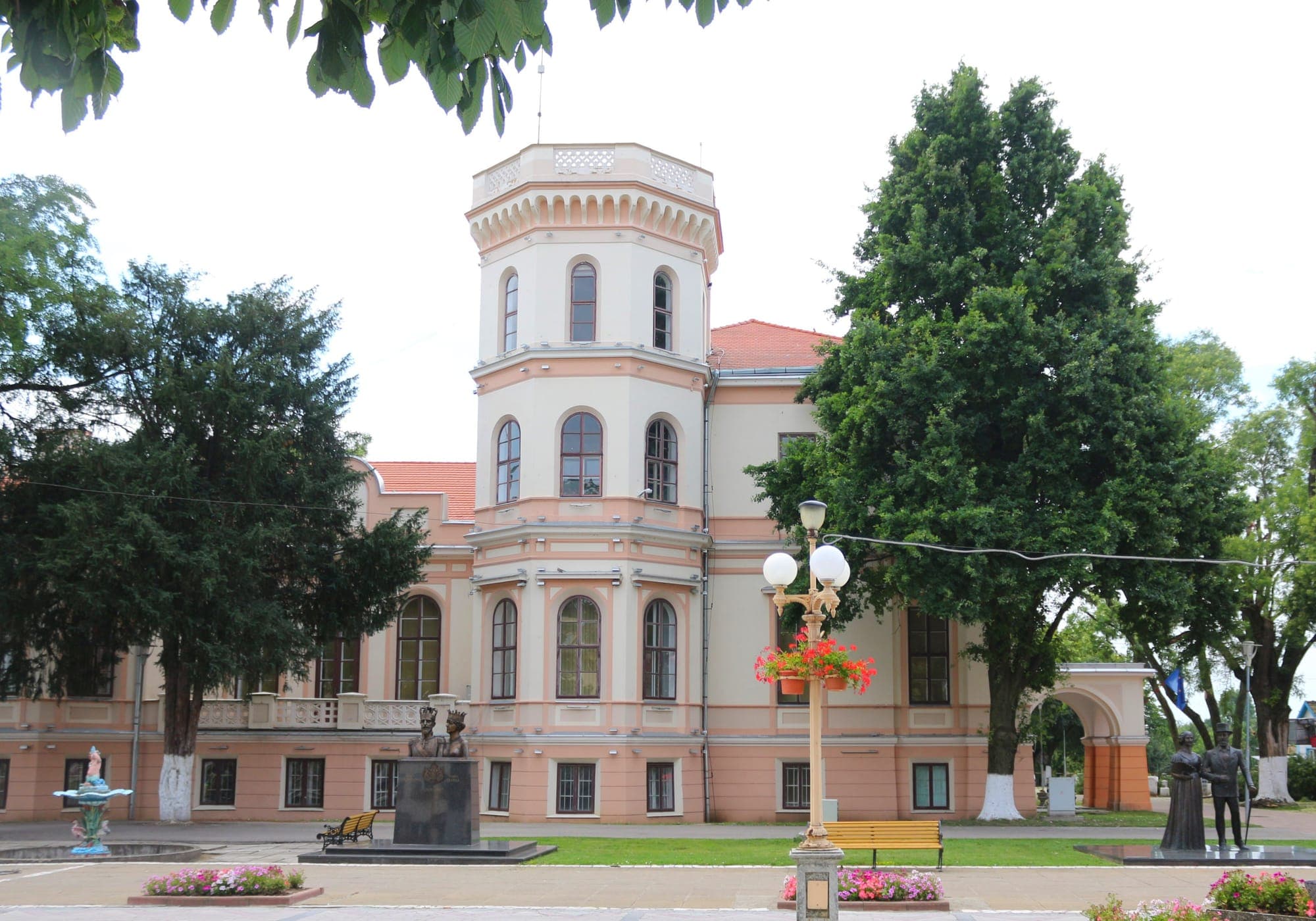
A Neoclassical castle begun in 1864, with a medieval-style tower and 99 rooms, in the town centre; it houses the House of Culture and the "Béla Bartók" Memorial Exhibition.

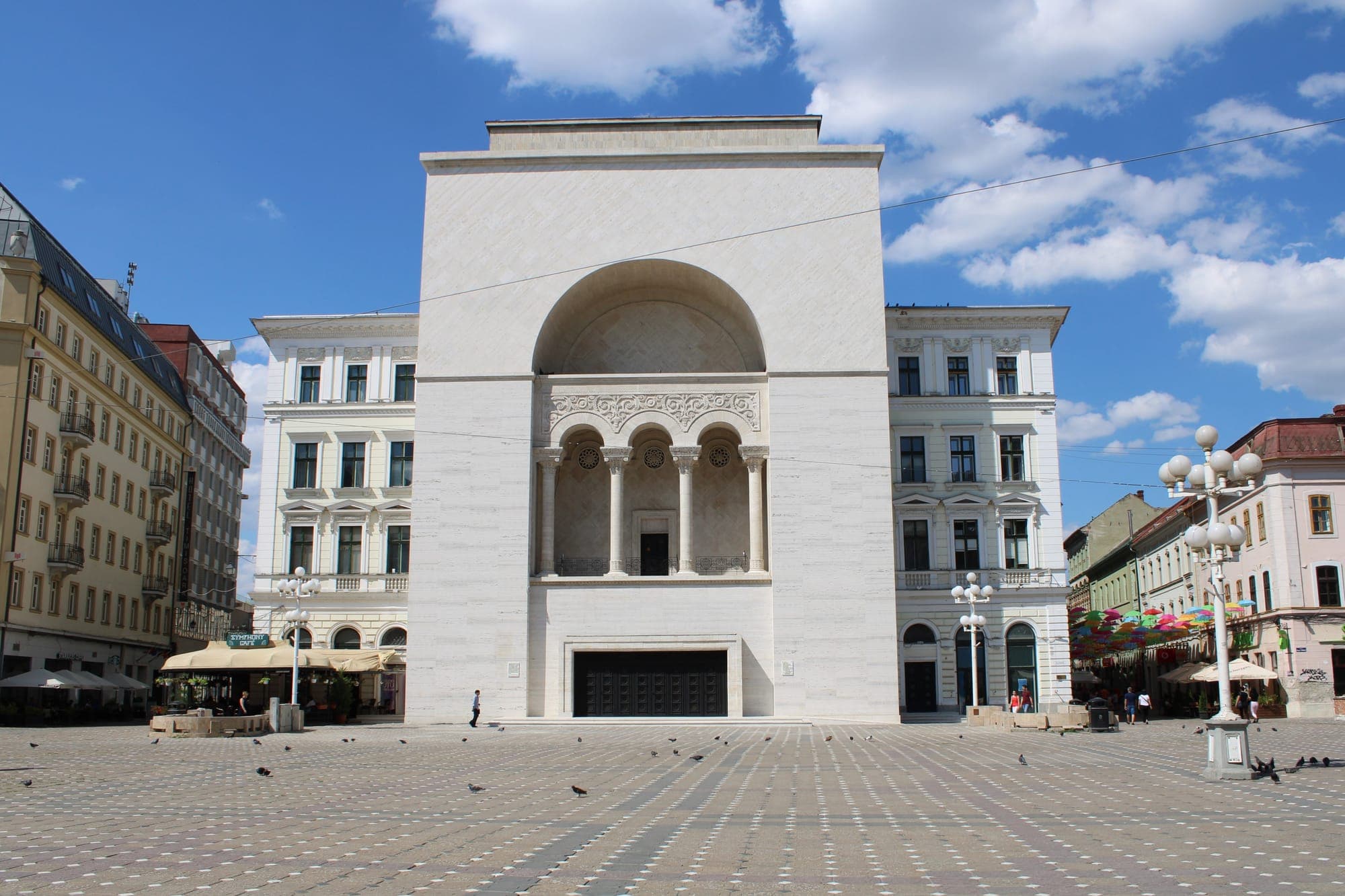
The building on Piața Victoriei, opened in 1875 to plans by the firm Fellner & Helmer and rebuilt by Duiliu Marcu, with a travertine façade; four performing-arts institutions are based here.

The central square of Fabric, Timișoara's historic district, laid out in the 1740s as a smaller replica of Union Square, with a Baroque Serbian church, an obelisk from 1774 and palaces from around 1900.