The Evangelical church of Bunești (Bodendorf), a late 13th-century basilica ringed by a wall with towers and the villagers' grain chambers, with a narrow, tall interior full of painted galleries.
Monasteries and churchesFortresses and fortifications
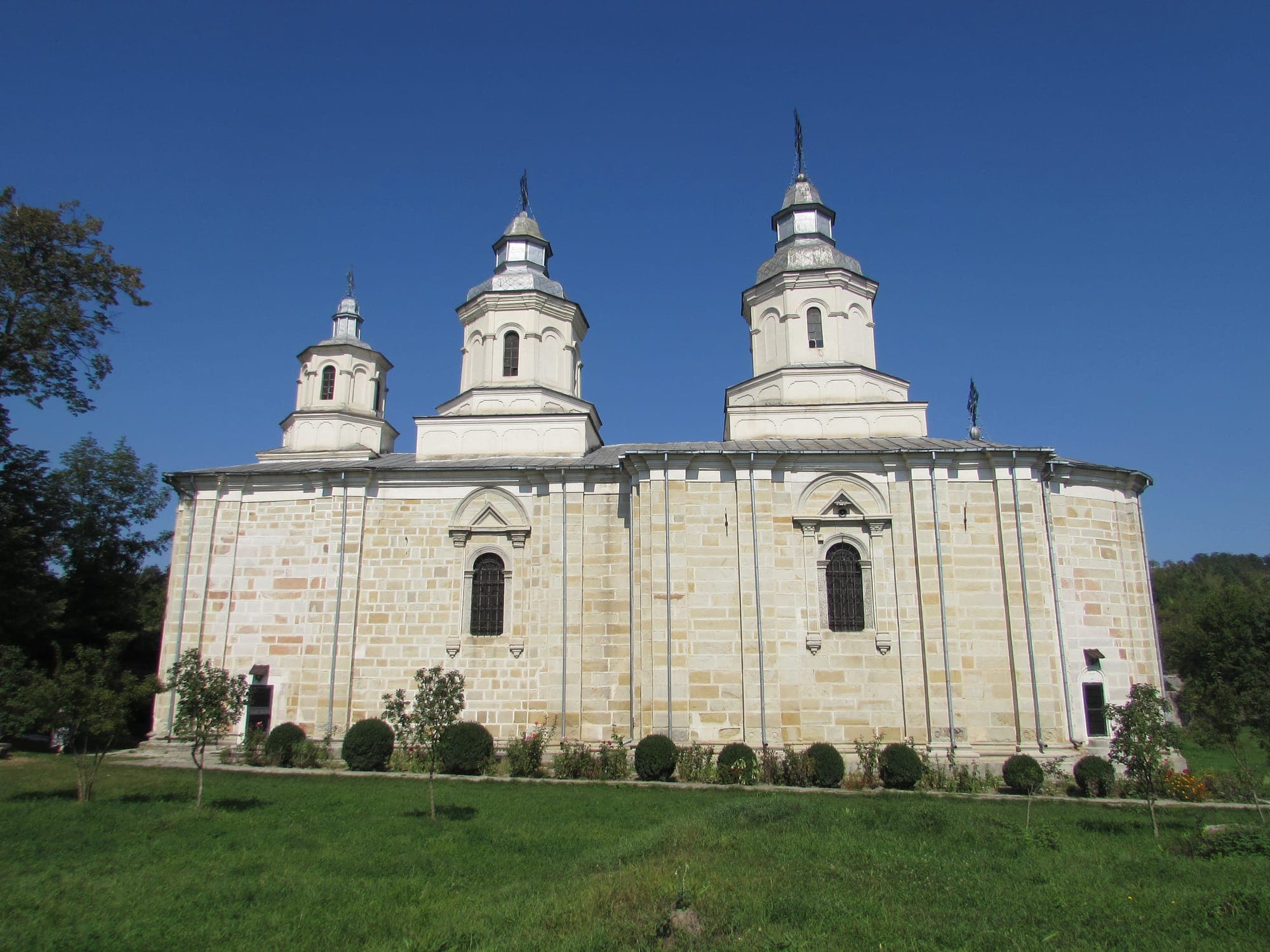
A sixteenth-century foundation of the Buzești boyars, tucked into a valley in Olt County: a church with the votive painting of Michael the Brave, the Buzești tombs and a brick enclosure wall.
A foundation of Prince Gheorghe Ștefan from 1655–1657: a dressed-stone church inside a walled enclosure with towers, near Onești; today a parish church.
Monasteries and churchesFortresses and fortifications
A 1648 foundation of Matei Basarab and Lady Elina, a historic monument of national importance, in the village named after an old monastery: a brick church with an octagonal tower and interior painting.
Monasteries and churchesMonuments and historic sites
A Saxon church fortified around 1510, with a tall choir under a star vault, a bell tower with a timber gallery and a winegrowers' village around it, in the Wine Country.
Monasteries and churchesFortresses and fortifications
A Saxon church fortress in the Burzenland, near Brașov: a 19th-century Neoclassical church ringed by a double medieval wall with eight surviving defensive towers.
Monasteries and churchesFortresses and fortifications
A 19th-century Lutheran church with an 1813 organ, enclosed by an oval 15th-century wall, on a hill in the middle of a quiet Saxon village a few kilometres off the DN13.
Monasteries and churchesFortresses and fortifications
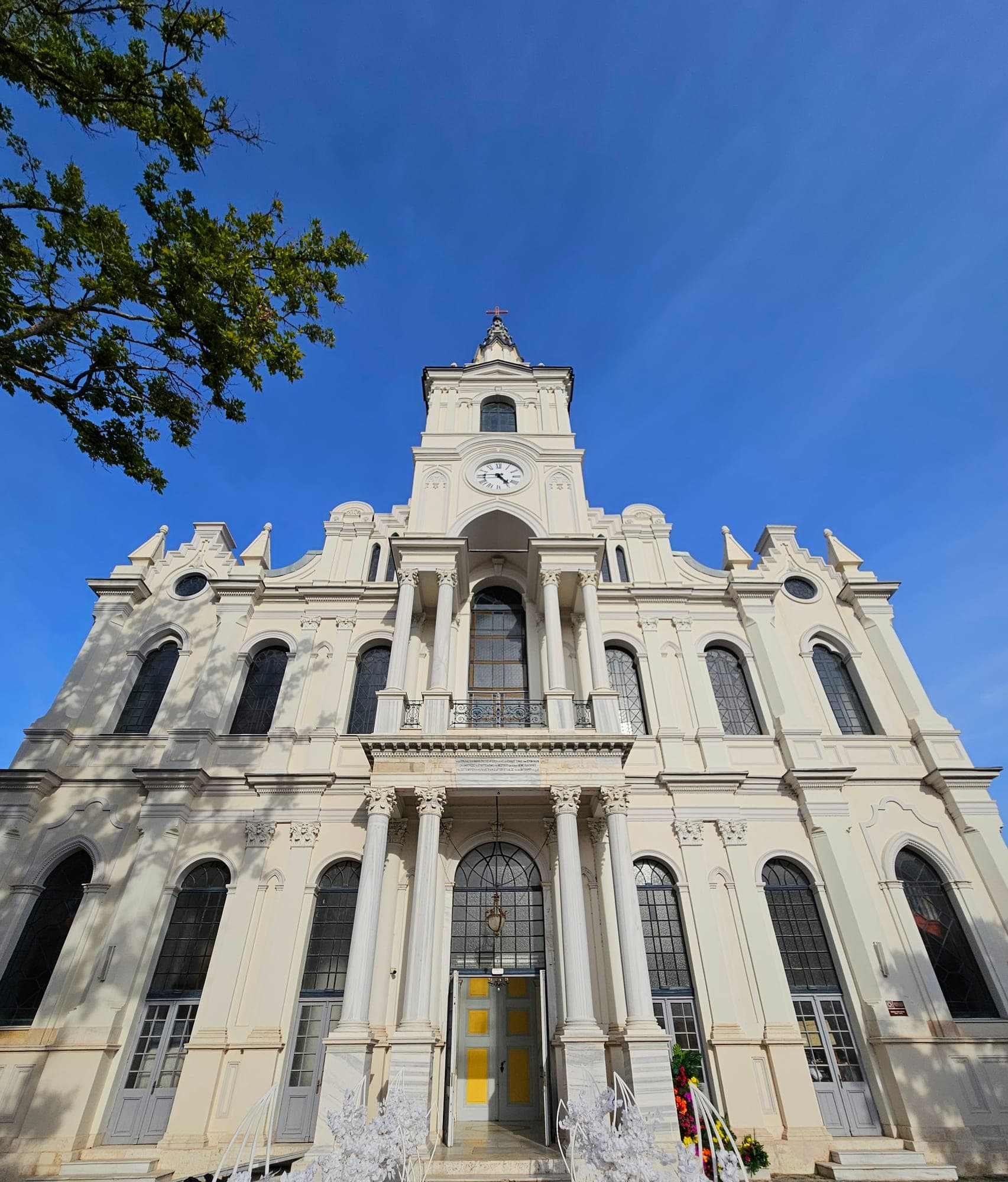
The church raised between 1863 and 1872 by Brăila’s Greek community to plans by the architect Avraam Ioanidis: a Byzantine-style building with a clock tower, paintings by Tattarescu and Liochis, and the famous Healing Spring.
A 13th-century Romanesque hall church with an eight-storey keep above the old choir, two rings of walls and fragments of medieval wall paintings, a few kilometres from Rupea.
Monasteries and churchesFortresses and fortifications
Constantin Brâncoveanu's largest foundation, officially Hurezi Monastery: the model ensemble of the Brâncovenesc style, built in 1690–1693 and a UNESCO site since 1993.
Monasteries and churchesMuseums and memorial housesUNESCO
A 13th-century Romanesque church with a richly carved portal, enclosed by a double ring of walls in the Hârtibaciu valley, with the Făgăraș Mountains behind.
Monasteries and churchesFortresses and fortifications
A foundation of 1648–1649 by Matei Basarab and Lady Elina on the bank of the Argeș: a three-towered church with 19th-century frescoes, restored with EU funds and reconsecrated in 2016.
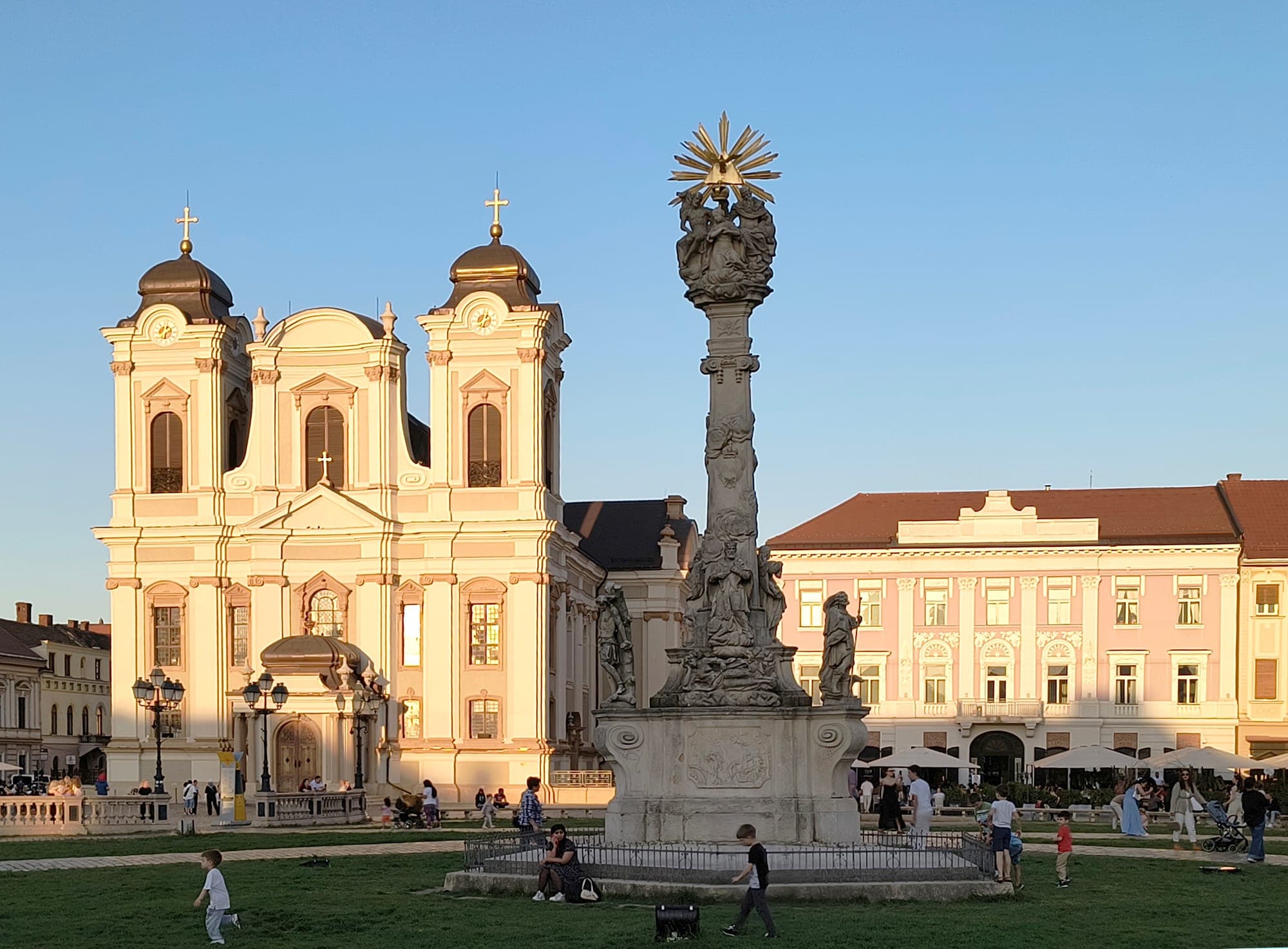
The Baroque cathedral of the Catholic bishopric of Timișoara, built between 1736 and 1774 on Union Square; restored with EU funds and reopened in April 2023, with the bishops' crypt under the altar.
Monasteries and churchesMonuments and historic sites
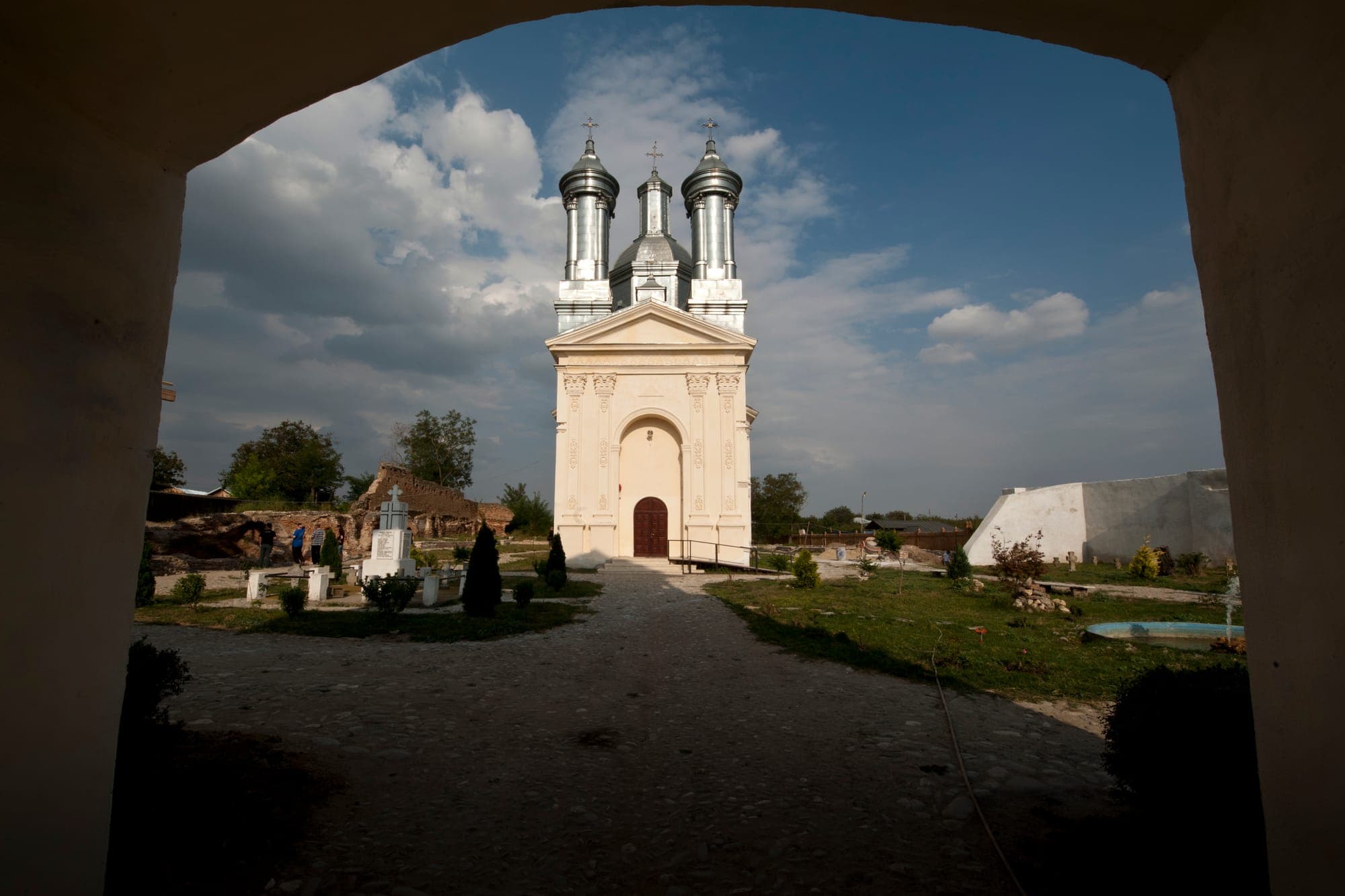
The oldest monastery in the Bărăgan, founded by the Grand Postelnic Ianache Caragea and rebuilt by Matei Basarab, with a 17th-century brick enclosure wall and a bell tower you enter through.
Monasteries and churchesMonuments and historic sites
A small convent in the Old Town with a Brâncoveanu-style church from 1724, façades painted with saints in medallions, an arcaded courtyard and a lapidary of stones from vanished Bucharest churches.
Monasteries and churchesMonuments and historic sites