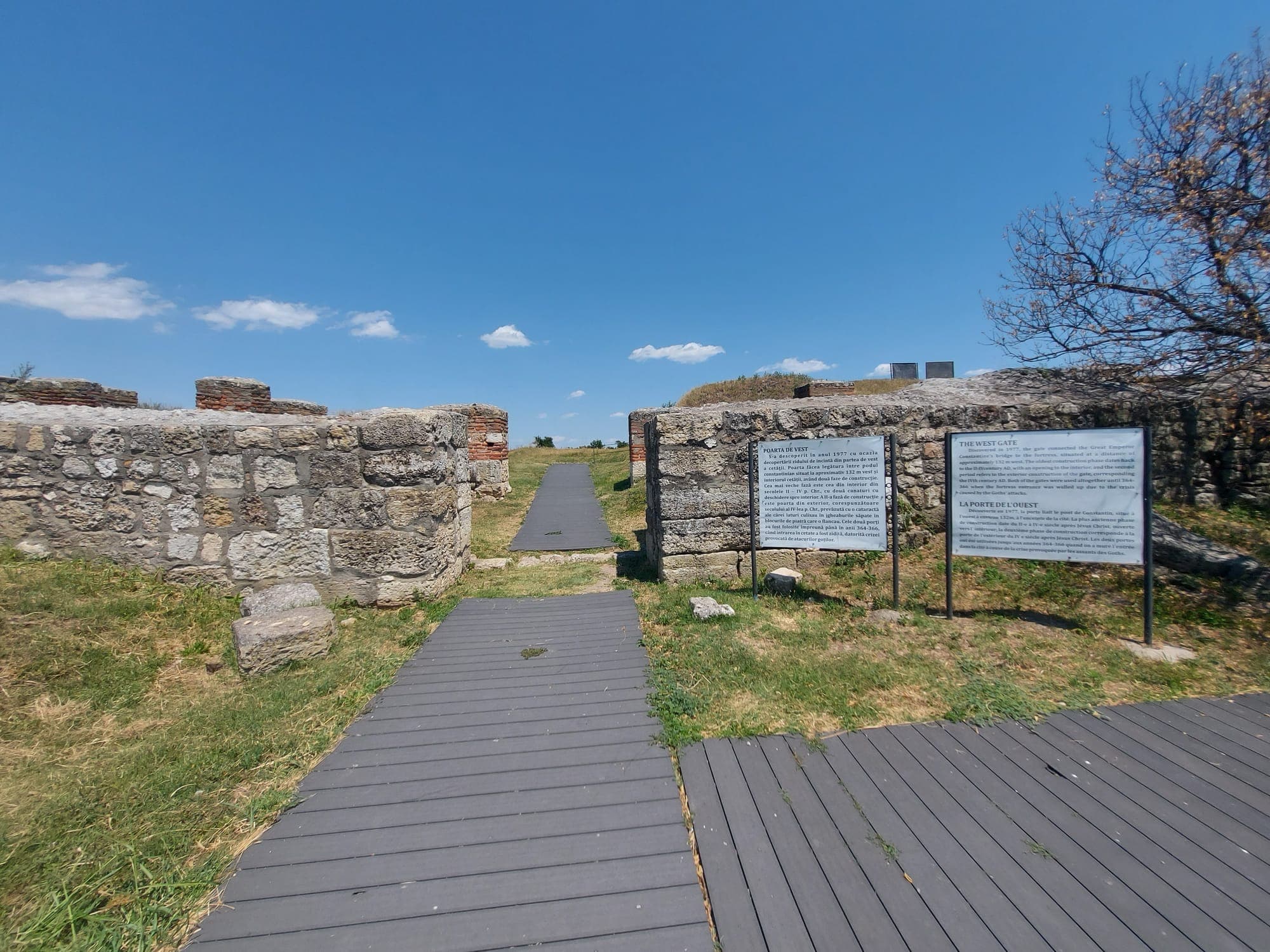
The Daco-Roman and Roman-Byzantine fortress in Corabia, with its excavated walls and towers, a 6th-century basilica, the "secret well" and the northern pier of Constantine the Great's bridge over the Danube.
Fortresses and fortificationsMonuments and historic sites
The central square of old Brăila, from which the streets of the historic centre fan out, with the blue Public Clock of 1909, the Holy Archangels church, a former mosque, and the statue of Trajan.
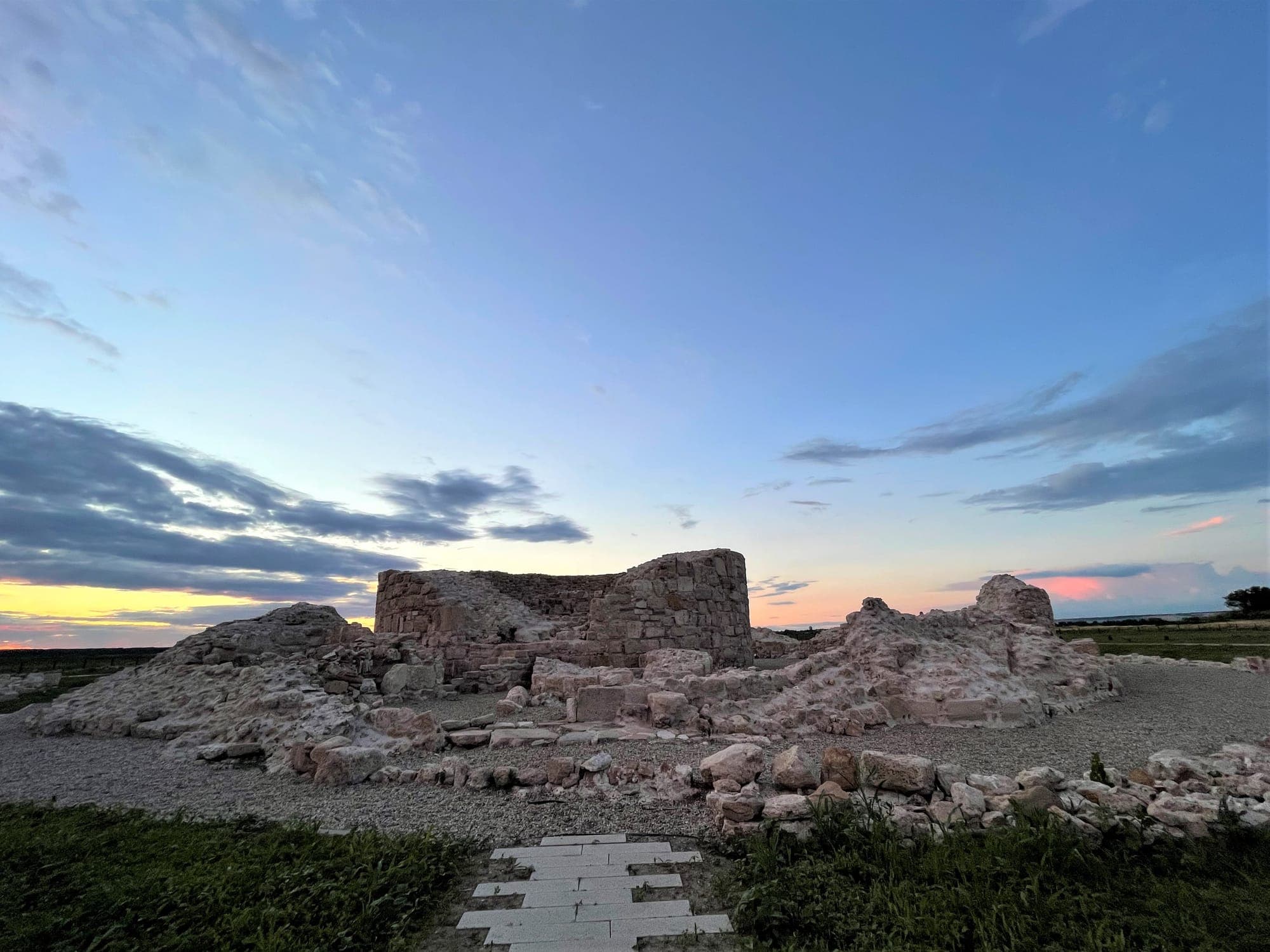
The ruins of a medieval fortress on the Danube bank, documented in the time of Mircea the Elder and held by the Ottomans until 1829, with a consolidated round central tower.
Fortresses and fortificationsMonuments and historic sites
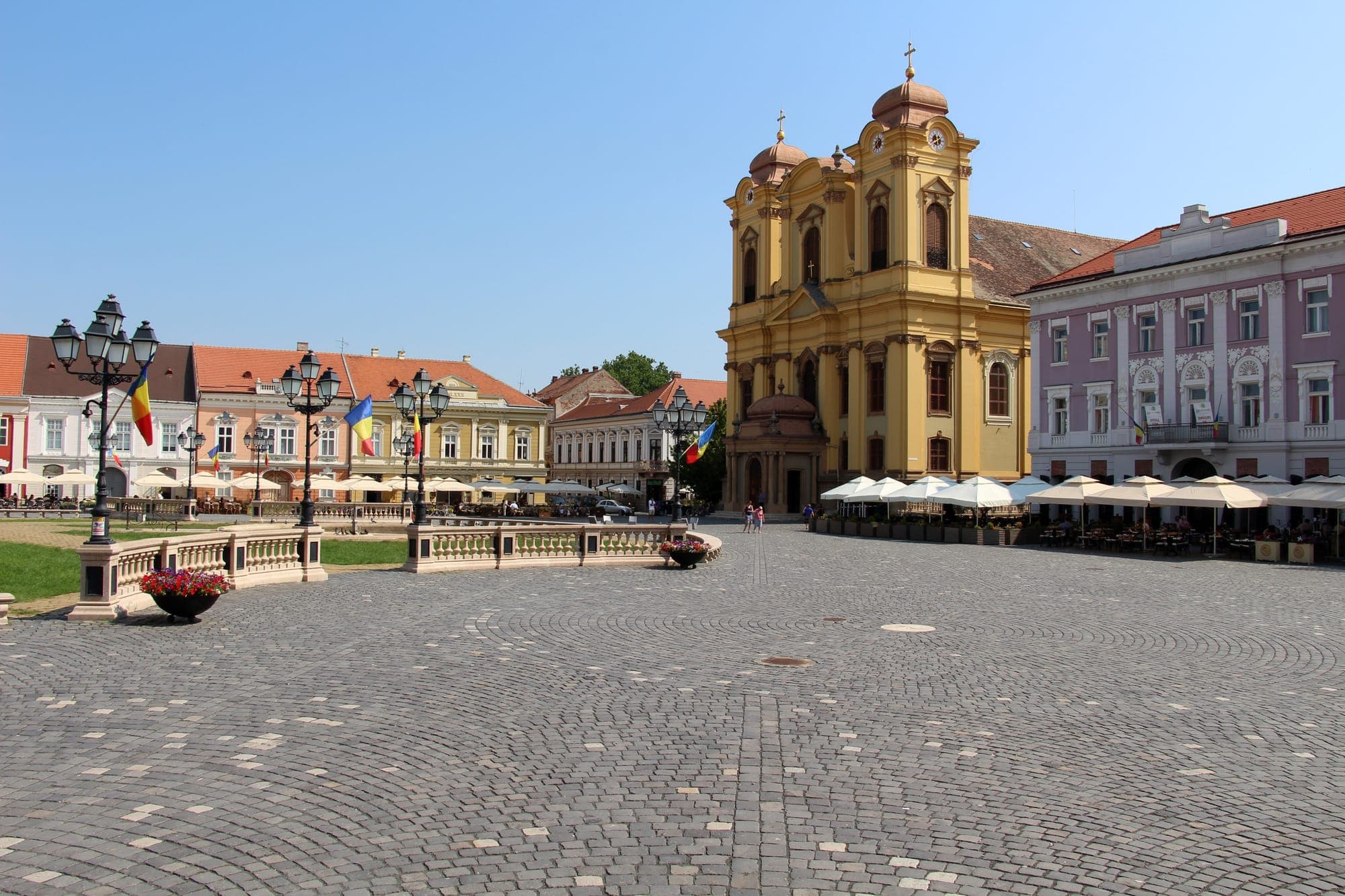
Timișoara's oldest square, about 150 by 110 metres, laid out in the Baroque style around the Roman Catholic Cathedral, the Serbian Cathedral and the Plague Column, among colourful houses from the 18th to the 20th centuries.
The last working forest railway in the Carpathians: a steam-hauled train climbs 21.6 km up the Vaser valley, through the Maramureș Mountains Nature Park, to Paltin station.
Monuments and historic sitesNational parks and reserves
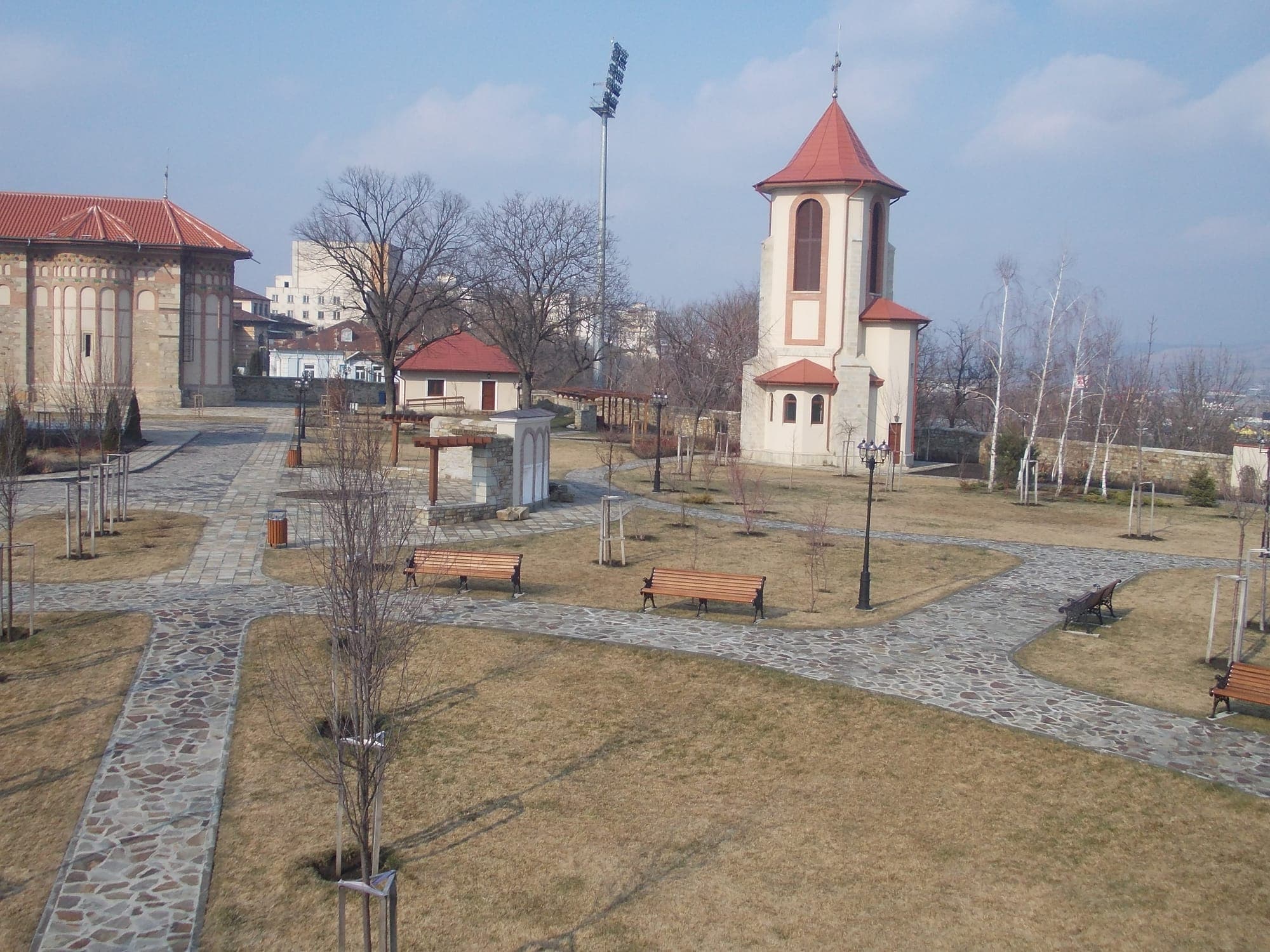
An archaeological park laid out on the site of Moldavia's princely court in Vaslui, with the Church of the Beheading of St John the Baptist, a foundation of Stephen the Great from 1490, in the town centre.
Monuments and historic sitesMonasteries and churches
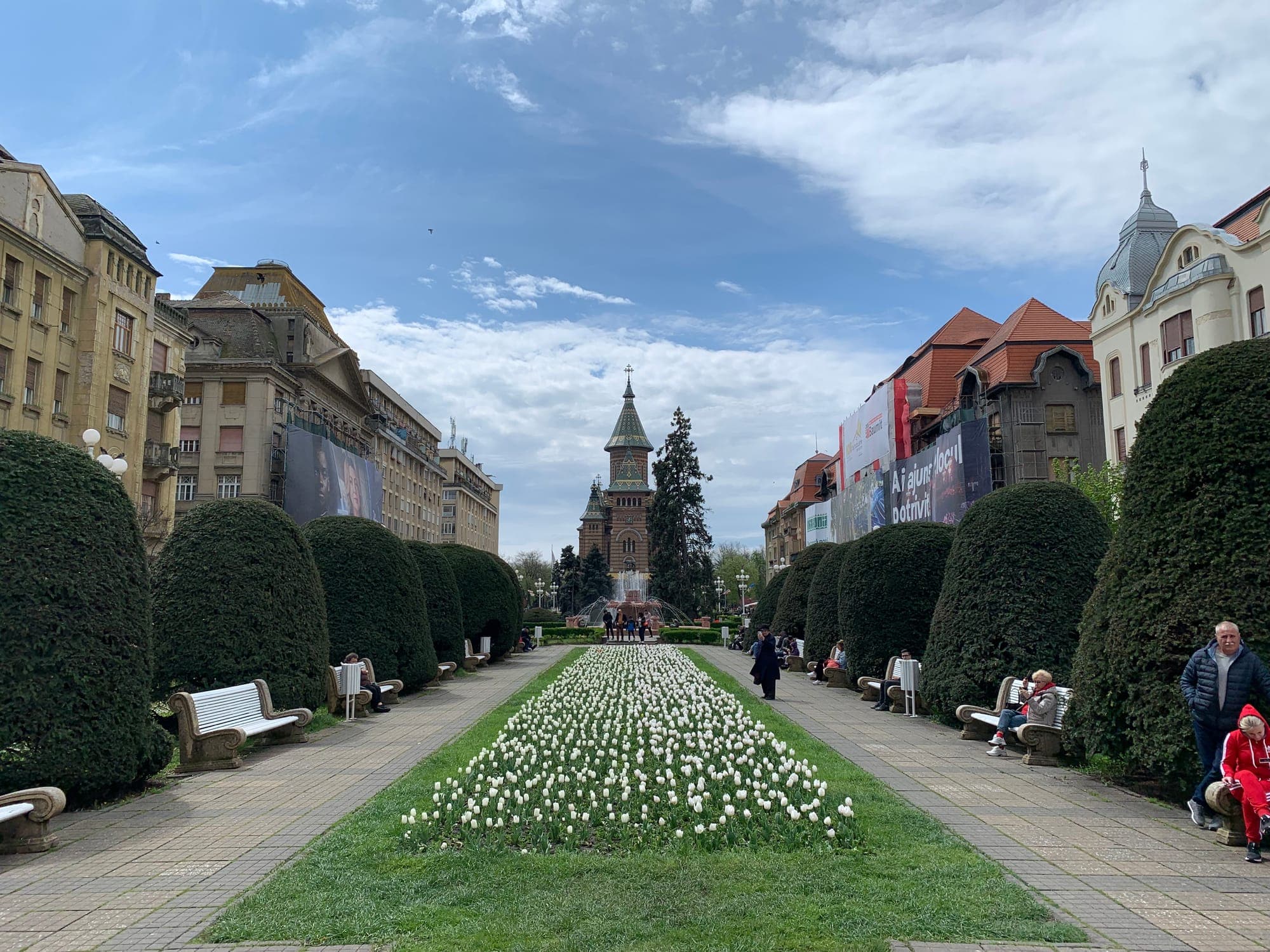
Timișoara's pedestrian esplanade between the Opera in the Palace of Culture and the Metropolitan Cathedral, lined with the Corso palaces and the place where Timișoara was declared the first free city in December 1989.