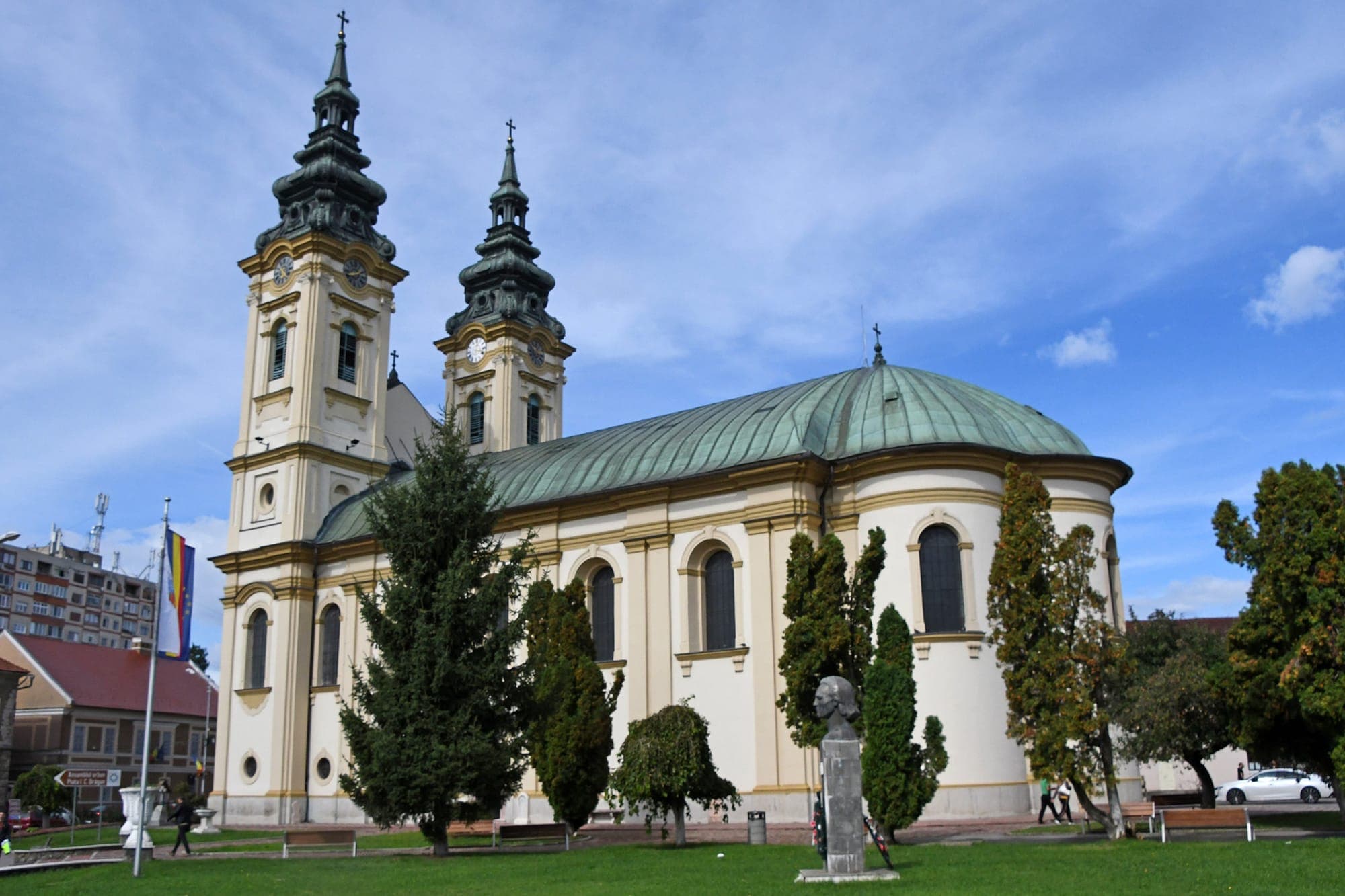
Church of the Dormition of the Mother of God in Lugoj (the Two-Tower Church)
Lugoj, TM · 71 km from Timișoara
A Baroque church on Piața Victoriei in Lugoj, built in 1759–1766, with two 57 m towers, a single nave and fresco paintings from 1941–1944.
51 results
A Baroque church on Piața Victoriei in Lugoj, built in 1759–1766, with two 57 m towers, a single nave and fresco paintings from 1941–1944.
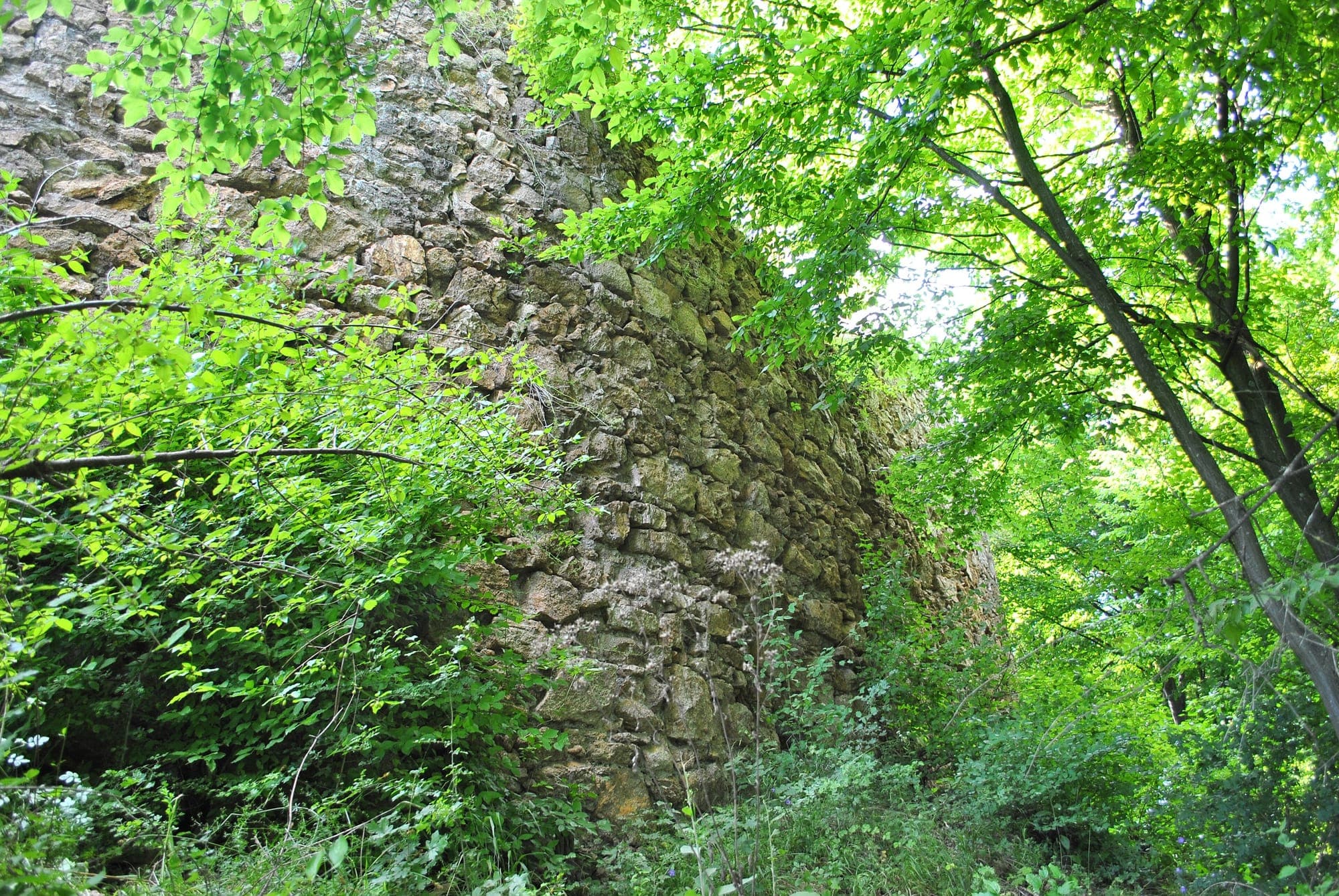
Medieval fortress walls survive in woodland on Fortress Hill, north-east of Jdioara village. The ruins are reached on foot.

A 53-hectare reservoir in the Semenic Mountains, at 837 m, ringed by spruce and beech right beside the Transsemenic road; in summer it is the mountain Banat's spot for swimming, boating and camping.

The museum of the Memorial of the Revolution Association, in a former military building in Timișoara: clothes and flags from the days of December 1989, a chapel of the hero-martyrs and the only section of the Berlin Wall in Romania.
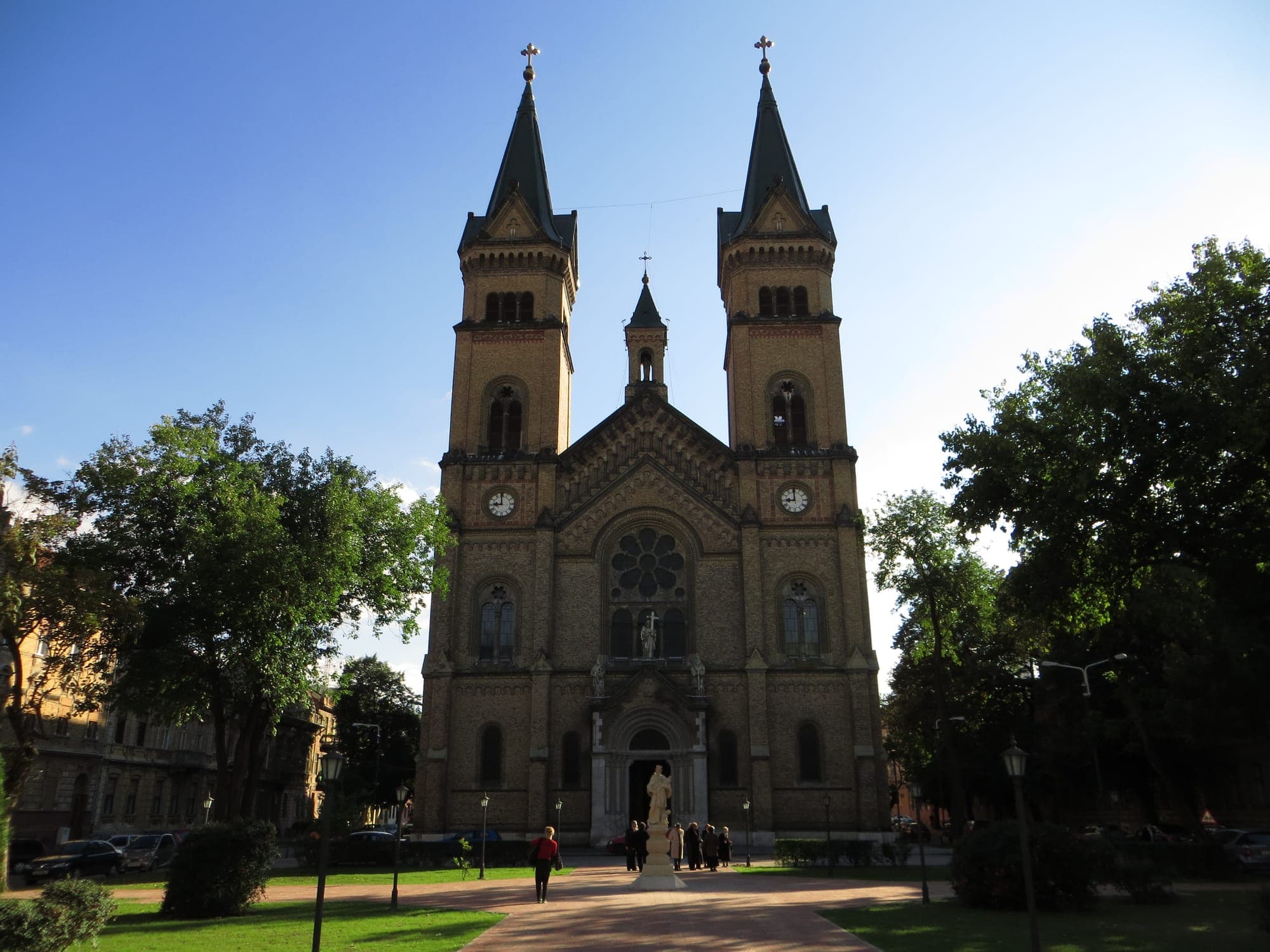
The largest Roman Catholic church in Timișoara, built between 1896 and 1901 in the Neo-Romanesque style, in exposed brick, with two 65.7 m towers on Piața Romanilor in Fabric.
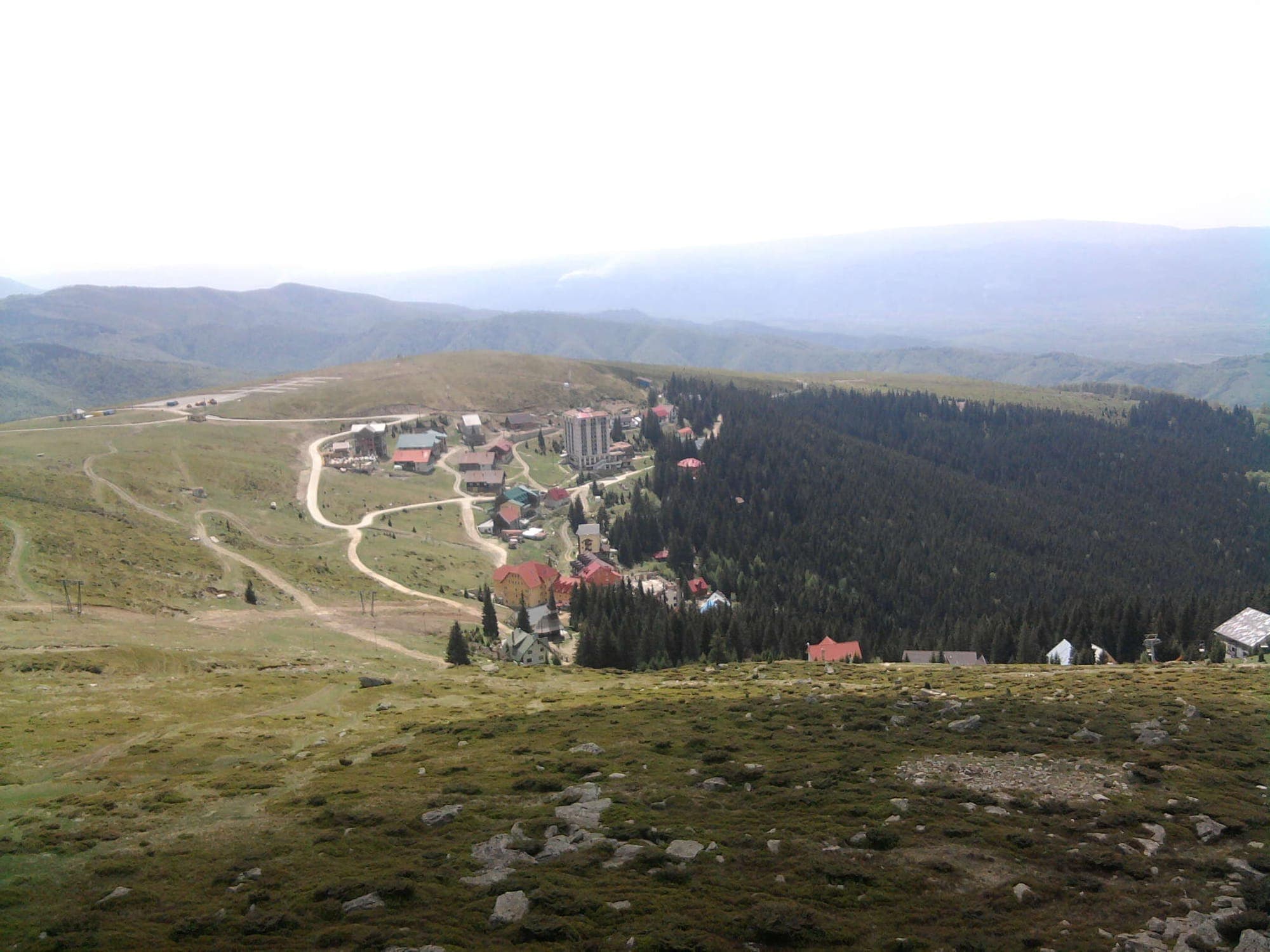
A mountain resort at about 1,600 m above Caransebeș: slopes such as Vâlsanu, Felix and Borlova, two chairlifts, night skiing at weekends and summer hikes to Țarcu.
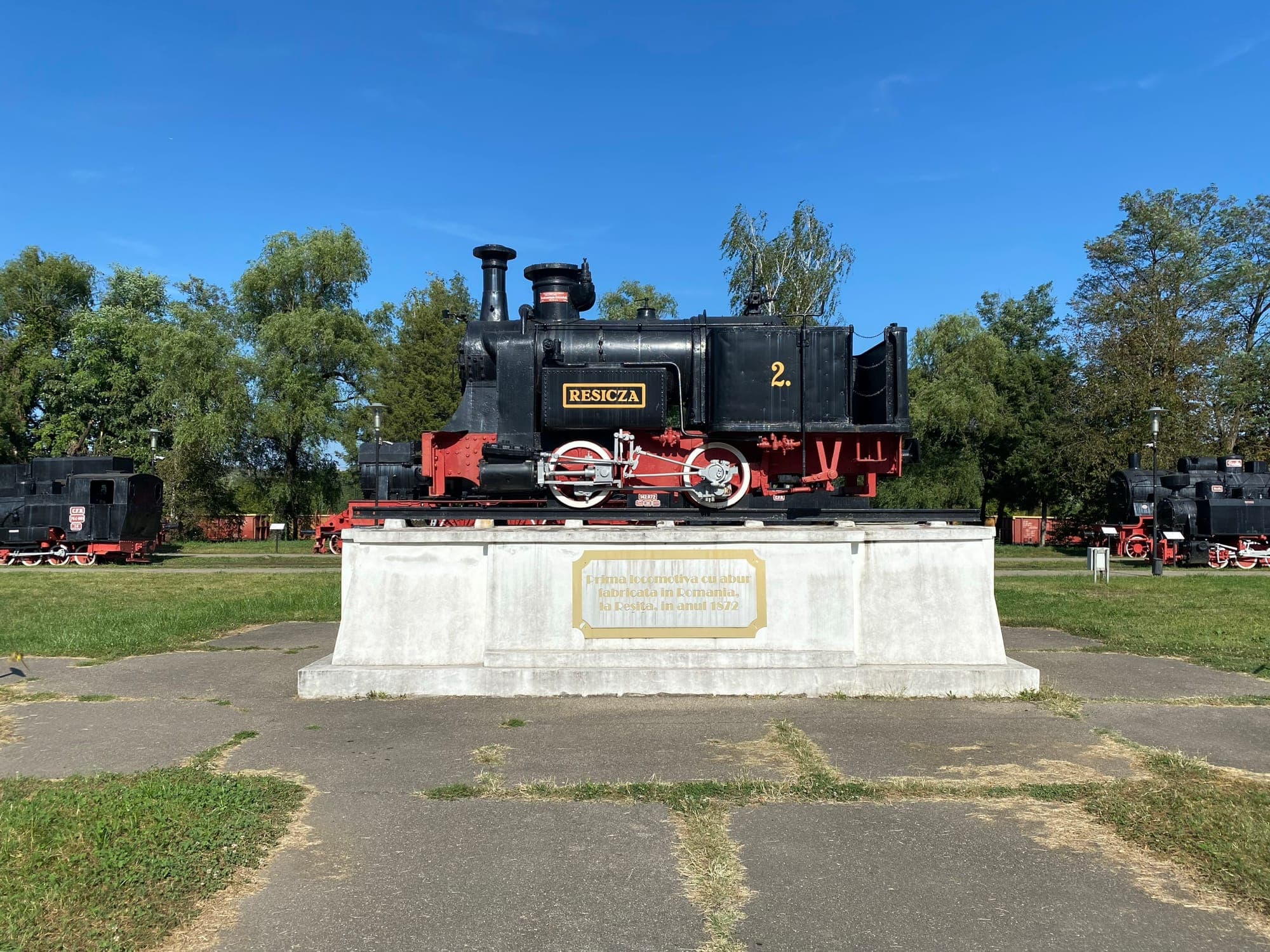
An open-air museum opened in 1972 in Triaj Park, Reșița: 16 steam locomotives, most of them built in the town's works, led by the “Resicza” of 1872.

The Baroque cathedral of the Catholic bishopric of Timișoara, built between 1736 and 1774 on Union Square; restored with EU funds and reopened in April 2023, with the bishops' crypt under the altar.
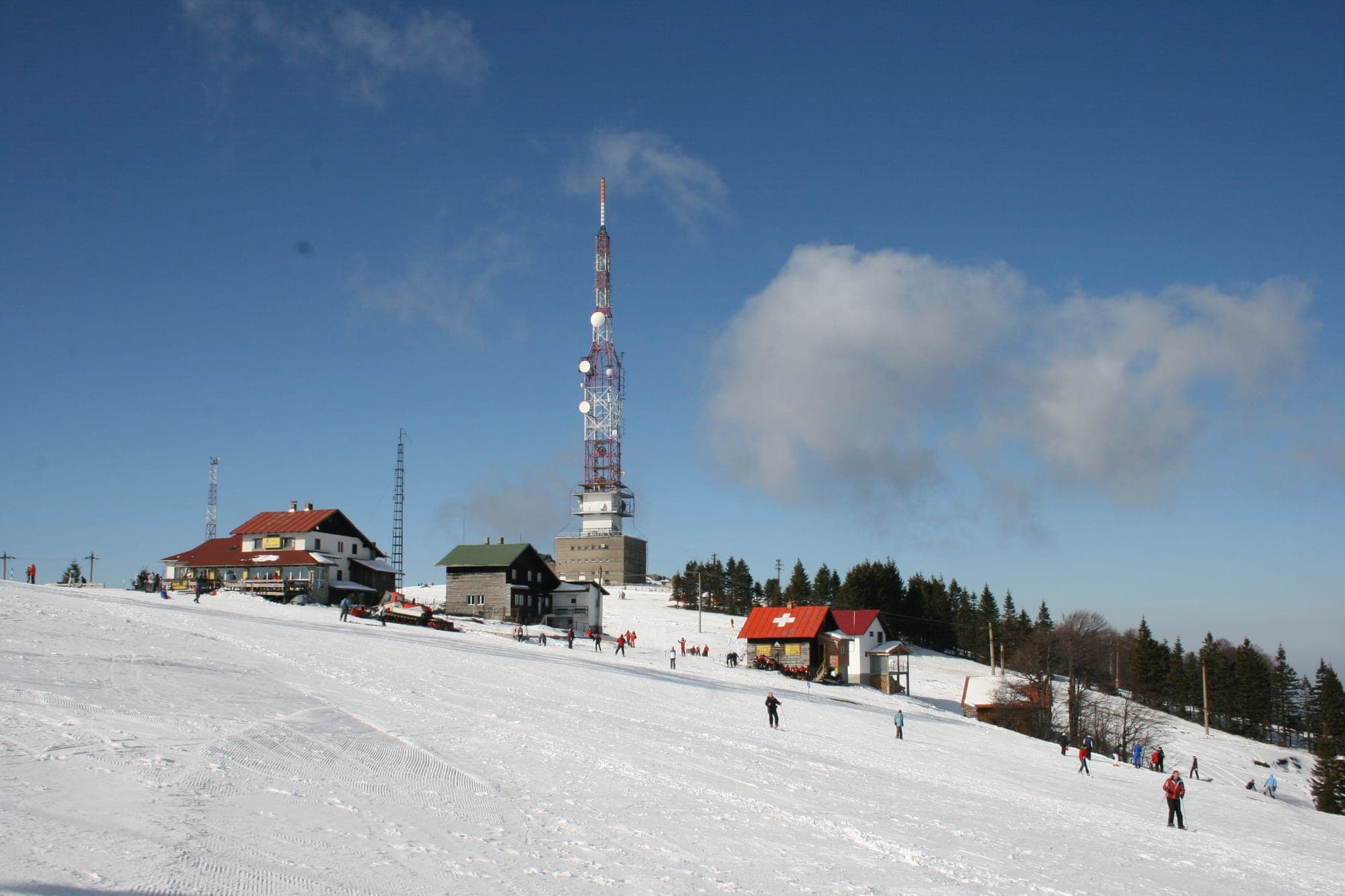
A mountain resort at about 1,400 m on the plateau of the Semenic Mountains, beneath Piatra Goznei Peak: slopes with drag lifts in winter, hiking in the Semenic – Caraș Gorge National Park in summer.
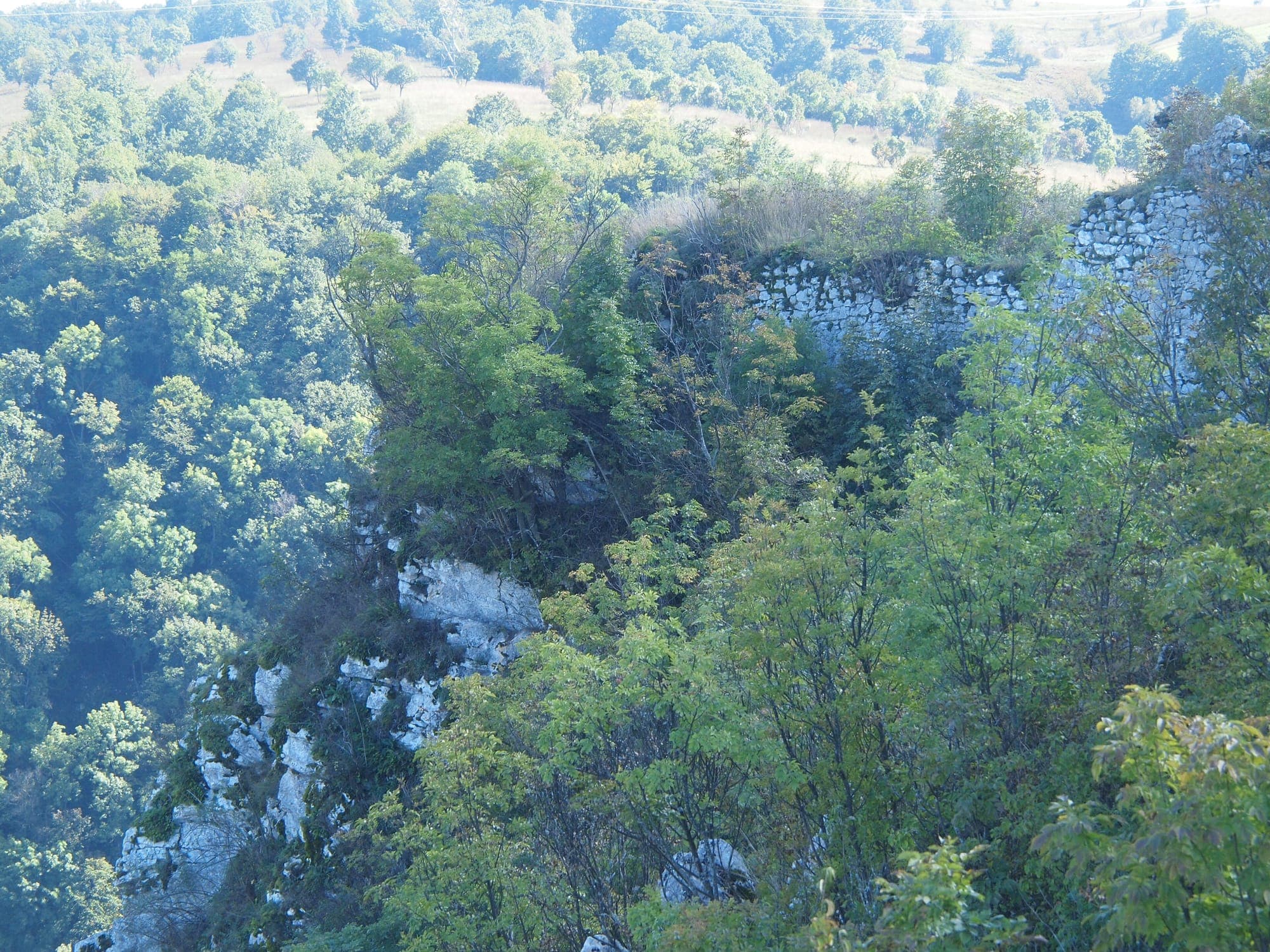
Ruins of a medieval fortress above the Caraș Gorge, with two rock-cut ditches, enclosure walls and a viewpoint towards the Prolaz clearing.
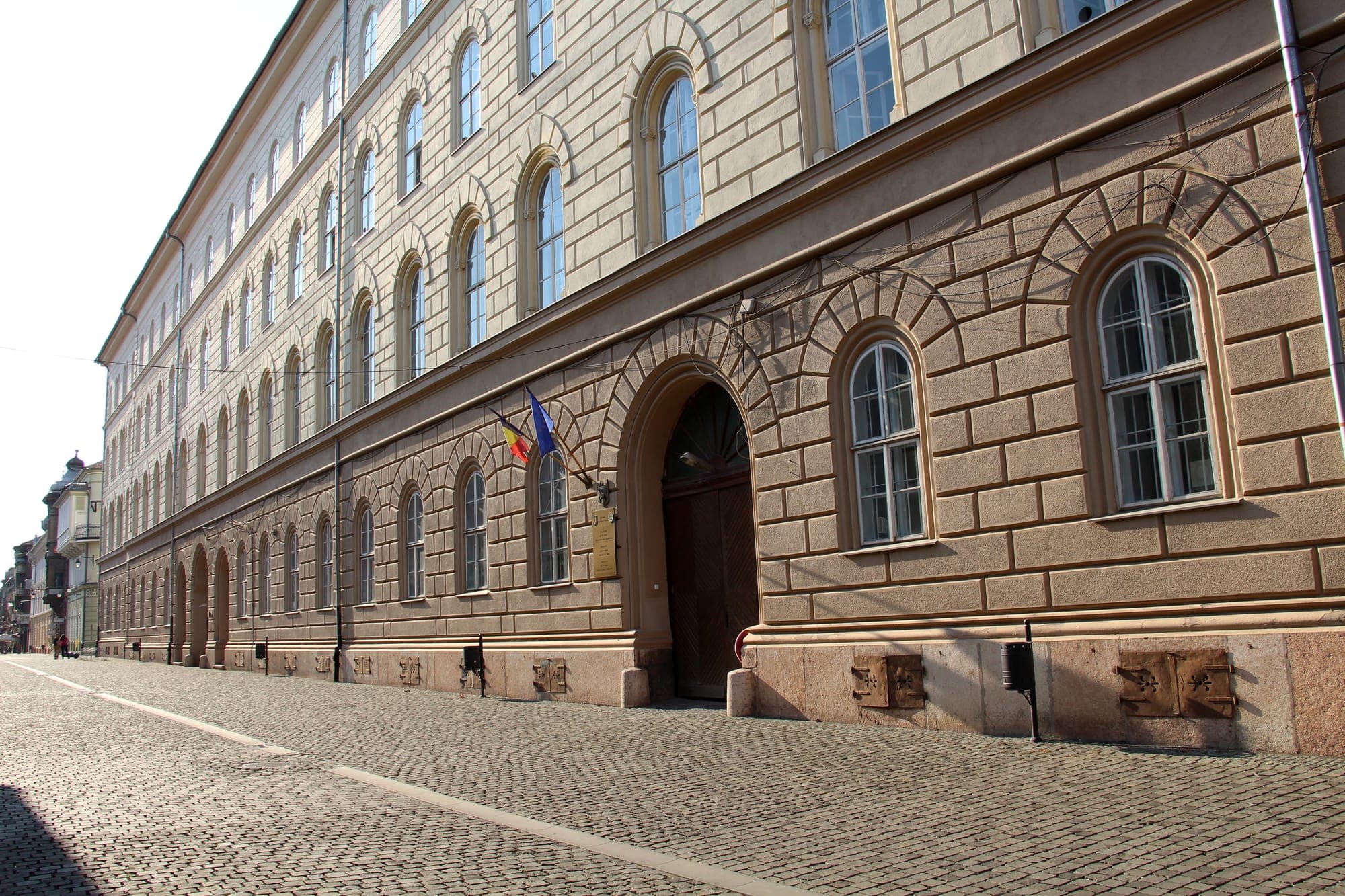
A monumental Neo-Renaissance building in the Cetate district, raised in 1855–1860 for the administration of the Banat; today it houses Timișoara's courts and can be seen from the outside only.

An 18th-century wooden church on the Banat plain, with a small shingled tower and wall paintings worn away by time, sheltered by a protective scaffold until its restoration.
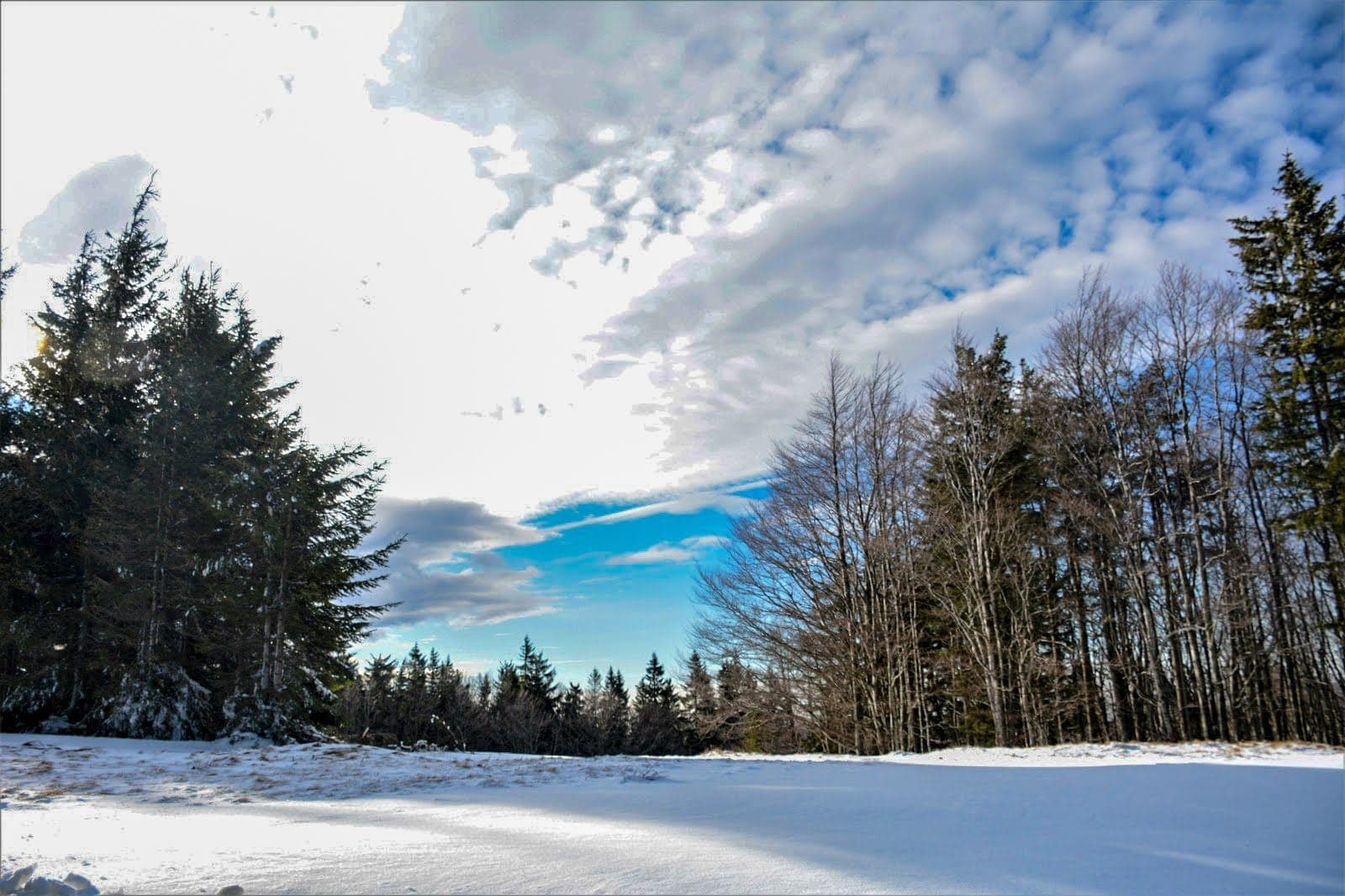
A mountain village of Bohemian German settlers in the Semenic Mountains, above 900 m: short slopes with a drag lift and snowmaking, a 700 m zip line and tubing, and in summer the Gărâna Jazz Festival in the Poiana Lupului meadow.

Romania's longest gorge, almost 20 km between Șopotu Nou and Sasca Română, with the Devil's Lake, tunnels cut into the rock and a trail crossed by no road at all.

The most thoroughly excavated Roman site in the Banat: stone walls of the fort and traces of the civil town on the banks of the Timiș, in the village of Jupa near Caransebeș.