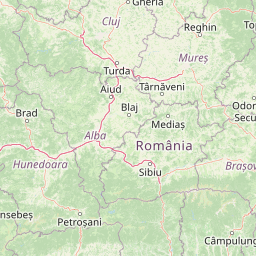
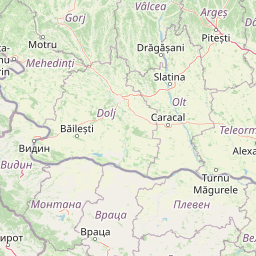
Băile Herculane
Băile Herculane, CS · 81 km from Reșița
Romania's oldest spa resort, recorded as early as AD 153, in the Cerna valley: hot sulphur springs, a Habsburg old town around the Hercules statue and free thermal tubs on the riverbank.
Caraș-Severin is the most mountainous county in Banat: the Semenic, Anina, Almăj, Cerna and Țarcu mountains cover almost all of it, and to the south the Danube borders it along the Clisura. Reșița, the county seat, has a long industrial history and an open-air museum of steam locomotives; Caransebeș, Oravița – with the oldest theatre in the country – and Anina are the smaller towns. The tourist attractions in Caraș-Severin County are mostly natural: limestone gorges, waterfalls, lakes and a spa resort with thermal springs known since antiquity.
Băile Herculane, in the Cerna Valley, keeps its baths and hotels from Habsburg times, and upstream, from the valley road, a path leads to Vânturătoarea Waterfall. In the west of the county, Beușnița Waterfall is reached on foot from the Nera Gorge, past Ochiul Beiului, while Comarnic Cave, near Carașova, is one of the longest in Banat. Lake Trei Ape and the Transsemenic road are reasons to climb up onto the Semenic.
22 results
Romania's oldest spa resort, recorded as early as AD 153, in the Cerna valley: hot sulphur springs, a Habsburg old town around the Hercules statue and free thermal tubs on the riverbank.

A moss-clad tufa waterfall whose water fans out in dozens of threads over green steps, in the beech forest of the Cheile Nerei–Beușnița National Park, an hour's walk beyond Ochiul Beiului Lake.

The moss-covered tufa waterfall in the Miniș gorge, exactly on the 45th parallel and once famous worldwide; it partly collapsed in 2021 and is regenerating naturally, a few steps from the DN57B road.

A national park of over 61,000 ha in the Cerna Valley above Băile Herculane: limestone cliffs with Banat black pine, gorges and ancient beech forests on the UNESCO list since 2017.

County road DJ582 crosses the Semenic Mountains for 58 km, from Reșița through Văliug and the Prislop Pass to Slatina-Timiș, past mountain lakes, pastures and the villages of Gărâna and Brebu Nou.

The DN67D links Baia de Aramă to Băile Herculane in about 65 km: it climbs to the Arșasca saddle at ~900 m and drops down the Cerna Valley, between limestone walls, through Domogled–Valea Cernei National Park.

A 36,000 ha national park in the Banat, with the 19 km Caraș Gorge, the Semenic plateau, over 800 caves and the virgin beech forest of Izvoarele Nerei, a UNESCO site.

A two-tier waterfall of about 50 m in the Cerna Mountains, with Romania's longest free drop (~40 m), above Lake Prisaca; reached by a steep 1.5 km path from the Cerna valley road, 13 km from Băile Herculane.
A small ski area at Văliug, on the shore of Lake Gozna, at the foot of the Semenic: an easy slope with a chairlift and a short, difficult one with a drag lift, both floodlit for night skiing.

A wild, unlit cave in the Anina Mountains with more than 6 km of passages on three levels, 1,750 m of which you explore with a helmet and head torch, led by the national park's rangers.
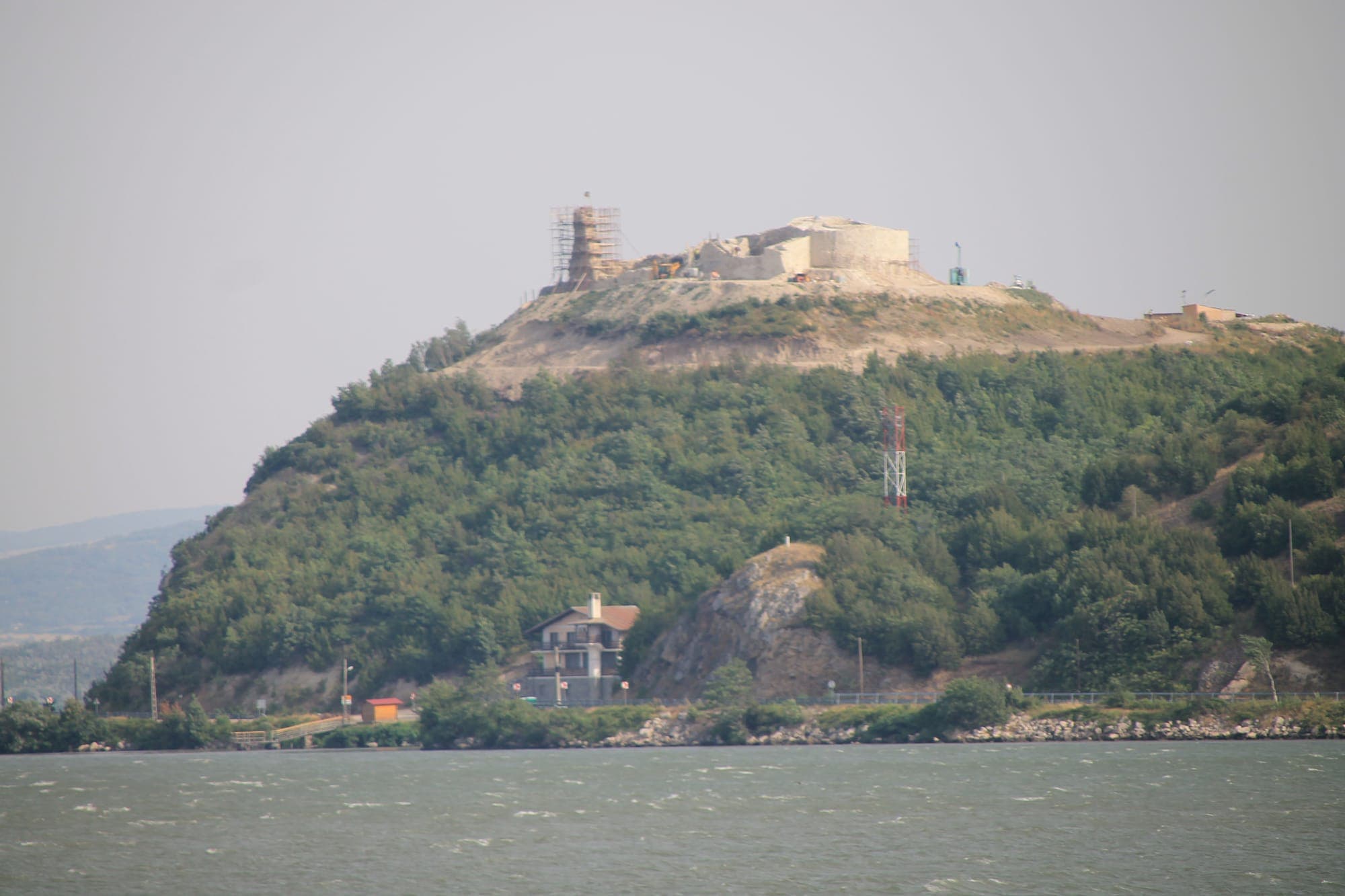
Medieval fortress above the Danube at Coronini, reopened in 2026. Walkways lead to the lookout tower, which faces Golubac Fortress.

A small karst lake with turquoise water clear to the bottom, fed by a spring beneath it and hidden in the forest of the Bei valley, in the Cheile Nerei – Beușnița National Park.

A 53-hectare reservoir in the Semenic Mountains, at 837 m, ringed by spruce and beech right beside the Transsemenic road; in summer it is the mountain Banat's spot for swimming, boating and camping.
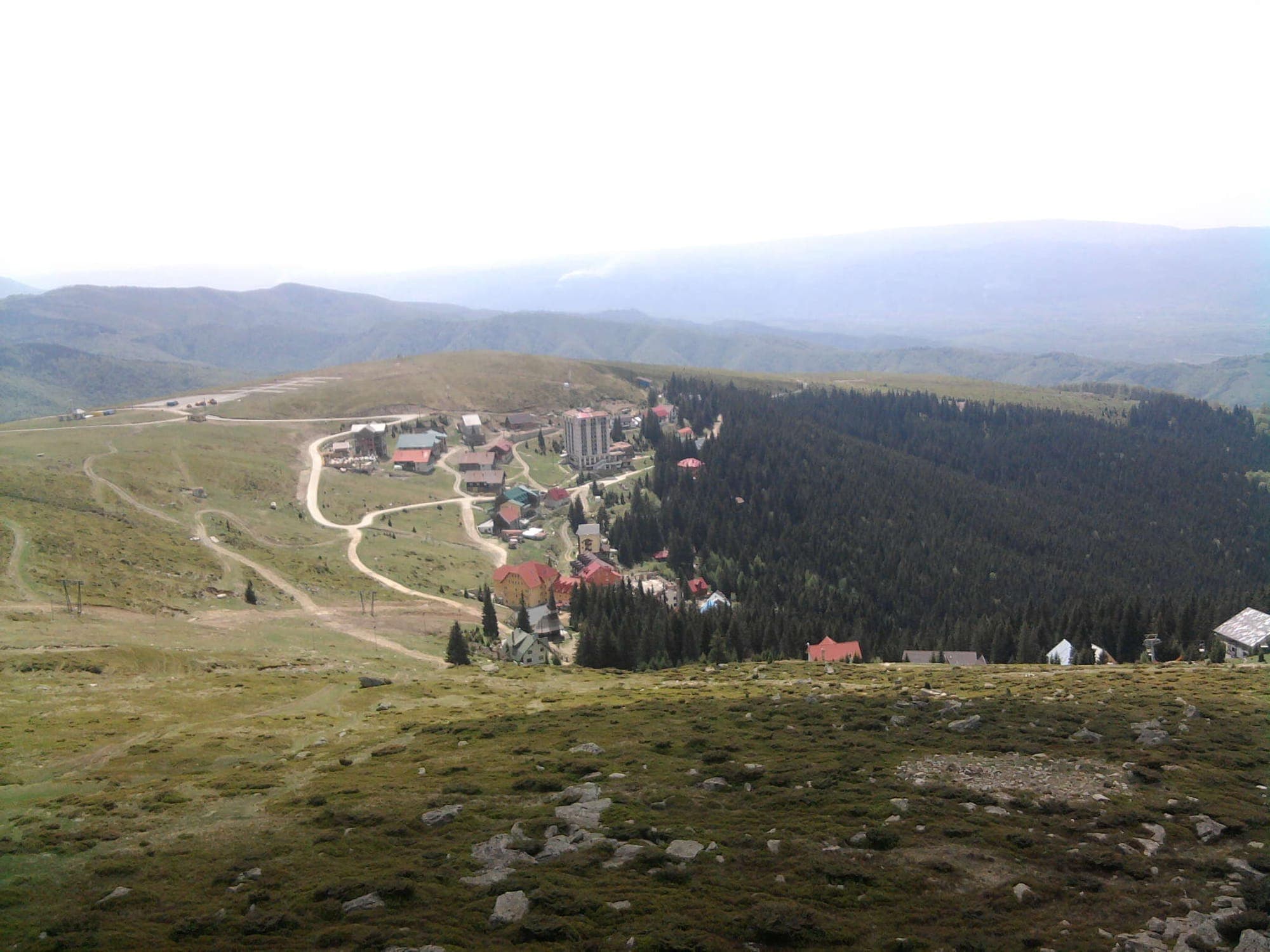
A mountain resort at about 1,600 m above Caransebeș: slopes such as Vâlsanu, Felix and Borlova, two chairlifts, night skiing at weekends and summer hikes to Țarcu.
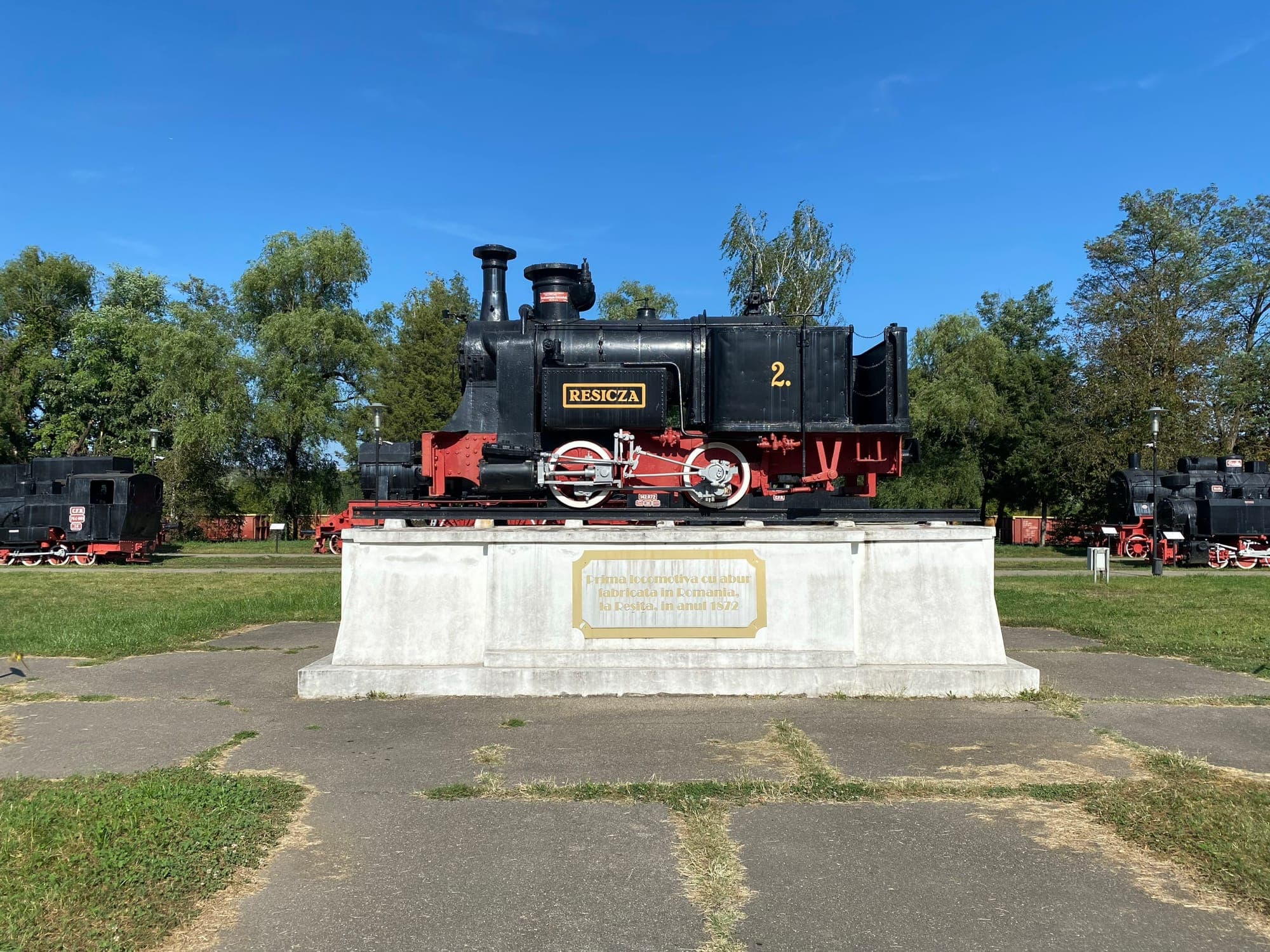
An open-air museum opened in 1972 in Triaj Park, Reșița: 16 steam locomotives, most of them built in the town's works, led by the “Resicza” of 1872.