
The cathedral of the Archdiocese of Lower Danube, built between 1906 and 1917 to plans by Petre Antonescu: the largest religious building in Galați, Neo-Byzantine, with a main tower 42.5 m high.
Monasteries and churches
30 minFree
The cathedral of the Archdiocese of Lower Danube, built between 1906 and 1917 to plans by Petre Antonescu: the largest religious building in Galați, Neo-Byzantine, with a main tower 42.5 m high.
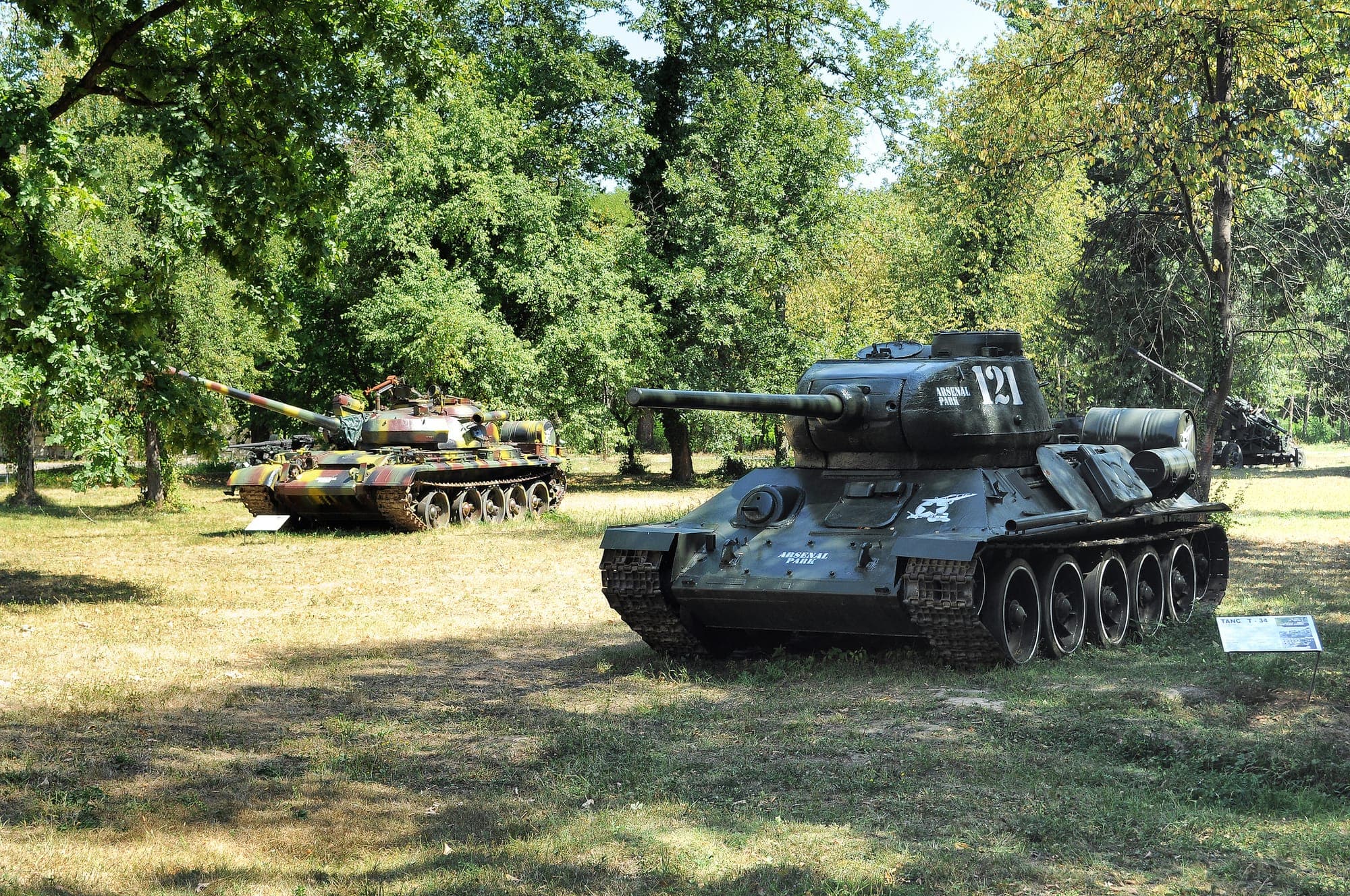
A military-themed park at Orăștie, on 88 hectares of forest: an open-air museum of military hardware, an adventure park, a 607 m zip line and a summer water park.

The Cathedral of the Ascension, rebuilt in neoclassical style between 1830 and 1837: a portico of six Corinthian columns and two towers dominate Piața Libertății, and inside lies the tomb of a martyr bishop.
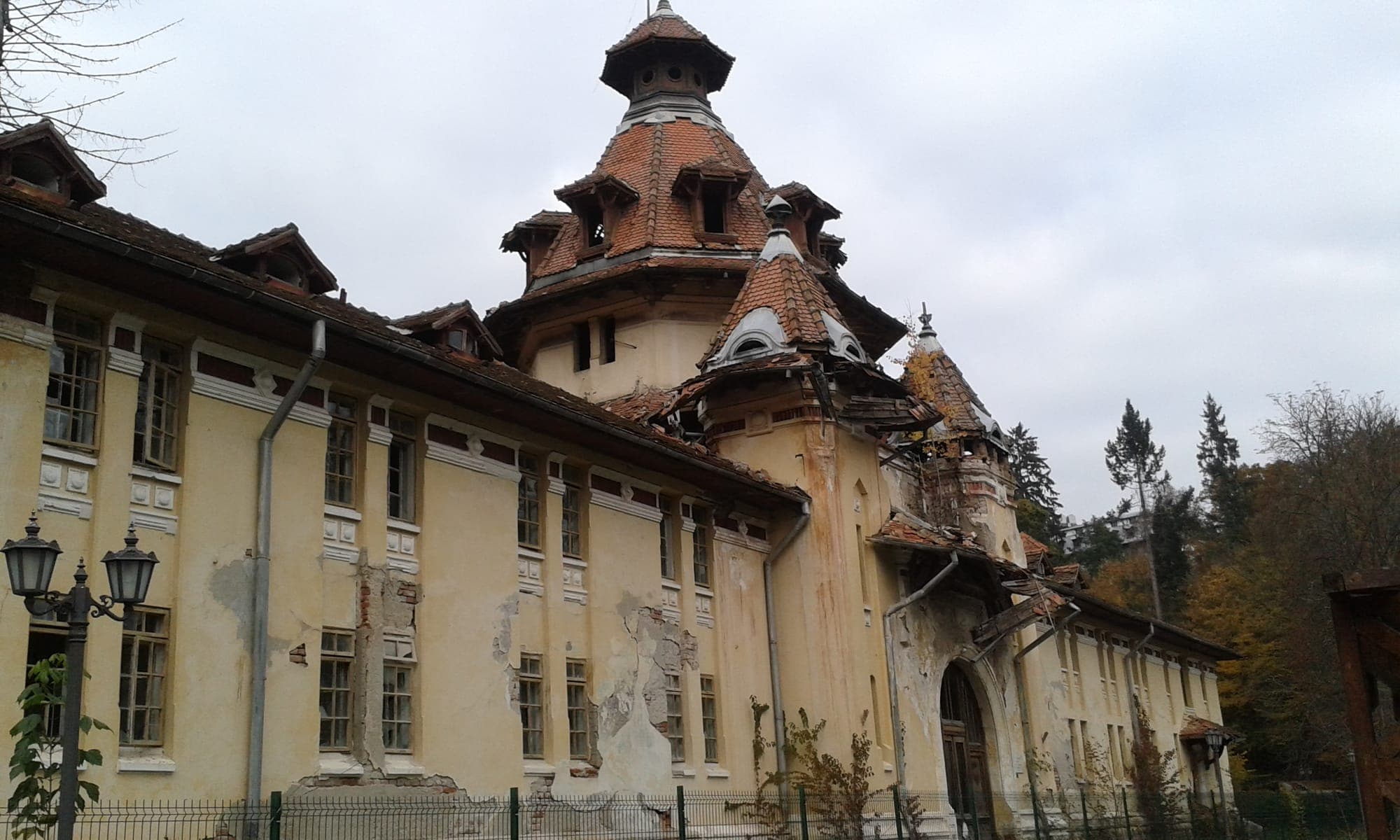
A spa resort in the Vâlcea foothills, with iodine, bromine and sulphur waters, a spa park laid out in 1912 and the Palace Hotel designed by Ernest Doneaud.

The Roman Catholic bishops' residence, built in 1762–1777 by Franz Anton Hillebrandt, is Romania's largest Baroque palace; today it hosts church art exhibitions, and the garden is open daily.
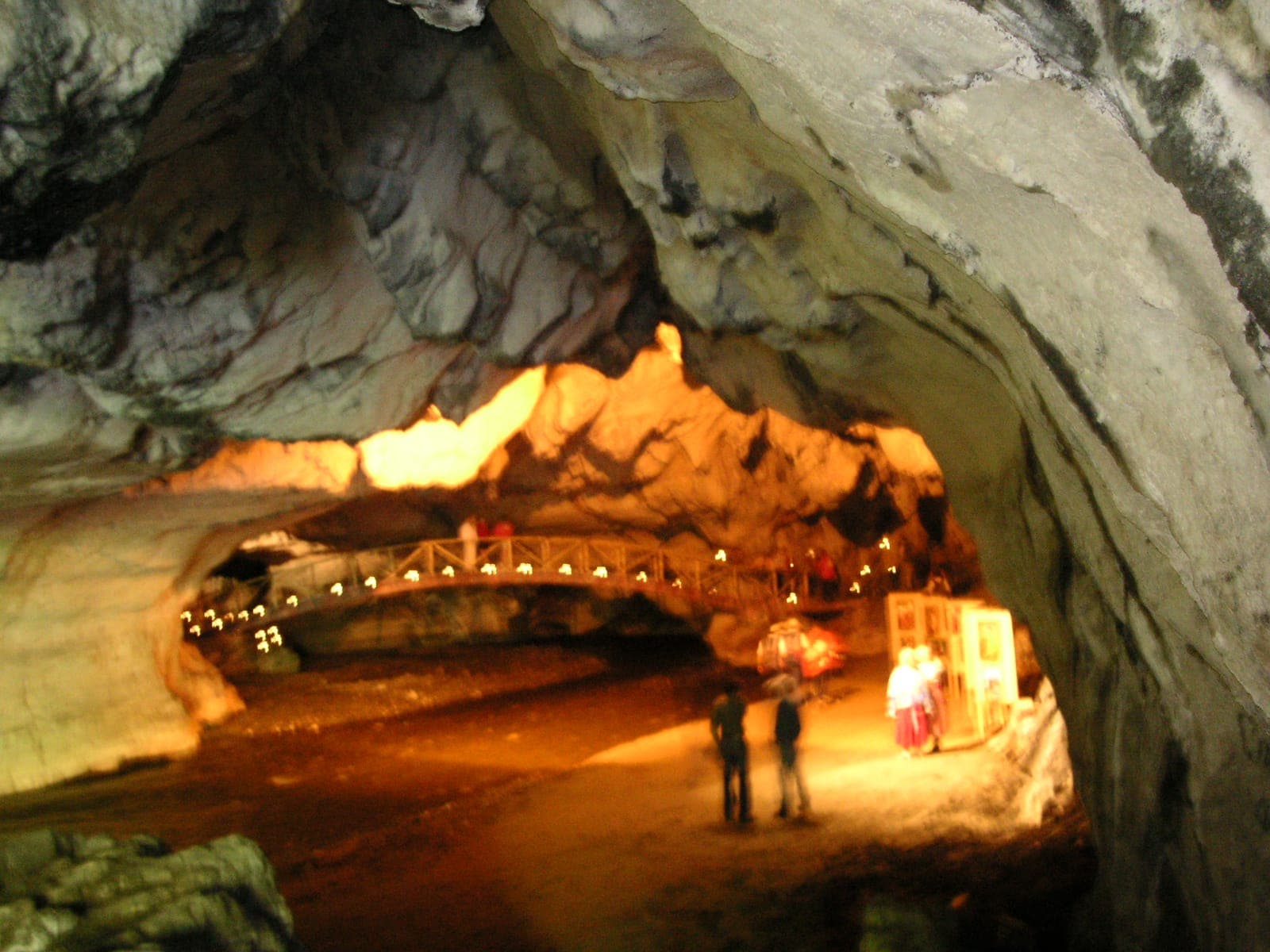
A cave crossed by a mountain stream north of Petroșani, with a 20 m-wide portal and a gallery of about 466 m walked end to end on footbridges, beneath the Dacian fortress of Bănița.

A mountain spa resort at 900 m in northern Harghita, with carbonated mineral springs you can drink from for free, old wooden villas, travertine caves and a new spa centre.

The dendrological park beside Timișoara's former fortress, laid out in 1986–1990 on a 1966 plan: over 8 hectares with rare trees, a Japanese garden, a rose collection and a stretch of the fortress wall.
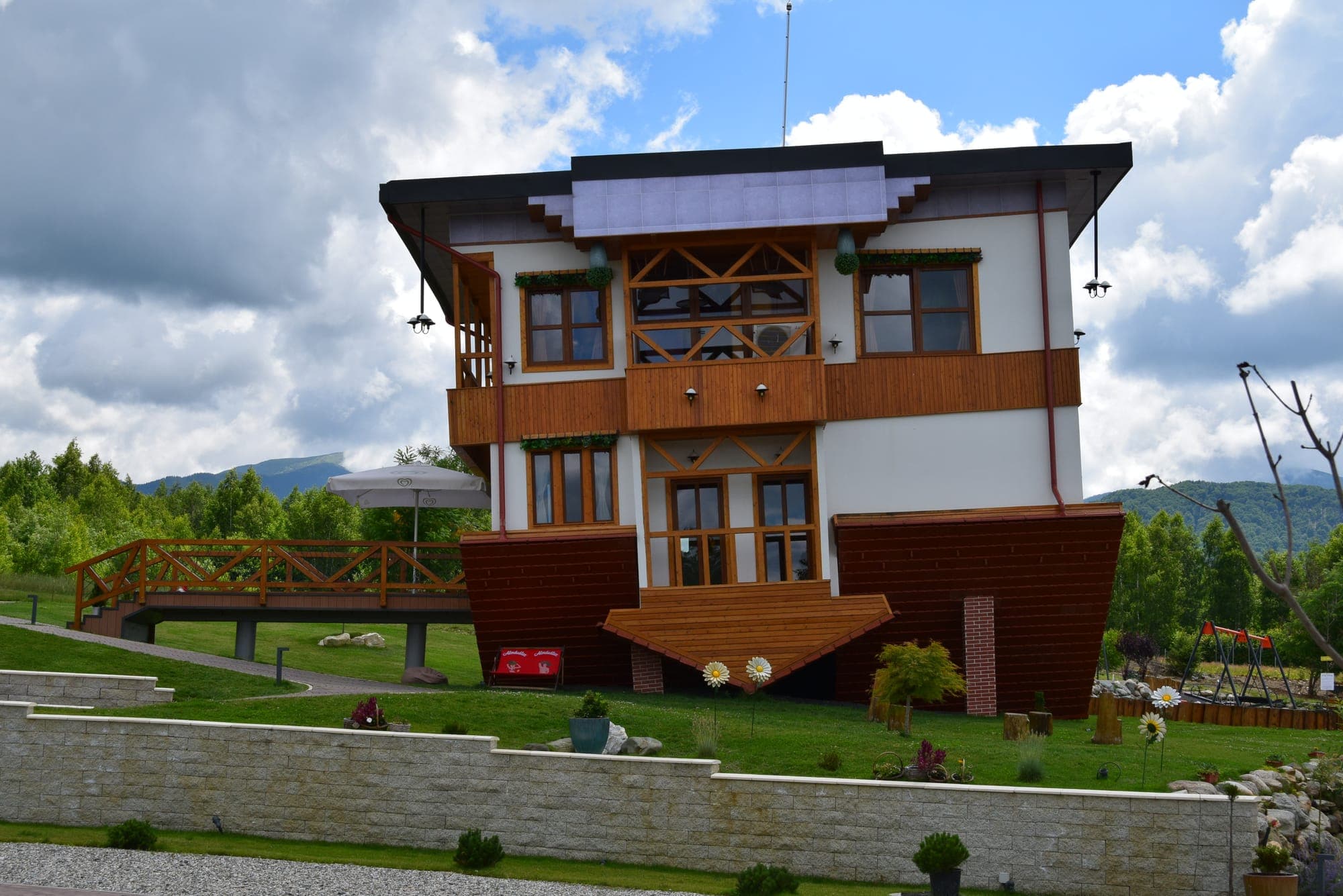
A family theme park in the Avrig Valley, home to the Upside-Down House, a 200 sq m tilted house built upside down, plus a mini zoo, tubing and playgrounds.
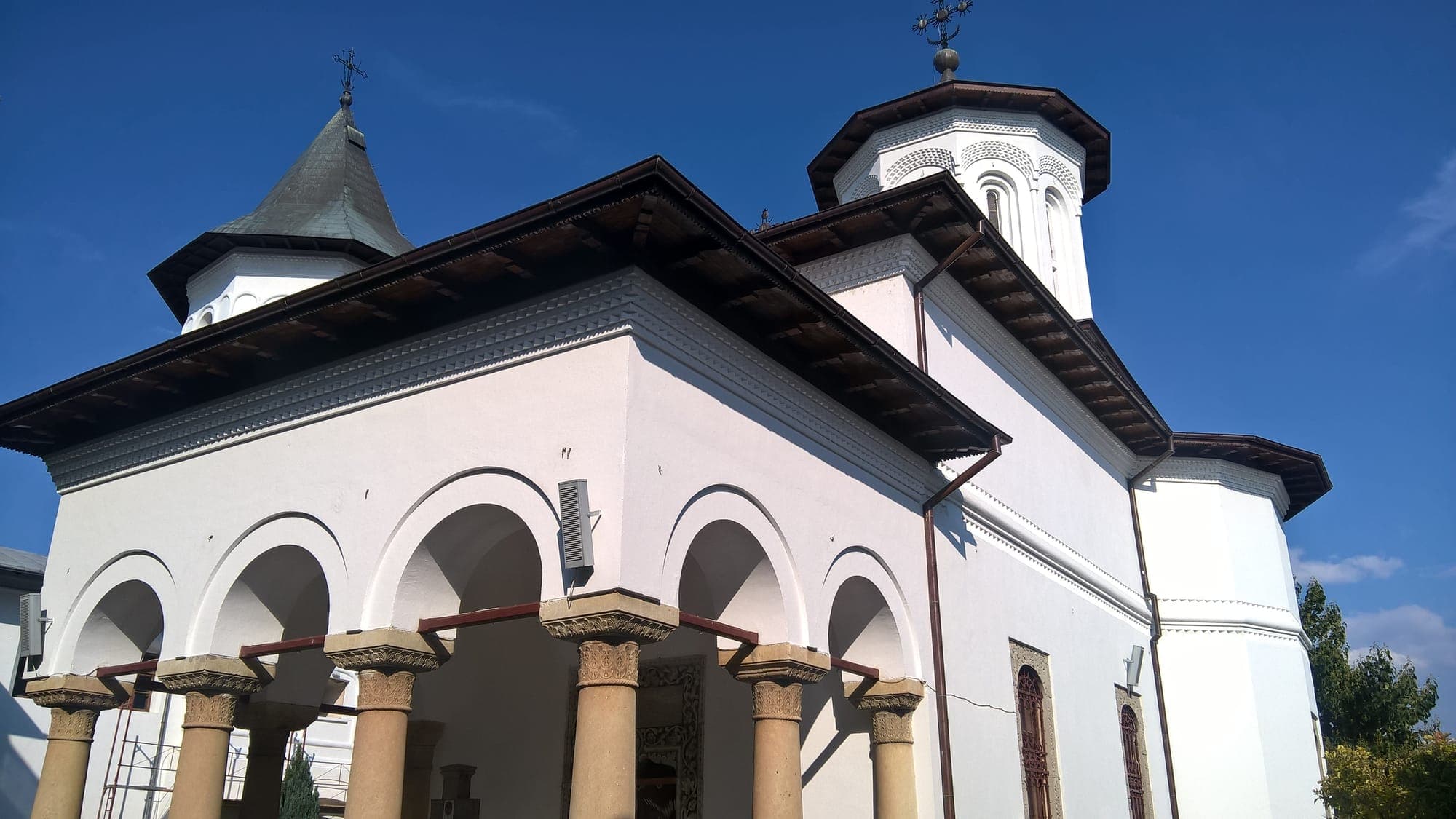
A convent in Olt, in the village that Matei Basarab and Constantin Brâncoveanu came from: defensive wall and bell tower of 1634–1640, a Brâncovenesc great church of 1699, and a museum with a lapidary.

A bastioned fortress on Citadel Hill, north of the old town, built to stop enemies firing on Brașov from the heights; the interior is closed for works, but the walls and the view can be enjoyed from the paths on the hill.
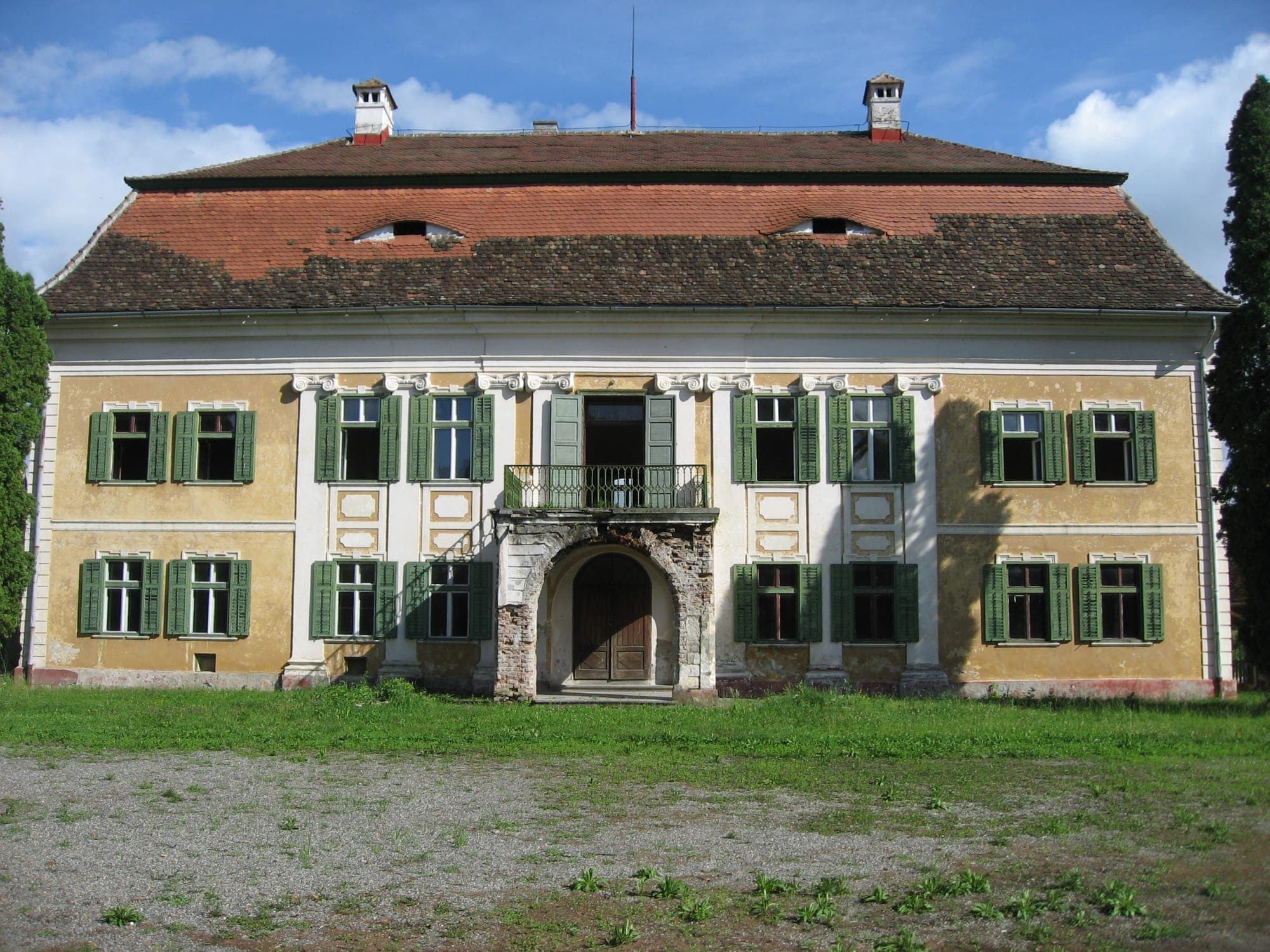
The summer residence of Baron Samuel von Brukenthal, governor of Transylvania, built in the Baroque style on a terrace above the Olt, with its Baroque garden, orangery and a small exhibition in the palace rooms.

The Evangelical church of Bunești (Bodendorf), a late 13th-century basilica ringed by a wall with towers and the villagers' grain chambers, with a narrow, tall interior full of painted galleries.

A spa resort in the Olt Valley, where the river leaves the Cozia Mountains: sulphur springs known since the 19th century, the Central Pavilion of 1886 and thermal pools open all year round.

A sixteenth-century foundation of the Buzești boyars, tucked into a valley in Olt County: a church with the votive painting of Michael the Brave, the Buzești tombs and a brick enclosure wall.