Constantin Brâncoveanu's largest foundation, officially Hurezi Monastery: the model ensemble of the Brâncovenesc style, built in 1690–1693 and a UNESCO site since 1993.
Monasteries and churchesMuseums and memorial housesUNESCO
A 13th-century Romanesque church with a richly carved portal, enclosed by a double ring of walls in the Hârtibaciu valley, with the Făgăraș Mountains behind.
Monasteries and churchesFortresses and fortifications
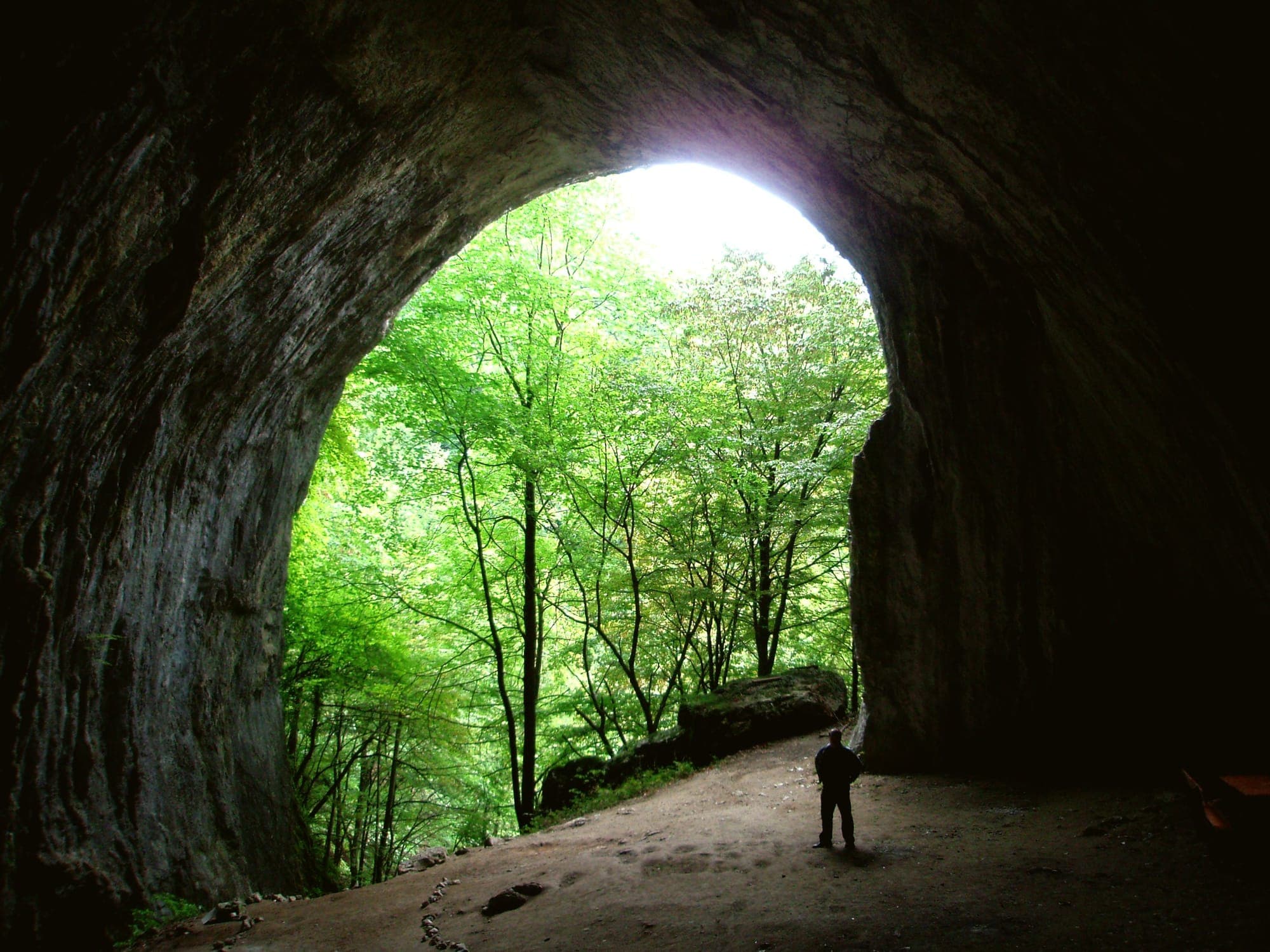
An active cave in the Trascău Mountains, with a portal almost 40 m high in the limestone wall and an underground river of lakes and waterfalls, visited only on guided tours in a wetsuit.
The oldest building in Timișoara, a royal residence in the Middle Ages and the historic home of the Banat Museum; closed for restoration and visible from the outside only.
The Eminovici family house in Ipotești, rebuilt on the foundations of the one from Mihai Eminescu's childhood, with the family's wooden church, his parents' graves and a peasant house holding an ethnographic collection.
Museums and memorial housesMonuments and historic sites
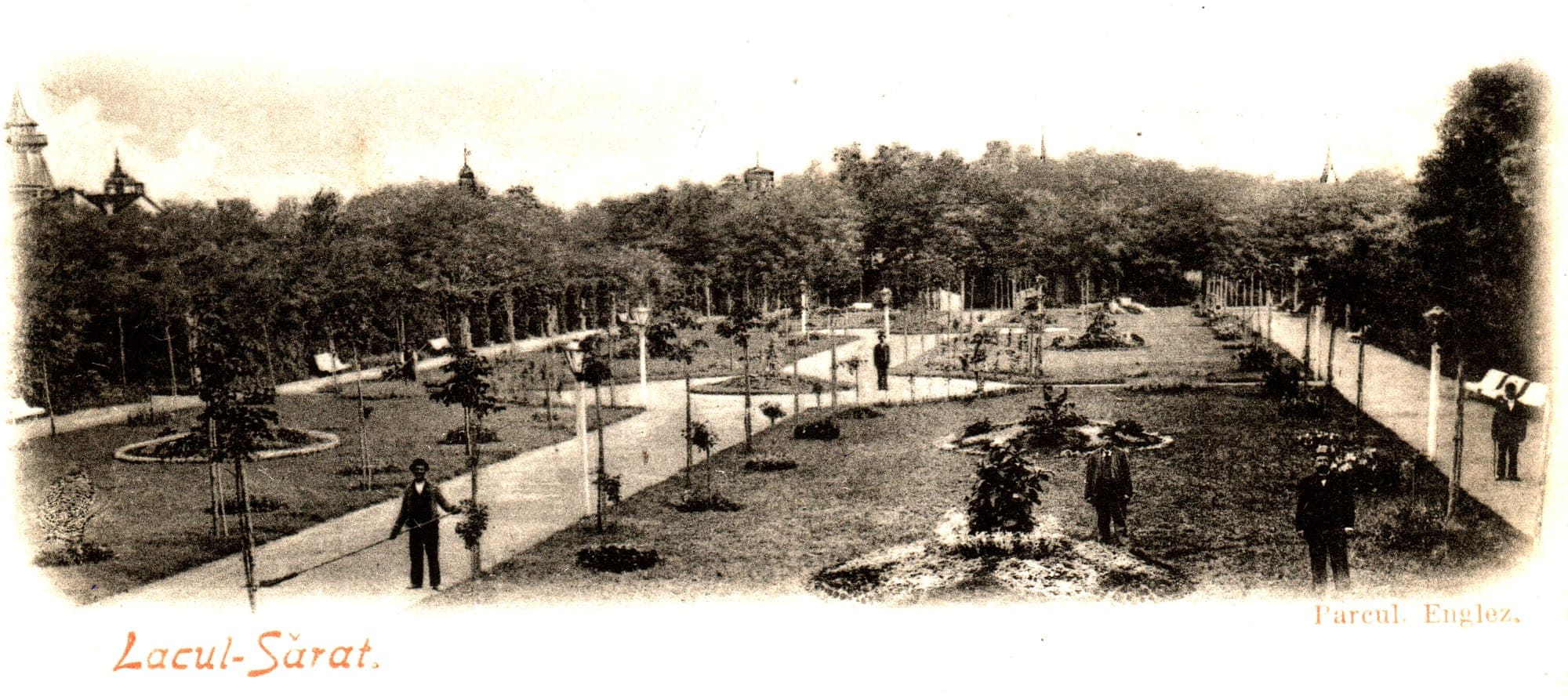
A spa resort more than a century old, 5 km from Brăila, on the shore of a lake with hypertonic water and sapropelic mud. It has treatment centres, a historic park and a lakeside beach.
Romania's largest natural dam lake, formed by landslides between 1978 and 1991 in the Stânișoarei Mountains, with bare spruce trunks rising out of the water; reached on foot through the forest.
A 4-hectare reservoir at 731 m in the forests of the Gutâi Mountains above the town of Baia Sprie, with a lakeside path, terrace, beach and kayaks for hire in summer, 18 km from Baia Mare.
A waterfall of about 15 m, split by a rock into two streams, in the Nucșoara valley in the north of Retezat National Park; a 15–20 minute walk from Cârnic.
A waterfall of about 30 m in Cozia National Park, where the stream bursts out of a tunnel cut through the rock; reached on foot along a gentle forest road through the Lotrișor Gorge.
The town's own beach, running from the marina breakwater towards Saturn below the promenade rebuilt in 2022; since autumn 2026 it is being widened with sand, behind four new breakwaters.
The largest surviving piece of Timișoara's bastioned fortress, built by the Austrians in the 1730s and restored with EU funds, now home to the National Museum of Banat.
Fortresses and fortificationsMuseums and memorial houses
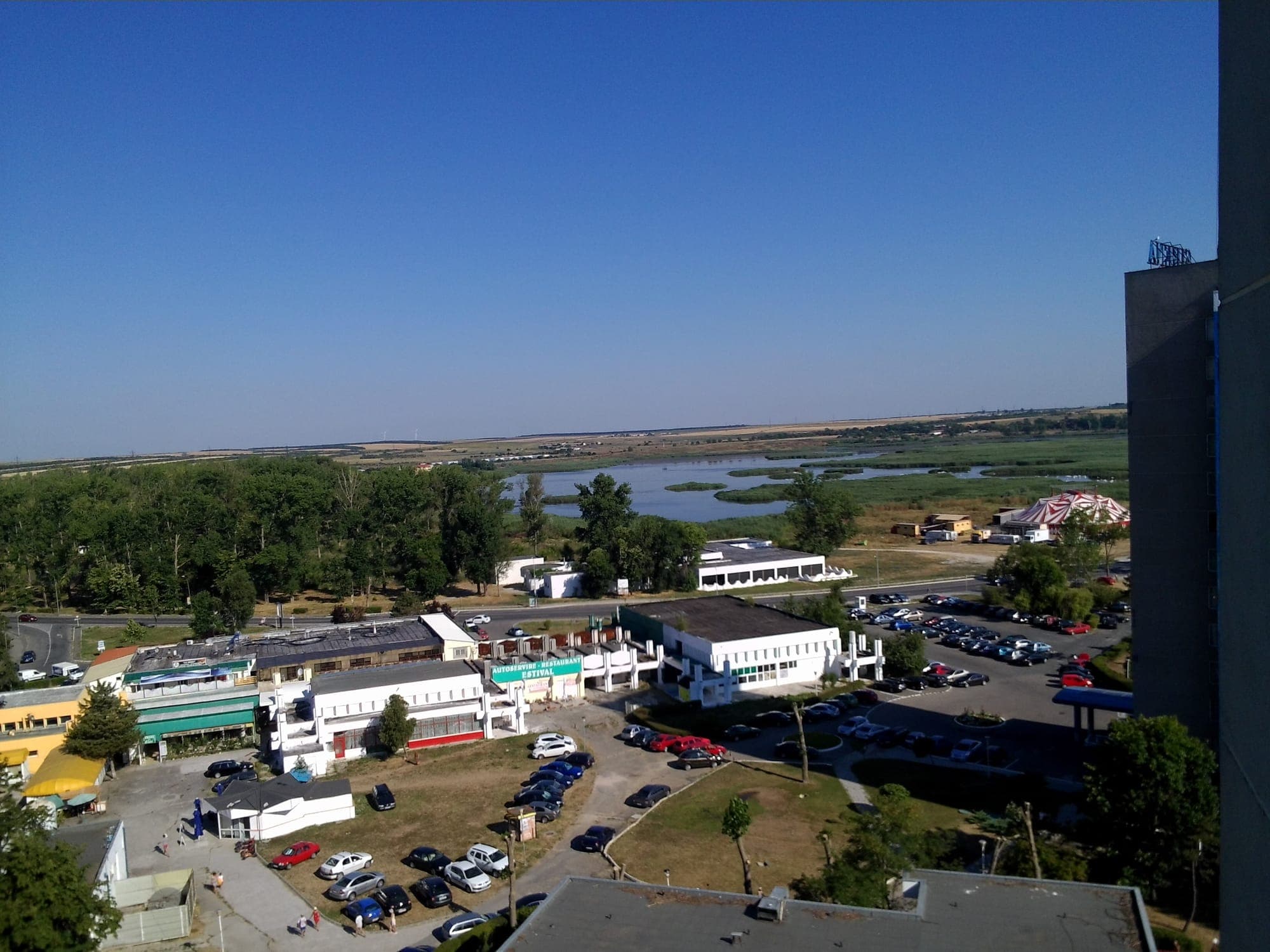
A 98-hectare former lagoon between Saturn and Venus, with reed beds, open water and sulphur springs where swans, egrets and black-winged stilts stop over; you watch it from the surrounding roads.
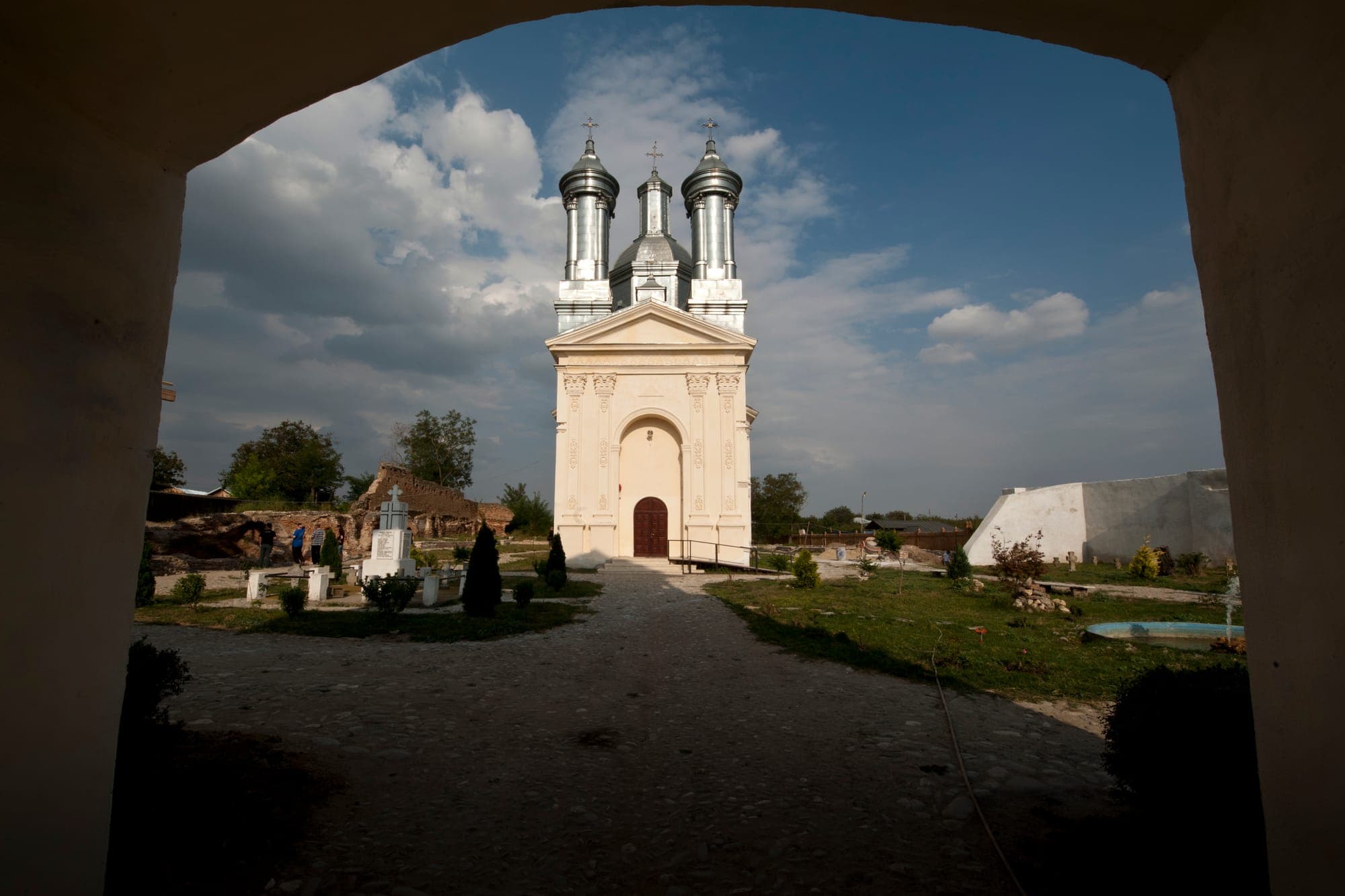
A foundation of 1648–1649 by Matei Basarab and Lady Elina on the bank of the Argeș: a three-towered church with 19th-century frescoes, restored with EU funds and reconsecrated in 2016.