A romantic park of nearly 100 hectares designed by the Frenchman Édouard Redont and inaugurated in 1903, with a lake, a suspension bridge, the Enchanted Castle and the zoo, in the south of Craiova.
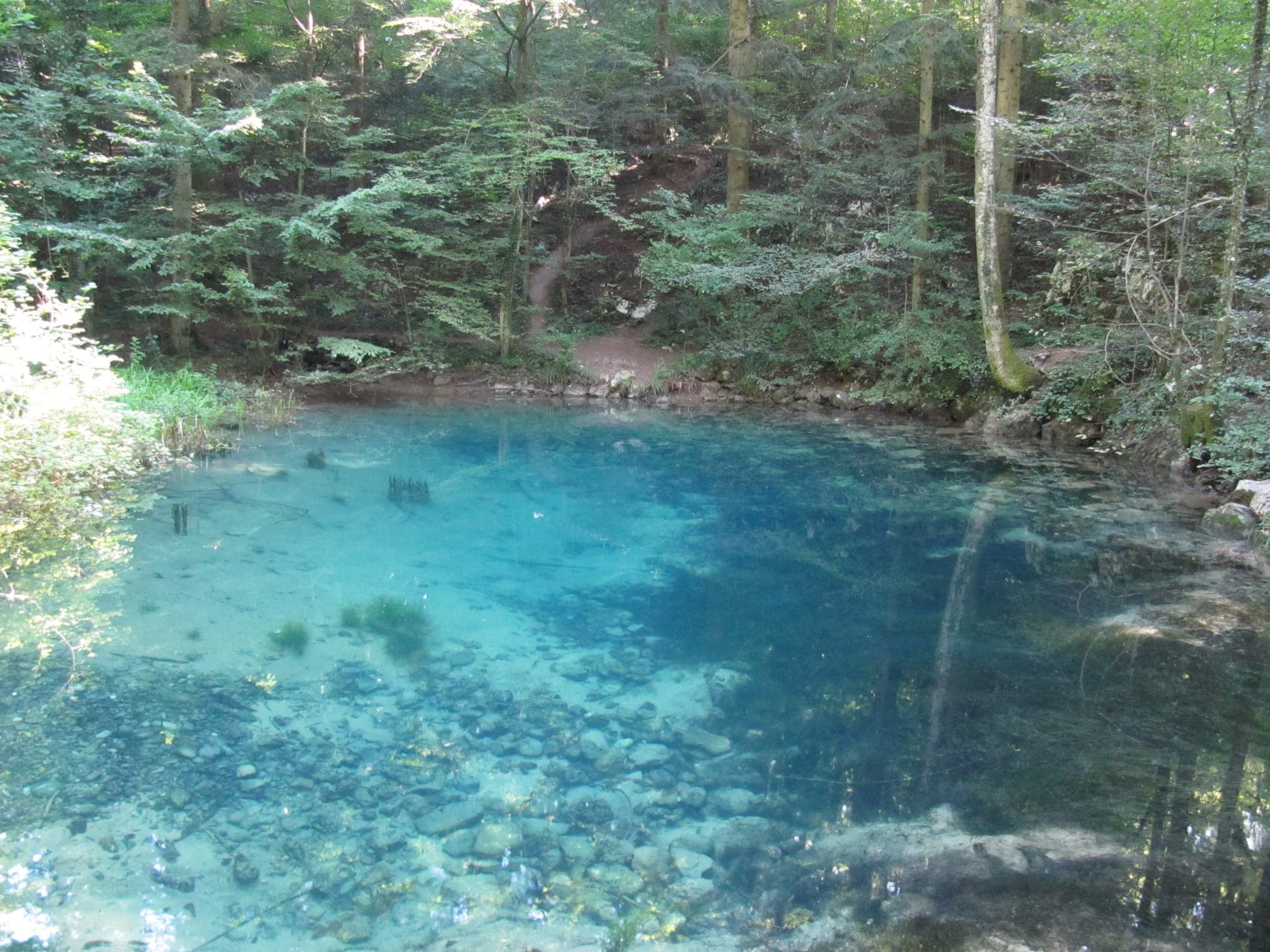
A small karst lake with turquoise water clear to the bottom, fed by a spring beneath it and hidden in the forest of the Bei valley, in the Cheile Nerei – Beușnița National Park.
A spa resort in Maramureș with salt lakes that formed on the surface above old salt mines, including Lake Gavril, 30 m deep; salt-water bathing happens in the pools of the local complexes.
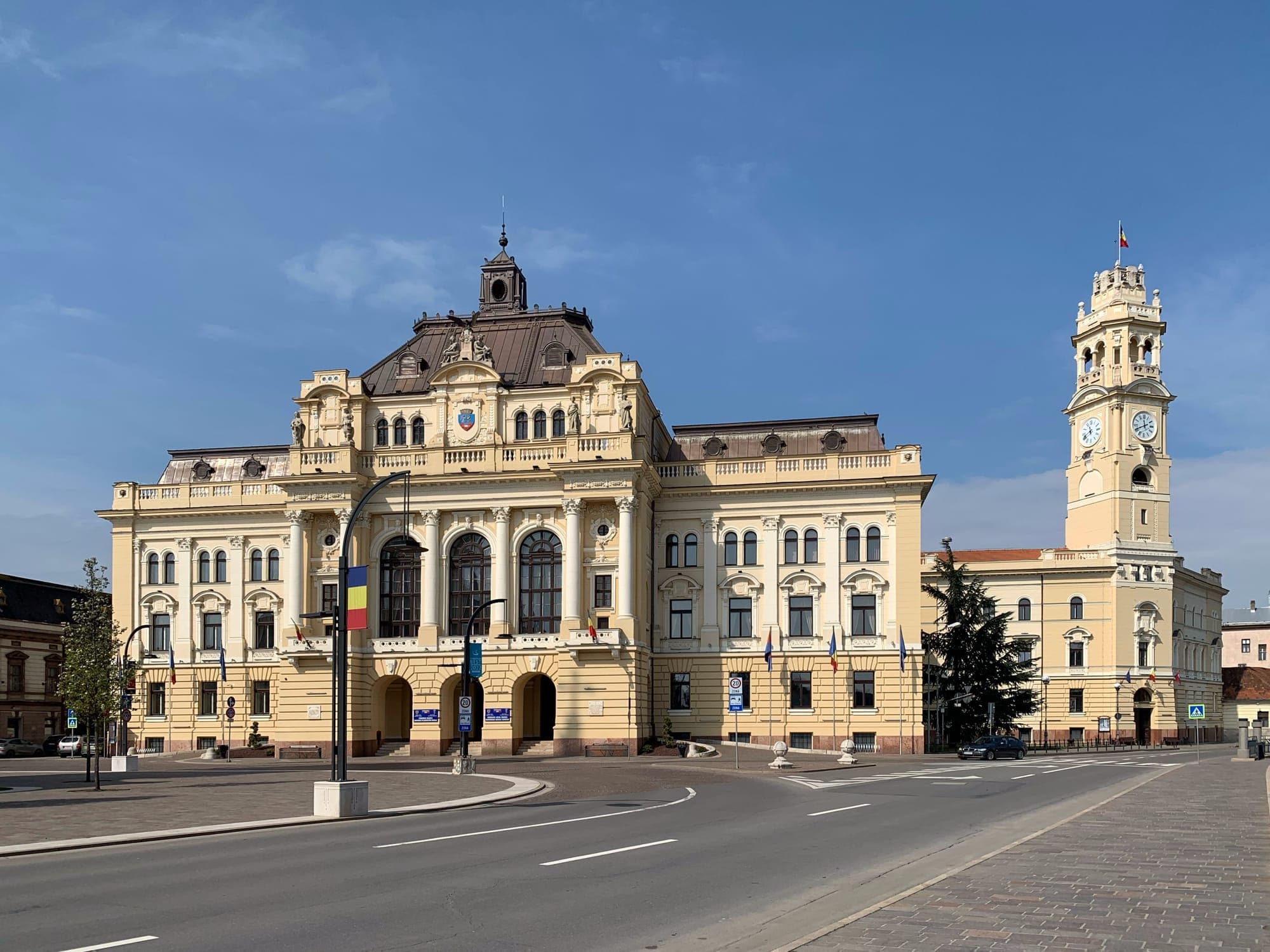
An eclectic palace of 1902–1903 on Piața Unirii, home to the city hall, with a tower of almost 50 m: its clock plays Iancu's March, and the top gives a view over the rooftops of the centre.
Oradea's zoological garden, open since 1962 on the grounds of a noble park with a chapel, rebuilt between 2010 and 2013 and now covering 7.5 hectares, with tigers, wolves, bears, zebras and dozens of other species.
A red-brick house-museum in Brăila's Public Garden, with manuscripts, signed books and personal belongings of the writer Panait Istrati. It is not his birthplace but a former gardener's house.
The Church of the Exaltation of the Holy Cross, built by Stephen the Great in 1487: his oldest surviving foundation, with the "Cavalcade of the Holy Cross" fresco; a UNESCO site near Suceava.
Monasteries and churchesMonuments and historic sitesUNESCO
A Dacian fortress on top of a rocky hill above Luncani, with an ancient paved road of stone steps and tower ruins hidden in the forest; a UNESCO site, far from the crowds.
Fortresses and fortificationsMonuments and historic sitesUNESCO
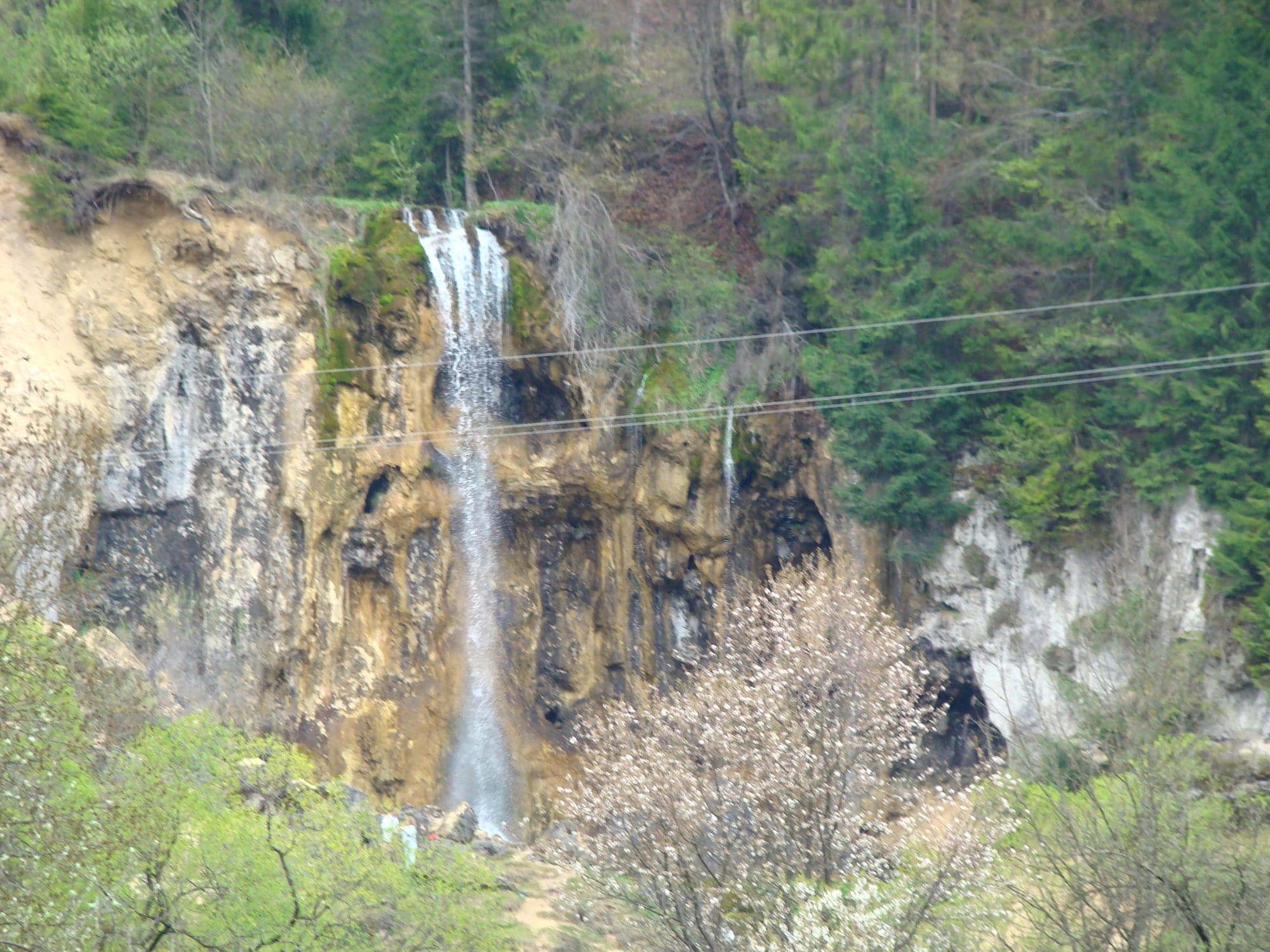
An 18 m waterfall spilling down a limestone wall in the Țara Moților region, near the village of Nemeși in Vidra commune; a landscape reserve 500 m from the road to Avram Iancu.
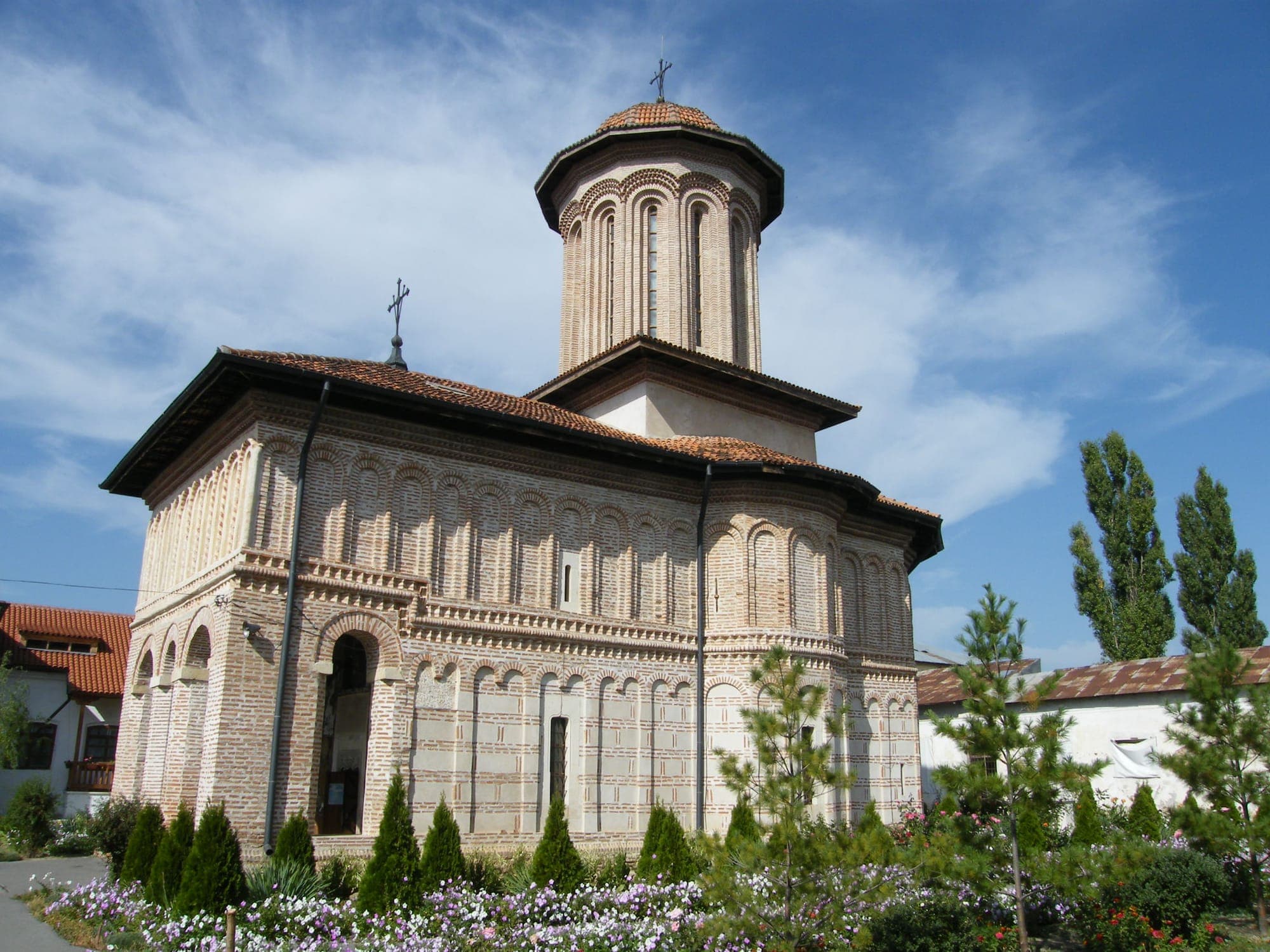
A foundation of Prince Matei Basarab, 20 km from Bucharest: a brick church built in 1642–1646, with original frescoes from 1649 in the narthex, preserved only here and at Arnota.
Romania's best-known ski resort, above 1,000 m beneath Postăvaru: 12 slopes, cable cars almost to the summit and, in summer, forest trails and views over Brașov.
A cave more than 10 km long, carved by the Olteț river into the limestone of the Olteț Gorge, with 800 m of gallery open to visitors and legends about Zalmoxis, a kilometre from Polovragi Monastery.
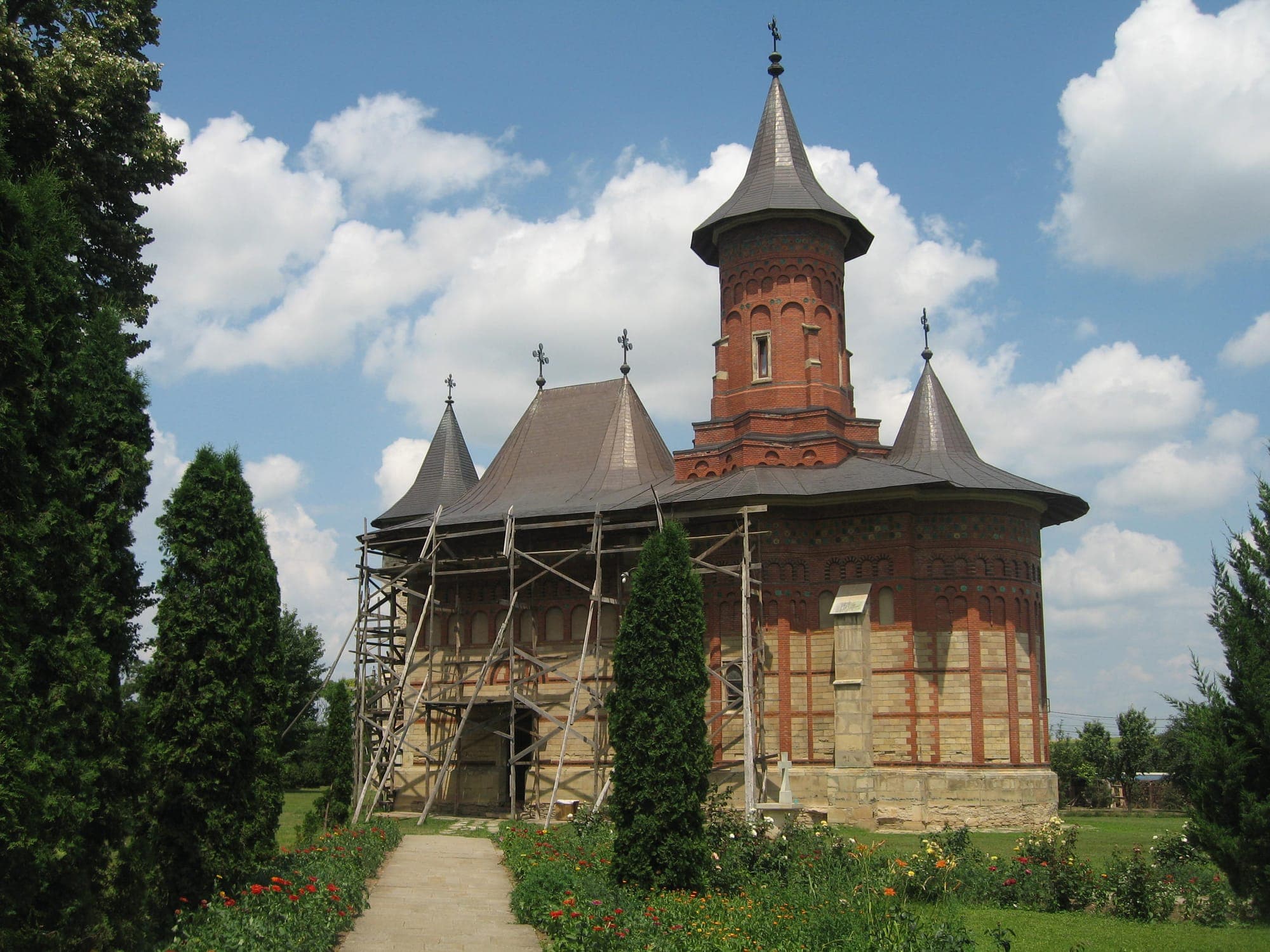
The Church of St Nicholas, built by Stephen the Great in 1496: the oldest church in Botoșani, of bare red brick, with a stone bell tower from the same period.
Monasteries and churchesMonuments and historic sites
The northernmost bastion of Roman Dacia: the fort with its reconstructed gates, the paved imperial road, the civil town and the amphitheatre, on the hills at Moigrad in Sălaj.
Monuments and historic sitesFortresses and fortificationsUNESCO
Peter Rareș's 1530 foundation and his family's burial place, with the fresco-painted church of St Nicholas inside fortress-like walls; a UNESCO site near Dolhasca.
Monasteries and churchesMonuments and historic sitesUNESCO