

Mikes–Szentkereszty Manor in Zagon
Zagon, CV
A 17th-century manor given its present look in 1903, set in a park and home to the Mikes Kelemen museum: four memorial rooms for notable people born in Zagon.
908 results
A 17th-century manor given its present look in 1903, set in a park and home to the Mikes Kelemen museum: four memorial rooms for notable people born in Zagon.
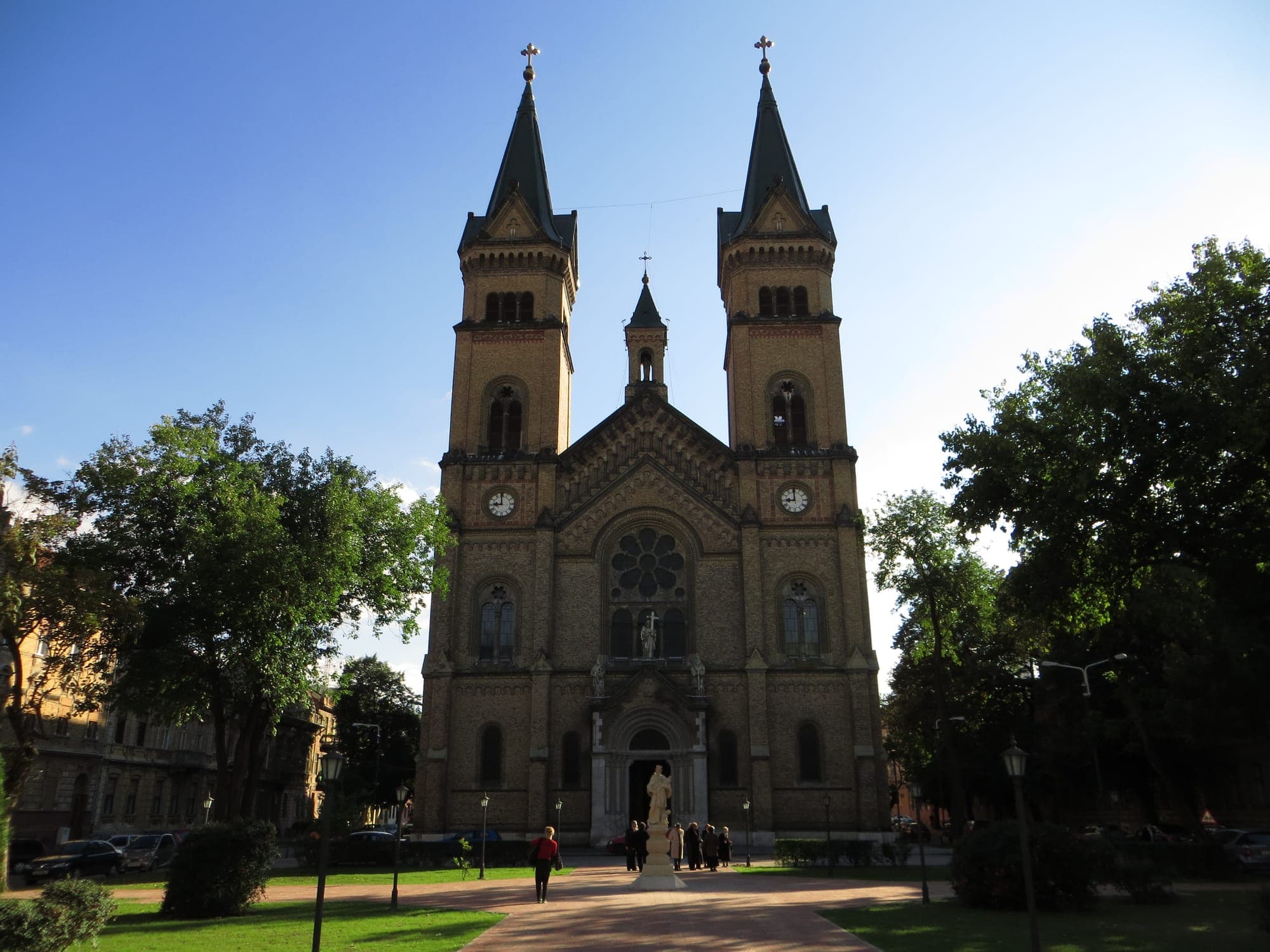
The largest Roman Catholic church in Timișoara, built between 1896 and 1901 in the Neo-Romanesque style, in exposed brick, with two 65.7 m towers on Piața Romanilor in Fabric.

A 98-hectare former lagoon between Saturn and Venus, with reed beds, open water and sulphur springs where swans, egrets and black-winged stilts stop over; you watch it from the surrounding roads.
A 20–25 m, two-tier waterfall hidden in a narrow valley of giant boulders and spruce on the western slope of the Vlădeasa massif; reached on foot from Stâna de Vale along a marked trail of about 8 km.
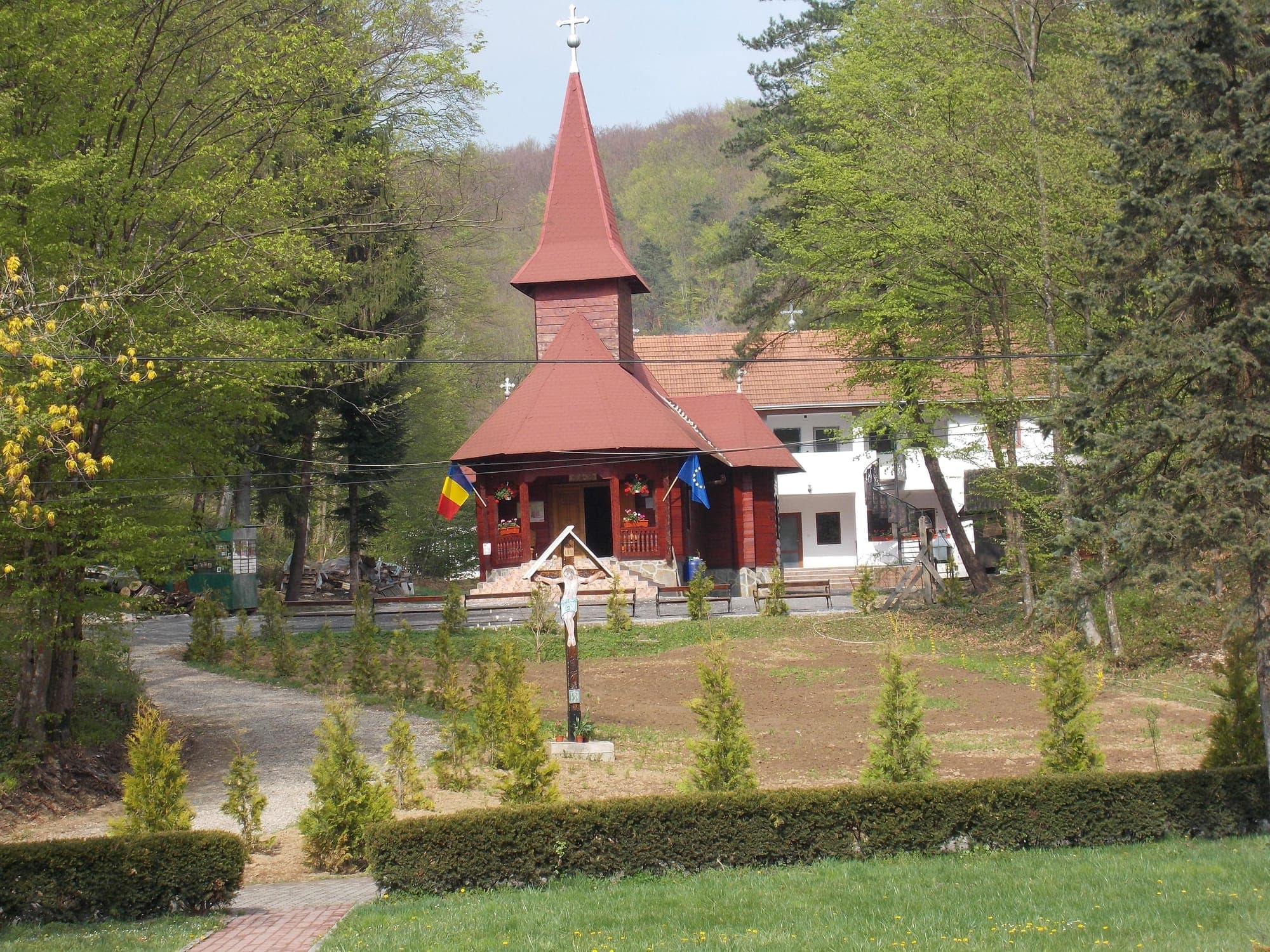
A spa and climatic resort at ~300 m at the foot of the Codru-Moma Mountains: mesothermal waters of 25–32 °C, a thermal open-air pool, forest air and short trails to the marble quarry and caves.
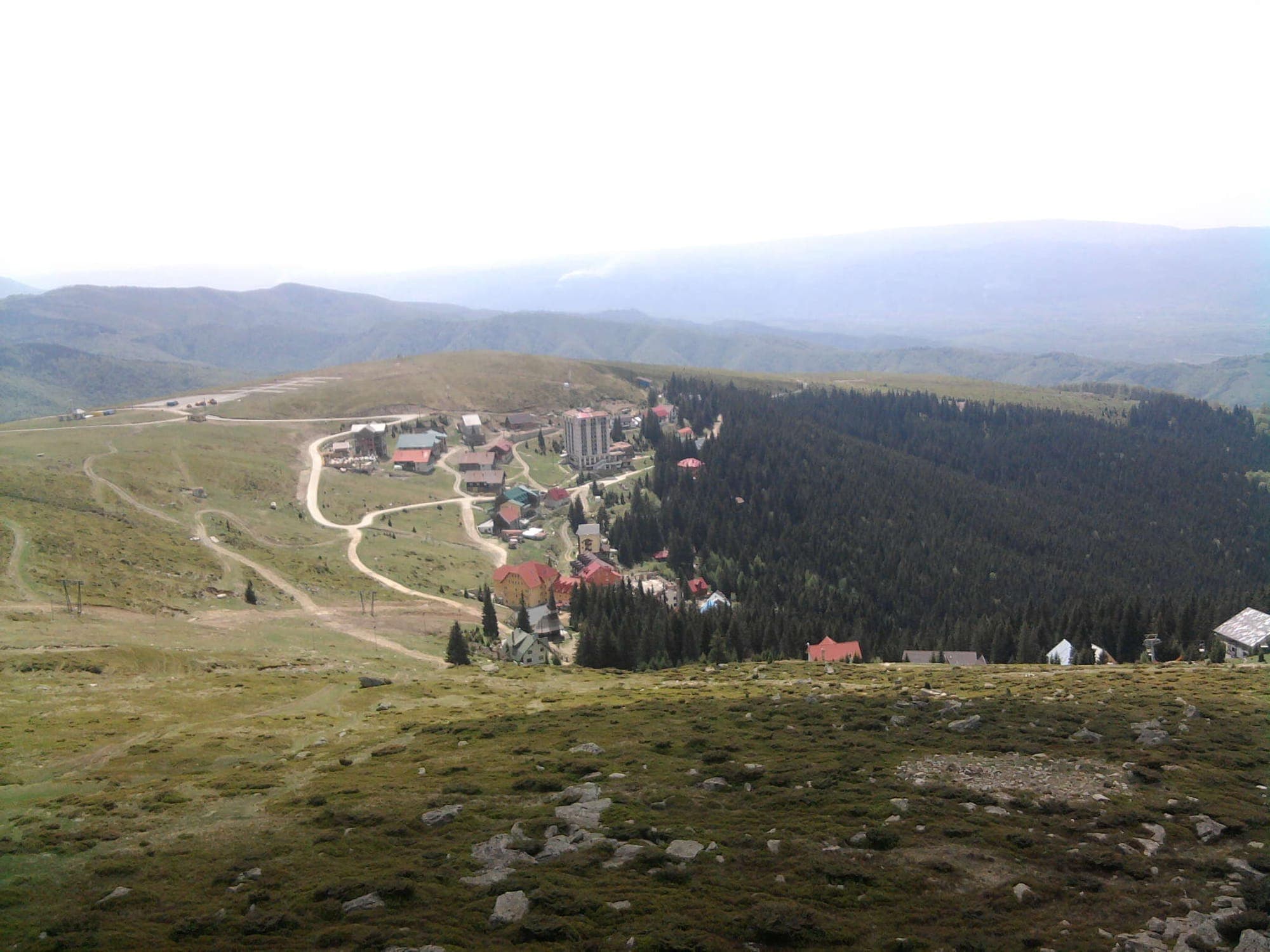
A mountain resort at about 1,600 m above Caransebeș: slopes such as Vâlsanu, Felix and Borlova, two chairlifts, night skiing at weekends and summer hikes to Țarcu.
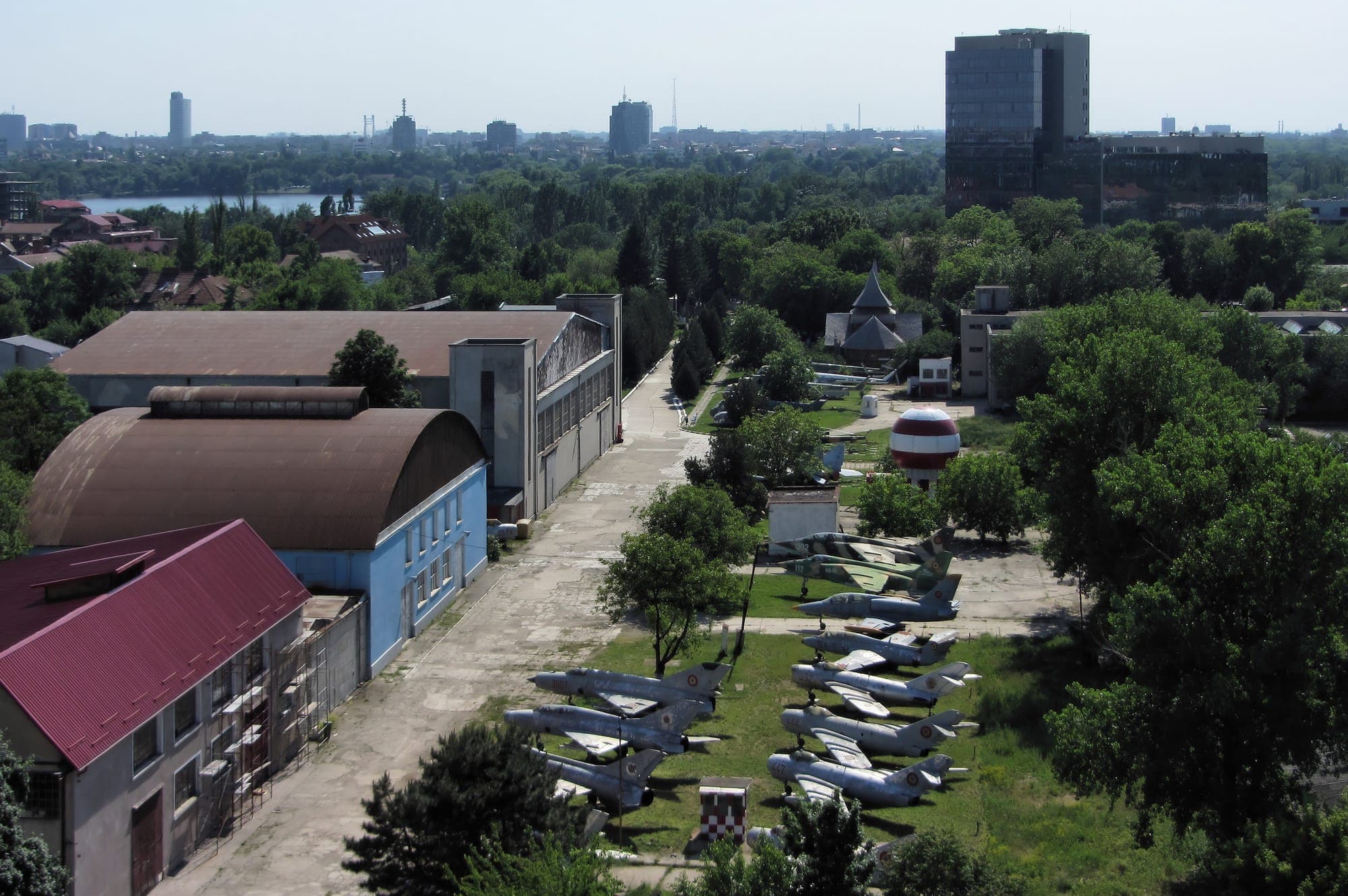
The museum of the history of flight in Romania, in the hangars of the former Pipera airfield: from replicas of Vuia's and Vlaicu's aircraft to MiGs, helicopters and radars displayed in the open air.

The permanent exhibition on Romanian literature, in an early 20th-century house in the Amzei area: manuscripts, books and writers' personal belongings, plus interactive installations, over four levels.

The museum in the Babylon building and the Union Hall, where the union of Transylvania with Romania was voted on 1 December 1918, in the heart of the Alba Carolina Fortress.

The oldest and largest monastic settlement in Moldavia, recorded since 1407, with the Church of the Ascension built by Stephen the Great and consecrated in 1497.
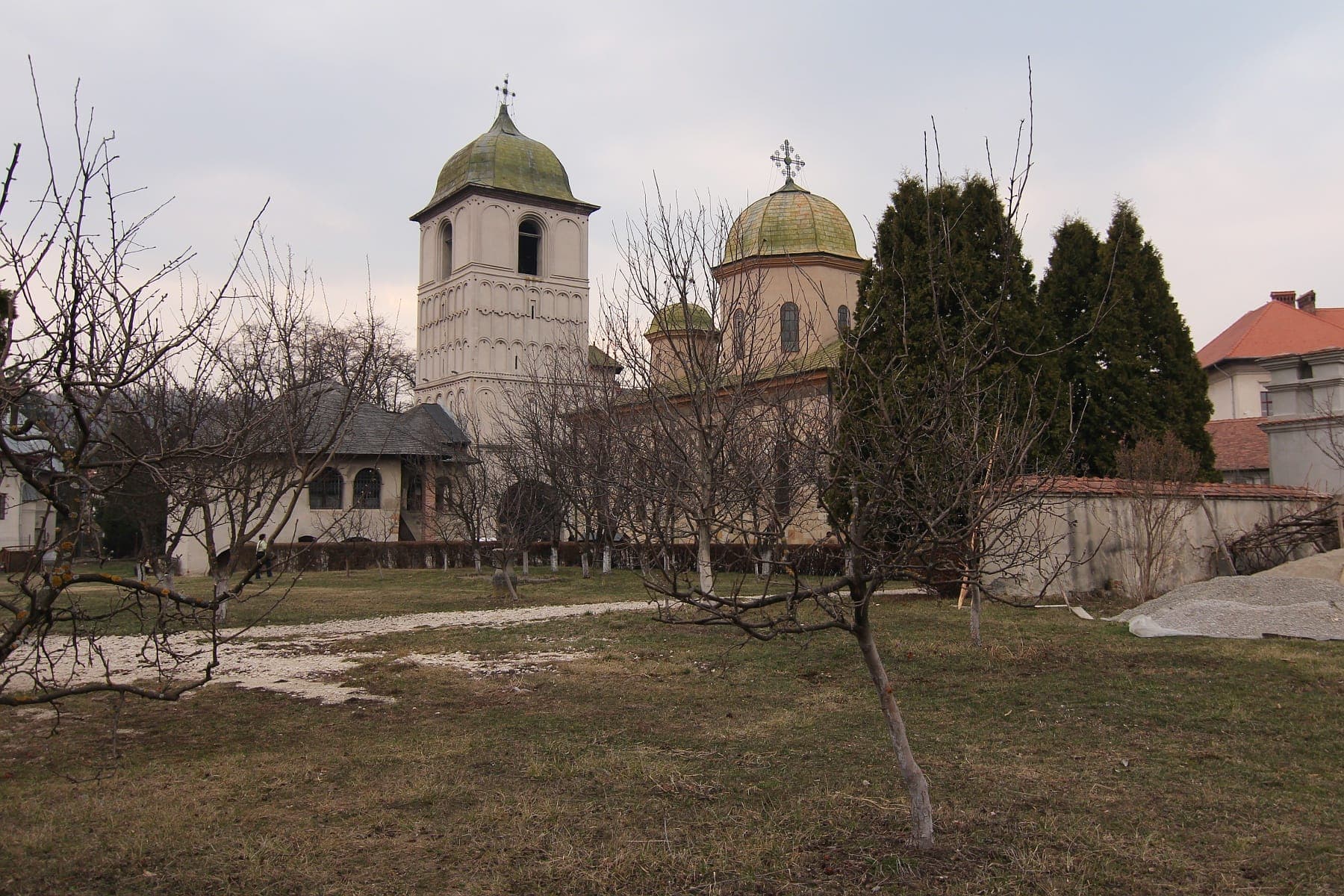
The ensemble on the site of the old princely court of Câmpulung, with the 1647 bell tower, the 1364 tombstone of Prince Nicolae Alexandru and Matei Basarab's Princely House.

The hilltop monastery near Gherla that keeps the icon of the Virgin painted in 1681, which wept in 1699; home to the largest pilgrimage in Transylvania, on the Feast of the Dormition.

A fortified manor house in Cerneți, near Drobeta Turnu Severin, built around 1812 and rebuilt after 1821 by the pandur captain Nistor, with a veranda on carved posts.

The ruins of the Roman and Byzantine fortress near Isaccea, main base of the Danube fleet Classis Flavia Moesica, with stone-and-brick walls uncovered on the banks of the Danube.
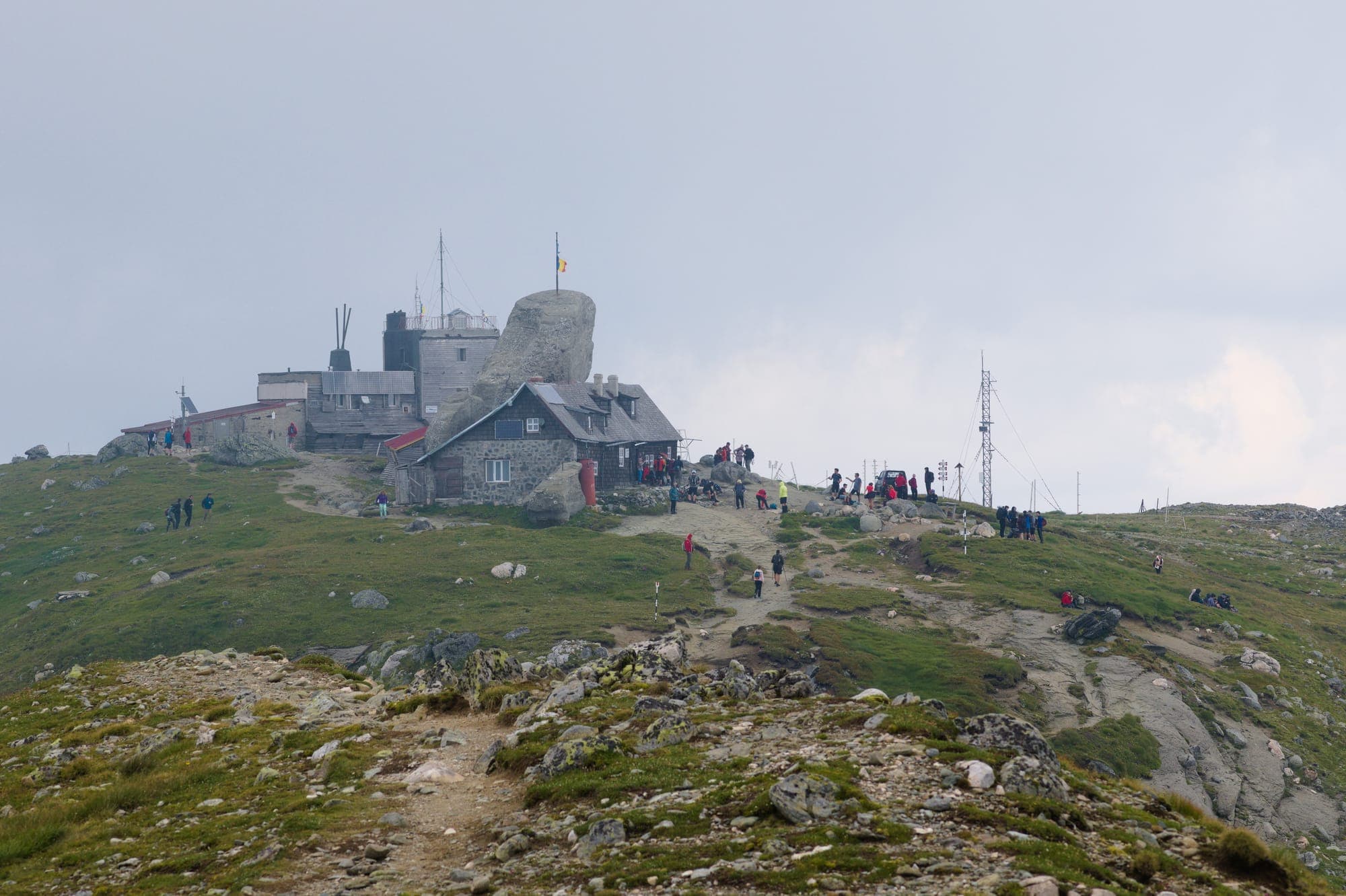
The highest point in the Bucegi Mountains (2,507 m), a stony plateau with the Omu Chalet and a weather station. It is climbed from Bușteni, Peștera or Padina on marked trails of 2–7 hours.



