

Antim Monastery
București
A monastery in the centre of Bucharest, founded in 1713–1715 by Saint Anthim the Iberian, with a trefoil-plan church, carved stone window frames and a courtyard with a bell tower and abbots' houses.
908 results
A monastery in the centre of Bucharest, founded in 1713–1715 by Saint Anthim the Iberian, with a trefoil-plan church, carved stone window frames and a courtyard with a bell tower and abbots' houses.
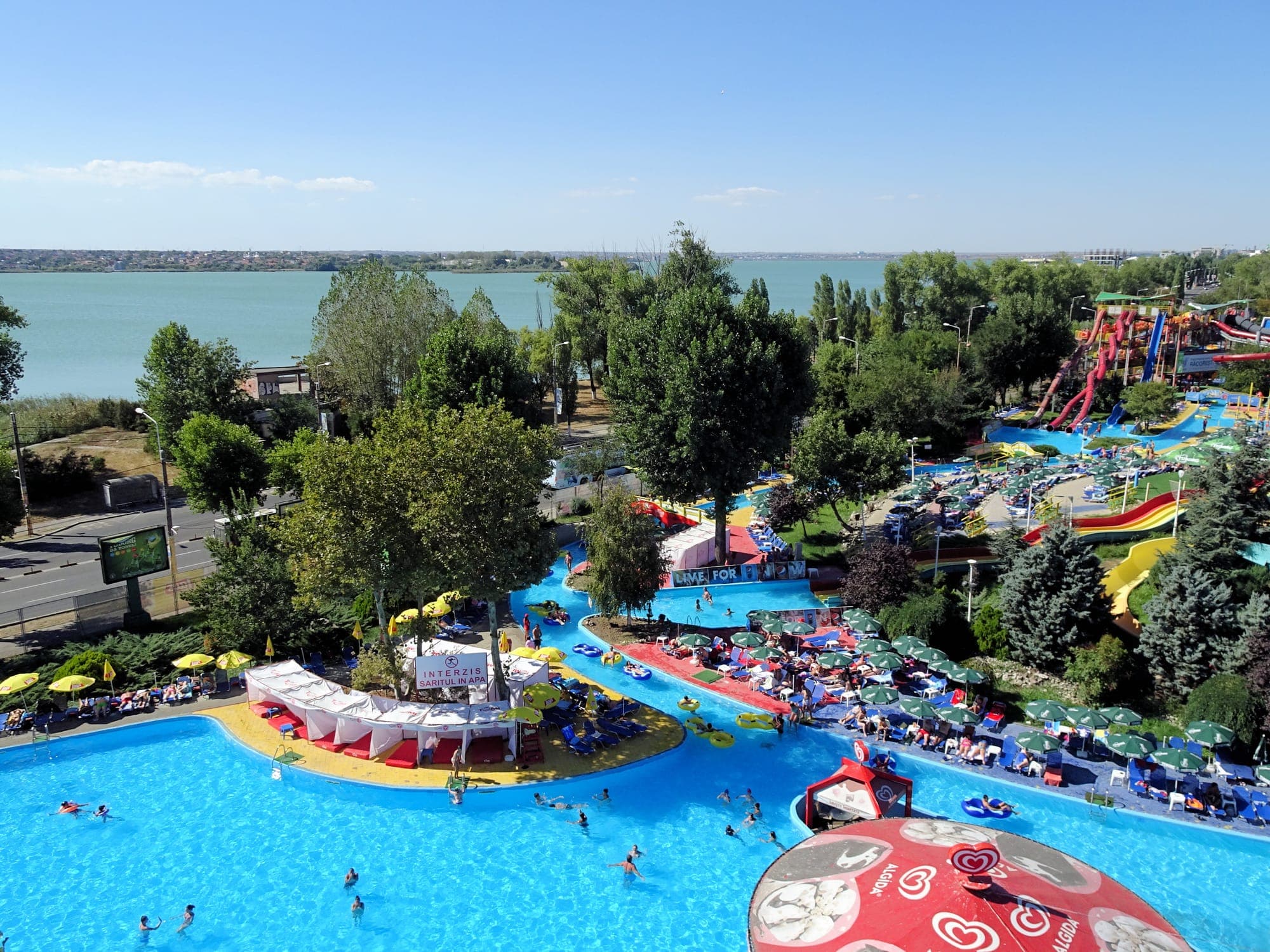
The water park at the entrance to Mamaia resort, open since 2003, with slides, pools, a 360 m lazy river and relaxation areas, between the boulevard and Lake Siutghiol.
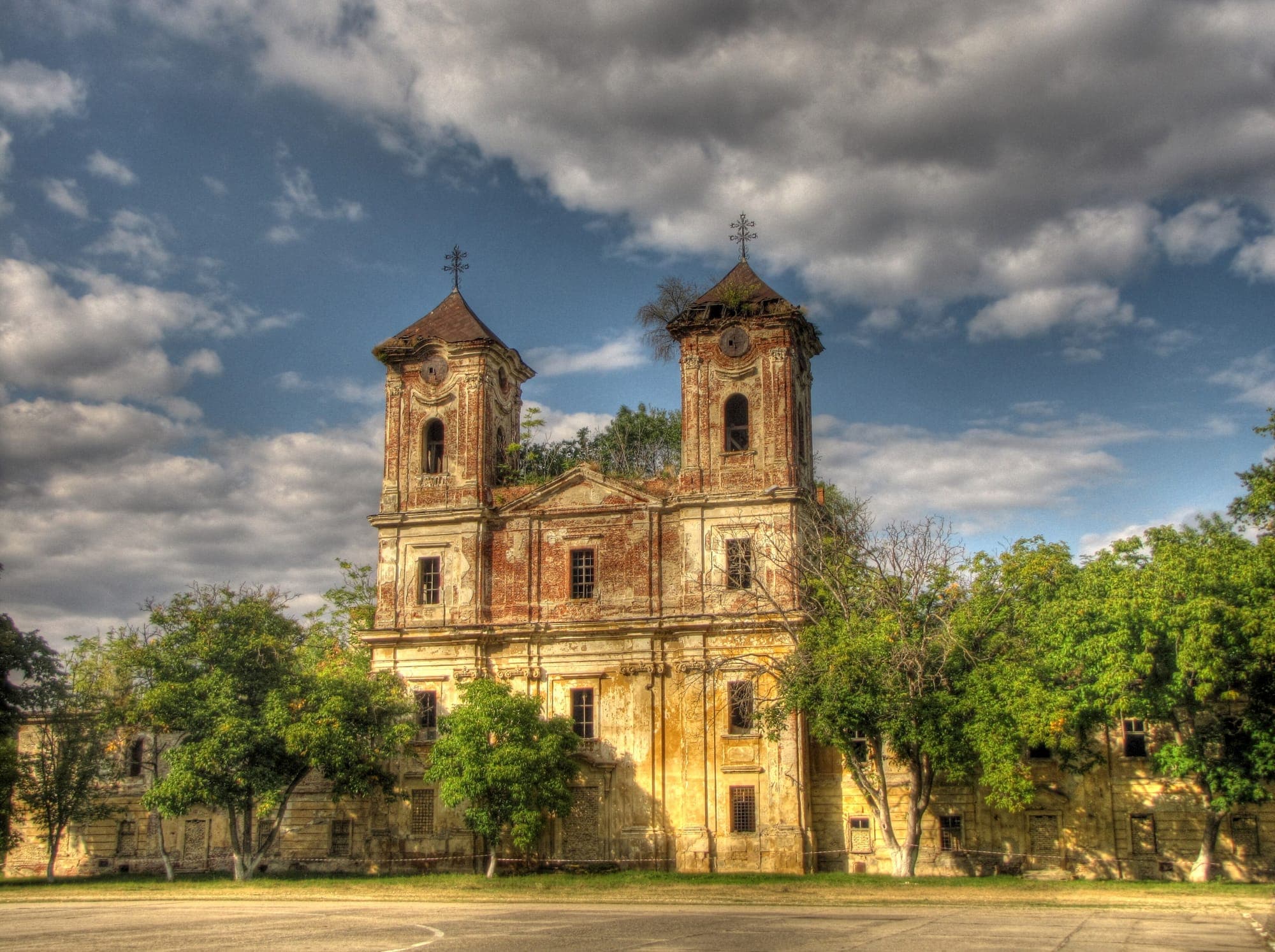
A star-shaped bastion fortress with six bastions, built between 1763 and 1783 on the Mureș river. A military unit is based here, and entry is possible only on open-gate days.
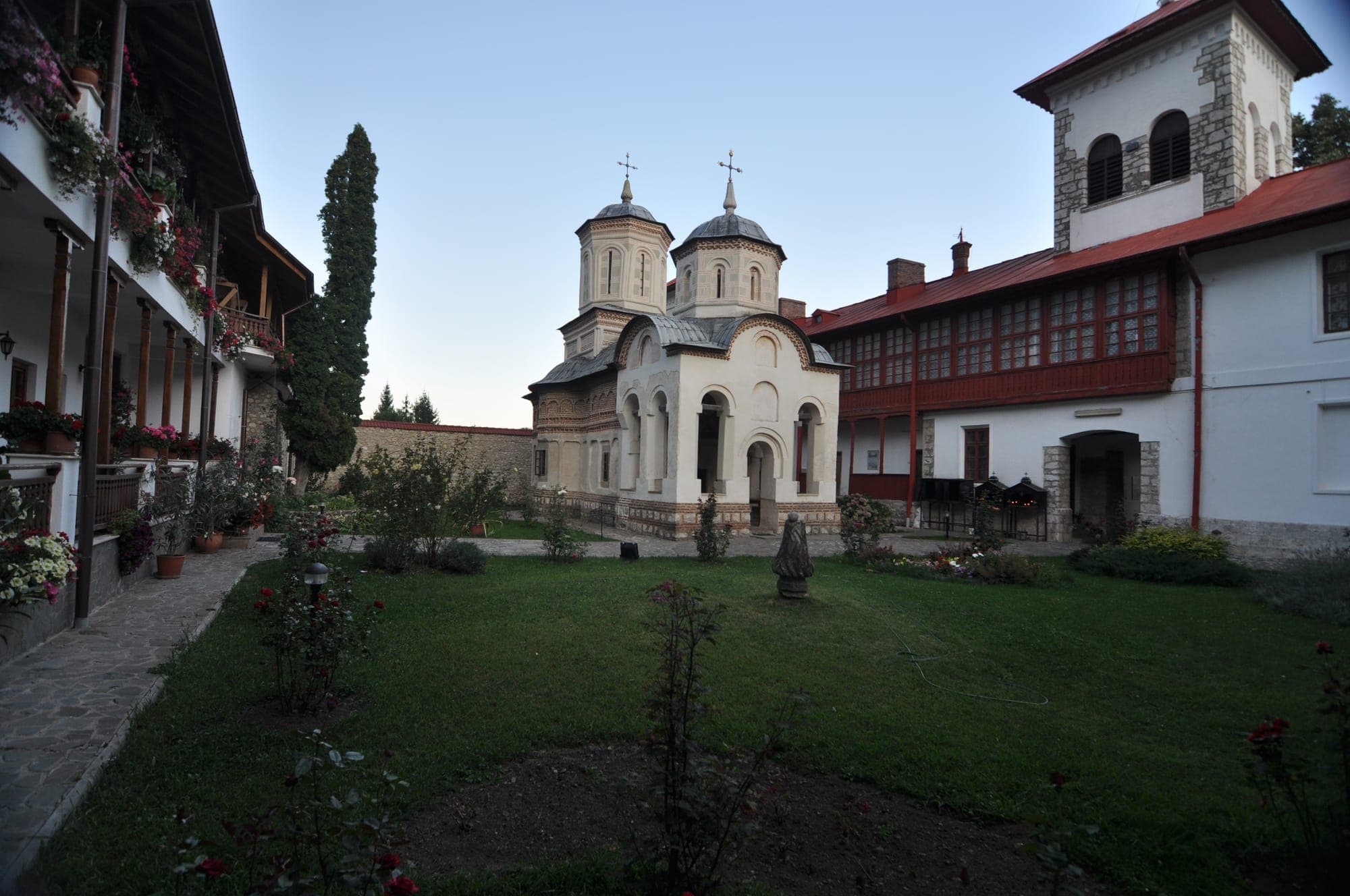
Matei Basarab's foundation of 1633–1634, on a limestone spur above Bistrița Monastery: a small princely church, painted in 1644, which holds the prince's tomb.
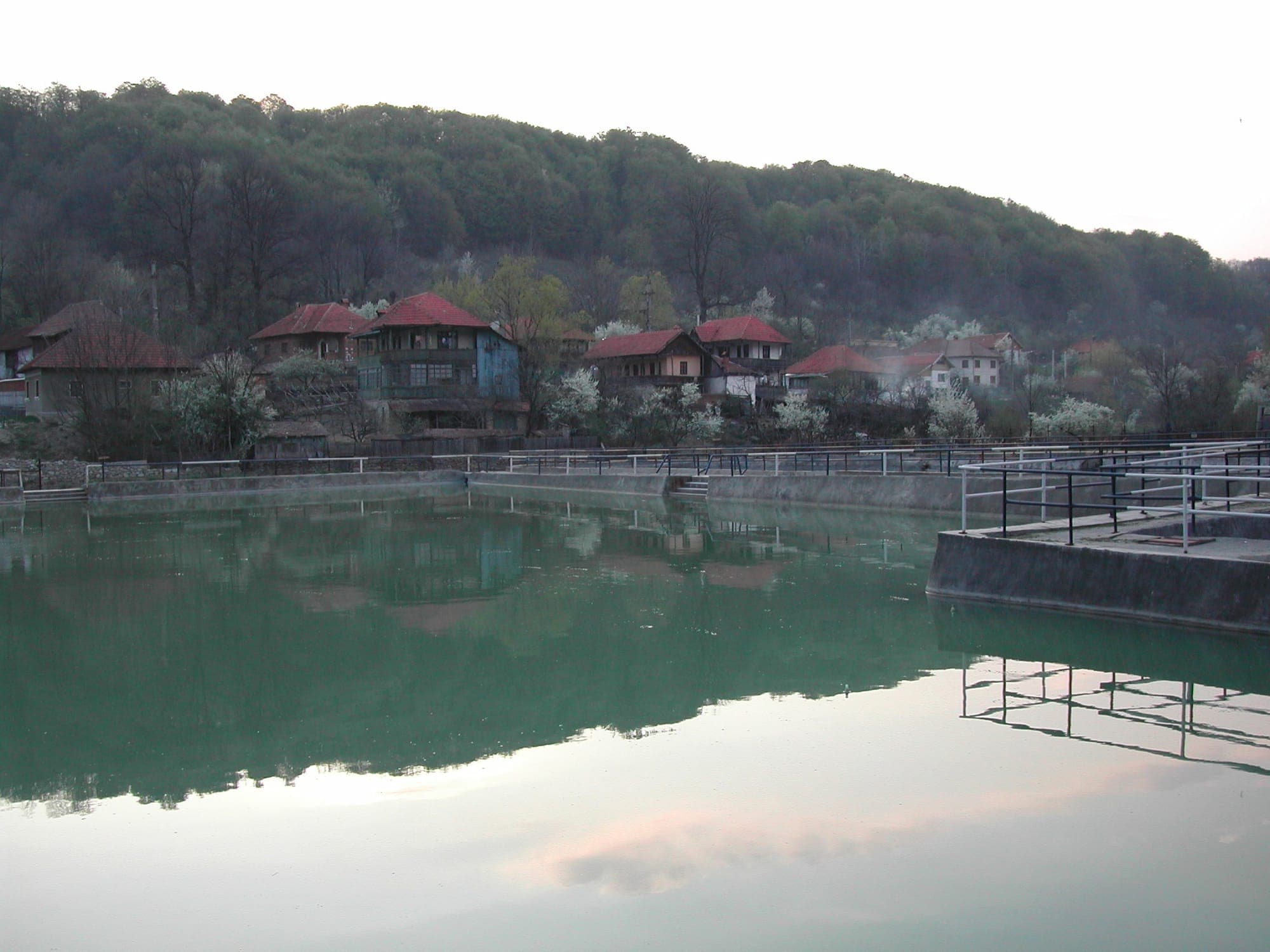
A spa and climatic resort in the Subcarpathians of Gorj, in the Blahnița valley: four open-air pools of sulphurous, chloride, bromide and iodine mineral water, with therapeutic mud.
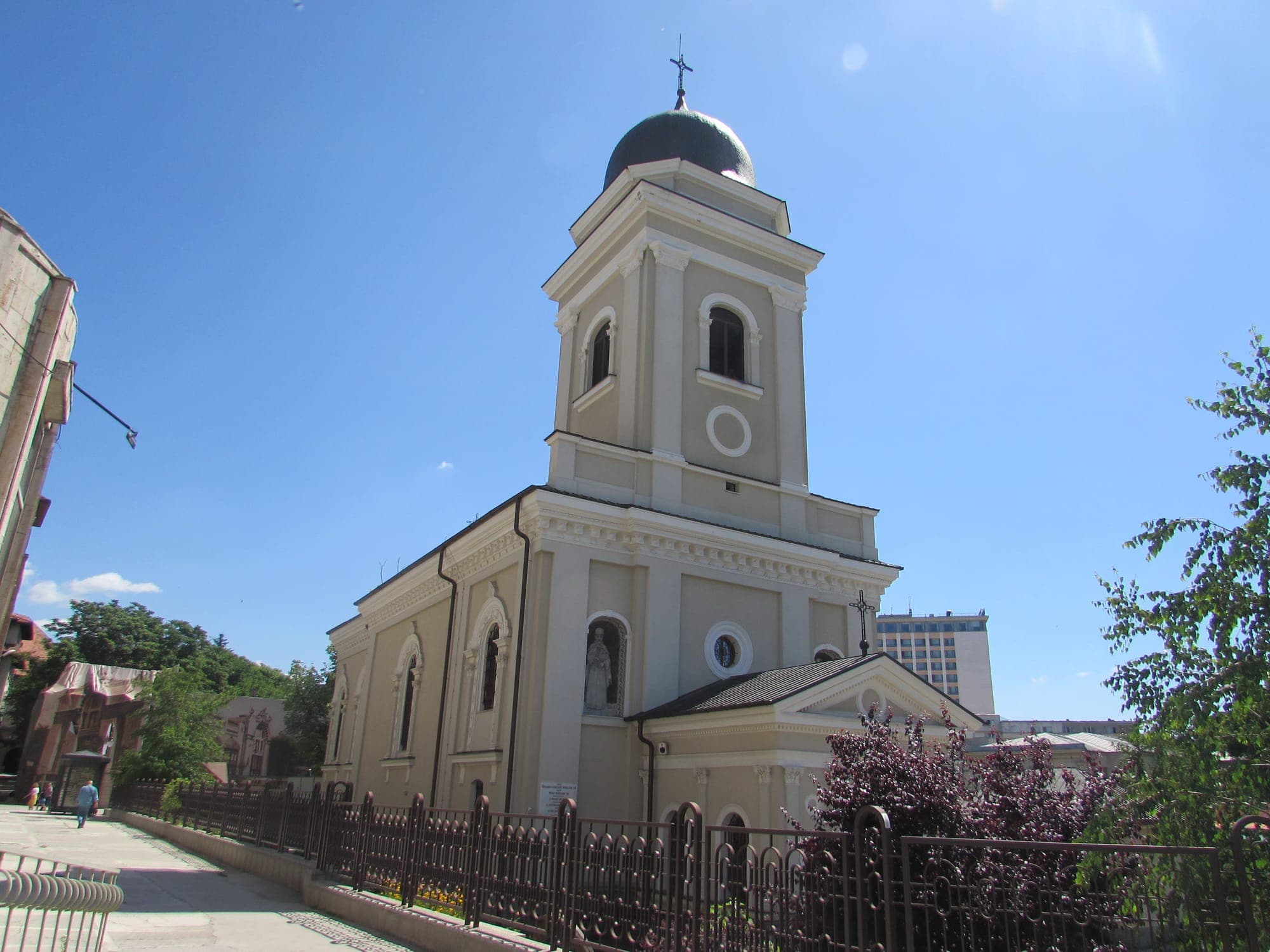
A masonry church in Iași, begun around 1800 on the site of a wooden church from 1705, with façades framed in stucco and a bell tower over the porch, close to the Union Museum.
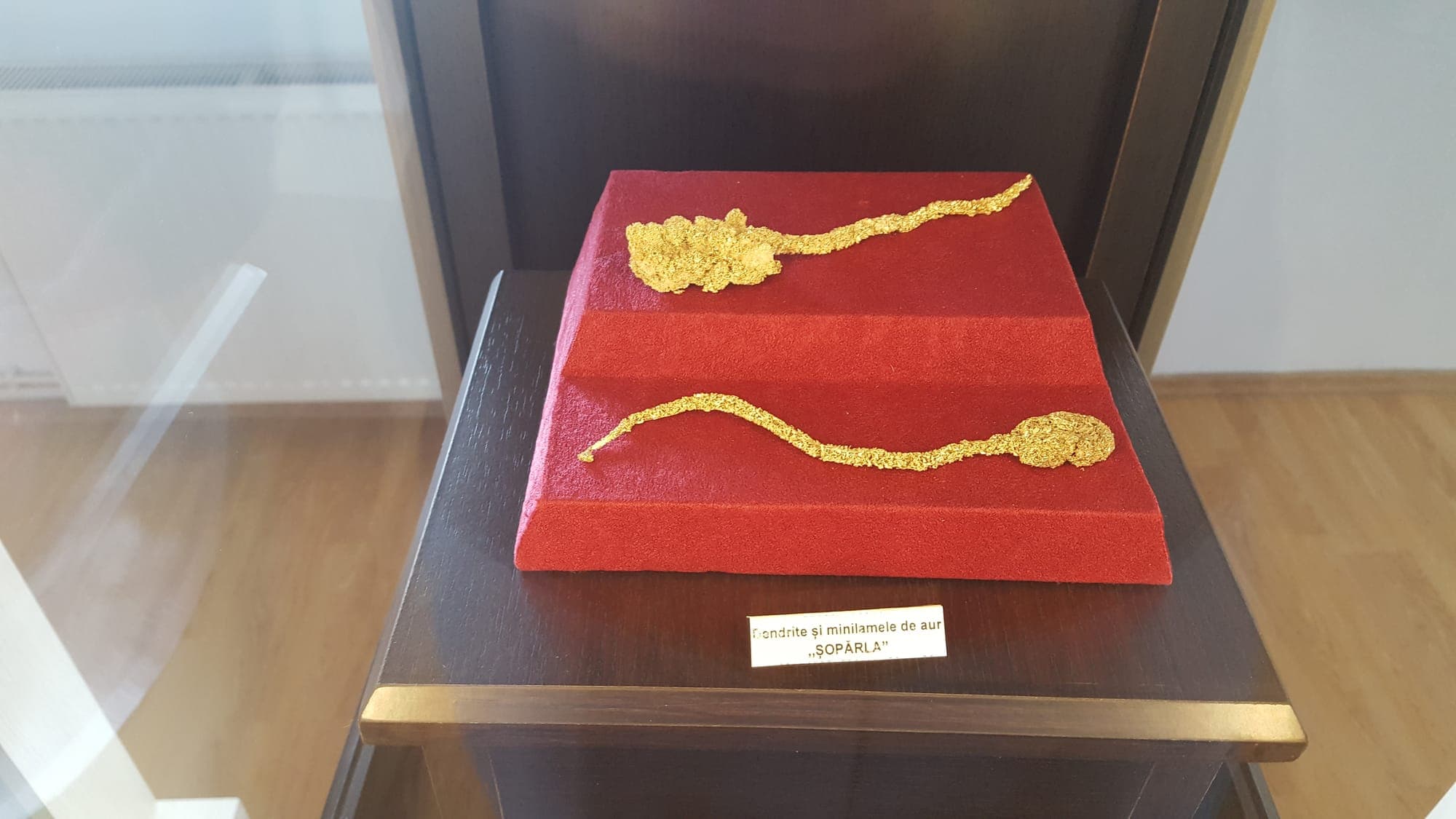
A collection of native gold from the Apuseni Mountains, with unworked gold leaves, wires and crystals, some shaped like animals, alongside minerals from around the world.
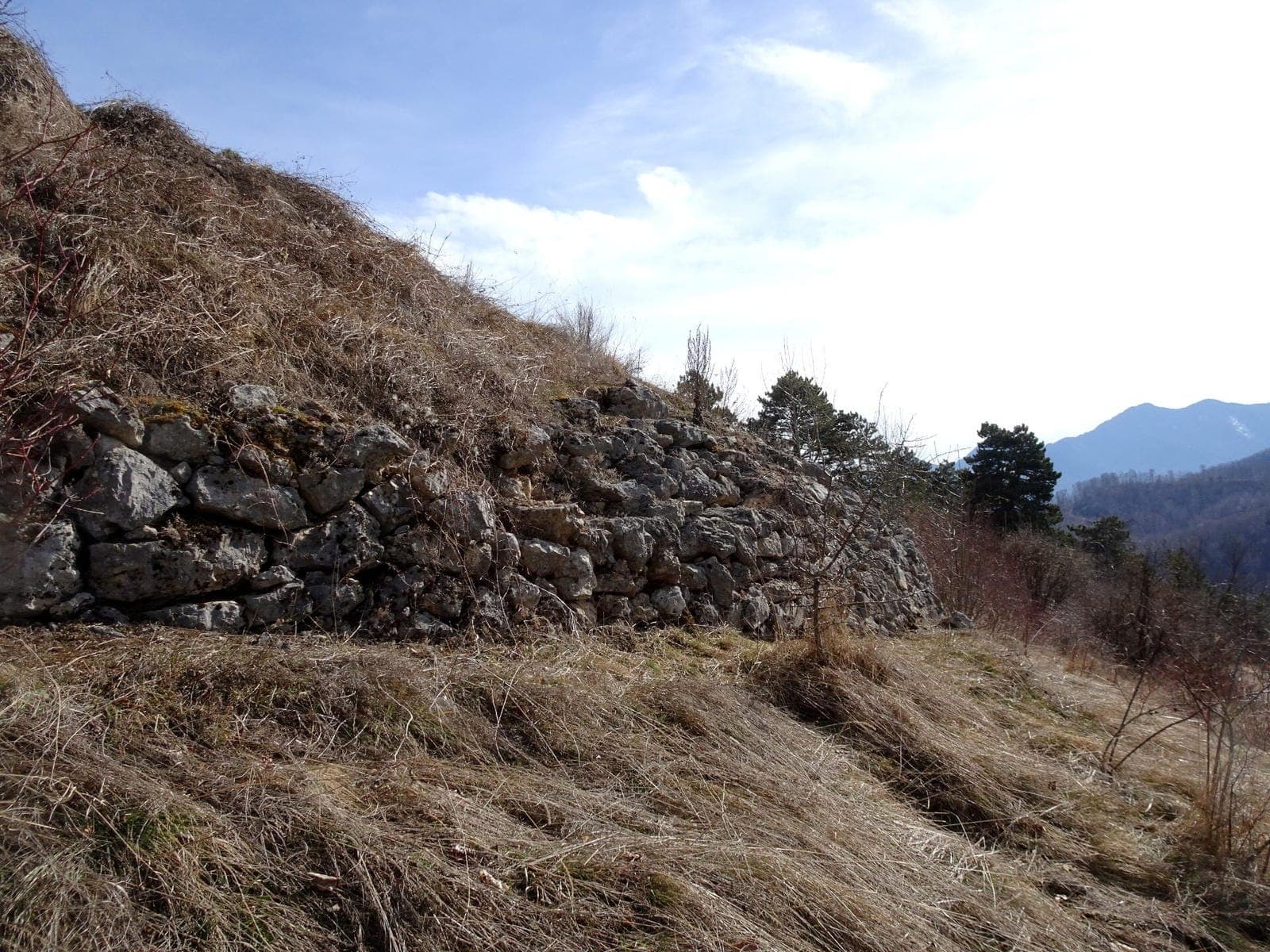
The ruins of the medieval fortress on Tâmpa, with stretches of wall among woodland and meadows, reached on a walk from central Brașov.

The 1643 Church of Saint Nicholas in the Cosău Valley, with a slender tower framed by four small turrets, paintings by Alexandru Ponehalschi and the chain mail attributed to the outlaw Pintea the Brave. A UNESCO site.

A UNESCO Geopark since 2022 in the hills and mountains of Buzău: eternal flames, trovants, salt mountains, red amber, rock-cut hermitages and interactive museums across 18 communes.
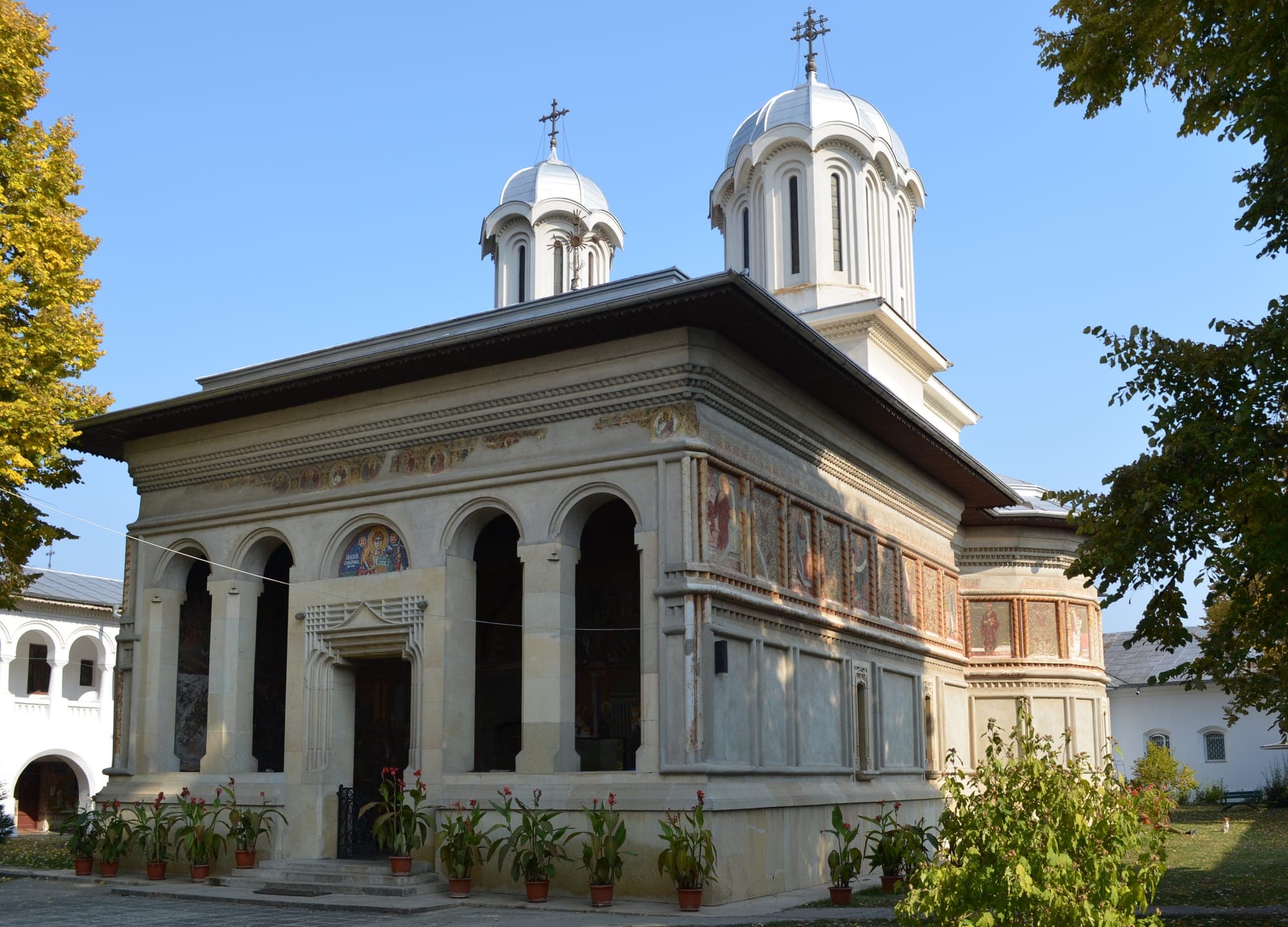
A monastery founded in 1638 by Matei Basarab on a peninsula of Lake Căldărușani, with fortress walls, a great three-towered church, the relics of St Gregory the Teacher and three museum collections.

The Roman Catholic church on the site of the old Benedictine abbey of Mănăștur: a medieval Gothic choir, a bell tower designed by Károly Kós and earth ramparts of the fortification.
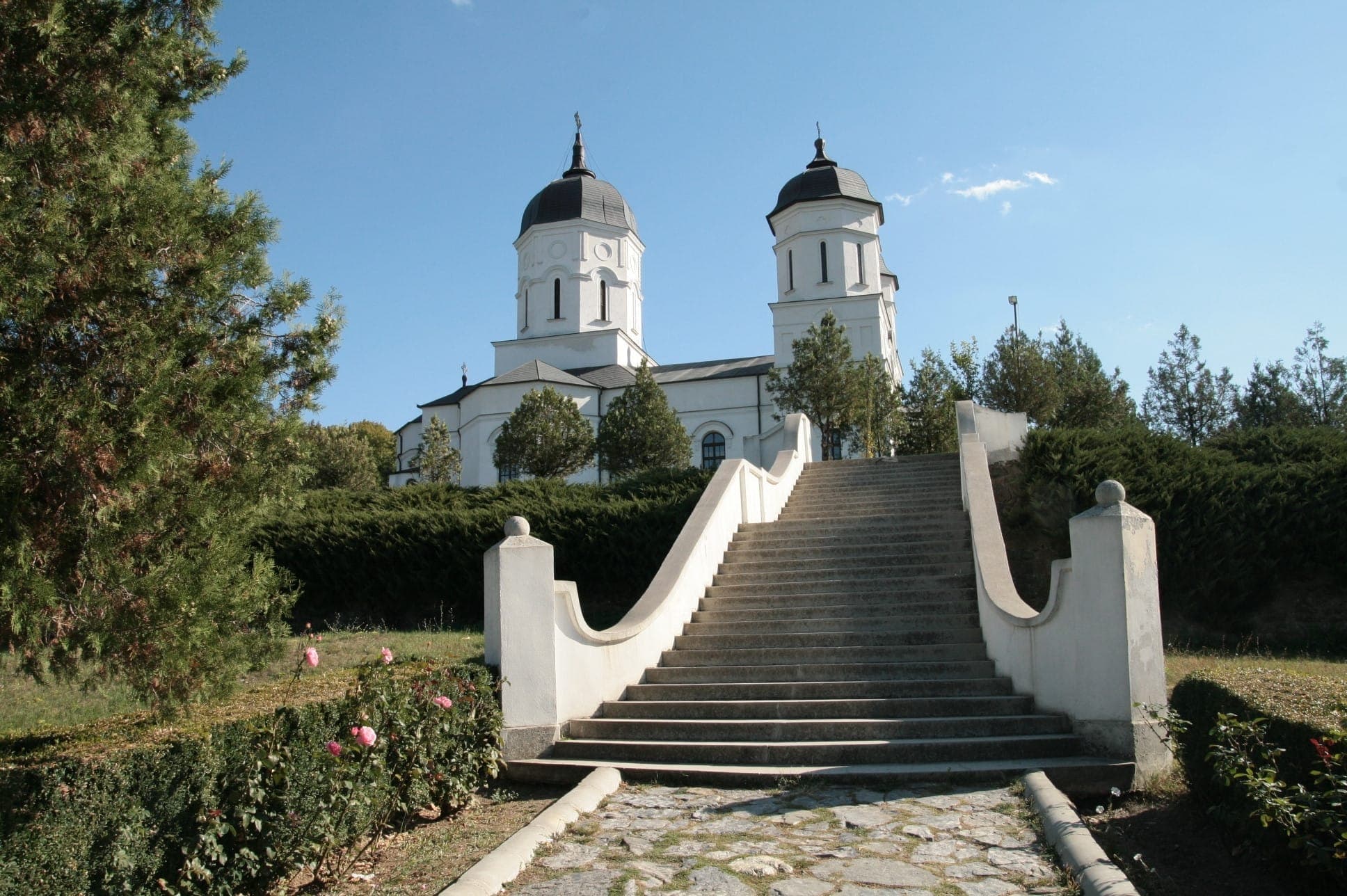
A convent in the Tulcea hills, with a white church built in 1901–1932 reached by a monumental staircase, rose gardens and a wooden windmill listed as a historic monument.

One of the oldest cemeteries in Cluj-Napoca, founded in 1585 and spread over 14 sloping hectares: crypts, columns and gravestones of notable Transylvanians.
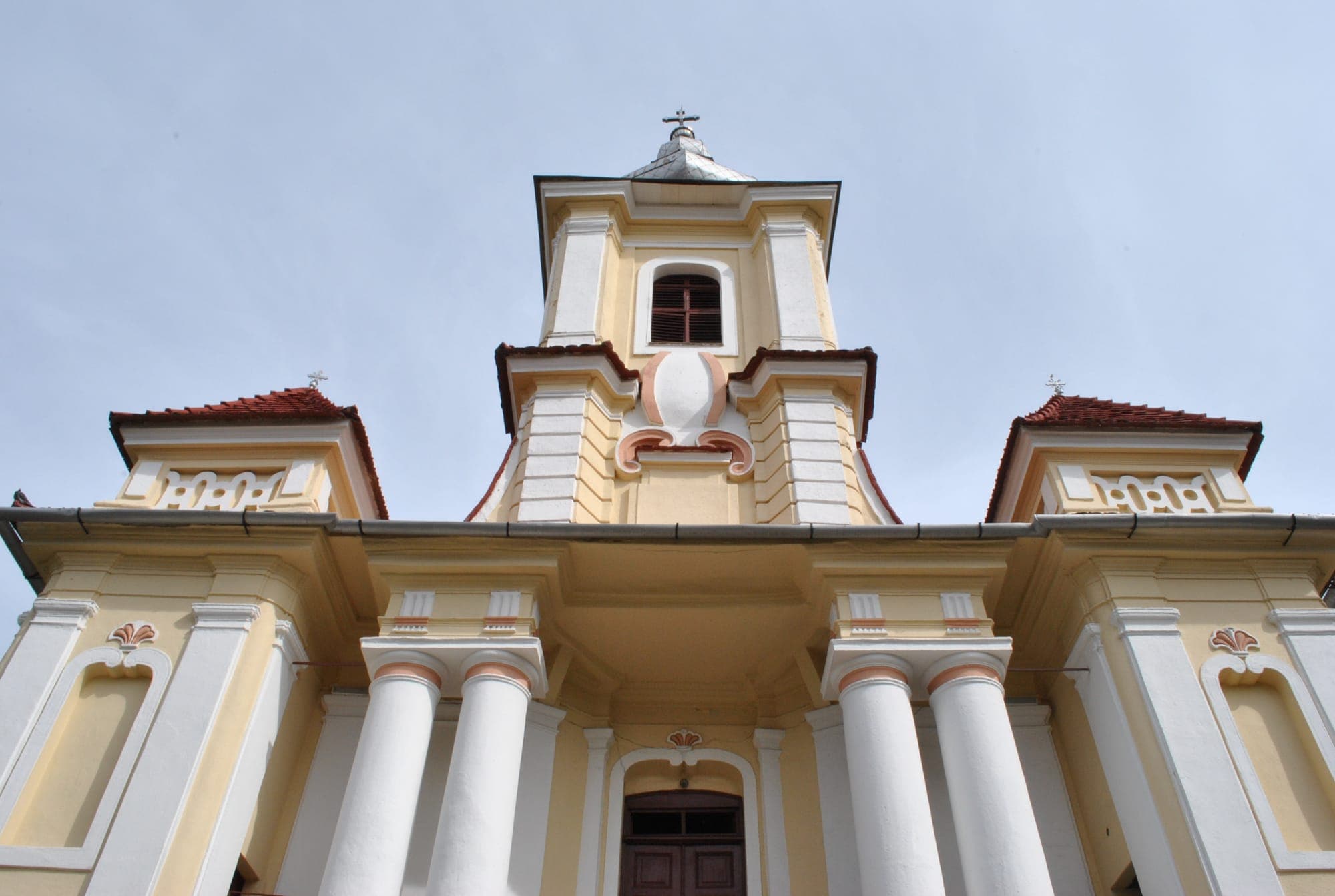
The Baroque church of Saints Peter and Paul, built in 1778–1788 for the Greek-Catholic community, with a cemetery where prominent figures of the Transylvanian Romanians are buried.



