The Bucharest home of Nicolae and Elena Ceaușescu from 1965 to 1989, also known as the Ceaușescu Mansion or Spring Palace, with its lavish interiors, mosaic pool and private cinema, seen on guided tours only.
A cave cut into the wall of the Ialomița Gorge, in the heart of the Bucegi Mountains at 1,660 m, with a monastery built against its mouth and 480 m of lit galleries leading to the Bears' Hall and the Altar.
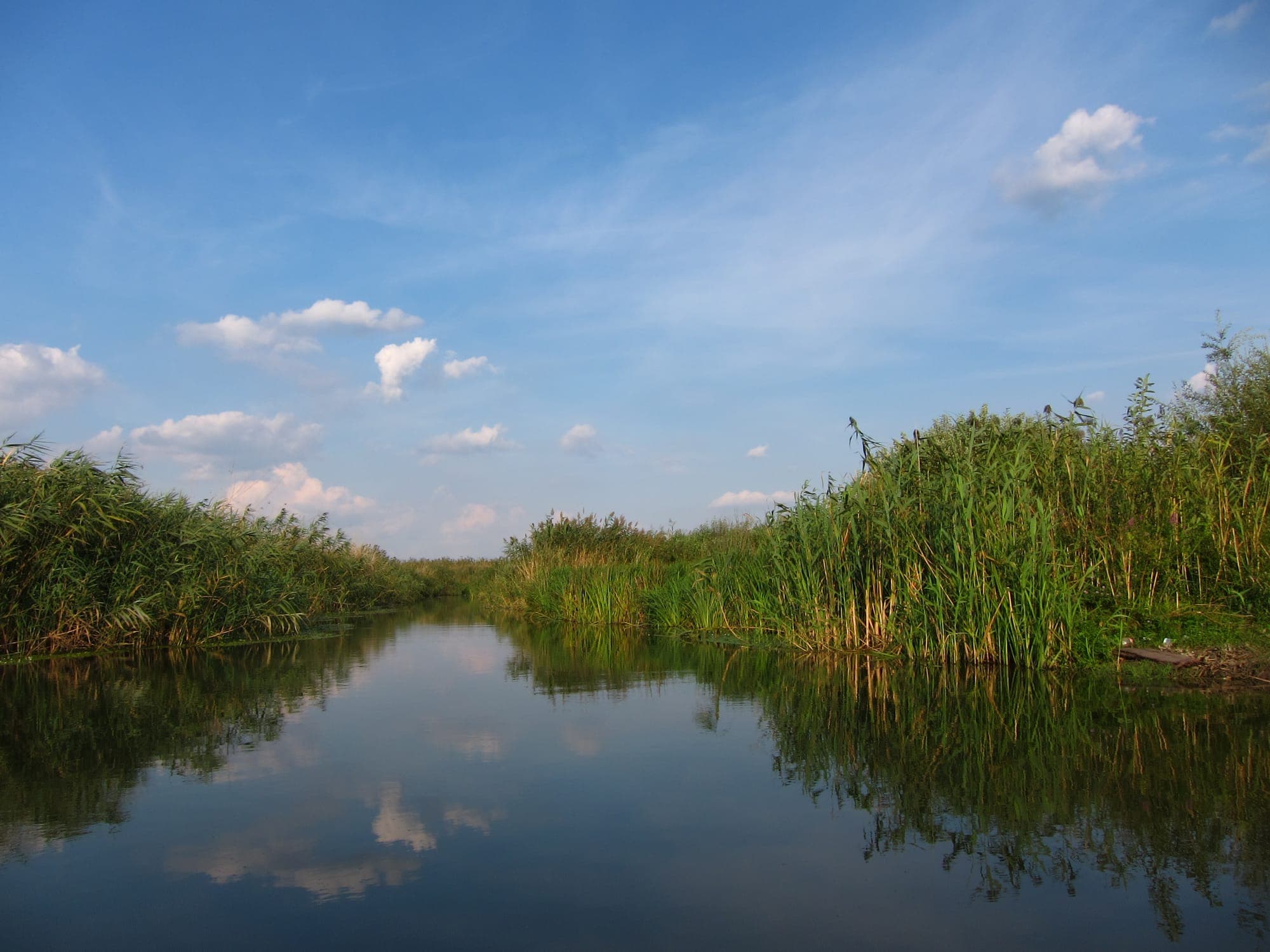
The roughly 1,100 ha Neajlov marsh in Comana Natural Park, with channels, reed beds and waterbirds, less than an hour from Bucharest; seen by small boat, rowing boat or kayak.
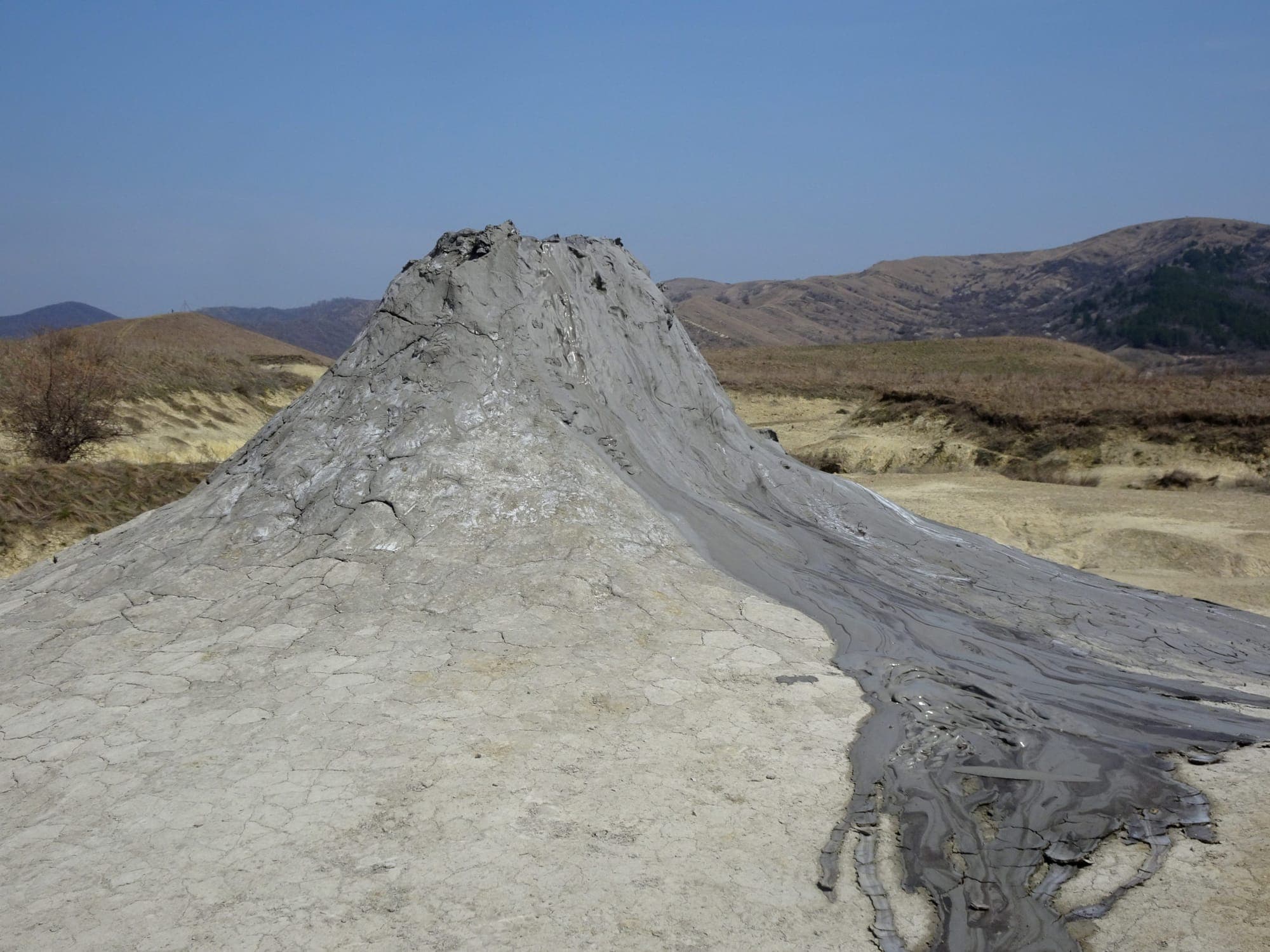
Two plateaus of cold-mud cones and craters, Pâclele Mari and Pâclele Mici, in a nature reserve in the Buzău Subcarpathians, with a lunar-landscape feel.
The last stretch of free-flooding Danube floodplain between Giurgeni and Brăila: seven river islands, 52 lakes and over 200 bird species, reached only by boat.
The University of Bucharest's botanical garden, in Cotroceni: more than 18 hectares with a rose garden, an Italian garden, a lake with an island, greenhouses with palms and orchids, and a botanical museum.
The capital's zoological garden, open since 1959 in Băneasa Forest, with tigers, lions, bears, wolves, zebras, monkeys and more than 150 species on almost 6 hectares.
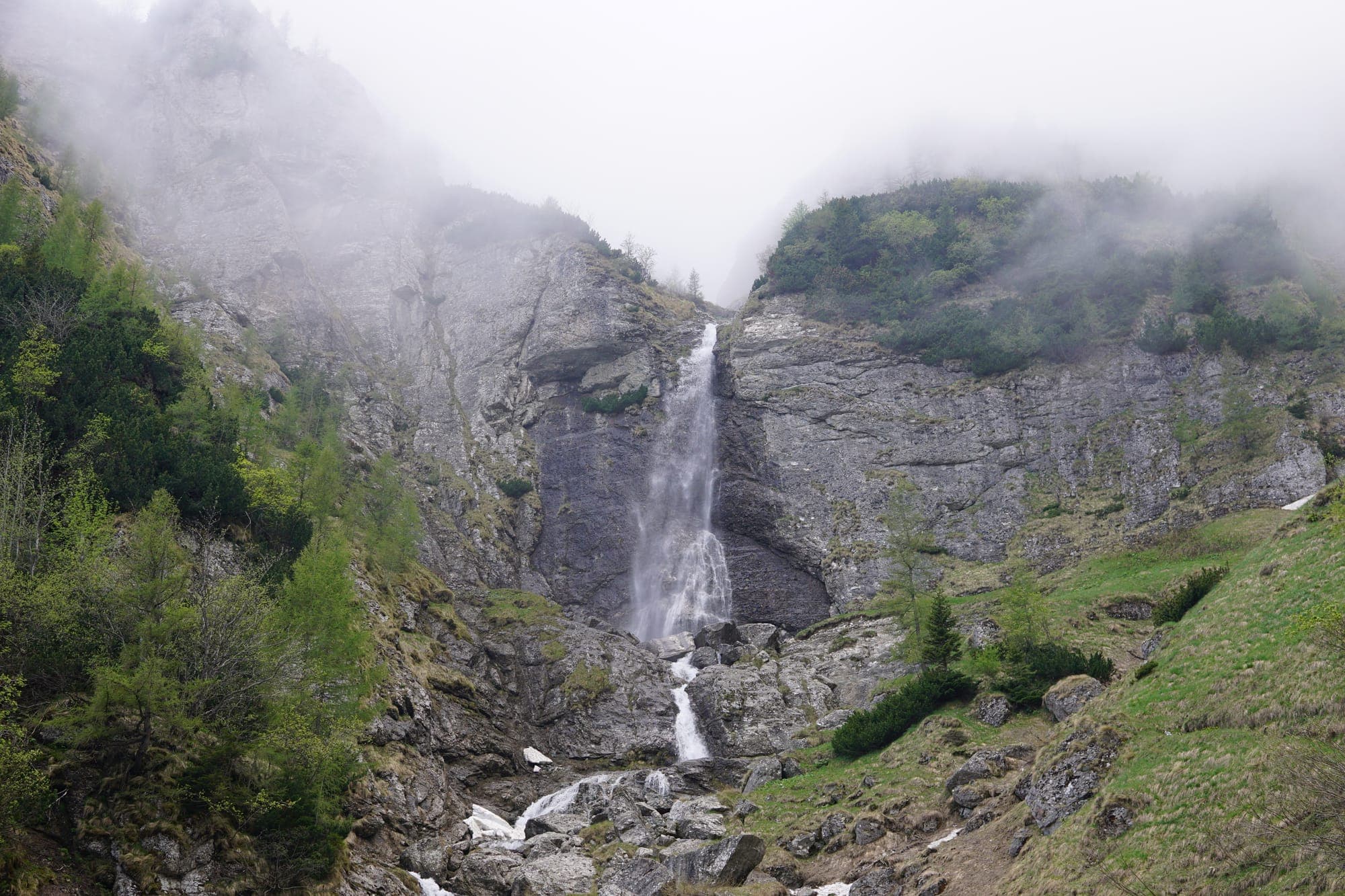
A waterfall on the rock step at the head of the Jepi valley, below the Caraiman chalet in the Bucegi; it only flows in full in late spring and early summer, hence its nickname of the ‘ghost waterfall’.
The museum on Kiseleff Road holds the 1907 dioramas, the Deinotherium skeleton and over 2 million zoological, palaeontological and mineralogical pieces, in a building inaugurated in 1908.
The princely court built by Constantin Brâncoveanu in 1698 for his eldest son, with a loggia-fronted palace, walled courtyards and restored gardens, ~50 km from Bucharest.
An open-air ethnographic museum on the shore of Lake Herăstrău, in the middle of Bucharest: farmsteads, wooden churches, mills and workshops brought from all over the country and rebuilt here since 1936.
Museums and memorial housesVillages and traditions
A reservoir on the Ialomița at 1,438 m, in the heart of the Bucegi Mountains, held back by a 55 m stone dam and ringed by spruce forest, between the Tătaru and Zănoaga gorges.
The museum in the Neo-Romanian building on Kiseleff Road, named European Museum of the Year in 1996, keeps over 100,000 objects of peasant art and civilisation.
The concert hall in the heart of Bucharest, built in 1886–1888 and paid for largely by public subscription: Ionic columns outside, a fresco over 70 m long telling the story of the Romanians inside.
The DJ713 climbs from the DN71 near Sinaia over 16 km of tarmac to 1,925 m at Piatra Arsă: the only road that takes you by car onto the Bucegi plateau.
 Top 100