Cartianu Kula
Turcinești, GJ · 124 km from Craiova
Fortified boyar house in Cartiu, near Târgu Jiu, built around 1760 on the core of a kula and wrapped in timber porches; it now houses a museum of Gorj folk costume.
86 results
Fortified boyar house in Cartiu, near Târgu Jiu, built around 1760 on the core of a kula and wrapped in timber porches; it now houses a museum of Gorj folk costume.
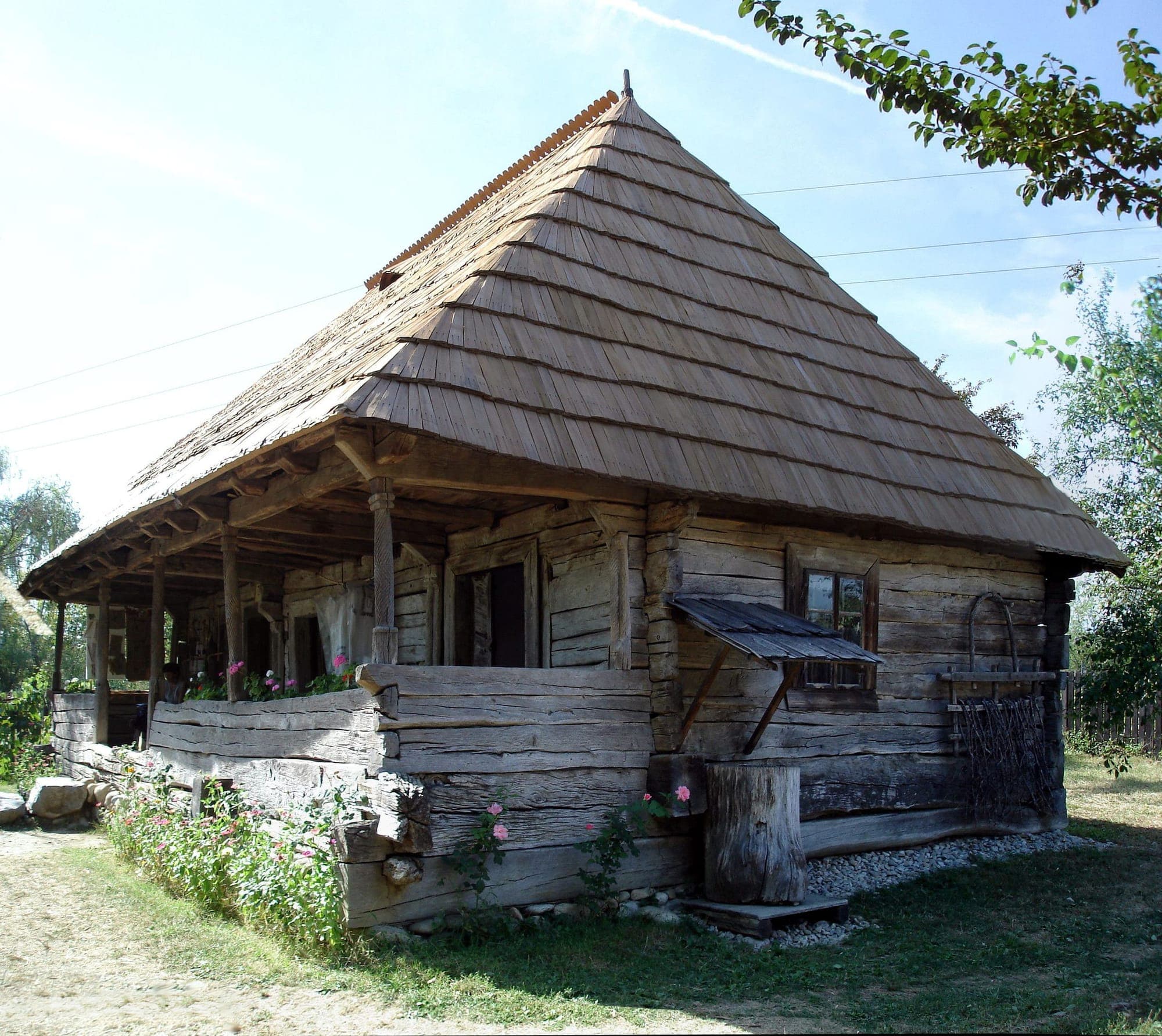
The wooden homestead in the village where Brâncuși was born in 1876: a house with a porch of twist-carved posts, a carved gate, outbuildings and peasant furniture, a museum since 1971.
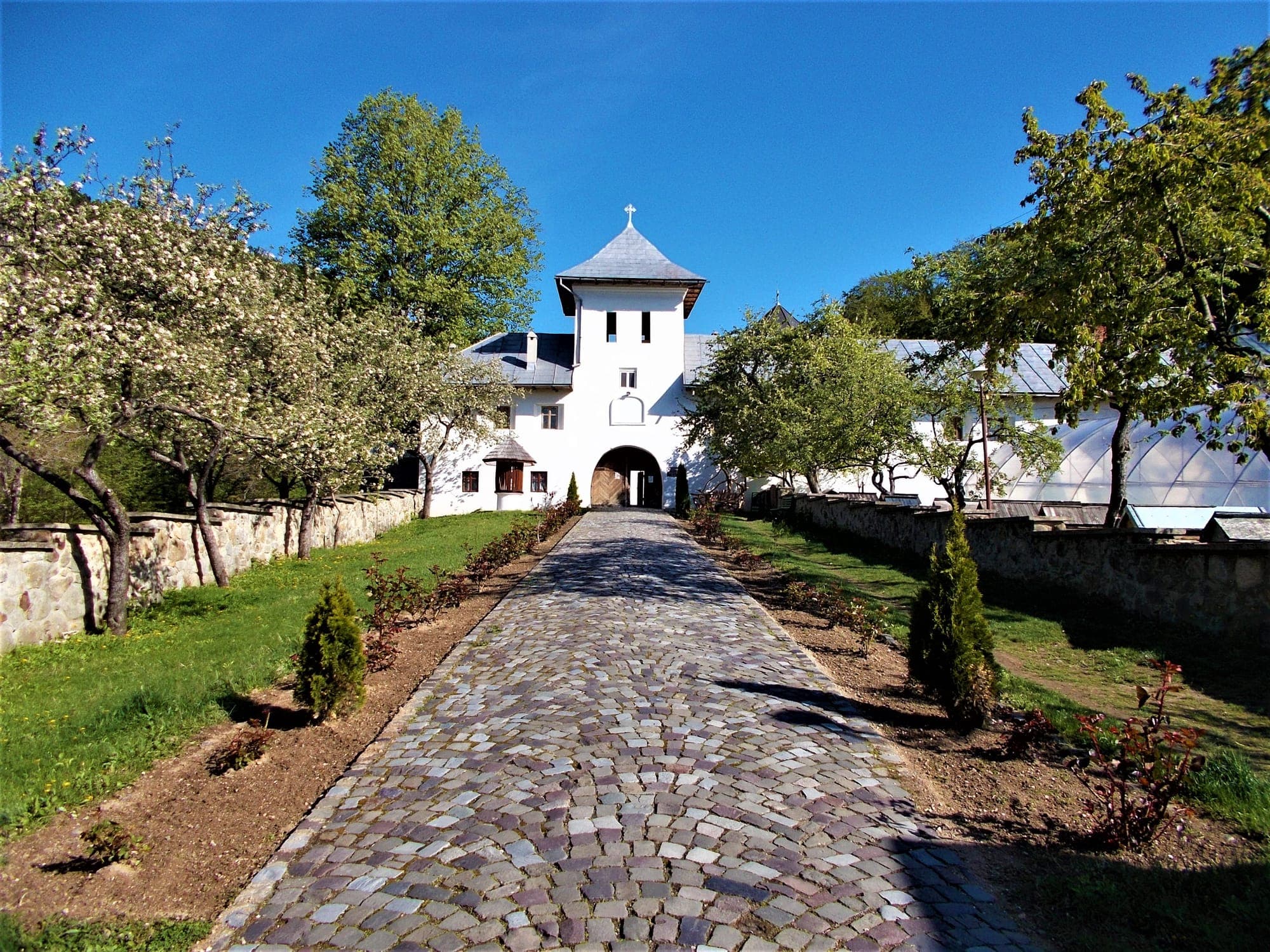
A monastery for monks at the foot of the Parâng Mountains, with the stone church of 1636 built by the boyar Dumitru Filișanu, with an octagonal tower, a brick band and a gilded iconostasis showing Matei Basarab.

A wooden church from around 1728, with an ornamented porch and a bell tower added in the 19th century, in a hill village of Bălănești commune.
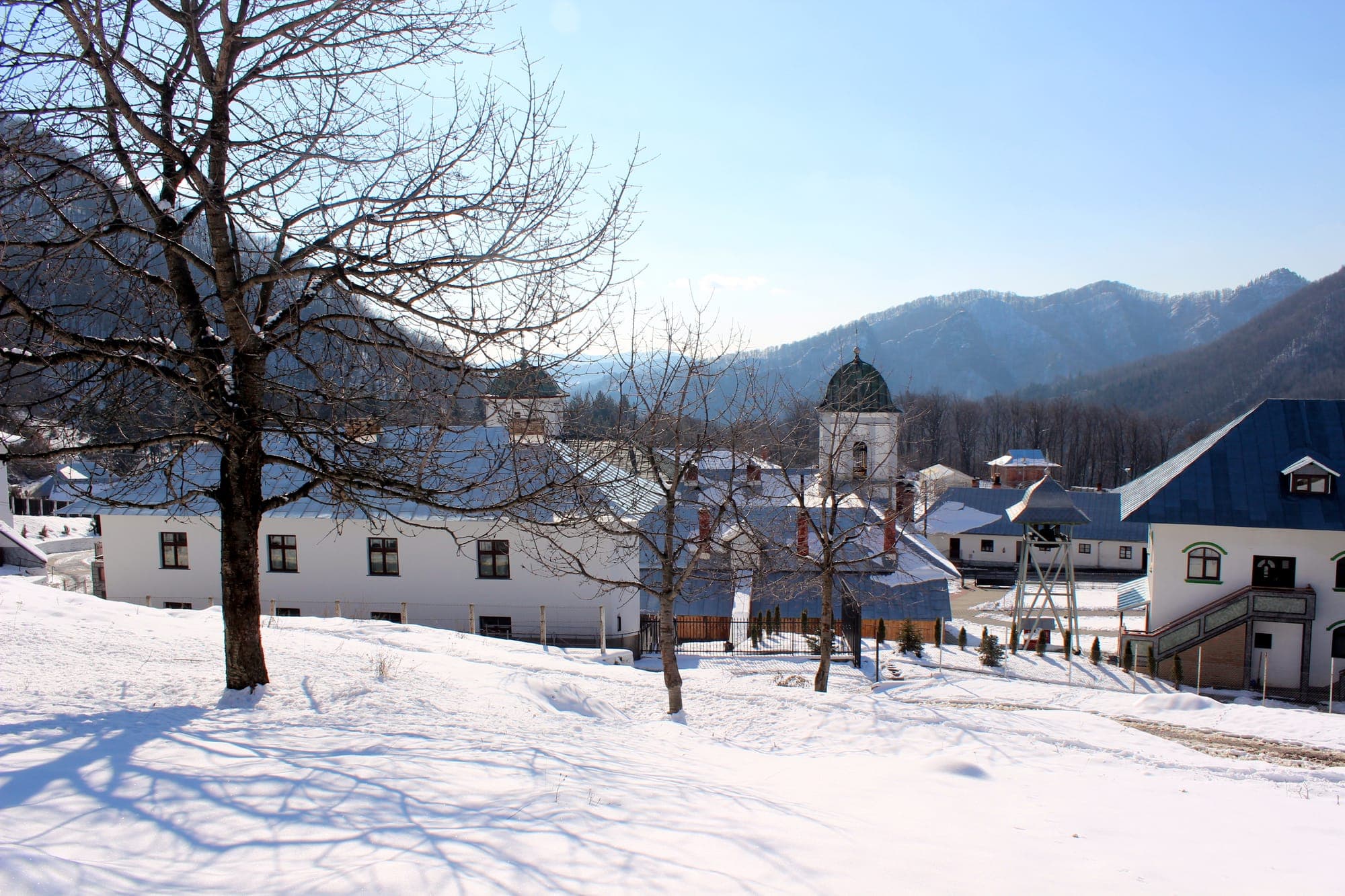
A monastery for monks founded by St Calinic of Cernica in 1860–1863 and run according to the rule of Mount Athos: no meat, services until dawn and no entry for women.

A small wooden church of 1820–1822, plastered and painted in 1835, standing in the cemetery of a scattered village on the Mehedinți Plateau and currently under restoration.
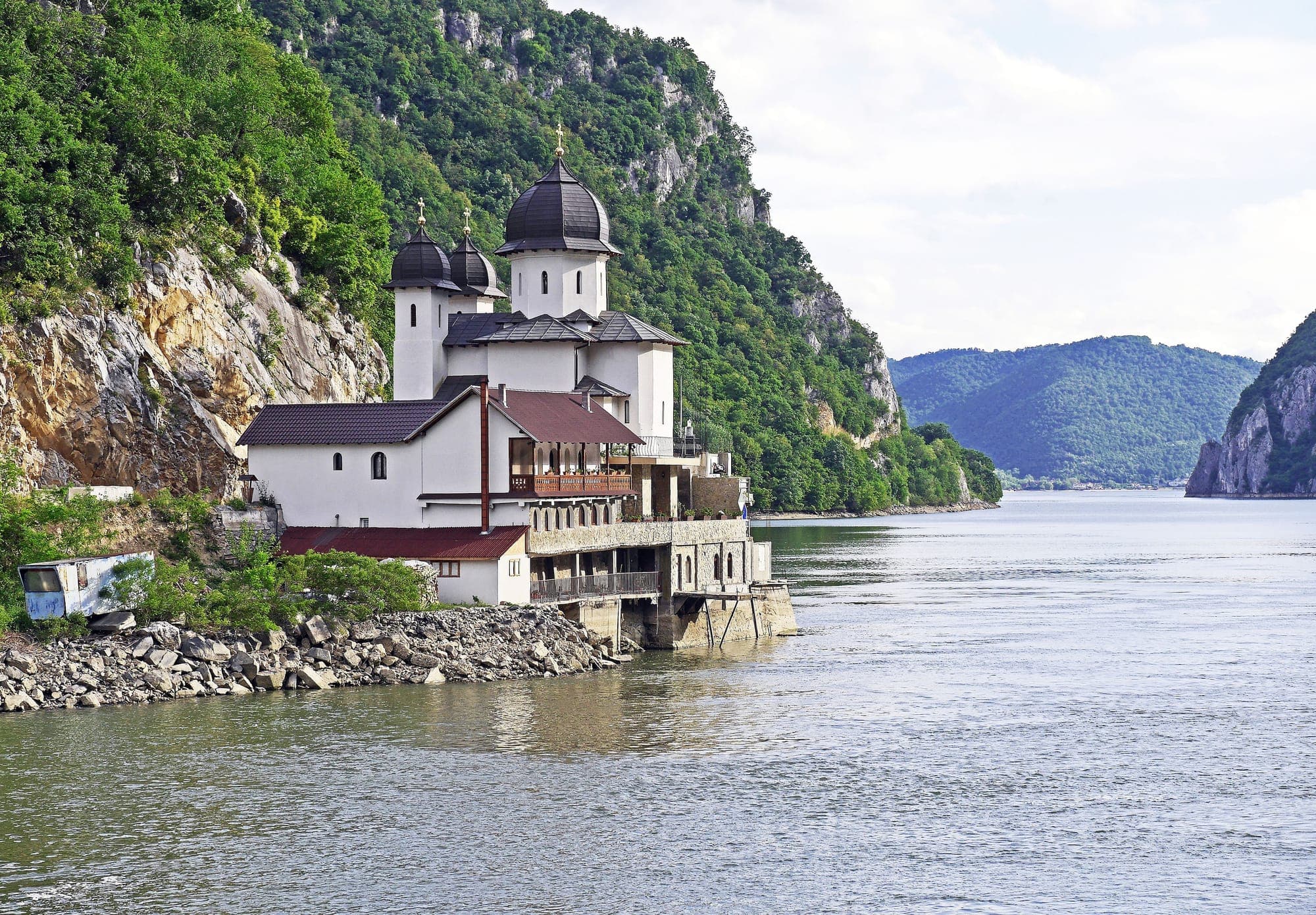
A monastery perched on a headland right above the Danube, in the Danube Gorges, on the site of the old monastery demolished in 1967 for the Iron Gates hydroelectric dam.
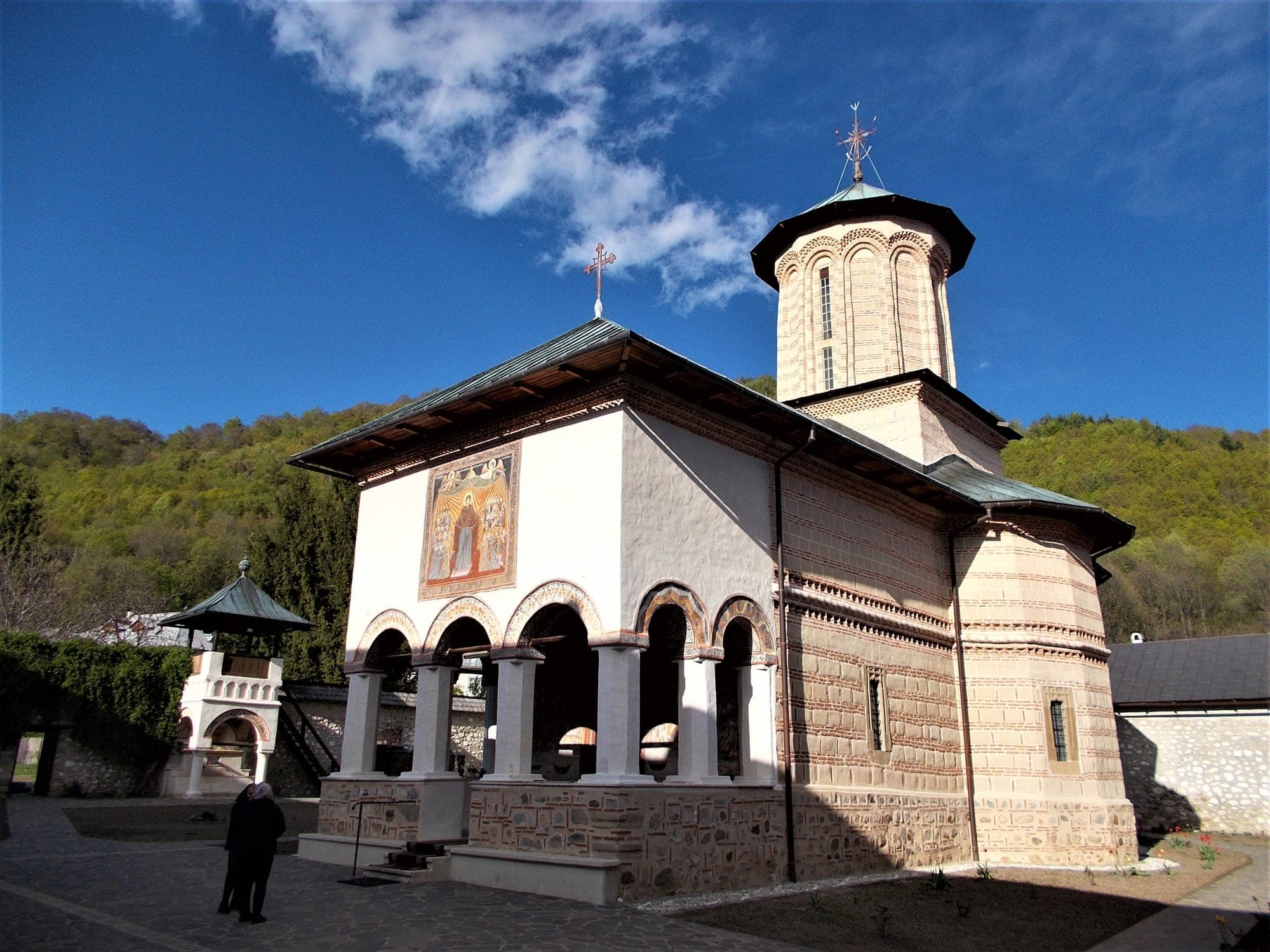
A convent at the foot of Piatra Polovragilor, with a church built in the 1640s by the logothete Danciu Pârâianu, a porch and bell tower from the time of Brâncoveanu, and a carved wooden gate.

The ruins of the Roman baths at Stolniceni, in the south of Râmnicu Vâlcea, between the Olt and the DN64: the remains of the major military centre of Buridava, a component of the UNESCO site "Frontiers of the Roman Empire – Dacia".

An 18th-century wooden church dedicated to Saint Parascheva, in the village of Ciocâltei in Roești commune, with an octagonal tower, a painted façade and a concrete bell tower at the gate.

A wooden church from the late 18th century in a hilltop cemetery in the village of Capu Dealului, with a glazed porch and a small bell tower rising from the roof.
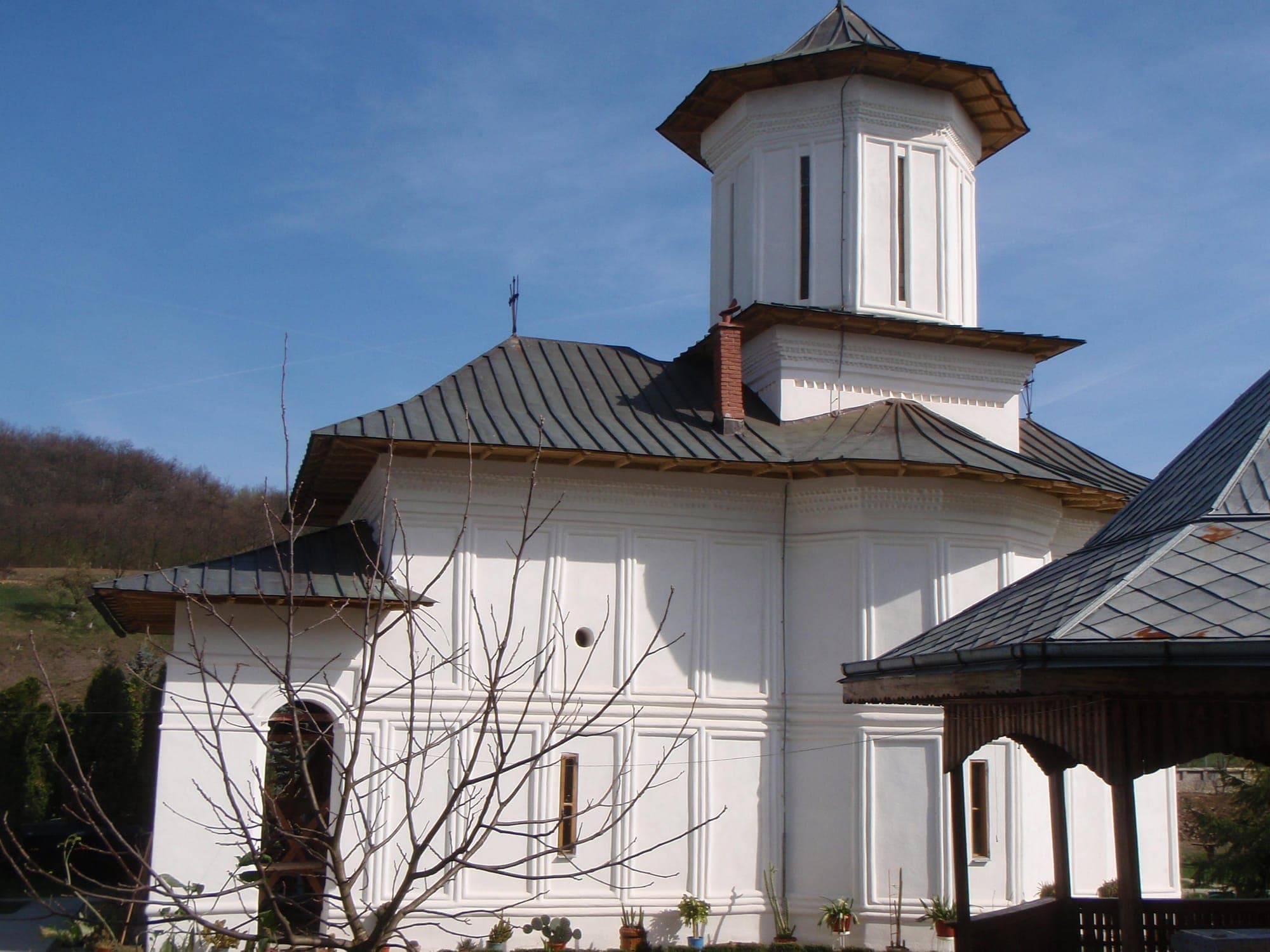
A convent in Strâmba-Jiu with the Holy Trinity church of the early 17th century, built on the site of a hermitage recorded in 1519, in a quiet courtyard beneath wooded hills.

The cula on Gârdanul Hill near Drobeta-Turnu Severin, linked to the name of Tudor Vladimirescu: a fortified boyar house with a brick-columned gallery and a watchtower, currently being restored.
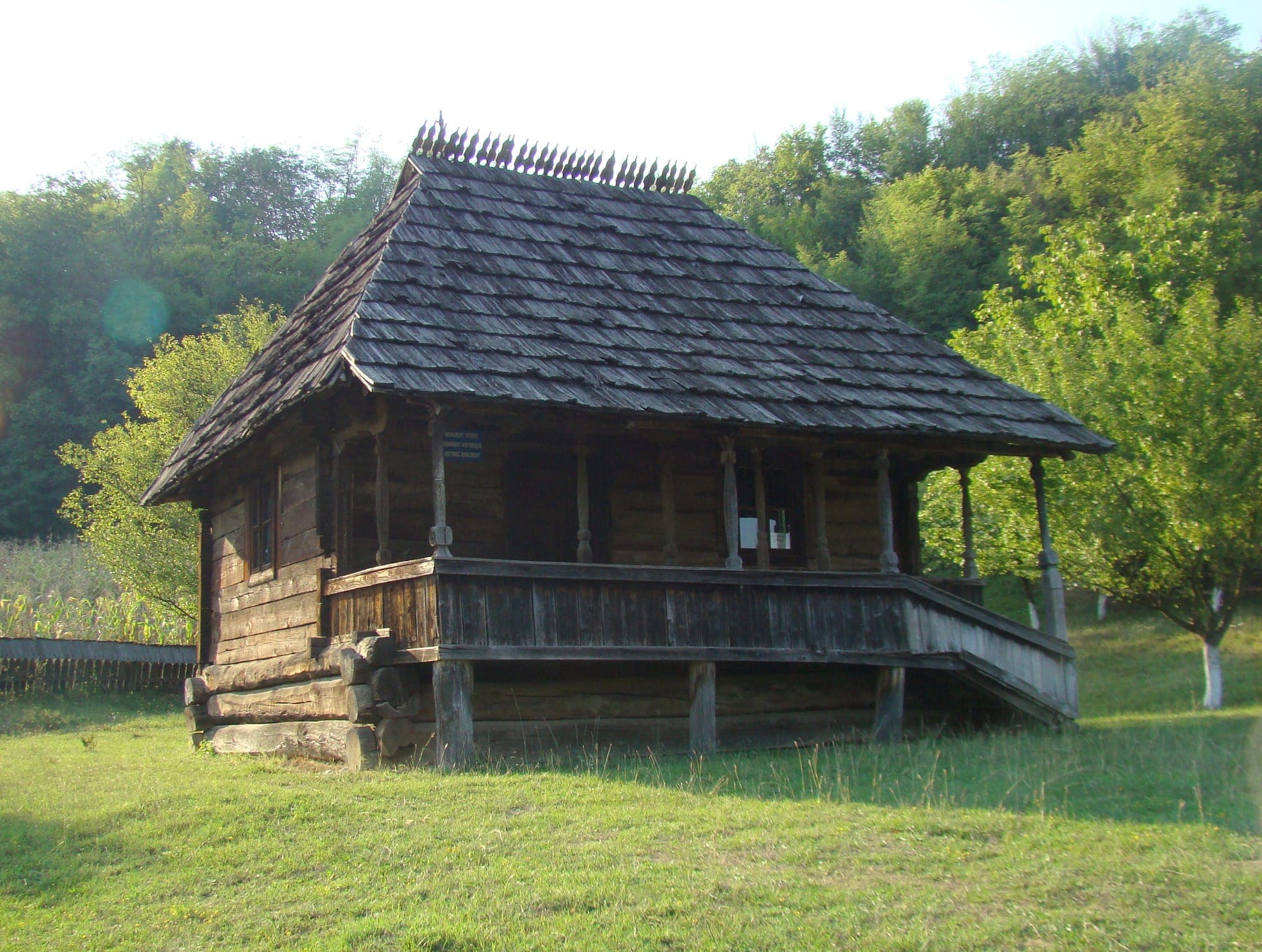
The wooden house in the village of Vladimir, birthplace of Tudor Vladimirescu, leader of the 1821 Revolution. Rebuilt in 1932 from an original photograph, now a museum with two furnished rooms.

An open-air village museum on the road out of Râmnicu Vâlcea towards Sibiu: nearly 80 peasant houses, workshops and installations from across the county, gathered on 8 hectares around the Bujoreanu Kula.