Cartianu Kula
Turcinești, GJ · 13 km from Târgu Jiu
Fortified boyar house in Cartiu, near Târgu Jiu, built around 1760 on the core of a kula and wrapped in timber porches; it now houses a museum of Gorj folk costume.
26 results
Fortified boyar house in Cartiu, near Târgu Jiu, built around 1760 on the core of a kula and wrapped in timber porches; it now houses a museum of Gorj folk costume.
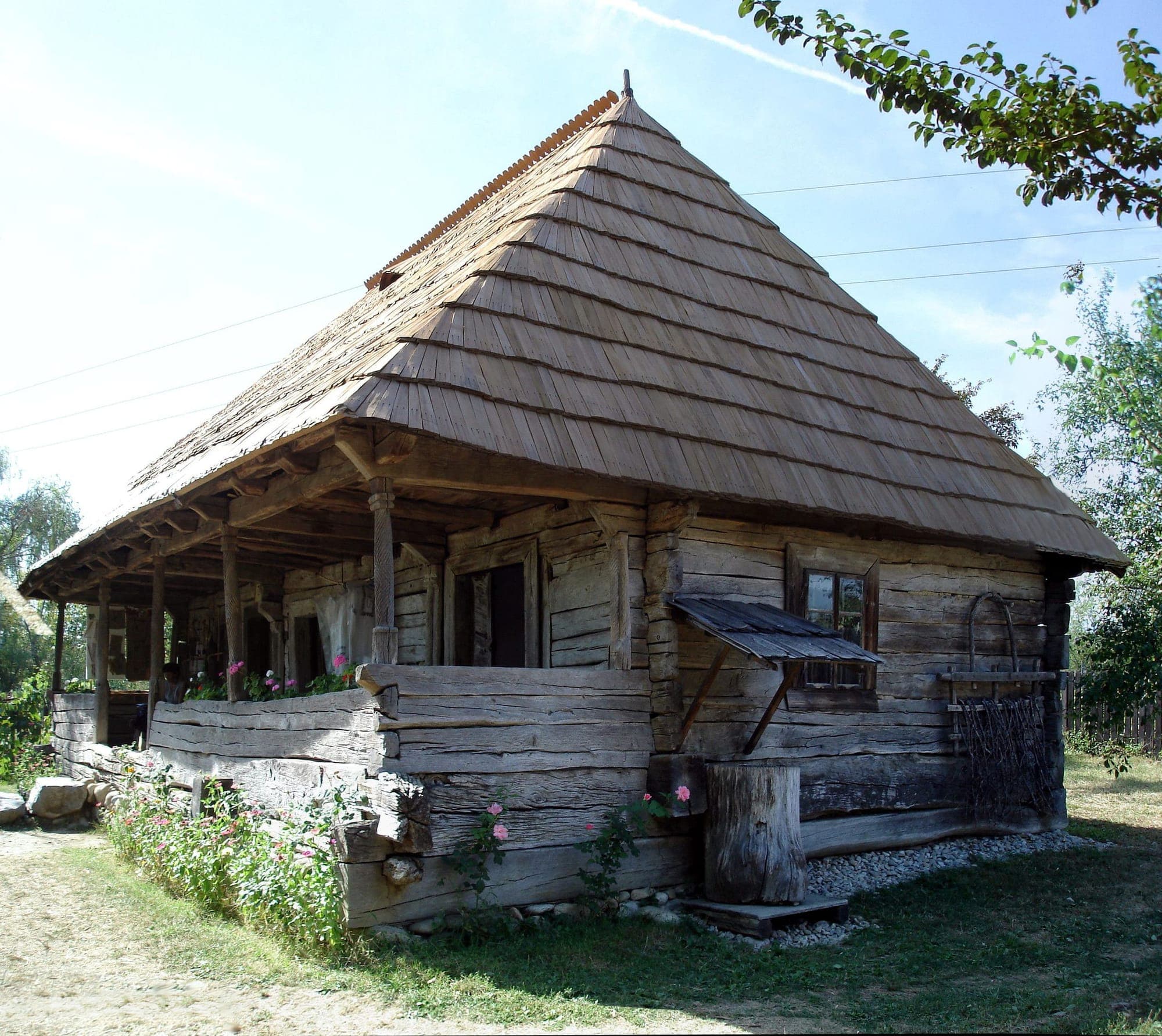
The wooden homestead in the village where Brâncuși was born in 1876: a house with a porch of twist-carved posts, a carved gate, outbuildings and peasant furniture, a museum since 1971.
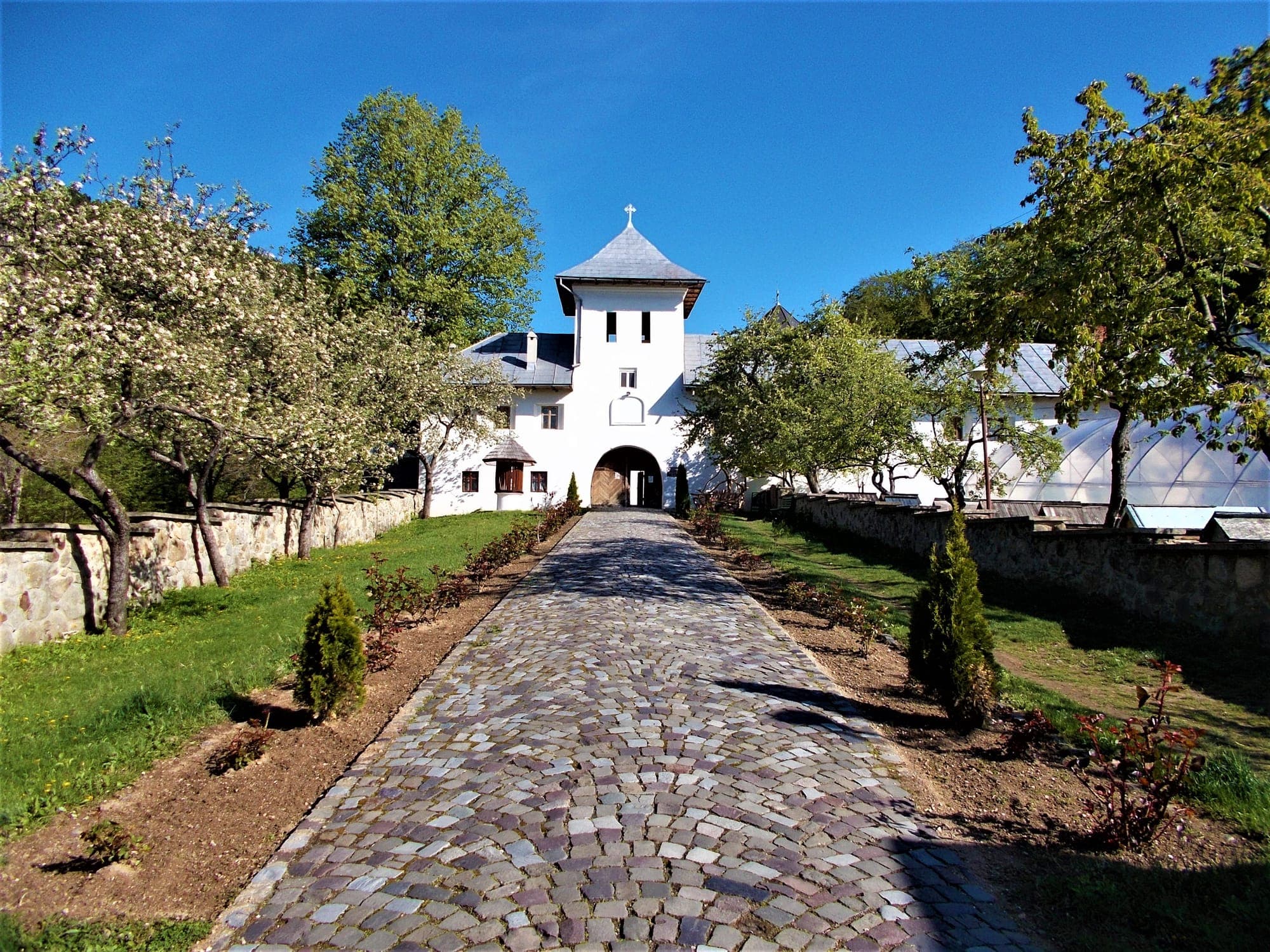
A monastery for monks at the foot of the Parâng Mountains, with the stone church of 1636 built by the boyar Dumitru Filișanu, with an octagonal tower, a brick band and a gilded iconostasis showing Matei Basarab.

A wooden church from around 1728, with an ornamented porch and a bell tower added in the 19th century, in a hill village of Bălănești commune.
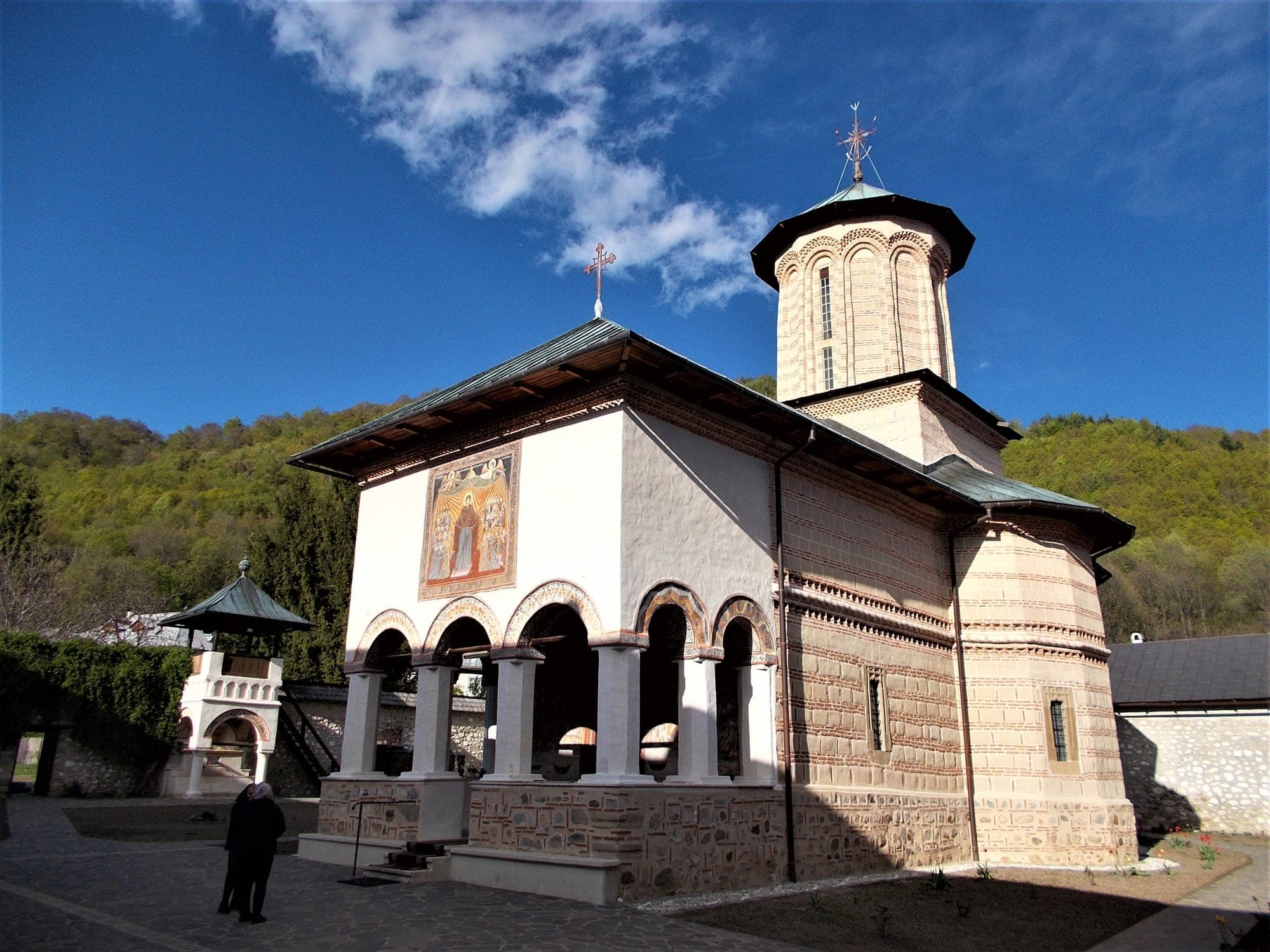
A convent at the foot of Piatra Polovragilor, with a church built in the 1640s by the logothete Danciu Pârâianu, a porch and bell tower from the time of Brâncoveanu, and a carved wooden gate.
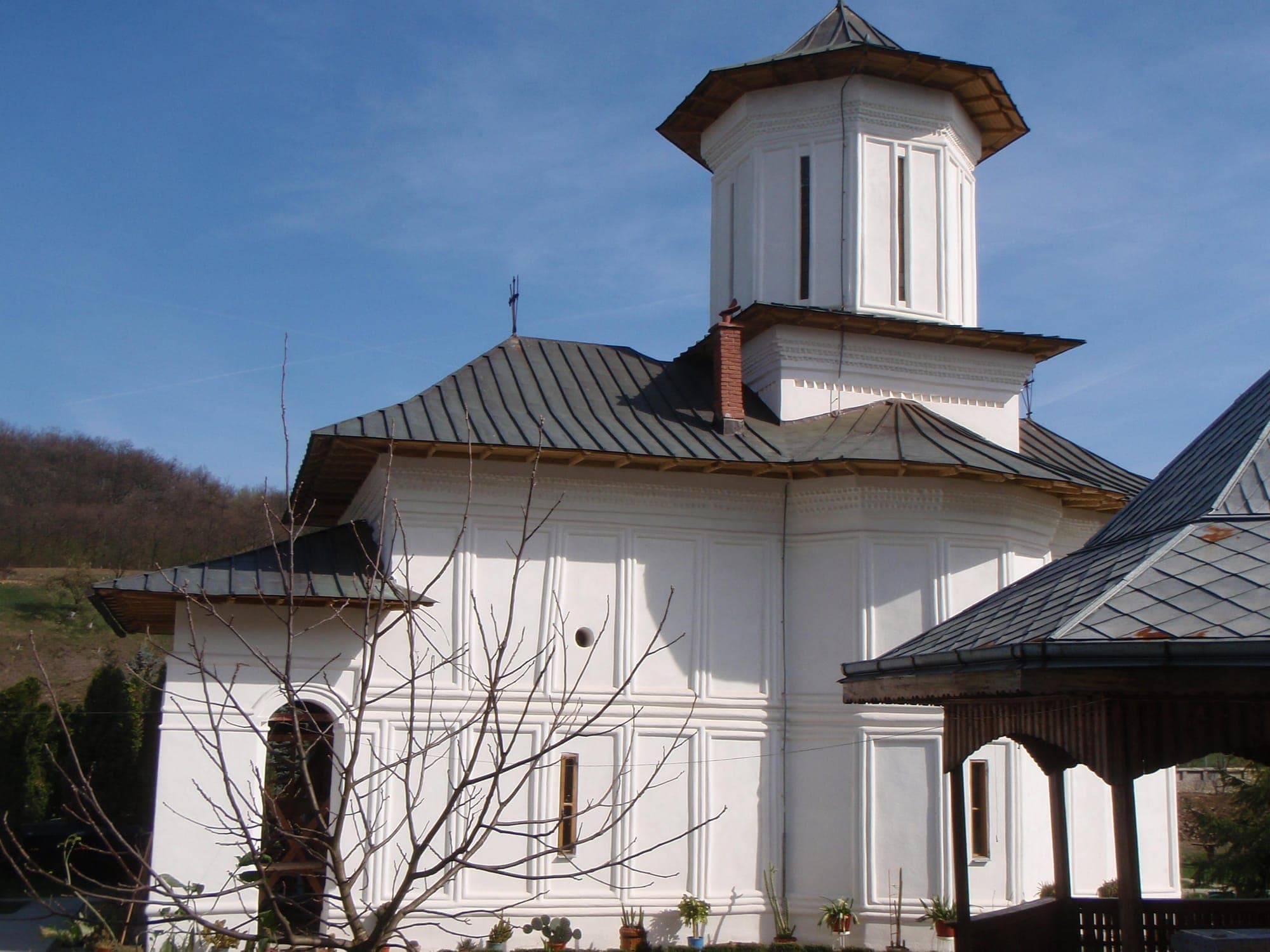
A convent in Strâmba-Jiu with the Holy Trinity church of the early 17th century, built on the site of a hermitage recorded in 1519, in a quiet courtyard beneath wooded hills.
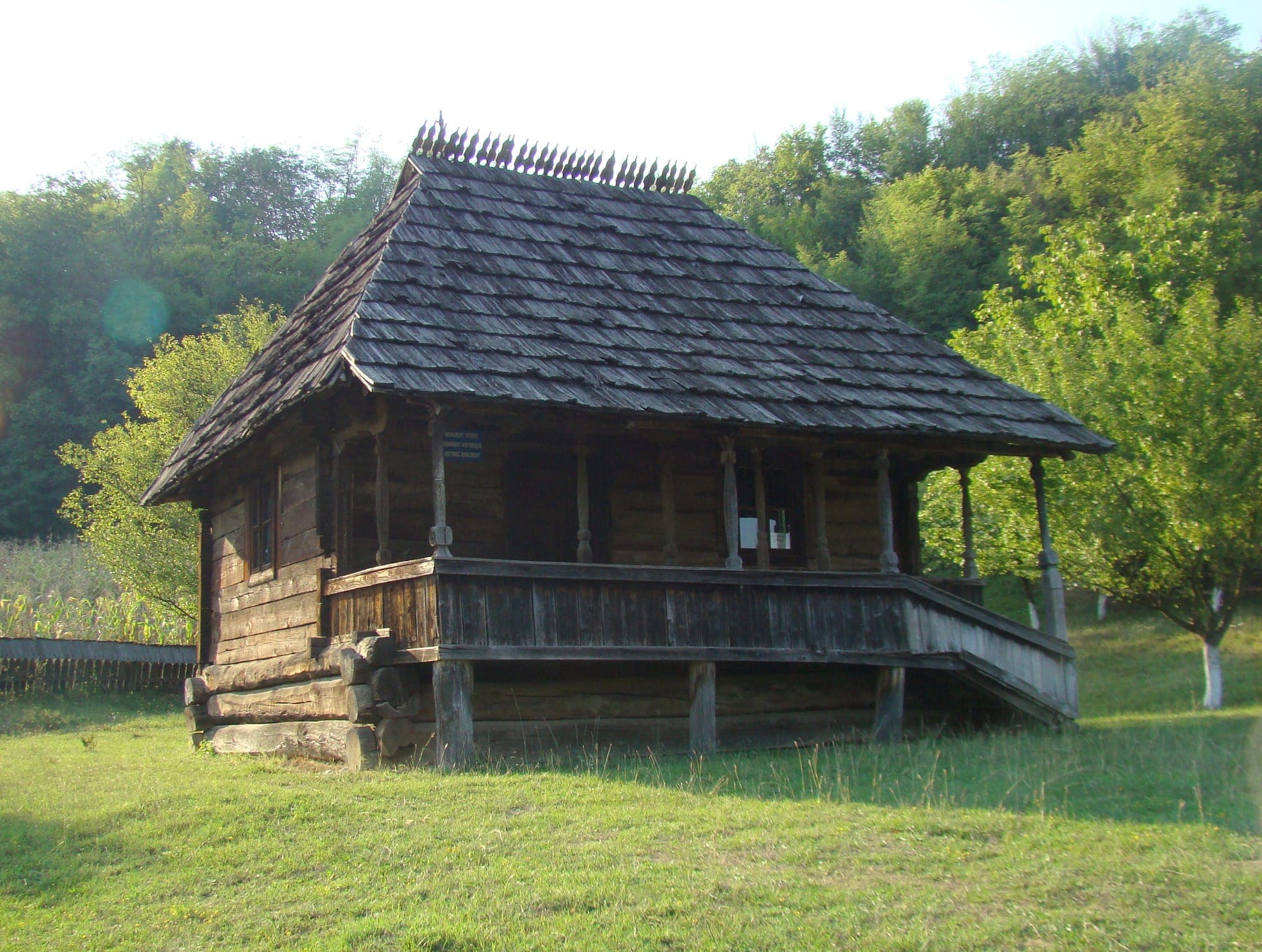
The wooden house in the village of Vladimir, birthplace of Tudor Vladimirescu, leader of the 1821 Revolution. Rebuilt in 1932 from an original photograph, now a museum with two furnished rooms.
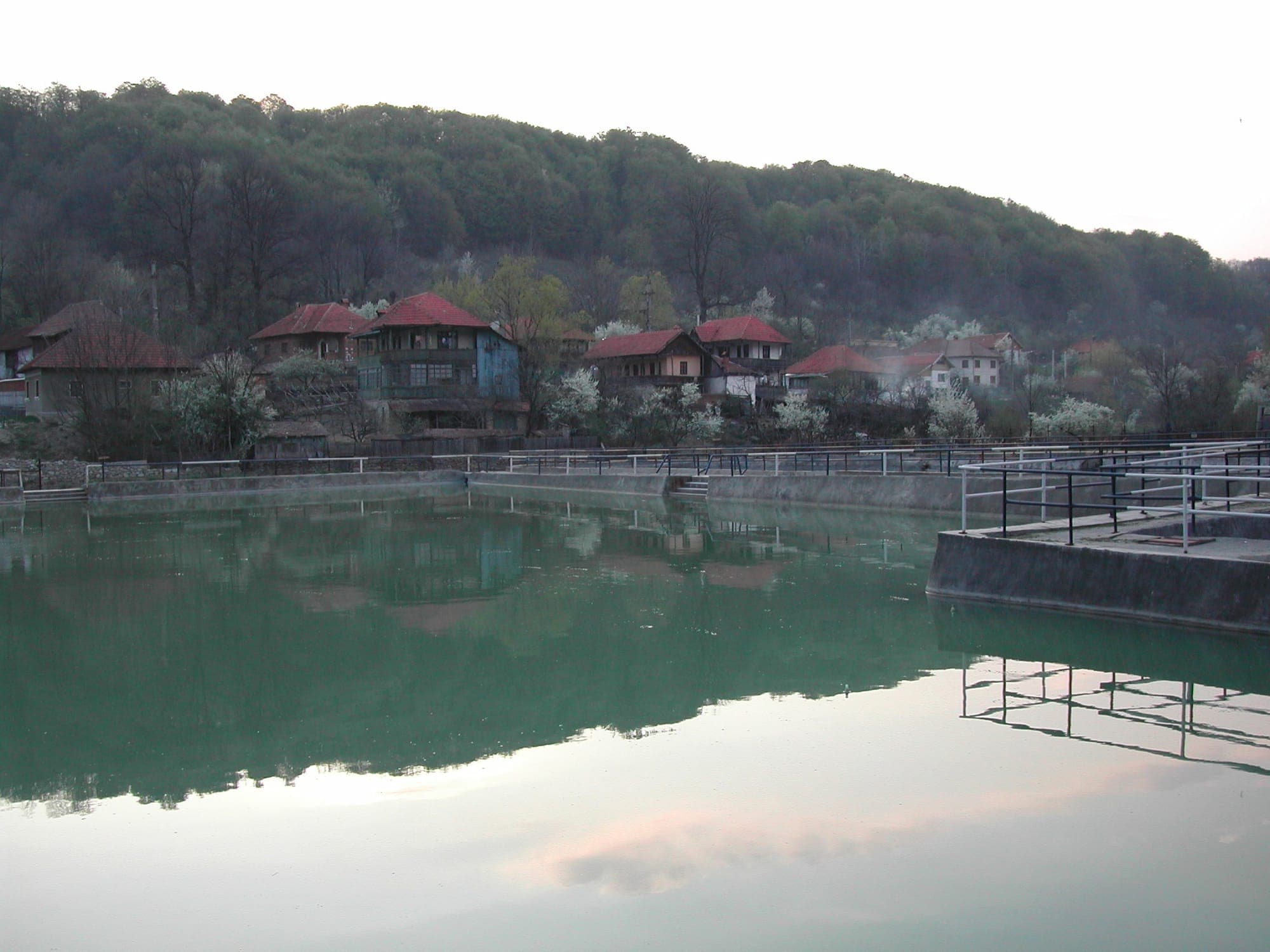
A spa and climatic resort in the Subcarpathians of Gorj, in the Blahnița valley: four open-air pools of sulphurous, chloride, bromide and iodine mineral water, with therapeutic mud.
A cave with white and reddish calcite formations above the village of Cloșani, an underground laboratory of the Emil Racoviță Institute of Speleology since 1959; closed to the public, entry only with the institute's approval.
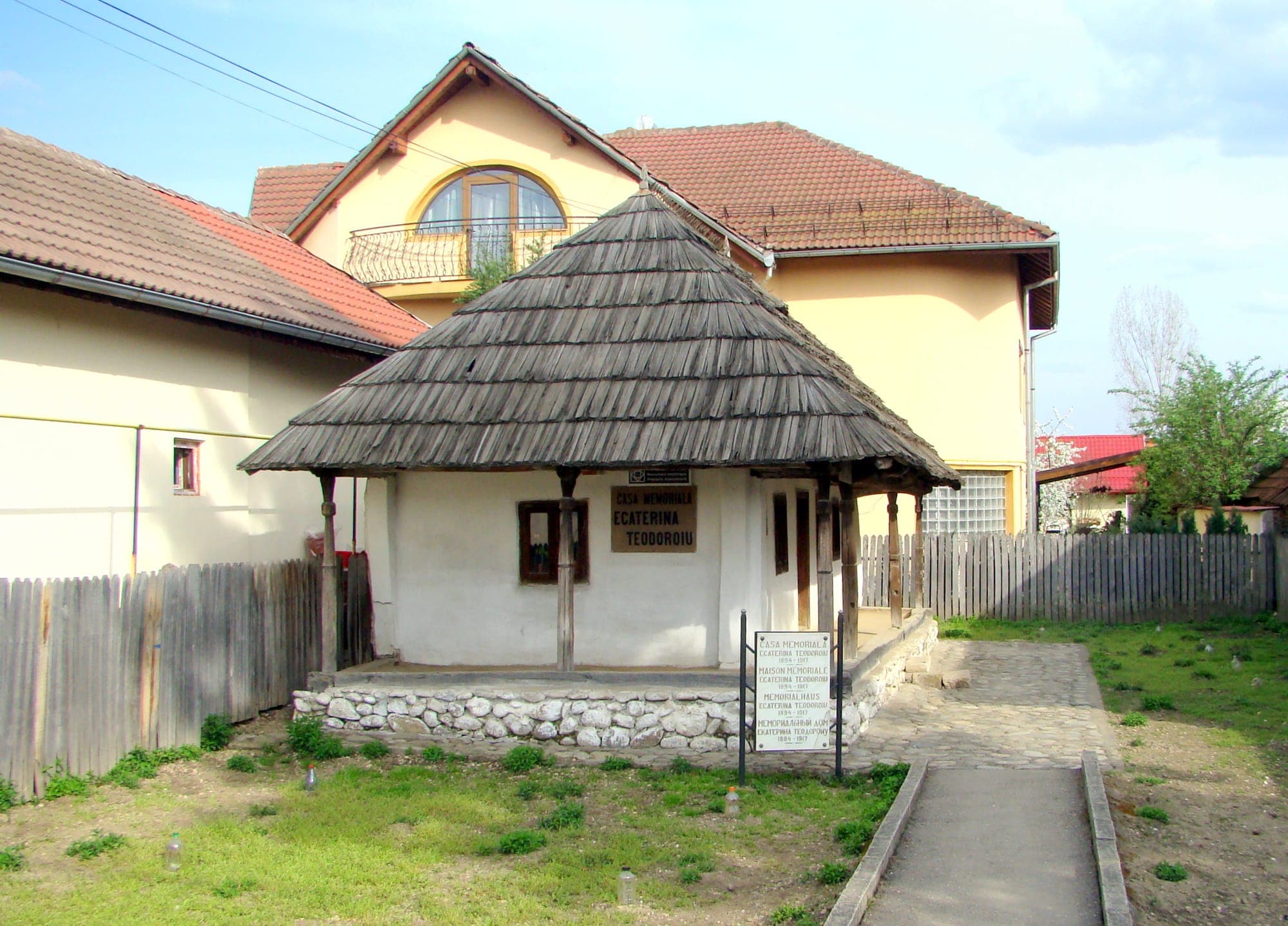
The family house in Vădeni, now a district of Târgu Jiu, where Ecaterina Teodoroiu, the “heroine of the Jiu”, was born. A memorial house since 1938, with personal belongings, documents and photographs.

A cave more than 10 km long, carved by the Olteț river into the limestone of the Olteț Gorge, with 800 m of gallery open to visitors and legends about Zalmoxis, a kilometre from Polovragi Monastery.