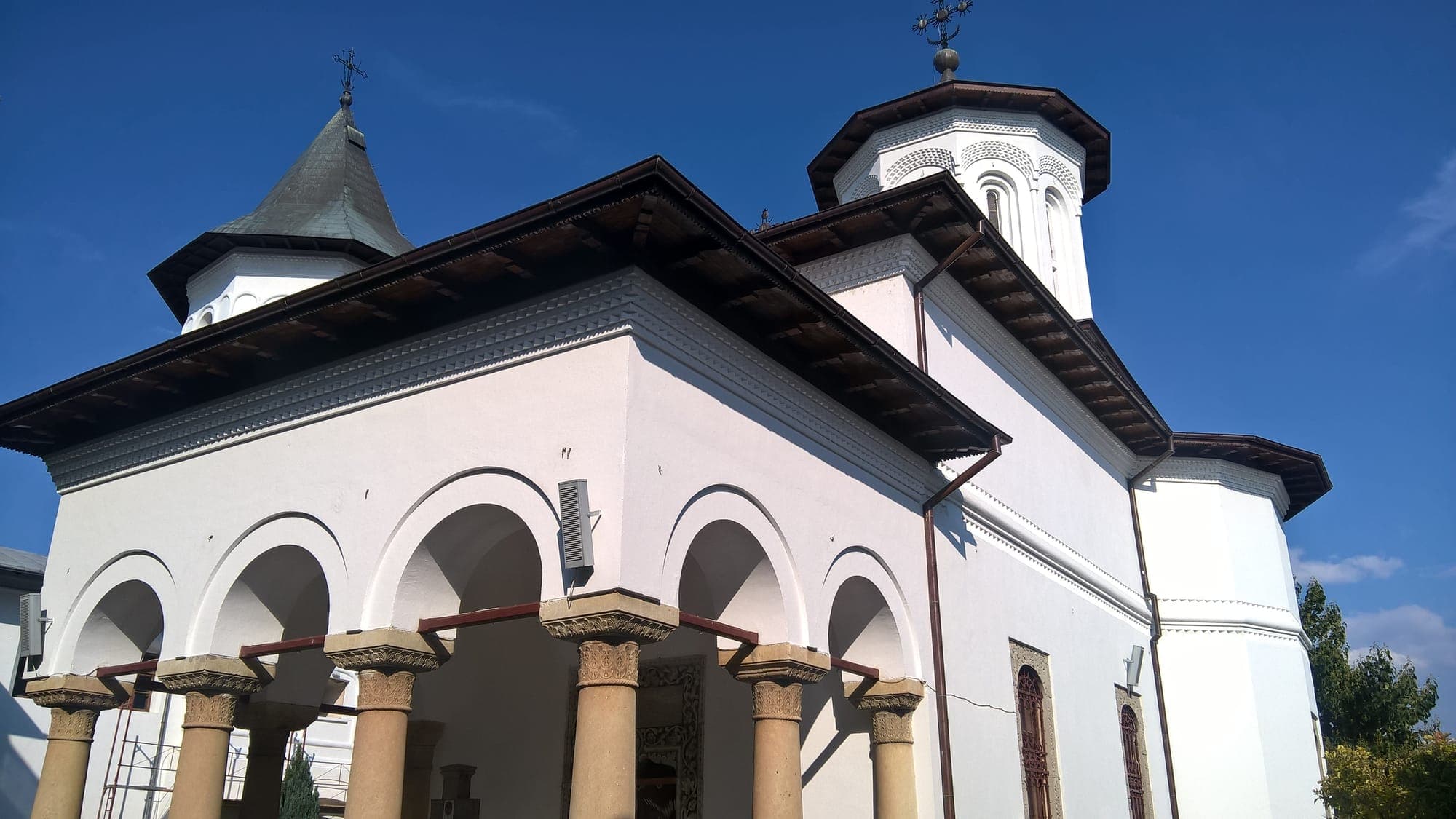
A convent in Olt, in the village that Matei Basarab and Constantin Brâncoveanu came from: defensive wall and bell tower of 1634–1640, a Brâncovenesc great church of 1699, and a museum with a lapidary.
Monasteries and churchesMuseums and memorial houses
The museum in the Jean Mihail Palace, built in 1898–1907 to plans by Paul Gottereau, holds six works by Brâncuși, including “The Kiss”, as well as Romanian and European art.
The house of Alexandru Ioan Cuza's parents, now the first house museum founded in Galați (1939), reopened in 2024 after restoration, with an exhibition on the ruler of the Union and on Galați between 1850 and 1930.
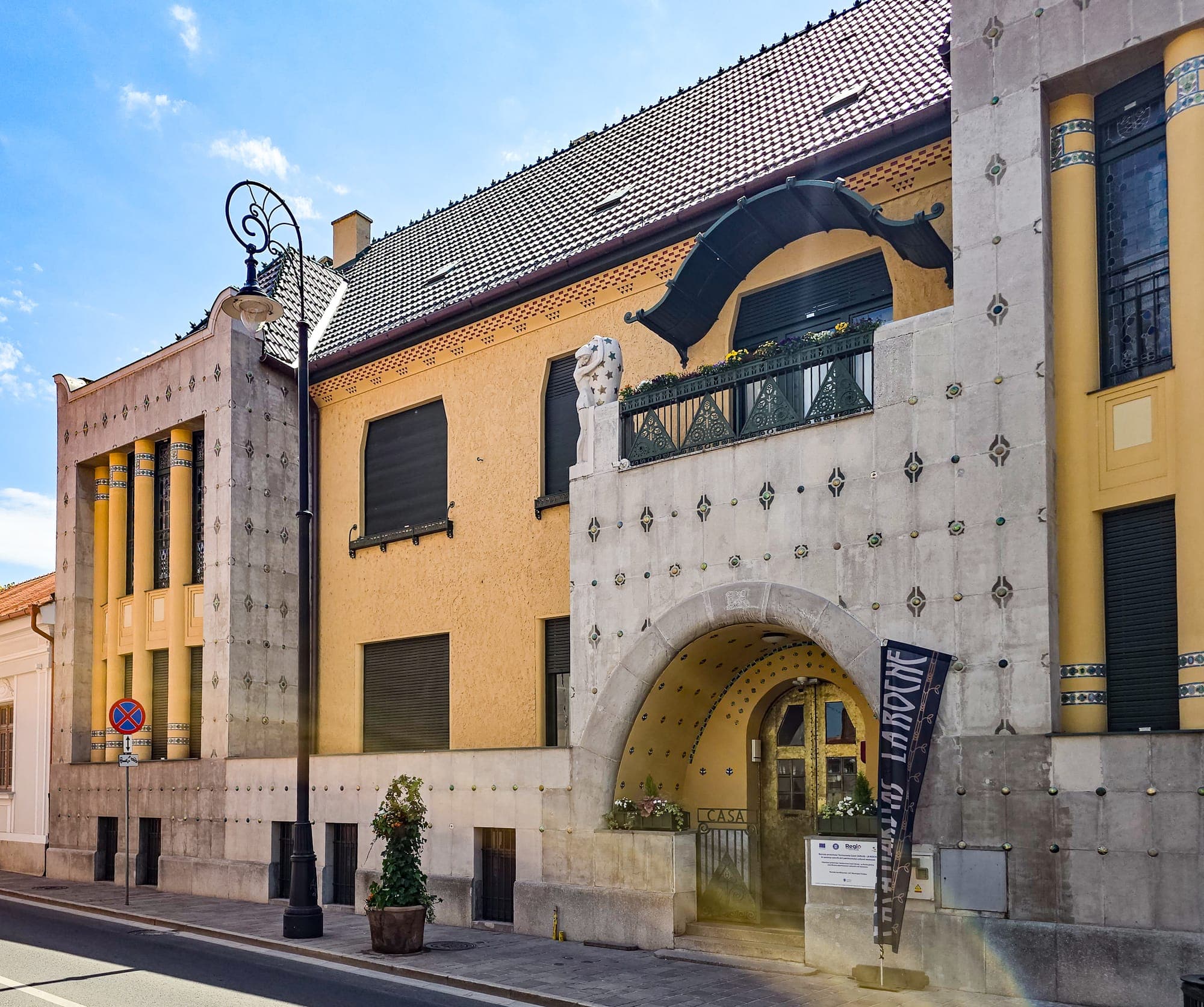
The Secession villa of the industrialist Imre Darvas, designed by the Vágó brothers in 1909–1912, now houses Romania's first Art Nouveau museum, with period interiors and a garden.
An open-air ethnographic museum on the shore of Lake Herăstrău, in the middle of Bucharest: farmsteads, wooden churches, mills and workshops brought from all over the country and rebuilt here since 1936.
Museums and memorial housesVillages and traditions
The old school in the courtyard of St Nicholas' Church in Șcheii Brașovului, now a museum: a classroom with wooden benches, a replica of Coresi's printing press and Romanian books five centuries old.
Museums and memorial housesMonuments and historic sites
The house in the village of Liveni, rebuilt on the foundations of the one where George Enescu was born in 1881, holds an exhibition on the composer's childhood: the pianino, rugs, photographs and early scores.
The museum on Kiseleff Road holds the 1907 dioramas, the Deinotherium skeleton and over 2 million zoological, palaeontological and mineralogical pieces, in a building inaugurated in 1908.
Constantin Brâncoveanu's largest foundation, officially Hurezi Monastery: the model ensemble of the Brâncovenesc style, built in 1690–1693 and a UNESCO site since 1993.
Monasteries and churchesMuseums and memorial housesUNESCO
The Eminovici family house in Ipotești, rebuilt on the foundations of the one from Mihai Eminescu's childhood, with the family's wooden church, his parents' graves and a peasant house holding an ethnographic collection.
Museums and memorial housesMonuments and historic sites
A Renaissance hunting manor of the Counts Kálnoky, begun in 1648, with bastions and rare stucco work, restored and opened in 2017 as the Museum of Transylvanian Life, with guided tours.
The First World War heroes' mausoleum, built between 1923 and 1938 on the 1917 battlefield, with 5,073 soldiers in its crypts and a museum of the battles.
Monuments and historic sitesMuseums and memorial houses
The largest surviving piece of Timișoara's bastioned fortress, built by the Austrians in the 1730s and restored with EU funds, now home to the National Museum of Banat.
Fortresses and fortificationsMuseums and memorial houses
The museum of the Memorial of the Revolution Association, in a former military building in Timișoara: clothes and flags from the days of December 1989, a chapel of the hero-martyrs and the only section of the Berlin Wall in Romania.
Museums and memorial housesMonuments and historic sites
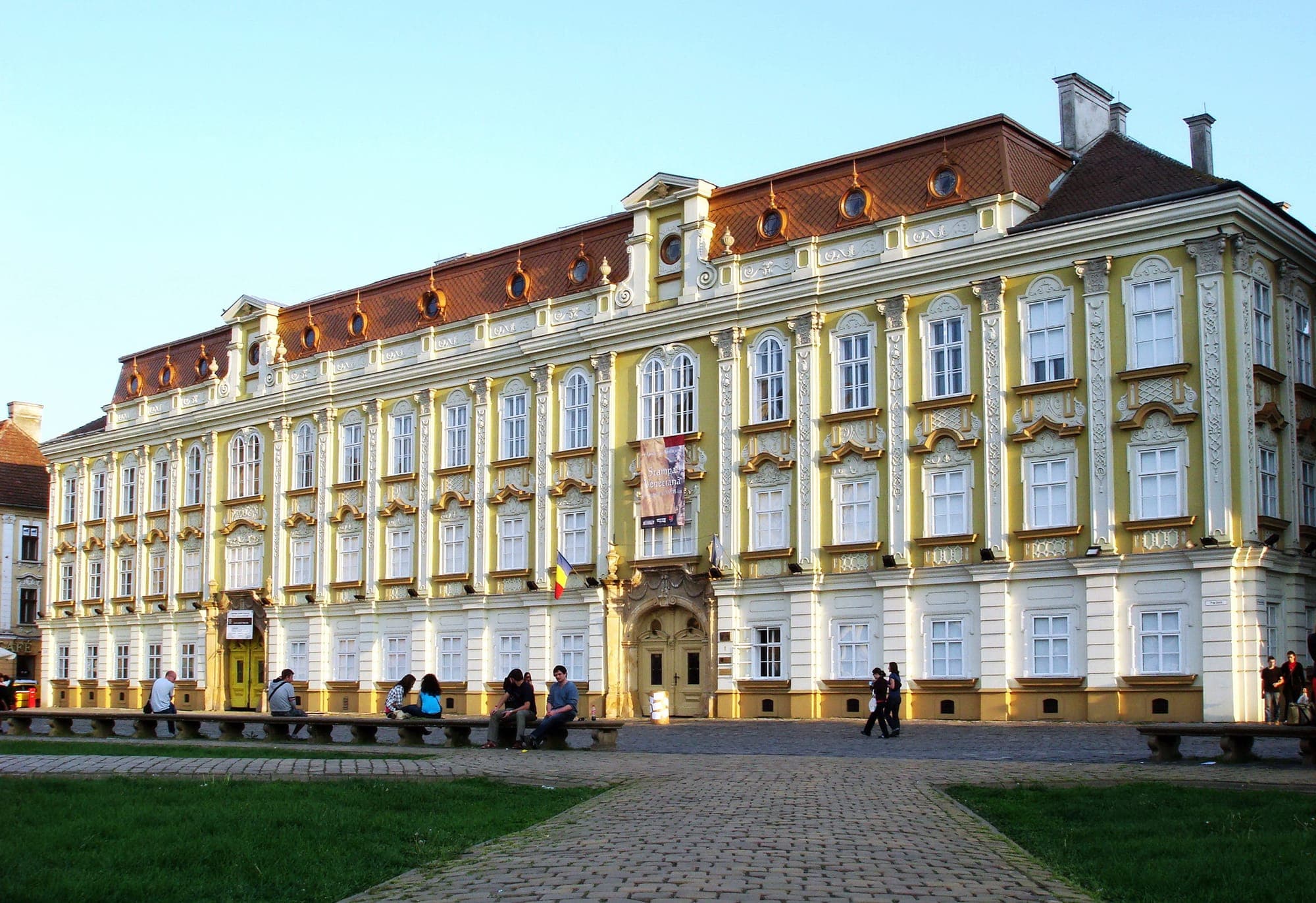
The museum in the Baroque Palace on Union Square holds old European painting, Banat and Romanian art and the Corneliu Baba collection, in a building begun in 1754.