Danube Promenade (Faleza Dunării)
Galați, GL · 255 km from Iași
Galați's 3–4 km promenade, on two levels above the Danube, with metal sculptures from the 1976–1991 camps and restaurants on boats; under redevelopment since 2026.
65 results
Galați's 3–4 km promenade, on two levels above the Danube, with metal sculptures from the 1976–1991 camps and restaurants on boats; under redevelopment since 2026.
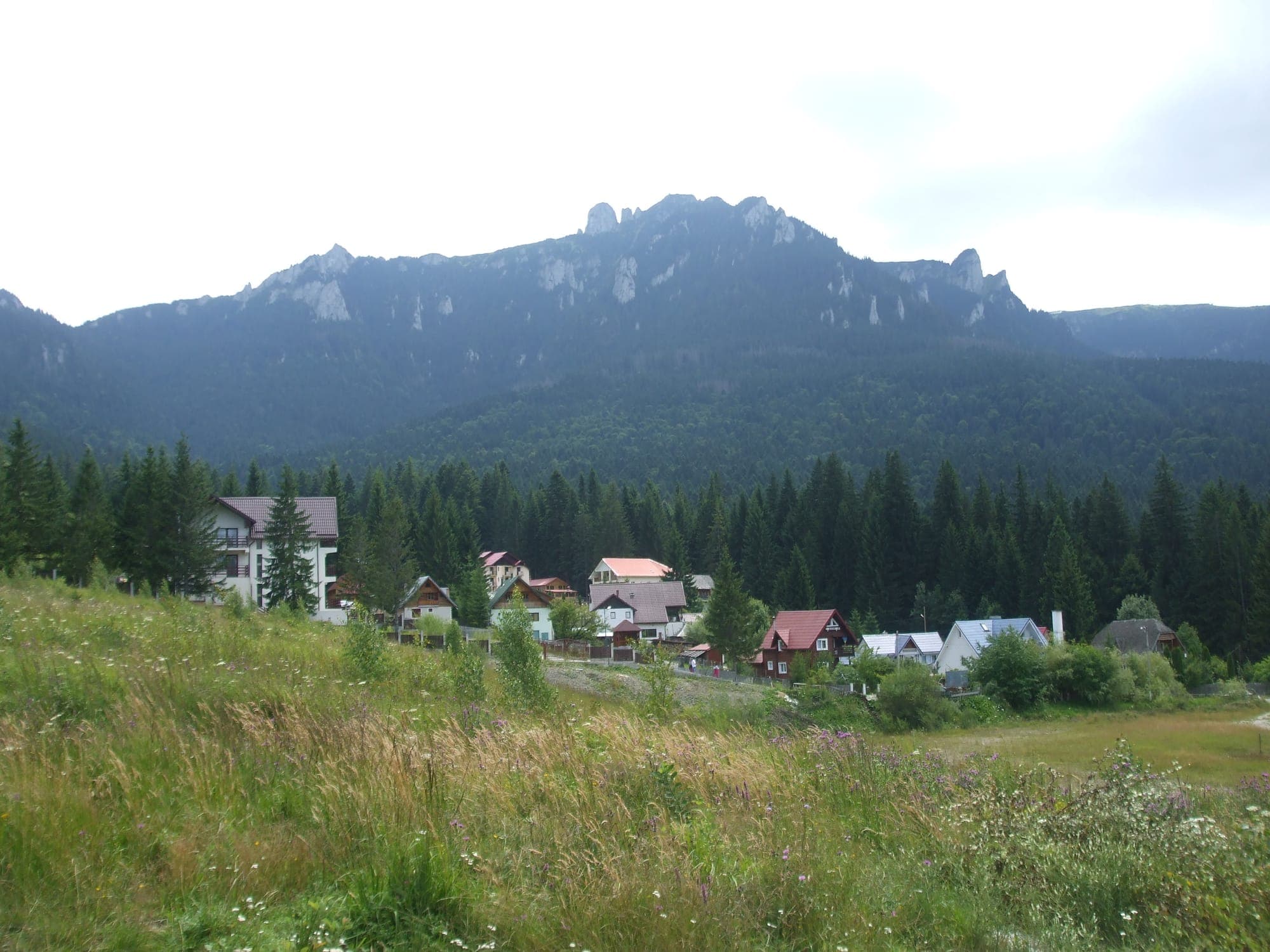
A mountain resort at ~800 m on the north-western slope of Ceahlău: the starting point for Dochia Chalet, a monastery painted by Tonitza and a ski and sledding run at the foot of the mountain.

A fortified monastery in the centre of Iași, with Vasile Lupu's church, unique in Moldavia for its classical facades and seven towers, and a tower almost 30 m high with views over the city.

The Church of Saints Peter and Paul, founded by Stephen the Great in 1495 and rebuilt in the 18th century: the cathedral of the Diocese of Huși, with the voivode's inscription preserved and a historic walled precinct.

The peasant house of logs and clay, with a shingle roof, where Ion Creangă grew up, the hero of “Memories of My Boyhood”. A museum since 1951, restored and reopened in 2024.

The two-room cottage in Țicău where Ion Creangă lived from 1872 until his death and wrote “Memories of My Boyhood”. Opened as a museum in 1918, it is Romania's first literary memorial museum.

The Eminovici family house in Ipotești, rebuilt on the foundations of the one from Mihai Eminescu's childhood, with the family's wooden church, his parents' graves and a peasant house holding an ethnographic collection.

The cathedral of the Metropolis of Moldavia, consecrated in 1887 in the centre of Iași and home to the relics of Saint Parascheva, which draw hundreds of thousands of pilgrims every October.
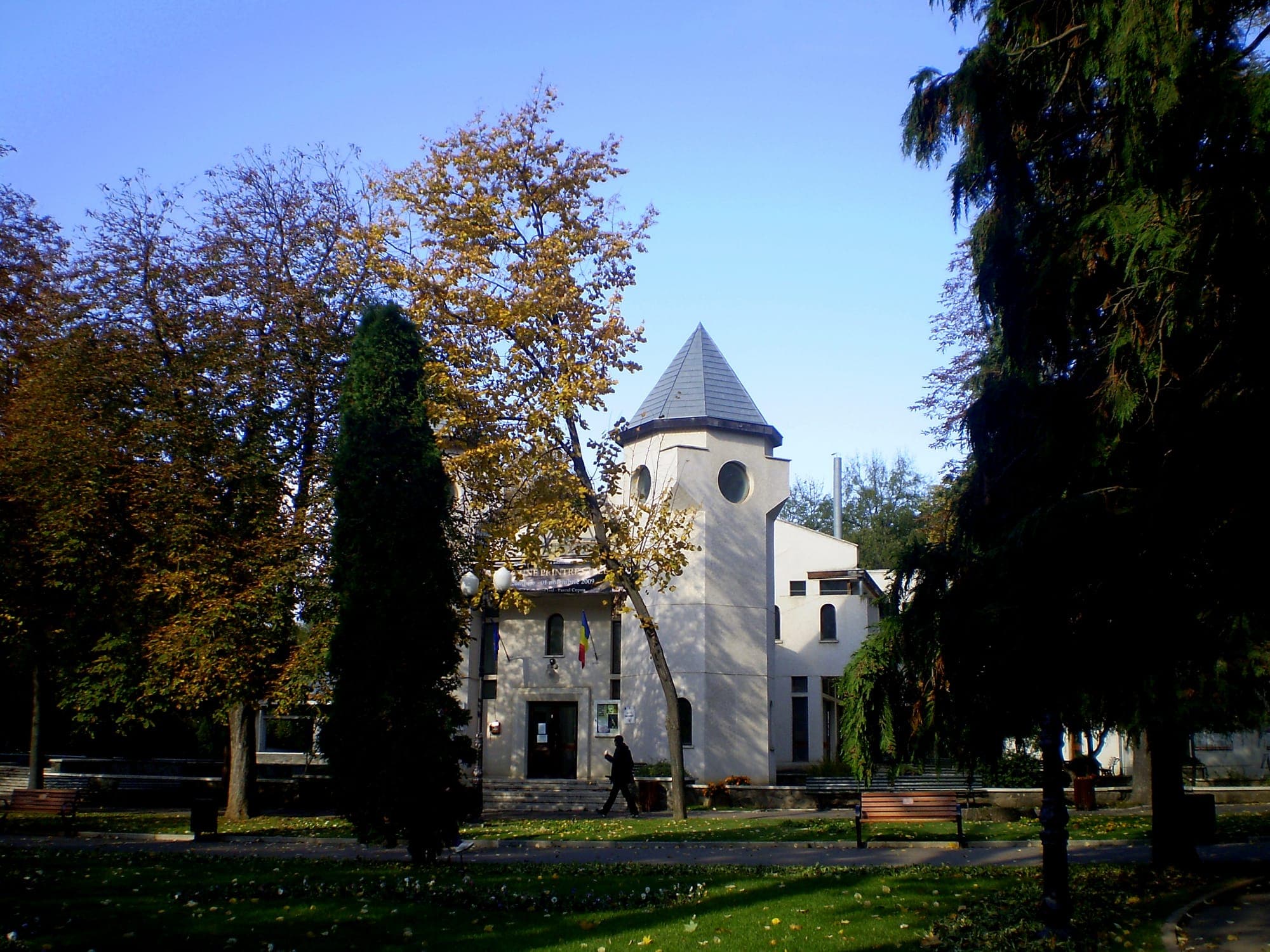
A modernist museum in the heart of Copou Park, opened in 1989, with old editions, photocopies of the poet's manuscripts, photographs and a collection of fine art.
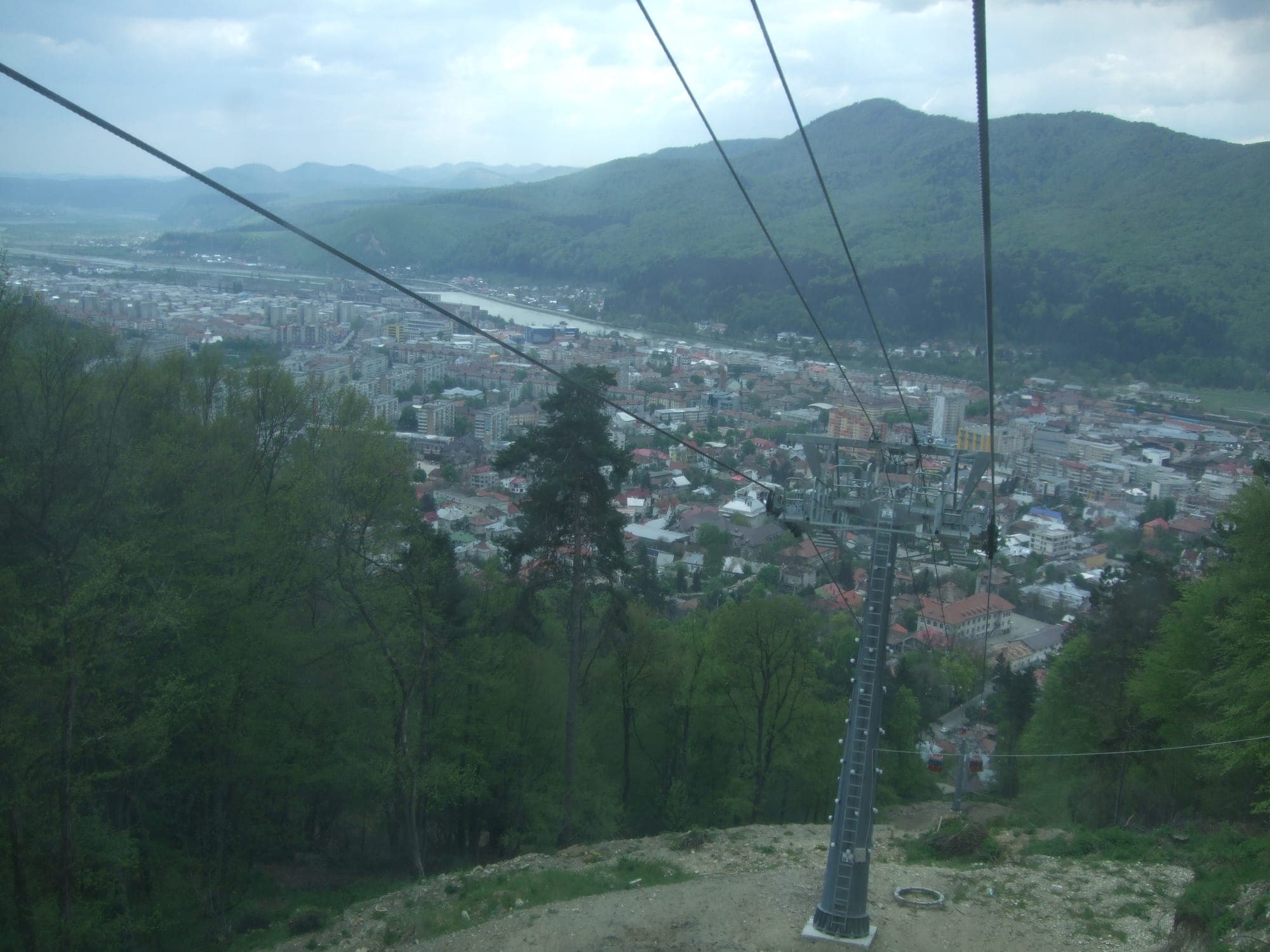
Cozla Hill above the town of Piatra Neamț, 8 minutes from the centre by gondola: a panoramic terrace towards Lake Bâtca Doamnei and Ceahlău, forest and footpaths. The ski slope here no longer operates.
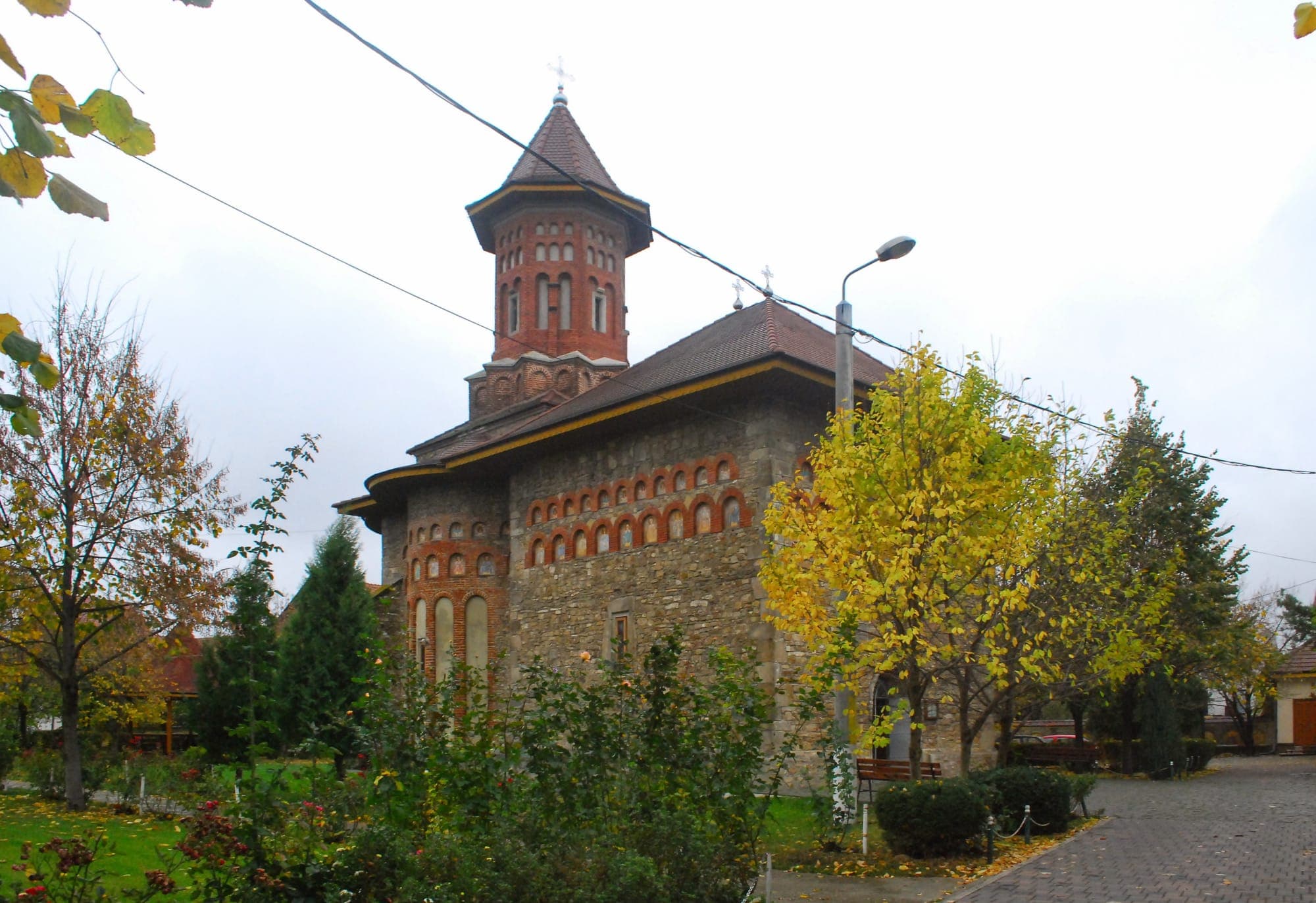
The church built in 1489–1491 by Alexandru, son of Stephen the Great, on 9 Mai Street in Bacău: a trefoil plan, an octagonal tower and rows of brick niches, next to the ruins of the princely court.
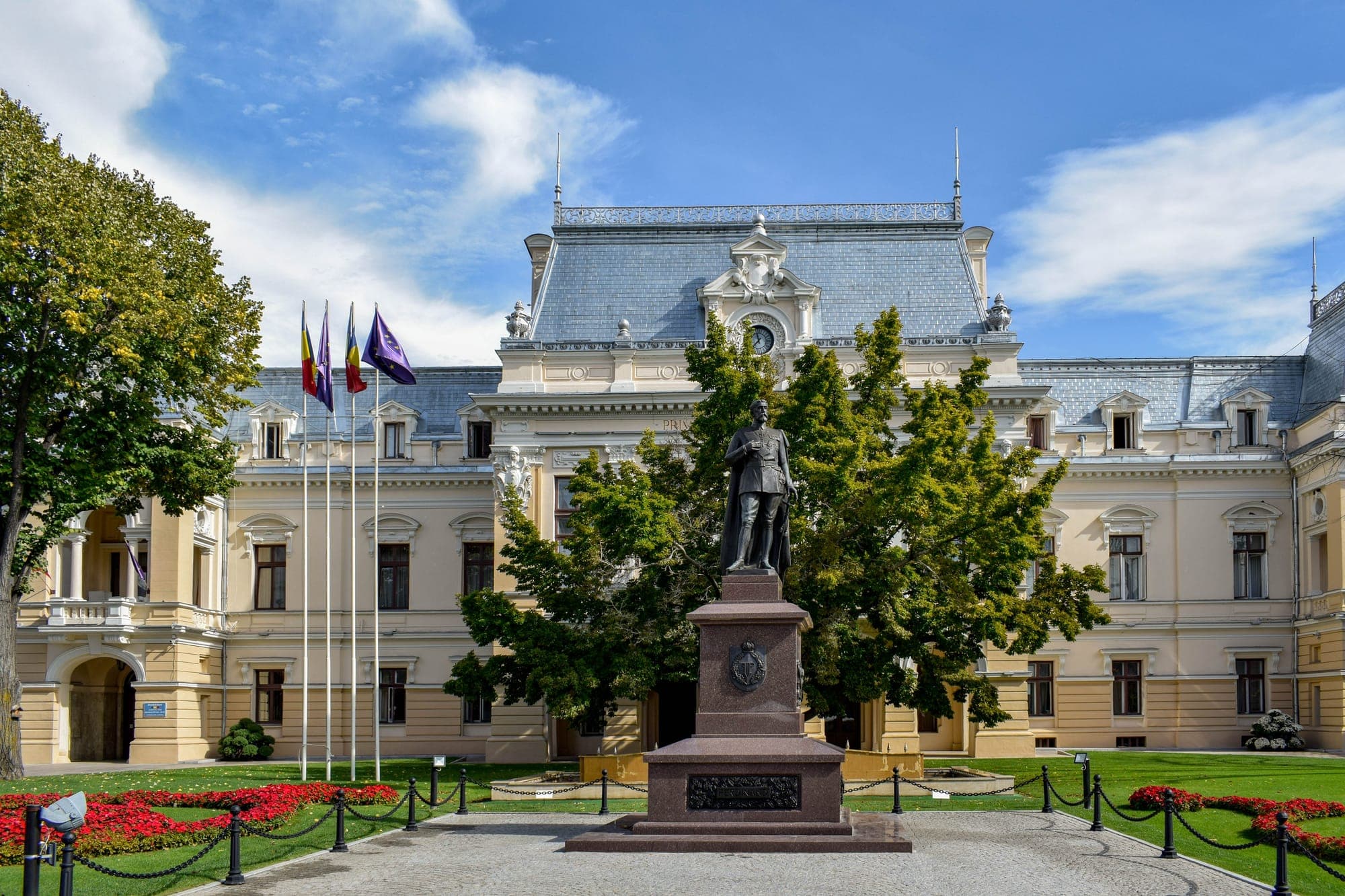
A Neoclassical palace rebuilt in 1830–1833 on Bulevardul Ștefan cel Mare și Sfânt, home to the Iași city hall; the façade can be seen from the boulevard, and the interior is visited by appointment.
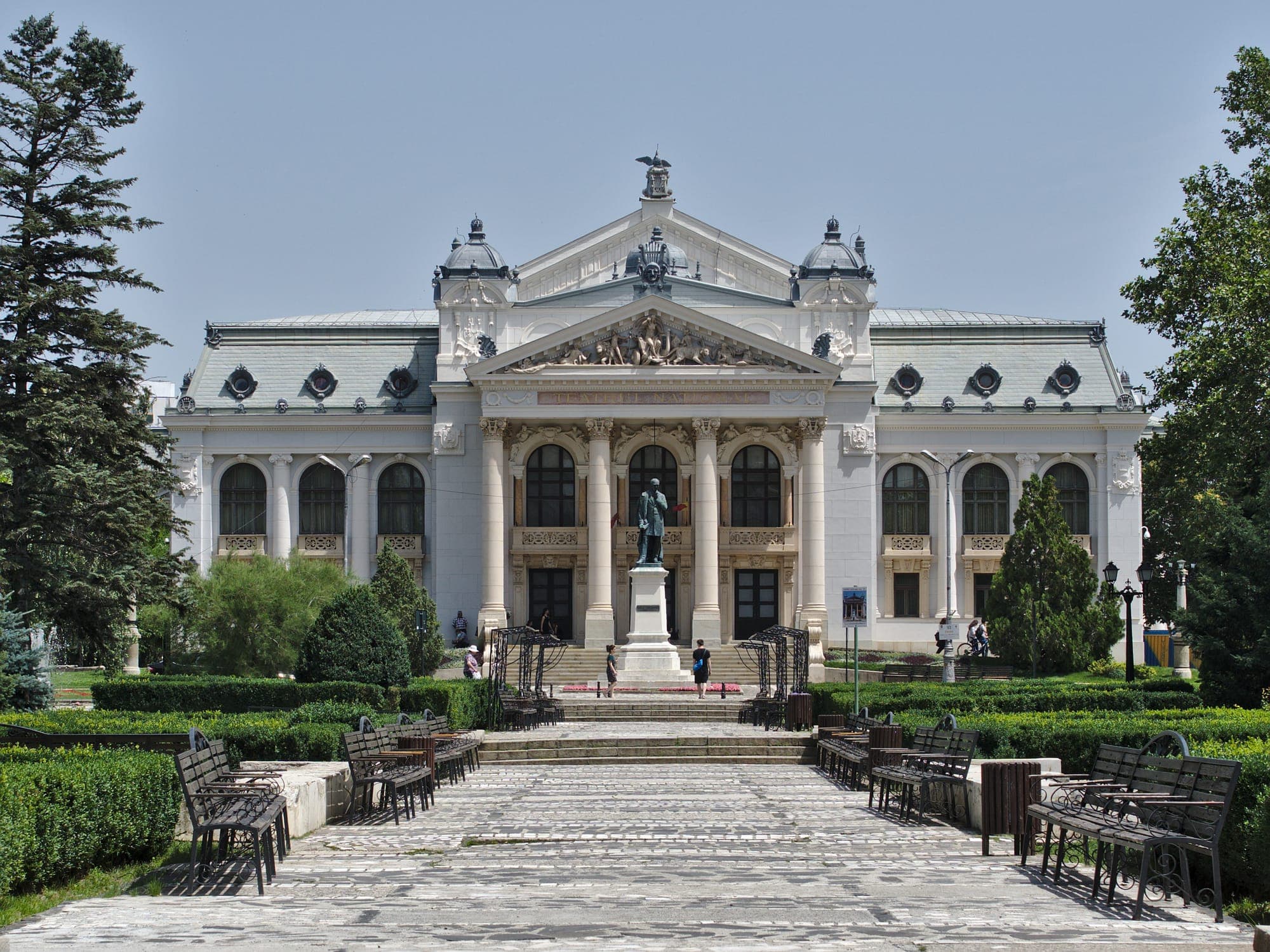
The Iași National Theatre building, designed by Fellner & Helmer and opened in 1896: an Ionic portico façade and a rococo auditorium with 740 seats, shared with the Romanian National Opera.
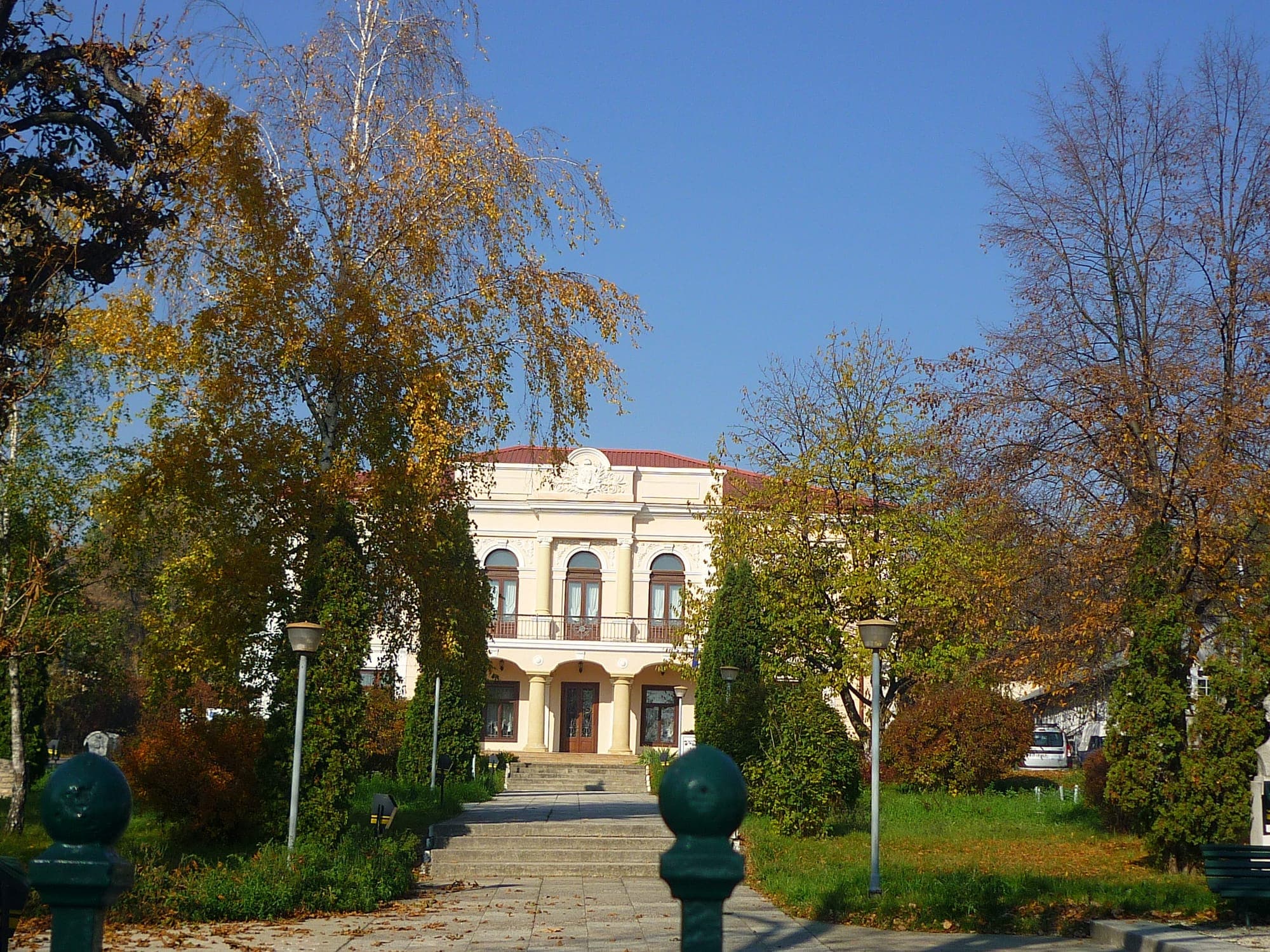
The house in Copou where the “Junimea” society met and the magazine “Convorbiri literare” was published. A museum since 1972, redesigned around Junimea, with interactive panels and art installations.

A monks' skete hidden among fir trees near Neamț Monastery, with a church of 1849–1857 painted on the outside too and the house of Metropolitan Visarion Puiu, where Mihail Sadoveanu lived, now a memorial museum.