Snagov Monastery
Snagov, IF · 44 km from Bucharest
A princely monastery on an island in Lake Snagov, with the exposed-brick church raised by Neagoe Basarab in 1521, paintings from 1563 and the grave that tradition attributes to Vlad the Impaler.
164 results
A princely monastery on an island in Lake Snagov, with the exposed-brick church raised by Neagoe Basarab in 1521, paintings from 1563 and the grave that tradition attributes to Vlad the Impaler.

The princely court built by Constantin Brâncoveanu in 1698 for his eldest son, with a loggia-fronted palace, walled courtyards and restored gardens, ~50 km from Bucharest.
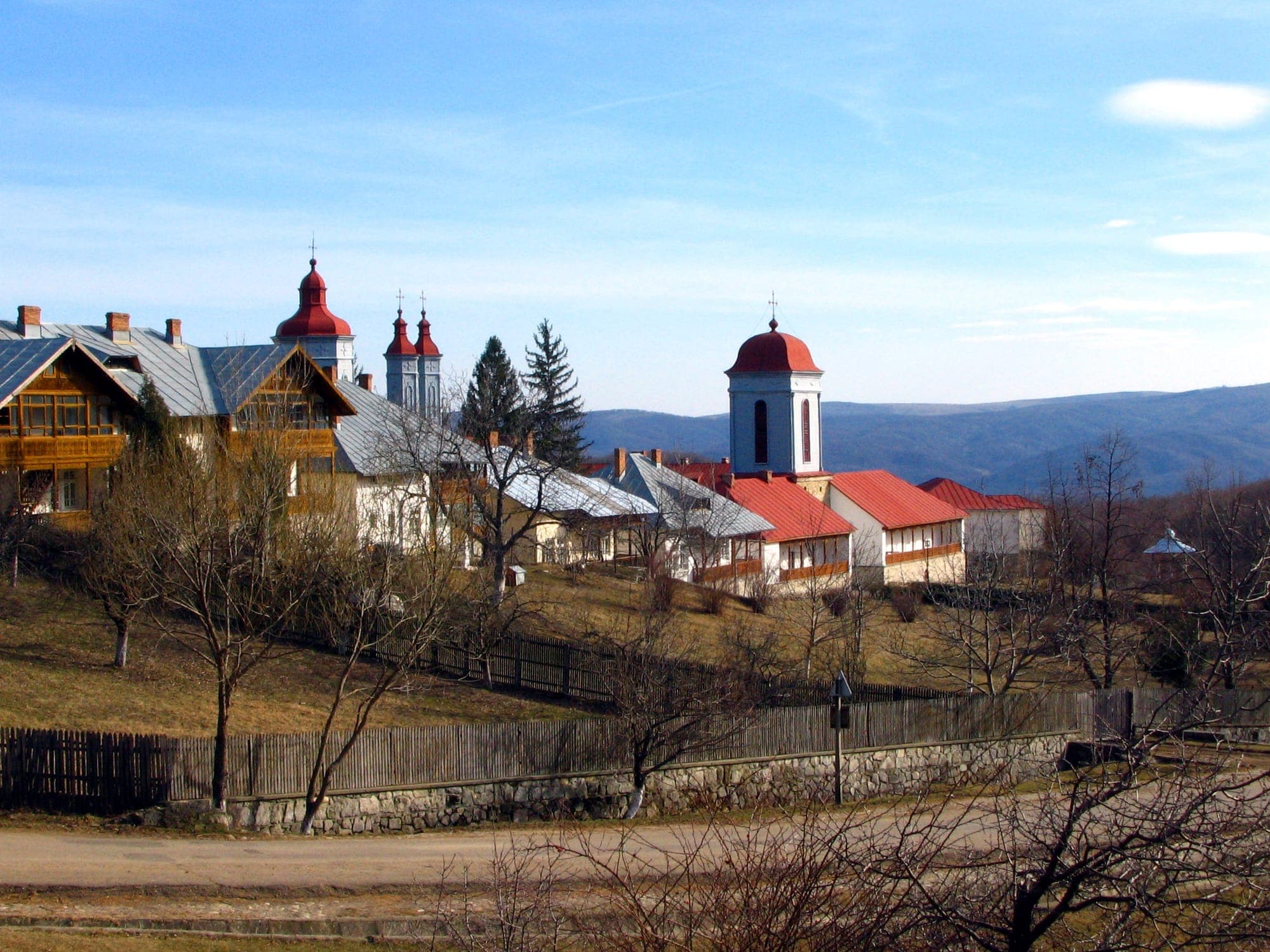
A monastery of monks in the Nișcov valley, first documented in 1600, with a large church built in 1823–1828 and an older one from the 16th century; the Măgura Sculpture Camp lies beside it.

The monastery built by the sword-bearer Mihail Cantacuzino in 1690–1695 that gave the town its name: the old church with Pârvu Mutu's frescoes, the great church rebuilt for Carol I and a museum holding the Bucharest Bible.

A thermal and wellness complex on the edge of Bucharest, on the DN1: geothermal pools under a glass dome full of palm trees, water slides, saunas and a sandy beach open in summer.

The last stretch of free-flooding Danube floodplain between Giurgeni and Brăila: seven river islands, 52 lakes and over 200 bird species, reached only by boat.

The capital's zoological garden, open since 1959 in Băneasa Forest, with tigers, lions, bears, wolves, zebras, monkeys and more than 150 species on almost 6 hectares.
The manor, family chapel with crypt and park where the statesman Ion Ghica lived and is buried, now being restored by his heirs; open at events or by appointment.

A reservoir on the Ialomița at 1,438 m, in the heart of the Bucegi Mountains, held back by a 55 m stone dam and ringed by spruce forest, between the Tătaru and Zănoaga gorges.

The University of Bucharest's botanical garden, in Cotroceni: more than 18 hectares with a rose garden, an Italian garden, a lake with an island, greenhouses with palms and orchids, and a botanical museum.

A spa resort on the Bărăgan plain, on the shore of Lake Amara, sought out for more than a century for its sapropelic mud, used to treat rheumatism. It has treatment centres in its hotels, lakeside beaches and an arboretum.
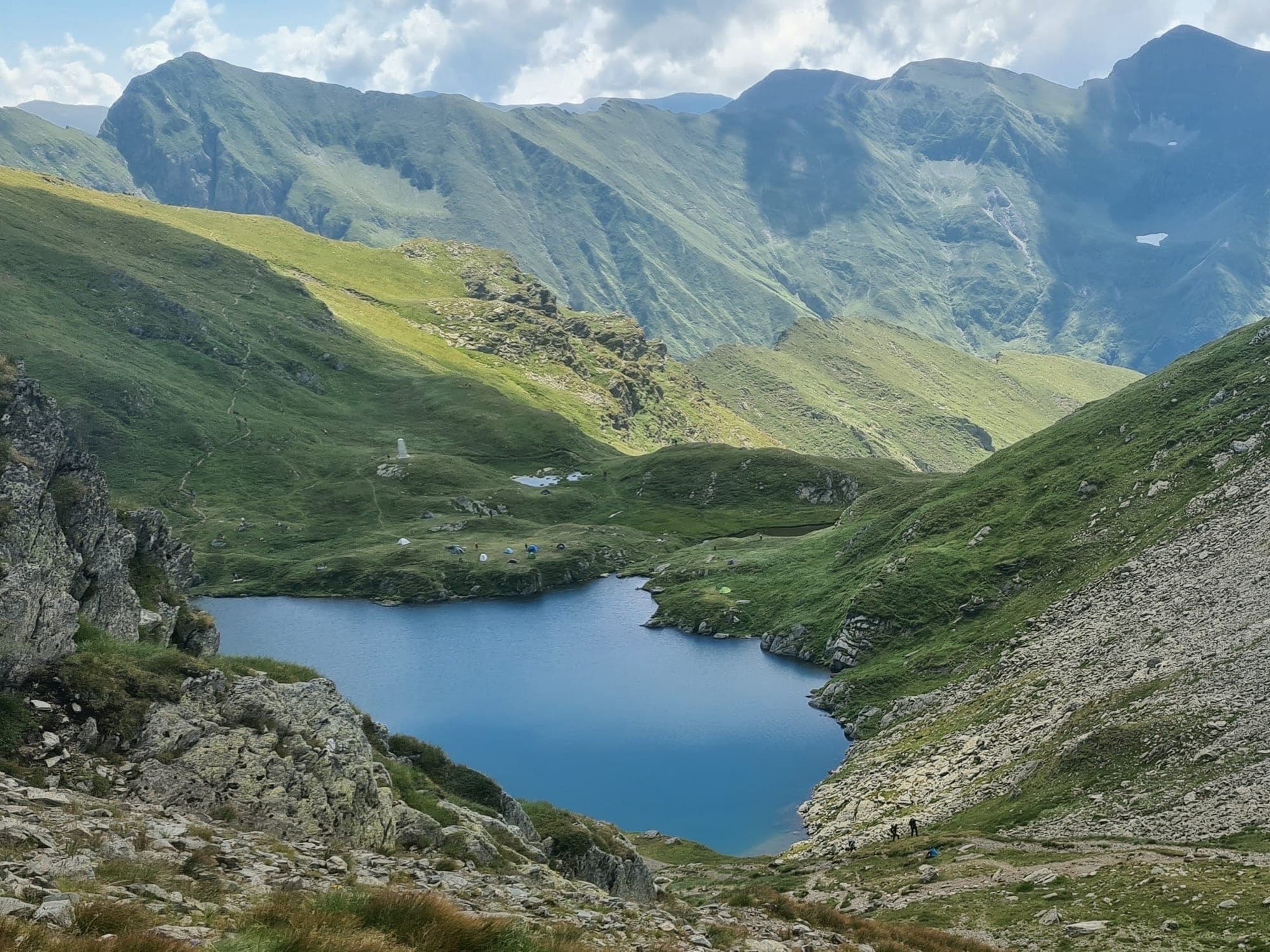
A glacial lake at 2,230 m on the southern side of the Făgăraș Mountains, just below the ridge; about an hour's walk from Bâlea Lake, over the Capra saddle.

A waterfall on the rock step at the head of the Jepi valley, below the Caraiman chalet in the Bucegi; it only flows in full in late spring and early summer, hence its nickname of the ‘ghost waterfall’.
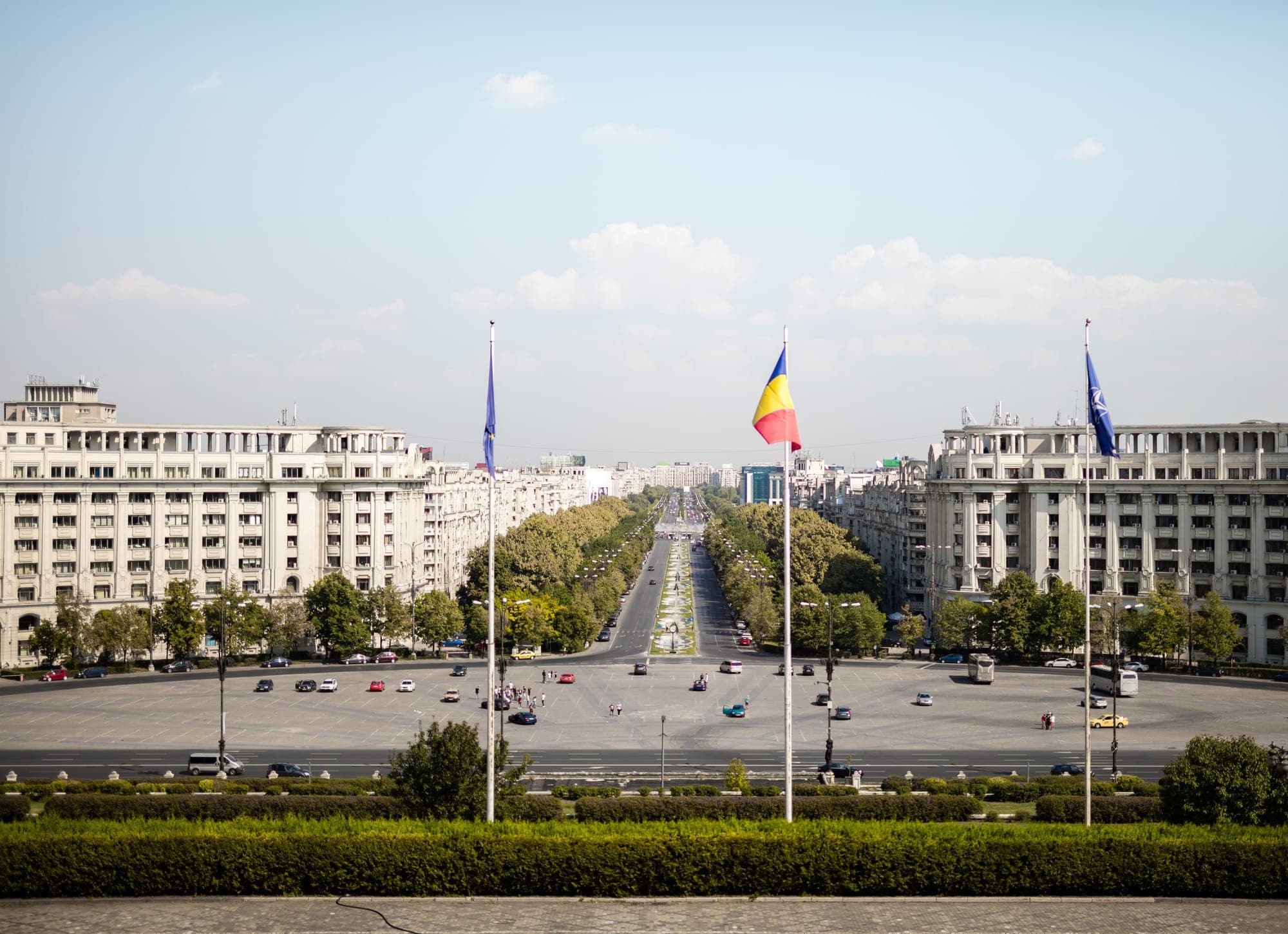
The wide esplanade in front of the Palace of the Parliament, at the end of Bulevardul Unirii: a venue for big concerts and New Year's Eve shows and home to the Bucharest Christmas Market.

A small, easy-to-visit cave on the Rucăr–Bran corridor, in Piatra Craiului National Park: a dry gallery carved by the Dâmbovicioara stream, with about 250 m laid out and lit.