Căldărușani Monastery
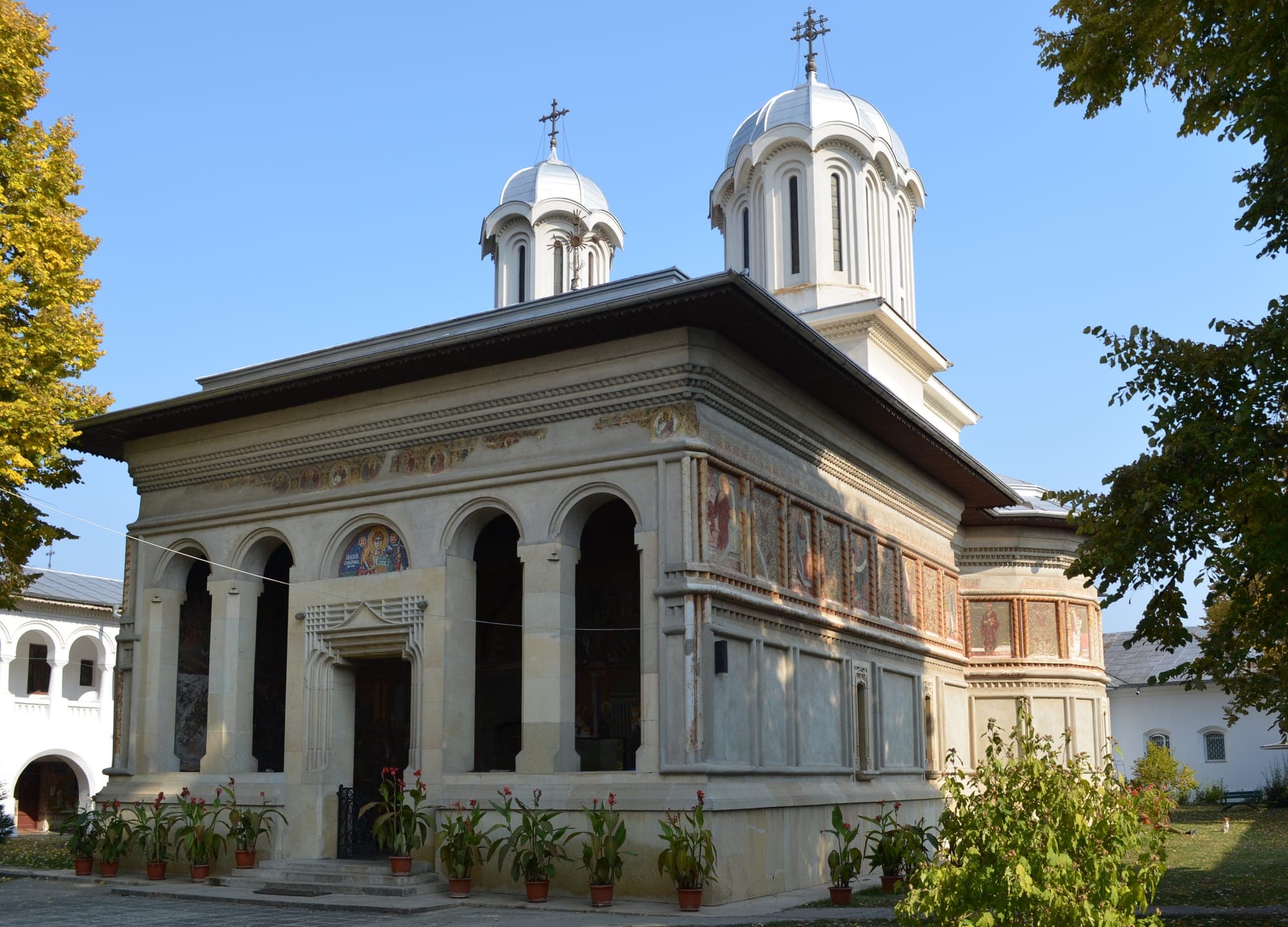
A monastery founded in 1638 by Matei Basarab on a peninsula of Lake Căldărușani, with fortress walls, a great three-towered church, the relics of St Gregory the Teacher and three museum collections.
164 results

A monastery founded in 1638 by Matei Basarab on a peninsula of Lake Căldărușani, with fortress walls, a great three-towered church, the relics of St Gregory the Teacher and three museum collections.

A park of about 26 hectares in Sector 2, laid out in 1961 on a former clay pit, with a lake of lotus and pond turtles, next to the Globus Circus.

A Brâncoveanu-style church of exposed brick, built in 1720–1722 on Calea Victoriei near Revolution Square, with an open porch on stone columns, two towers and the original painting in the porch.

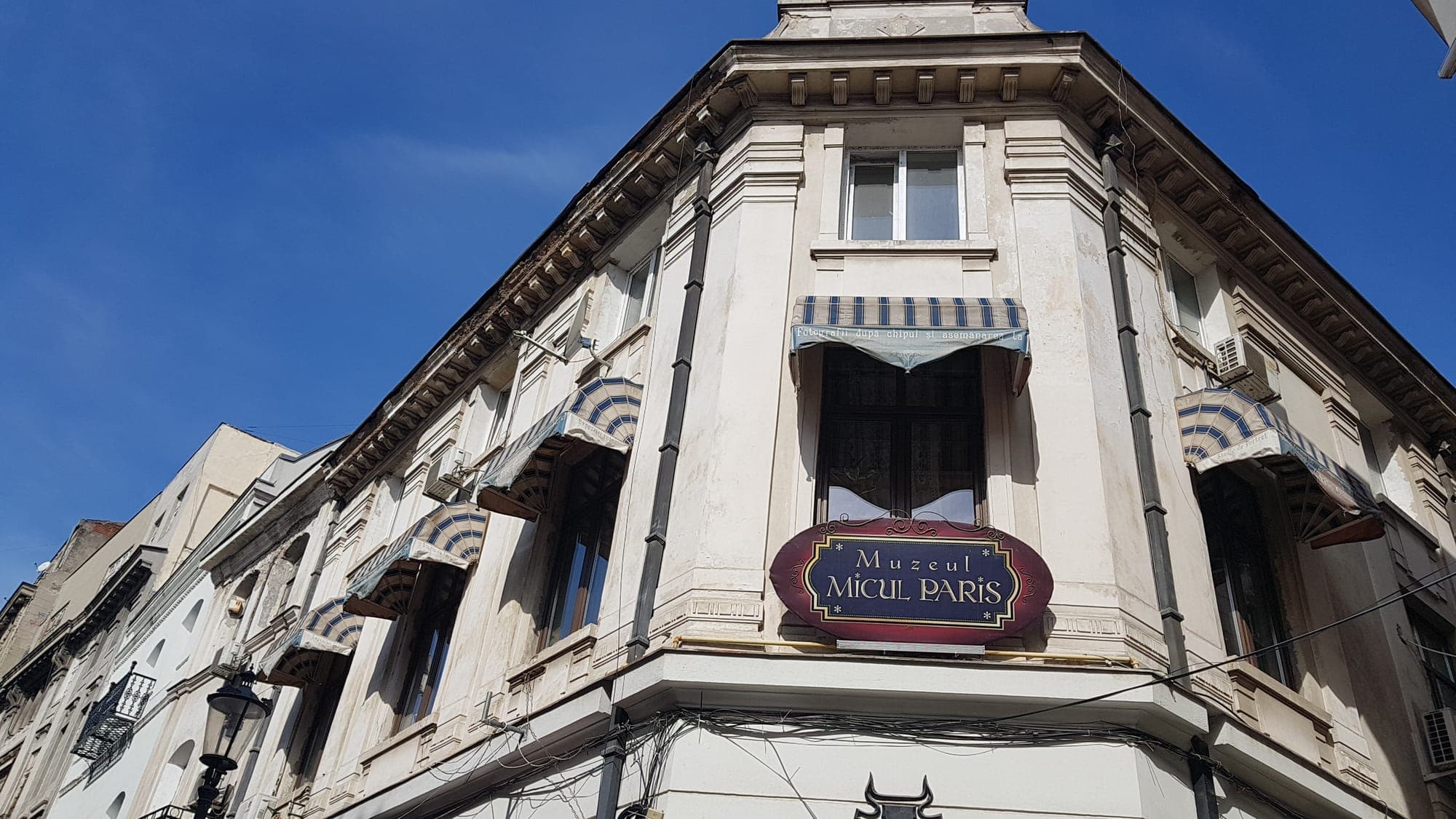
A private museum on Strada Lipscani, in a flat that recreates the home of a Bucharest family of old, with a French salon, an Oriental salon and more than 1,000 period objects.

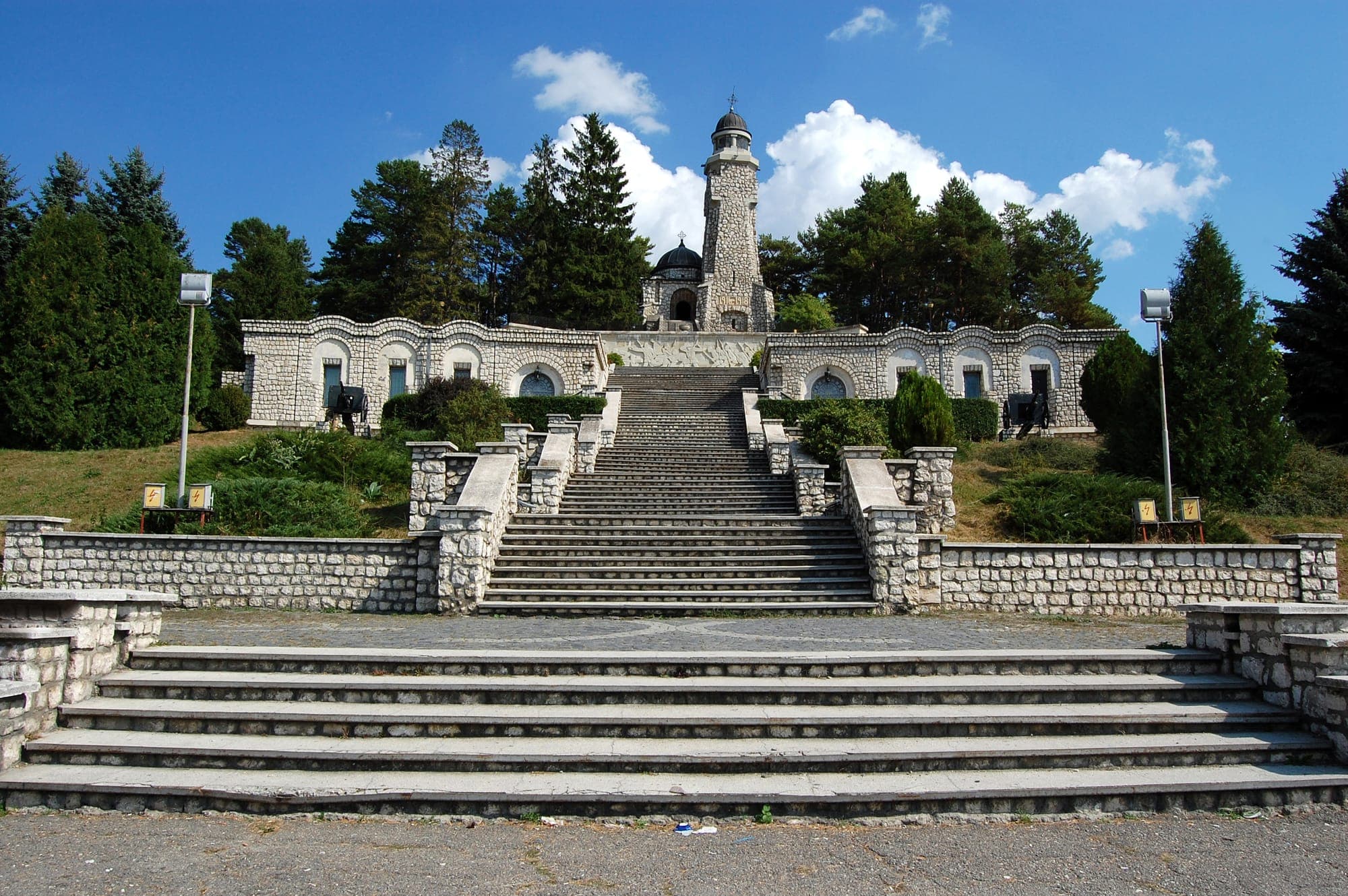
The First World War heroes' mausoleum on Mateiaș Hill, built between 1928 and 1935 beside the DN73 on the site of the autumn 1916 fighting, with an ossuary, a bas-relief and two museum rooms.

A palace in central Bucharest, built in 1911–1923 to plans by Dimitrie Maimarolu, with a façade of Corinthian columns, steps down to the Sărindar Fountain and richly decorated ceremonial halls.

A foundation of 1648–1649 by Matei Basarab and Lady Elina on the bank of the Argeș: a three-towered church with 19th-century frescoes, restored with EU funds and reconsecrated in 2016.

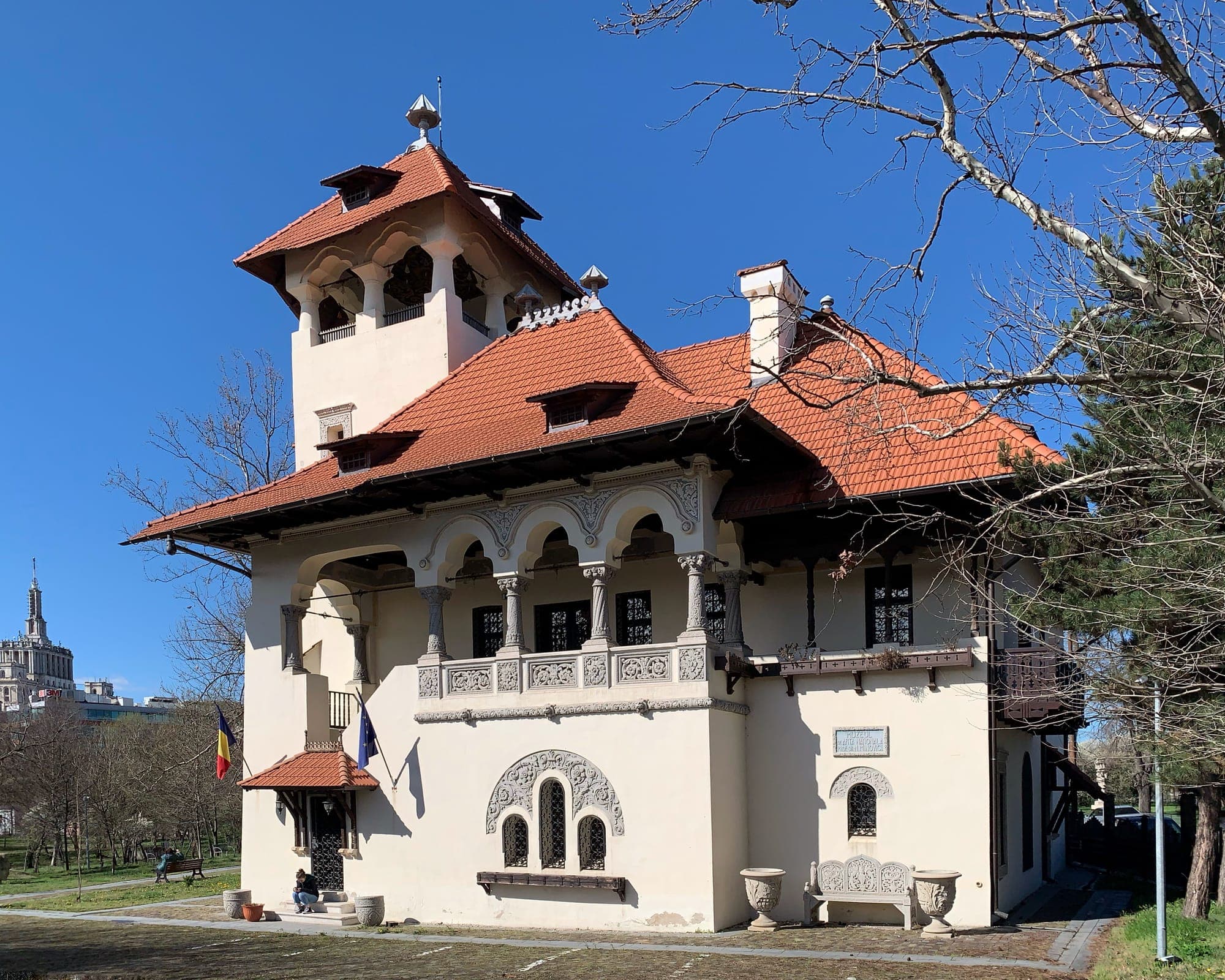
The Dr. Nicolae Minovici Folk Art Museum, also known as the Villa with Little Bells: a Neo-Romanian villa of 1905 that became Bucharest's first folk art museum.

A convent founded in 1813 near Bucharest, with a great church built by St Calinic of Cernica, nuns' houses with verandas, a museum collection and a cemetery with artists' graves.

An Orthodox church in Sector 2, built in 1910–1918 to plans by Cristofi Cerchez, with a porch on eight columns, two towers and interior painting redone after the 1977 earthquake.

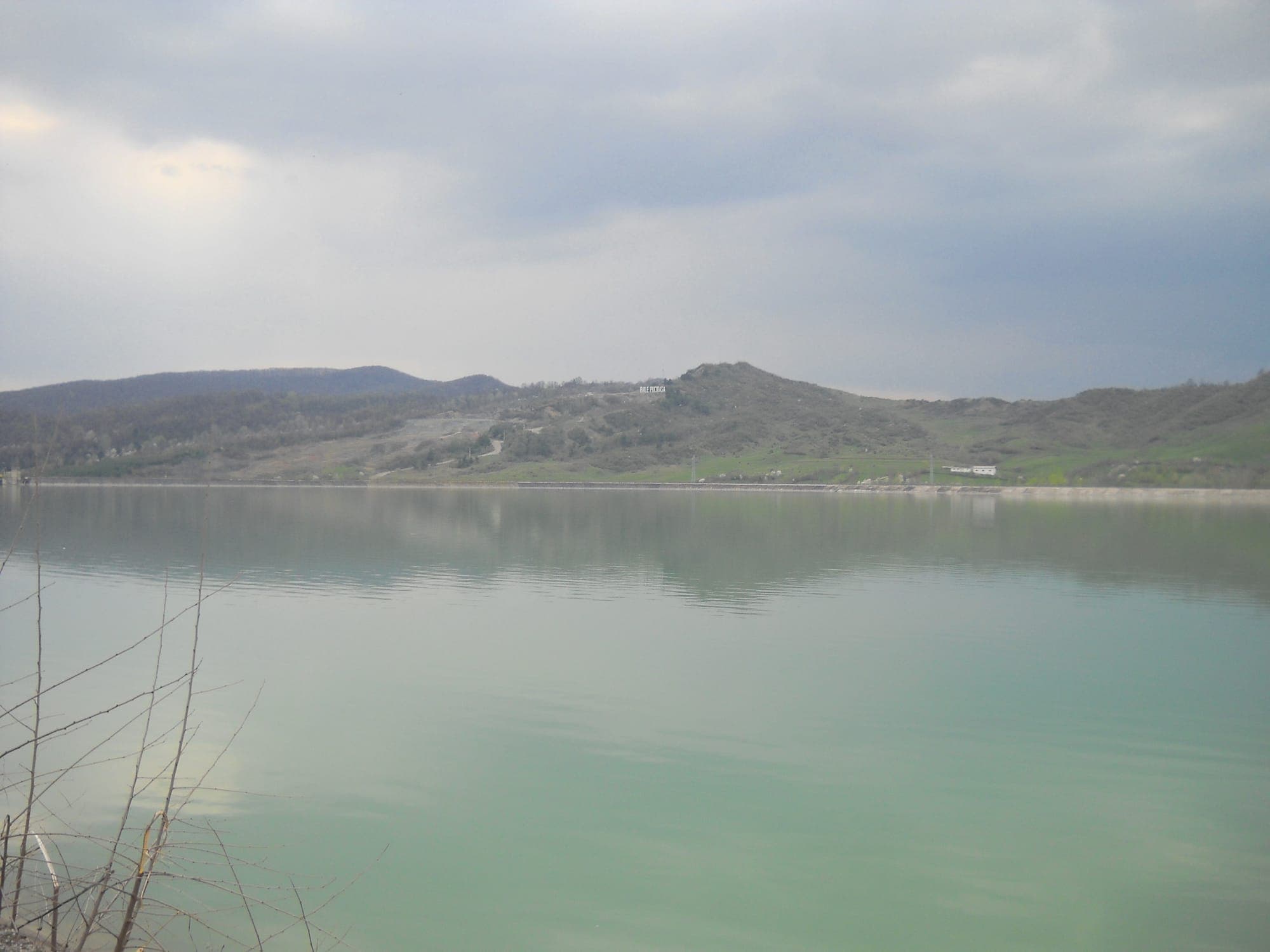
A spa and climatic resort in the Ialomița valley, with sulphurous waters discovered in 1828, treatment centres, a historic park in the centre and a reservoir lake with wild ducks.

Melik House, an 18th-century merchant's house in the Armenian Quarter, holds the Răut collection: canvases and over 800 drawings and engravings by Theodor Pallady, alongside European art and decorative objects.

The ruins of a medieval fortress on the Danube bank, documented in the time of Mircea the Elder and held by the Ottomans until 1829, with a consolidated round central tower.

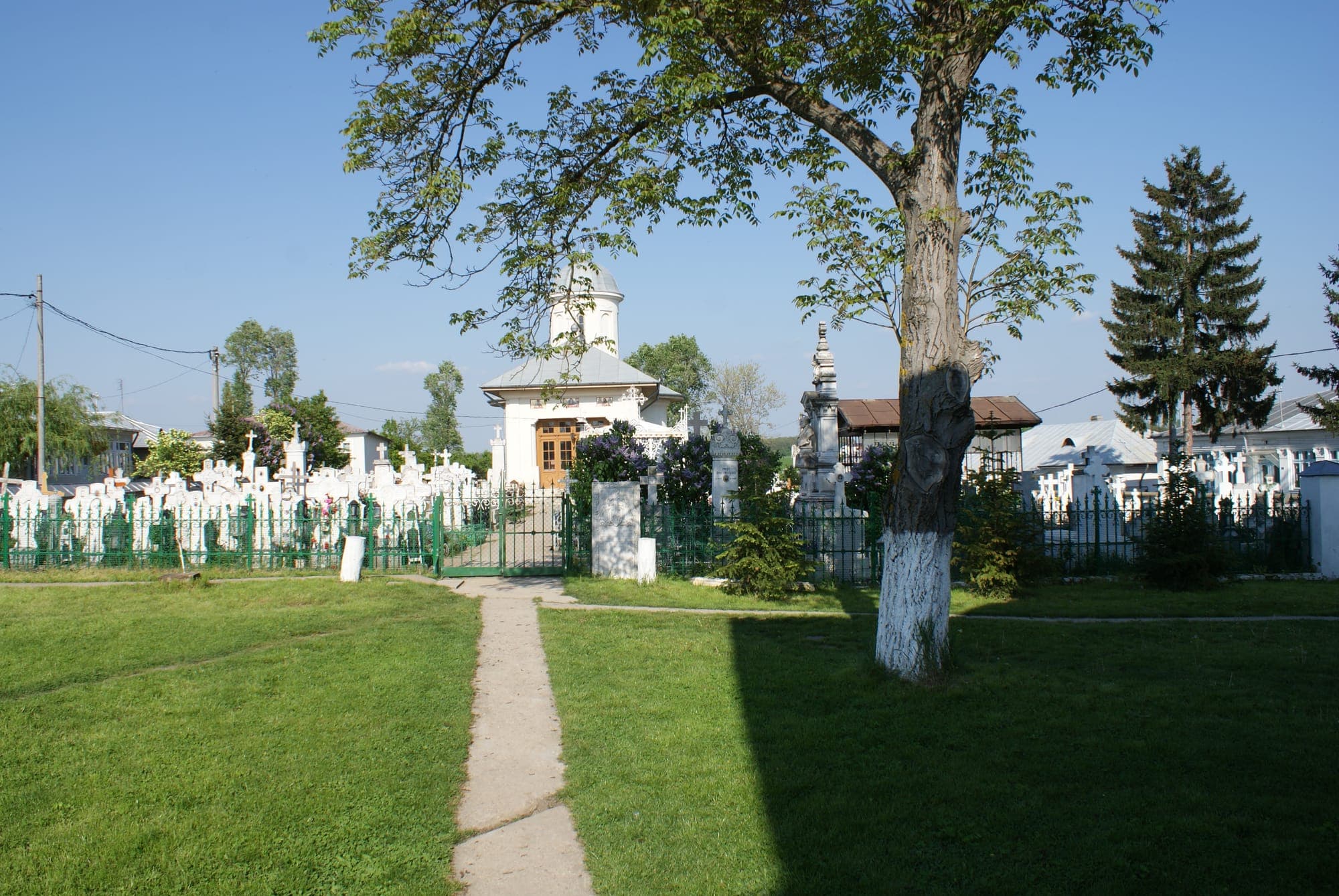
A wooden church of 1808, built by the village's free peasants, with its original painting kept on the iconostasis and a masonry porch of 1869 painted in bright colours.