An active cave in the Trascău Mountains, with a portal almost 40 m high in the limestone wall and an underground river of lakes and waterfalls, visited only on guided tours in a wetsuit.
The northernmost bastion of Roman Dacia: the fort with its reconstructed gates, the paved imperial road, the civil town and the amphitheatre, on the hills at Moigrad in Sălaj.
Monuments and historic sitesFortresses and fortificationsUNESCO
Romania's first open-air museum, on Hoia hill: farmsteads, workshops, peasant installations and three wooden churches gathered over ~16 hectares into a scattered village.
Museums and memorial housesVillages and traditions
The zoo in the Dumbrava forest, opened in 1929 and considered the first in Romania, with tigers, lions, jaguars, white wolves, bears and lakes where you can go boating.
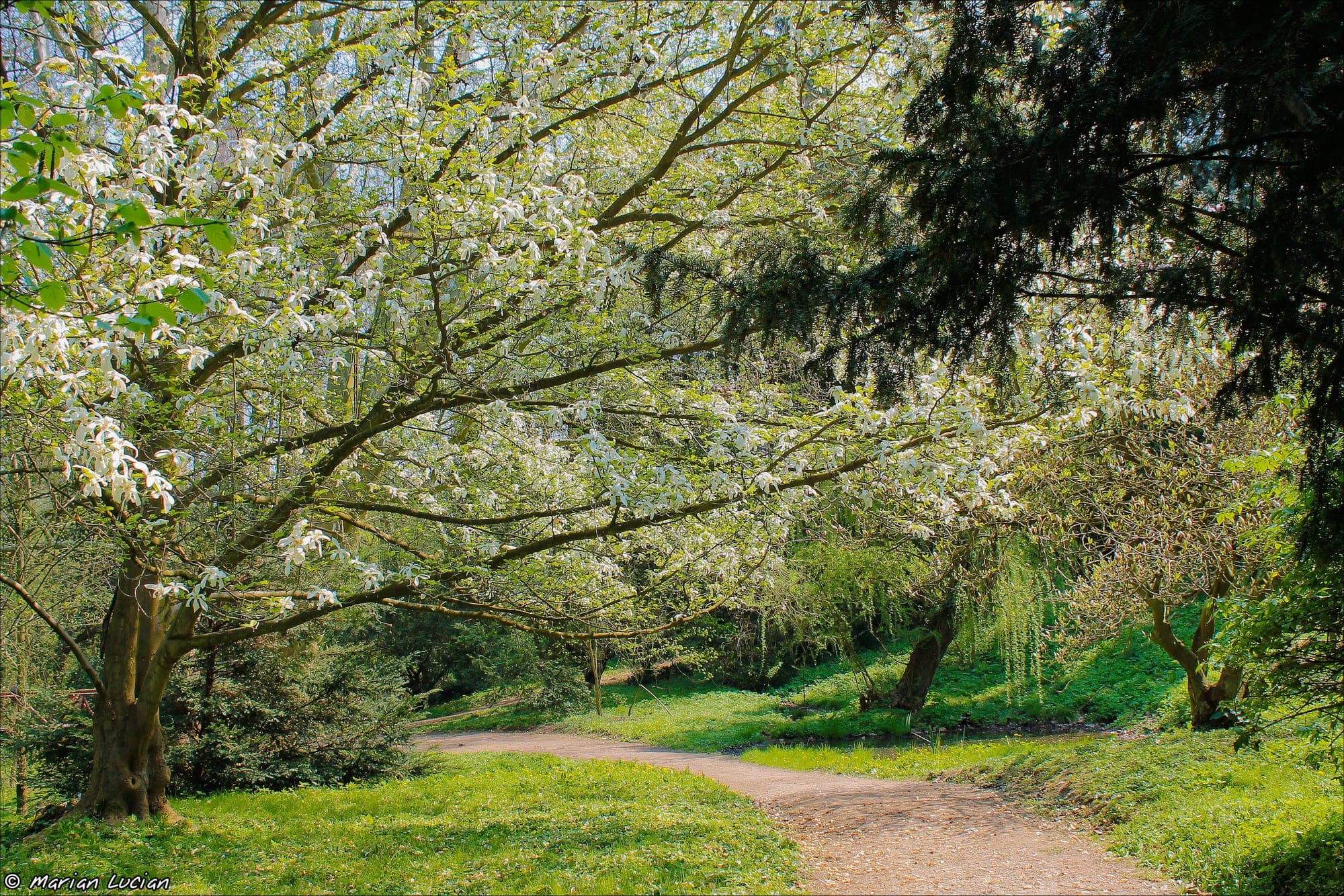
Romania's oldest dendrological park, on almost 70 hectares beside the Mureș: more than 2,000 taxa, magnolias in spring and paths among centuries-old trees.
The zoo on the Cornești Plateau, open since 1964 and now spread over 42 hectares of forest, with elephants, giraffes, gibbons, tigers, lions and bears, the largest in Romania by area.
A botanical garden of almost 24 hectares in the former park of the Wesselényi castle: a Japanese garden with lakes and pavilions, greenhouses with palms and cacti, aquariums and thousands of tulips in spring.
Romania's deepest glacial lake, 29 m deep, at almost 2,000 m in the south-west of Retezat National Park; it can only be reached on foot, on a long day hike.
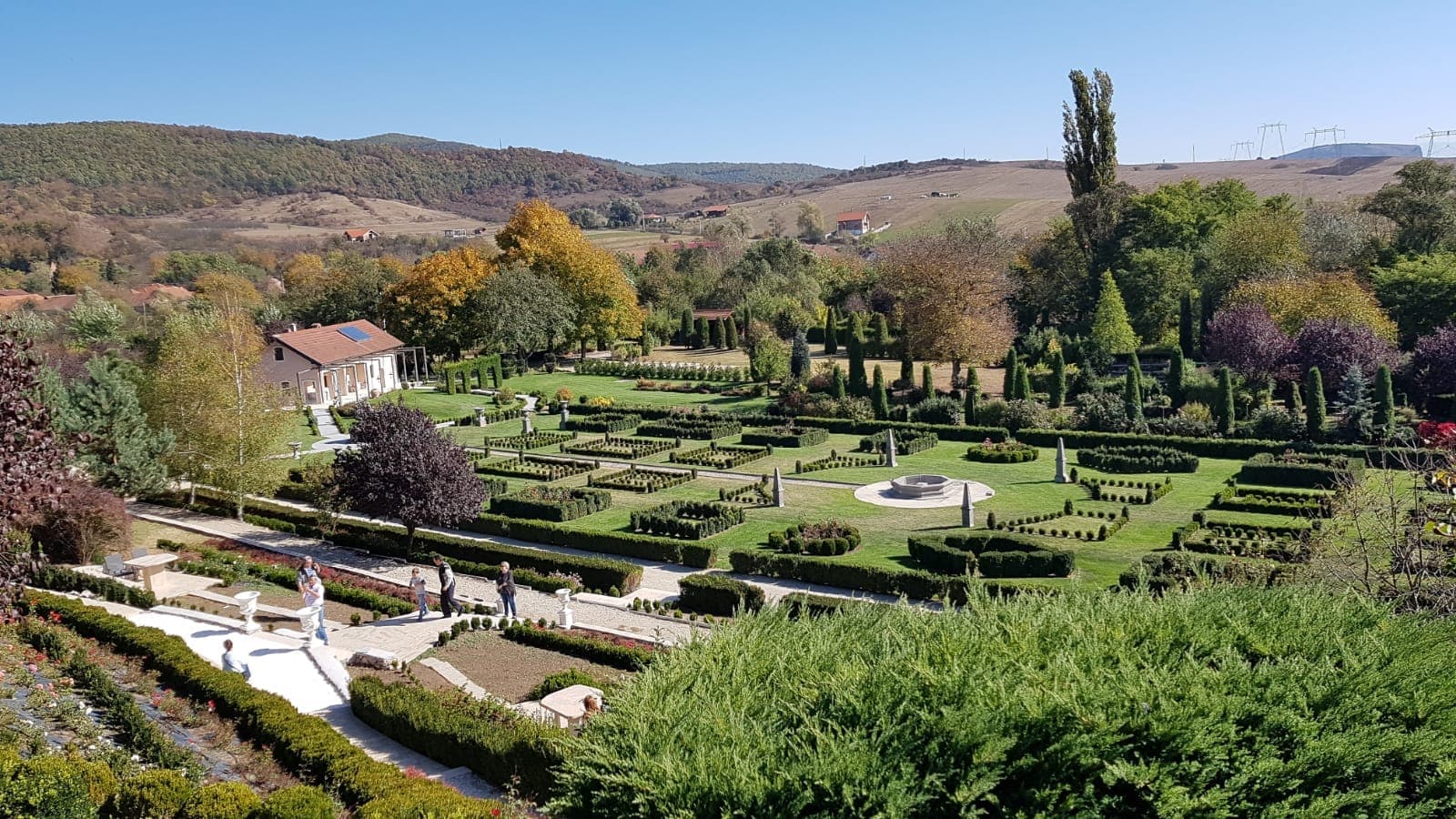
A private Italian-style garden at Banpotoc, near Deva: travertine paths, geometrically clipped hedges, fountains and vases brought from Italy, over almost 3.5 hectares, open to the public since 2018.
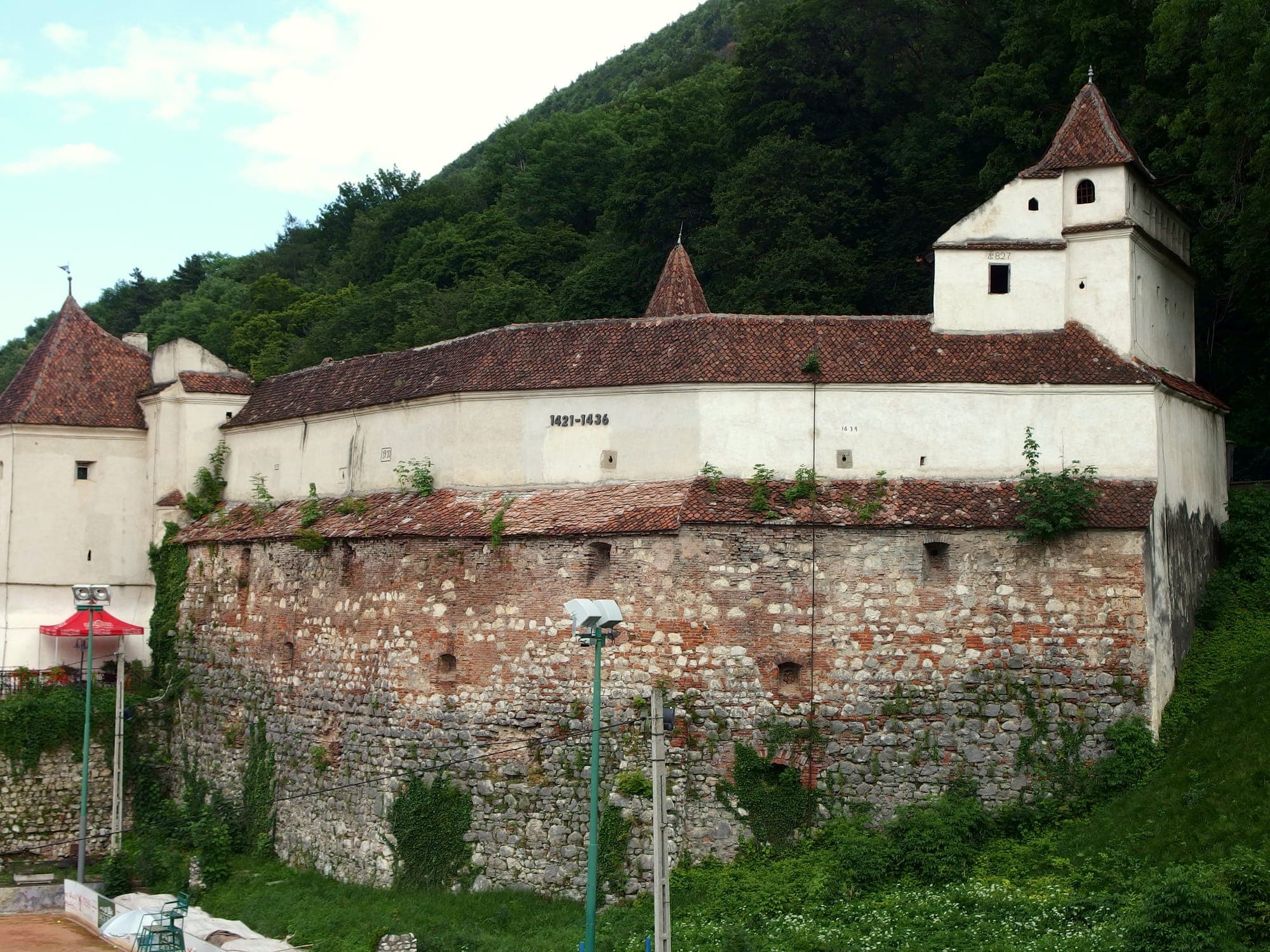
The best-preserved bastion of Brașov's city walls, built by the weavers' guild in the 15th and 16th centuries, with timber galleries on four levels and a model of the medieval town.
Fortresses and fortificationsMuseums and memorial houses