Măieruș Fortified Church
A Gothic Evangelical church of the 14th–15th centuries, with a white bell tower, fragments of the enclosure wall and an interior with a neoclassical altar joined to the organ, on the bank of the Olt, ~30 km from Brașov.
71 results

A Gothic Evangelical church of the 14th–15th centuries, with a white bell tower, fragments of the enclosure wall and an interior with a neoclassical altar joined to the organ, on the bank of the Olt, ~30 km from Brașov.

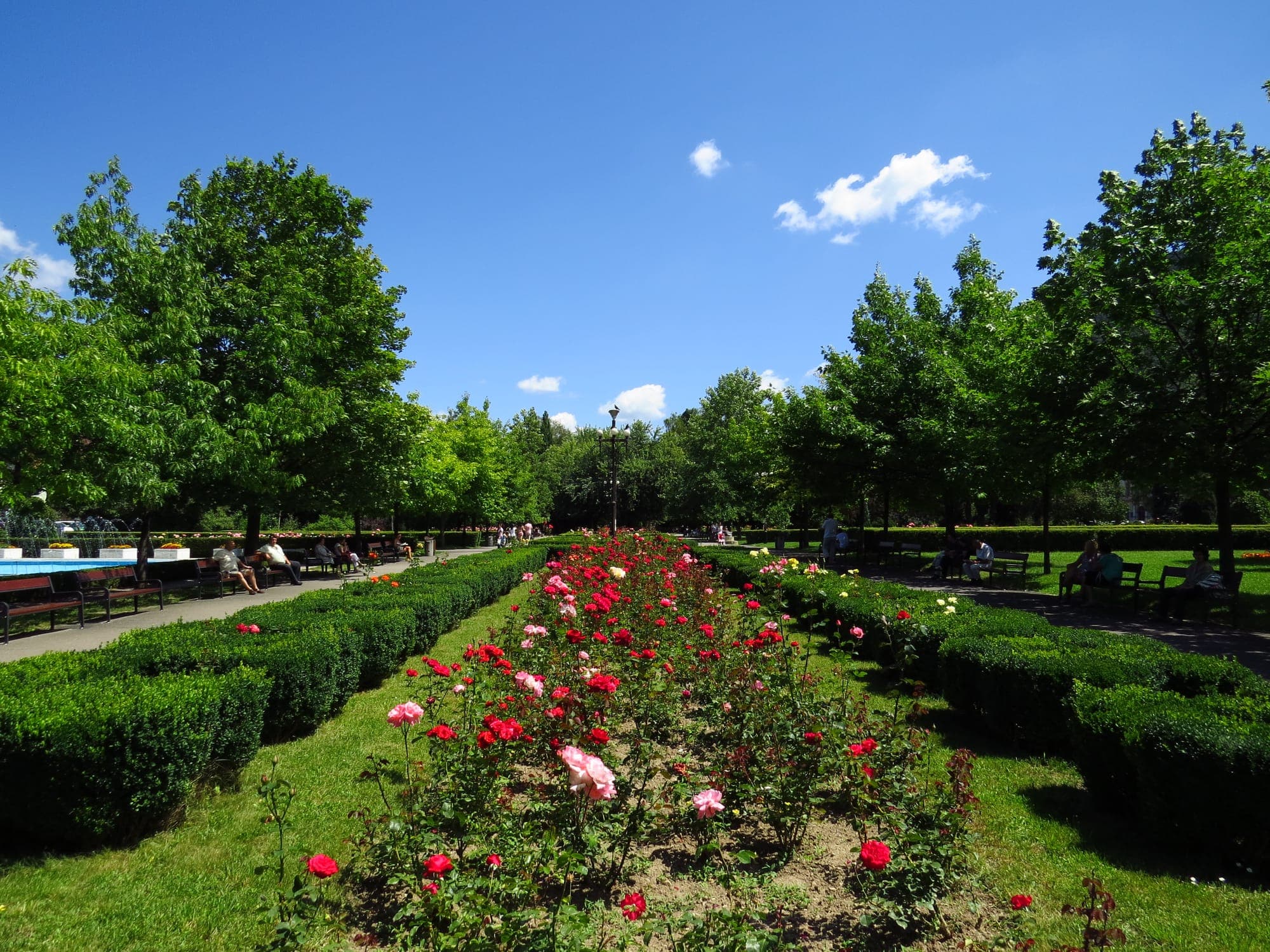
Brașov's Central Park, ~600 m from Piața Sfatului: avenues between trees, clipped hedges, flower beds, an artesian fountain from around 1900 and a playground rebuilt in 2025. Guidebooks also call it Rudolf Park.

A 13th-century Saxon church in the Bartolomeu district, surrounded by a medieval enclosure wall, with a Saxon cemetery and a sundial on its south wall.

A dry limestone gorge in Piatra Craiului National Park, with vertical walls and layers of Jurassic limestone, walked on an easy forest road that also suits children.
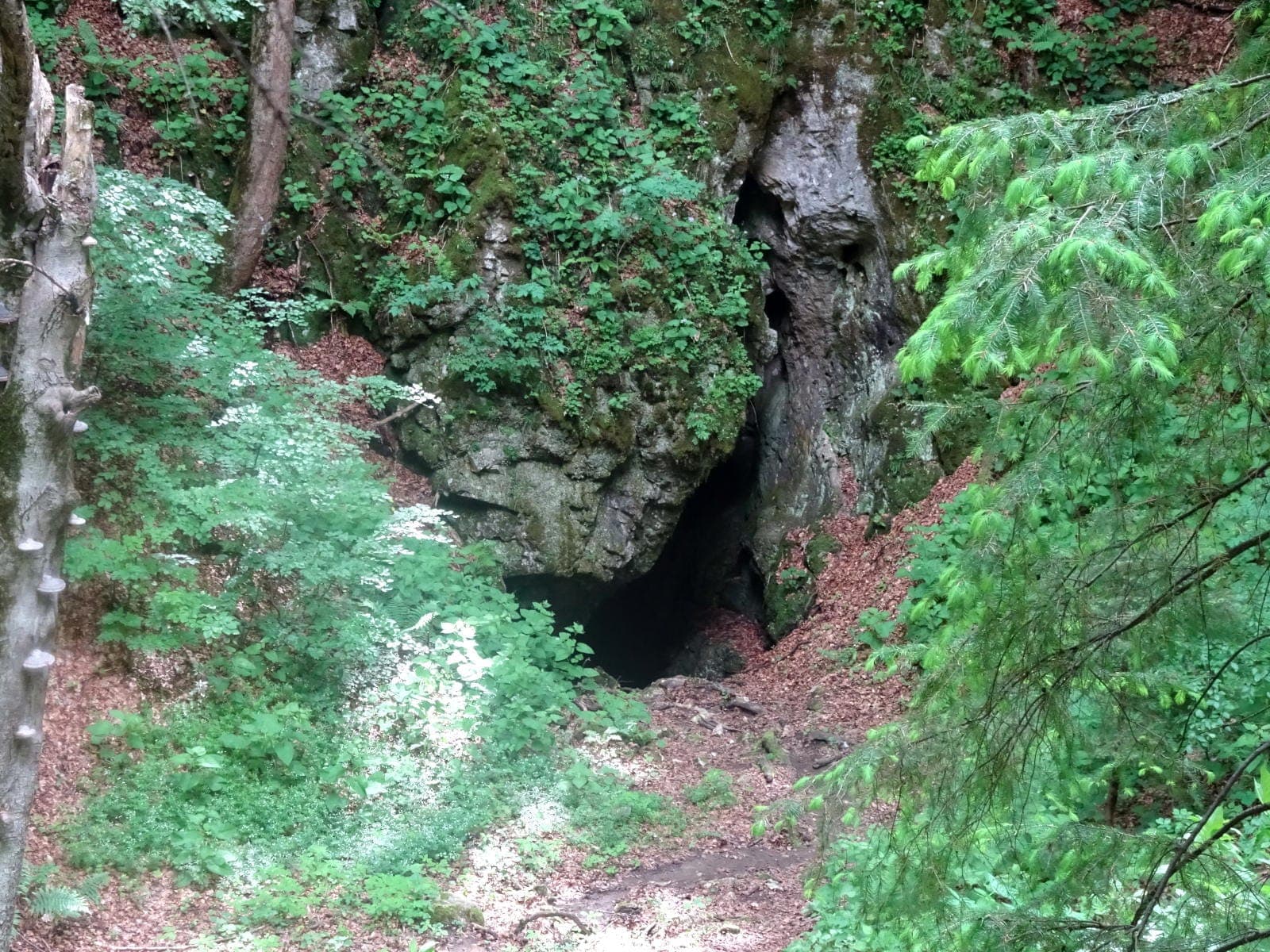
A natural cave 162 m long in the village of Peștera, Moieciu commune: a natural monument with bat colonies and traces of Palaeolithic occupation, a few minutes' walk from the village.

A Late Baroque palace built by Ban Grigore Brâncoveanu around 1800, on the site of Constantin Brâncoveanu's earlier residence; closed today, it can be seen from outside in the village of Sâmbăta de Sus.

A house-museum on Piața Sfatului dedicated to the Mureșianu family, who ran "Gazeta Transilvaniei": an archive of over 25,000 documents, furniture, paintings and evidence on the history of the anthem "Deșteaptă-te, române!".

A 19th-century Lutheran church with an 1813 organ, enclosed by an oval 15th-century wall, on a hill in the middle of a quiet Saxon village a few kilometres off the DN13.

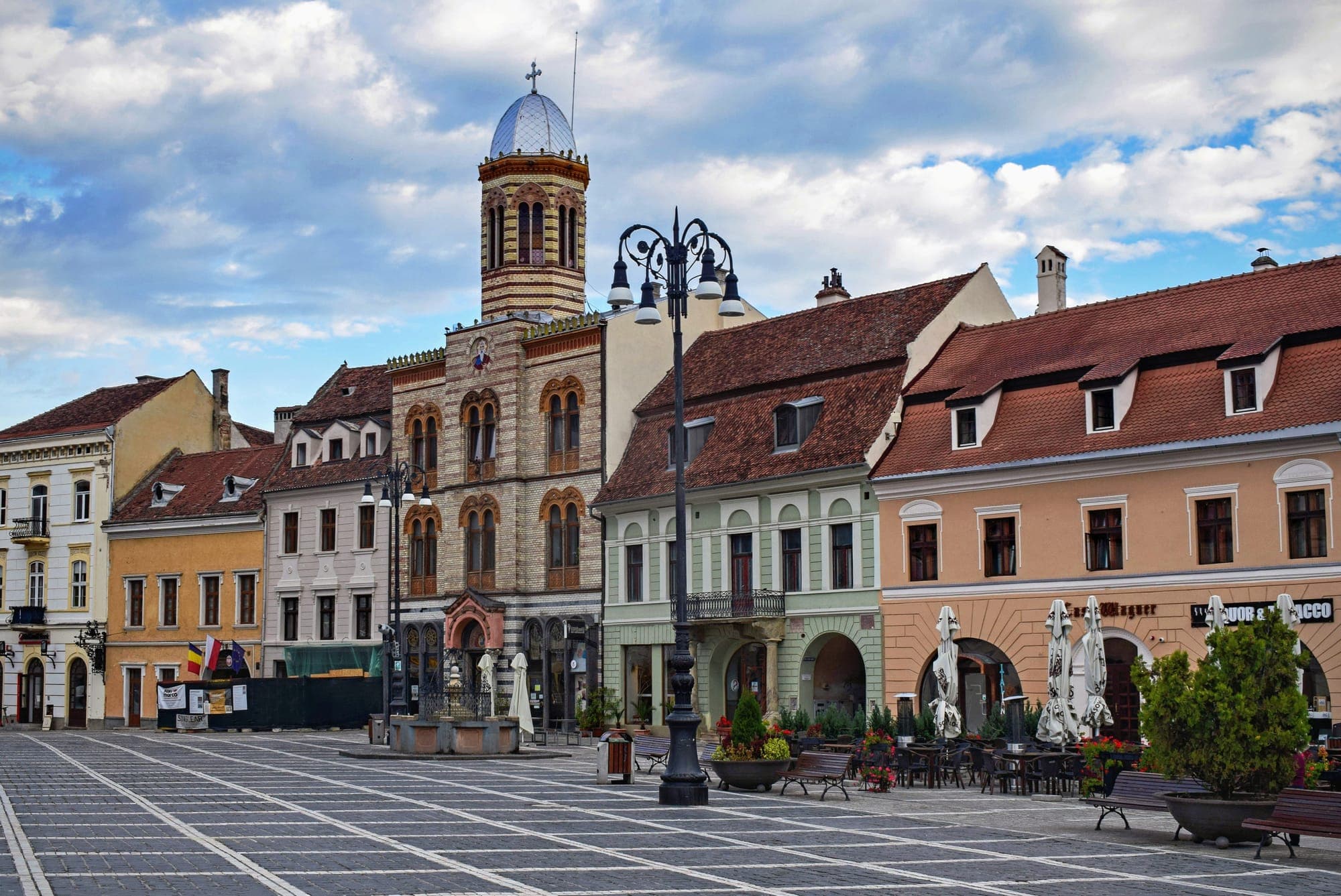
The Orthodox church hidden in the courtyard of a building on Piața Sfatului, built in 1895–1899 in the Neo-Byzantine style, with a carved and gilded iconostasis and interior paintings from 1937.

The old school in the courtyard of St Nicholas' Church in Șcheii Brașovului, now a museum: a classroom with wooden benches, a replica of Coresi's printing press and Romanian books five centuries old.

A ruined peasant fortress with a stone curtain wall and towers on a hill at the edge of Jimbor village, on the road from Rupea towards the Székely Land; it bears a restoration inscription dated 1692.

A wild cave of about 390 m in the limestone of the Postăvarul mountains, a few kilometres from Râșnov, decorated with flowstone and visited only with a guide or caver, using exploration gear.

A Saxon church fortress in the Burzenland, on the edge of Brașov: a Neoclassical church from 1794, an inner wall preserved in full with five towers, and a medieval chapel with frescoes from around 1400.

A Saxon Evangelical church in the Burzenland, built in 1804–1806 on the site of a Romanesque basilica, with a bell tower from the old fortification, an altar with a painting by Carl Dörschlag and an organ from 1816.

The Evangelical church of Bunești (Bodendorf), a late 13th-century basilica ringed by a wall with towers and the villagers' grain chambers, with a narrow, tall interior full of painted galleries.