Steam Locomotives Museum
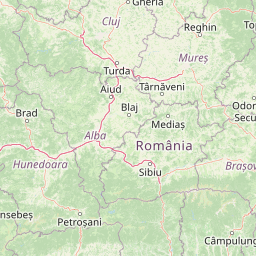
Sibiu, SB · 4 km from Sibiu
An open-air museum inside the CFR depot in Sibiu, opened in 1994: dozens of steam locomotives from 1885 to the 1950s, mainline and narrow-gauge, plus snow ploughs and cranes.
58 results
An open-air museum inside the CFR depot in Sibiu, opened in 1994: dozens of steam locomotives from 1885 to the 1950s, mainline and narrow-gauge, plus snow ploughs and cranes.

A Baroque manor of 1770 in the village of Boarta, with an arcaded porch and a scrolled pediment; a listed monument in ruins, privately owned and still unrestored.

A 14th-century Gothic hall church with its bell tower raised above the choir, surrounded by an oval wall whose former food stores now house a museum and guest rooms.

A Saxon Gothic church of the 14th–15th centuries, with a defensive tower under a hipped roof, a complete enclosure wall, a round bastion from 1515 and medieval frescoes in the choir.

One of the largest Gothic hall churches in the Târnava valley, with a massive bell tower and a walled enclosure with towers; part of the wall collapsed in June 2026.

A department of the Brukenthal National Museum, in an arcaded house on the Small Square, the former "At the Black Bear" pharmacy: the dispensary, the laboratory and a homeopathy collection of almost 3,000 pieces.
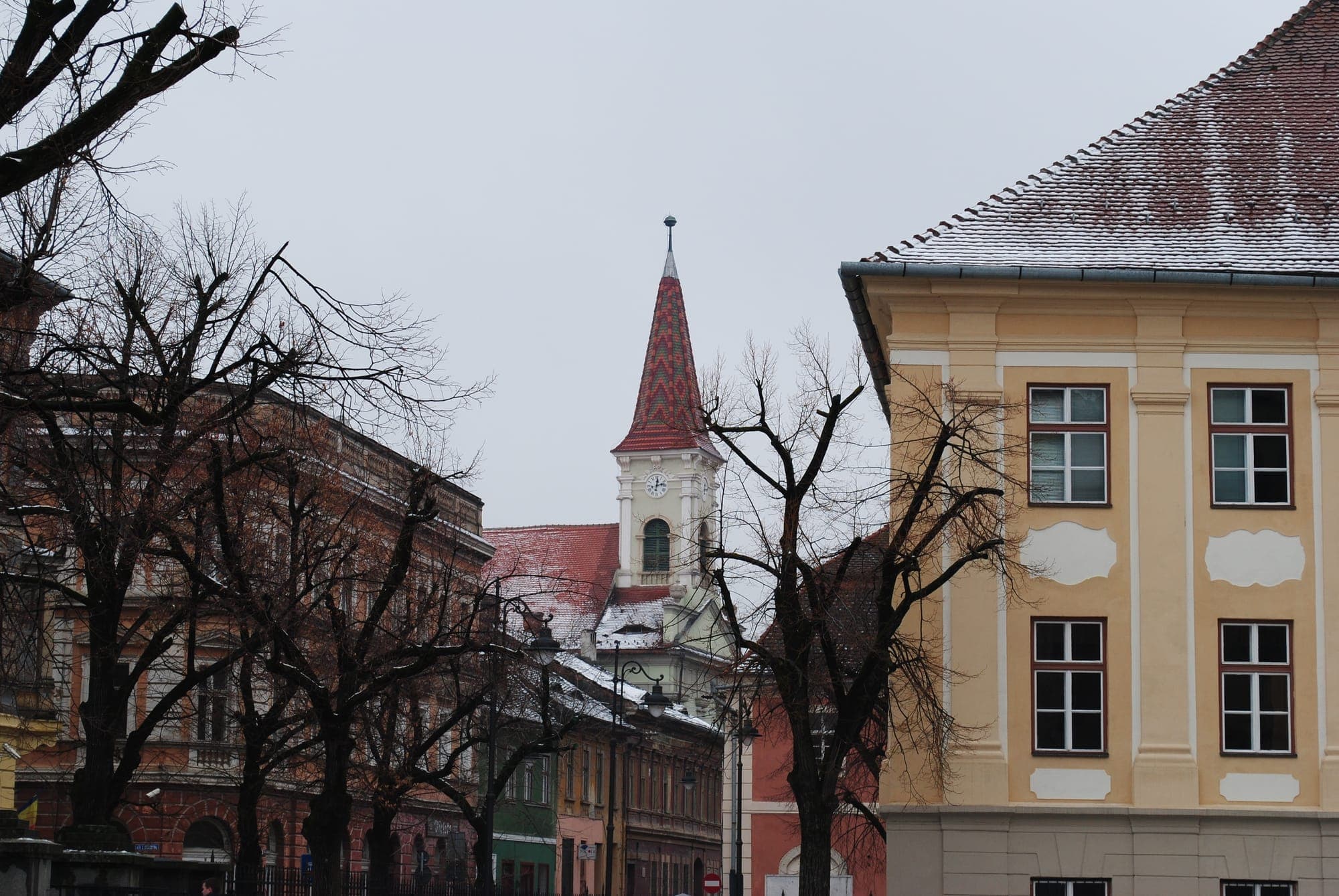
The Baroque church of the Reformed community, built in 1784–1786 in the Upper Town, with a clock bell tower, a Latin inscription of 1786 over the portal and a canopied pulpit.

A Saxon peasant fortress of brick on Burgbasch Hill above the village: a bell tower with a Gothic chapel and the imposing ruin of a hall church that was never finished.

A small Saxon stronghold on the hill of a village at the end of the road, with four restored towers housing small museums of village life; winner of a Europa Nostra award in 2024.
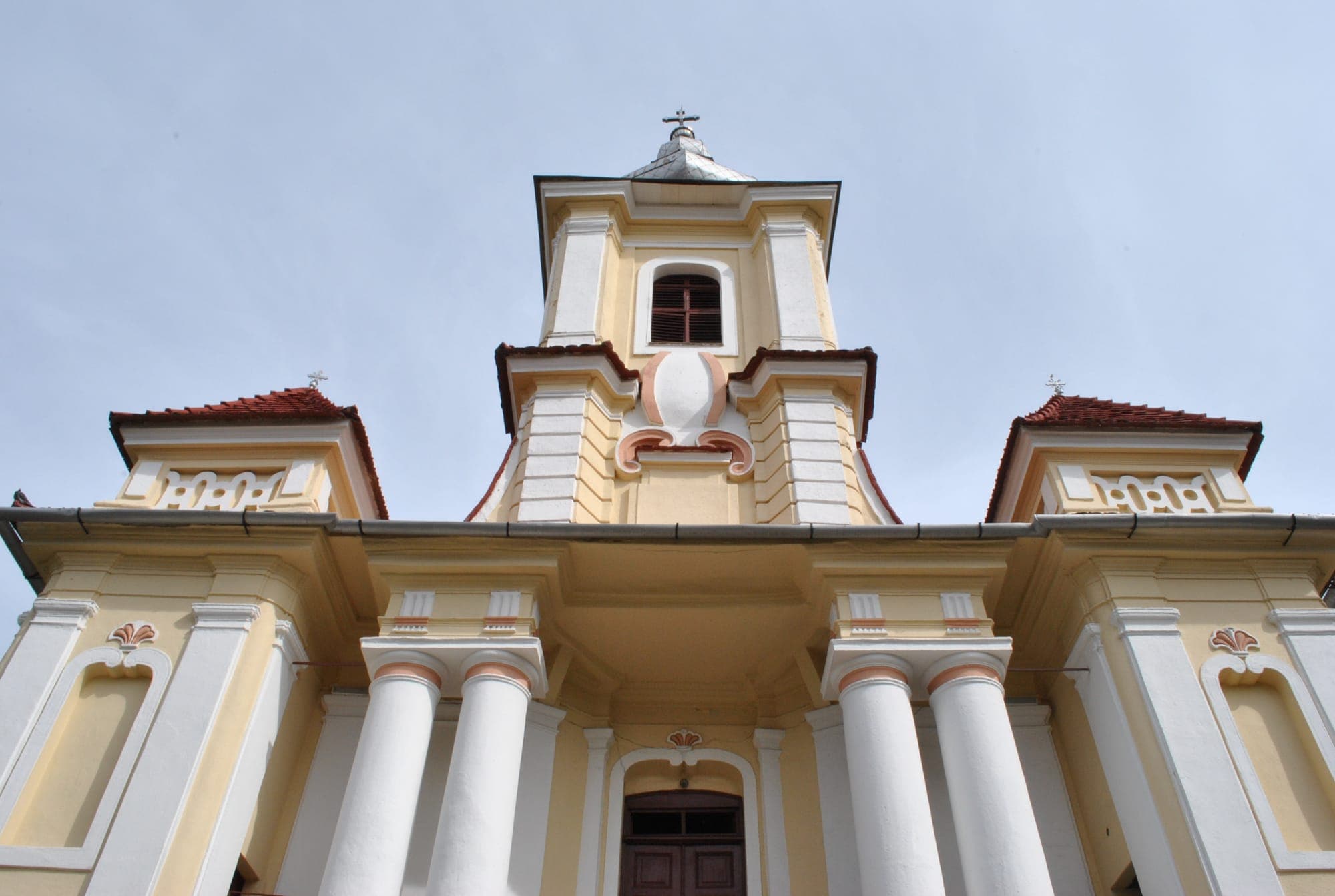
The Baroque church of Saints Peter and Paul, built in 1778–1788 for the Greek-Catholic community, with a cemetery where prominent figures of the Transylvanian Romanians are buried.
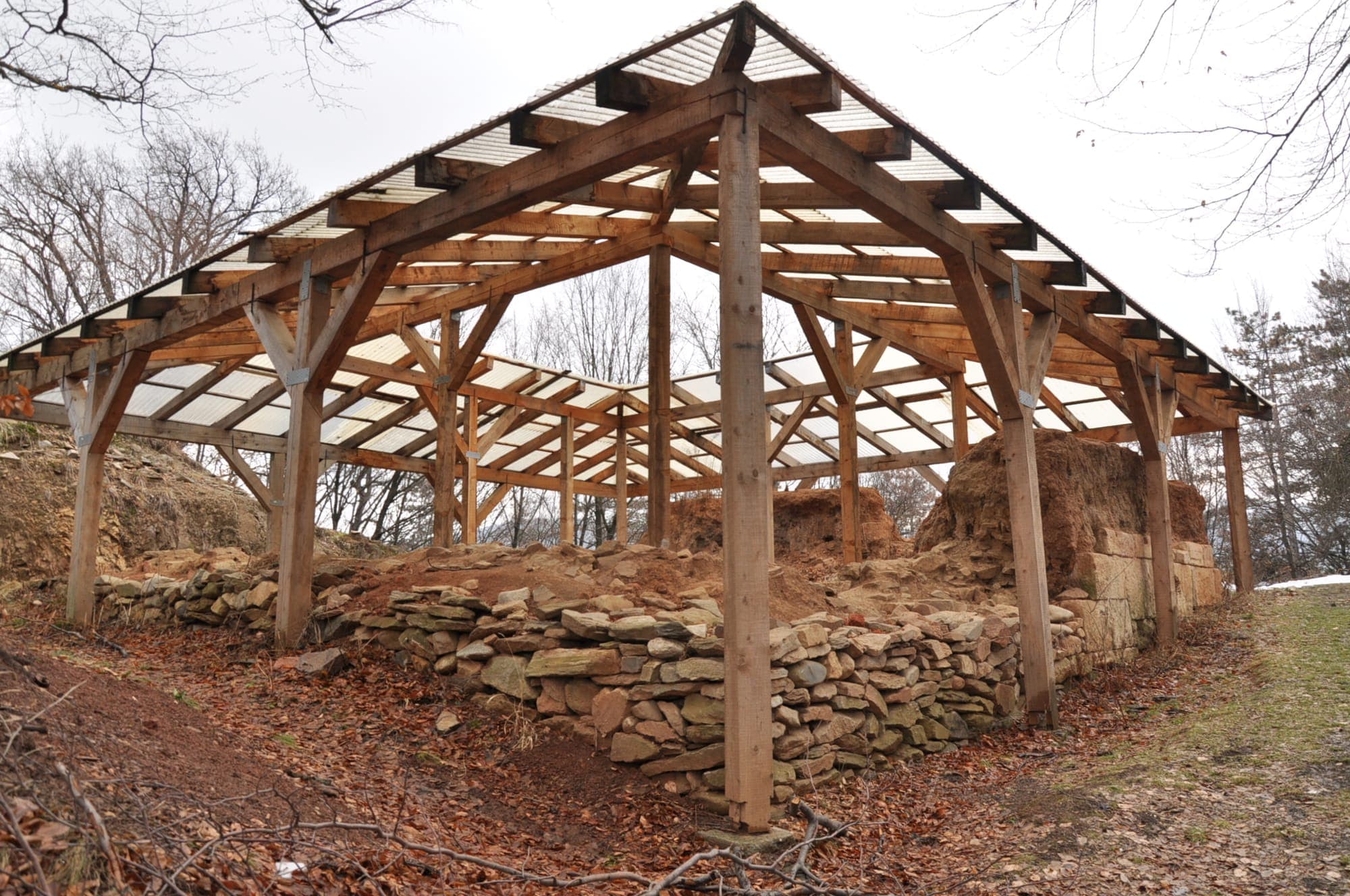
The ruins of a Dacian fortress on Cățănaș Hill, above the village of Tilișca in the Mărginimea Sibiului area: earth ramparts, terraces and a tower house under a protective roof, studied by archaeologists since the 1950s.
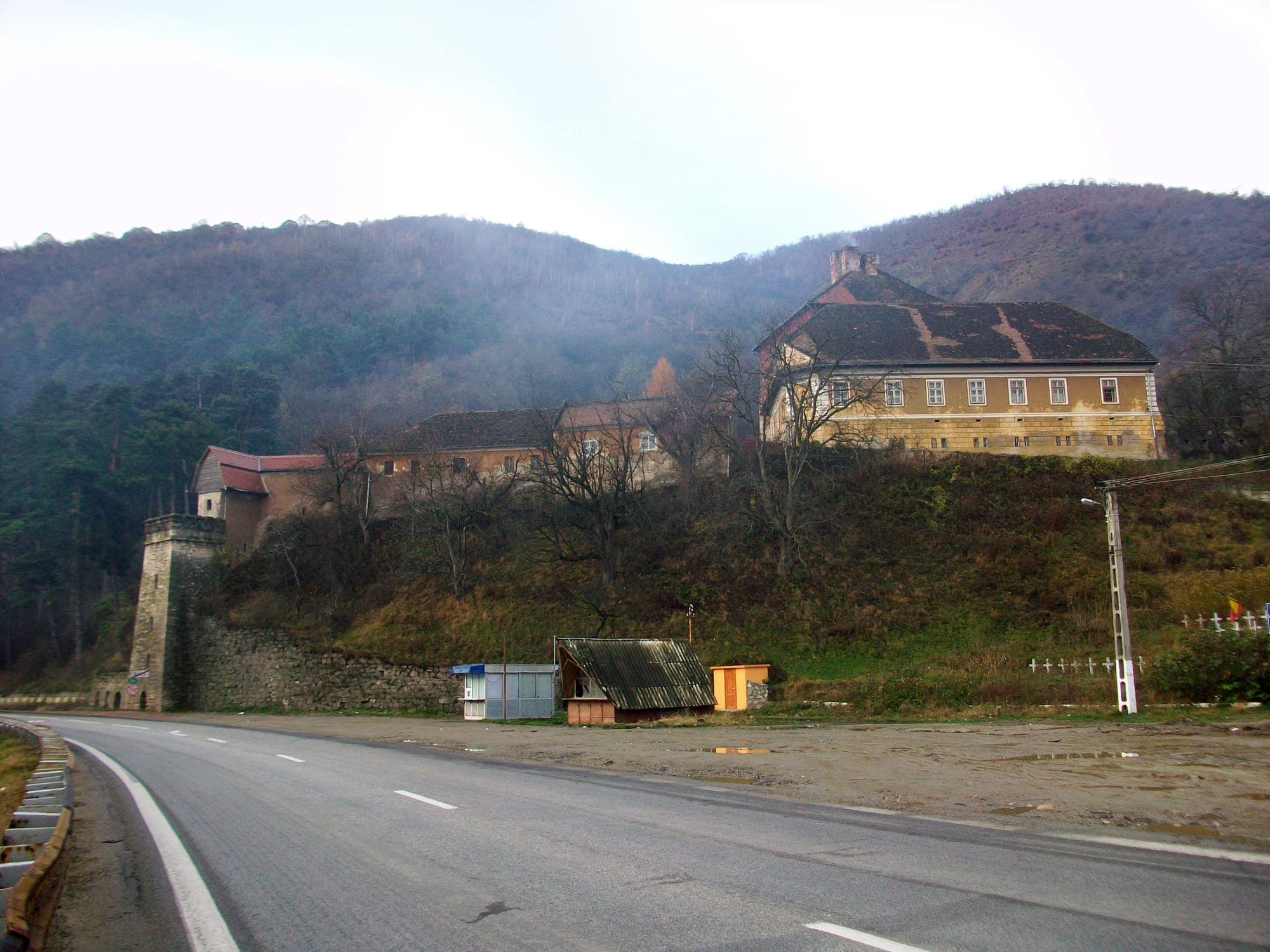
A medieval castle of the 14th century at the northern entrance to the Olt Gorge: stone walls and towers above the DN7, an old customs post between Transylvania and Wallachia.
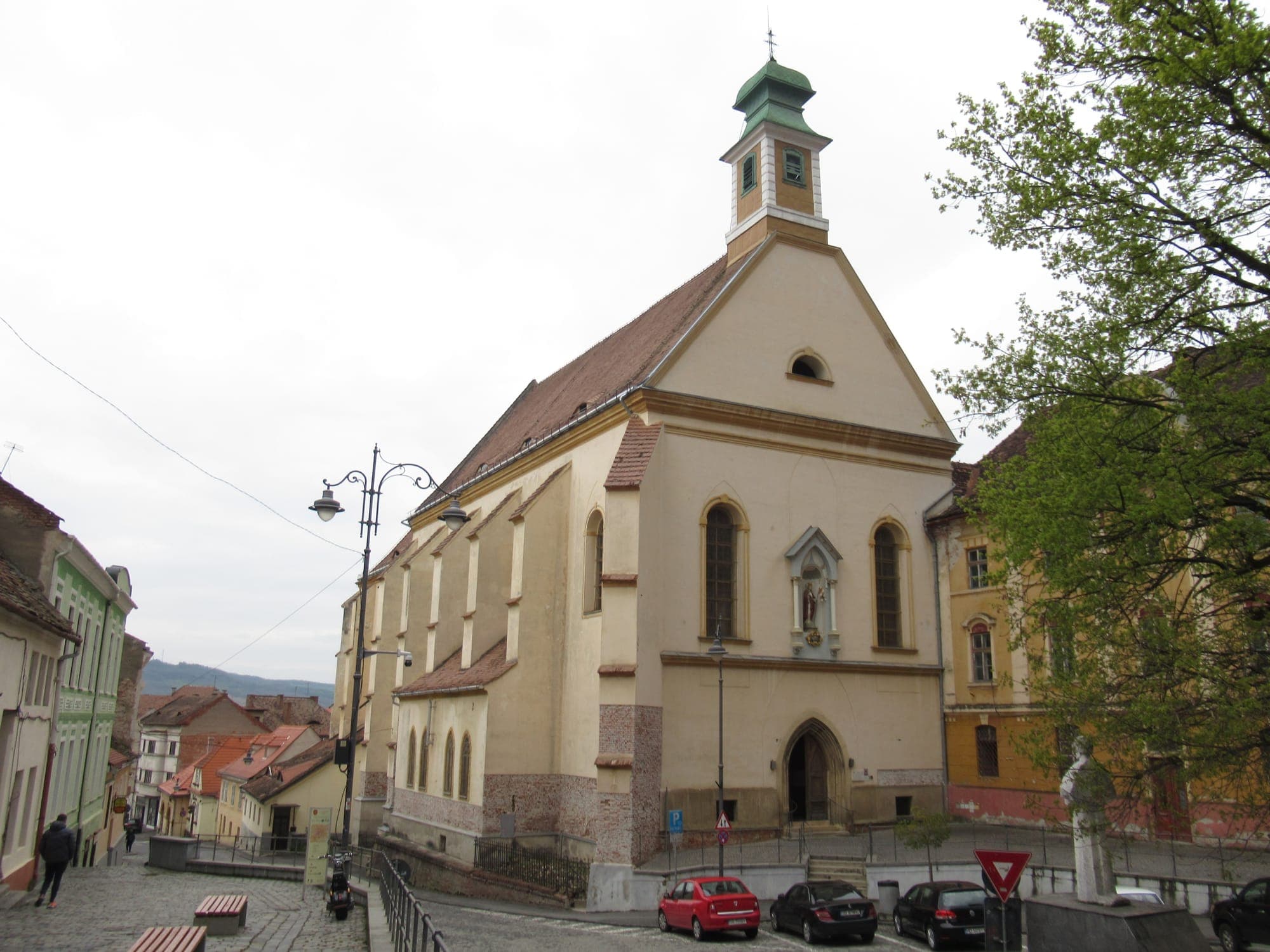
The former Dominican church of the 15th century, rebuilt in Baroque style in 1728–1733 by the Ursulines, with the statue of St Ursula above the late Gothic portal and three Baroque altars.