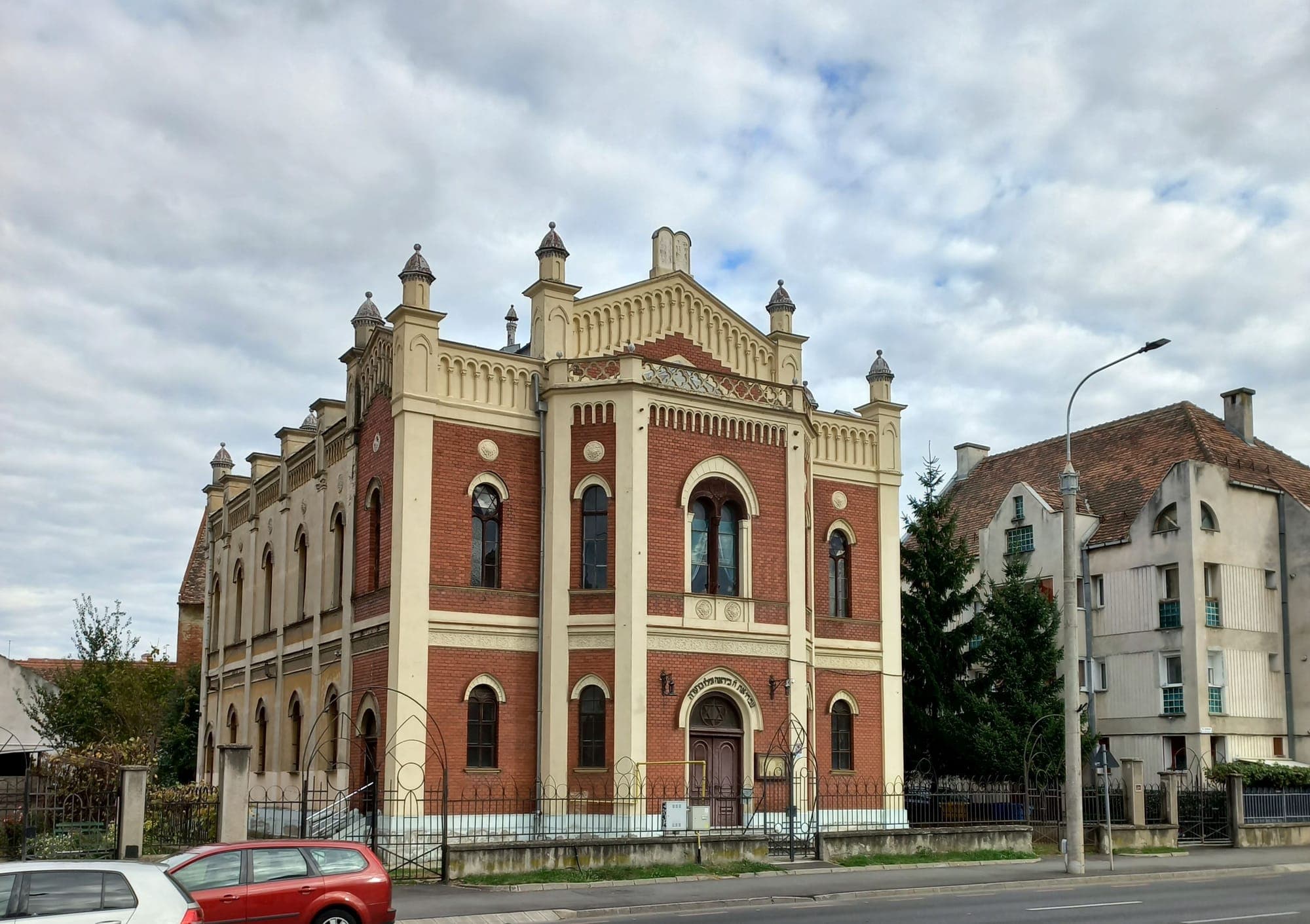
Sibiu Synagogue
Sibiu, SB · 3 km from Sibiu
A synagogue of 1898–1899, with a red-brick façade and an interior of three aisles, galleries and a coffered ceiling, built by Sibiu's Jewish community; also known as the Great Synagogue.
58 results
A synagogue of 1898–1899, with a red-brick façade and an interior of three aisles, galleries and a coffered ceiling, built by Sibiu's Jewish community; also known as the Great Synagogue.
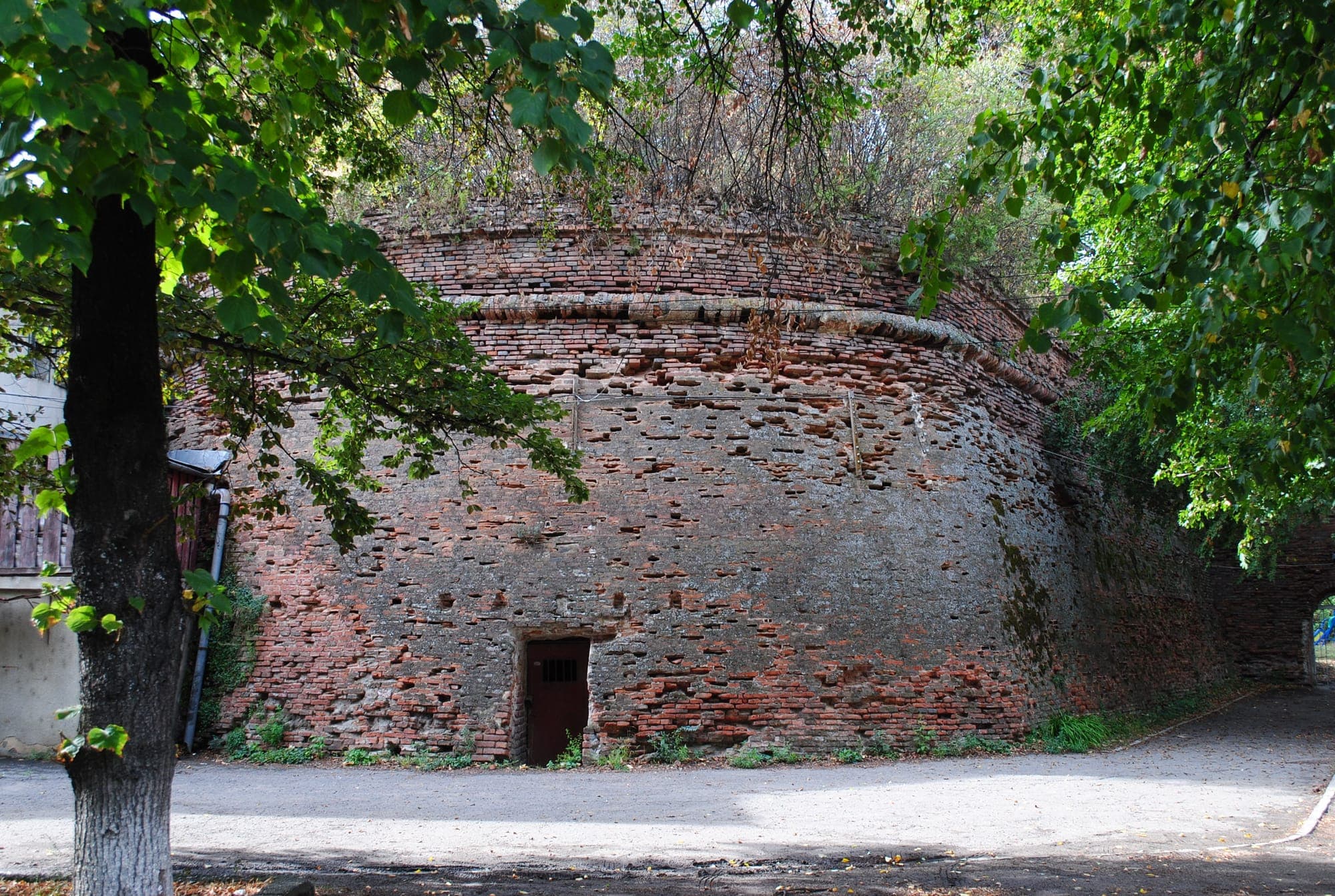
A brick bastion built in 1622–1627 at the western end of Sibiu's fortifications, one of the two bastions of the town that survive.
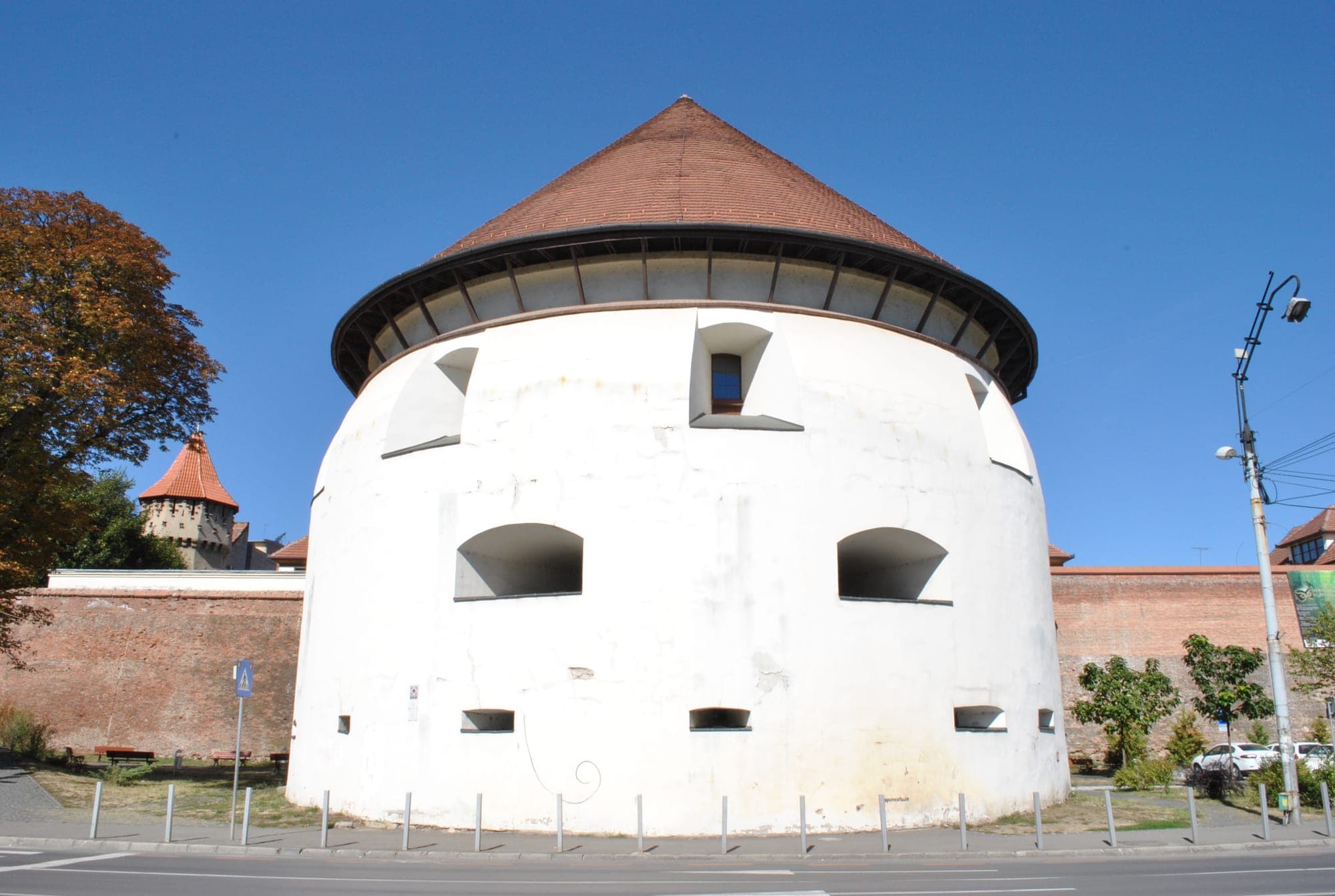
A 16th-century artillery rondel turned in 1788 into the first theatre on the territory of present-day Romania, and now the concert hall of the Sibiu State Philharmonic.
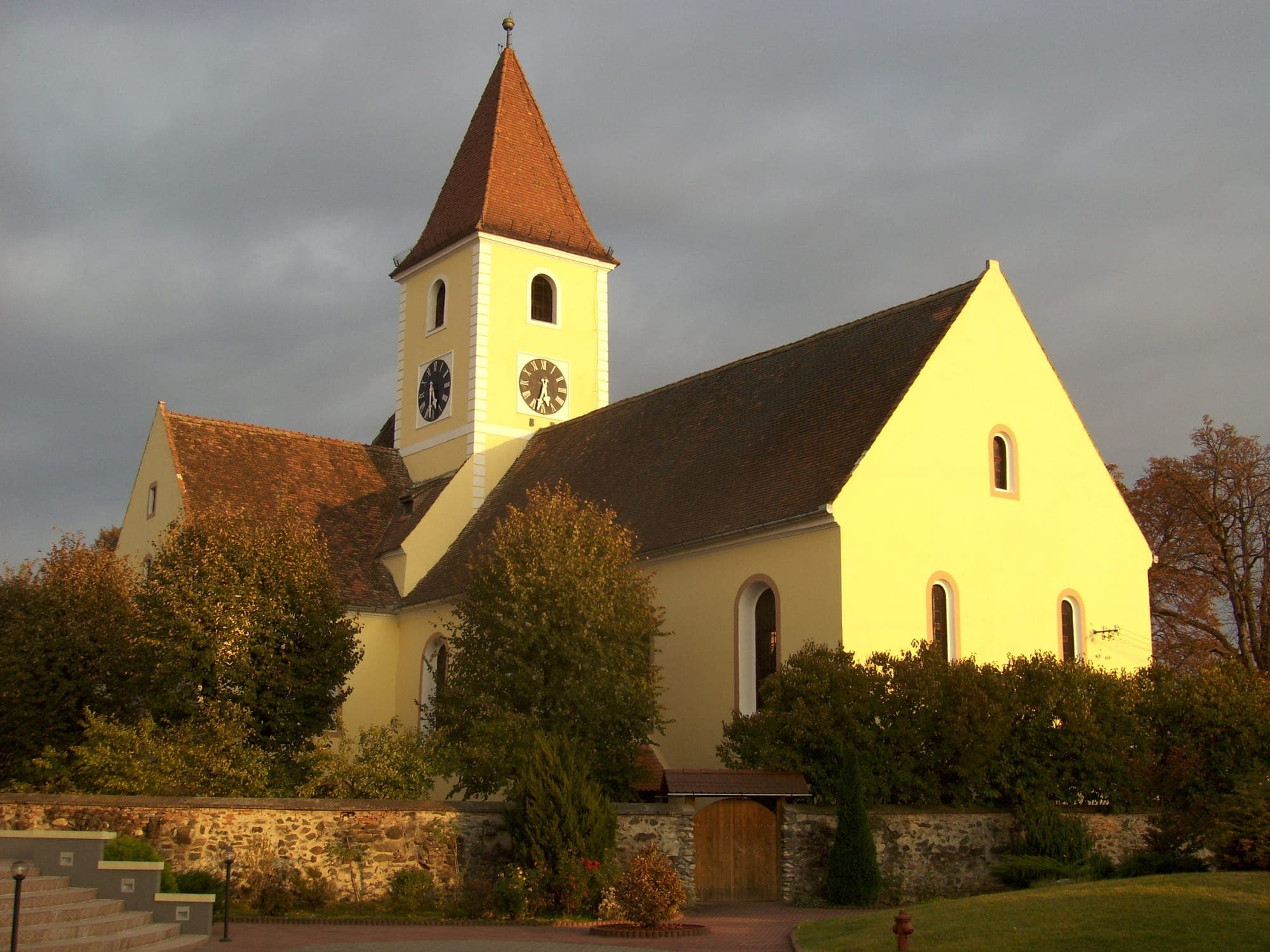
The Evangelical church of the former Saxon village of Turnișor (Neppendorf), with the massive base of a tower from a Romanesque basilica, a Baroque altar of 1759 and the Landlers' Museum.

A museum in the village of Sibiel, beside the Holy Trinity church, with about 600 glass icons from Nicula, Făgăraș, Șchei, the Sebeș Valley and Mărginimea Sibiului, gathered from 1969 by Father Zosim Oancea.

The Evangelical church in the centre of Agnita, with a bell tower over 40 m high and four guild towers around it, surviving from the former ring wall; the ticket includes an exhibition in the towers.
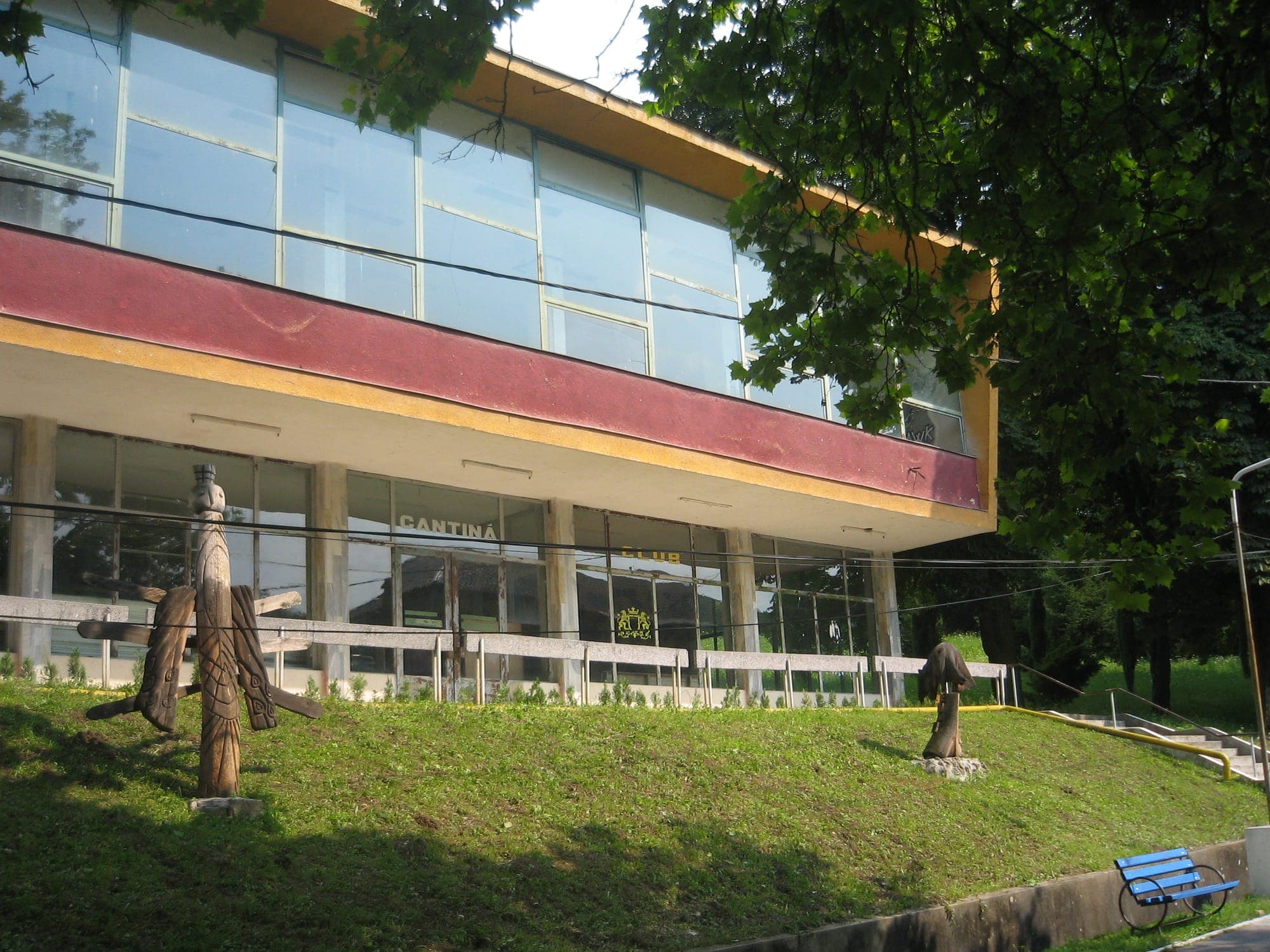
An old spa with salty, iodine-rich waters and sapropelic mud in a valley in northern Sibiu county: a park of about 20 ha, 19th–20th-century spa buildings and the Expro spa complex.

A Saxon church fortified around 1510, with a tall choir under a star vault, a bell tower with a timber gallery and a winegrowers' village around it, in the Wine Country.

A 15th-century Gothic Saxon church with more than 250 sq m of medieval wall paintings, uncovered bit by bit from beneath whitewash and among the largest in Transylvania.
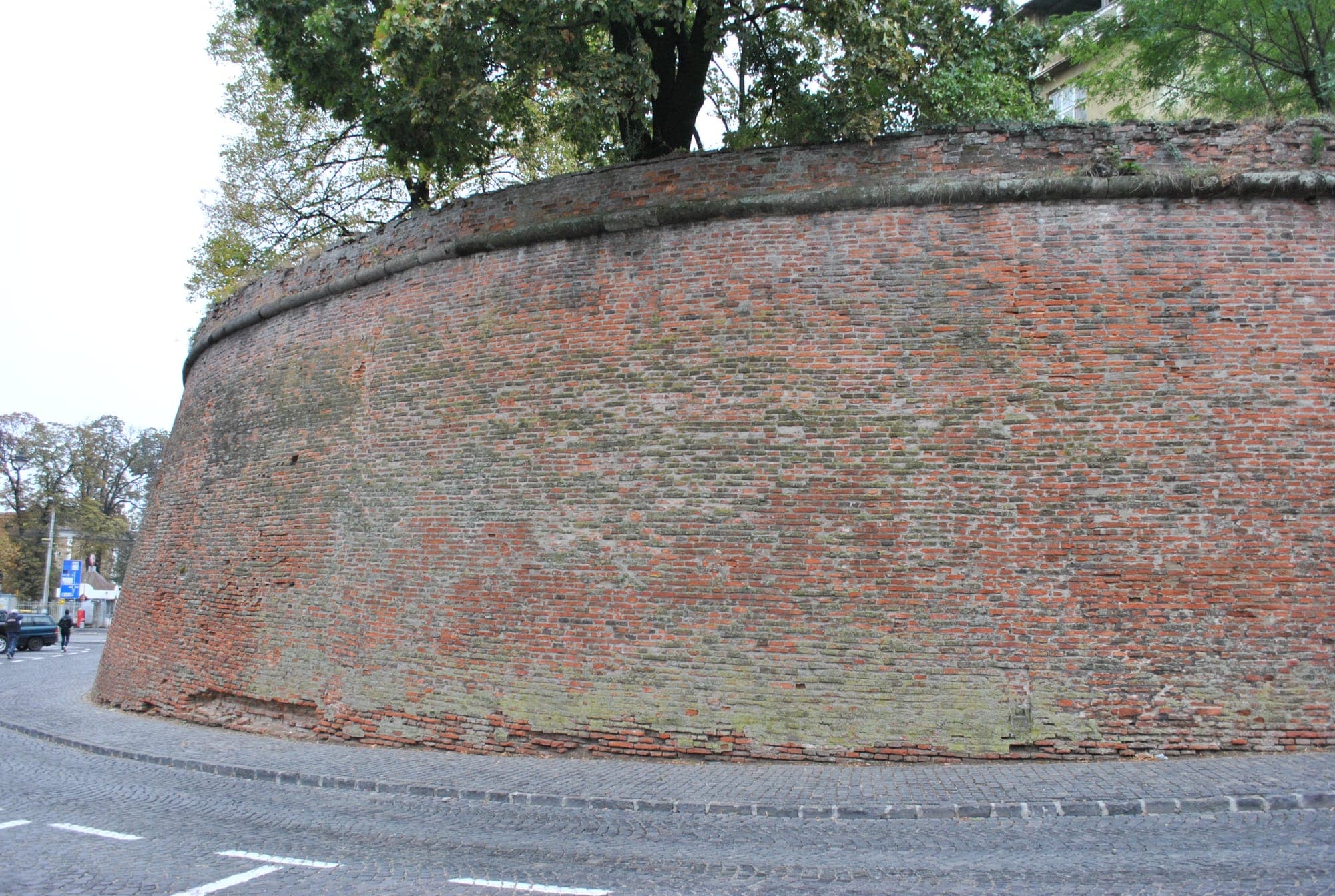
Brick artillery bastion begun in 1551 at the south-eastern corner of Sibiu's fortifications, built to the Italian system; its curved walls can be seen from Corneliu Coposu Boulevard.
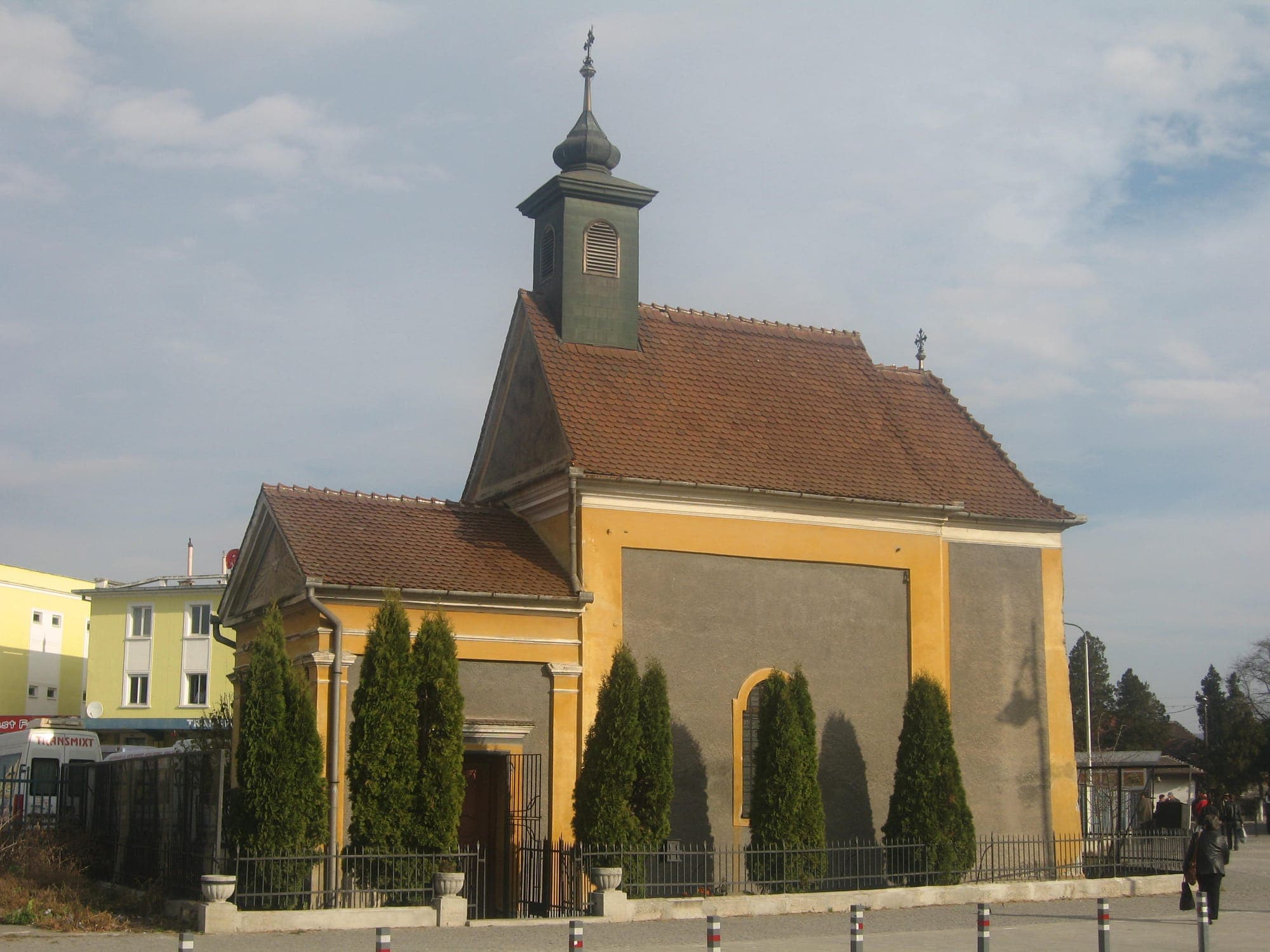
The small Roman Catholic chapel beside the railway station, built in 1755, which shelters a monumental stone crucifix of 1417 with the Virgin Mary and St John.

The Baroque Jesuit church on the Grand Square, built in 1726–1733, with the fresco behind the high altar, the 1860 organ and the funerary monument of Marshal Traun.

A 13th-century Romanesque church with a richly carved portal, enclosed by a double ring of walls in the Hârtibaciu valley, with the Făgăraș Mountains behind.

A Gothic basilica from the second half of the 14th century, with a gate tower and enclosure walls, known for the Green Man and the other faces carved in stone inside.

The Lutheran church in the centre of Mediaș, late Gothic and enclosed in a fortress with walls and towers; its leaning tower, with a five-pointed spire, is the town's emblem.