The ruins of a Dacian fortress on the rocky summit of Piatra Cetății, above the DN66, which guarded the southern approach to Sarmizegetusa Regia; a UNESCO site, reached only on foot by a steep climb.
Fortresses and fortificationsMonuments and historic sitesUNESCO
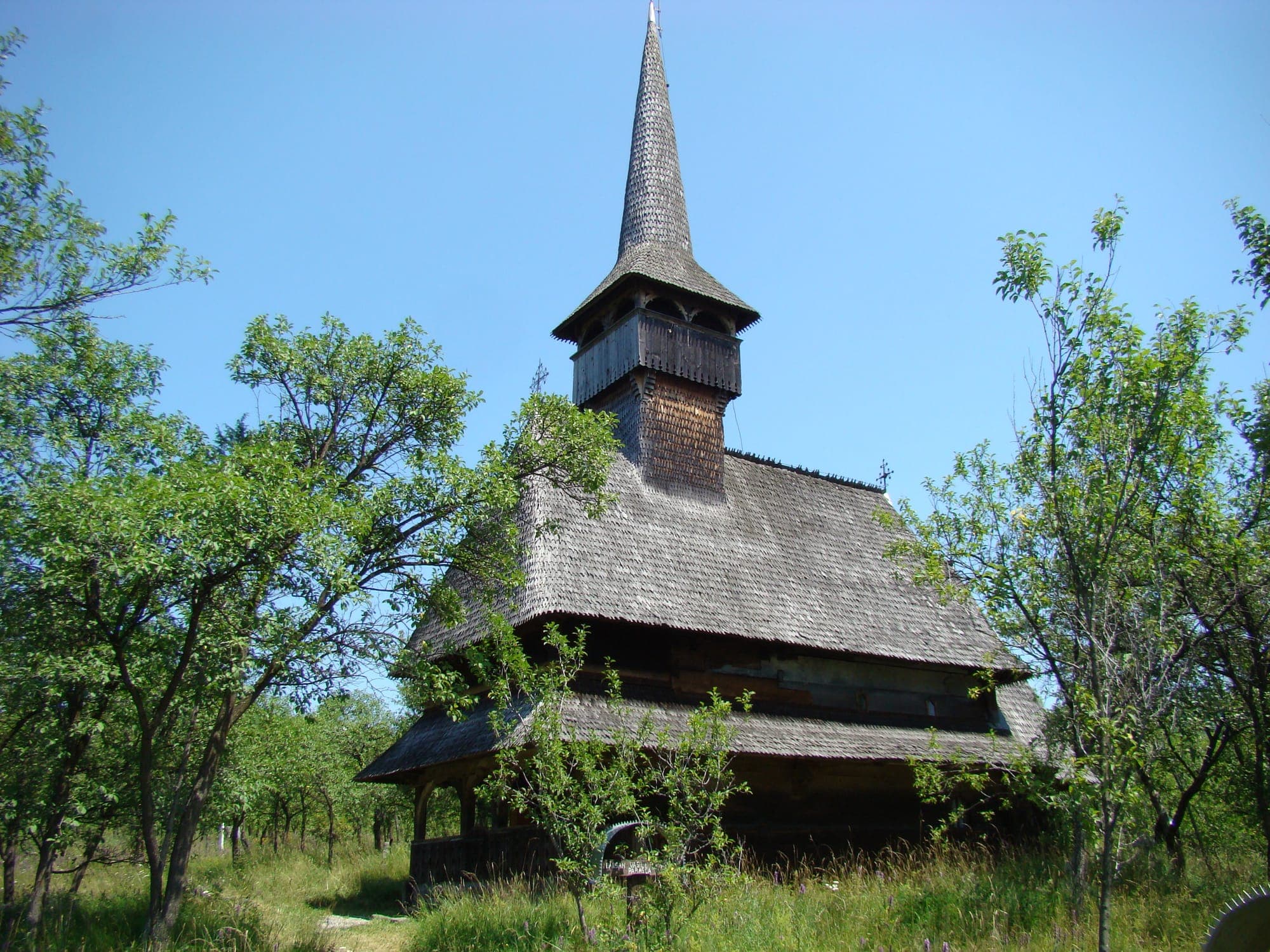
Bârsana's old wooden church, dating from 1711, stands on Jbâr Hill in an orchard full of crosses; inside is Toader Hodor's Baroque painting of 1806. A UNESCO site.
Monasteries and churchesMonuments and historic sitesUNESCO
A Secession building from 1907–1908 on Piața Unirii in Oradea, with a glass-roofed passage and a stained-glass window of a black eagle, from which it takes its name.
Orthodox monastery founded by Constantin Brâncoveanu below the Făgăraș Mountains: the church rebuilt in 1926–1946 on its old foundations, an icon museum and a new Brâncovenesc-style precinct.
Monasteries and churchesMonuments and historic sites
A bastioned fortress on Citadel Hill, north of the old town, built to stop enemies firing on Brașov from the heights; the interior is closed for works, but the walls and the view can be enjoyed from the paths on the hill.
Fortresses and fortificationsMonuments and historic sites
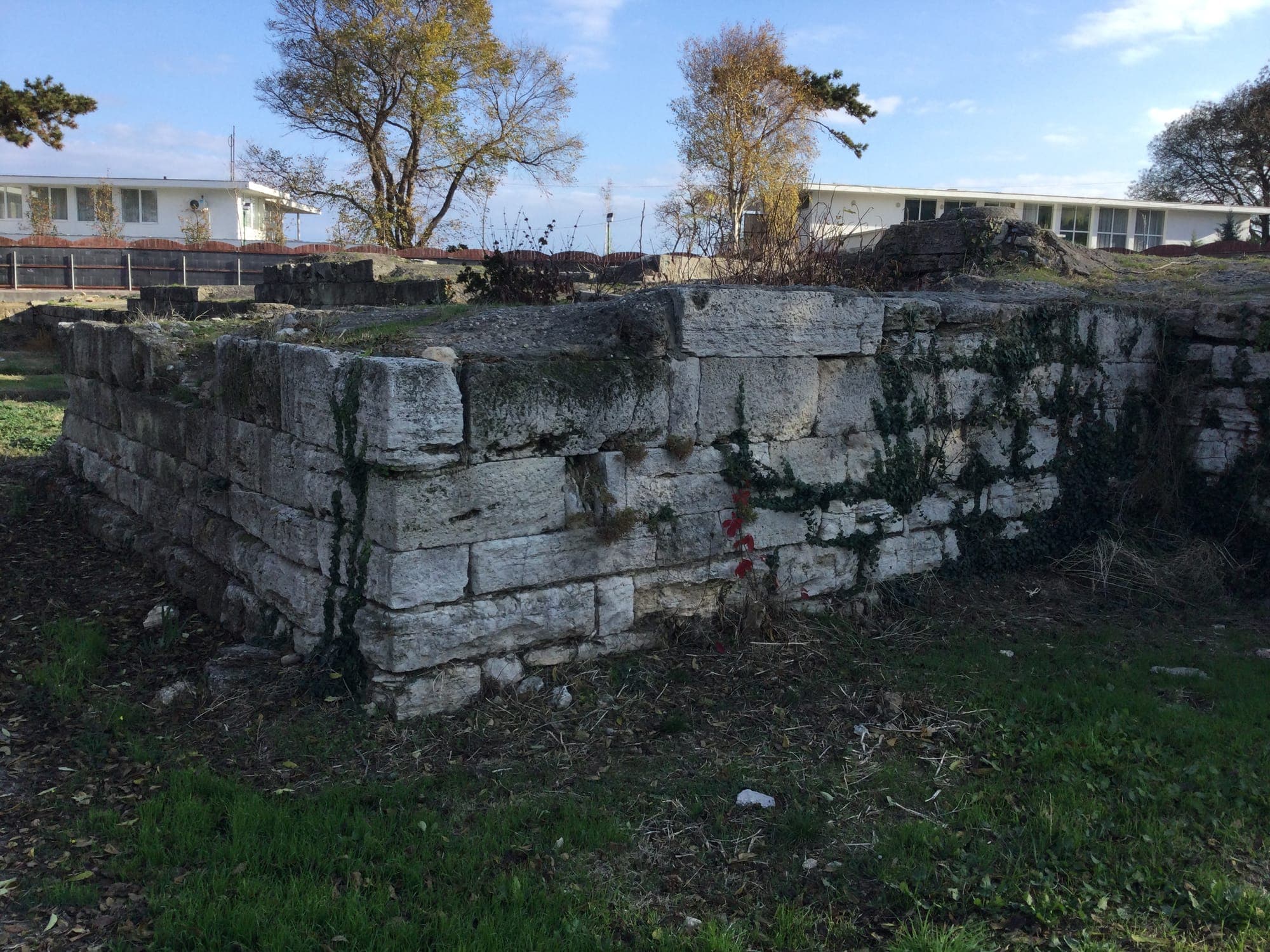
The ruins of the Greek city from which Mangalia grew: the circuit wall with its towers and the Syrian-type basilica on the clifftop promenade, steps from the beach, plus the town's archaeology museum.
Fortresses and fortificationsMonuments and historic sitesSeaside
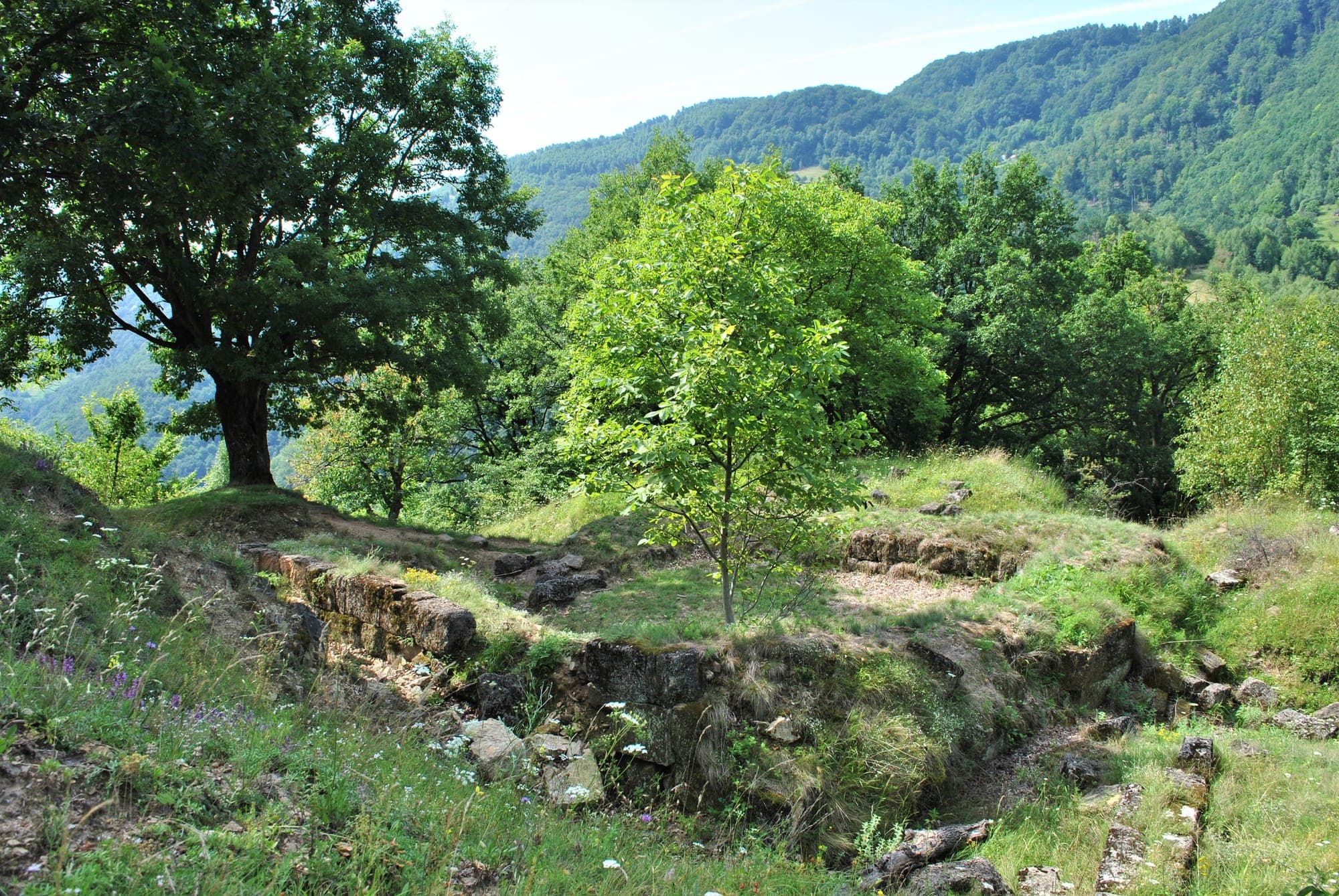
The ruins of a Dacian fortress on a wooded hill above the Sebeș valley: limestone walls in the murus dacicus technique and the base of a tower house, the only Dacian UNESCO site in Alba County.
Fortresses and fortificationsMonuments and historic sitesUNESCO
A historic park laid out in 1900–1906 on Filaret Hill for the General Romanian Exhibition, with a lake, a monumental central avenue, the Zodiac Fountain and the Heroes of the Nation Memorial on the upper plateau.
The only surviving medieval gate of Brașov's walled town, a white tower of 1559 with four corner turrets and the town's coat of arms; next to it, the neoclassical Șchei Gate of 1827–1828.
Fortresses and fortificationsMonuments and historic sites
A 1648 foundation of Matei Basarab and Lady Elina, a historic monument of national importance, in the village named after an old monastery: a brick church with an octagonal tower and interior painting.
Monasteries and churchesMonuments and historic sites
A fortified lowland monastery founded by Vlad the Impaler in 1461 and rebuilt by Radu Șerban in 1588, with thick walls, a Brâncoveanu-style loggia and the church of St Nicholas, on the edge of the Comana marsh.
Monasteries and churchesMonuments and historic sites
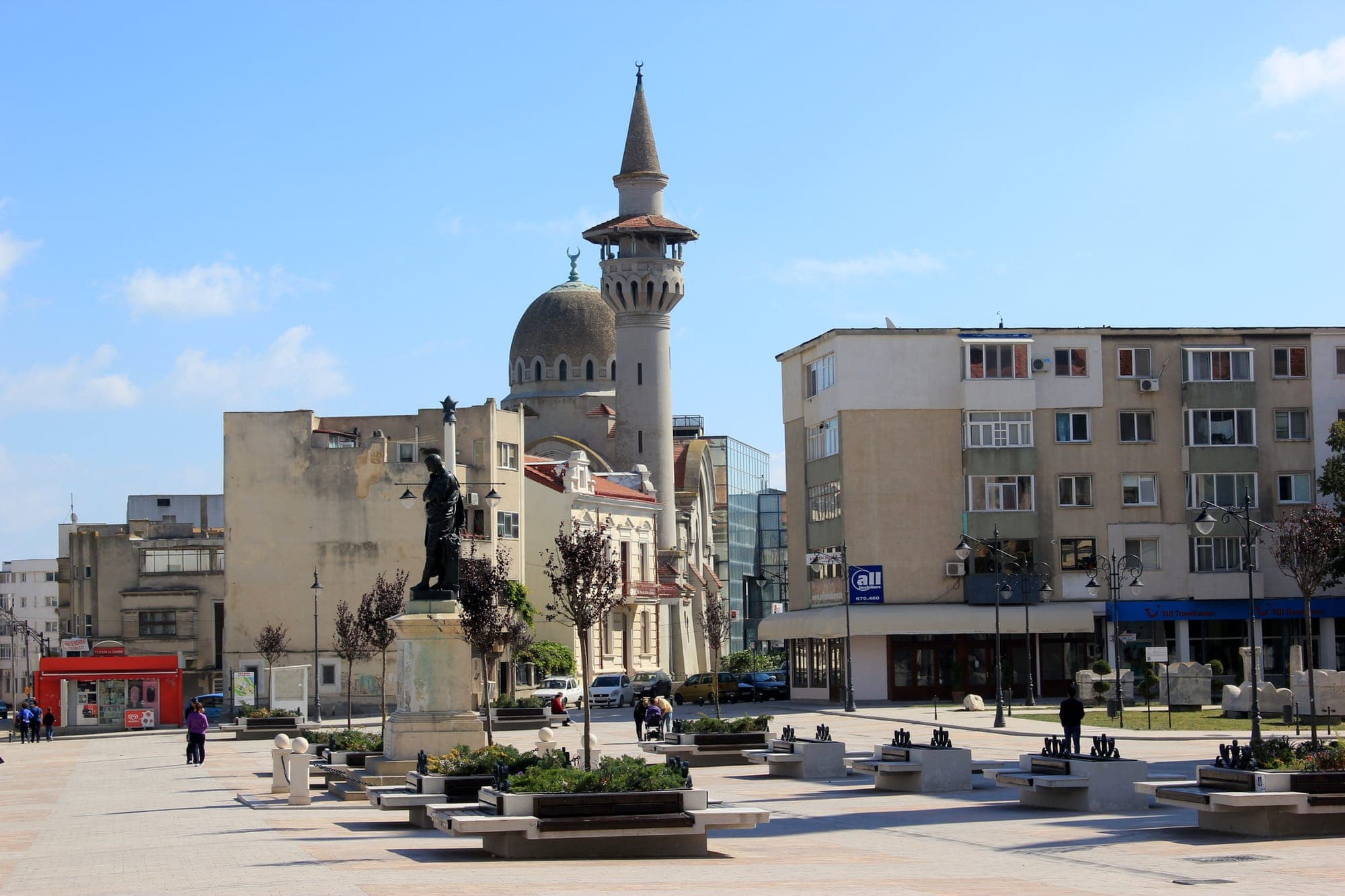
Constanța's old town, on the site of ancient Tomis: Ovid Square, the Roman mosaic, the mosque and its minaret, the cathedral, the Genoese Lighthouse and the casino seafront, all a few steps apart.
The oldest public park in Iași, laid out from 1834 on Copou hill, with the Lions' Obelisk, Eminescu's Linden Tree, the busts of the Junimea writers and the "Mihai Eminescu" Museum.
One of the strongest Dacian fortresses in the Orăștie Mountains: murus dacicus walls, six towers and a dog-leg entrance, on a wooded hill above Costești, a UNESCO site.
Fortresses and fortificationsMonuments and historic sitesUNESCO
The former Pannonia Hotel, built in 1901–1902 in Liberty Square to plans by Zoltán Bálint and Lajos Jámbor, is one of the finest Secession buildings in Satu Mare. It can only be seen from outside: it is under restoration.