The main square of old Sibiu, about 140 by 90 metres, enclosed by merchants' houses with "eyes" in their roofs, by the Brukenthal Palace, the Jesuit church and the Council Tower.
The oldest building in Timișoara, a royal residence in the Middle Ages and the historic home of the Banat Museum; closed for restoration and visible from the outside only.
The Eminovici family house in Ipotești, rebuilt on the foundations of the one from Mihai Eminescu's childhood, with the family's wooden church, his parents' graves and a peasant house holding an ethnographic collection.
Museums and memorial housesMonuments and historic sites
An inn from 1808, built by the merchant and diplomat Manuc Bei beside the Old Court: a listed building with an inner courtyard and wooden balconies, where the 1812 Russo-Turkish peace talks took place.
The First World War heroes' mausoleum, built between 1923 and 1938 on the 1917 battlefield, with 5,073 soldiers in its crypts and a museum of the battles.
Monuments and historic sitesMuseums and memorial houses
The former Rally Theatre, a heritage building in Brăila's historic centre, with a richly ornamented façade on Calea Regală, restored with EU funds and still a working repertory theatre.
The museum of the Memorial of the Revolution Association, in a former military building in Timișoara: clothes and flags from the days of December 1989, a chapel of the hero-martyrs and the only section of the Berlin Wall in Romania.
Museums and memorial housesMonuments and historic sites
The Orthodox cathedral of the Banat, built between 1936 and 1946 in the Neo-Moldavian style, with a main tower of over 80 m, glazed-tile roofs and a museum of old church art in the basement.
Monasteries and churchesMonuments and historic sites
Founded by Petru Rareș in 1532, with a church painted on the outside in shades of yellow and blue and the famous Siege of Constantinople fresco; a UNESCO site in Bukovina.
Monasteries and churchesMonuments and historic sitesUNESCO
The Orthodox church of the Dormition of the Mother of God in Piața Unirii, built in 1784–1790 and known for the globe in its tower that shows the phases of the Moon, in a mechanism of 1793.
Monasteries and churchesMonuments and historic sites
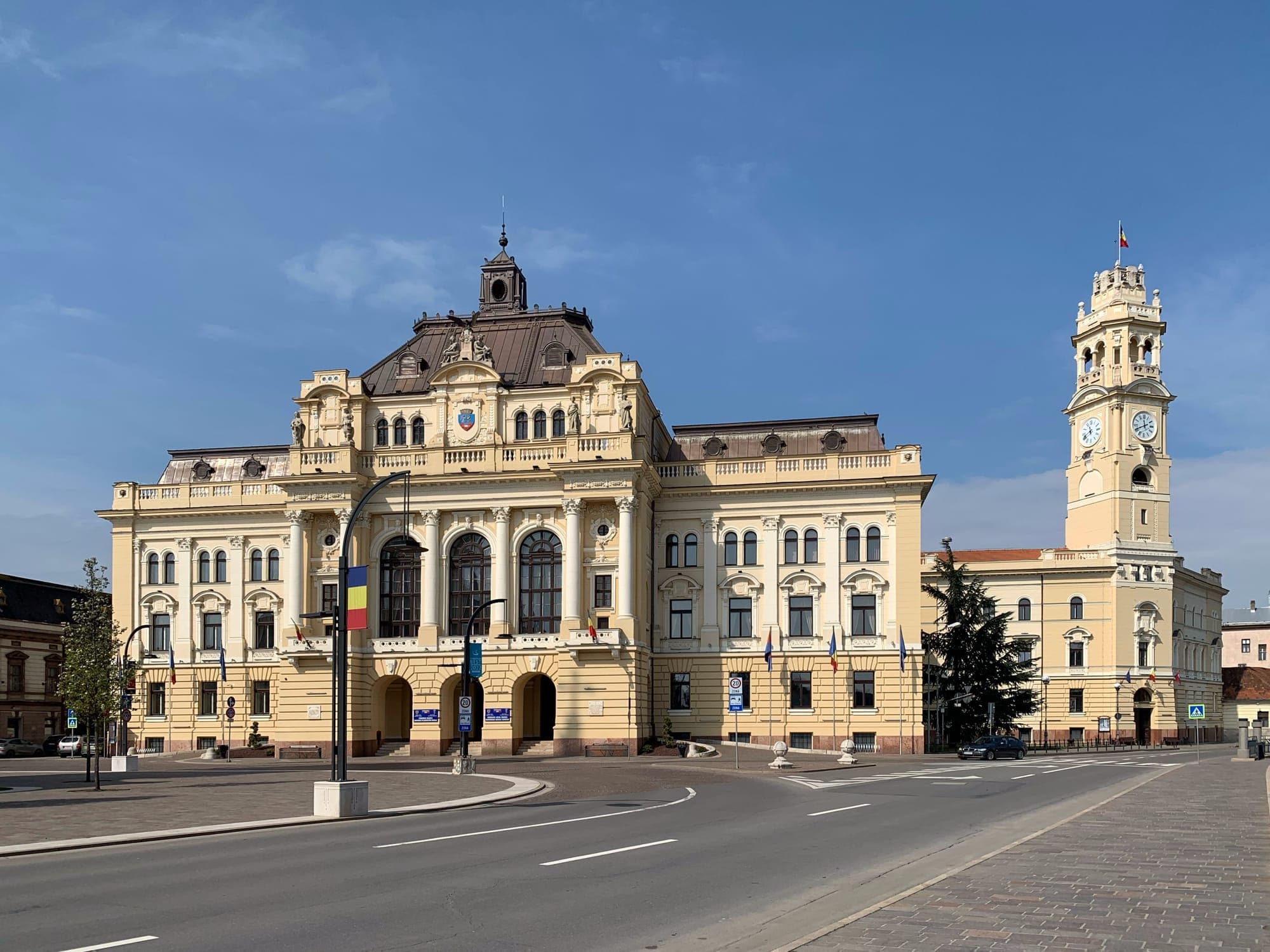
An eclectic palace of 1902–1903 on Piața Unirii, home to the city hall, with a tower of almost 50 m: its clock plays Iancu's March, and the top gives a view over the rooftops of the centre.
The Church of the Exaltation of the Holy Cross, built by Stephen the Great in 1487: his oldest surviving foundation, with the "Cavalcade of the Holy Cross" fresco; a UNESCO site near Suceava.
Monasteries and churchesMonuments and historic sitesUNESCO
A Dacian fortress on top of a rocky hill above Luncani, with an ancient paved road of stone steps and tower ruins hidden in the forest; a UNESCO site, far from the crowds.
Fortresses and fortificationsMonuments and historic sitesUNESCO
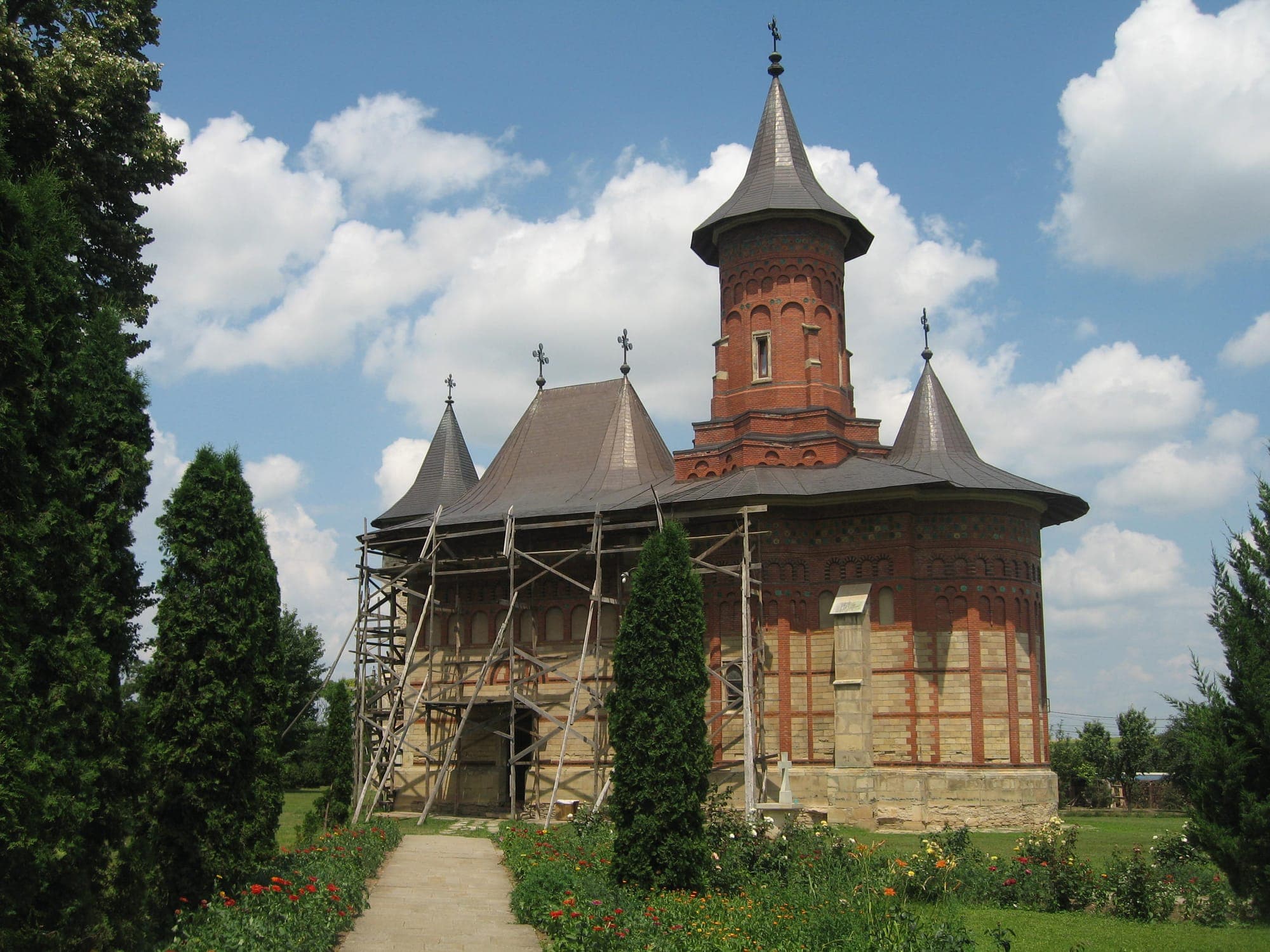
The Church of St Nicholas, built by Stephen the Great in 1496: the oldest church in Botoșani, of bare red brick, with a stone bell tower from the same period.
Monasteries and churchesMonuments and historic sites
The northernmost bastion of Roman Dacia: the fort with its reconstructed gates, the paved imperial road, the civil town and the amphitheatre, on the hills at Moigrad in Sălaj.
Monuments and historic sitesFortresses and fortificationsUNESCO