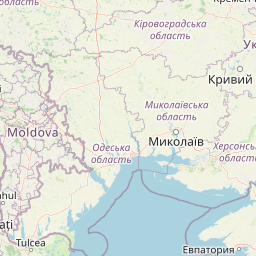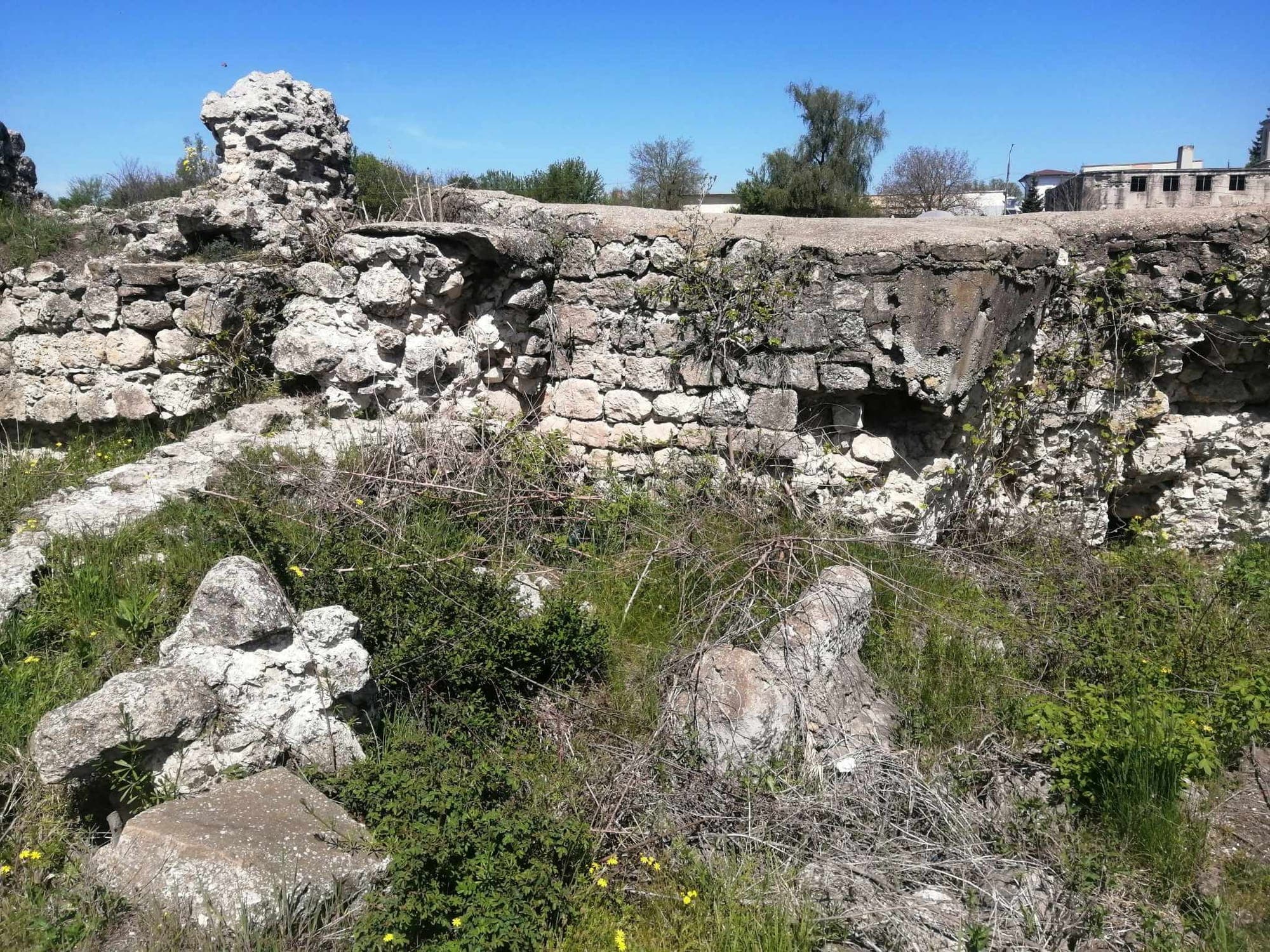
Giurgiu Fortress
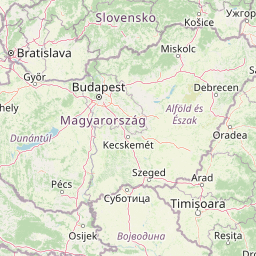
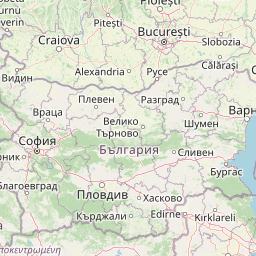
Giurgiu, GR · 80 km from Bucharest
The ruins of a medieval fortress on a former island in the Danube, with thick stone walls and paths around the old enclosure.
164 results
The ruins of a medieval fortress on a former island in the Danube, with thick stone walls and paths around the old enclosure.

A neighbourhood public garden from 1873, covering 2.4 hectares, with gentle paths, an artificial stream, two fountains and playgrounds, a short walk from Piața Romană.

The church raised between 1863 and 1872 by Brăila’s Greek community to plans by the architect Avraam Ioanidis: a Byzantine-style building with a clock tower, paintings by Tattarescu and Liochis, and the famous Healing Spring.

The former Casa Scânteii, the Socialist Realist building in northern Bucharest with a central tower and antenna, 104 m tall: between 1956 and 2007 it was the tallest in the city. It can be seen from outside, from Free Press Square.

A spa resort more than a century old, 5 km from Brăila, on the shore of a lake with hypertonic water and sapropelic mud. It has treatment centres, a historic park and a lakeside beach.

The former Rally Theatre, a heritage building in Brăila's historic centre, with a richly ornamented façade on Calea Regală, restored with EU funds and still a working repertory theatre.
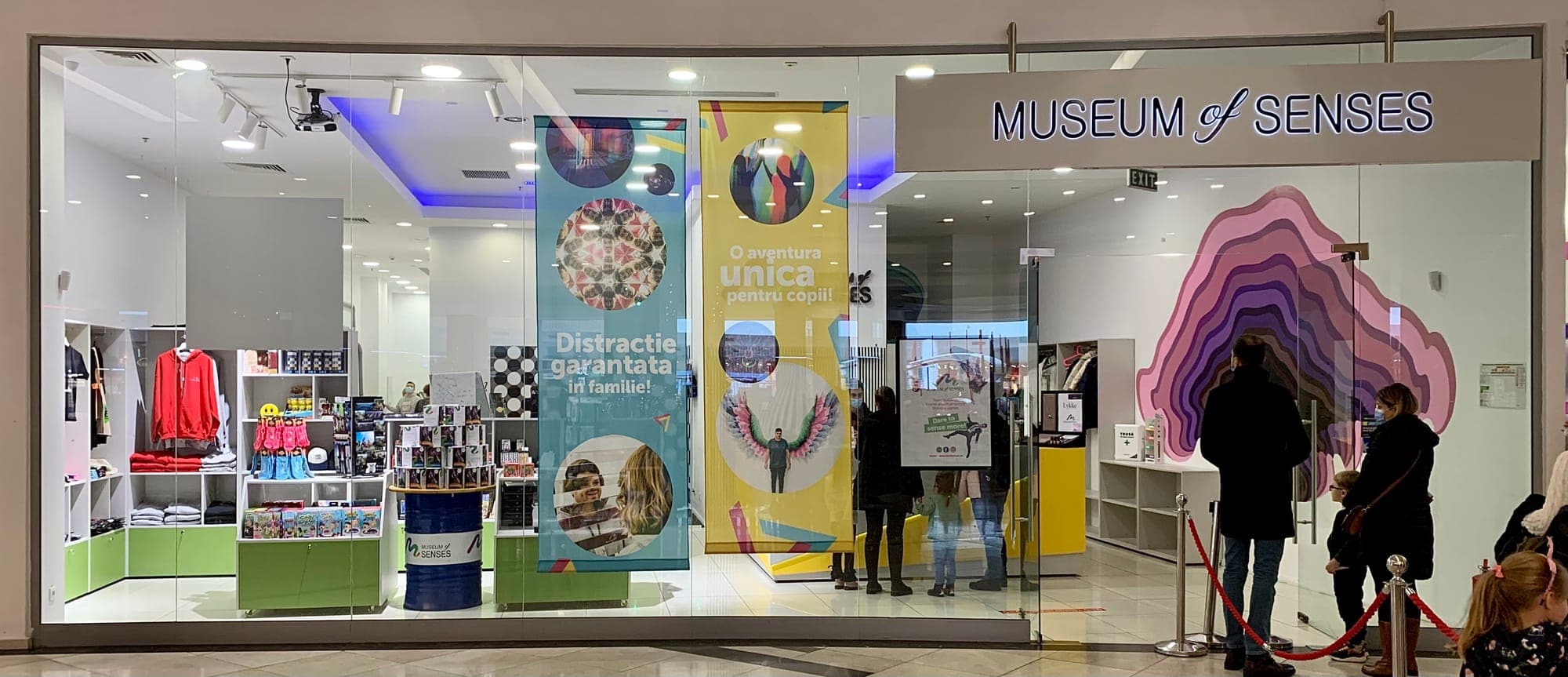
An interactive museum of optical illusions in AFI Cotroceni, with more than 30 exhibits that put perception to the test: the Ames Room, the infinity mirror room and the bed of nails.
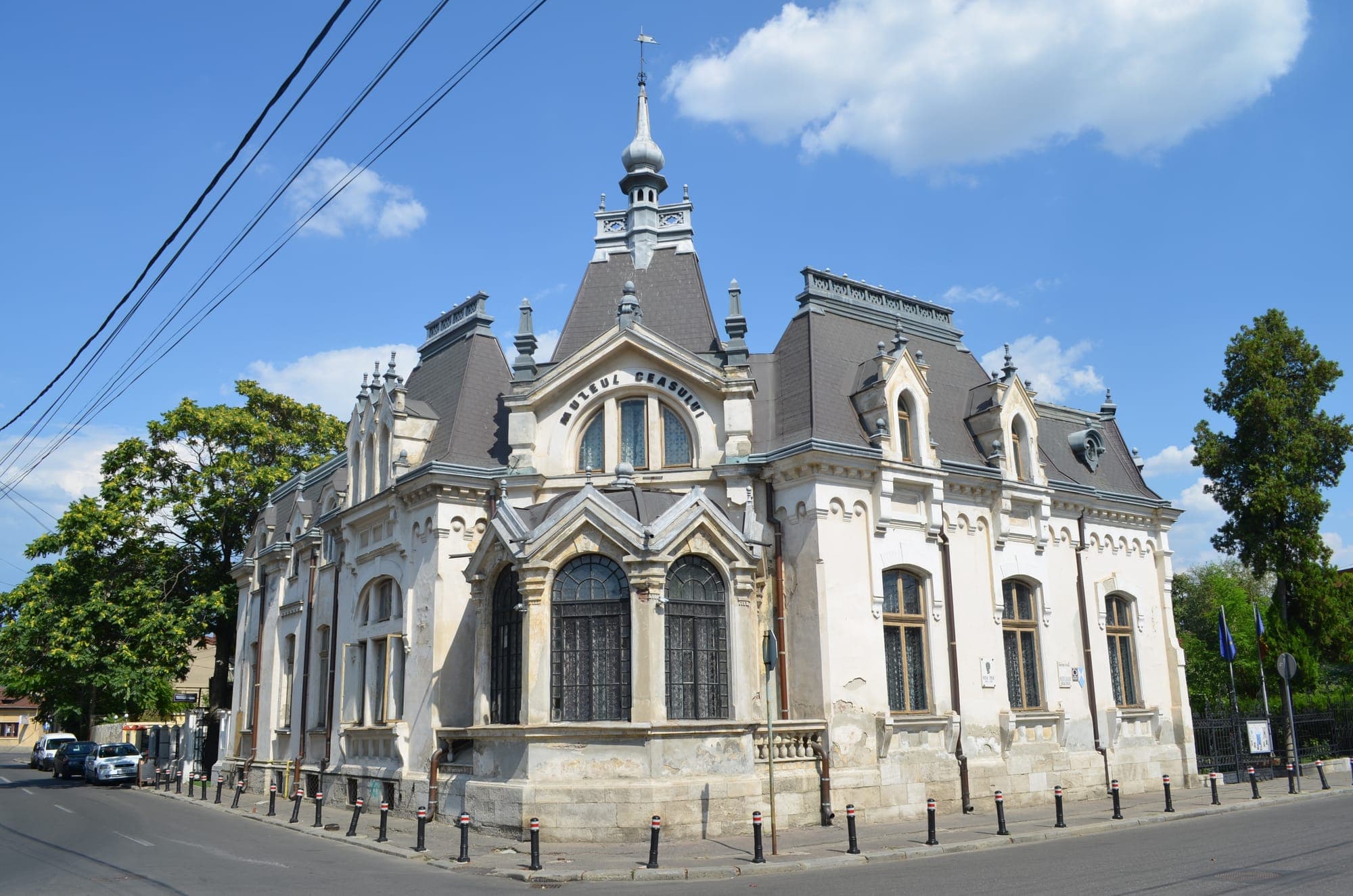
A museum of timekeeping in a late 19th-century house in Ploiești: astronomical clocks from the 16th century, pocket watches, mantel clocks and musical mechanisms that still work today.
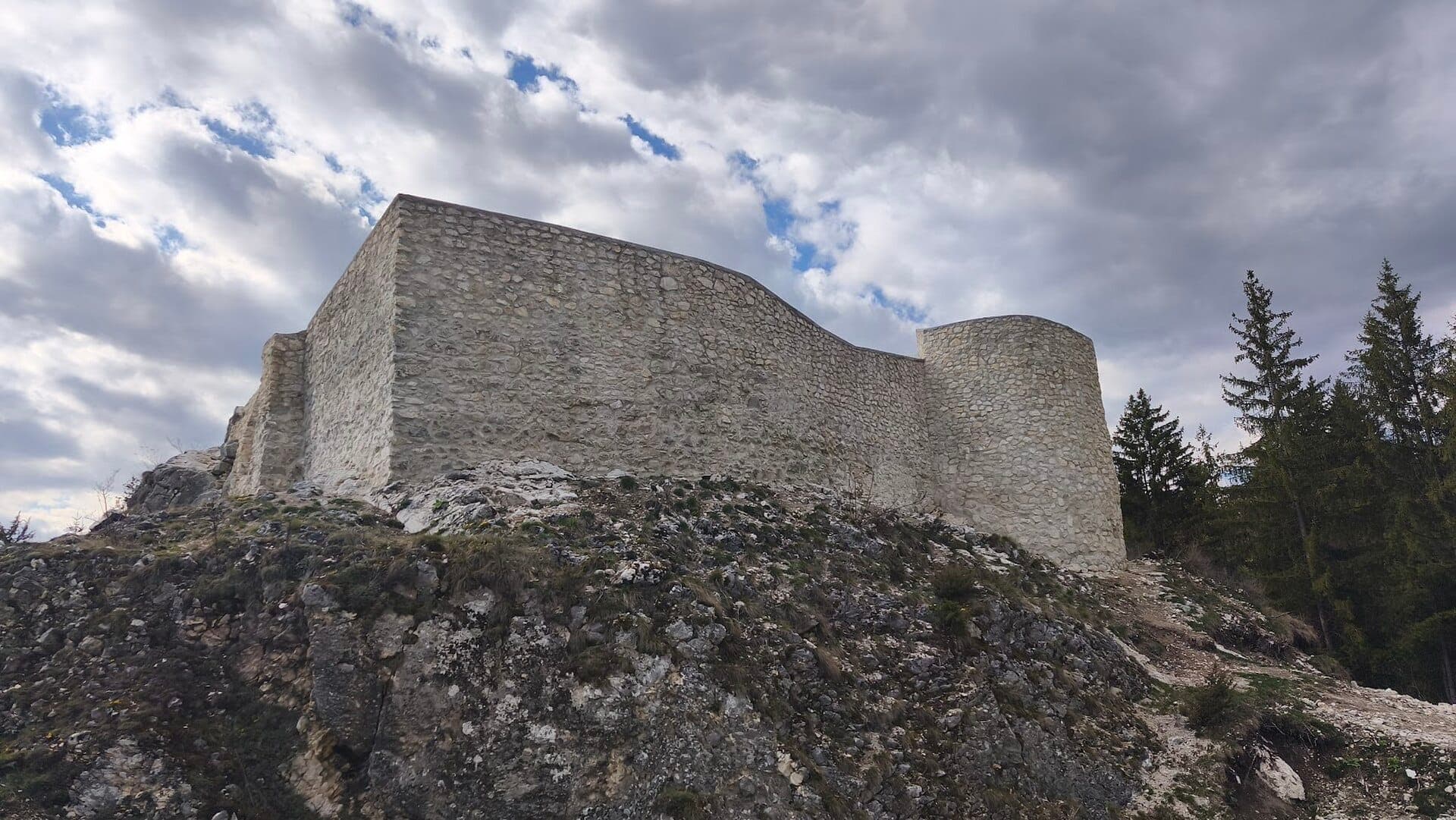
A medieval fortress on Dealul Sasului above Podu Dâmboviței, with consolidated stone walls overlooking the old road between Wallachia and Transylvania.

A red-brick house-museum in Brăila's Public Garden, with manuscripts, signed books and personal belongings of the writer Panait Istrati. It is not his birthplace but a former gardener's house.

A late Roman fort built in the 4th century north of the Danube, and its hypocaust baths, whose walls can be seen in the centre of Pietroasele commune, close to where the "Golden Hen with Chicks" treasure was found.

The oldest monastery in the Bărăgan, founded by the Grand Postelnic Ianache Caragea and rebuilt by Matei Basarab, with a 17th-century brick enclosure wall and a bell tower you enter through.

The seat of the Romanian Government in Victory Square, built between 1937 and 1952 to plans by Duiliu Marcu, in the simplified neoclassical style of the 1930s.

A monastery in the centre of Bucharest, founded in 1713–1715 by Saint Anthim the Iberian, with a trefoil-plan church, carved stone window frames and a courtyard with a bell tower and abbots' houses.

A UNESCO Geopark since 2022 in the hills and mountains of Buzău: eternal flames, trovants, salt mountains, red amber, rock-cut hermitages and interactive museums across 18 communes.