
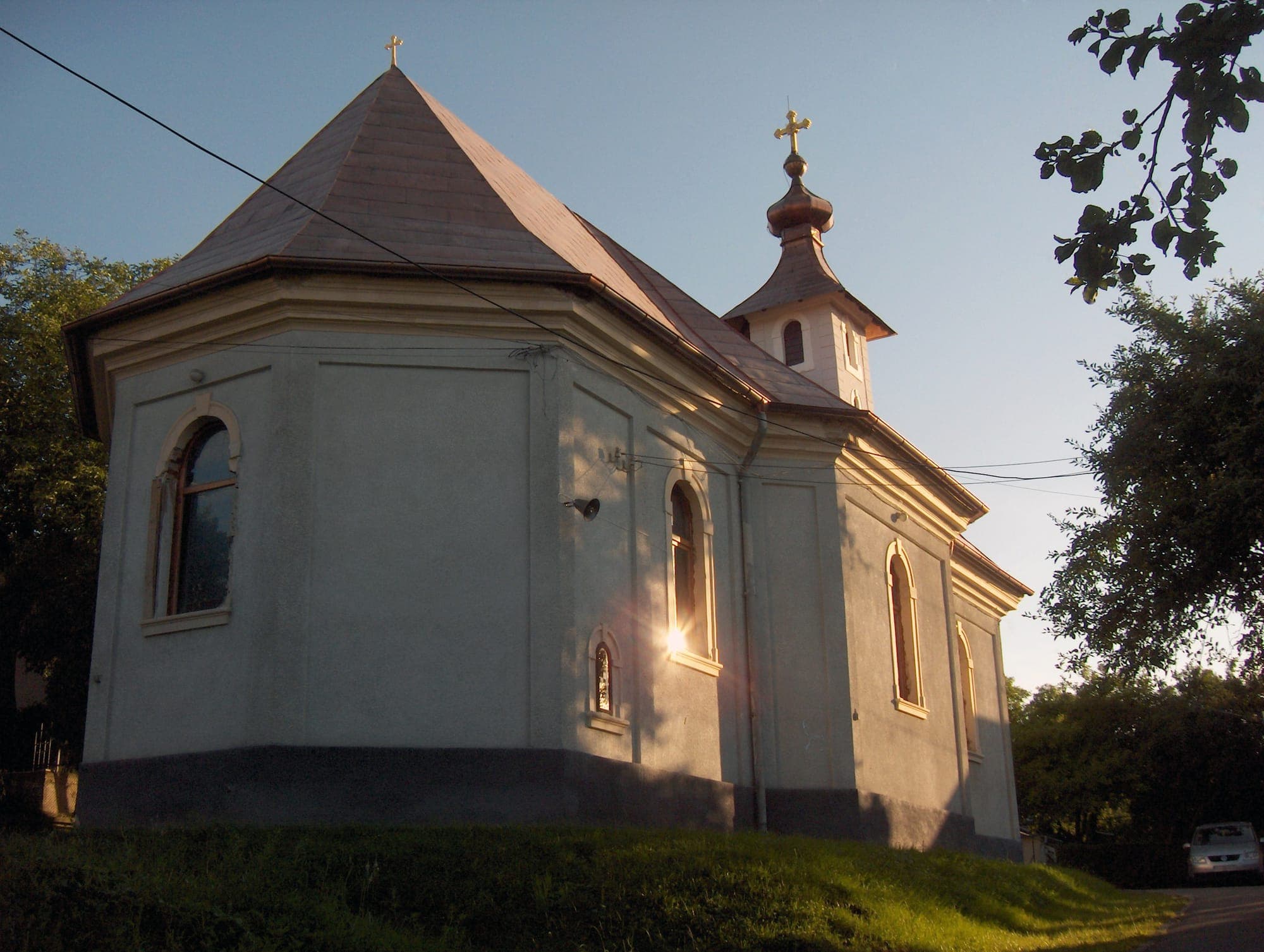
Holy Trinity Church on the Hill (Biserica din Deal)
Cluj-Napoca, CJ
Cluj's first Orthodox church, a Baroque building of 1795–1796 with an octagonal nave, an iconostasis painted in 1796 and a churchyard with an old Orthodox cemetery.
304 results
Cluj's first Orthodox church, a Baroque building of 1795–1796 with an octagonal nave, an iconostasis painted in 1796 and a churchyard with an old Orthodox cemetery.

A Brâncoveanu-style church of exposed brick, built in 1720–1722 on Calea Victoriei near Revolution Square, with an open porch on stone columns, two towers and the original painting in the porch.
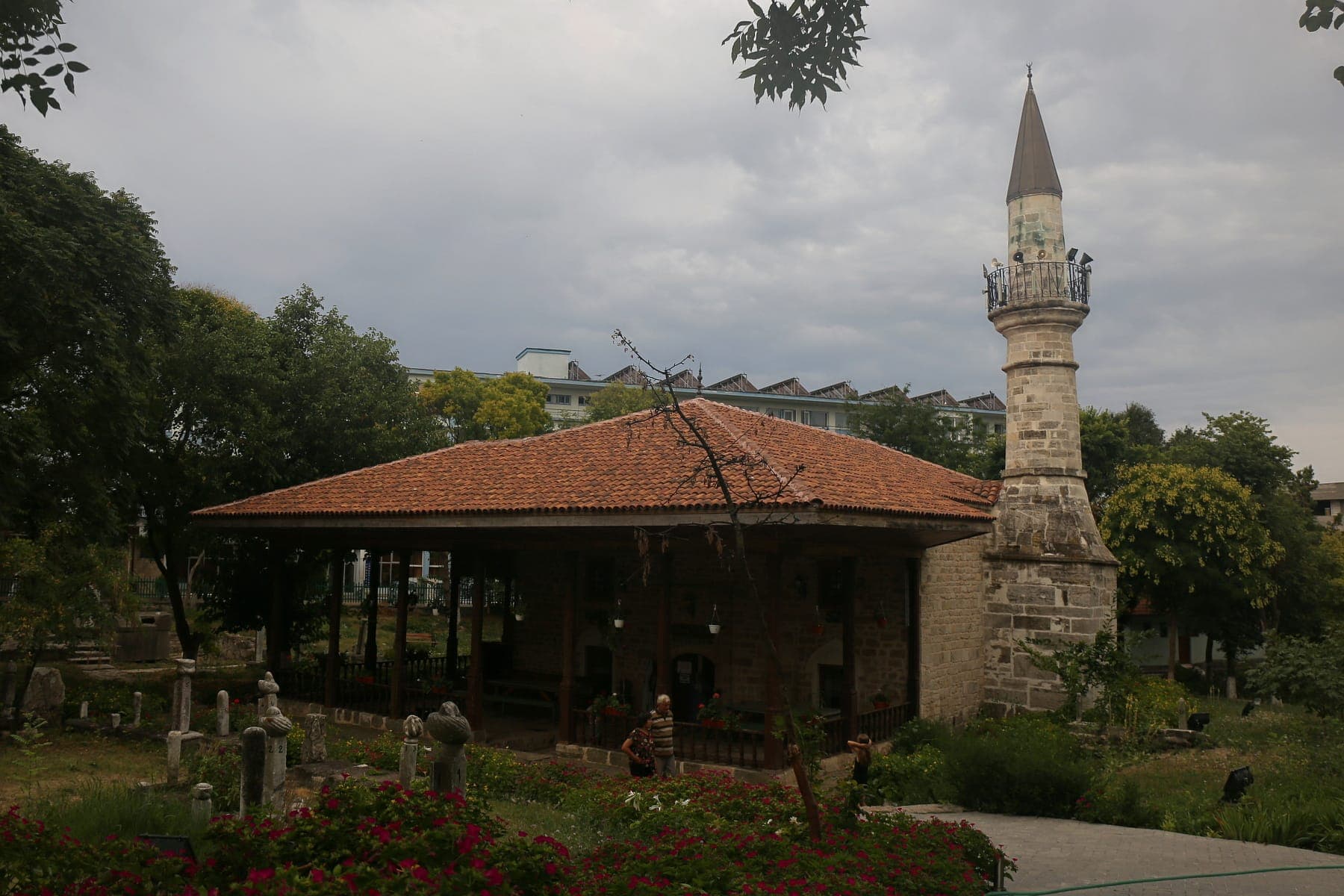
The town at the southern end of the Romanian coast: the 1575 Esmahan Sultan Mosque, the marina, the archaeology museum, the Callatis ruins and the seafront, in the same municipality as the Saturn–Olimp resorts.

The ruin of a Renaissance residence in Vințu de Jos, built by Cardinal Martinuzzi on the site of a Dominican monastery and remade as a fortress by Gabriel Bethlen; it is now fenced off and awaiting restoration.
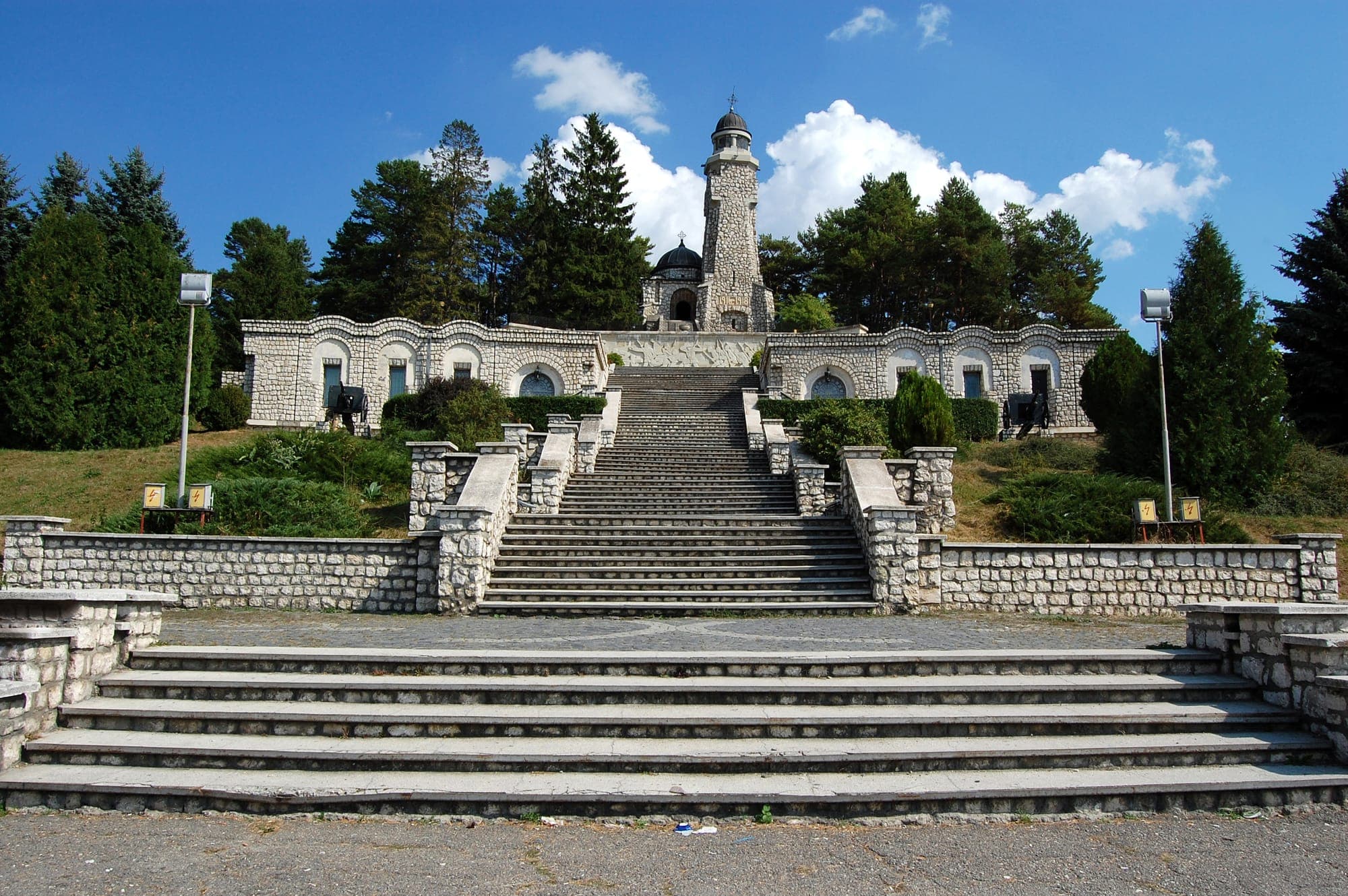
The First World War heroes' mausoleum on Mateiaș Hill, built between 1928 and 1935 beside the DN73 on the site of the autumn 1916 fighting, with an ossuary, a bas-relief and two museum rooms.

A palace in central Bucharest, built in 1911–1923 to plans by Dimitrie Maimarolu, with a façade of Corinthian columns, steps down to the Sărindar Fountain and richly decorated ceremonial halls.
A cave closed to visitors in the Miniș valley near Anina, where some of the oldest modern human fossils in Europe, about 40,000 years old, came to light in 2002.
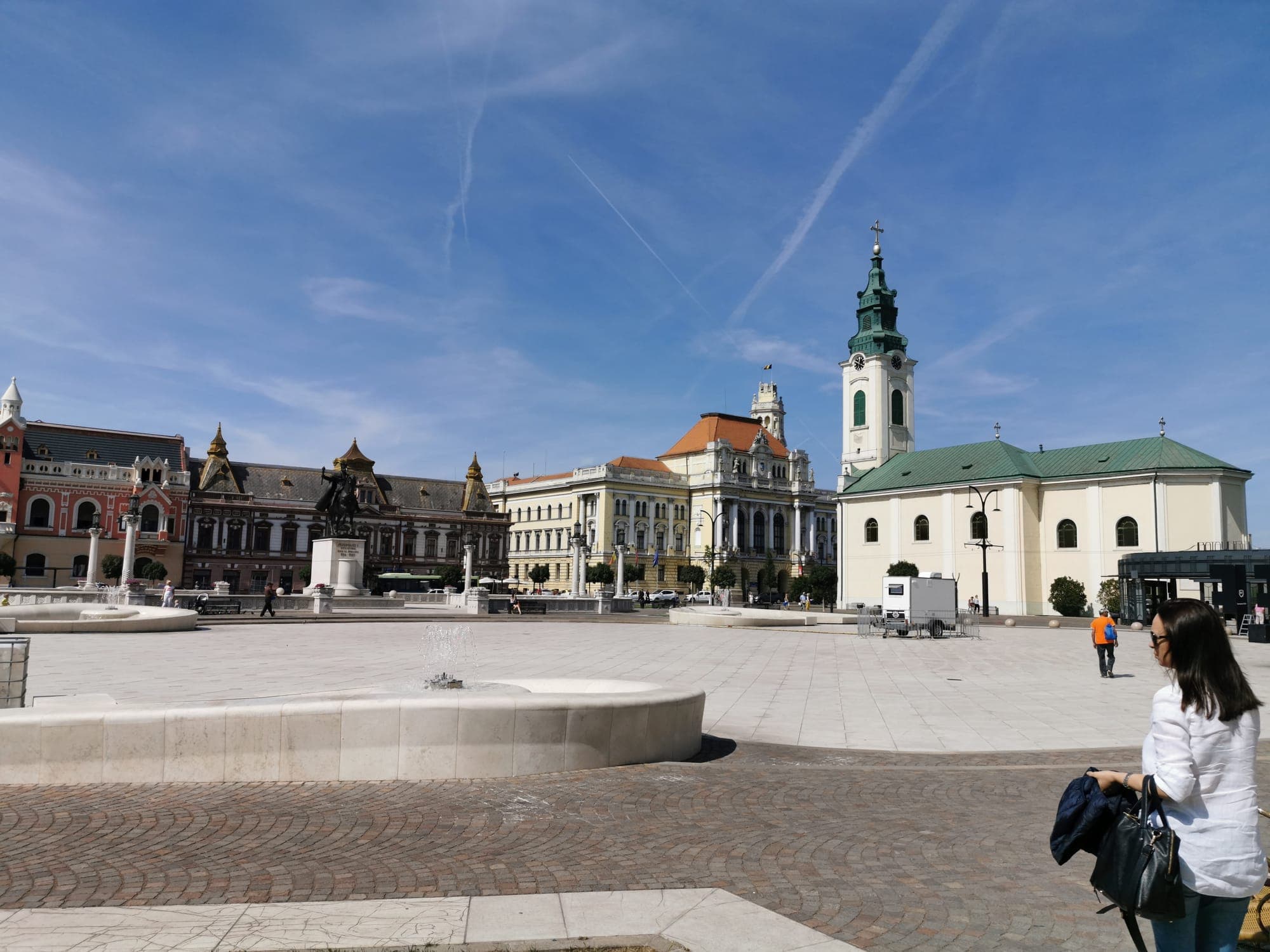
The central, pedestrianised square of Oradea, with the Town Hall Palace, the Black Eagle Palace, the Moon Church and the equestrian statue of King Ferdinand; in winter it hosts the Christmas market.
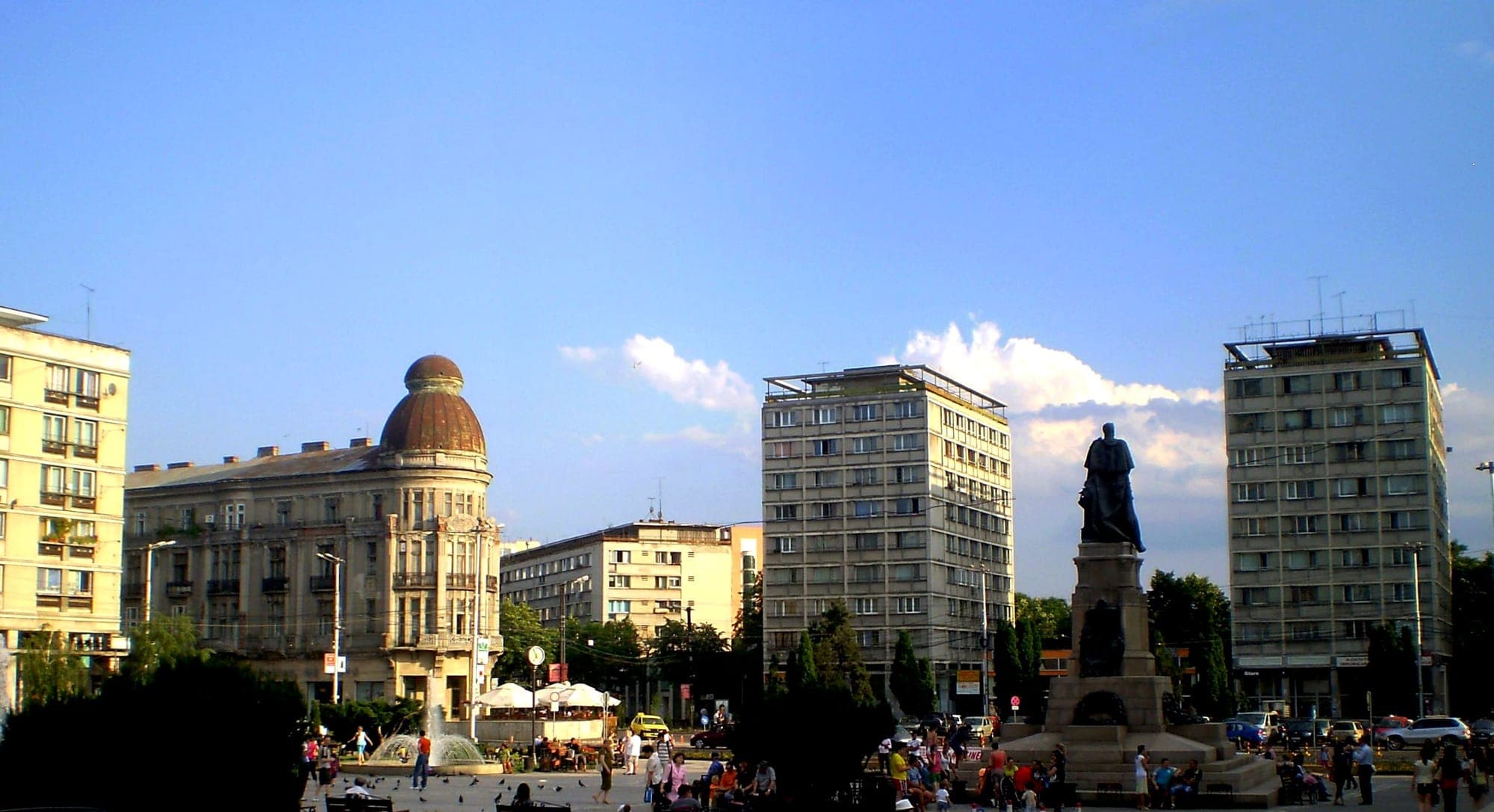
The square in central Iași where Ștefan cel Mare Boulevard, Lăpușneanu Street and Cuza Vodă Street meet, with the statue of Cuza unveiled in 1912 and the Braunstein Palace.
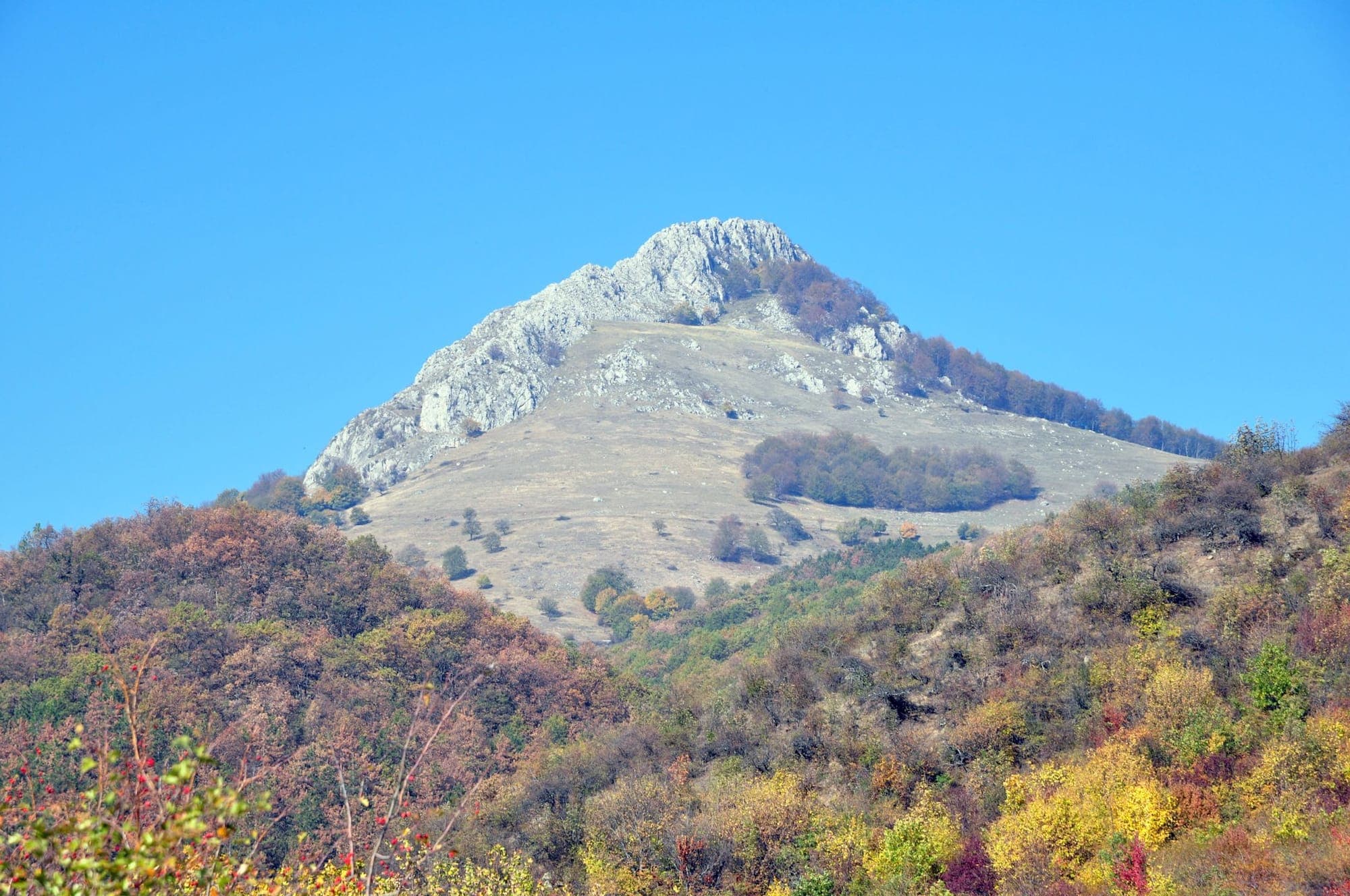
A Dacian fortress and settlement on a limestone spur in the Trascău Mountains, considered to be Apoulon: terraces cut into the rock, the ruins of a medieval castle on the summit and a panorama over the Mureș corridor.

An Orthodox church in Sector 2, built in 1910–1918 to plans by Cristofi Cerchez, with a porch on eight columns, two towers and interior painting redone after the 1977 earthquake.
A late Roman fort on the first terrace of the Danube, north of Hinova village, with low stone walls and seven towers; the largest prehistoric gold hoard in Romania was found here.

The oldest documented bastion of Brașov's walled town, mentioned in 1416: a hexagonal stone fortification with brick arches and a house from 1794 inside. It can be seen from the outside, from the path.

The Gothic hall church on Piața Unirii, built in the 14th–15th centuries, with a 76 m Neo-Gothic tower, a Baroque pulpit and the frescoes of the Schleunig chapel.
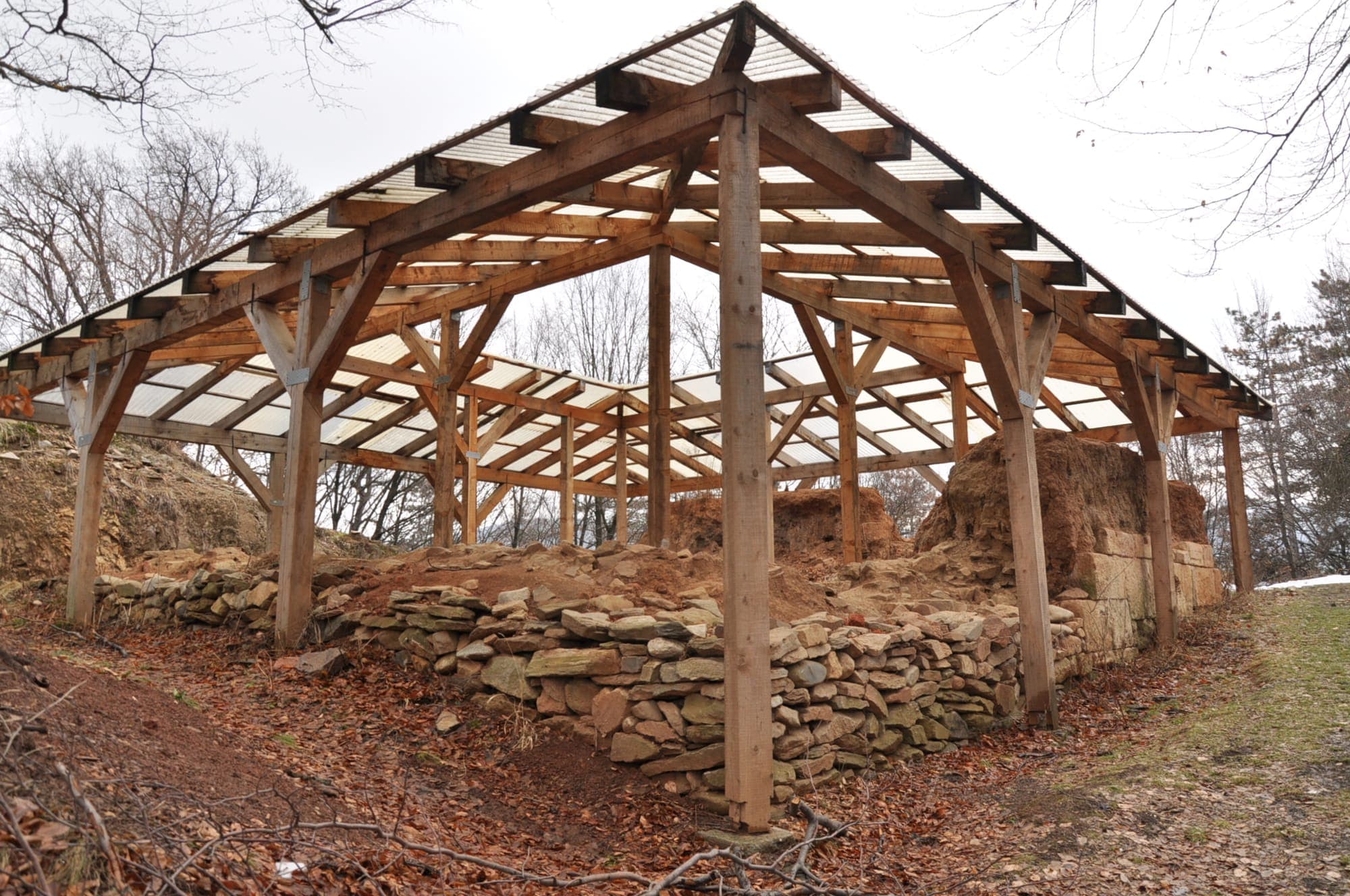
The ruins of a Dacian fortress on Cățănaș Hill, above the village of Tilișca in the Mărginimea Sibiului area: earth ramparts, terraces and a tower house under a protective roof, studied by archaeologists since the 1950s.



