Richiș Fortified Church
Richiș, SB · 56 km from Sibiu
A Gothic basilica from the second half of the 14th century, with a gate tower and enclosure walls, known for the Green Man and the other faces carved in stone inside.
351 results
A Gothic basilica from the second half of the 14th century, with a gate tower and enclosure walls, known for the Green Man and the other faces carved in stone inside.

The auxiliary fort of Resculum, the westernmost Roman fortification on the frontier of Dacia Porolissensis, on the bank of the Crișul Repede, beside the medieval fortress of Bologa.

The auxiliary fort of the ala Siliana, one of the largest on the western frontier of Dacia, in the park of Rákóczi-Bánffy Castle, with information panels and graphic reconstructions.

A 2nd–3rd-century Roman fort, garrisoned by a cohort of a thousand men, over which the village of Orheiu Bistriței was built; no walls remain visible above ground.

Romania's first open-air museum, on Hoia hill: farmsteads, workshops, peasant installations and three wooden churches gathered over ~16 hectares into a scattered village.

A mining village in the Apuseni Mountains and a UNESCO site since 2021: the Roman galleries of Alburnus Maior in the Mining Museum, the old centre with stone houses, the mining ponds and Piatra Despicată.
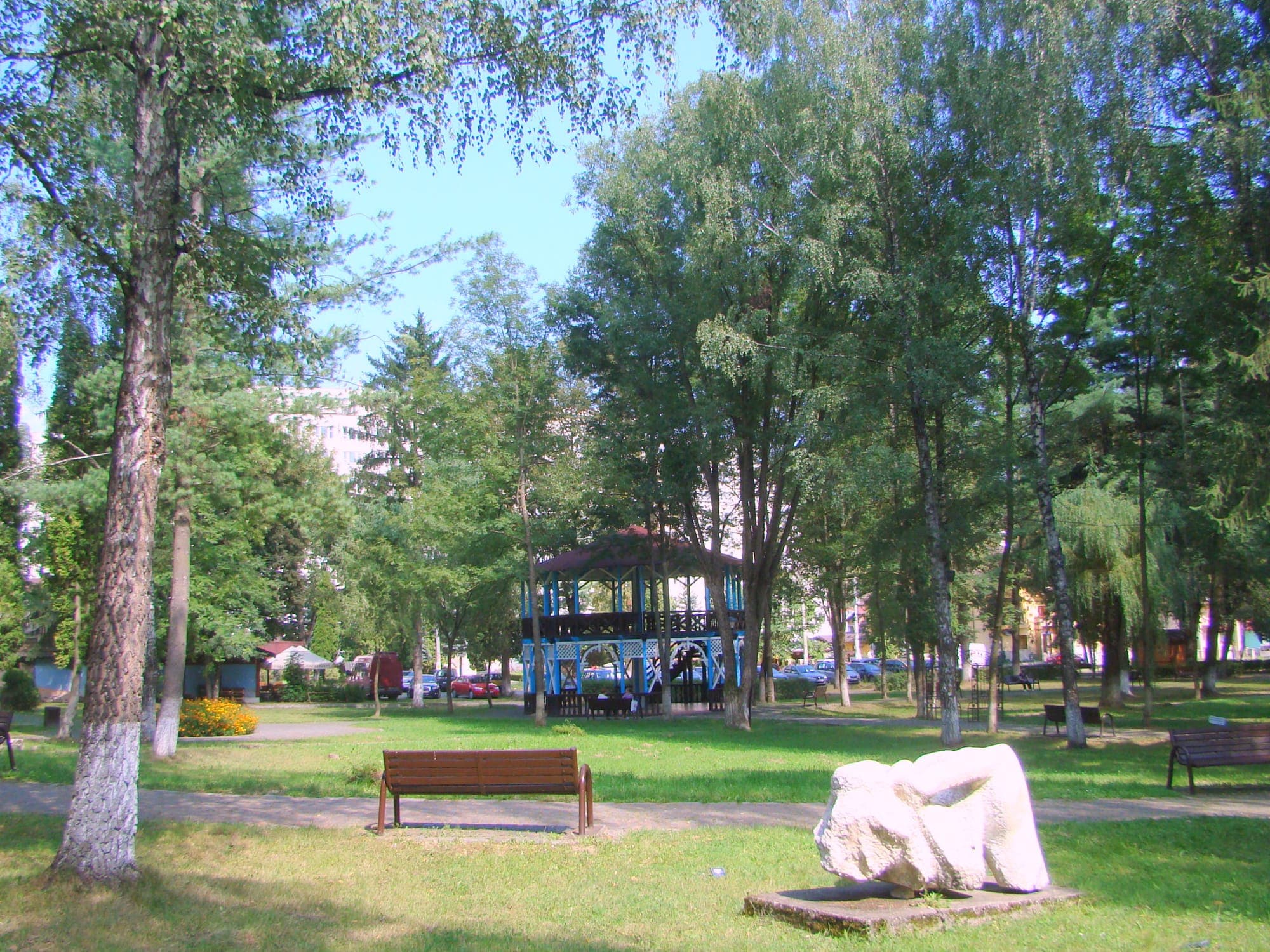
A spa resort at the foot of the Rodna Mountains, with numbered mineral springs, a park, the large 1970s hotels and Villa 1, an interwar villa that is a listed monument.

A Saxon church fortress in the Burzenland, on the edge of Brașov: a Neoclassical church from 1794, an inner wall preserved in full with five towers, and a medieval chapel with frescoes from around 1400.
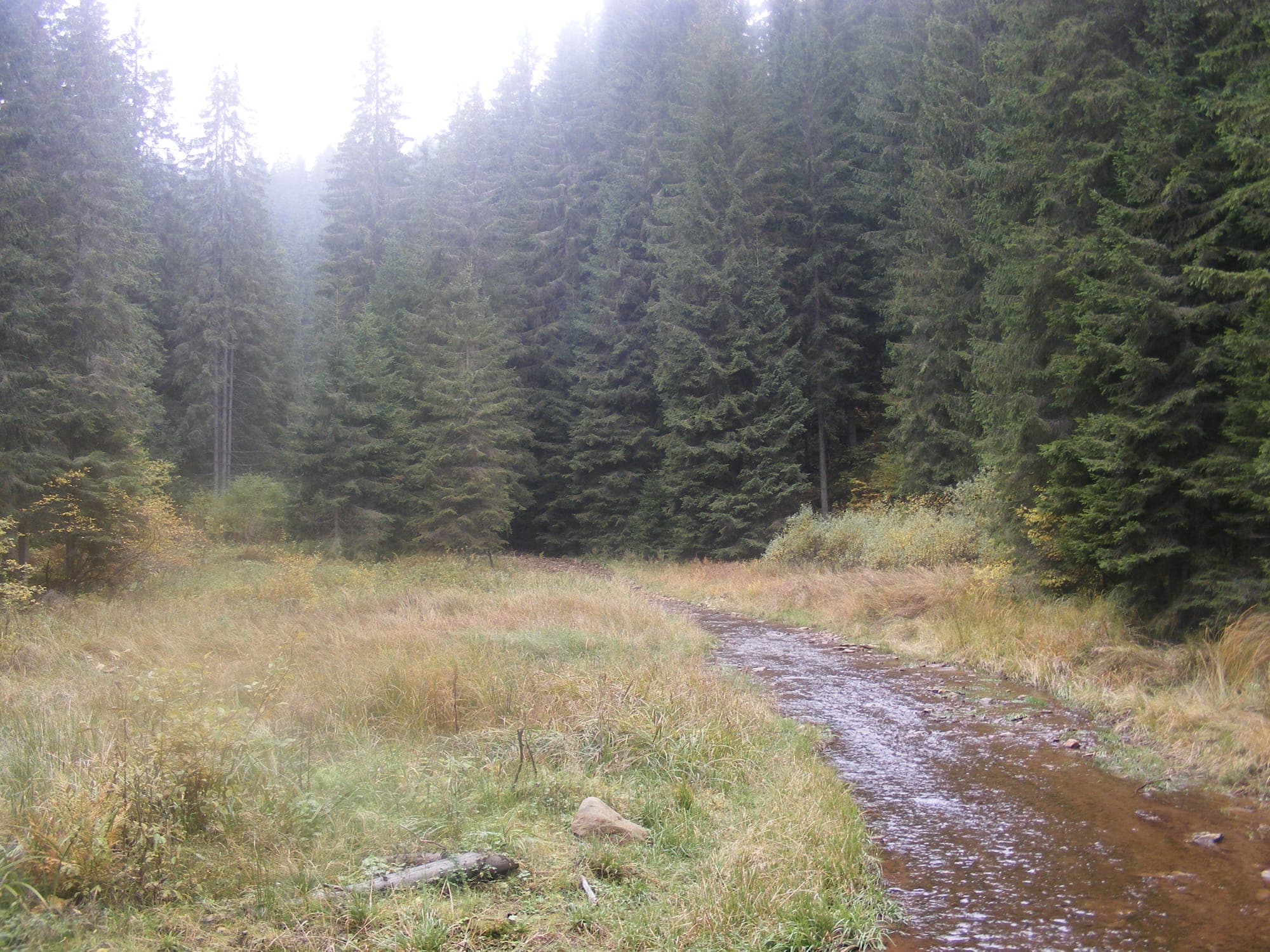
A mountain holiday settlement above 1,200 m in the southern Harghita Mountains, known for its carbon dioxide mofettes, mineral springs, a small wooden chapel and forest trails.

The Lutheran church in the centre of Mediaș, late Gothic and enclosed in a fortress with walls and towers; its leaning tower, with a five-pointed spire, is the town's emblem.

An open-air museum inside the CFR depot in Sibiu, opened in 1994: dozens of steam locomotives from 1885 to the 1950s, mainline and narrow-gauge, plus snow ploughs and cranes.

The oldest museum in Székely Land, in a building designed by Kós Károly in 1911–1912: history, ethnography, natural sciences and a garden with Székely gates.
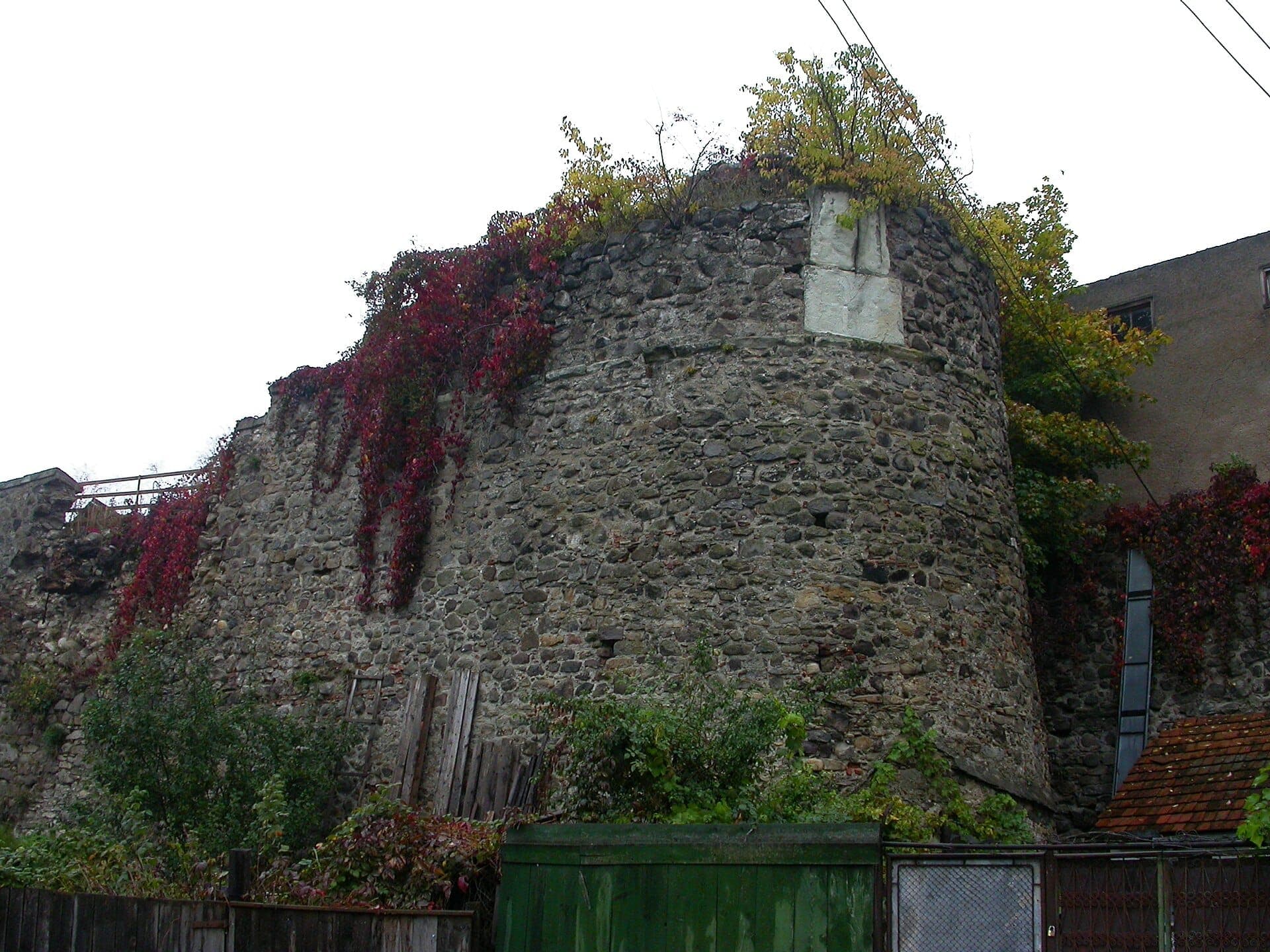
The walls and bastions of a Renaissance fortress survive on Tompa László Street in the old town of Odorheiu Secuiesc.

A 19th-century manor in Câmpia Turzii, restored with PNRR funds and opened to the public in 2026 as a cultural tourism centre, with exhibitions and the Metallurgy House in the basement.

The zoo on the Cornești Plateau, open since 1964 and now spread over 42 hectares of forest, with elephants, giraffes, gibbons, tigers, lions and bears, the largest in Romania by area.