Holy Trinity Roman Catholic Church of Sibiu
Sibiu, SB · 3 km from Sibiu
The Baroque Jesuit church on the Grand Square, built in 1726–1733, with the fresco behind the high altar, the 1860 organ and the funerary monument of Marshal Traun.
351 results
The Baroque Jesuit church on the Grand Square, built in 1726–1733, with the fresco behind the high altar, the 1860 organ and the funerary monument of Marshal Traun.

A 13th-century Romanesque church with a richly carved portal, enclosed by a double ring of walls in the Hârtibaciu valley, with the Făgăraș Mountains behind.

A ruined peasant fortress with a stone curtain wall and towers on a hill at the edge of Jimbor village, on the road from Rupea towards the Székely Land; it bears a restoration inscription dated 1692.

Late Baroque noble residence on the bank of the Arieș, with an L-shaped plan and polygonal corner towers, now a roofless ruin in private ownership with no organised visits.

A 17th-century manor given its present look in 1903, set in a park and home to the Mikes Kelemen museum: four memorial rooms for notable people born in Zagon.

The museum in the Babylon building and the Union Hall, where the union of Transylvania with Romania was voted on 1 December 1918, in the heart of the Alba Carolina Fortress.

The hilltop monastery near Gherla that keeps the icon of the Virgin painted in 1681, which wept in 1699; home to the largest pilgrimage in Transylvania, on the Feast of the Dormition.
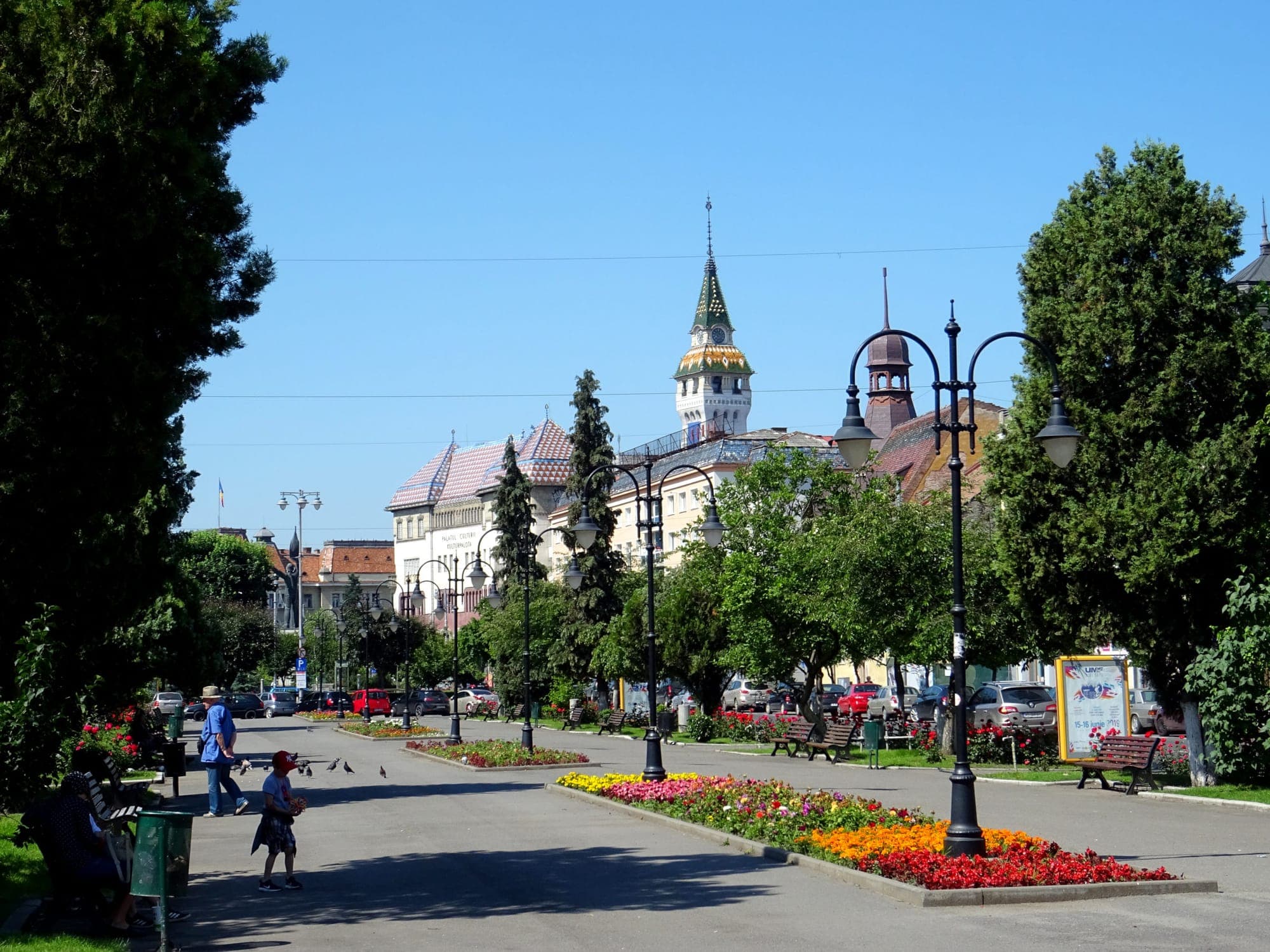
The central square of Târgu Mureș, a promenade of ~550 m with the Flower Clock, the statue of Avram Iancu, the Orthodox Cathedral and historic façades; in winter, the Christmas market is held right beside it.

The central square of Cluj, with the Gothic St Michael's Church, the 1902 equestrian statue of Matthias Corvinus and the façades of the Bánffy Palace and the surrounding houses.
A cave in the Bihor Mountains, discovered in 1984, with chambers richly decorated with calcite formations; a class A reserve, padlocked and open only to scientific research.

The fortress of the Fifth Legion Macedonica on Dealul Cetății in Turda, with its restored headquarters building and baths, open to the public since 2026 and part of the UNESCO site of the Dacian frontier.
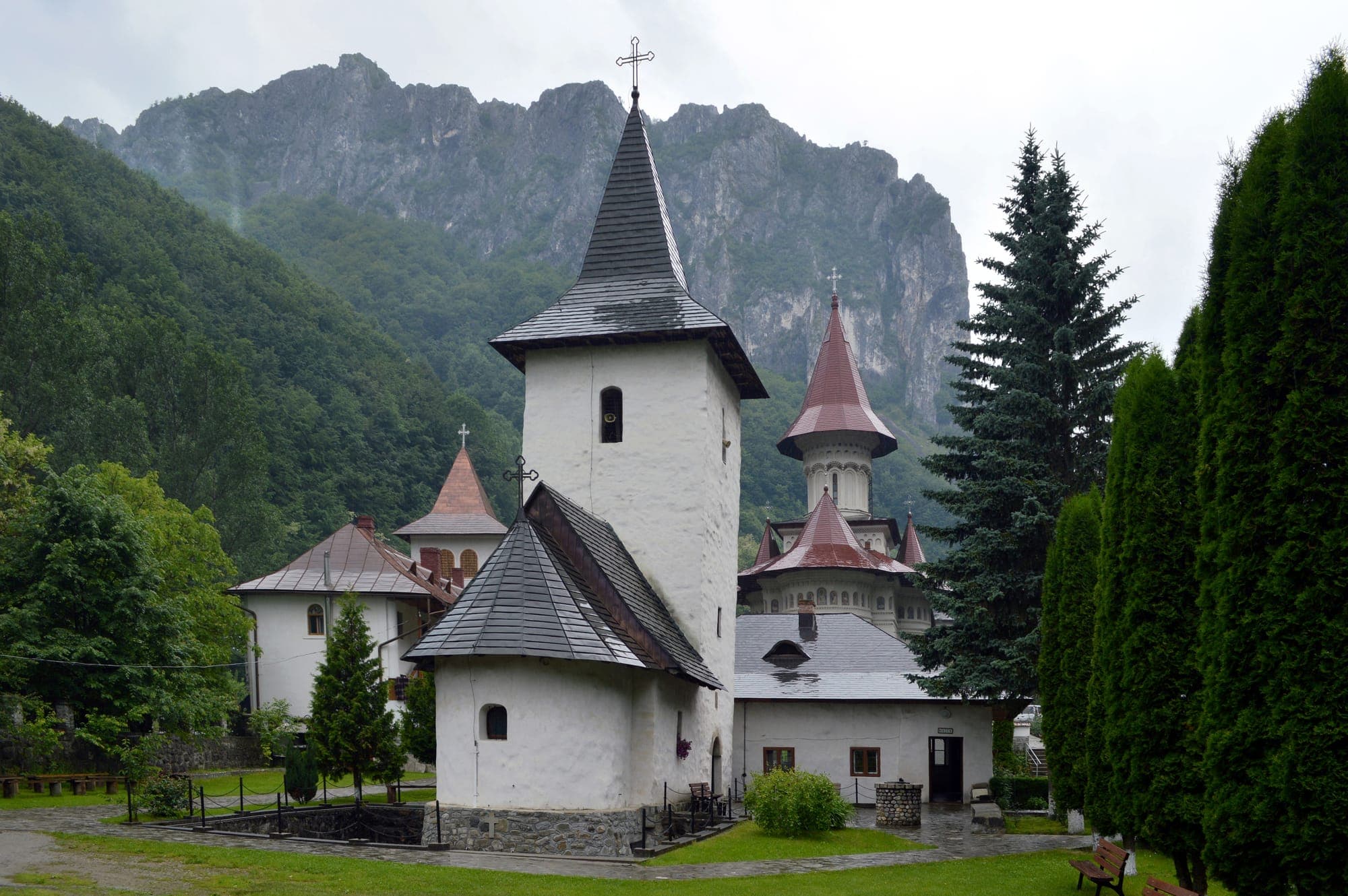
A convent at the mouth of the Râmeț Gorge in the Trascău Mountains, with an old stone church whose murals go back to around 1300, and a new church dating from 1992.
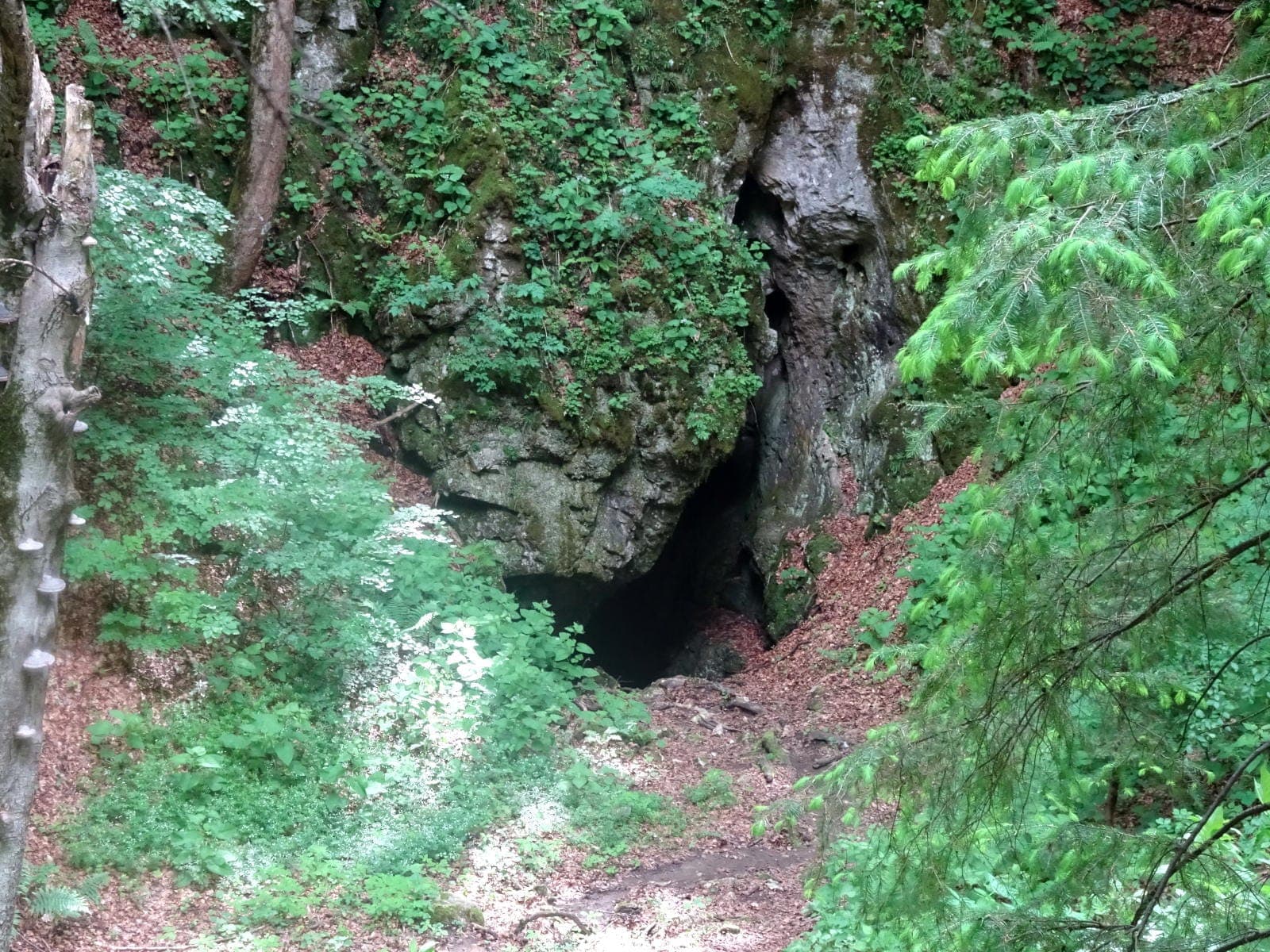
A wild cave of about 390 m in the limestone of the Postăvarul mountains, a few kilometres from Râșnov, decorated with flowstone and visited only with a guide or caver, using exploration gear.

A hall church from the second half of the 13th century, with a tympanum relief of a dragon hunt, considered one of the most important early Gothic sculptures in Transylvania.

The Gothic hall church begun in 1486 for the Franciscans, with a 17th-century star vault, the 1646 pulpit, the 1913 Angster organ and the Apafi tombs.