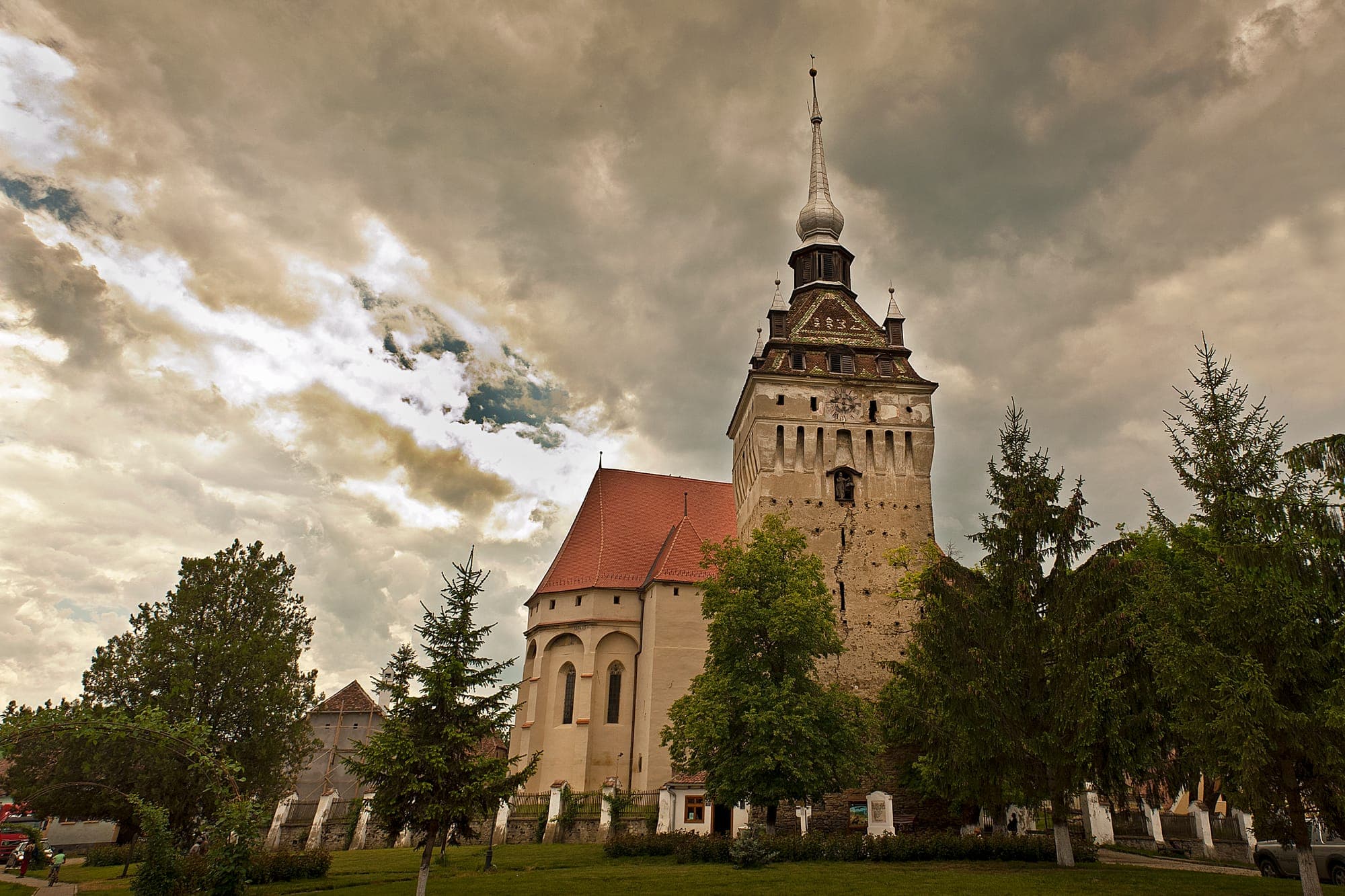
Top 100Saschiz Fortified Church
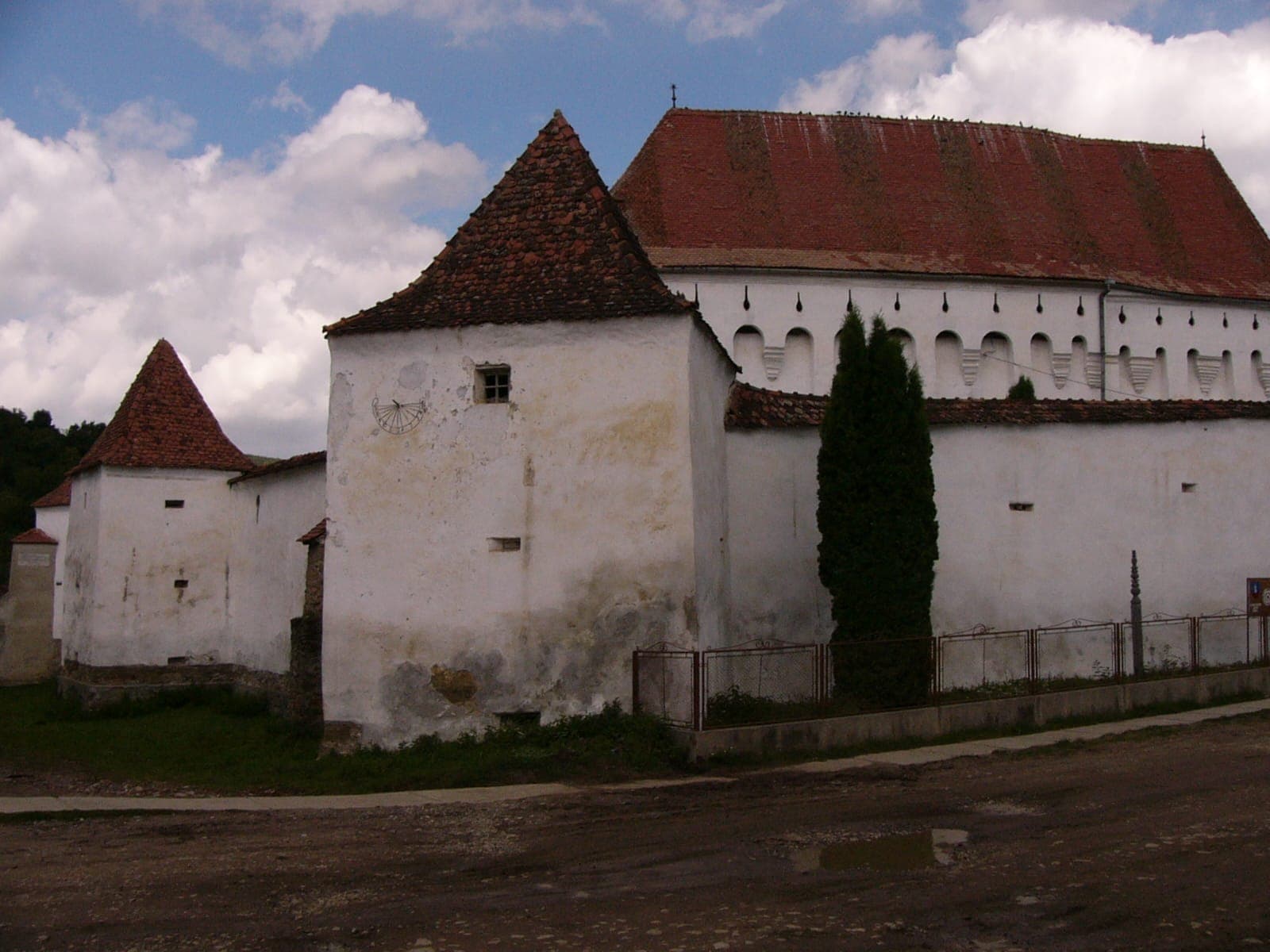
A Late Gothic Saxon church beside the DN13, with a bell tower modelled on Sighișoara's Clock Tower; on the hill above the village stand the walls of a 14th-century peasant fortress.
Top 100A Late Gothic Saxon church beside the DN13, with a bell tower modelled on Sighișoara's Clock Tower; on the hill above the village stand the walls of a 14th-century peasant fortress.
A narrow limestone gorge in the Piatra Mare Mountains near Brașov, with seven rock steps climbed on metal ladders and walkways; at the top you can ride a zip line back down.
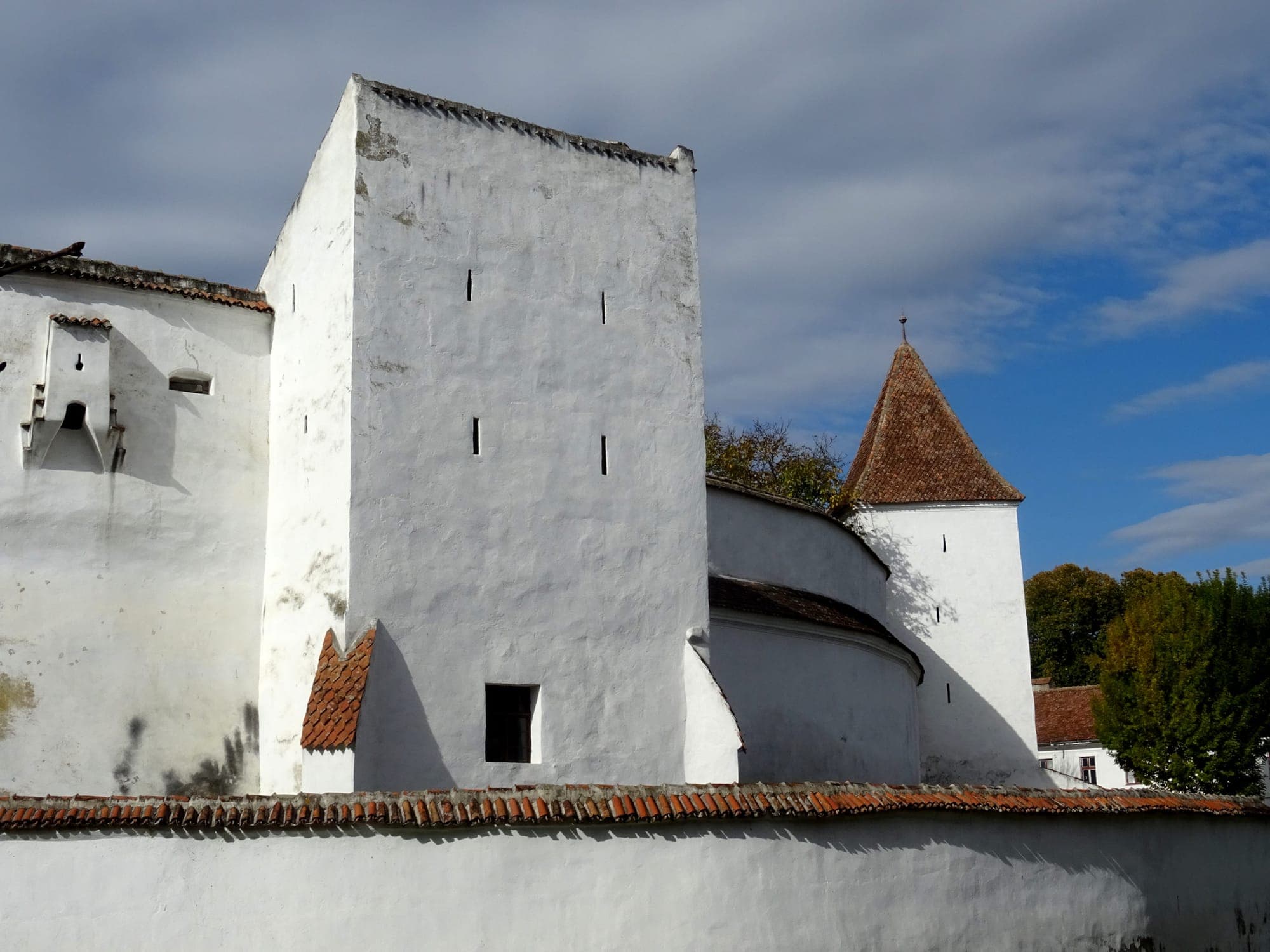
Top 100A small white church on the hill above the village, grown from a 12th-century Romanesque chapel and ringed by walls, towers and grain galleries, in a Saxon village that has survived almost intact.
Top 100Romania's largest glacial lake, at 2,040 m in the heart of Retezat National Park; it can only be reached on foot, after a climb of about two hours from Poiana Pelegii.
Top 100The only Székely and Unitarian church in the UNESCO fortified-church site: a Gothic church with 1419 frescoes of the legend of Saint Ladislaus, whose fortress villagers still use to store their bacon.
Top 100A spa resort 15 km from Sibiu with salt lakes formed where old salt mines caved in: in summer you swim in water that keeps you afloat, between white banks of salt.

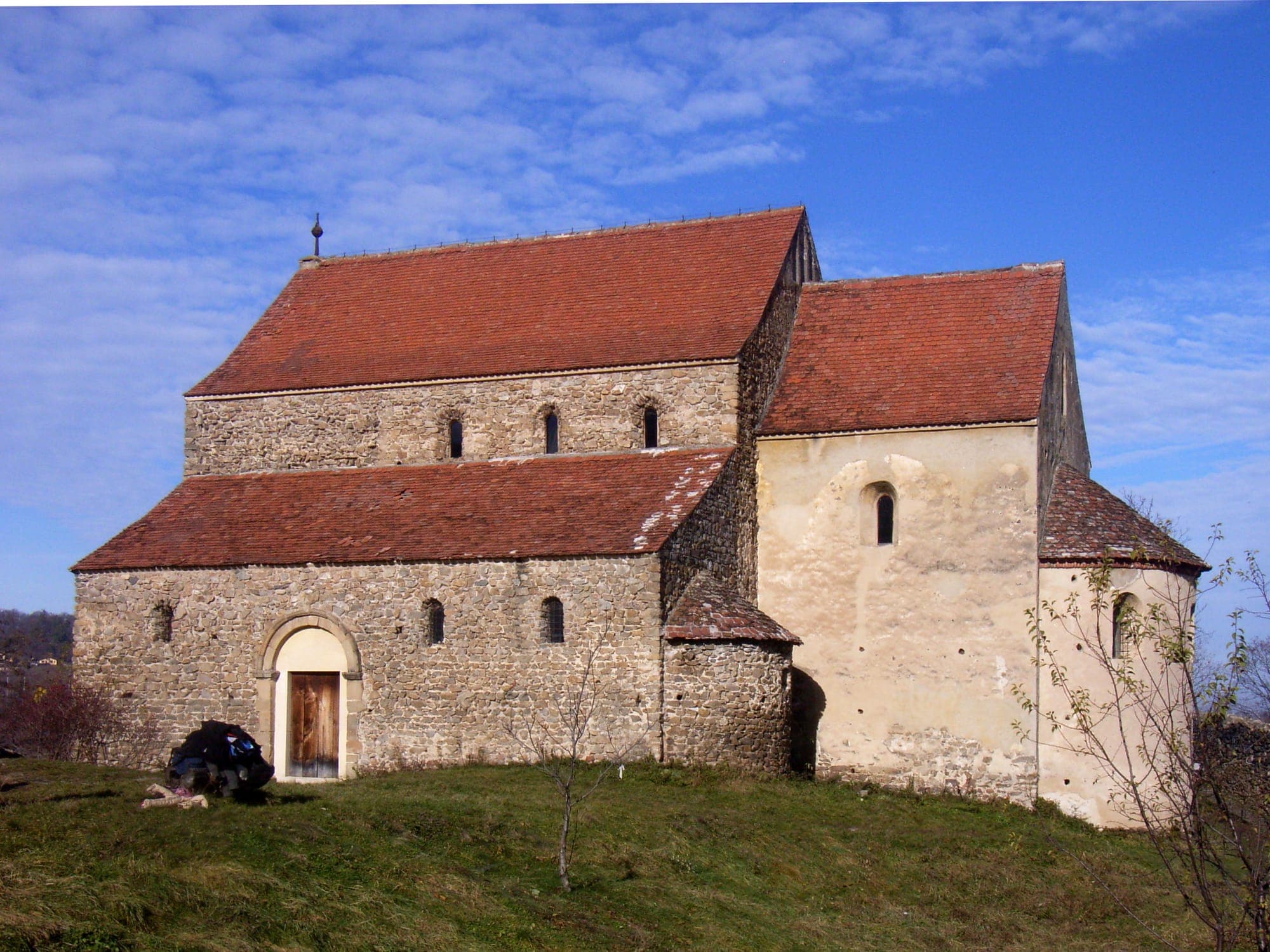
A Romanesque basilica from the turn of the 12th and 13th centuries, left almost unaltered, on the rocky top of St Michael's Hill, ringed by a defensive wall and looking out to the Făgăraș Mountains.

A modern spa complex in Ocna Mureș, opened in 2023, with heated salt-water and fresh-water pools, saunas and treatments. It is above ground only: the old salt mine cannot be visited.

A lido with two salt lakes formed where old salt mines caved in, 24 km from Cluj-Napoca, plus an indoor pool of warm salt water that stays open all year.
A Renaissance hunting manor of the Counts Kálnoky, begun in 1648, with bastions and rare stucco work, restored and opened in 2017 as the Museum of Transylvanian Life, with guided tours.

A Dacian fortress on Cetățuia hill, at the gateway to the Orăștie Mountains: earth ramparts, a stone wall built in the Hellenistic manner, tower houses and temples, a UNESCO site.

A 13th-century Romanesque basilica enclosed by 12 m walls with seven towers, with the tallest bell tower in the Burzenland and a chapel of 15th-century Gothic frescoes.

The wooded 960 m mountain that rises straight out of central Brașov: the “BRAȘOV” letters, views over the old town, a nature reserve, marked trails and a cable car from its foot.

The oldest museum in Székely Land, in a building designed by Kós Károly in 1911–1912: history, ethnography, natural sciences and a garden with Székely gates.

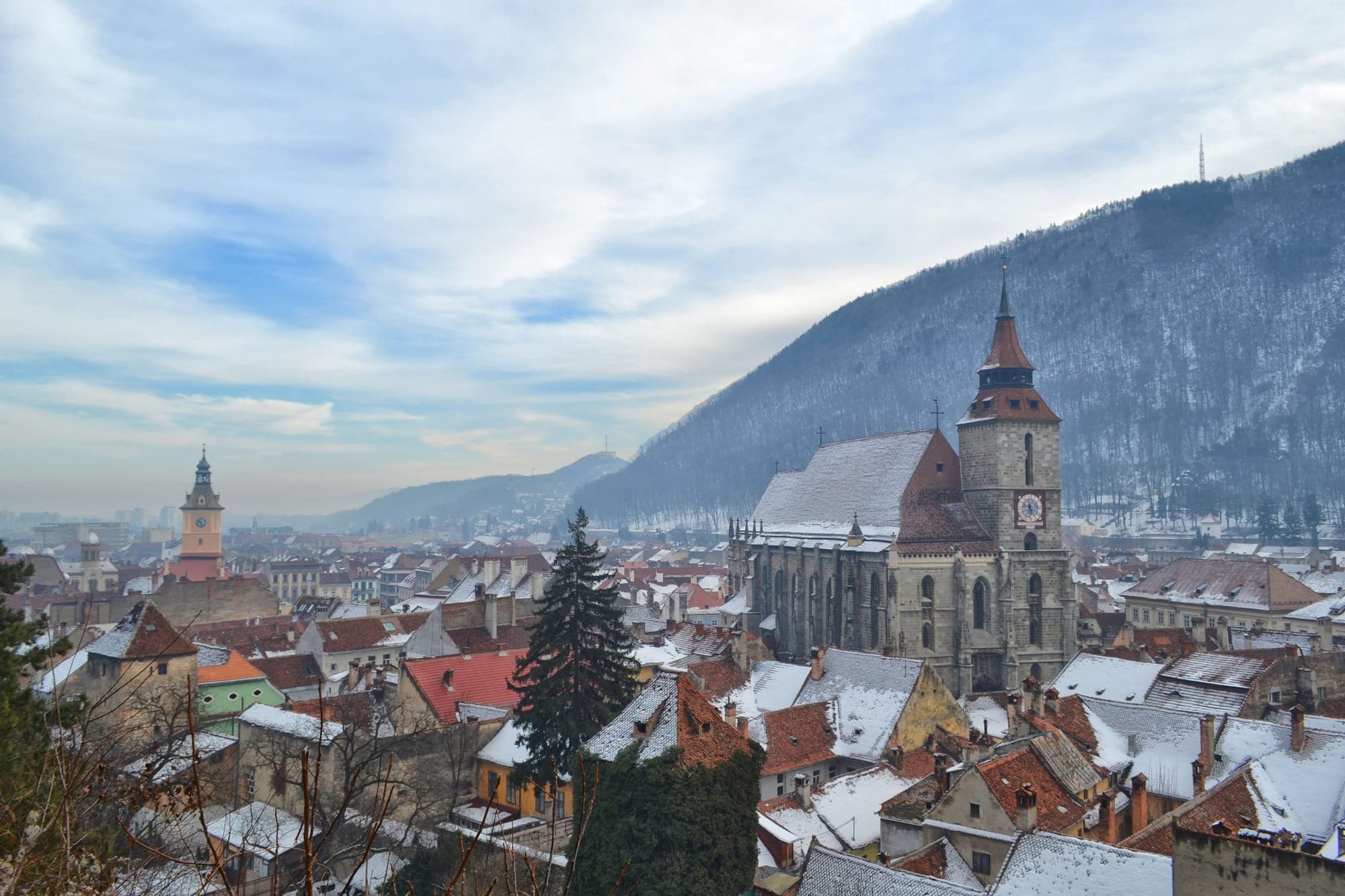
Romania's largest Gothic church, built by the Saxons of Brașov between 1383 and 1477; inside are the 1839 Buchholz organ and a rare collection of Anatolian carpets.
Top 100
Top 100
Top 100
Top 100
Top 100