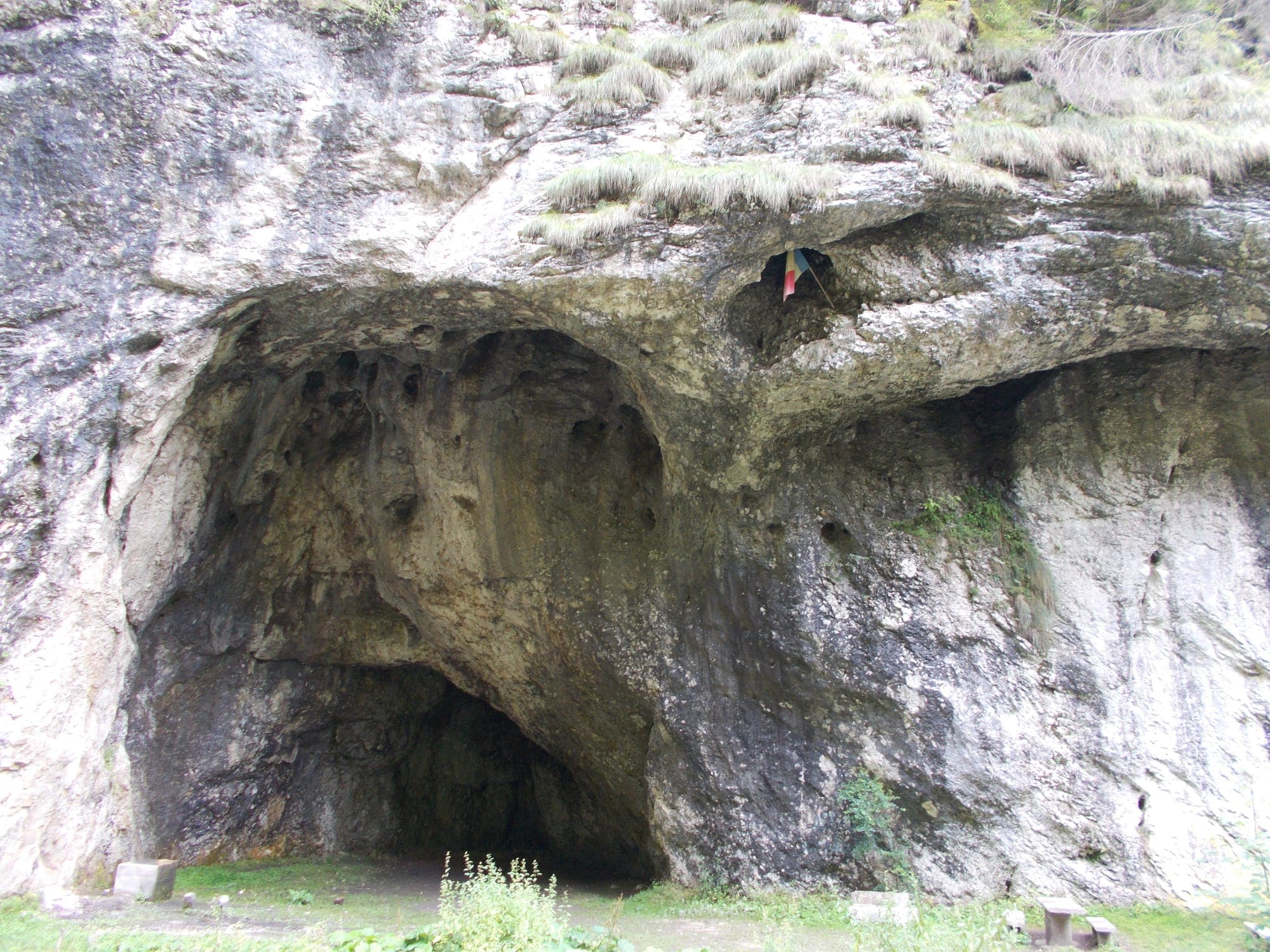
Cioclovina Cave
A karst reserve in the Șureanu Mountains: a 6.7 km underground traverse along the Ponorici stream and the fossil cave where the roughly 33,000-year-old “Cioclovina 1” skull was found; access for authorised cavers only.
351 results
A karst reserve in the Șureanu Mountains: a 6.7 km underground traverse along the Ponorici stream and the fossil cave where the roughly 33,000-year-old “Cioclovina 1” skull was found; access for authorised cavers only.

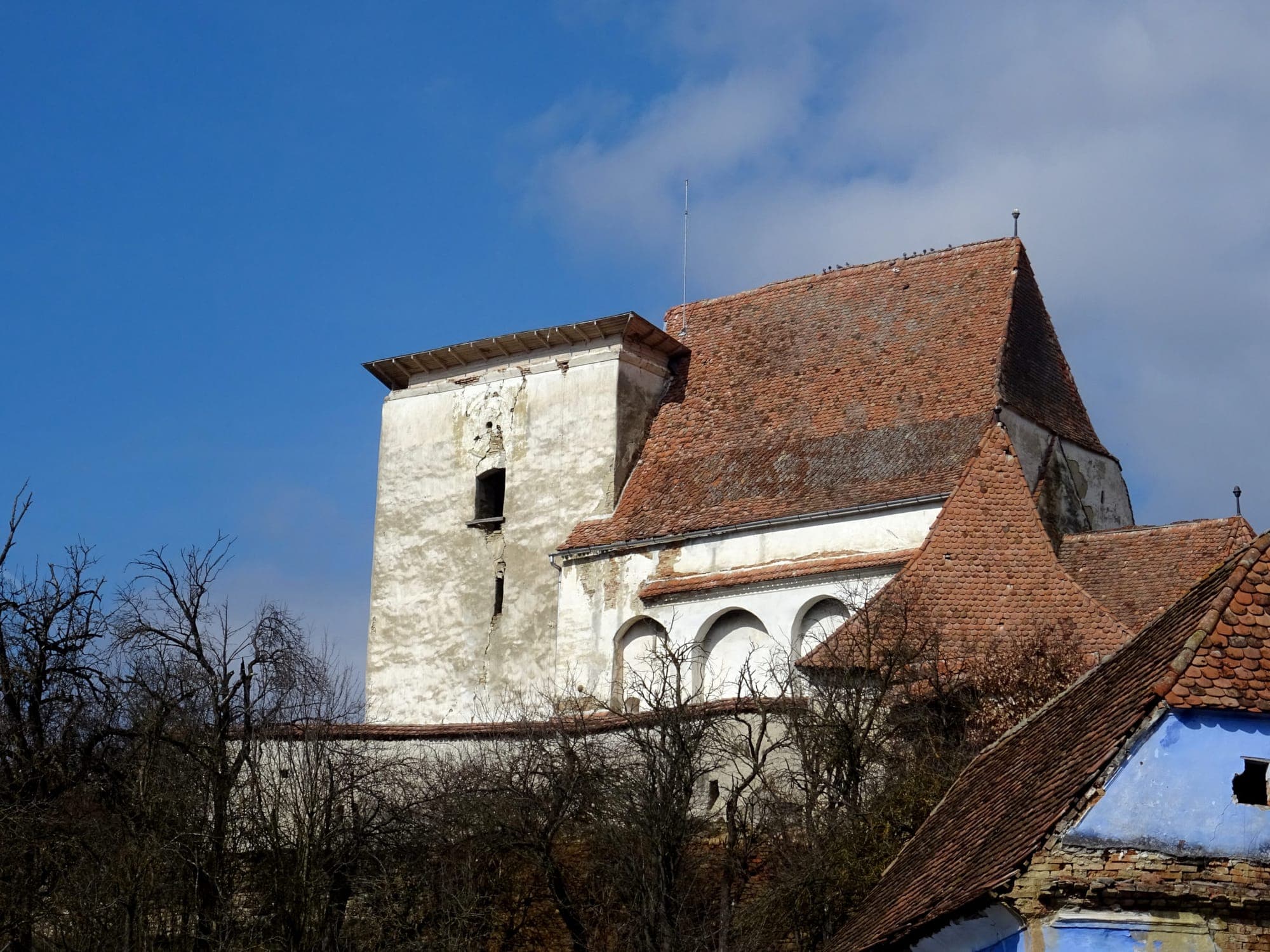
A Saxon church fortress in the Burzenland, near Brașov: a 19th-century Neoclassical church ringed by a double medieval wall with eight surviving defensive towers.

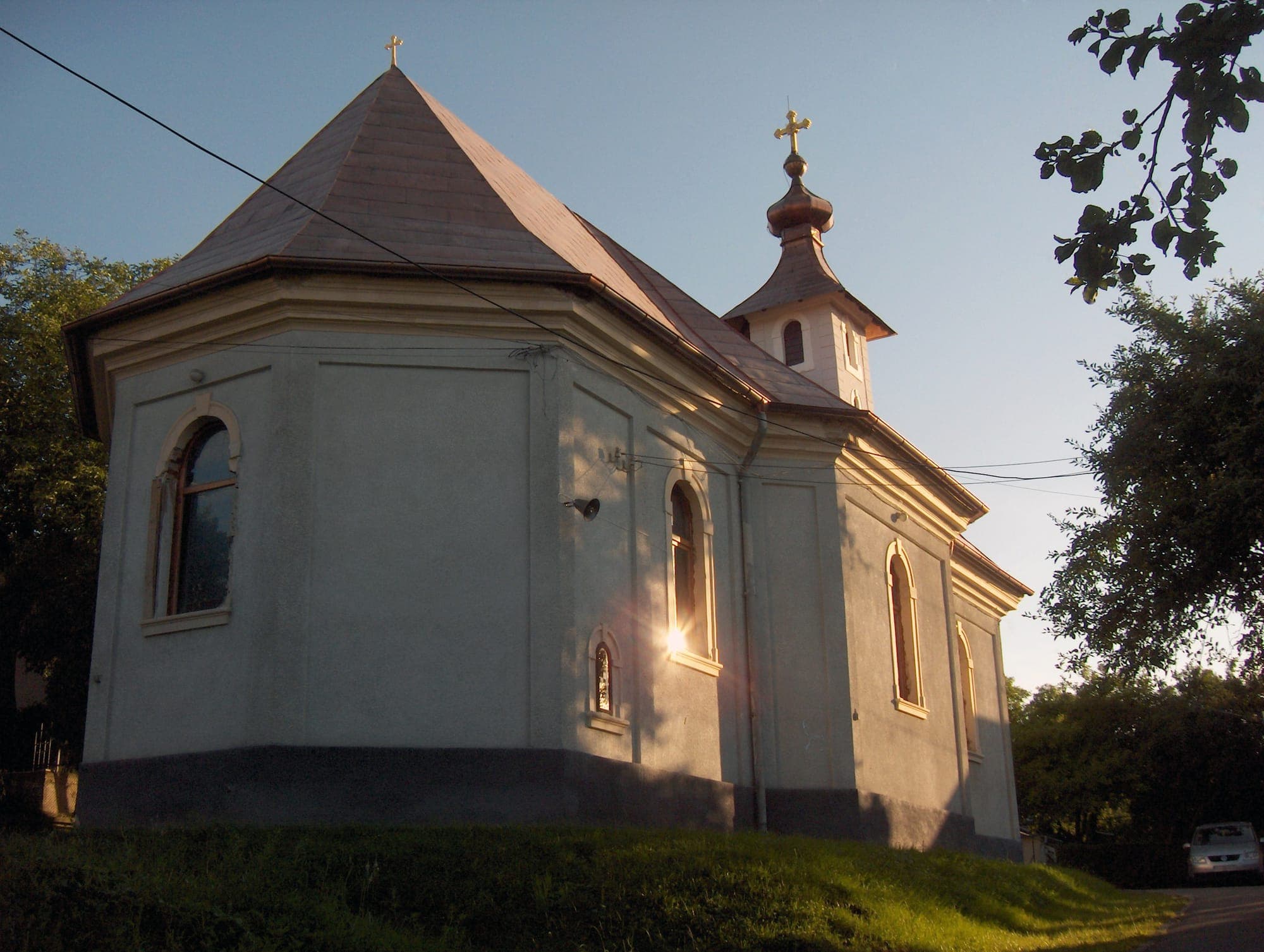
Cluj's first Orthodox church, a Baroque building of 1795–1796 with an octagonal nave, an iconostasis painted in 1796 and a churchyard with an old Orthodox cemetery.
A very deep cave in the southern Rodna Mountains, with gypsum flowers, mirabilite, the “Tăușoare balls” and cave bear bones; a reserve closed to ordinary tourism.

The ruins of a medieval royal castle, also known as Lita or Géczi, on a rock above the Iara valley. Footpaths lead from Liteni and Moara de Pădure.

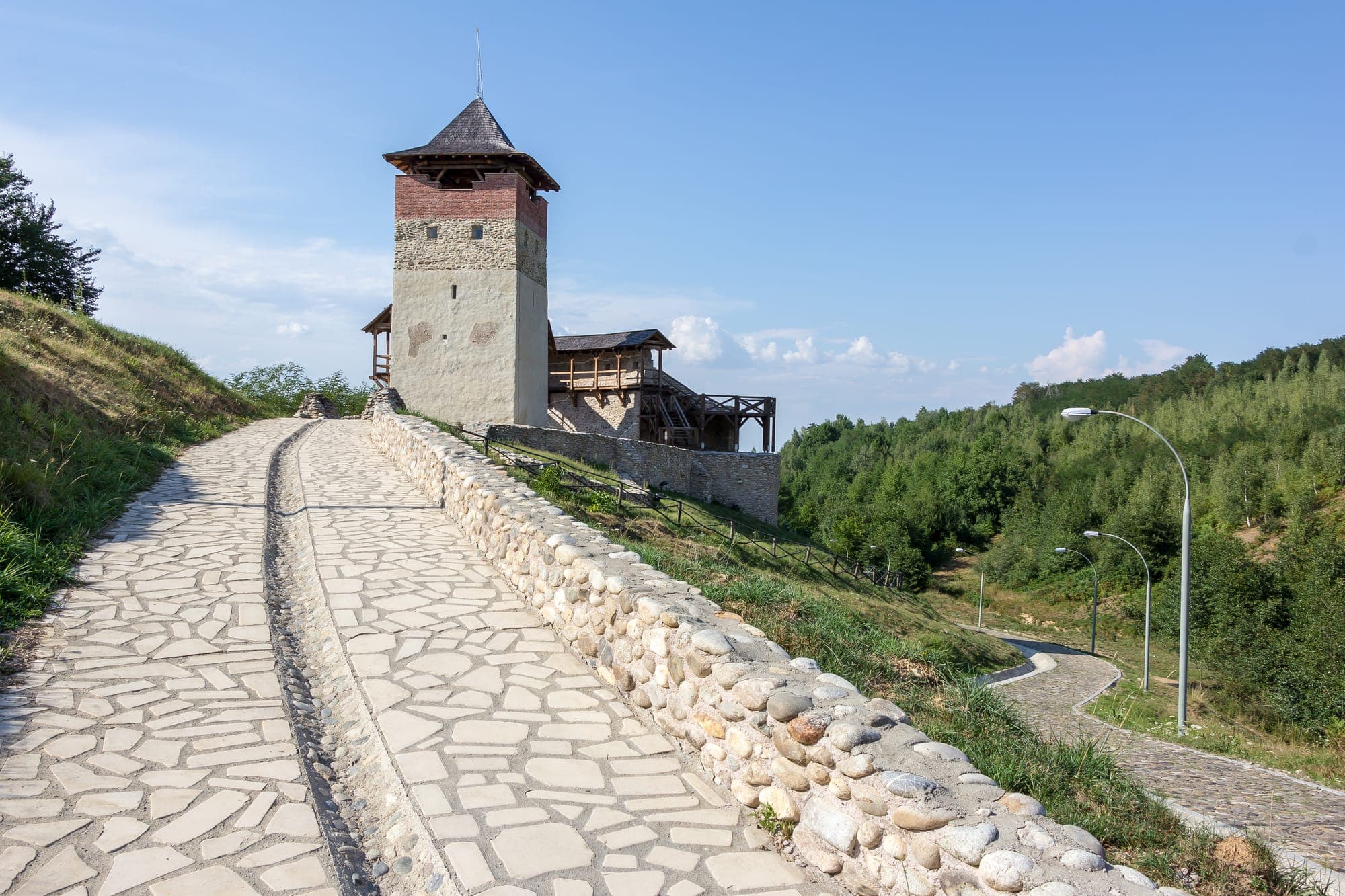
A 14th-century noble stronghold with a keep and a ring of stone walls, built by the knezes of Sălaș at the foot of the Retezat and restored after 2012.

The ruin of a Renaissance residence in Vințu de Jos, built by Cardinal Martinuzzi on the site of a Dominican monastery and remade as a fortress by Gabriel Bethlen; it is now fenced off and awaiting restoration.

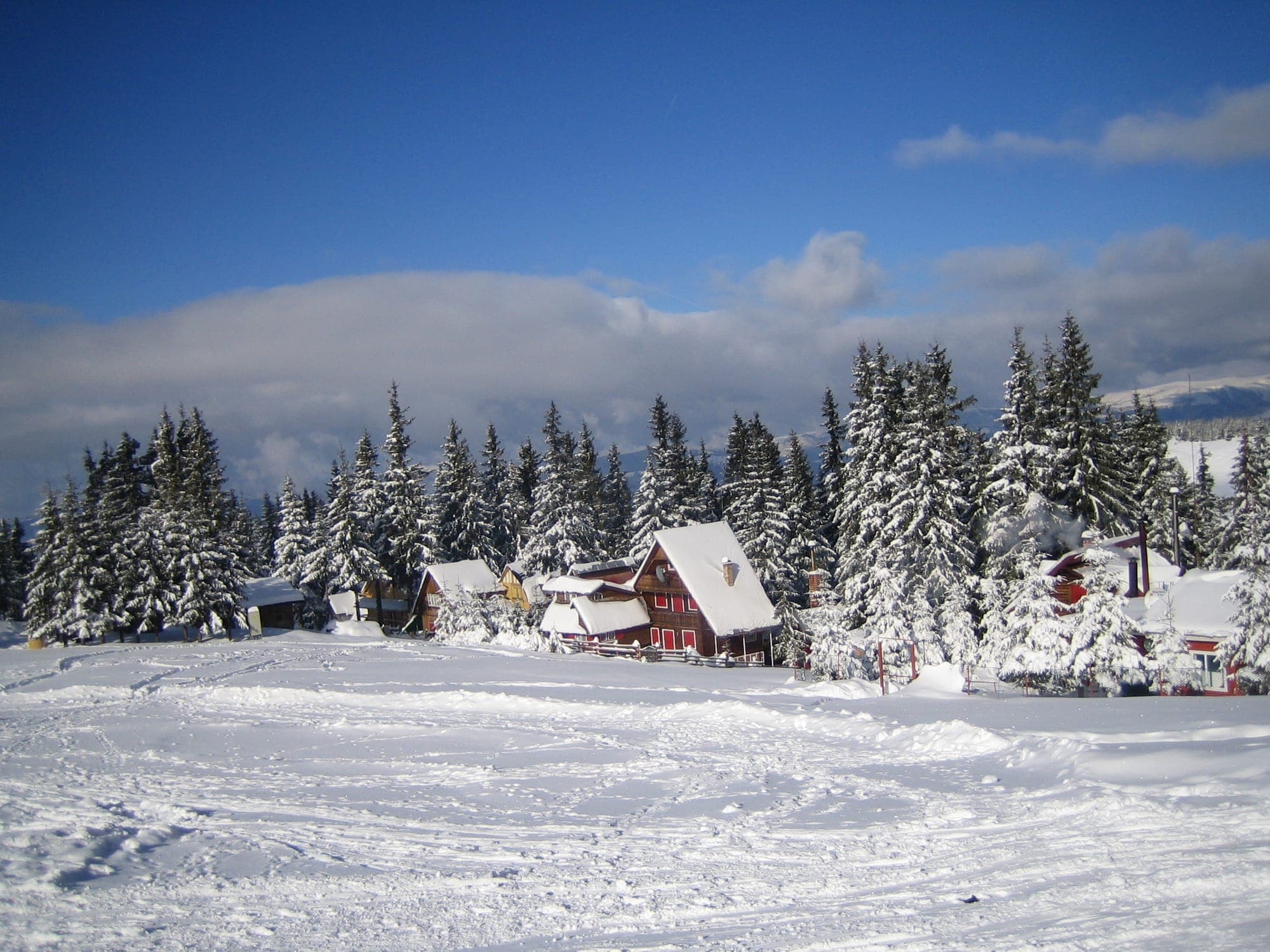
Petroșani's ski area in the Parâng Mountains: two chairlifts climb from the edge of town to the chalets below Parângul Mic, with slopes for beginners and for advanced skiers.

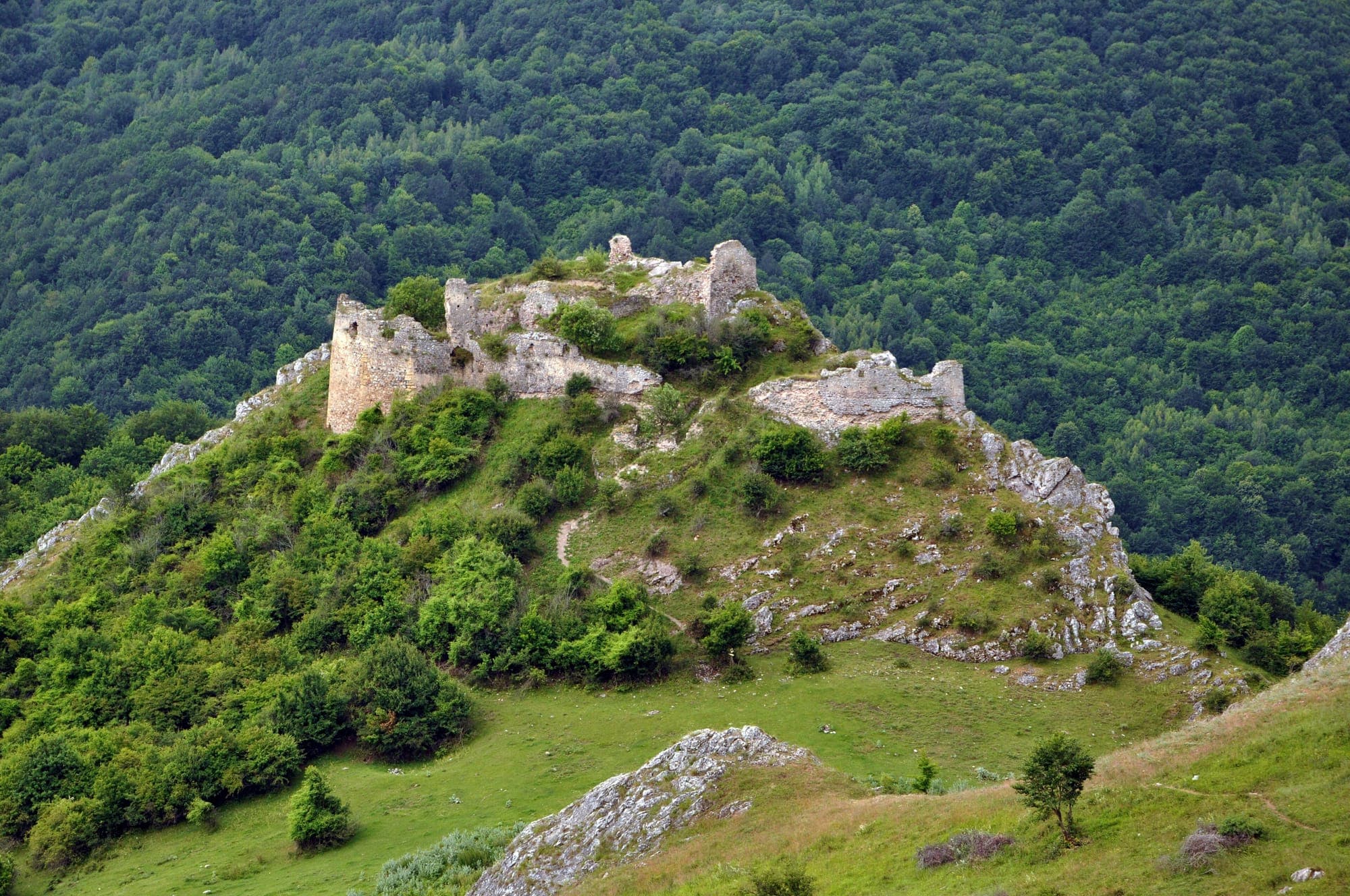
A Dacian fortress and settlement on a limestone spur in the Trascău Mountains, considered to be Apoulon: terraces cut into the rock, the ruins of a medieval castle on the summit and a panorama over the Mureș corridor.

An 18 m waterfall spilling down a limestone wall in the Țara Moților region, near the village of Nemeși in Vidra commune; a landscape reserve 500 m from the road to Avram Iancu.

A show cave in the Ordâncușa Valley near Gârda de Sus, with a 22 m high entrance portal, a stream that runs through it all year and small tufa cascades right at the entrance.

A Gothic Evangelical church of the 14th to 16th centuries, with an oval enclosure and three surviving towers; the church tower partly collapsed in 2016 and restoration is under way.

The oldest documented bastion of Brașov's walled town, mentioned in 1416: a hexagonal stone fortification with brick arches and a house from 1794 inside. It can be seen from the outside, from the path.

Romania's oldest dendrological park, on almost 70 hectares beside the Mureș: more than 2,000 taxa, magnolias in spring and paths among centuries-old trees.

The Gothic hall church on Piața Unirii, built in the 14th–15th centuries, with a 76 m Neo-Gothic tower, a Baroque pulpit and the frescoes of the Schleunig chapel.