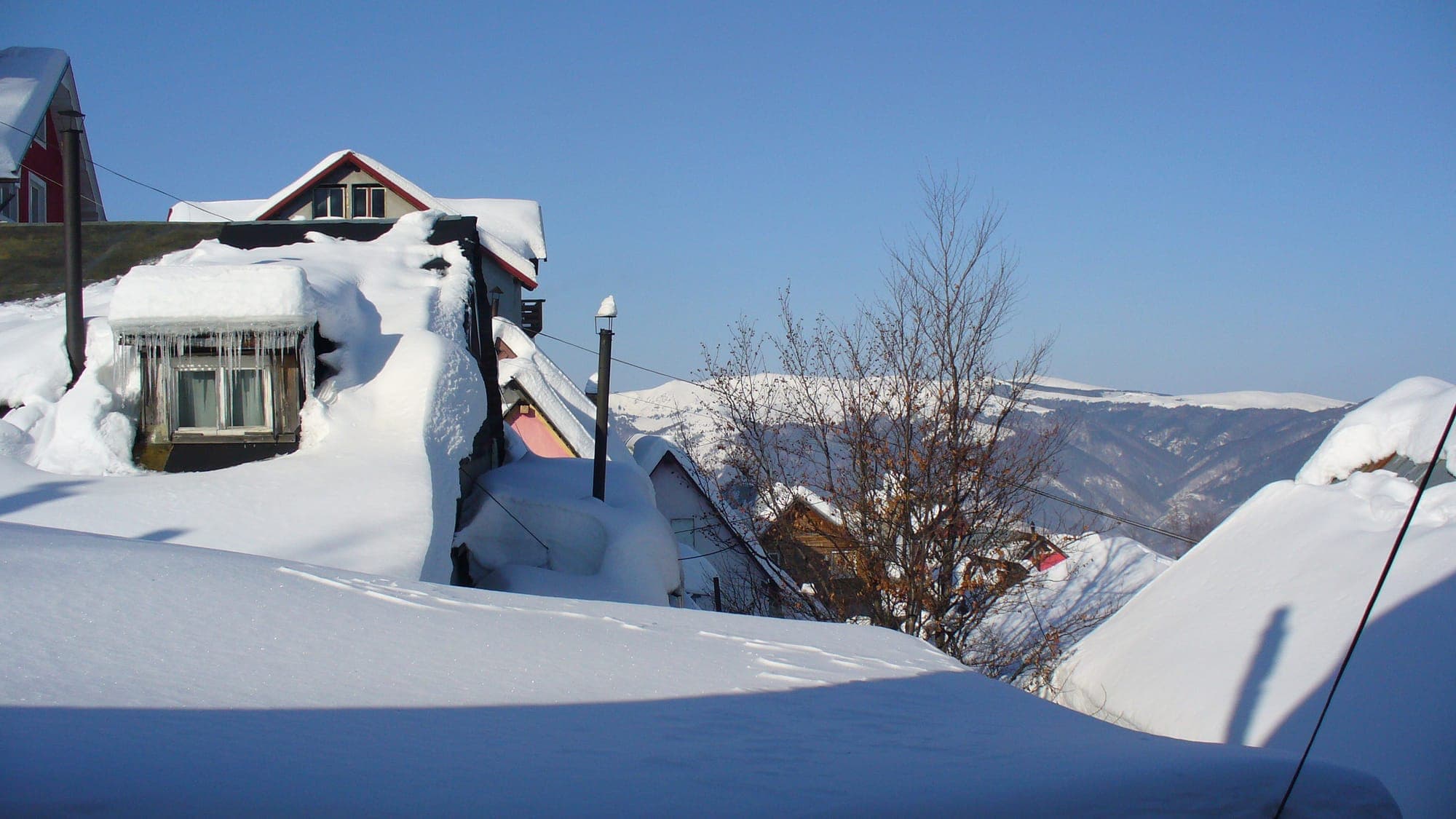
Straja
Lupeni, HD · 113 km from Sibiu
A mountain resort at 1,445 m in the Vâlcan Mountains, above Lupeni: floodlit slopes, the 8.1 km Straja slope, a gondola from the town and summer trails to Mutu and Straja.
351 results
A mountain resort at 1,445 m in the Vâlcan Mountains, above Lupeni: floodlit slopes, the 8.1 km Straja slope, a gondola from the town and summer trails to Mutu and Straja.
A forest resort 8 km from Sfântu Gheorghe, with two ski runs served by drag lifts and floodlit at night, an adventure park, a spa, carbonated springs and hiking trails.

A 17th-century fortified enclosure with seven bastions built by the town's guilds and the Franciscans' Gothic church in the courtyard, now a park open to all, with a museum and events.

A U-shaped Baroque residence with 52 rooms and 365 windows, built between 1772 and 1803; restored with Romania's recovery funds and reopened in July 2026 as a museum, with guided tours and a historic park.
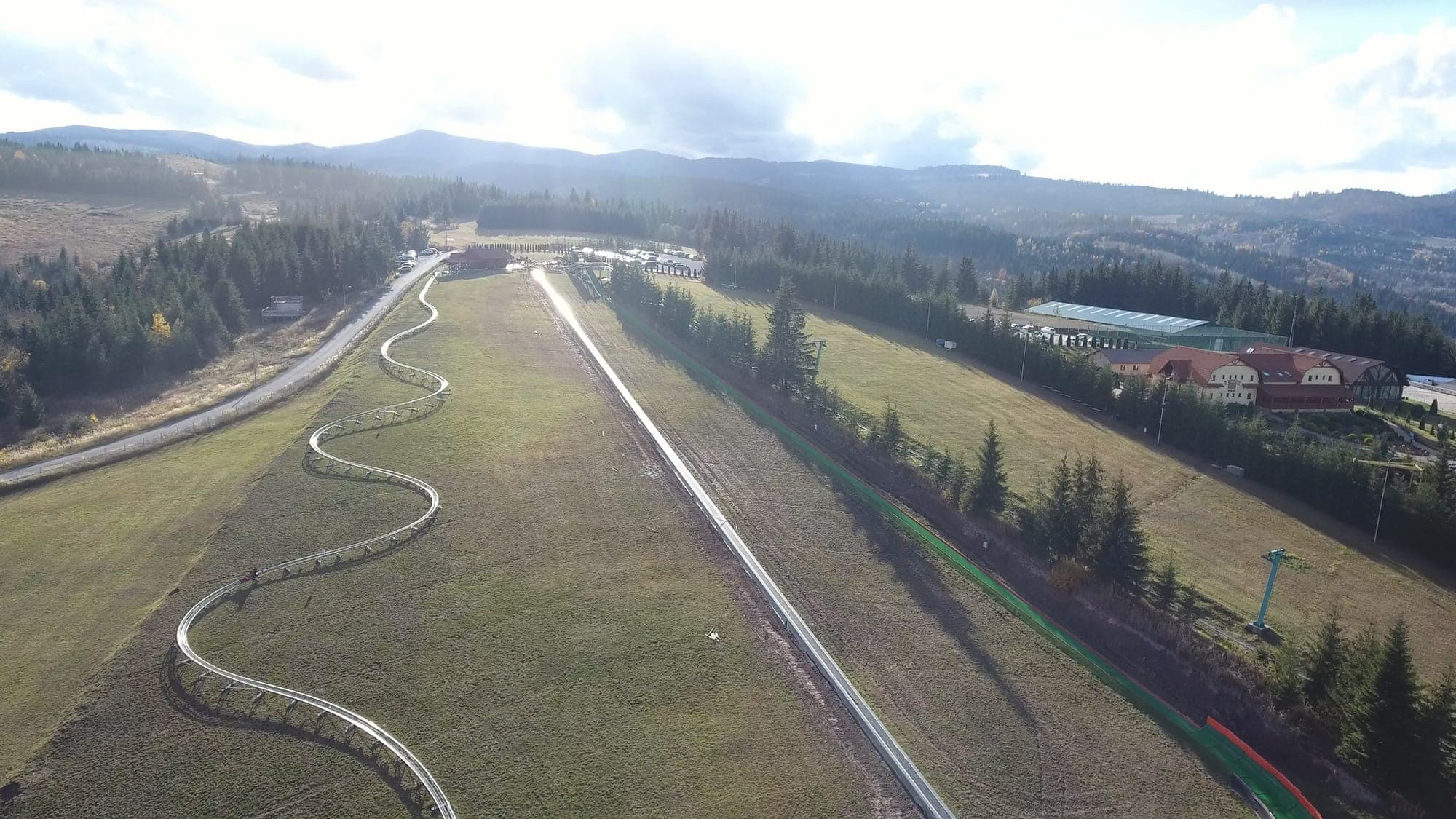
A ski area on the edge of the town of Toplița, at the foot of the Gurghiu Mountains: three slopes with drag lifts and a conveyor belt, floodlights, a sledging slope, tubing and a year-round rail bobsled.

The “Calendar Castle” (365 windows, 4 towers, 52 rooms), built in 1908–1912 for Baron István Ugron; today it stands empty and is not set up for visits, so it is seen from outside.
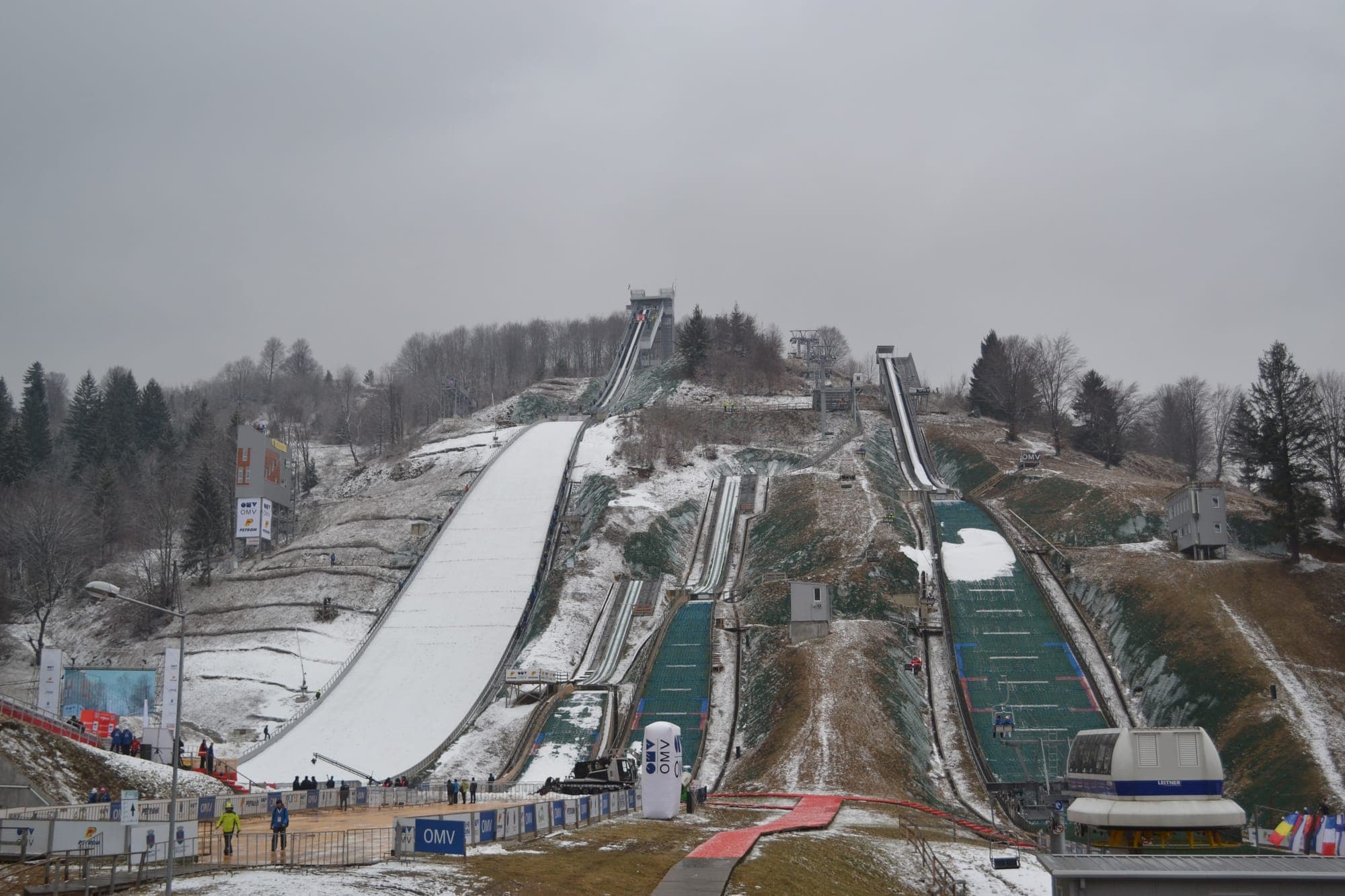
The Olympic ski jumping base on the edge of Râșnov: four hills with K-points at 90, 64, 35 and 15 m, host to World Cup, Summer Grand Prix and FIS Cup events.

A roughly 30 m, two-tiered waterfall at the foot of the Vlădeasa massif, on the Stanciului valley near Răchițele; the water fans out over the rock like a veil, and in winter the frozen wall is an ice-climbing spot.

An undeveloped cave in the Bihor Mountains, with ice at the entrance and white formations, where a Neanderthal footprint at least 62,000 years old was found in 1974.

A small Saxon stronghold on the hill of a village at the end of the road, with four restored towers housing small museums of village life; winner of a Europa Nostra award in 2024.
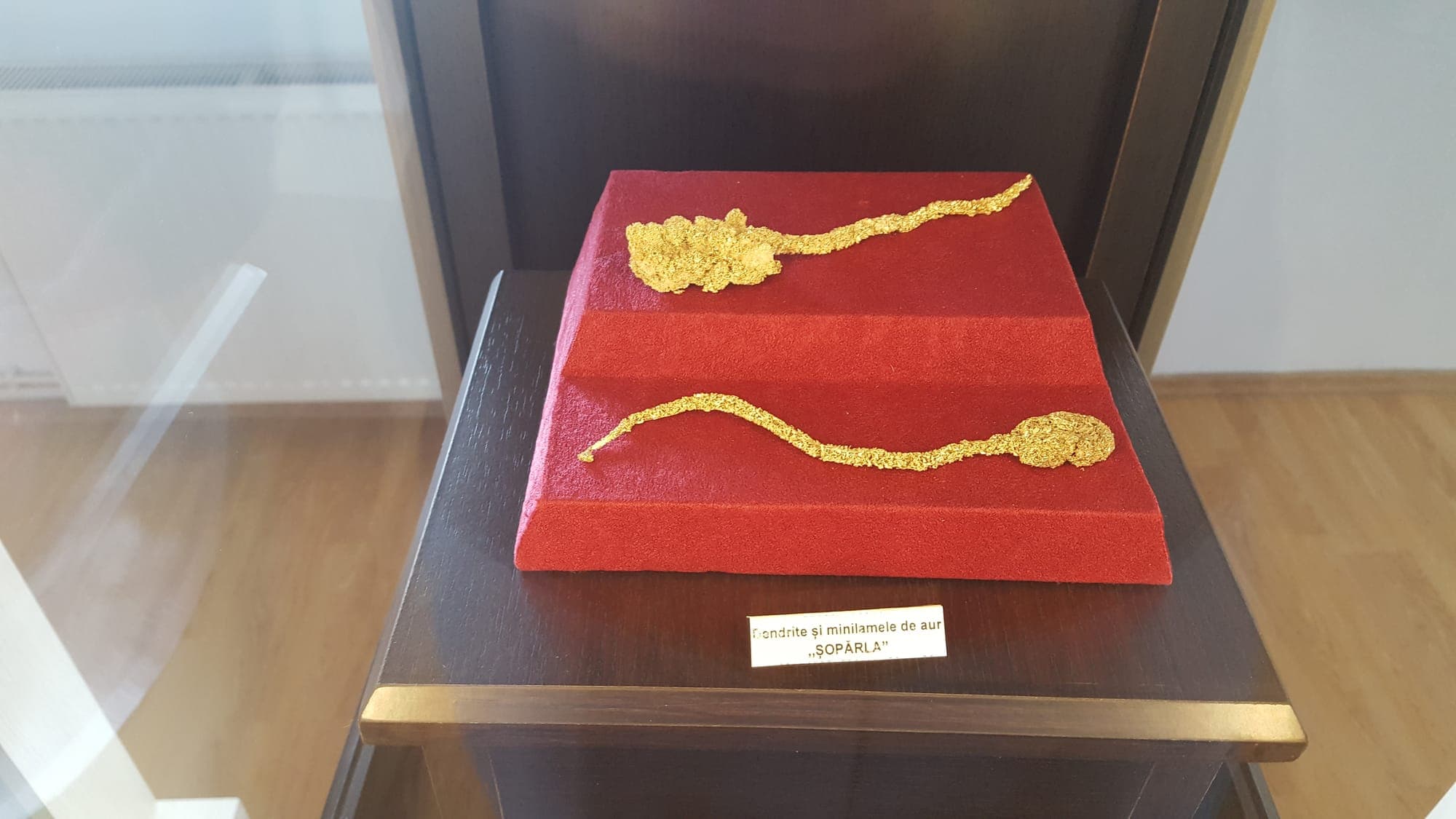
A collection of native gold from the Apuseni Mountains, with unworked gold leaves, wires and crystals, some shaped like animals, alongside minerals from around the world.
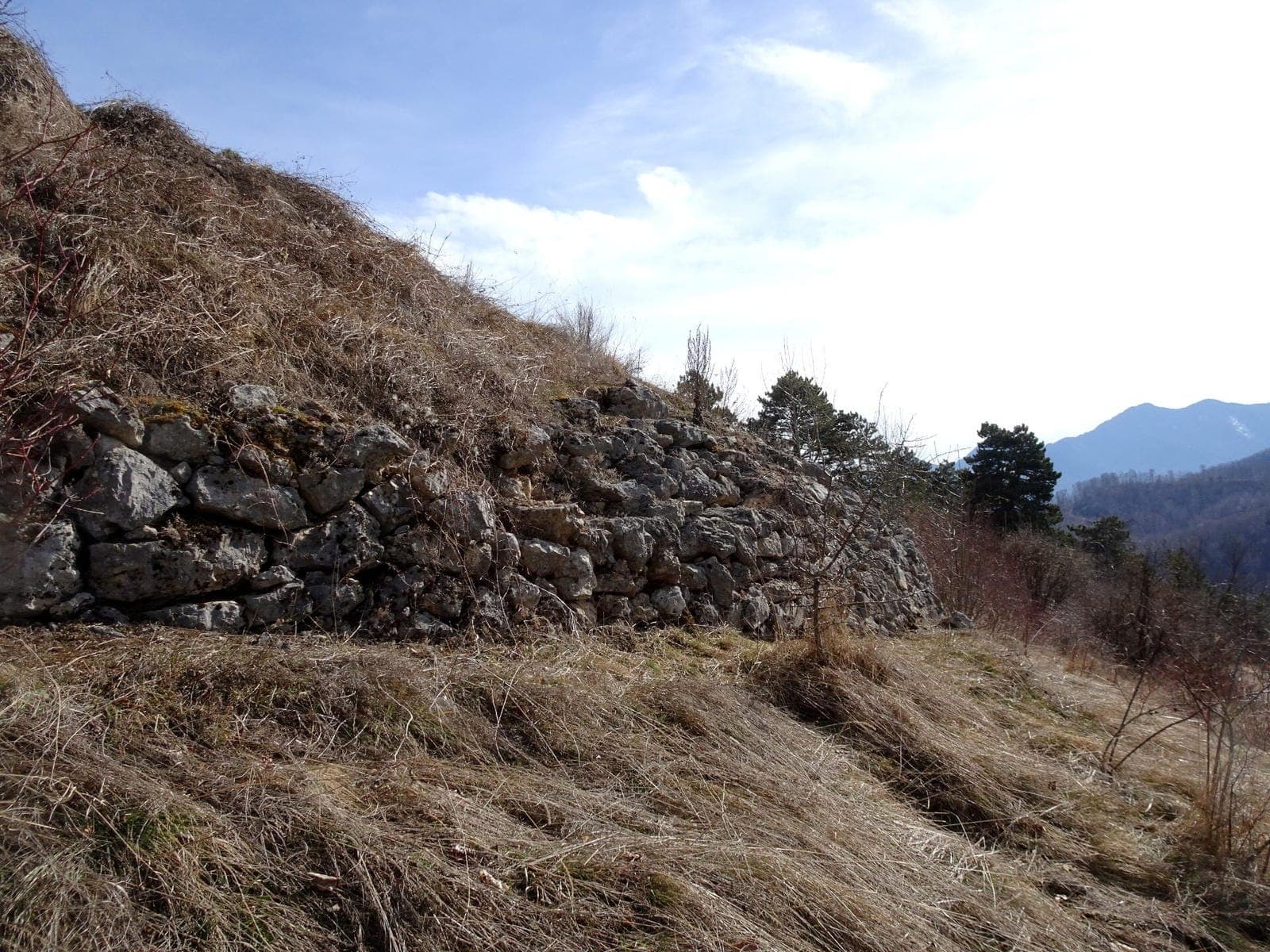
The ruins of the medieval fortress on Tâmpa, with stretches of wall among woodland and meadows, reached on a walk from central Brașov.

The Roman Catholic church on the site of the old Benedictine abbey of Mănăștur: a medieval Gothic choir, a bell tower designed by Károly Kós and earth ramparts of the fortification.

One of the oldest cemeteries in Cluj-Napoca, founded in 1585 and spread over 14 sloping hectares: crypts, columns and gravestones of notable Transylvanians.
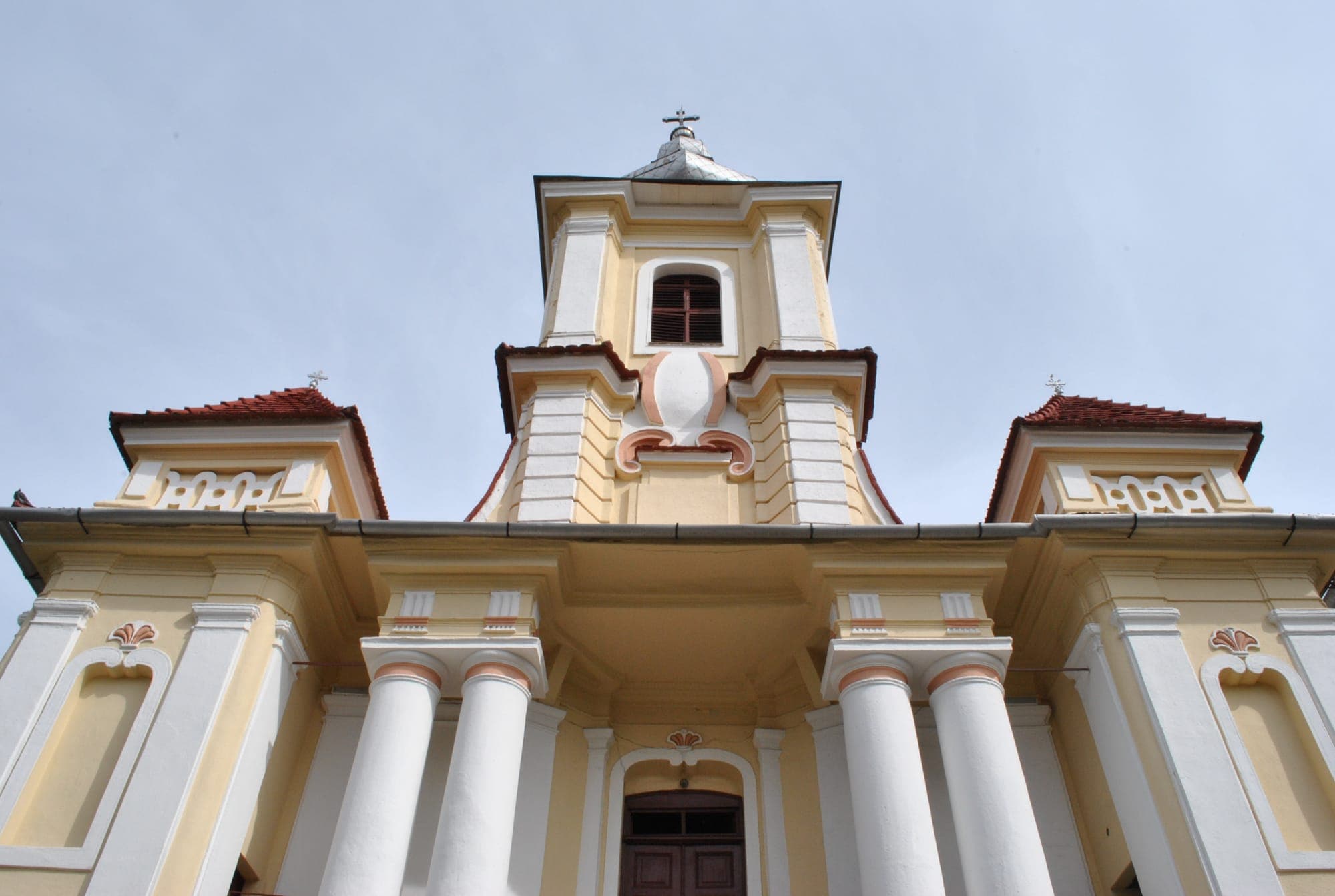
The Baroque church of Saints Peter and Paul, built in 1778–1788 for the Greek-Catholic community, with a cemetery where prominent figures of the Transylvanian Romanians are buried.