A waterfall of about 15 m, split by a rock into two streams, in the Nucșoara valley in the north of Retezat National Park; a 15–20 minute walk from Cârnic.
The wooded 960 m mountain that rises straight out of central Brașov: the “BRAȘOV” letters, views over the old town, a nature reserve, marked trails and a cable car from its foot.
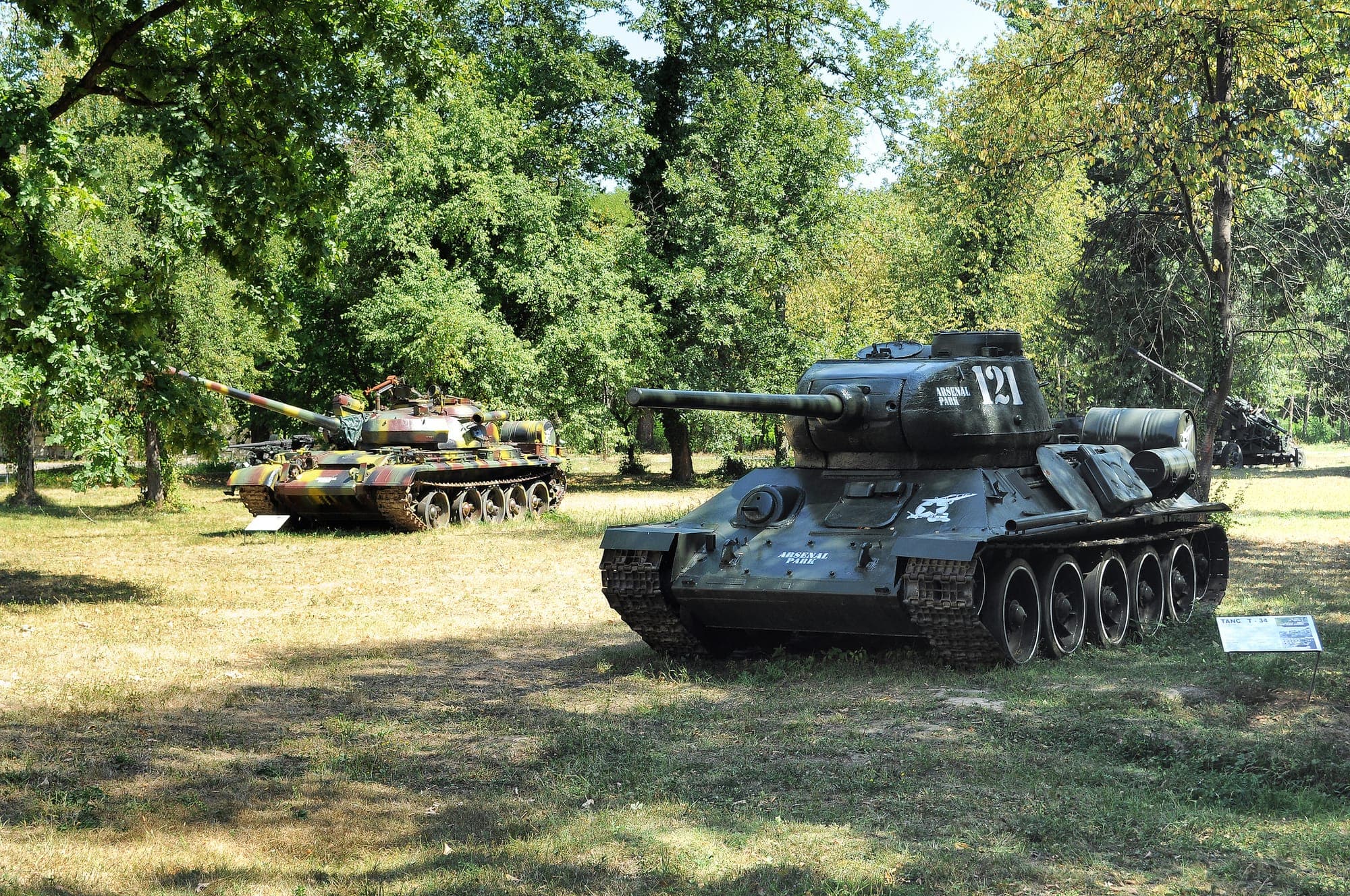
A military-themed park at Orăștie, on 88 hectares of forest: an open-air museum of military hardware, an adventure park, a 607 m zip line and a summer water park.
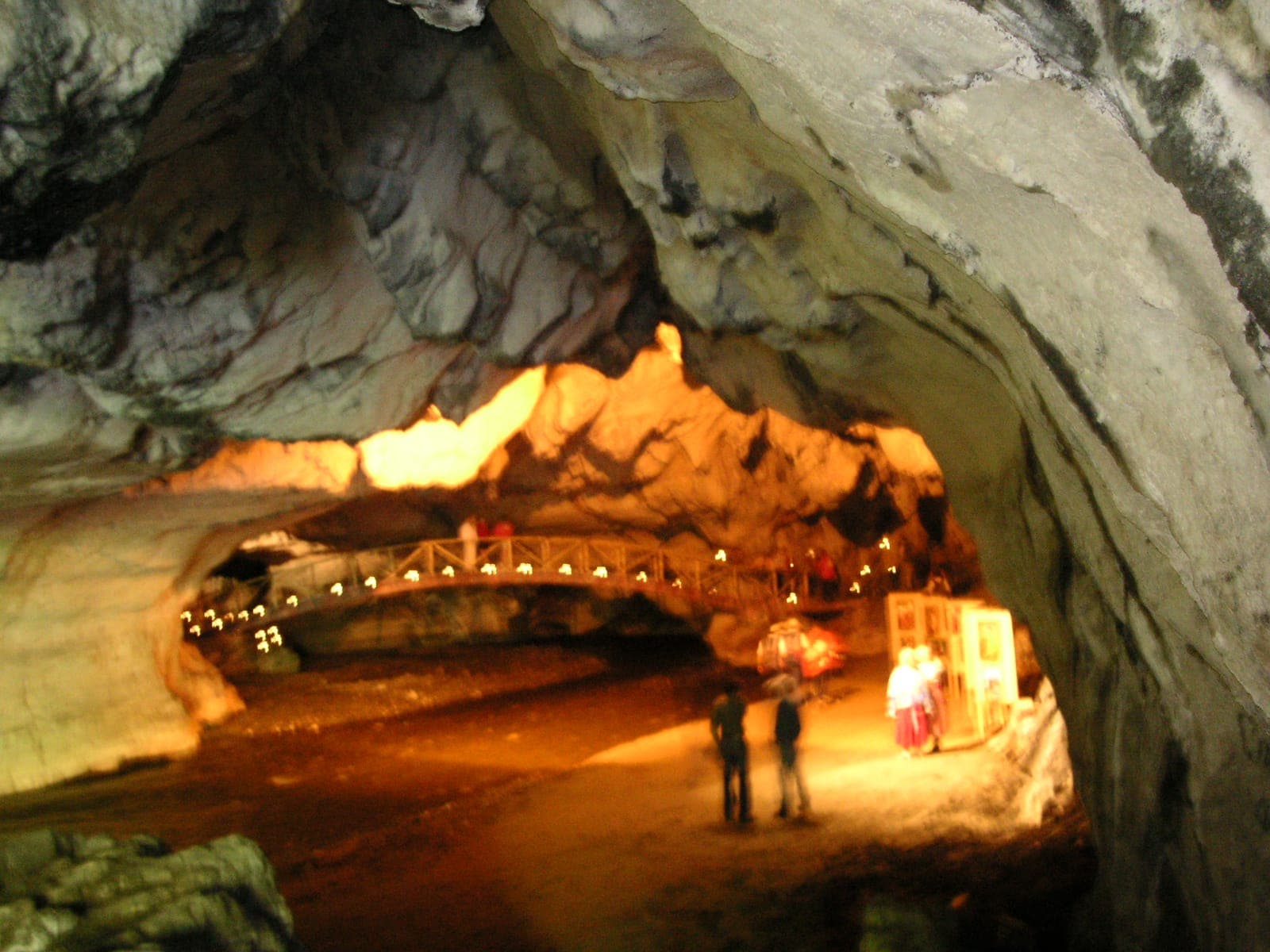
A cave crossed by a mountain stream north of Petroșani, with a 20 m-wide portal and a gallery of about 466 m walked end to end on footbridges, beneath the Dacian fortress of Bănița.
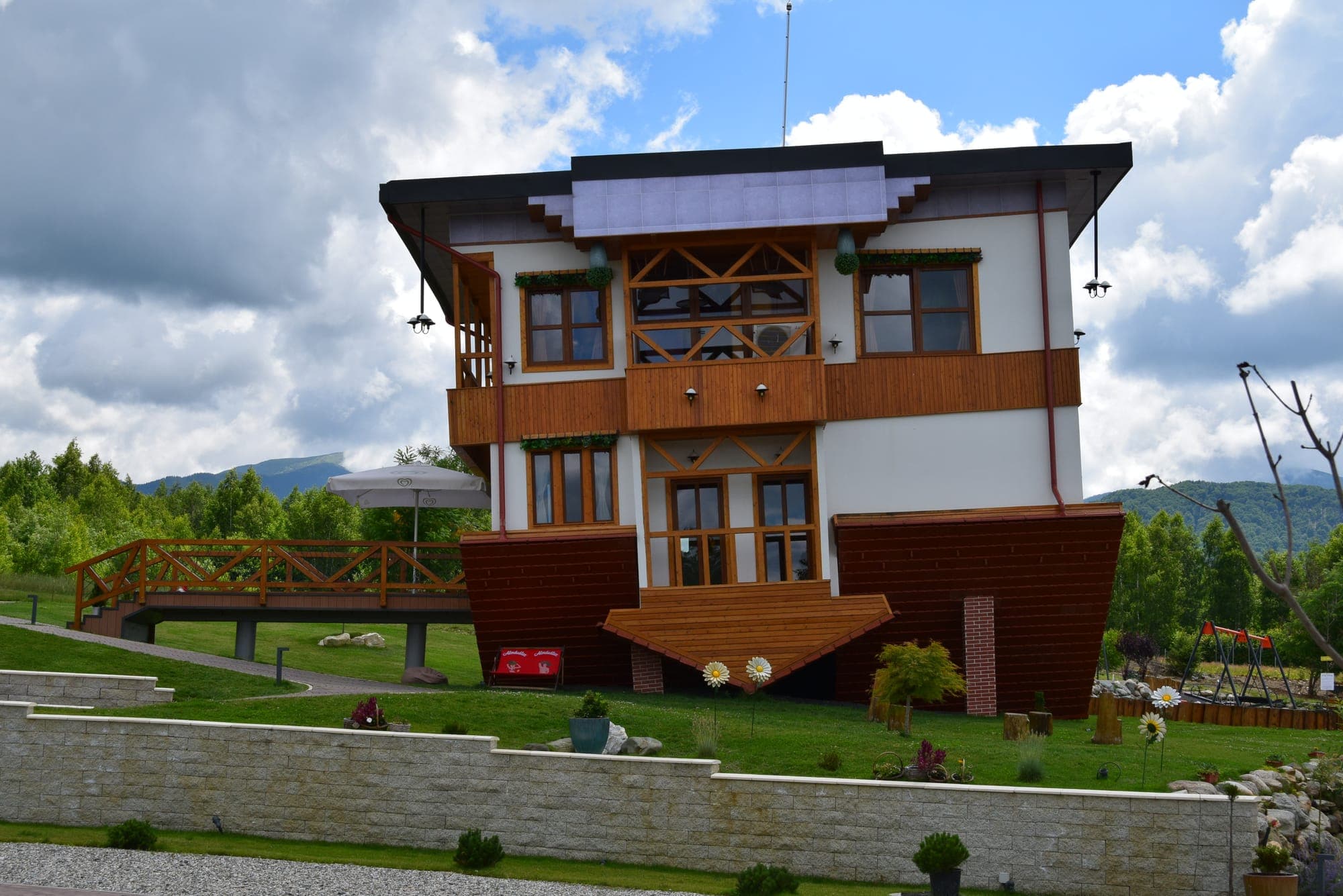
A family theme park in the Avrig Valley, home to the Upside-Down House, a 200 sq m tilted house built upside down, plus a mini zoo, tubing and playgrounds.
The zoo in the Noua district, at the foot of the forest, enlarged to 10 hectares after the 2012–2014 modernisation, with tigers, lions, bears, sea lions, penguins and a planetarium on site.
The old school in the courtyard of St Nicholas' Church in Șcheii Brașovului, now a museum: a classroom with wooden benches, a replica of Coresi's printing press and Romanian books five centuries old.
Museums and memorial housesMonuments and historic sites
Romania's first open-air museum, on Hoia hill: farmsteads, workshops, peasant installations and three wooden churches gathered over ~16 hectares into a scattered village.
Museums and memorial housesVillages and traditions
The zoo in the Dumbrava forest, opened in 1929 and considered the first in Romania, with tigers, lions, jaguars, white wolves, bears and lakes where you can go boating.
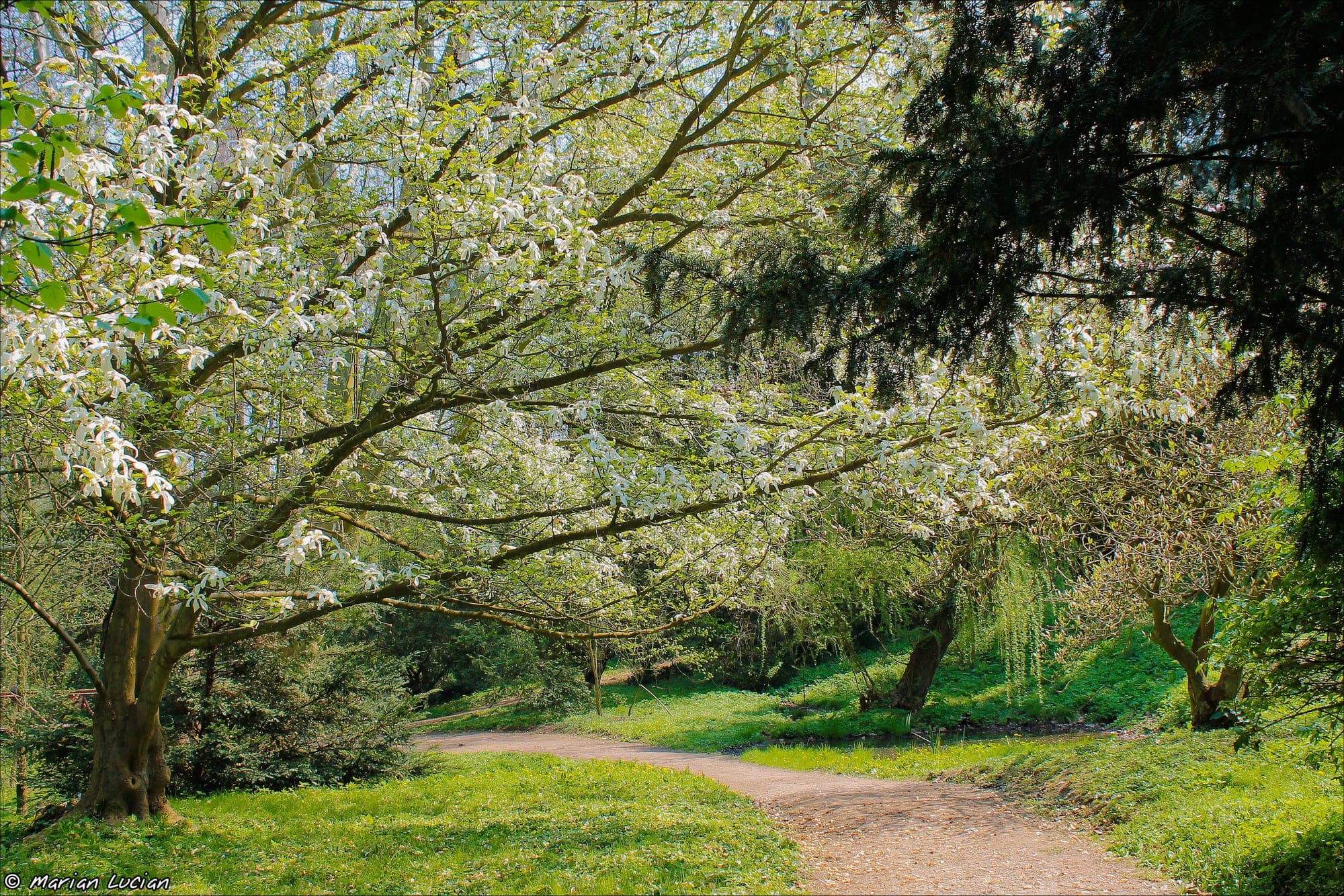
Romania's oldest dendrological park, on almost 70 hectares beside the Mureș: more than 2,000 taxa, magnolias in spring and paths among centuries-old trees.
The Lutheran church in the centre of Mediaș, late Gothic and enclosed in a fortress with walls and towers; its leaning tower, with a five-pointed spire, is the town's emblem.
Monasteries and churchesFortresses and fortifications
An undeveloped cave in the Bihor Mountains, with ice at the entrance and white formations, where a Neanderthal footprint at least 62,000 years old was found in 1974.
The botanical garden of Babeș-Bolyai University, on almost 14 hectares in the south of Cluj: a Japanese garden with a tea house on a lake, greenhouses more than 60 years old, a water tower and a botanical museum.
The northernmost bastion of Roman Dacia: the fort with its reconstructed gates, the paved imperial road, the civil town and the amphitheatre, on the hills at Moigrad in Sălaj.
Monuments and historic sitesFortresses and fortificationsUNESCO
The zoo on the Cornești Plateau, open since 1964 and now spread over 42 hectares of forest, with elephants, giraffes, gibbons, tigers, lions and bears, the largest in Romania by area.