The oldest museum in Székely Land, in a building designed by Kós Károly in 1911–1912: history, ethnography, natural sciences and a garden with Székely gates.
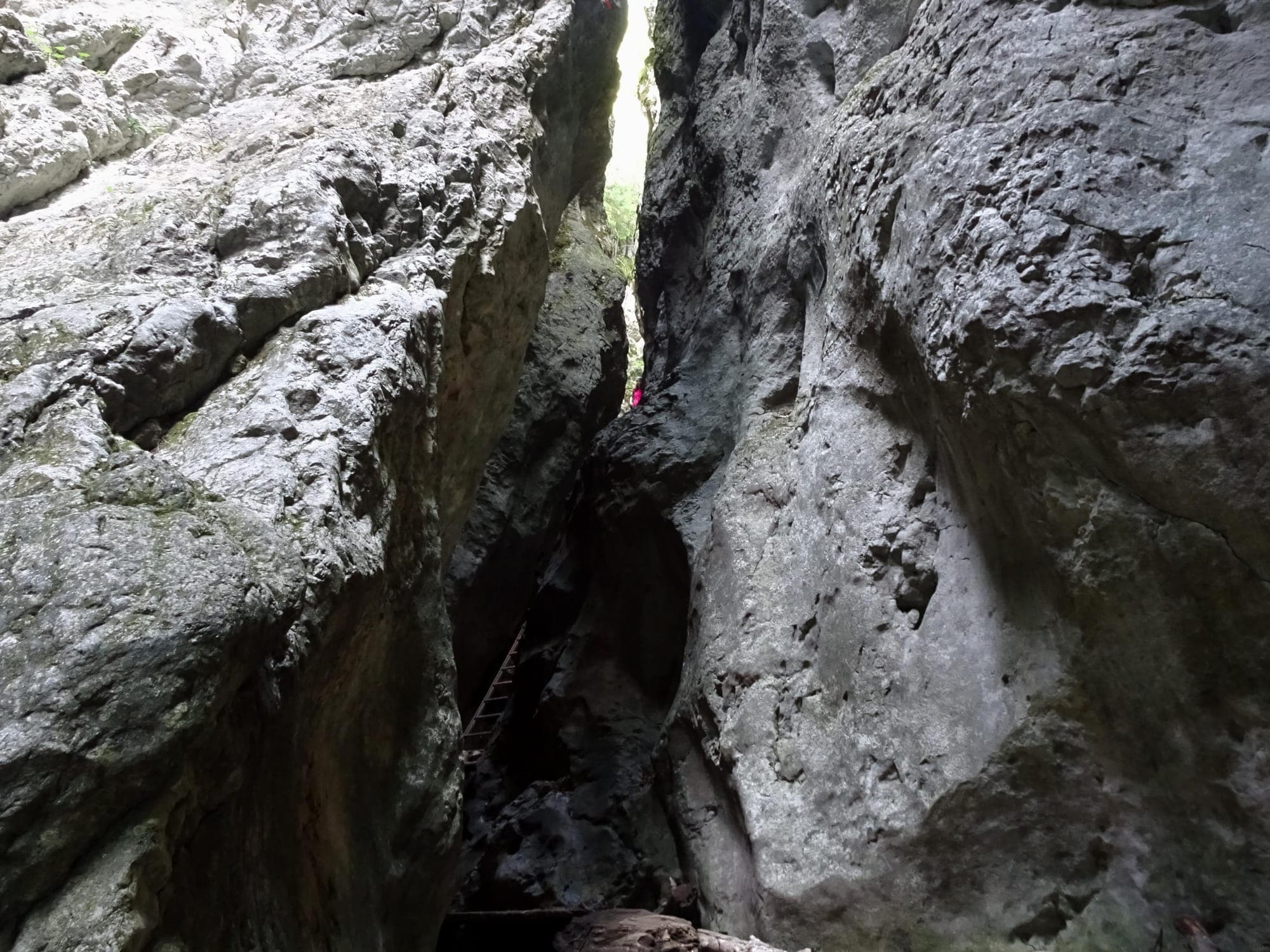
A chain of five waterfalls in a narrow limestone gorge in the Piatra Mare Mountains, above Timișu de Sus; reached in about an hour's climb on the blue-stripe trail.
The zoo on the Cornești Plateau, open since 1964 and now spread over 42 hectares of forest, with elephants, giraffes, gibbons, tigers, lions and bears, the largest in Romania by area.
The pass where the DN17 crosses from Transylvania into Bukovina at 1,201 m, between Bistrița and Vatra Dornei: spruce-dotted pastures, a 31 m cross and a hotel inspired by the Borgo Pass of “Dracula”.
County road DJ107I, 78 km through the Trascău Mountains between Aiud and Bucium, near Abrud: villages scattered along the ridges, thatched houses and views from over 1,100 m.
National road DN1R, 80 km through the Apuseni Mountains between Huedin and Albac: past Lake Beliș-Fântânele, through the Moți villages and over the Ursoaia Pass, at about 1,320 m.
A lit cave on the slopes of Postăvarul, between Râșnov and Poiana Brașov, with a great hall over 20 m high, visited with a guide and sometimes used for concerts.
A 70–80 m chain of waterfalls, with a 25 m main drop, plunging into a huge sinkhole in the Trascău Mountains and vanishing underground; seen from a wooden balcony a short walk from the road.
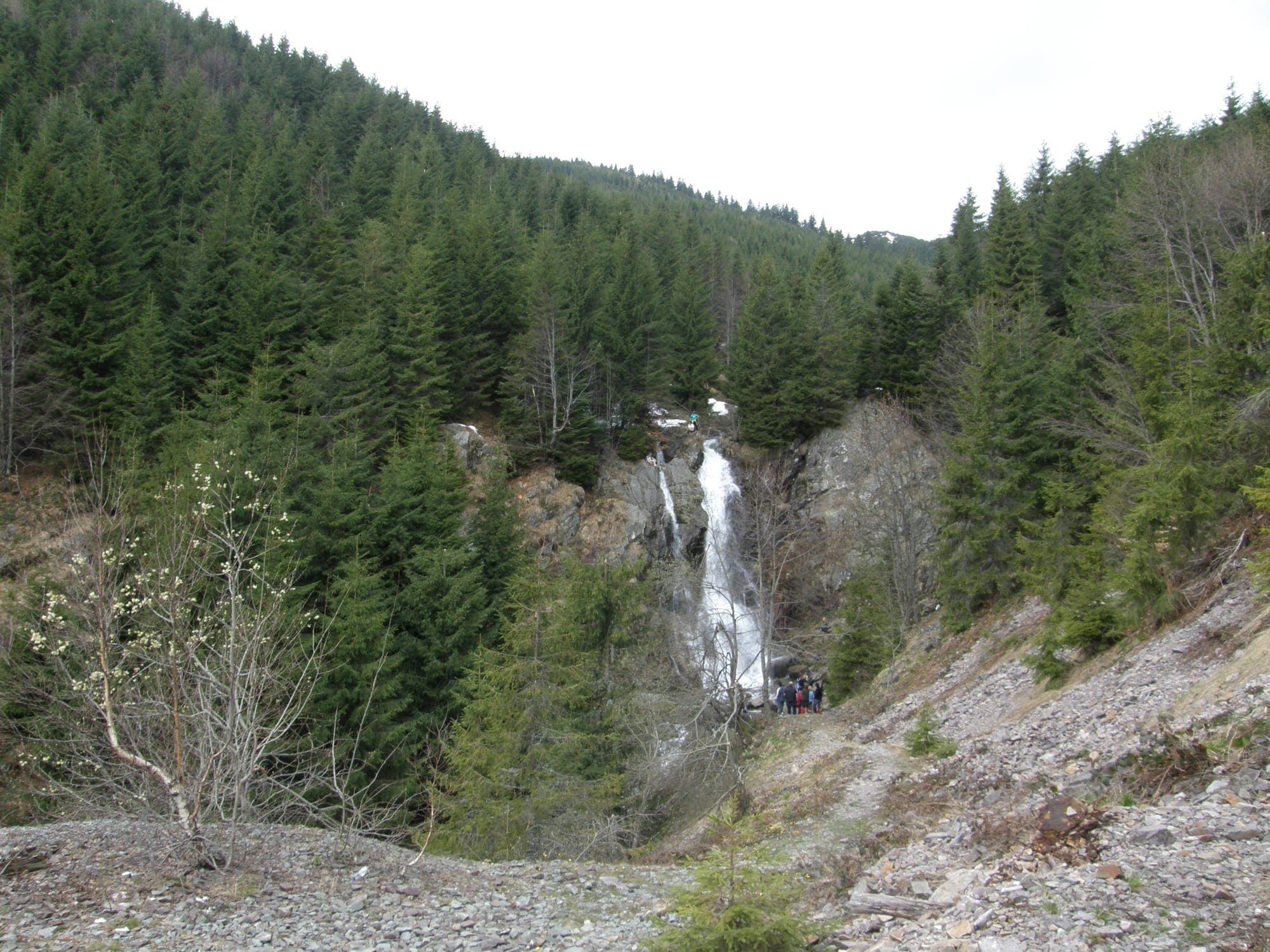
A waterfall of about 15 m on the Vârciorog stream, tucked into a spruce forest below Piatra Grăitoare, near Arieșeni; reached up a wooded valley on foot or by horse cart.
An undeveloped cave in the Bihor Mountains, with ice at the entrance and white formations, where a Neanderthal footprint at least 62,000 years old was found in 1974.
A botanical garden of almost 24 hectares in the former park of the Wesselényi castle: a Japanese garden with lakes and pavilions, greenhouses with palms and cacti, aquariums and thousands of tulips in spring.
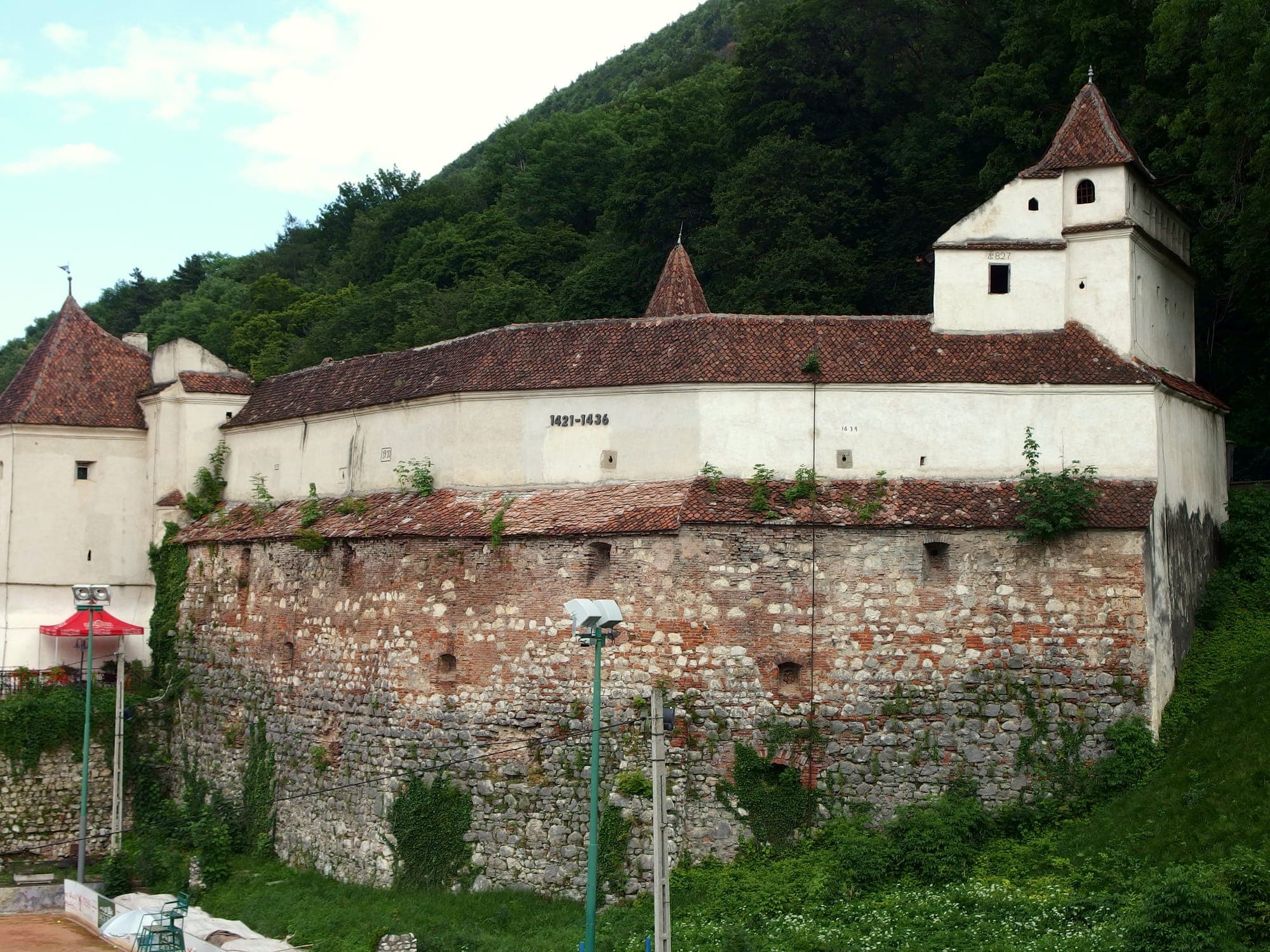
The best-preserved bastion of Brașov's city walls, built by the weavers' guild in the 15th and 16th centuries, with timber galleries on four levels and a model of the medieval town.
Fortresses and fortificationsMuseums and memorial houses
Romania's deepest glacial lake, 29 m deep, at almost 2,000 m in the south-west of Retezat National Park; it can only be reached on foot, on a long day hike.
The Libearty Bear Sanctuary, on 69 hectares of forest near Zărnești: home to more than 120 brown bears rescued from captivity, visited only on guided tours. It is not a zoo.