

Moșna Fortified Church
Moșna, SB
One of the largest Gothic hall churches in the Târnava valley, with a massive bell tower and a walled enclosure with towers; part of the wall collapsed in June 2026.
178 results
One of the largest Gothic hall churches in the Târnava valley, with a massive bell tower and a walled enclosure with towers; part of the wall collapsed in June 2026.
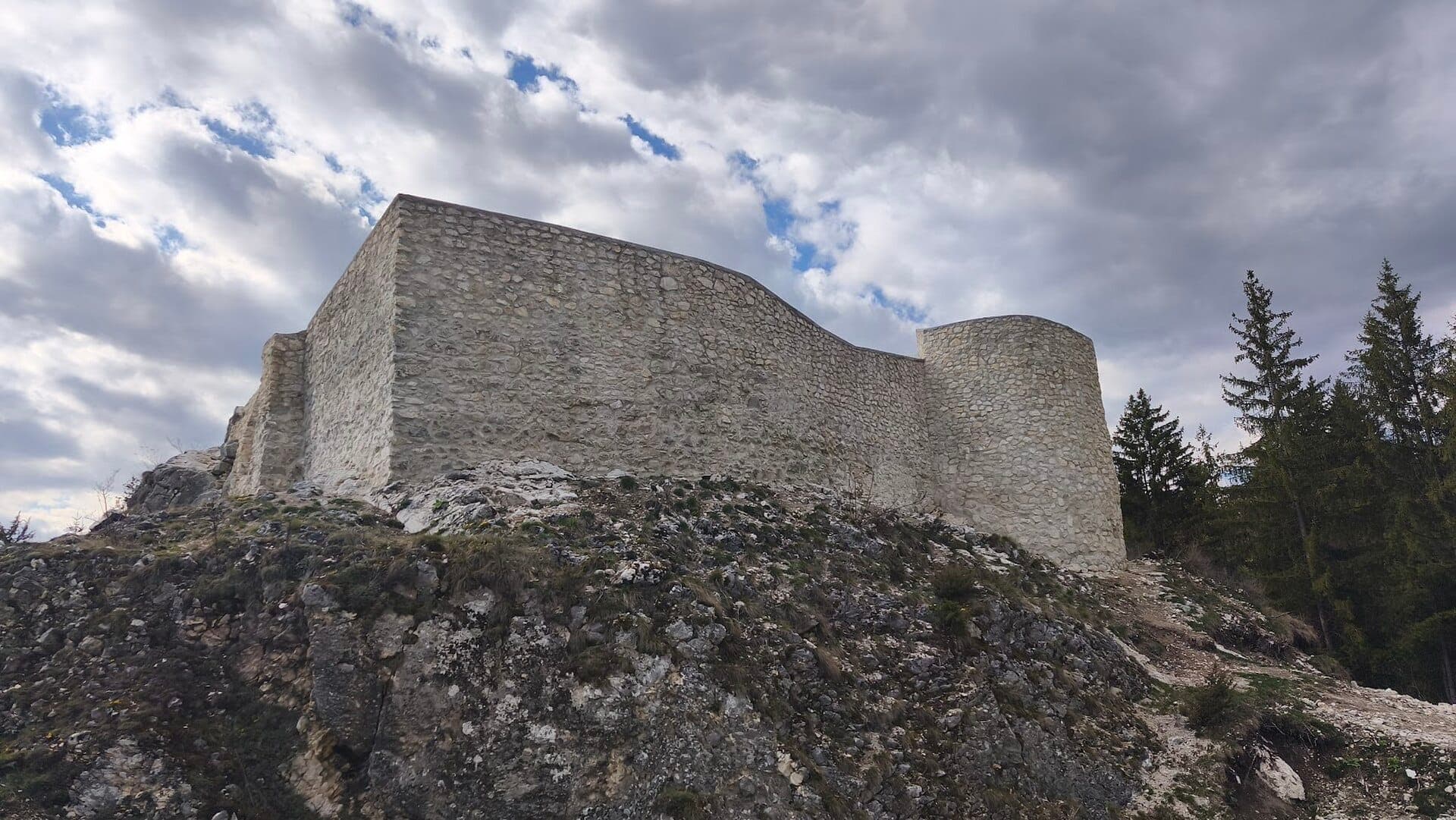
A medieval fortress on Dealul Sasului above Podu Dâmboviței, with consolidated stone walls overlooking the old road between Wallachia and Transylvania.

A Gothic church of the 14th–16th centuries, protected by a fortified wall with loopholes and a gate tower, in the centre of a village in Lower Ciuc. One of the largest medieval churches in the area.

A late Roman fort built in the 4th century north of the Danube, and its hypocaust baths, whose walls can be seen in the centre of Pietroasele commune, close to where the "Golden Hen with Chicks" treasure was found.

The most thoroughly excavated Roman site in the Banat: stone walls of the fort and traces of the civil town on the banks of the Timiș, in the village of Jupa near Caransebeș.
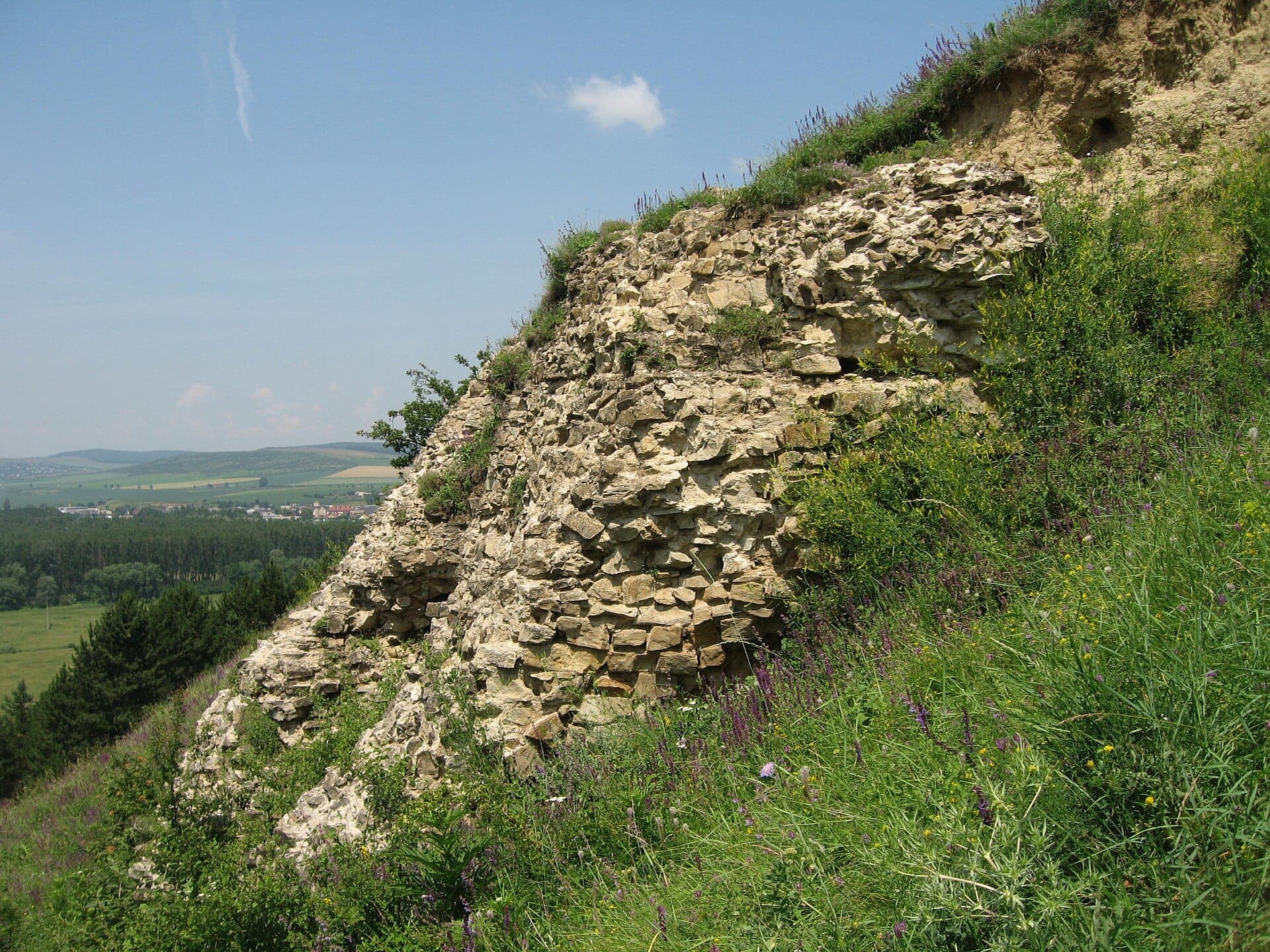
The ruins of a late 14th-century Moldavian fortress on Șeptilici Hill in Suceava. The stone walls are reached on foot through woodland.

The ruins of a 13th-century stone fortress on Dealul Cetății above Șiria, with walls, towers and a wide view over the Arad Plain.

A Saxon peasant fortress of brick on Burgbasch Hill above the village: a bell tower with a Gothic chapel and the imposing ruin of a hall church that was never finished.

A 17th-century fortified enclosure with seven bastions built by the town's guilds and the Franciscans' Gothic church in the courtyard, now a park open to all, with a museum and events.

The cula on Gârdanul Hill near Drobeta-Turnu Severin, linked to the name of Tudor Vladimirescu: a fortified boyar house with a brick-columned gallery and a watchtower, currently being restored.

A small Saxon stronghold on the hill of a village at the end of the road, with four restored towers housing small museums of village life; winner of a Europa Nostra award in 2024.
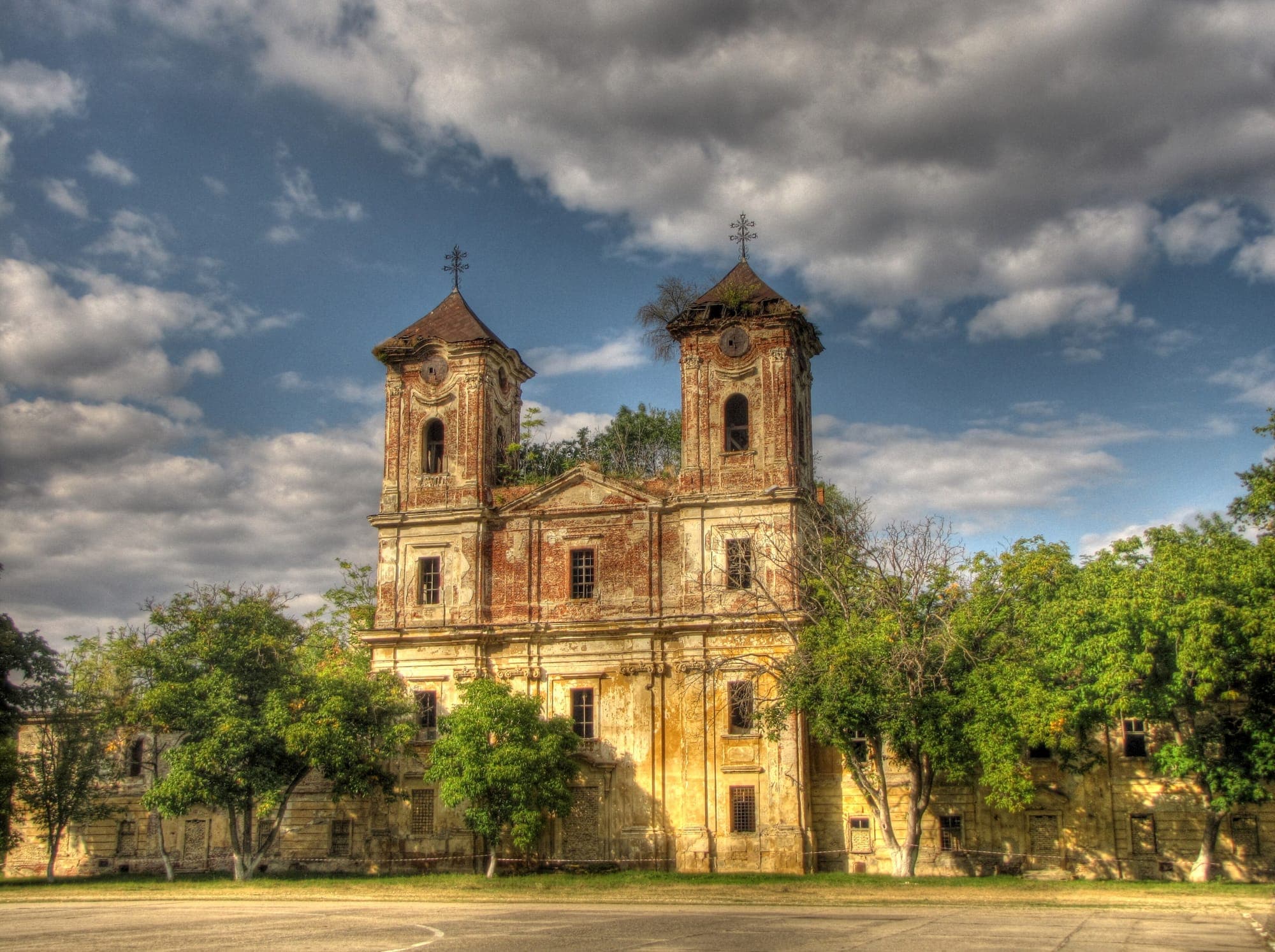
A star-shaped bastion fortress with six bastions, built between 1763 and 1783 on the Mureș river. A military unit is based here, and entry is possible only on open-gate days.
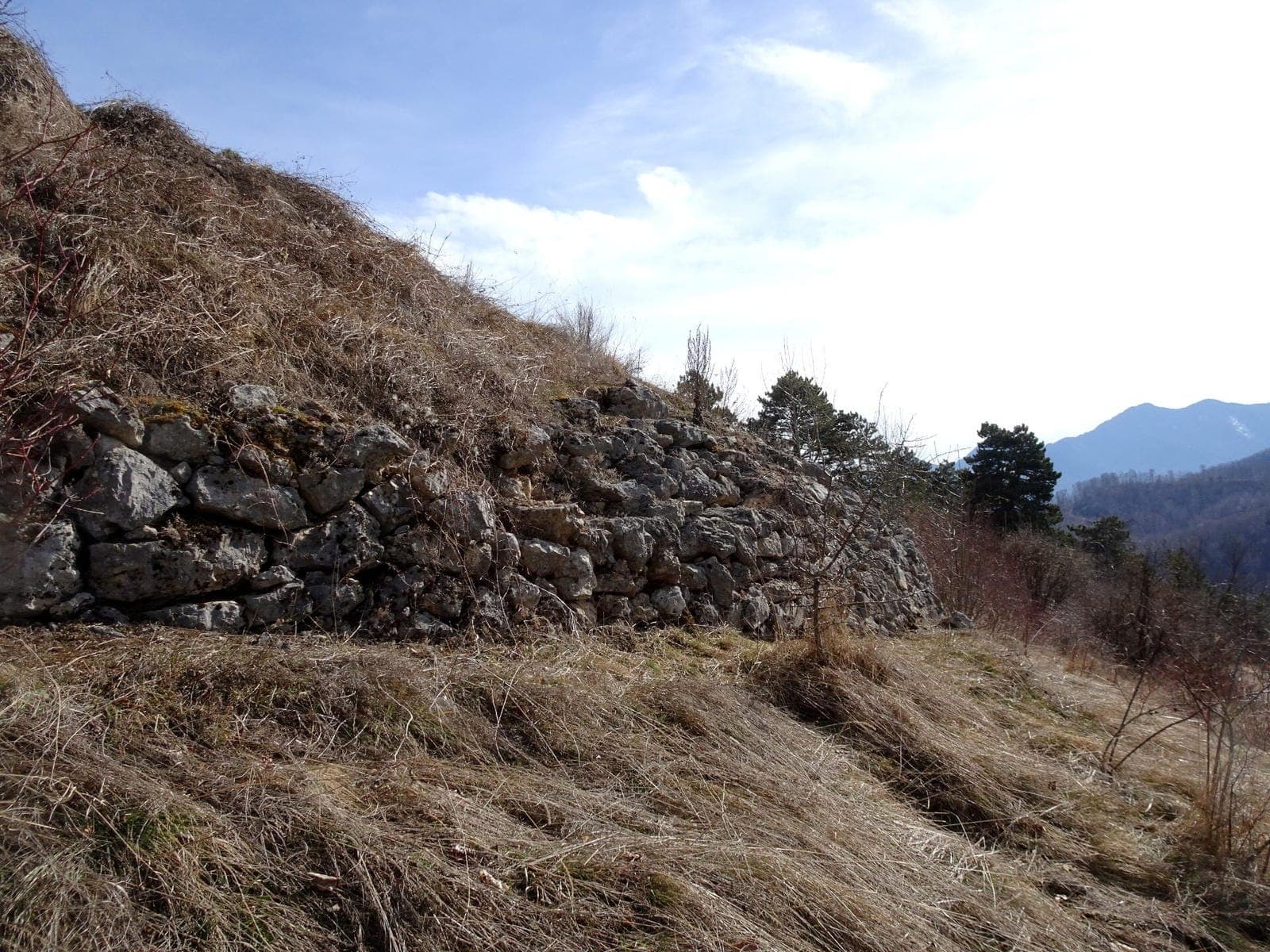
The ruins of the medieval fortress on Tâmpa, with stretches of wall among woodland and meadows, reached on a walk from central Brașov.

A Saxon church fortress in the Burzenland, near Brașov: a 19th-century Neoclassical church ringed by a double medieval wall with eight surviving defensive towers.

An Oltenian fortified tower-house from 1812–1827, with a massive ground floor and a decorated veranda, built by the Măldărescu family and bought in 1910 by I.G. Duca; now part of the Măldărești Museum Complex near Horezu.



