
Mofettes in Romania: what a mofette is, how a session works and where to find them, from Covasna to Tușnad

A mofette is a place where almost pure carbon dioxide rises from the ground, a trace of old volcanic activity; the gas, heavier than air, collects low down, and in the rooms built over it people take "gas baths", standing up, with their head above the layer. On this site, mofettes are found at Covasna, Băile Tușnad, Băile Bálványos, Vatra Dornei, Harghita-Băi and Sântimbru-Băi; the one at Băile Seiche has been closed since July 2026.
Below: what the gas is, where the mofettes are and who runs them, how a session works and the safety rules published by the operators. Which conditions are treated at each resort is in the guide to spa resorts, and opening hours and prices are on each resort's page.
In short
- A mofette is a natural vent of gas made up almost entirely of carbon dioxide; at Sântimbru-Băi the gas is about 99% carbon dioxide with a little hydrogen sulphide, hence the smell of rotten eggs.
- The mofettes on this site are in Covasna county (Covasna, Băile Bálványos), Harghita county (Băile Tușnad, Harghita-Băi, Sântimbru-Băi, Băile Seiche) and Suceava county (Vatra Dornei).
- In Covasna the mofettes are in three kinds of places: in hotel treatment centres, in the Cardiovascular Rehabilitation Hospital and in the Bardócz mofette, opened in 1882 in the yard of a house.
- In a mofette you stand up, with your head above the layer of gas, for only a few minutes, following the staff's instructions; carbon dioxide in high concentration is dangerous if you breathe it in.
- In the treatment centres at Covasna, Băile Tușnad and Vatra Dornei the mofette is used only after a consultation with the balneology doctor; at Sântimbru-Băi access is free and there are no medical staff.
- The mofette at Băile Seiche and the area around it have been closed since July 2026 because of gas and water leaks (situation on 5 November 2026).
What is a mofette
A mofette is a vent of gases through cracks in the earth's crust, typical of areas with extinct volcanoes, such as the Harghita Mountains and the Ciomatu massif. The gas is almost entirely carbon dioxide; at Sântimbru-Băi the proportion is about 99%, with a little hydrogen sulphide. Hotel Tușnad, which has a mofette in its treatment centre, explains that the gas has no colour, smell or taste and can be felt only through its effect on the skin: the skin turns red and you feel a sensation of warmth.
The smell of rotten eggs in some places comes from the hydrogen sulphide, not from the carbon dioxide. This is also where the place names come from: Büdös, "the stinking one", at Sântimbru-Băi, and Mount Puturosu above Băile Bálványos.
The word is also used for the building put up over the vent: a room in which the gas collects low down and which you enter as you would a bath. Mofettes often lie next to springs of naturally sparkling mineral water, and the resorts that have them use both.
Where the mofettes in Romania are
The mofettes on this site are in seven resorts: six in the Székely Land, in Covasna and Harghita counties, and one in Bukovina, at Vatra Dornei. The table shows who runs each mofette and whether you need a doctor, because that changes how you use it. All the resorts are also in the pillar guide to thermal baths.
| Resort | Where the mofette is | Who runs it, access | When |
|---|---|---|---|
| Covasna | treatment centres in the Căprioara, Covasna and Cerbul hotels; the Cardiovascular Rehabilitation Hospital; the Bardócz mofette, on Strada Petőfi Sándor | hotels: after a doctor's consultation; hospital: in-patients with a referral; Bardócz: private | centres all year; Bardócz 1 March – 1 November (information from 2017) |
| Băile Tușnad | the mofette building in the forest, across the bridge over the Olt; the Hotel Tușnad treatment centre | after a consultation with the balneology doctor | by appointment |
| Băile Bálványos | mofettes fitted out by the operators in the resort | paid, at each operator; on a doctor's recommendation | each operator's hours |
| Vatra Dornei | natural mofette in the Bradul–Călimani centre | after a consultation with the centre's doctor, by appointment | working days |
| Harghita-Băi | the resort's mofette | the rules posted at the mofette | the warm season, roughly May – November |
| Sântimbru-Băi | mofettes in the centre of the settlement | the local council; free access, no medical staff | no set hours |
| Băile Seiche | the mofette next to the springs | closed, access forbidden | closed since July 2026 |
From the resort pages on this site and the operators' websites, checked on 5 November 2026. Exact hours and prices are on each resort's page.
The mofettes of Covasna: hotels, hospital, Bardócz
At Covasna, the gas and the naturally sparkling waters shaped the resort's profile: it is Romania's resort dedicated to heart and circulatory diseases. The mofettes are in the treatment centres of the Căprioara, Covasna and Cerbul hotels, which you enter after a consultation with the balneology doctor, and in the "Dr. Benedek Géza" Cardiovascular Rehabilitation Hospital, where the resort's page describes the largest mofette ever built, 100 square metres, for a hundred patients at a time. You can only get into the hospital as a patient, with a referral.
The oldest is the Bardócz mofette, opened in 1882 in the yard of a house, with wooden rooms on whose walls patients have been writing their names for more than a century. It is private and has no published prices; the 2017 opening hours need to be confirmed by phone.
In the central park, the Devil's Pond (Balta Dracului) bubbles because of the same gas, but it is not a mofette: it is a muddy spring under a grille, which you look at from the edge.
The mofette at Băile Tușnad
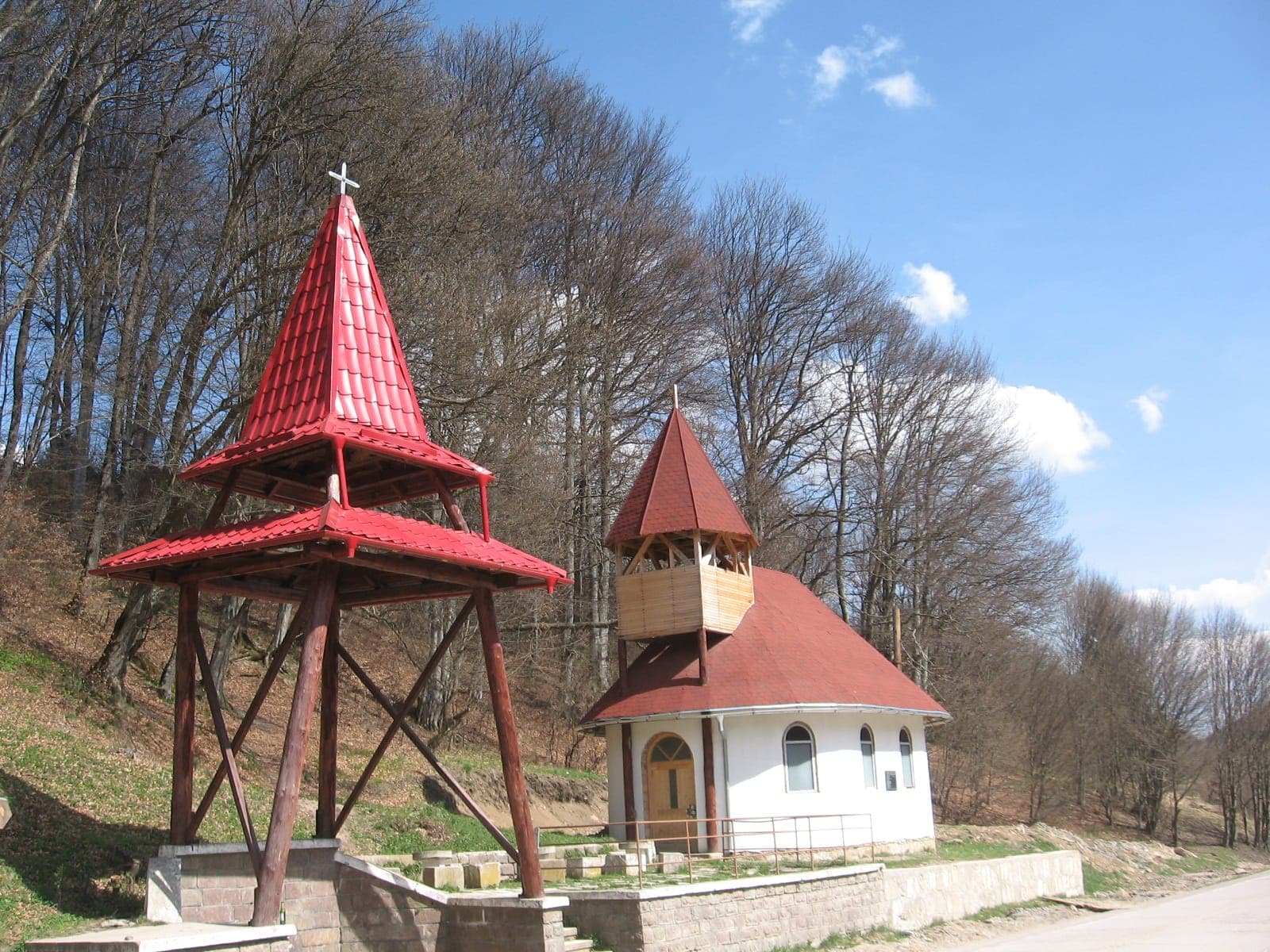
At Băile Tușnad, the mofette stands in a building in the forest. According to the resort's local council, you cross the bridge over the Olt next to Lake Ciucaș, take the road on the left, past the campsite and a mineral water spring, and climb through the forest to the building; from there the forest road continues towards the Falcon Rock reserve (Stânca Șoimilor) and returns to the bridge, in a loop.
The gas is used for dry baths, only on a doctor's recommendation. The Hotel Tușnad treatment centre provides the mofette only after a consultation with the balneology doctor and by appointment; it is paid separately, in the hotels' packages or with a treatment referral. The same town also has Wellness Tușnad, with a thermal water pool, but there is no mofette there.

The mofettes of Bálványos and Puturoasă Cave
At Băile Bálványos, on Mount Puturosu, the gas comes out in several places. The fitted-out mofettes belong to the operators in the resort, each with its own hours and prices, and are used only on a doctor's recommendation, because gas baths have contraindications.
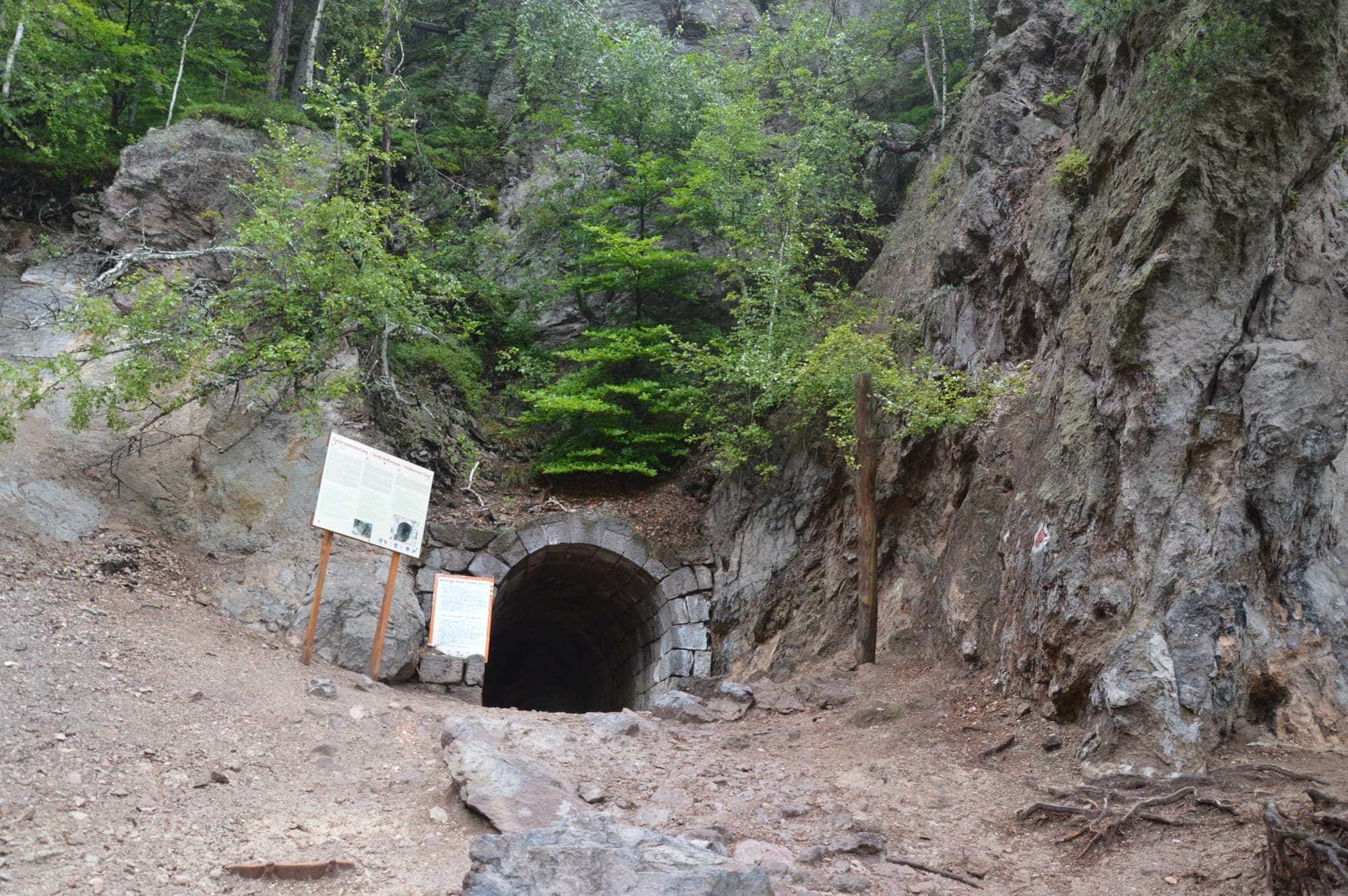
The rest are open-air vents, on the trail marked with a blue dot: Puturoasă Cave (Smelly Cave of Torja), an old sulphur mine gallery with yellow walls, the Killer Cave, the Birds' Cemetery and the Bufnitor peat bog, where the gas comes out in bubbles. They are not treatment sites. In Puturoasă Cave the gas sits about 1 m above the ground at the entrance and rises almost to the ceiling further in, and the back of the gallery is closed off with a grille: do not go past it and do not bend below the yellow sulphur line, which shows how high the gas reaches.
Mofettes in Harghita: Harghita-Băi, Sântimbru-Băi, Seiche
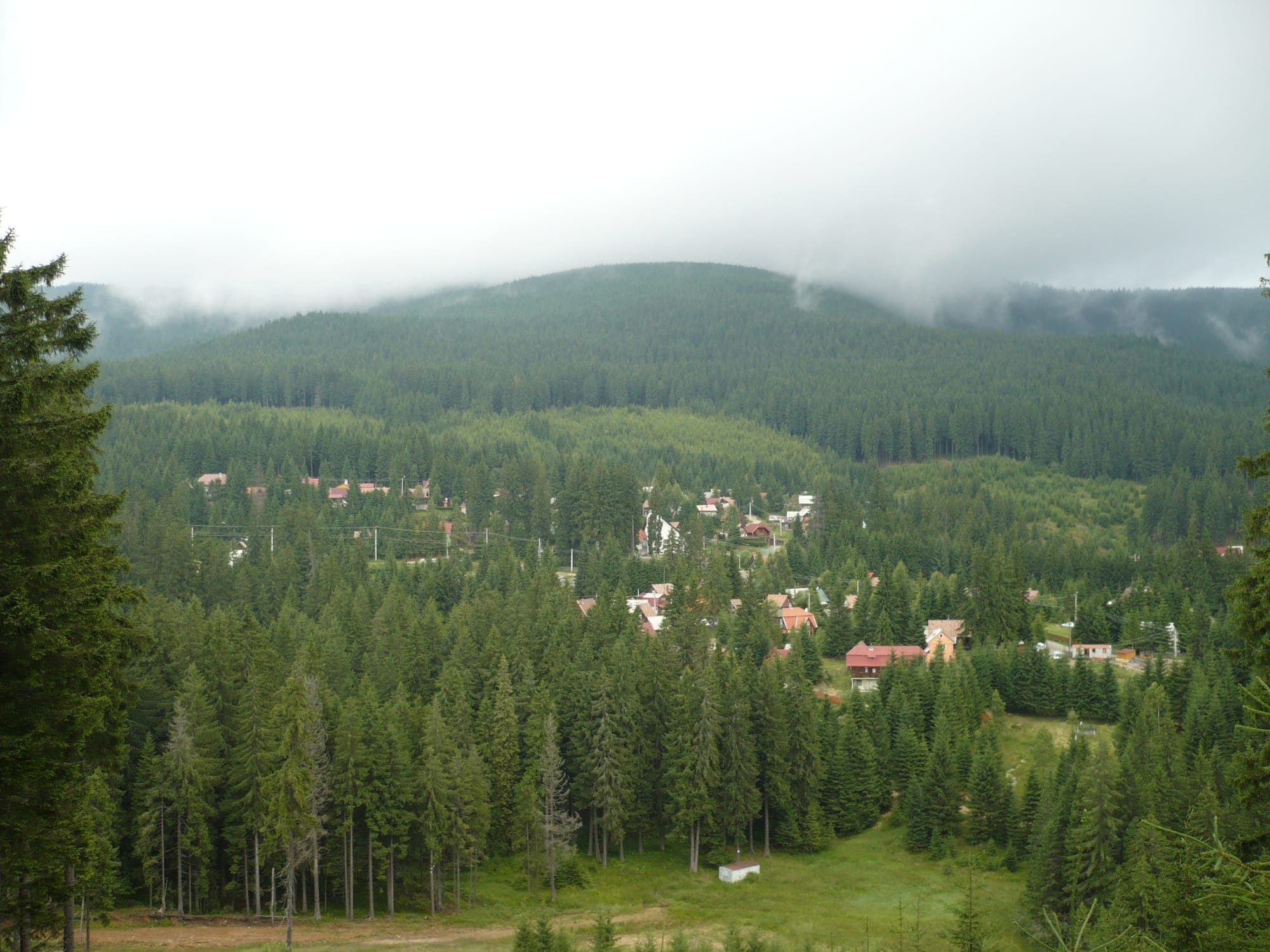
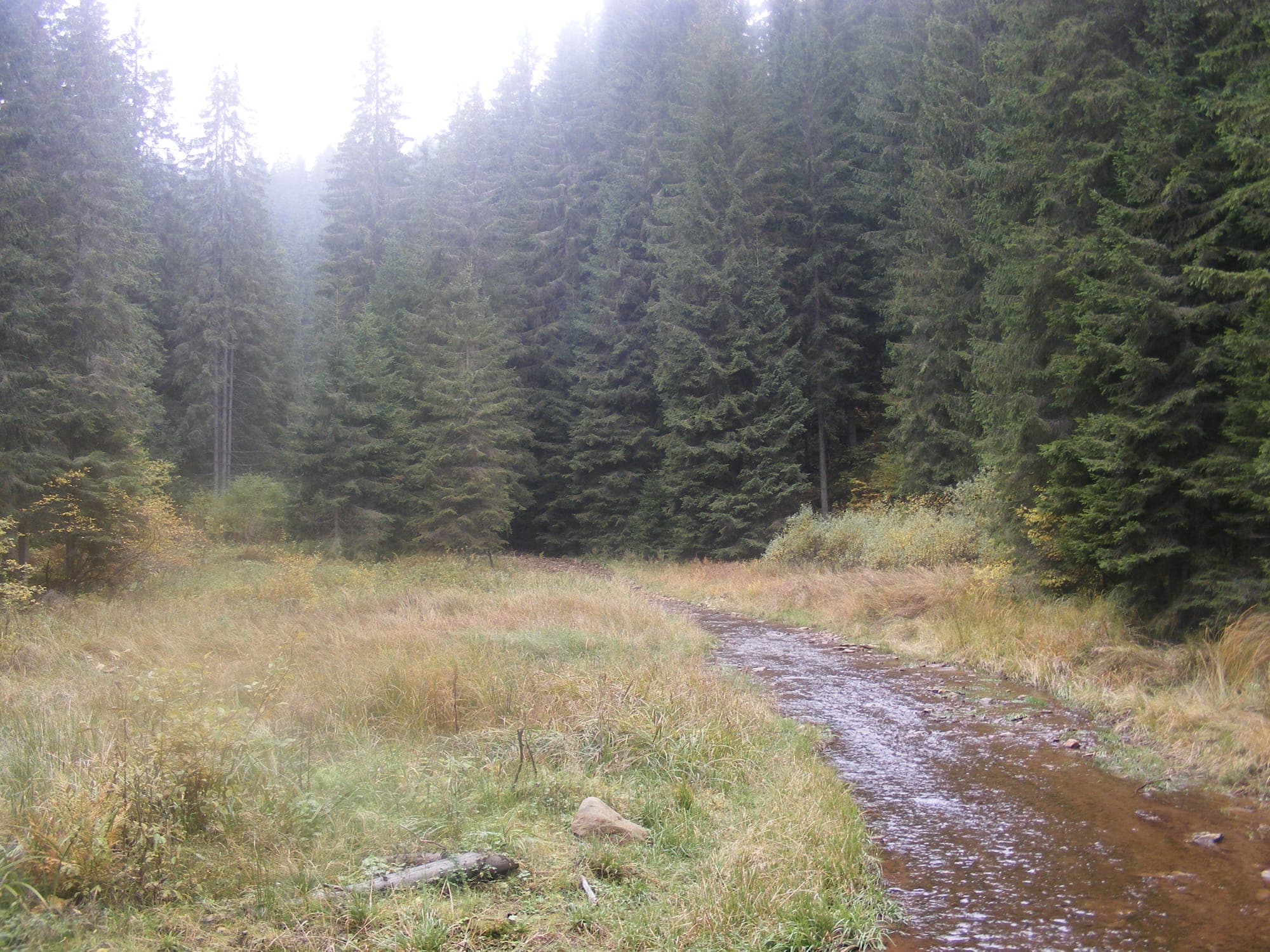
- Harghita-Băi, about 21 km from Miercurea Ciuc: the resort grew up around the springs and mofettes; the warm bath was closed down in 1950, the mofette remained. It is open only in the warm season, roughly from May to November, and the baths are taken according to the posted rules.
- Sântimbru-Băi, about 22 km from Miercurea Ciuc, above 1,200 m: the mofettes were fitted out in the early 1960s and have the most concentrated gas in the Harghita range, according to the county's tourism portal. They are run by the local council, with free access, but without an authorised treatment centre and without medical staff; the instructions are posted at the mofette.
- Băile Seiche, 4 km from Odorheiu Secuiesc: the mofette and the fenced-off area around it have been closed since July 2026 because of gas and water leaks whose origin is still unclear. The springs, the Székely gates and Orbán Balázs's grave can be visited freely.
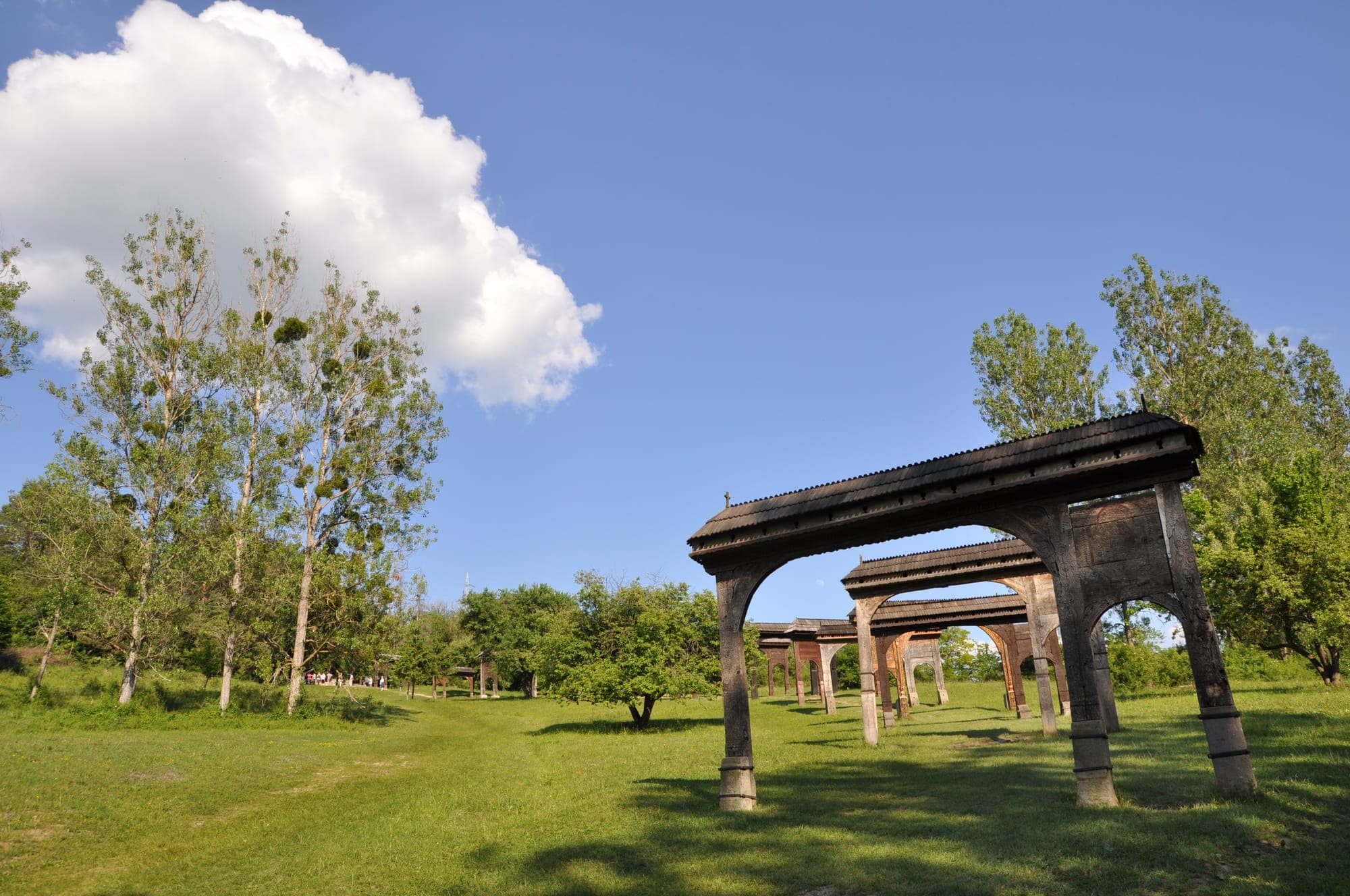
The mofette at Vatra Dornei
Vatra Dornei is the only resort on this site with a mofette outside the Székely Land. The natural mofette is in the Bradul–Călimani centre, the resort's largest treatment centre, alongside carbonated baths and peat wraps from Poiana Stampei; it is also used by guests of Hotel Carol.
Treatments are given on working days, after a consultation with the doctor, by appointment at the hotel reception. You pay in full or with a treatment voucher from the Pensions Office (Casa de Pensii).

Borsec, Slănic-Moldova, Malnaș-Băi: is there a mofette?
"Borsec mofette" and "Slănic-Moldova mofette" are searched for often, but the Borsec and Slănic-Moldova pages mention no mofette: both are resorts of naturally sparkling mineral waters, which you drink from the spring or use for baths. The same goes for Malnaș-Băi, near Sfântu Gheorghe, and Buziaș Spa Resort, in the Banat. If you want a mofette in the Borsec area, the nearest one on this site is at Harghita-Băi.
Two other places with gas coming from the ground are not mofettes. Focul Viu (Living Fire) of Andreiașu de Jos, in Vrancea, is methane that burns by itself, and the Berca Mud Volcanoes in Buzău are cold mud pushed to the surface by gases, mostly methane. Neither is a treatment site.
How a mofette session works
In a treatment centre, the session begins with a consultation with the balneology doctor: at Covasna, Băile Tușnad and Vatra Dornei it is compulsory, and at Turism Covasna even guests staying there who have not come for treatment can try the mofette only after a consultation and on the doctor's recommendation.
You enter the mofette following the staff's instructions. You stand up, with your head above the layer of gas, for only a few minutes. A balneology doctor quoted by Știrile ProTV describes the procedure in authorised centres: the nurse goes in before the patients and measures the gas level, and the gas must be absorbed through the skin, not inhaled. The skin turns red and you feel warmth; Hotel Tușnad warns that carbon dioxide poisoning sets in fairly quickly, with headaches, dizziness and nausea.
How many sessions you have and how long each lasts is decided by the doctor. The price of a session is on the resort's page, where a published price exists.
Is a mofette dangerous? The safety rules
Yes, if you breathe in the gas. Carbon dioxide in high concentration is dangerous, and below the level at which it collects it can kill; that is why the back of Puturoasă Cave is closed off with a grille. The rules published by the operators and on the resort pages:
- Do not go in without the staff's instructions or, where there are no staff, without reading the posted instructions.
- Stand up, with your head up. Do not bend over, do not sit down and do not lower yourself into the layer of gas.
- Children and animals stay away. The gas is heavier than air and collects low down, at their height.
- Take the contraindications into account. Hotel Tușnad lists them: cancer, ulcerative diseases, heart failure, advanced atherosclerosis, pulmonary tuberculosis, epilepsy, the first 6 months after a heart attack or major heart surgery.
The difference between an authorised mofette and one with free access matters. The director of the National Institute of Balneology explained to Știrile ProTV that authorised mofettes have gas sensors and ventilation openings, while at unauthorised ones the gas level is measured empirically, with a flame. In September 2026, one man died and another ended up in intensive care after they were poisoned by carbon dioxide in a mofette at Sântimbru-Băi, a council-owned enclosure not authorised as a treatment centre.
Mofette benefits and indications, per the operators
The operators publish indications, not promises of a cure. Covasna and Băile Tușnad have a cardiovascular profile, and Hotel Tușnad explains the effect through the dilation of blood vessels, useful for people with poor arterial circulation. Băile Bálványos is also for cardiovascular conditions, Vatra Dornei for cardiovascular conditions and rheumatism, while for Sântimbru-Băi the page lists rheumatic and locomotor conditions.
All the operators require a doctor's recommendation, because the mofette has contraindications. Which resort to choose for which condition, with the types of water and treatment vouchers, is in the guide to spa resorts; where to bathe in warm thermal water, in the pillar guide to thermal baths.
Frequently asked questions
- What is a mofette?
- A natural vent of gas made up almost entirely of carbon dioxide, in areas with extinct volcanoes. The name is also used for the room built over it, where gas baths are taken, standing up, with your head above the layer.
- Where are there mofettes in Romania?
- On this site: Covasna and Băile Bálványos (Covasna county), Băile Tușnad, Harghita-Băi, Sântimbru-Băi and Băile Seiche (Harghita) and Vatra Dornei (Suceava). The mofette at Băile Seiche has been closed since July 2026.
- Is a mofette dangerous?
- Yes, if you breathe in the gas: carbon dioxide in high concentration is dangerous. Stand up, with your head above the layer, for only a few minutes, following the staff's instructions, and keep children and animals away, because the gas collects low down.
- How long do you stay in a mofette?
- Only a few minutes, according to the Covasna resort page; the exact duration and the number of sessions are decided by the balneology doctor at the treatment centre.
- Do you need a doctor's recommendation for a mofette?
- In the treatment centres at Covasna, Băile Tușnad and Vatra Dornei, yes: the mofette is used only after a consultation with the doctor. At Sântimbru-Băi access is free, but there are no medical staff, and the enclosure is not authorised as a treatment centre.
- Who should not use a mofette?
- Hotel Tușnad lists as contraindications cancer, ulcerative diseases, heart failure, advanced atherosclerosis, pulmonary tuberculosis, epilepsy and the first 6 months after a heart attack or major heart surgery. The decision is the doctor's.
- Are mofettes open in winter?
- The treatment centres at Covasna and Vatra Dornei give treatments all year. The mofette at Harghita-Băi is open only in the warm season, roughly May – November, and the Bardócz mofette in Covasna from 1 March to 1 November (hours published in 2017).
- Does Borsec have a mofette?
- The resort's page does not mention a mofette: Borsec is known for its springs of naturally sparkling mineral water. The same goes for Slănic-Moldova. The nearest mofette to Borsec on this site is at Harghita-Băi.
- Is the mofette at Băile Seiche open?
- No. The mofette and the fenced-off area around it have been closed since July 2026 because of gas and water leaks, and access is forbidden (situation on 5 November 2026).
Sources
- Hotel Tușnad, treatment centre: the mofette (effects, indications, contraindications)
- Băile Tușnad local council: the way to the mofette (in Hungarian)
- Turism Covasna: spa treatment with mineral waters and mofettes
- Visit Covasna (Covasna County Tourism Development Association): mofettes
- Visit Covasna: the mofette of the "Dr. Benedek Géza" Cardiovascular Rehabilitation Hospital
- Visit Covasna: the private Bardócz mofette
- Visit Harghita: Sântimbru-Băi (Büdösfürdő), the mofettes
- Știrile ProTV: the mofette at Sântimbru-Băi was not authorised (14 September 2026)
- Maszol: the area around the Băile Seiche mofette closed because of gas leaks (in Hungarian)
All guides
- Thermal baths in Romania: the resorts with thermal and mineral waters by region, with a map
- Thermal baths open in winter in Romania: where to bathe outdoors in warm water and what is indoors
- Spa resorts in Romania: the list, by type of mineral water and by the conditions they are recommended for
- The nearest thermal baths to Bucharest, Cluj, Brașov, Oradea, Timișoara, Sibiu and Arad: distances and what is open
- Thermal pools and water parks in Romania: where to go in summer, with children, for warm water and slides
- Christmas markets in Romania 2026: the list by city, dates and what you will find
- Craiova Christmas Market: opening hours, dates and what to find in 2026
- Sibiu Christmas Market 2026: opening hours, dates and what you will find in the Grand Square
- Christmas markets in Bucharest 2026: which ones, where and when
- Christmas in Romania: where to go, cities and regions to visit in December
- Ski slopes in Romania: the ski resorts and ski areas by region, with a map
- When the ski slopes open and where the snow comes first: the ski season in Romania
- Sledging, alpine coasters and tubing in Romania: where to go with a sledge
- The longest ski slope in Romania and the other records: the largest ski area, the highest, the hardest
- The nearest ski slopes to Bucharest, Cluj, Brașov, Sibiu, Iași, Timișoara and Oradea: distances for a day of skiing
- Beginner and kids' ski slopes in Romania: where to learn to ski, ski schools and slope colours
- Caves in Romania: the ones you can visit, by area, with a map
- Ice caves and underground glaciers in Romania: Scărișoara, Focul Viu, Vârtop, Borsec
- Apuseni caves: a 2–3 day route through Bihor and Alba
- The largest cave in Romania and the other records: the longest, the deepest, the oldest show cave
- The nearest cave to Bucharest, Brașov, Cluj, Sibiu, Oradea and Timișoara: distances for a day trip
- Famous caves in Romania you cannot visit: Movile, Topolnița, Vântului, Coliboaia, Peștera cu Oase (and what to see instead)
- Stalactites and stalagmites: what they are, how a cave forms and where to see them in Romania
- The Danube Delta: map, what it is, the villages and what to see
- Danube Delta trip: one, two or three days, where to start and how to get to Sulina and Sfântu Gheorghe
- Things to do in Tulcea: what to see in the city and around it
- Birds and wildlife of the Danube Delta: pelicans, where and when to see them
- Visiting the Danube Delta for the first time: the access permit, mosquitoes and when to go
- Fishing in the Danube Delta: the fishing permit, the 2026 closed season and where you may fish
- Sulina or Sfântu Gheorghe? The beaches of the Danube Delta (and Gura Portiței)
- Deltas near Bucharest: Văcărești, Comana (the Neajlov Delta) and Balta Mică a Brăilei
- The Romanian Black Sea coast: the resorts in order, north to south, with a map
- The best beaches in Romania (and the Blue Flag ones)
- The Black Sea season in Romania: when it opens, how long it lasts and when the water is warmest
- Wild beaches on the Romanian coast: Corbu, Vadu, Tuzla and the south
- Which Romanian seaside resort to choose: for young people, families, quiet, budget
- The Romanian seaside with kids: resorts, shallow beaches and what to do off the beach
- Things to do in Constanța: what to see in the city, on the seafront and nearby
- Jellyfish, sharks and lifeguard flags in the Black Sea
- Salt mines in Romania: the complete guide to the salt mines you can visit
- The largest, the deepest and the oldest salt mine in Romania
- The nearest salt mine to Bucharest, Cluj, Brașov, Sibiu, Iași, Timișoara, Oradea, Constanța and other cities
- Salt mines with children and babies: from what age, which one suits, what to bring
- Turda or Slănic Prahova? Which salt mine to choose
- Visiting a salt mine for the first time: temperature, clothing, how long, lift or bus, dogs
- Salt lakes and salt baths in Romania: where to swim, season and prices
- Salt mine therapy in Romania: what the operators say, how long to stay, which mines have a treatment base