
Spa resorts in Romania: the list, by type of mineral water and by the conditions they are recommended for

Romania's spa resorts are grouped by the water used for treatment: thermal water at Băile Felix, Băile 1 Mai, Băile Herculane, Geoagiu-Băi and Moneasa; sulphurous and iodine water at Băile Govora, Băile Olănești, Călimănești-Căciulata and Pucioasa; carbonated water and mofettes at Covasna, Băile Tușnad, Buziaș, Vatra Dornei and Slănic-Moldova. The largest spa resort open all year round is Băile Felix, and the oldest is Băile Herculane, recorded since the year 153.
Below is a table with the waters and the published indications for each resort, followed by the resorts grouped by type of water and by condition. The indications and contraindications are those written by the operators and on the resort pages; this guide gives no medical advice. Where to simply bathe in warm water, region by region, is in the guide to thermal baths; opening hours and prices are on each resort's own page.
In short
- Băile Felix, 8 km from Oradea, is the largest spa resort in Romania open all year round, with almost 6,000 beds and thermal water at 20–49 °C.
- Băile Herculane is the oldest spa resort in Romania: the oldest written record of its Roman baths is a votive tablet from the year 153.
- For rheumatism, the resort pages list as an indication the thermal water of Felix, 1 Mai and Herculane, the iodine water of Govora and the carbonated water of Buziaș and Vatra Dornei.
- Covasna is the resort for heart and circulation conditions, with mofettes, carbonated water and the Cardiovascular Rehabilitation Hospital, which you reach with a referral from a cardiologist.
- At every resort, spa procedures begin with a consultation with the doctor at the treatment centre, because some of them have contraindications.
- A spa treatment voucher (bilet de tratament) is requested from the local pension office, with a referral from a family doctor or specialist; the same person gets at most one per year (National Public Pension House, November 2026).
Spa resorts in Romania: the list by type of water
The table covers the resorts on the site where treatment is given with mineral or thermal water. The "Indications" column is the one on each resort's page, based on the operators and town halls; it is not a complete list of the conditions treated there and does not replace a consultation with a balneology doctor.
Resorts with salt lakes and mud (Techirghiol, Ocna Sibiului, Sovata, Amara) are in the guide to salt baths, and speleotherapy in the guide to treatment in salt mines.
| Resort | County | Waters | Published indications |
|---|---|---|---|
| Băile Felix | Bihor | thermal, up to 49 °C | rheumatism, neurological conditions |
| Băile 1 Mai | Bihor | thermal, up to 42 °C | rheumatism, neurological conditions |
| Băile Herculane | Caraș-Severin | sulphurous, sodium chloride, 38–60 °C | rheumatism, locomotor conditions |
| Geoagiu-Băi | Hunedoara | thermal, bicarbonate, 29–33 °C | locomotor, gynaecological conditions |
| Moneasa | Arad | mesothermal, low-mineral, 25–32 °C | locomotor, nervous conditions |
| Călimănești-Căciulata | Vâlcea | sulphurous, chloride, sodium; boreholes at ~90 °C | digestive, kidney conditions, rheumatism |
| Băile Govora | Vâlcea | iodine, bromine, sulphurous | respiratory conditions, rheumatism |
| Băile Olănești | Vâlcea | sulphurous, iodine | digestive, kidney, respiratory conditions |
| Băile Săcelu | Gorj | sulphurous, chloride, bromine, iodine | locomotor, neurological, respiratory conditions |
| Pucioasa | Dâmbovița | sulphurous, sulphate, calcium | locomotor, respiratory, skin conditions |
| Covasna | Covasna | carbonated, mofettes | cardiovascular conditions |
| Băile Tușnad | Harghita | carbonated, mofettes | cardiovascular, nervous conditions |
| Băile Bálványos | Covasna | carbonated, sulphurous, mofettes | cardiovascular conditions |
| Buziaș | Timiș | carbonated, sodium chloride | cardiovascular conditions, rheumatism |
| Vatra Dornei | Suceava | carbonated, ferruginous, mofette, peat mud | cardiovascular conditions, rheumatism |
| Slănic-Moldova | Bacău | carbonated, bicarbonate, chloride | digestive, hepatobiliary conditions |
| Borsec | Harghita | carbonated, bicarbonate | digestive, kidney conditions |
| Sângeorz-Băi | Bistrița-Năsăud | bicarbonate, chloride, sodium | digestive, hepatobiliary, rheumatic conditions |
| Malnaș-Băi | Covasna | carbonated, ferruginous | digestive, kidney, vascular conditions |
| Băile Homorod | Harghita | carbonated, ferruginous | digestive, hepatobiliary conditions |
| Bălțătești | Neamț | sodium chloride, sulphate | locomotor, peripheral neurological, gynaecological conditions |
| Băile Bazna | Sibiu | saline, iodine, bromine; mud | rheumatic, post-traumatic conditions |
| Sărata Monteoru | Buzău | sodium chloride, bromine, iodine | rheumatic, post-traumatic conditions |
| Mangalia | Constanța | mesothermal sulphurous, 21–22 °C; sea water | degenerative rheumatic conditions |
The waters, temperatures and indications are those on the resort pages of this site, based on the websites of the operators and town halls, checked on 5 November 2026.
Thermal water resorts: Felix, 1 Mai, Herculane, Geoagiu
Warm thermal water, which you can bathe in without heating it, is found in the west and in the Cerna Valley. At Băile Felix the springs come out at 20–49 °C and, together with the sapropelic mud, are the basis of treatments for rheumatism, peripheral neurological and gynaecological conditions and recovery after injuries. Băile 1 Mai, 2 km away, has water of up to 42 °C and a treatment centre in the middle of the resort, with the same indications plus inflammatory rheumatism.
At Băile Herculane the springs are sulphurous and sodium chloride, at 38–60 °C, recommended mainly for rheumatism and the locomotor system. Geoagiu-Băi (29–33 °C) and Moneasa (25–32 °C) have mesothermal water, used for the locomotor system; at Moneasa, the forest climate is listed as a second treatment factor.
The open-air pools of these resorts are in the guide to thermal pools and aquaparks, and the resorts, region by region, in the guide to thermal baths.


Sulphurous and iodine water: Govora, Olănești, Pucioasa
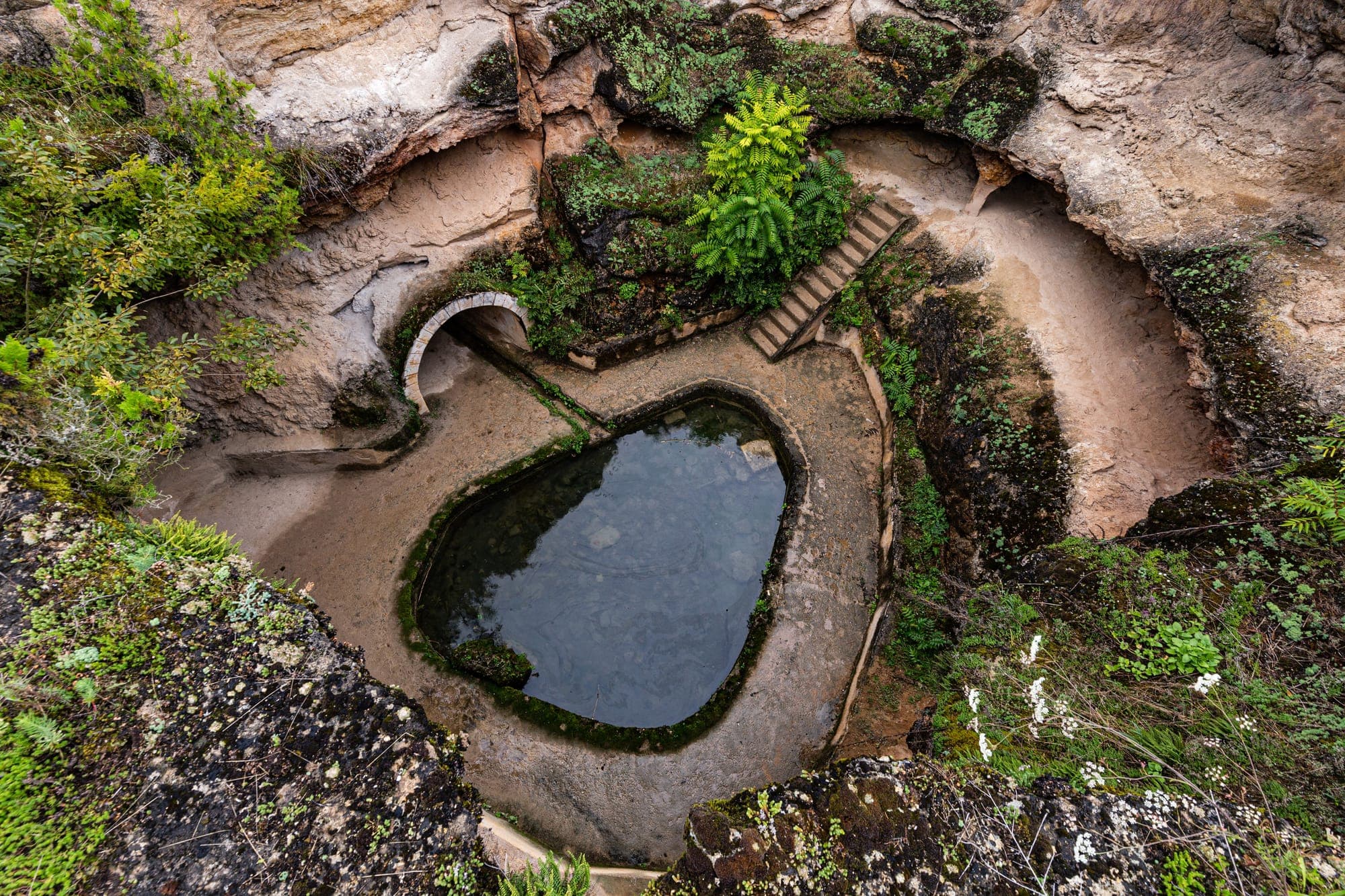
Water with sulphur, iodine and bromine is found mostly in the Subcarpathians. At Băile Govora the water is among the richest in iodine and bromine in Europe, according to the resort's page: concentrated, used for baths and inhalations, plus lightly mineralised springs for drinking cures. The resort is known for respiratory conditions and rheumatism.
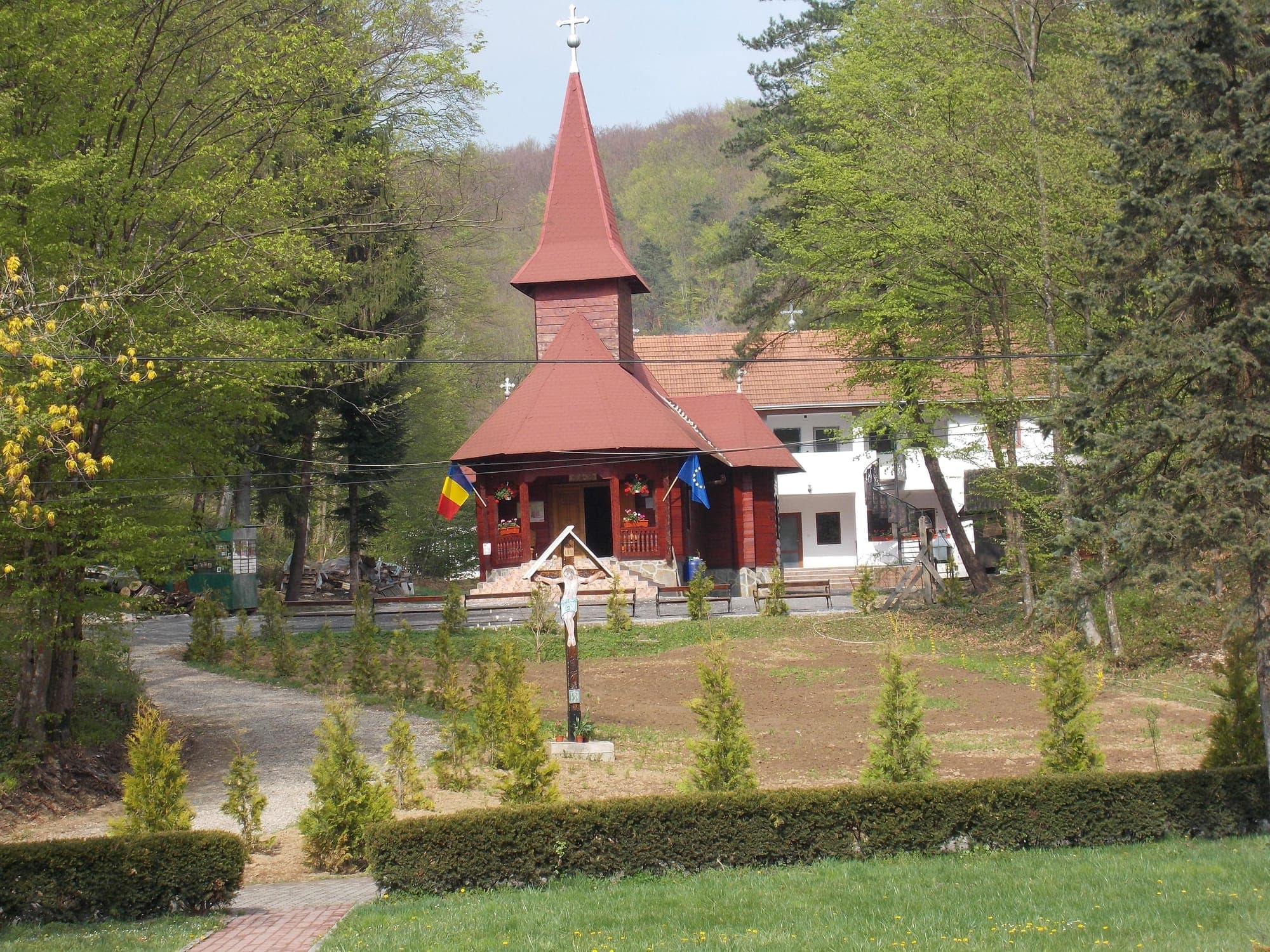
Băile Olănești has more than 30 numbered springs, sulphurous, chloride and iodine, used in drinking cures for digestive, kidney and respiratory conditions; the water is taken with a card, after a consultation with the doctor. At Călimănești-Căciulata the cold springs are drunk for digestive and kidney conditions, while geothermal water supplies the baths.
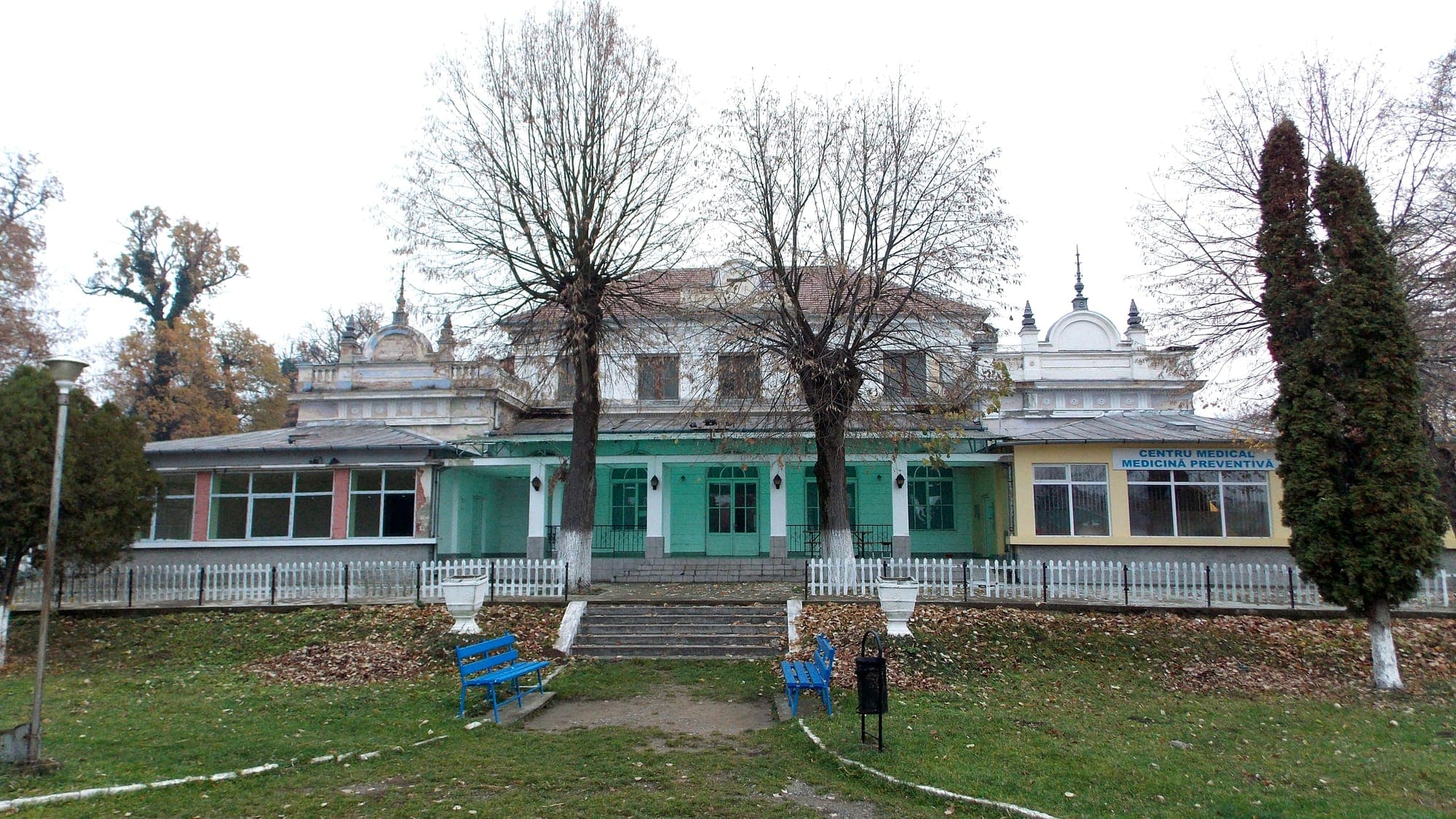
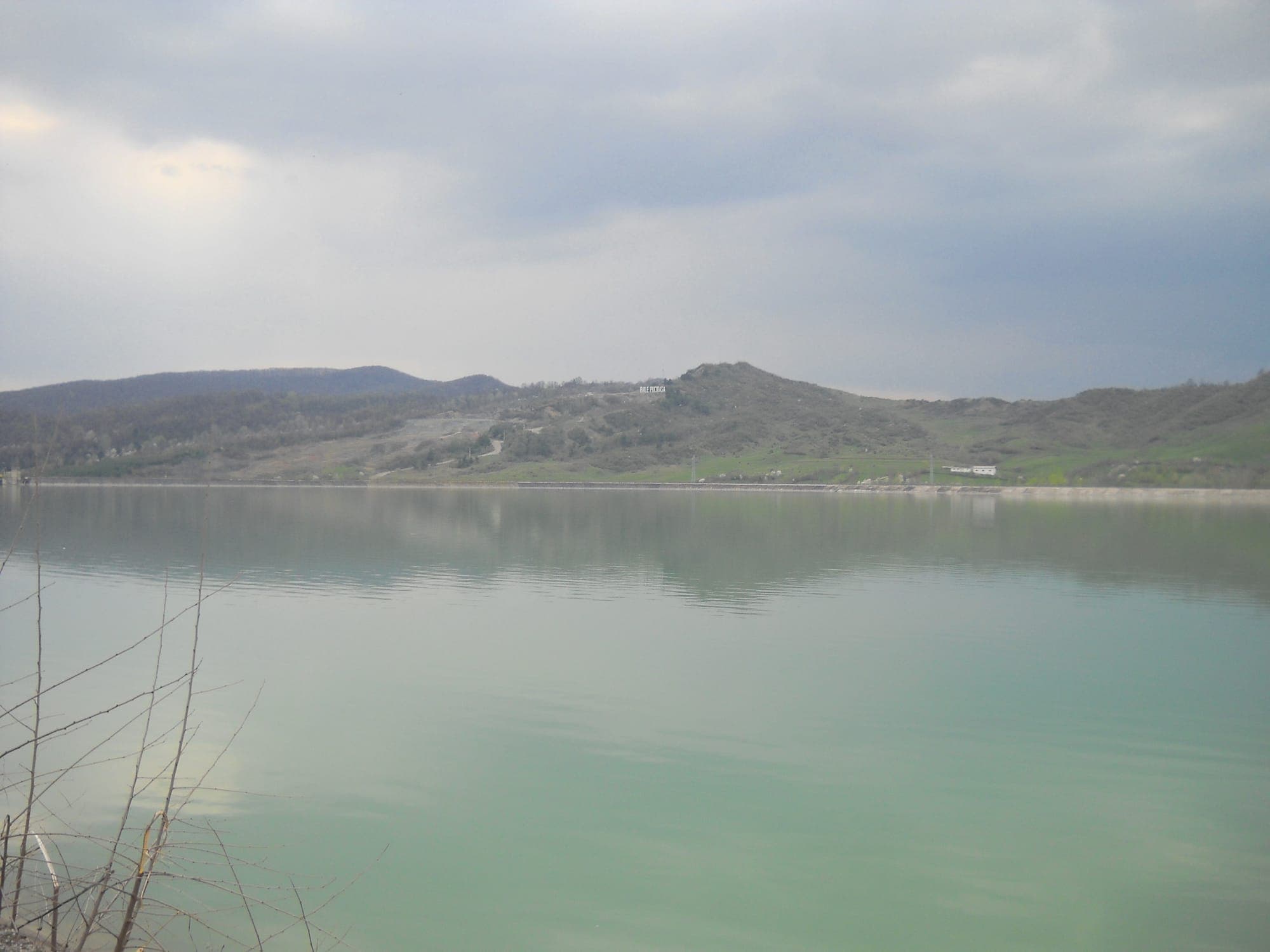
At Pucioasa the sulphurous water is used in tub baths, inhalations and aerosols, for the locomotor and respiratory systems, ENT and skin conditions. Băile Săcelu, in Gorj, has four open-air pools with sulphurous and iodine water, open only in summer.


Carbonated water: Buziaș, Vatra Dornei, Slănic-Moldova
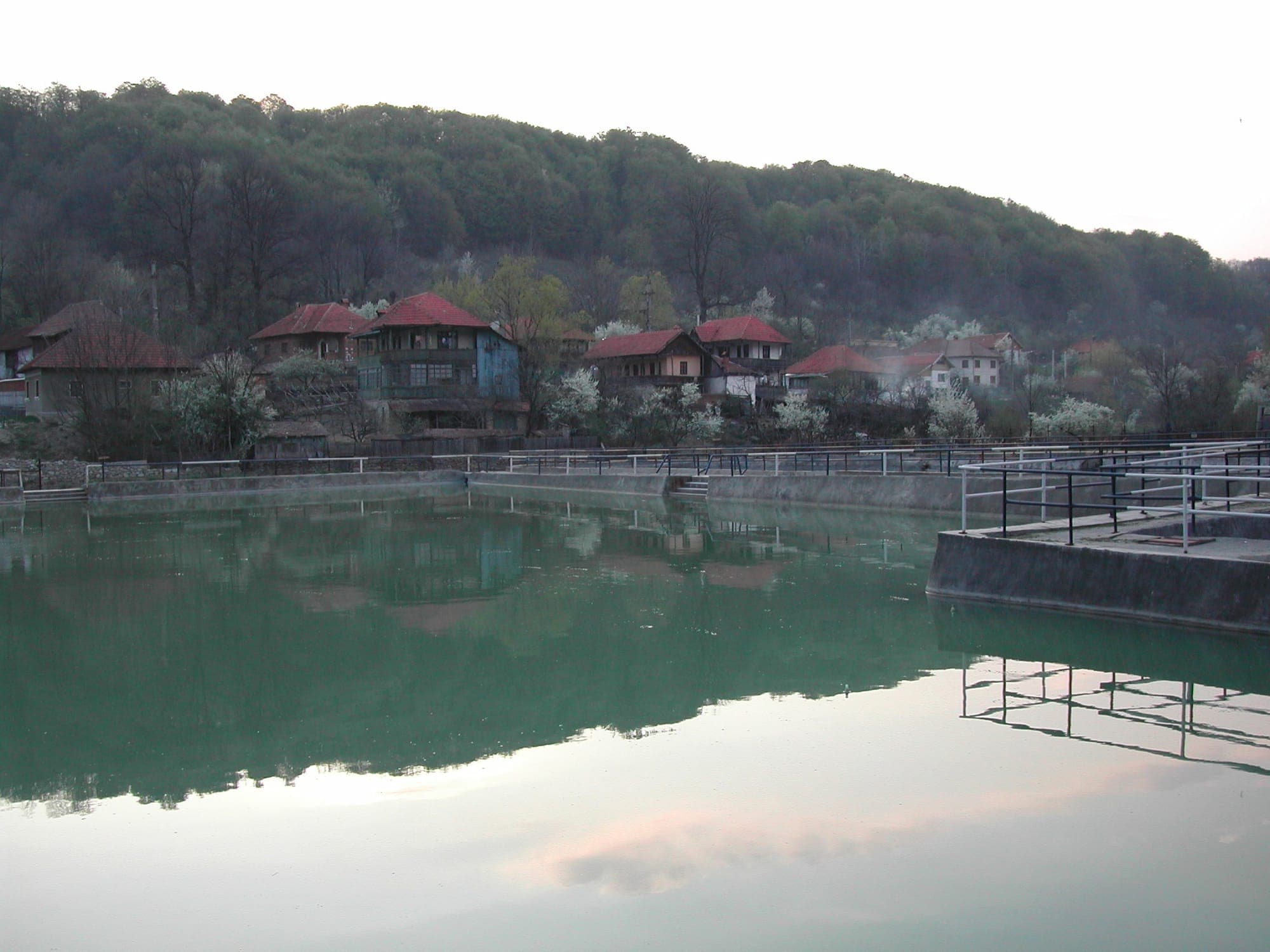
Carbonated water is cold and is either drunk as an internal cure or used in carbon dioxide baths. At Buziaș, 35 km from Timișoara, the water has 2,000–2,600 mg/l of carbon dioxide and is used mainly for cardiovascular, degenerative rheumatic and neurological conditions. The treatment centre's operator changed owner in March 2026: confirm by phone before you set off.
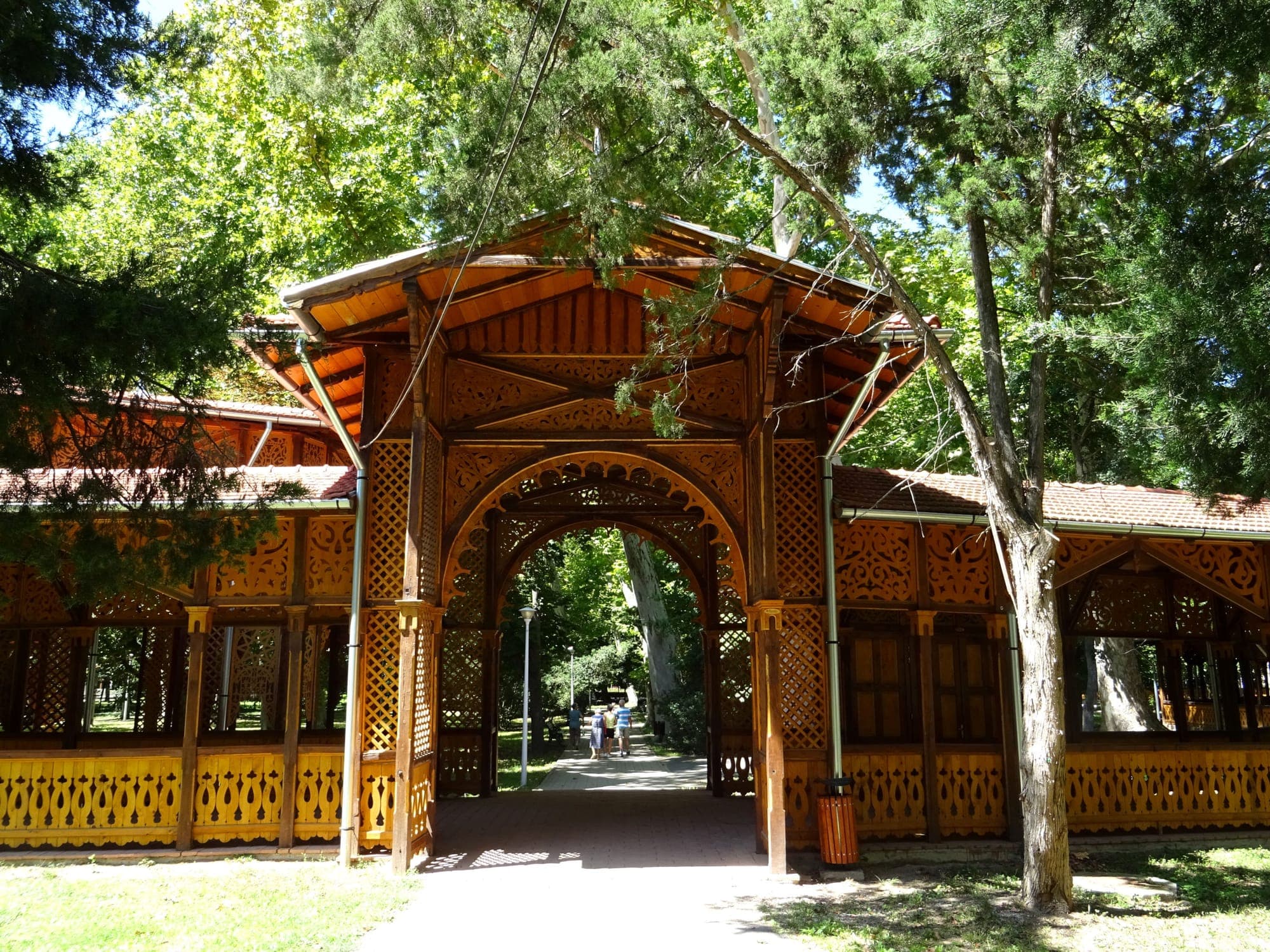
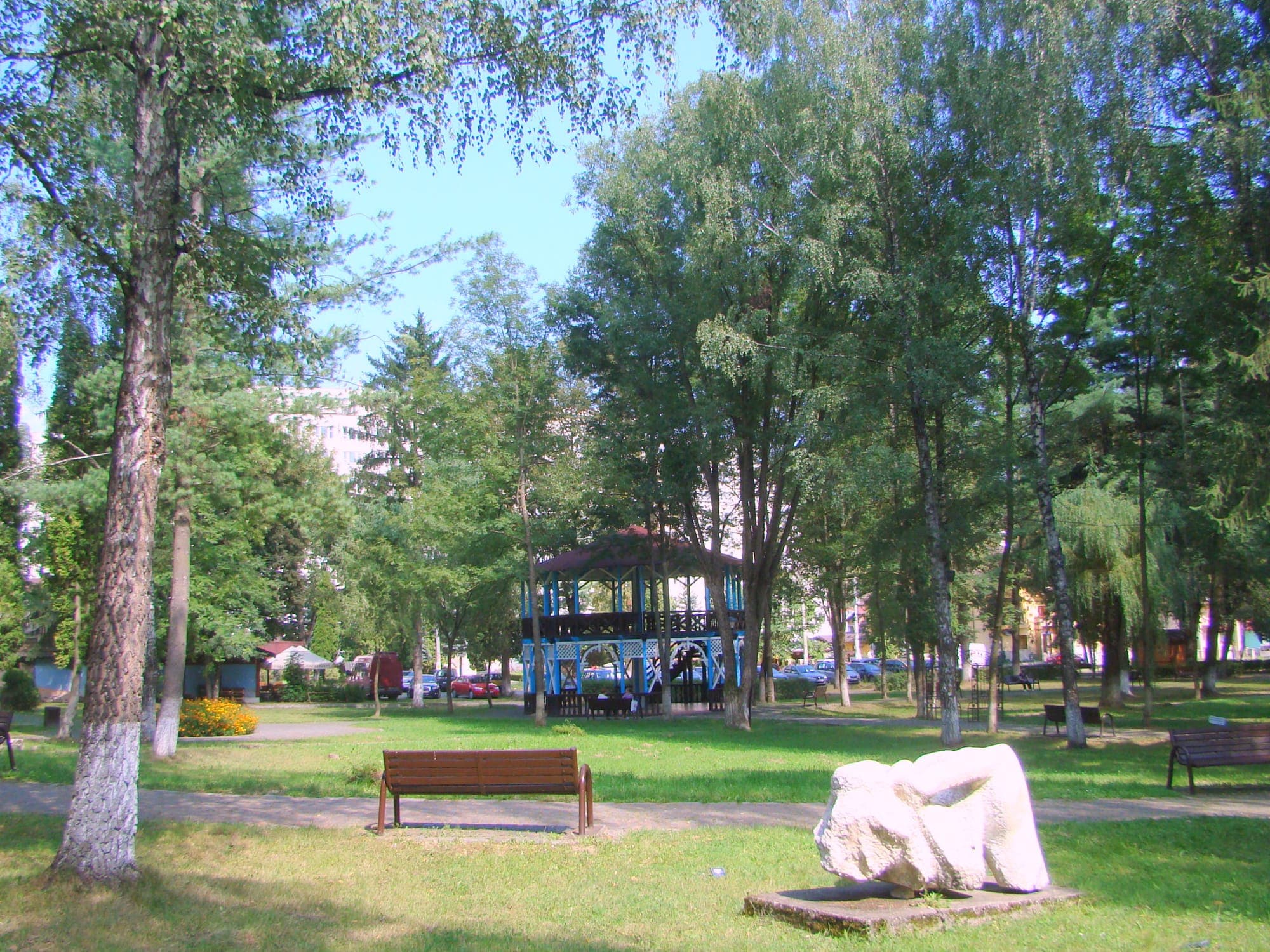
Vatra Dornei has a cardiovascular and rheumatology profile, with carbonated and ferruginous water, a mofette and peat mud. At Slănic-Moldova, Borsec, Sângeorz-Băi, Malnaș-Băi and Băile Homorod the cure is mostly internal, for digestive, hepatobiliary and kidney conditions. At Slănic, springs 6 and 10 are highly concentrated and are drunk only under medical supervision.


Mofettes: Covasna, Băile Tușnad, Bálványos
A mofette is a room or a pit where carbon dioxide from the ground collects; you stand in it, with your head above the gas, for a few minutes. Mofettes with staff and a medical consultation are at Covasna, Băile Tușnad and Vatra Dornei; at Băile Bálványos they are run by different operators. All three are listed for cardiovascular conditions.
What mofettes are, where they all are and how they are used: in the guide to mofettes.


Spa resorts for rheumatism
Rheumatism is the indication most often listed on the resort pages. With thermal water: Băile Felix, Băile 1 Mai, Băile Herculane, and for the locomotor system Geoagiu-Băi and Moneasa. With iodine and sulphurous water: Băile Govora, Călimănești-Căciulata, Pucioasa and Băile Săcelu. With carbonated water: Buziaș, Vatra Dornei and Sângeorz-Băi, where the climate is listed for rheumatic conditions.
With saline water: Băile Bazna and Sărata Monteoru, for rheumatic and post-traumatic conditions, and the sanatorium at Bălțătești, for the locomotor system. Salt lakes and mud, also with rheumatism among their indications, are in the guide to salt baths.
Which of them suits you is for the doctor to say, not the list.
Spa resorts for heart conditions: Covasna, Buziaș
For the heart and circulation, the resort pages list carbonated water and mofettes. Covasna is the "resort of the heart": it is home to the "Dr. Benedek Géza" Cardiovascular Rehabilitation Hospital, which you are admitted to as a patient with a referral from a cardiologist, internist or cardiovascular surgeon, while at the hotels' treatment centres the mofette and the baths follow a consultation with the balneology doctor.
Băile Tușnad has been a place of cure for heart and circulation diseases since the 19th century, according to the resort's page. Buziaș, Vatra Dornei and Băile Bálványos also have cardiovascular conditions among their indications. The published contraindications for mofettes and carbonated baths are in the section on benefits and contraindications.
Spa resorts for digestive and respiratory conditions
For digestive, hepatobiliary and kidney conditions, the cure is usually internal: you drink the mineral water at the spring, in the amounts and at the times set by the doctor. The pages list them at Slănic-Moldova, Băile Olănești, Călimănești-Căciulata, Borsec, Sângeorz-Băi, Malnaș-Băi and Băile Homorod.
For respiratory conditions, the resorts with iodine and sulphurous water offer inhalations and aerosols: Băile Govora, Băile Olănești, Pucioasa, Băile Săcelu. Speleotherapy, that is respiratory treatment in a salt mine, has its own guide: treatment in salt mines.
The largest spa resort in Romania
Băile Felix is the largest spa resort in Romania open all year round, according to the resort's page: almost 6,000 beds and around 300,000 visitors a year, 8 km from Oradea. Băile Herculane is the oldest: the Romans built baths here dedicated to Hercules, and the oldest written record is a votive tablet from the year 153.
A ranking of the "best spa resorts" cannot be drawn up from published figures: each resort has different waters and different indications, so the best one is the one that lists your condition and has an open treatment centre. If you are only interested in bathing in warm water, the comparison between Felix and Herculane is in the guide to thermal baths.
Thermal and mineral baths: benefits and contraindications
On the resort pages, the benefits of a water are its therapeutic indications, listed in the table above. This guide adds no others. Everywhere, the operators write the same thing: spa procedures are done after a consultation with the doctor at the treatment centre, because some have contraindications. At Geoagiu-Băi, the page adds that thermal water does not replace medical treatment.
The published contraindications, by resort:
- Băile Felix: serious heart conditions, pregnancy, infectious diseases.
- Vatra Dornei: decompensated heart conditions, pregnancy, acute infectious diseases.
- The mofette at Băile Tușnad: heart failure, the first 6 months after a heart attack, epilepsy, cancer; the gas must not be inhaled.
- Bălțătești (saline water): acute illnesses, malignant tumours, infectious and contagious diseases, high-risk pregnancy and pregnancy in the third trimester, blood diseases.
At Herculane, in the free tubs on the bank of the Cerna, do not stay long in the hot water, especially if you have heart or blood pressure problems. The list is not complete: ask your own doctor before leaving and the balneology doctor on arrival.
Spa treatment: consultation, referral, voucher
The resort pages describe three ways of getting procedures, all starting with a consultation with the balneology doctor:
- paying in full, at the hotel's treatment centre or in an accommodation package with treatment (for example at Băile Govora, Felix, Herculane);
- a referral with a health insurance card, for insured patients, at centres that accept referrals (Băile Tușnad, the sanatorium section of the National Rehabilitation Institute at Slănic-Moldova);
- a spa treatment voucher from the pension office, at contracted units (Vatra Dornei, Pucioasa, Sărata Monteoru, the sanatorium at Bălțătești).
The prices of procedures and consultations are on each resort's page, with the date they were checked. What the treatment voucher is and where to find the official rules is in the questions below.
Frequently asked questions
- What is the largest spa resort in Romania?
- Băile Felix, 8 km from Oradea, is the largest spa resort in Romania open all year round, with almost 6,000 beds. The oldest is Băile Herculane, recorded since the year 153.
- How many spa resorts are there in Romania?
- This guide gives no official number, because the list of certified resorts changes. On this site, the table in the guide has 24 resorts with treatment based on mineral or thermal water, and the resorts with salt lakes and mud are in the guide to salt baths.
- Which spa resorts in Romania are good for rheumatism?
- The resort pages list rheumatism among the indications at Băile Felix, Băile 1 Mai, Băile Herculane, Băile Govora, Călimănești-Căciulata, Buziaș, Vatra Dornei and Sângeorz-Băi. The choice is made by the doctor, after a consultation.
- Which spa resort in Romania is for heart patients?
- Covasna is the resort dedicated to cardiovascular conditions, with mofettes, carbonated water and the Cardiovascular Rehabilitation Hospital, which you reach with a referral from a cardiologist. Băile Tușnad, Buziaș and Vatra Dornei also have cardiovascular conditions among their indications.
- What is a spa treatment voucher (bilet de tratament) and how do you get one?
- The spa treatment voucher is a place at a resort contracted by Romania's National Public Pension House (Casa Națională de Pensii Publice, CNPP), the state pension authority; it is free for some categories and comes with a personal contribution for other insured people and pensioners. The standard application is submitted to the local pension office, and pensioners also need a referral from a family doctor or specialist. The criteria, the contribution and the list of resorts are approved every year and are on cnpp.ro, under „Bilete de tratament” (in Romanian).
- How many spa treatment vouchers can you get per year, and how long do they last?
- According to the National Public Pension House, the same person is issued only one spa treatment voucher per calendar year, paid or free. A voucher covers a 16-day stay, 12 days of which are spa treatment (cnpp.ro, November 2026).
- What are the contraindications of thermal baths?
- Băile Felix lists among its contraindications serious heart conditions, pregnancy and infectious diseases, and Vatra Dornei decompensated heart conditions, pregnancy and acute infectious diseases. The complete list is given by the doctor at the treatment centre, at the consultation before the procedures.
- What is the difference between a spa resort and a balneoclimatic resort?
- On the resort pages, a balneoclimatic resort uses the climate as a treatment factor as well as the water: at Moneasa, the forest climate; at Băile Tușnad and Vatra Dornei, the mountain air. Both terms are used in Romania for resorts that offer treatment.
- Are there spa resorts for children in Romania?
- The resort pages do not publish separate indications for children; whether a cure is suitable for a child is for the doctor to say. For a day in warm water with children, see the guide to thermal pools and aquaparks.
Sources
- National Public Pension House (CNPP): Treatment vouchers
- CNPP: Documents needed to obtain a treatment voucher
- CNPP: How long a spa treatment voucher lasts
- CNPP: How many treatment vouchers can be obtained in a year
- Băile Felix (Turism Felix)
- Băile Govora Town Hall
- Băile Herculane Town Hall
- Băile Tușnad Town Hall
- Covasna Town Hall: sights
- Bălțătești Resort (Ministry of National Defence)
- Slănic-Moldova Town Hall
- Vatra Dornei: tourism portal
All guides
- Thermal baths in Romania: the resorts with thermal and mineral waters by region, with a map
- Thermal baths open in winter in Romania: where to bathe outdoors in warm water and what is indoors
- The nearest thermal baths to Bucharest, Cluj, Brașov, Oradea, Timișoara, Sibiu and Arad: distances and what is open
- Thermal pools and water parks in Romania: where to go in summer, with children, for warm water and slides
- Mofettes in Romania: what a mofette is, how a session works and where to find them, from Covasna to Tușnad
- Christmas markets in Romania 2026: the list by city, dates and what you will find
- Craiova Christmas Market: opening hours, dates and what to find in 2026
- Sibiu Christmas Market 2026: opening hours, dates and what you will find in the Grand Square
- Christmas markets in Bucharest 2026: which ones, where and when
- Christmas in Romania: where to go, cities and regions to visit in December
- Ski slopes in Romania: the ski resorts and ski areas by region, with a map
- When the ski slopes open and where the snow comes first: the ski season in Romania
- Sledging, alpine coasters and tubing in Romania: where to go with a sledge
- The longest ski slope in Romania and the other records: the largest ski area, the highest, the hardest
- The nearest ski slopes to Bucharest, Cluj, Brașov, Sibiu, Iași, Timișoara and Oradea: distances for a day of skiing
- Beginner and kids' ski slopes in Romania: where to learn to ski, ski schools and slope colours
- Caves in Romania: the ones you can visit, by area, with a map
- Ice caves and underground glaciers in Romania: Scărișoara, Focul Viu, Vârtop, Borsec
- Apuseni caves: a 2–3 day route through Bihor and Alba
- The largest cave in Romania and the other records: the longest, the deepest, the oldest show cave
- The nearest cave to Bucharest, Brașov, Cluj, Sibiu, Oradea and Timișoara: distances for a day trip
- Famous caves in Romania you cannot visit: Movile, Topolnița, Vântului, Coliboaia, Peștera cu Oase (and what to see instead)
- Stalactites and stalagmites: what they are, how a cave forms and where to see them in Romania
- The Danube Delta: map, what it is, the villages and what to see
- Danube Delta trip: one, two or three days, where to start and how to get to Sulina and Sfântu Gheorghe
- Things to do in Tulcea: what to see in the city and around it
- Birds and wildlife of the Danube Delta: pelicans, where and when to see them
- Visiting the Danube Delta for the first time: the access permit, mosquitoes and when to go
- Fishing in the Danube Delta: the fishing permit, the 2026 closed season and where you may fish
- Sulina or Sfântu Gheorghe? The beaches of the Danube Delta (and Gura Portiței)
- Deltas near Bucharest: Văcărești, Comana (the Neajlov Delta) and Balta Mică a Brăilei
- The Romanian Black Sea coast: the resorts in order, north to south, with a map
- The best beaches in Romania (and the Blue Flag ones)
- The Black Sea season in Romania: when it opens, how long it lasts and when the water is warmest
- Wild beaches on the Romanian coast: Corbu, Vadu, Tuzla and the south
- Which Romanian seaside resort to choose: for young people, families, quiet, budget
- The Romanian seaside with kids: resorts, shallow beaches and what to do off the beach
- Things to do in Constanța: what to see in the city, on the seafront and nearby
- Jellyfish, sharks and lifeguard flags in the Black Sea
- Salt mines in Romania: the complete guide to the salt mines you can visit
- The largest, the deepest and the oldest salt mine in Romania
- The nearest salt mine to Bucharest, Cluj, Brașov, Sibiu, Iași, Timișoara, Oradea, Constanța and other cities
- Salt mines with children and babies: from what age, which one suits, what to bring
- Turda or Slănic Prahova? Which salt mine to choose
- Visiting a salt mine for the first time: temperature, clothing, how long, lift or bus, dogs
- Salt lakes and salt baths in Romania: where to swim, season and prices
- Salt mine therapy in Romania: what the operators say, how long to stay, which mines have a treatment base