
Thermal baths in Romania: the resorts with thermal and mineral waters by region, with a map

There are 28 resorts and baths with thermal and mineral waters in Romania on peplaiuri.ro. You can bathe in warm thermal water, in pools, at Băile Felix, Băile 1 Mai, Băile Herculane, Călimănești-Căciulata, Geoagiu-Băi, Moneasa and Therme București, plus in the thermal pool at Băile Tușnad; the others have cold mineral waters, carbonated, sulphurous or iodine-rich, used for baths, drinking cures and mofettes.
This guide puts them all in one table, with the type of water, the published temperature and where you can bathe, then goes through them region by region, one paragraph each with a link to its page, where you will find opening hours, prices and directions. At the end come the best thermal baths by criterion, the choice between Felix and Herculane, the salt baths that are not thermal, and the mofettes. They are all on the map of resorts and thermal baths too.
In short
- There are 28 resorts and baths with thermal and mineral waters in Romania on peplaiuri.ro, plus 19 places with salt water, mud or sulphurous water by the sea, all in the Resorts and thermal baths category.
- Warm thermal water in pools is found at Băile Felix (20–49 °C), Băile 1 Mai (up to 42 °C), Băile Herculane (38–60 °C), Călimănești-Căciulata (almost 90 °C at the borehole), Geoagiu-Băi (29–33 °C), Moneasa (25–32 °C) and Therme București (81 °C at the borehole, 33–36 °C in the pools).
- Băile Felix, Therme București, AquaPark Cozia at Călimănești-Căciulata and Wellness Tușnad are open all year, according to their pages (November 2026); the lidos at Herculane, Geoagiu-Băi, Moneasa, Săcelu and Băile 1 Mai open only in summer.
- Băile Herculane is the oldest spa resort in Romania, attested since the year 153, and Băile Felix is the largest spa resort open all year round, with almost 6,000 beds.
- Ocna Sibiului, Lake Ursu in Sovata, Ocna Mureș, Cojocna and Bazna have salt water, not thermal water; they are in the guide to salt baths.
- Mofettes, dry baths in carbon dioxide, are found at Covasna, Băile Tușnad, Sântimbru-Băi, Harghita-Băi, Băile Bálványos and Vatra Dornei; the mofette at Băile Seiche has been closed since July 2026.
Thermal baths in Romania: the list and the map
The table covers all the resorts and baths with thermal and mineral waters on the site, by region, with the data from their pages. "Water temperature" is the one published for the springs or boreholes; where the water is cooled or heated for the pools, the pool temperature is given too. "Where you bathe" says what you will find, not the opening hours: hours and prices change and are on each resort's page. Where no temperature is given, the page does not publish one, and the water is usually used cold, for drinking cures or for baths in the treatment centres.
The Resorts and thermal baths category also includes 17 mountain resorts without mineral waters, such as Poiana Brașov, Sinaia or Păltiniș; they are in the guide to ski slopes. The salt baths and the seaside resorts are at the end of the guide, separately.
They are all on the map of resorts and thermal baths. If you want to know how far you are from the nearest one, from Bucharest, Cluj, Brașov, Timișoara, Oradea, Sibiu or Arad, see the nearest thermal baths to your city.
| Resort | County | Waters | Water temperature | Where you bathe |
|---|---|---|---|---|
| Băile Felix | Bihor | thermal, oligomineral | 20–49 °C | lidos and water parks, some all year |
| Băile 1 Mai | Bihor | thermal, bicarbonate | up to 42 °C | Venus Waterland and the Wave Lido, in summer |
| Moneasa | Arad | mesothermal, oligomineral | 25–32 °C | lido with three pools, in summer |
| Stâna de Vale | Bihor | oligomineral, ferruginous | not published | no pools; the Spring of Miracles |
| Băile Herculane | Caraș-Severin | sulphurous, sodium chloride | 38–60 °C | free tubs on Via Sissi; lidos in summer |
| Buziaș | Timiș | carbonated, sodium chloride | 7 °C | spa with a pool, by booking |
| Călimănești-Căciulata | Vâlcea | sulphurous, chloride, sodium | ~90 °C at the borehole, 28–37 °C in the pools | AquaPark Cozia, all year |
| Băile Govora | Vâlcea | iodine, bromine, sulphurous | not published | treatment centres, the Hotel Palace spa |
| Băile Olănești | Vâlcea | sulphurous, iodine | not published | the town hall's sulphur pool, in summer |
| Băile Săcelu | Gorj | sulphurous, chloride, iodine | not published | four open-air pools, in summer |
| Pucioasa | Dâmbovița | sulphurous, sulphate, calcium | not published | tub baths in the treatment centres |
| Geoagiu-Băi | Hunedoara | thermal, bicarbonate | 29–33 °C | the Băile Daco Romane lido, in summer |
| Roman Baths of Germisara | Hunedoara | mesothermal | not published | no: a monument, the pool is not for bathing |
| Sângeorz-Băi | Bistrița-Năsăud | bicarbonate, chloride, sodium | not published | treatment centres in hotels |
| Băile Tușnad | Harghita | carbonated, mofettes | 34–36 °C in the thermal pool | Wellness Tușnad, all year |
| Borsec | Harghita | carbonated | not published | Fontana Spa & Balneo; pools in Poiana Zânelor |
| Băile Homorod | Harghita | carbonated, ferruginous | not published | outdoor lido, in summer |
| Băile Seiche | Harghita | bicarbonate, carbonated | not published | no: the lido has been closed since 2017 |
| Sântimbru-Băi | Harghita | carbonated, sulphurous | not published | no pools; mofettes with free access |
| Harghita-Băi | Harghita | carbonated, mofette | not published | no pools; mofette in the warm season |
| Covasna | Covasna | carbonated, mofettes | not published | baths and mofettes in the treatment centres |
| Malnaș-Băi | Covasna | carbonated, ferruginous | not published | the treatment centre with pools |
| Băile Bálványos | Covasna | carbonated, sulphurous, mofettes | not published | the operators' pools; foot baths at Băile Apor |
| Șugaș Băi | Covasna | carbonated, sulphurous | not published | Șugaș Spa, pools with warm and cold water |
| Slănic-Moldova | Bacău | carbonated | not published | treatment centres, by appointment |
| Vatra Dornei | Suceava | carbonated, ferruginous | not published | treatment centres in hotels |
| Bălțătești | Neamț | sodium chloride, sulphate | not published | sanatorium, with admission |
| Therme București | Ilfov | geothermal | 81 °C at the borehole, 33–36 °C in the pools | thermal pools, all year |
The data come from the resorts' pages, read on 5 November 2026. The temperature is the one published on each resort's page. Opening hours and prices of the lidos and treatment centres are on each resort's page.
What changed at the thermal baths in 2026
Closed. The mofette at Băile Seiche, near Odorheiu Secuiesc, and the area around it have been closed since July 2026 because of gas and water leaks; the lido there has been closed since August 2017. At Buziaș, the operator of the treatment centre and of the Parc, Phoenix and Timiș hotels changed owner in March 2026, and in the first half of the year the units did not take guests: check by phone before you set off.
Reopened or under works. At Băile Olănești, the town hall's sulphur-water pool reopened in 2026 only in mid-July. At Sângeorz-Băi, the town hall is modernising the resort, with an aqua park planned, due in autumn 2026. At Vatra Dornei, the baths park and the Sentinela Spring are under restoration from February 2026 to 2029, and at Borsec the spring pavilions are being restored in stages in 2025–2026; some paths and pavilions may be closed.
Herculane. In November 2025 a court ordered the confiscation in favour of the state of 19 buildings in Băile Herculane, among them the Casino and the Neptune Baths, by a ruling that is not yet final; since 2026 the resort has been part of a national pilot restoration project, running until 2030. The tubs on Via Sissi and the lidos operate separately from the historic buildings.
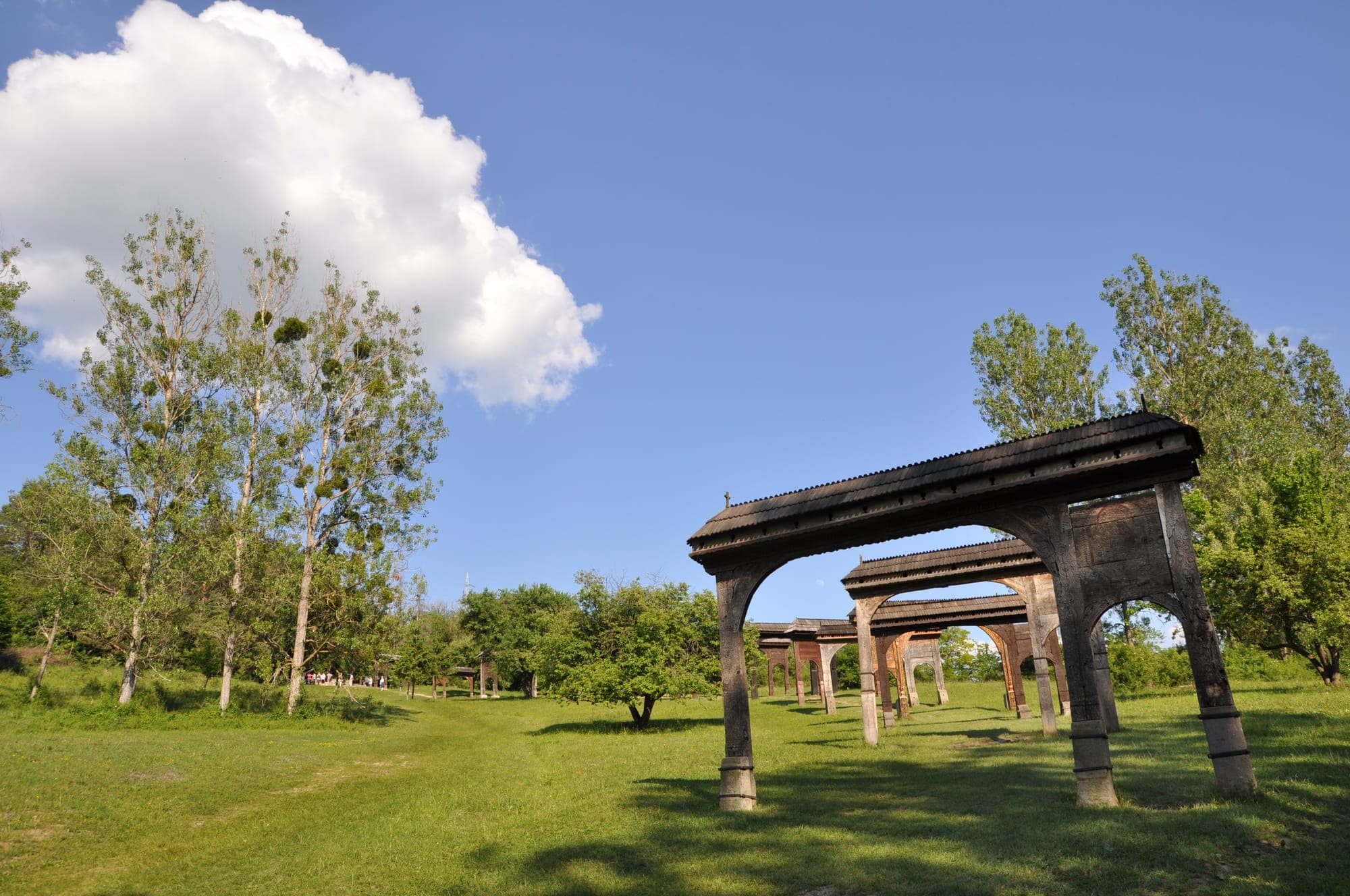

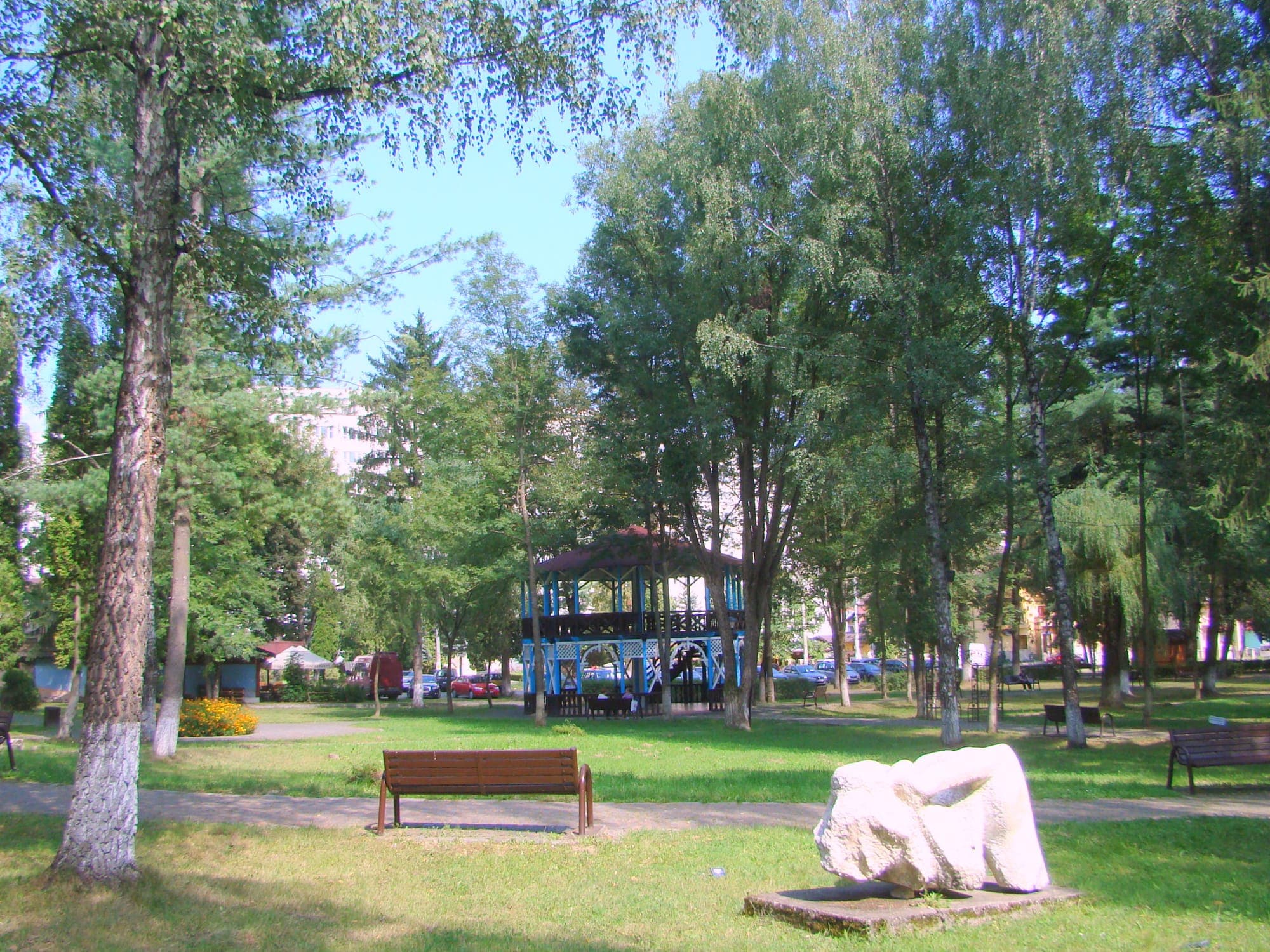
Thermal baths in Crișana: Felix, 1 Mai and Moneasa
Bihor has two resorts with thermal water 8 km from Oradea, and Moneasa is at the foot of the Codru-Moma Mountains, in Arad County.
Băile Felix is the largest spa resort open all year round in Romania: the springs come out of the ground at 20–49 °C and never freeze. Entry to the resort is free and you pay only at the lidos. The Apollo-Felix Complex, with ten thermal-water pools and five slides, is open all year; Aqua Park President, Felixarium (at the Lotus Therm hotel) and the Padiș complex are the others. In the centre is the Water Lily Lake reserve, with the thermal water lily, a natural monument since 1931.
Băile 1 Mai is about 2 km from Felix, smaller and quieter, with thermal waters of up to 42 °C known since 1221. It has the Wave Lido, open since 1896, with waves driven by an Austrian engine, and the Venus Waterland complex; both operate in the warm season.
Moneasa, at ~300 m altitude, has mesothermal waters of 25–32 °C and a lido with three pools fed by a 31 °C spring, open in summer. The rest of the year you come for the forest air and the trails to the marble quarry.
Stâna de Vale, in the Apuseni Mountains, at ~1,100 m, has oligomineral and ferruginous waters but no pools: it is a mountain resort, with the Spring of Miracles and trails to Bihor Peak.
The lidos and water parks of Felix and 1 Mai, with their slides and children's pools, are covered in detail in the guide to thermal lidos and water parks.

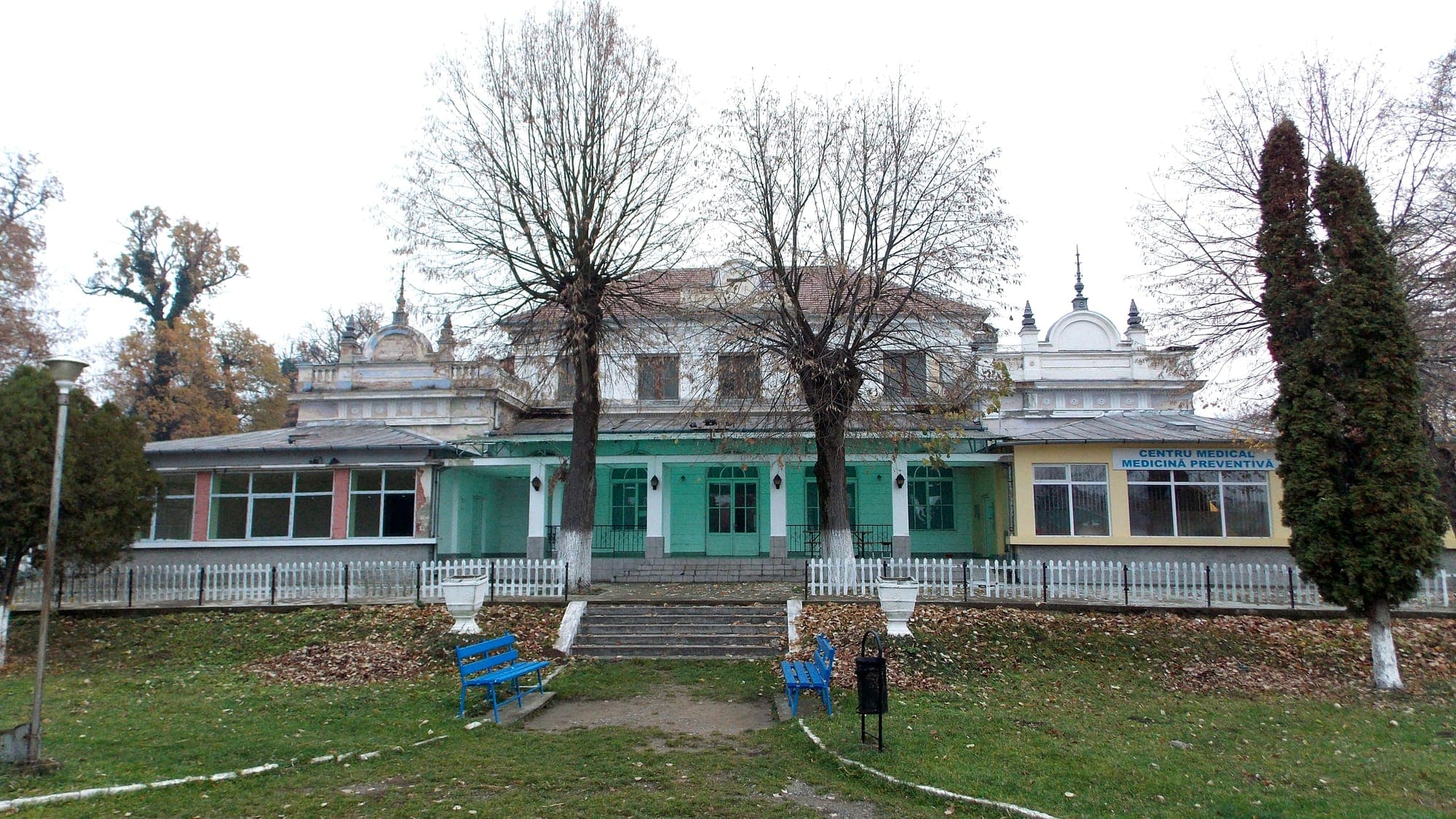
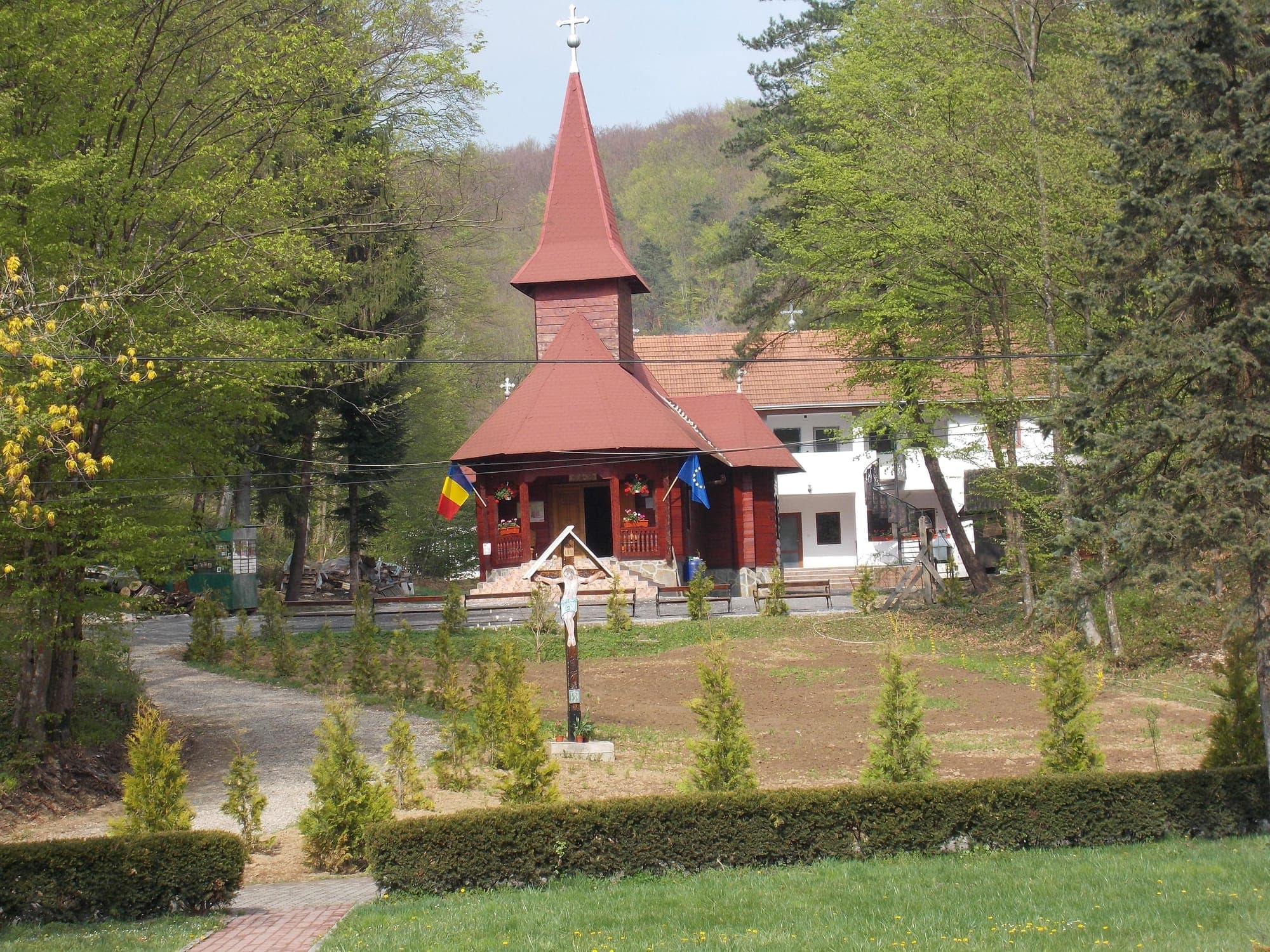
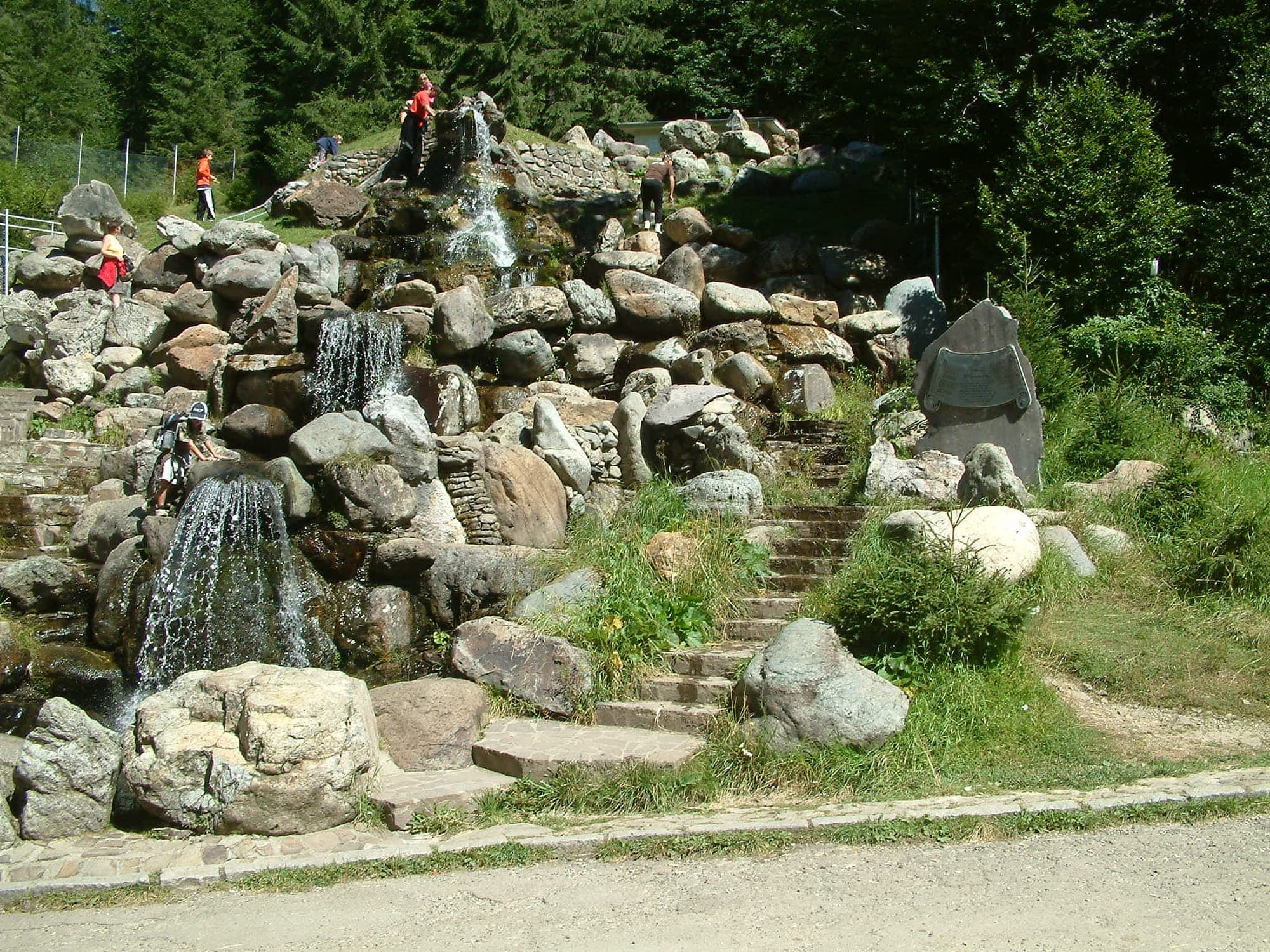
Thermal baths in the Banat: Herculane and Buziaș
The Banat has the oldest spa resort in the country and a resort with carbonated mineral water, near Timișoara.
Băile Herculane, at the bottom of the Cerna Valley, at 168 m altitude, has sulphurous and sodium chloride springs that come out at 38–60 °C and have been used for almost two millennia: the oldest written evidence is a votive tablet from the year 153. Entry to the resort is free, and on the Via Sissi promenade there are three tubs of warm sulphurous water you can get into for free. For a bath in large pools you go to the open-air lidos Șapte Izvoare, Băile Venera and Versay, which operate in the warm season, or to the hotels' treatment centres. The Habsburg historic centre, with the statue of Hercules from 1847, can be seen from outside: many buildings, among them the Neptune Baths and the Casino, are in ruins.
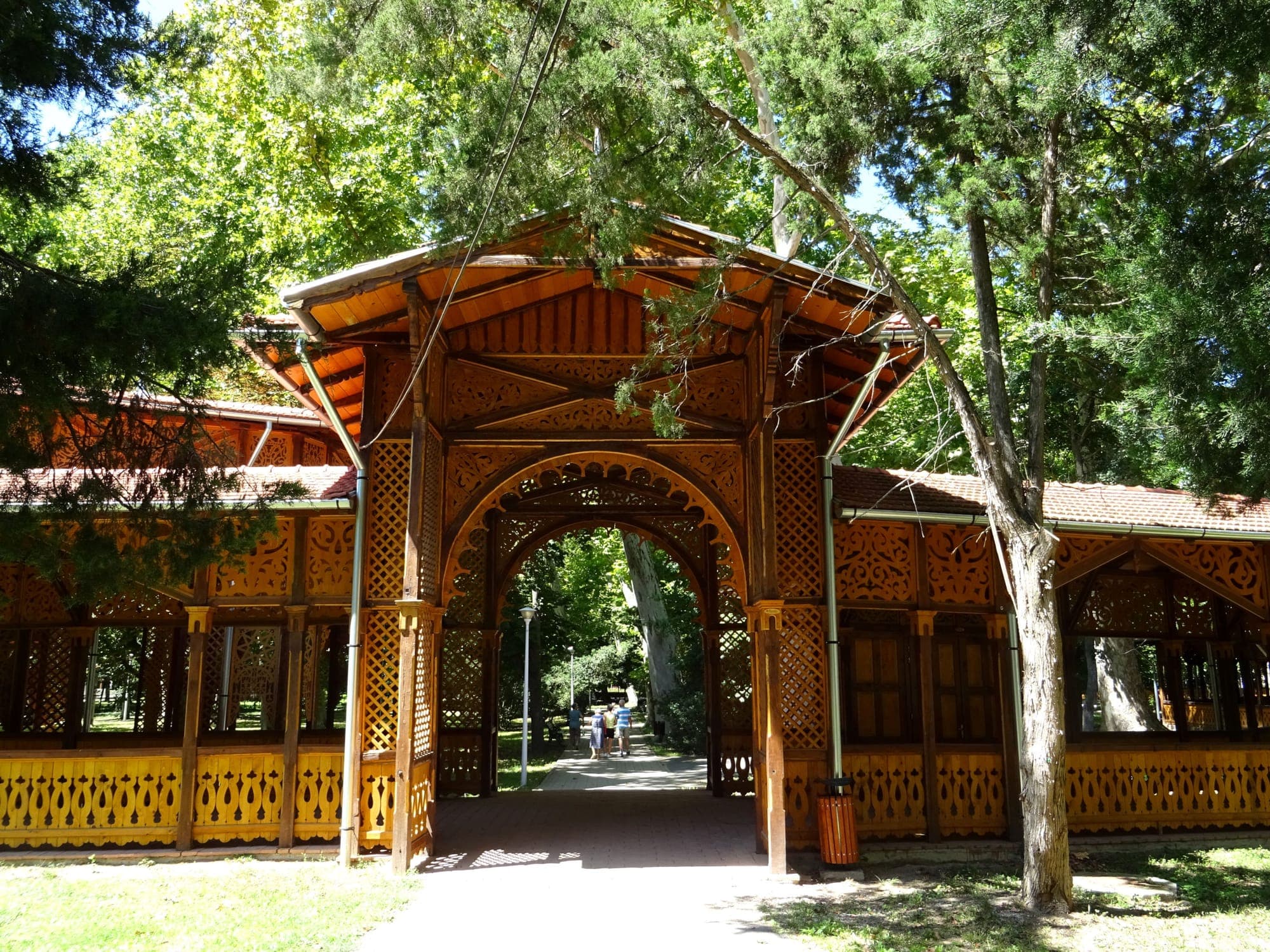
Buziaș, some 35 km from Timișoara, is not a thermal bath: its water is mineral, carbonated, at 7 °C, used for drinking cures and carbon dioxide baths. You come for the park of over 20 ha and the wooden colonnade of about 500 m, from 1875; the resort's spa, with a semi-Olympic pool, works by booking.
Spa resorts in Oltenia and Muntenia
Vâlcea has three spa resorts a few kilometres from one another, and Gorj and Dâmbovița one each, all with sulphurous waters.
Călimănești-Căciulata, in the Olt Valley, 20 km from Râmnicu Vâlcea, has the hottest water among the resorts on the site that publish their temperature: boreholes of about 3,000 m bring up geothermal water at almost 90 °C. At AquaPark Cozia it reaches 13 indoor and outdoor pools, at 28–37 °C, with 9 slides, open all year. The cold springs are drunk as a cure.
Băile Govora, some 20 km from Râmnicu Vâlcea, has iodine, bromine and sulphurous waters, highly concentrated, used for baths and inhalations. It has no lido; bathing is done in the treatment centres and at the spa of the Hotel Palace, from 1914. Doneaud's bath pavilion is closed and run-down.
Băile Olănești, 18 km from Râmnicu Vâlcea, has over 30 numbered mineral springs, most of them accessible only with a card, on a doctor's recommendation. In summer the town hall's sulphur-water pool is open to everyone.
Băile Săcelu, in Gorj, has four open-air pools with sulphurous, chloride, bromine and iodine water, one with therapeutic mud, open only in summer. The water changes its shade between green, pink and raspberry from one season to the next.
Pucioasa Spa Resort, in the Ialomița Valley, 20 km from Târgoviște, has sulphurous waters discovered in 1828, used for tub baths and inhalations in the treatment centres of the Ceres and Turist hotels.
What each water treats and how to get there with a treatment voucher is in the guide to spa resorts in Romania.


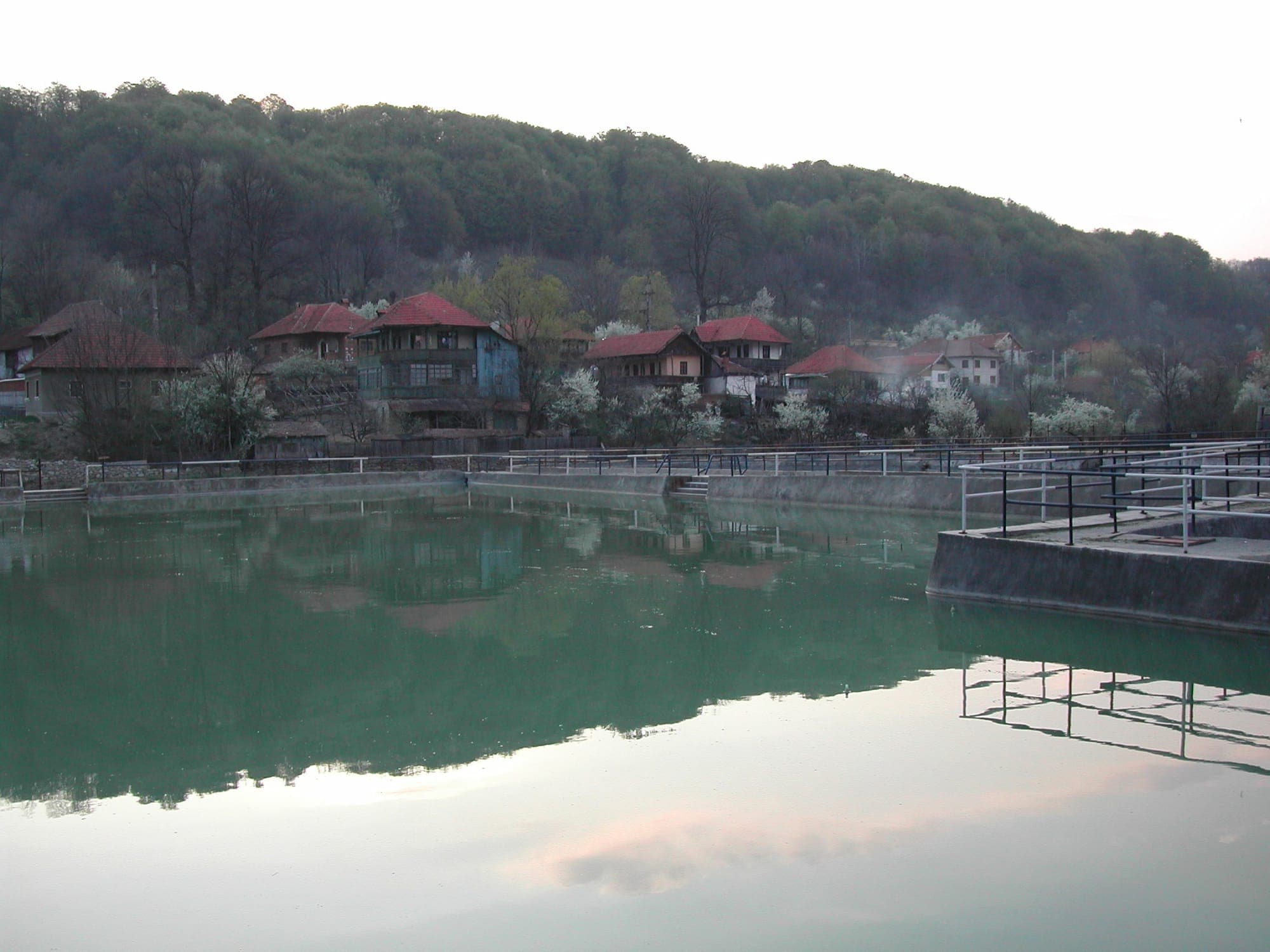
Thermal baths in Transylvania: Geoagiu-Băi and Sângeorz-Băi
In Transylvania, only Geoagiu-Băi has warm thermal water in a lido; the Transylvanian baths people search for most, such as Ocna Sibiului, Sovata or Bazna, have salt water and are further down, separately, while those of the Székely Land have their own section.
Geoagiu-Băi, in Hunedoara, at the foot of the Metaliferi Mountains, has thermal and mesothermal waters of 29–33 °C, slightly carbonated. The Băile Daco Romane lido has four thermal-water pools, among them an Olympic pool, one with a 10 m diving board and a children's pool with a slide, and operates in summer. Next to the lido are the Roman Baths of Germisara, an ancient pool dug into a travertine mound, used by the Dacians and the Romans, today a component of the UNESCO site "Frontiers of the Roman Empire – Dacia"; you look at the pool and can walk down into it on steps, but it is not a place for bathing. At the edge of the resort is Clocota Waterfall.
Sângeorz-Băi, at the foot of the Rodna Mountains, has bicarbonate, chloride and sodium mineral springs, numbered, captured in pavilions next to the park. The water is drunk as a cure, and the baths are taken in the hotels' treatment centres; the Someșul hotel has been closed for years.
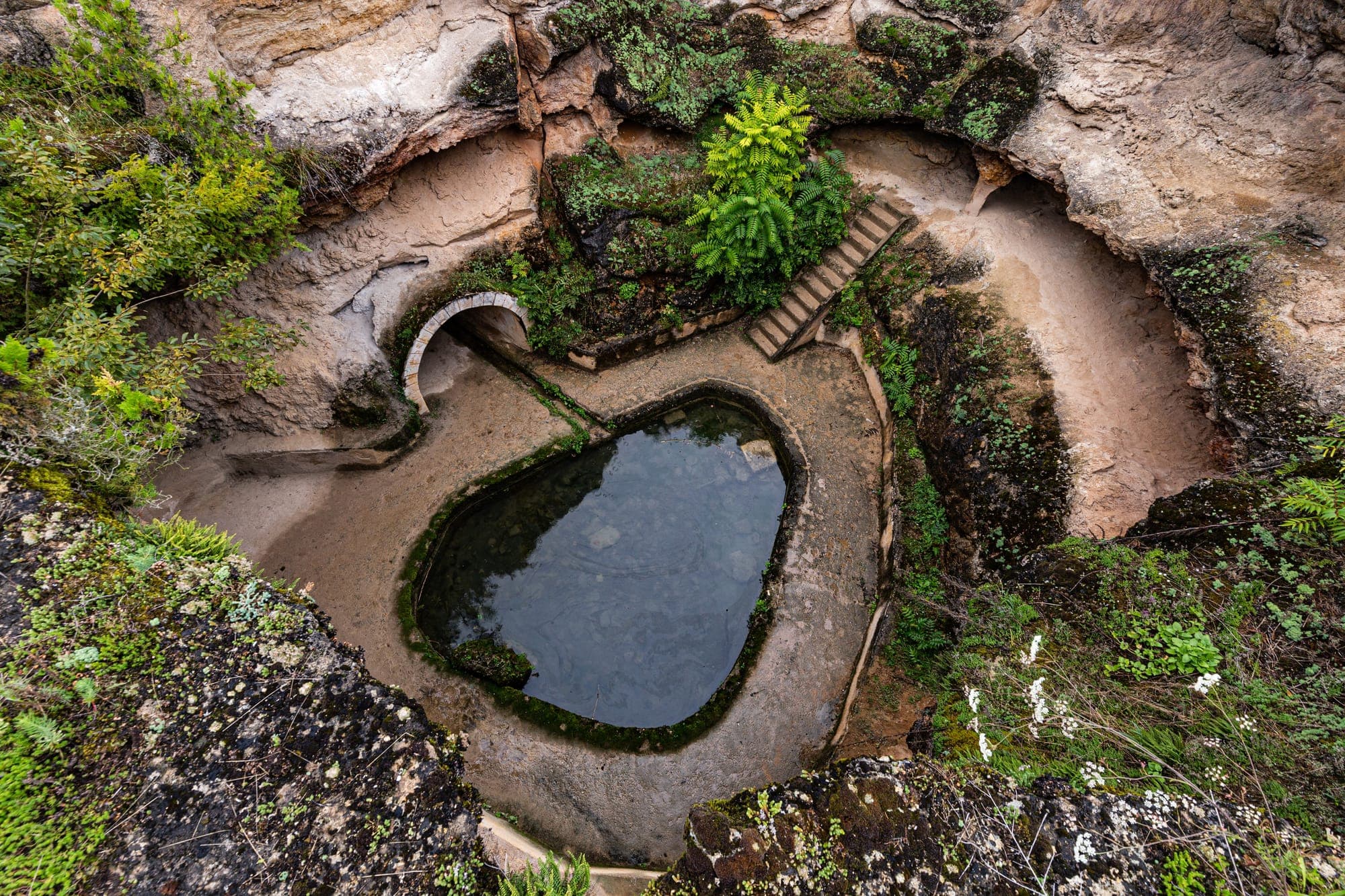

Mineral waters and mofettes in Harghita and Covasna
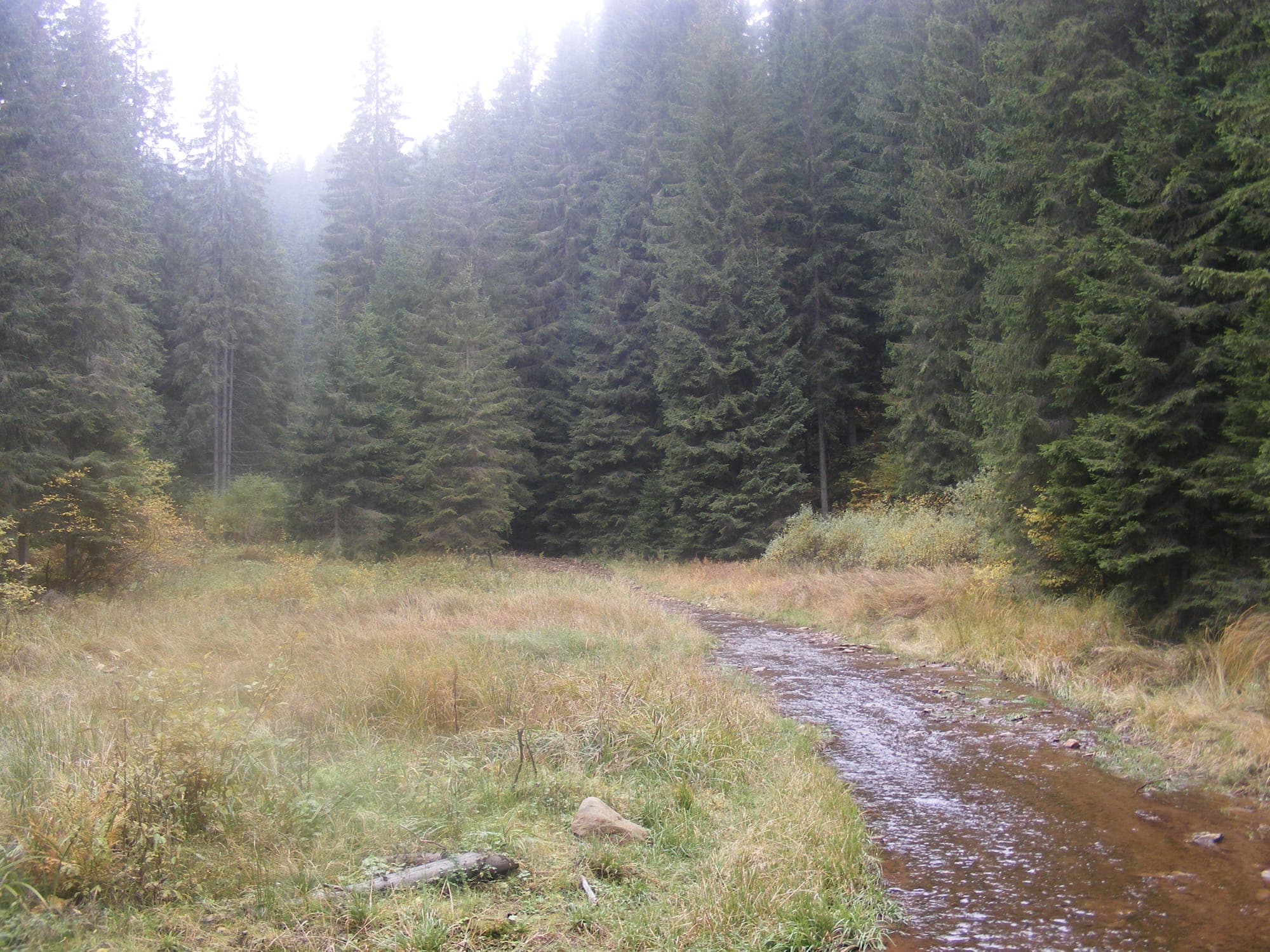
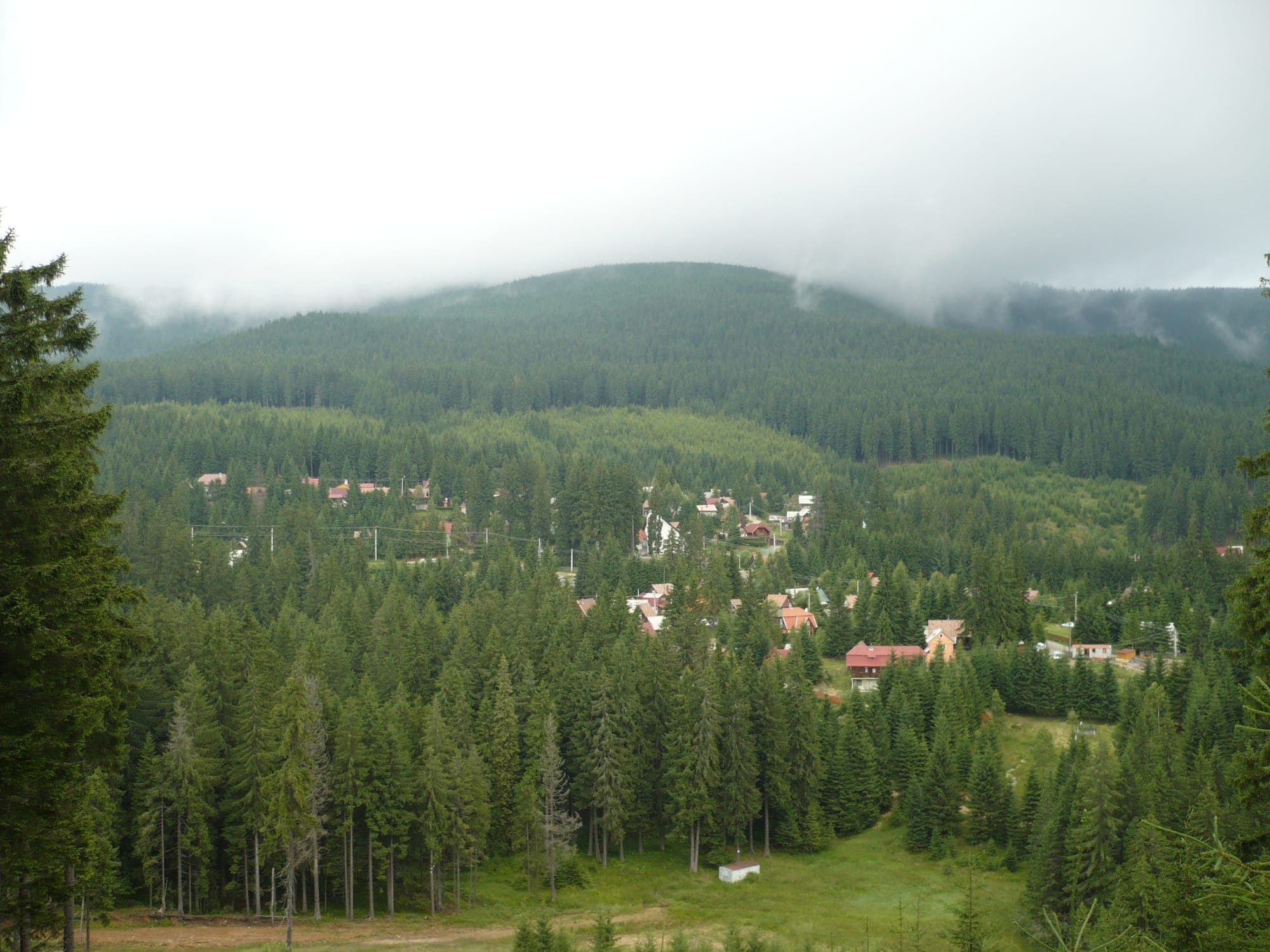
Harghita and Covasna have the most resorts in the guide, ten, with carbonated mineral waters, "borviz", and mofettes. The water is cold, so a warm bath is taken in heated pools or at a spa.
Băile Tușnad, in the Olt gorge, has carbonated springs captured in the resort, a mofette at the treatment centre and Wellness Tușnad, open all year, with a thermal-water pool at 34–36 °C and an outdoor pool. Borsec, at 900 m, has springs you can drink from for free, the Fontana spa centre, open since December 2022, and the open-air pools in Poiana Zânelor. Băile Homorod has some 12 springs and an outdoor lido open in summer. At Băile Seiche you can see the springs and the Mineral Water Museum, but the lido and the mofette are closed. Sântimbru-Băi, at over 1,200 m, has mofettes with free access, without medical staff, and Harghita-Băi, at about 1,300 m, a mofette open in the warm season.
In Covasna County, the resort of Covasna is "the resort of the heart": mofettes, dozens of carbonated springs and Balta Dracului (the Devil's Pond), a muddy spring that bubbles in the park in the centre. Băile Bálványos has 57 mineral springs and gas caves, such as Peștera Puturoasă (the Stinking Cave). Malnaș-Băi, on the bank of the Olt, has a treatment centre with warm and cold pools, and Șugaș Băi, 8 km from Sfântu Gheorghe, the Șugaș Spa centre and two ski slopes.
What a mofette is and where to find them all is in the guide to mofettes.


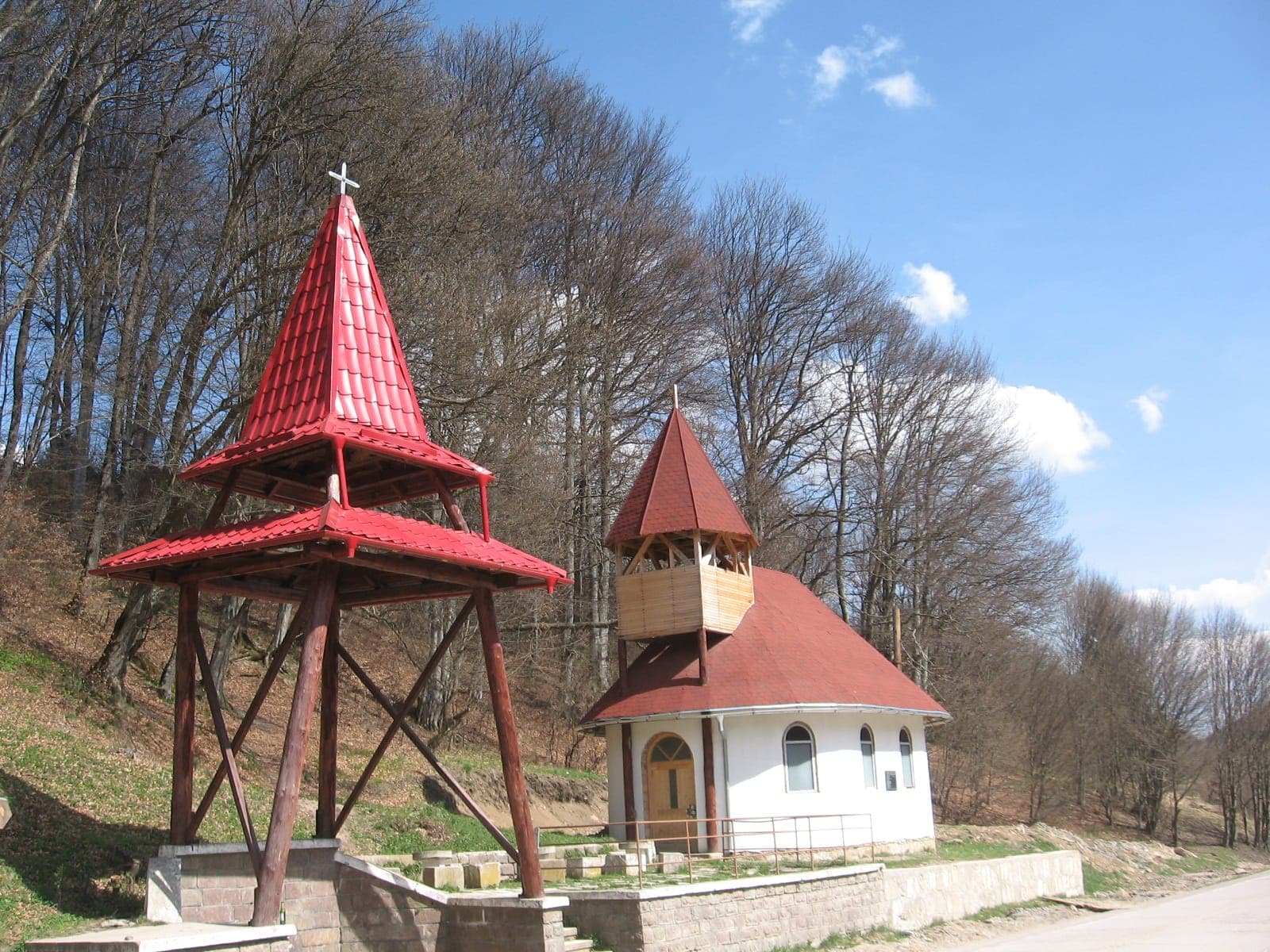
Spa resorts in Moldavia and Bukovina
Moldavia has no warm thermal water on the site, but it has three old spa resorts, with mineral and salt waters, used mainly for treatment.
Slănic-Moldova, the "Pearl of Moldavia", in the Nemira Mountains, 18 km from Târgu Ocna, has numbered carbonated springs you can drink from for free, on the Alley of Springs; the town hall put eleven of them back into service in 2021. Some springs are highly concentrated and are drunk only under medical supervision. Baths are taken in the treatment centres, by appointment.
Vatra Dornei, in the Dorna Depression, at about 800 m, is the spa resort of Bukovina: cold carbonated and ferruginous waters, peat mud and mofettes, with a cardiovascular and rheumatological profile. Treatments are given in the hotels' centres, the largest being Bradul–Călimani, with carbonated baths and a natural mofette.
Bălțătești Spa Resort, 12 km from Târgu Neamț, has salt, sodium chloride waters from 14 springs, used in a sanatorium of the Ministry of Defence, with treatment courses from mid-March to mid-December. It is not a bath for a day: admission is by application.
For each water's indications and for treatment vouchers, see the guide to spa resorts.


Thermal baths near Bucharest: Therme
Therme București, in Balotești, on the DN1, a few kilometres north of Henri Coandă Airport, is the only thermal bath near the capital on the site. The water comes from its own borehole of about 3,100 m, from which it emerges at about 81 °C; it is treated and reaches the pools at 33–36 °C. It is not a spa resort with medical treatments but a leisure complex open all year, under a glass dome with palm trees.
It has three zones, with separate tickets: Galaxy, for families, with the wave pool and slides; The Palm, for adults, with the thermal pool and mineral-salt pools; Elysium, the sauna zone. Children under 14 have access only to Galaxy. In summer the outdoor beach opens as well.
Which other thermal baths are a day's drive from Bucharest, and the distances for Cluj, Brașov, Timișoara, Oradea, Sibiu and Arad, are in the guide to the nearest thermal baths.

The best thermal baths in Romania, by criterion
There is no official ranking of thermal baths, but going by what their pages publish, a few stand out on each criterion.
Warm thermal water, all year. Băile Felix, with the Apollo-Felix Complex open all year, Therme București and AquaPark Cozia at Călimănești-Căciulata. Which outdoor pools stay open when it is cold is in the guide to thermal baths open in winter.
The hottest water. Among the resorts that publish their temperature: Călimănești-Căciulata (almost 90 °C at the borehole), Therme (81 °C at the borehole), Băile Herculane (up to 60 °C) and Băile Felix (up to 49 °C). In the pools, the water is cooled to 28–37 °C.
History. Herculane, with the Roman baths, the Apollo Baths and the Habsburg centre, and Geoagiu-Băi, with the Roman Baths of Germisara next to the lido.
Free. The tubs of warm sulphurous water on Via Sissi, at Herculane, maintained from donations.
With children, in summer. Felix, Băile 1 Mai and Călimănești-Căciulata have slides and children's pools, and Geoagiu-Băi a 50 cm pool; the details are in the guide to thermal lidos and water parks.
Peace and nature. Moneasa, with its 31 °C lido in a forested valley, and Băile Tușnad, with the thermal pool open all year and the trail to Stânca Șoimilor (the Falcons' Rock).
Băile Felix or Băile Herculane
They are the best-known thermal baths in the country, but they are very different.
Băile Felix is a modern resort, 8 km from Oradea, made for bathing: springs at 20–49 °C, lidos and water parks with dozens of pools and slides, the Apollo-Felix Complex open all year and almost 6,000 beds. The waters are oligomineral, bicarbonate, calcium and sodium, used with sapropelic mud for rheumatism and peripheral neurological and gynaecological conditions. Choose Felix if you want a pool holiday, with children or in winter, with a promenade and parks.
Băile Herculane is an old resort, in a narrow mountain valley, with sulphurous waters of up to 60 °C, recommended mainly for rheumatism and locomotor conditions. It has free tubs on the bank of the Cerna, open-air lidos only in summer, a Habsburg centre largely in ruins and trails in the Domogled – Valea Cernei National Park. Choose Herculane if you want sulphurous water, history and hiking, especially between May and September.
The journey matters too: Felix is next to Oradea, while Herculane is ~180 km from Timișoara and ~380 km from Bucharest, according to the resort's page. For treatment, with the operators' indications, see the guide to spa resorts.
Salt baths, not thermal: Ocna Sibiului, Sovata, Bazna
Many of the places people search for as "thermal baths" actually have salt water: salt lakes formed over collapsed salt mines, heliothermal lakes, in which the water is warmed by the sun, or pools with heated salt water. On the site there are Ocna Sibiului, Lake Ursu and the resort of Sovata, Ocna Mureș Salt Baths, Băile Cojocna, Durgău Salt Lakes and Băile Sărate Turda Lido, Ocna Șugatag, Telega Salt Baths, Băile Bazna, Sărata Monteoru Spa Resort, Lacu Sărat Resort, Amara Resort, Techirghiol and Lake Techirghiol. Where you bathe at each, with the season and the price, is in the guide to salt baths and salt lakes; underground treatment is in the guide to salt mine therapy.
On the coast, Eforie Nord has the mud cure from Techirghiol, and Mangalia, Saturn and Venus have sulphurous waters used in treatments; as seaside resorts, they are in the guide to the resorts on the coast.


Mofettes: where they are in Romania
A mofette is not a water bath but a dry bath in carbon dioxide of volcanic origin: you stand in the layer of gas, with your head above it, for a few minutes, following the staff's instructions. On the site there are mofettes at Covasna, where the Cardiovascular Rehabilitation Hospital has the largest built mofette in the world, of 100 m², at Băile Tușnad, Sântimbru-Băi, Harghita-Băi, Băile Bálványos and Vatra Dornei; the one at Băile Seiche has been closed since July 2026. The gas is dangerous if you breathe it in, and the mofettes in the treatment centres are used on a doctor's recommendation. What they are, what they look like and where they all are is in the guide to mofettes.
Before you bathe: hours, prices and treatment
Hours and prices. The lidos and treatment centres set their own hours and rates, and some change from one season to another; they are on each resort's page, with the date they were checked. At many lidos you pay with the wristband you get at the entrance, and time spent beyond what you paid for is charged.
Season. The open-air lidos at Herculane, Geoagiu-Băi, Moneasa, Săcelu, Olănești, Homorod and Băile 1 Mai operate only in the warm season. The covered complexes or those with indoor pools (Felix, Therme, AquaPark Cozia, Wellness Tușnad, Fontana at Borsec) operate all year; the list of those open in winter is in the guide to thermal baths open in winter.
Treatment. All operators require a consultation with the treatment centre's doctor before procedures, because some have contraindications. The pages say what indications each resort publishes; the types of water and the treatment voucher are in the guide to spa resorts. At the tubs without a lifeguard at Herculane you go in at your own risk and do not stay long in the hot water, especially with heart or blood pressure problems, according to the resort's page.
Frequently asked questions
- How many thermal baths are there in Romania?
- There are 28 resorts and baths with thermal and mineral waters in Romania on peplaiuri.ro. Seven have warm thermal water in pools: Băile Felix, Băile 1 Mai, Băile Herculane, Călimănești-Căciulata, Geoagiu-Băi, Moneasa and Therme București; Băile Tușnad has a thermal-water pool at Wellness Tușnad.
- What are the best thermal baths in Romania?
- It depends on what you are looking for: Băile Felix, Therme București and Călimănești-Căciulata have thermal-water pools open all year, Băile Herculane has sulphurous water of up to 60 °C and Roman and Habsburg history, while Moneasa and Băile Tușnad are quieter, in the forest.
- Where is the hottest thermal water in Romania?
- Among the resorts on the site that publish their temperature, at Călimănești-Căciulata, where boreholes of about 3,000 m bring up water at almost 90 °C. Next come Therme București (81 °C at the borehole) and Băile Herculane (38–60 °C). In the pools, the water is cooled to 28–37 °C.
- Băile Felix or Băile Herculane?
- Felix, 8 km from Oradea, has lidos and water parks with thermal water of up to 49 °C, some open all year. Herculane, in the Cerna Valley, has sulphurous waters of up to 60 °C, free tubs on Via Sissi, lidos only in summer and a historic centre largely in ruins.
- Which thermal baths are open in winter?
- Open all year are the Apollo-Felix Complex in Băile Felix, Therme București, AquaPark Cozia at Călimănești-Căciulata and Wellness Tușnad, according to their pages (November 2026). Which outdoor pools also operate in the cold is in the guide to thermal baths open in winter.
- Are there free thermal baths in Romania?
- Yes, at Băile Herculane: on the Via Sissi promenade, next to the Stone Bridge, there are three tubs of warm sulphurous water you can get into for free, maintained from donations. They have no lifeguard, changing rooms or opening hours.
- Where are there thermal baths near Bucharest?
- Therme București, in Balotești, on the DN1, next to Henri Coandă Airport, has pools with geothermal water at 33–36 °C, open all year. Other thermal baths a day's drive away are in the guide to the nearest thermal baths.
- Are Ocna Sibiului and Sovata thermal baths?
- No. Ocna Sibiului has salt lakes formed over collapsed salt mines, and Lake Ursu in Sovata is a heliothermal salt lake, warmed by the sun. They are in the guide to salt baths and salt lakes.
- How much does entry to the thermal baths cost?
- Each lido and complex sets its own rates, and they change from one season to another. The checked prices are on each resort's page on peplaiuri.ro; at Herculane, the tubs on Via Sissi are free.
Sources
- Turism Felix: the Apollo-Felix Complex, open all year
- Băile Herculane Town Hall
- Therme București: official website
- Călimănești-Căciulata: AquaPark Cozia
- Băile Daco Romane, Geoagiu-Băi
- Băile Tușnad Town Hall
- Borsec Resort
- Băile Govora Town Hall: about the resort
- Băile Olănești Town Hall
- Oltenia Energy Complex: Săcelu Resort
- Bălțătești Resort (Ministry of Defence)
All guides
- Thermal baths open in winter in Romania: where to bathe outdoors in warm water and what is indoors
- Spa resorts in Romania: the list, by type of mineral water and by the conditions they are recommended for
- The nearest thermal baths to Bucharest, Cluj, Brașov, Oradea, Timișoara, Sibiu and Arad: distances and what is open
- Thermal pools and water parks in Romania: where to go in summer, with children, for warm water and slides
- Mofettes in Romania: what a mofette is, how a session works and where to find them, from Covasna to Tușnad
- Christmas markets in Romania 2026: the list by city, dates and what you will find
- Craiova Christmas Market: opening hours, dates and what to find in 2026
- Sibiu Christmas Market 2026: opening hours, dates and what you will find in the Grand Square
- Christmas markets in Bucharest 2026: which ones, where and when
- Christmas in Romania: where to go, cities and regions to visit in December
- Ski slopes in Romania: the ski resorts and ski areas by region, with a map
- When the ski slopes open and where the snow comes first: the ski season in Romania
- Sledging, alpine coasters and tubing in Romania: where to go with a sledge
- The longest ski slope in Romania and the other records: the largest ski area, the highest, the hardest
- The nearest ski slopes to Bucharest, Cluj, Brașov, Sibiu, Iași, Timișoara and Oradea: distances for a day of skiing
- Beginner and kids' ski slopes in Romania: where to learn to ski, ski schools and slope colours
- Caves in Romania: the ones you can visit, by area, with a map
- Ice caves and underground glaciers in Romania: Scărișoara, Focul Viu, Vârtop, Borsec
- Apuseni caves: a 2–3 day route through Bihor and Alba
- The largest cave in Romania and the other records: the longest, the deepest, the oldest show cave
- The nearest cave to Bucharest, Brașov, Cluj, Sibiu, Oradea and Timișoara: distances for a day trip
- Famous caves in Romania you cannot visit: Movile, Topolnița, Vântului, Coliboaia, Peștera cu Oase (and what to see instead)
- Stalactites and stalagmites: what they are, how a cave forms and where to see them in Romania
- The Danube Delta: map, what it is, the villages and what to see
- Danube Delta trip: one, two or three days, where to start and how to get to Sulina and Sfântu Gheorghe
- Things to do in Tulcea: what to see in the city and around it
- Birds and wildlife of the Danube Delta: pelicans, where and when to see them
- Visiting the Danube Delta for the first time: the access permit, mosquitoes and when to go
- Fishing in the Danube Delta: the fishing permit, the 2026 closed season and where you may fish
- Sulina or Sfântu Gheorghe? The beaches of the Danube Delta (and Gura Portiței)
- Deltas near Bucharest: Văcărești, Comana (the Neajlov Delta) and Balta Mică a Brăilei
- The Romanian Black Sea coast: the resorts in order, north to south, with a map
- The best beaches in Romania (and the Blue Flag ones)
- The Black Sea season in Romania: when it opens, how long it lasts and when the water is warmest
- Wild beaches on the Romanian coast: Corbu, Vadu, Tuzla and the south
- Which Romanian seaside resort to choose: for young people, families, quiet, budget
- The Romanian seaside with kids: resorts, shallow beaches and what to do off the beach
- Things to do in Constanța: what to see in the city, on the seafront and nearby
- Jellyfish, sharks and lifeguard flags in the Black Sea
- Salt mines in Romania: the complete guide to the salt mines you can visit
- The largest, the deepest and the oldest salt mine in Romania
- The nearest salt mine to Bucharest, Cluj, Brașov, Sibiu, Iași, Timișoara, Oradea, Constanța and other cities
- Salt mines with children and babies: from what age, which one suits, what to bring
- Turda or Slănic Prahova? Which salt mine to choose
- Visiting a salt mine for the first time: temperature, clothing, how long, lift or bus, dogs
- Salt lakes and salt baths in Romania: where to swim, season and prices
- Salt mine therapy in Romania: what the operators say, how long to stay, which mines have a treatment base