Costești-Cetățuie Dacian Fortress
Costești, HD · 99 km from Sibiu
A Dacian fortress on Cetățuia hill, at the gateway to the Orăștie Mountains: earth ramparts, a stone wall built in the Hellenistic manner, tower houses and temples, a UNESCO site.
351 results
A Dacian fortress on Cetățuia hill, at the gateway to the Orăștie Mountains: earth ramparts, a stone wall built in the Hellenistic manner, tower houses and temples, a UNESCO site.
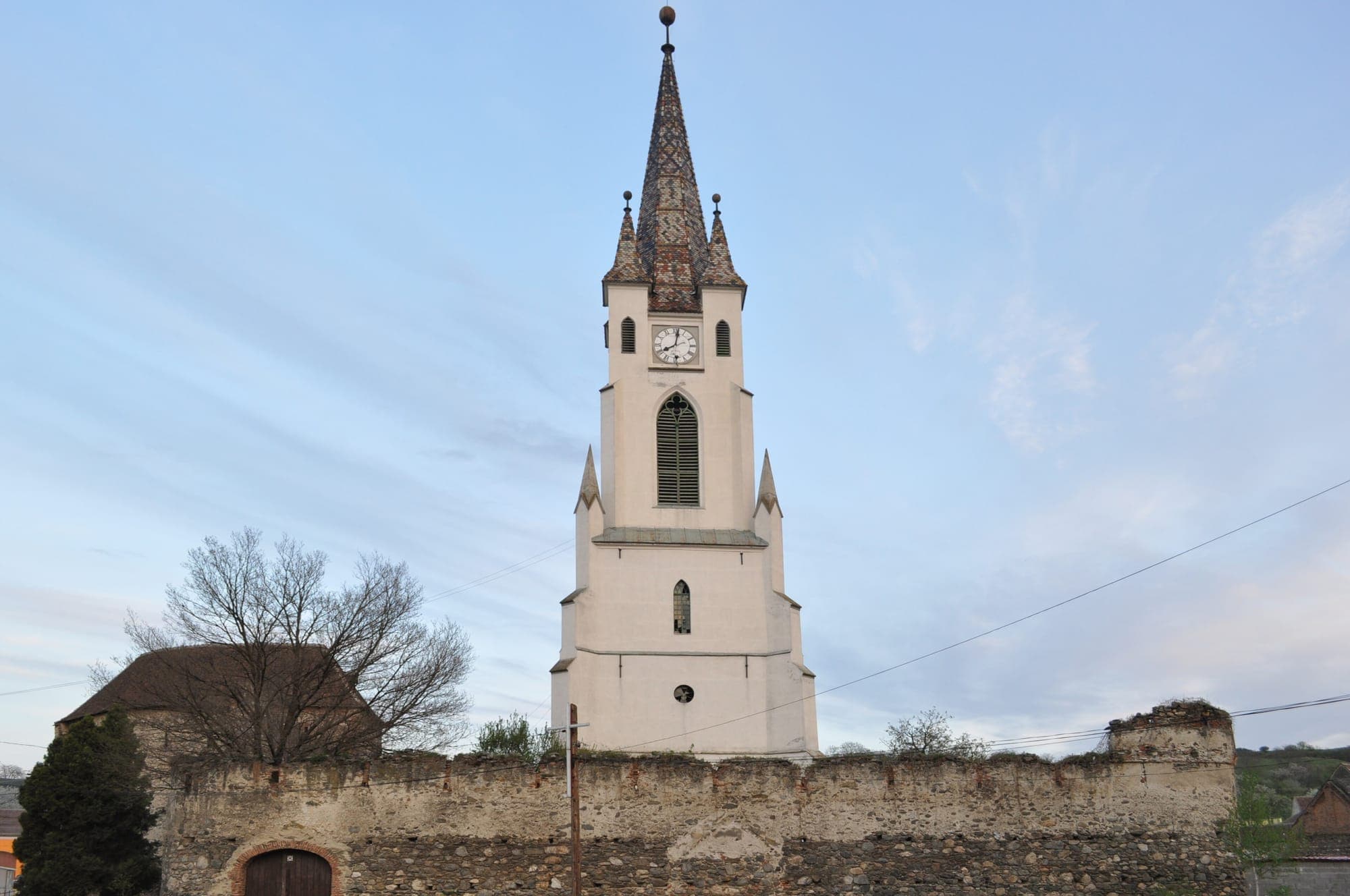
A fortified noble residence in central Gârbova, with stone walls, a former keep turned clock tower and a gate tower once used to store bacon.

A 19th-century Lutheran church with an 1813 organ, enclosed by an oval 15th-century wall, on a hill in the middle of a quiet Saxon village a few kilometres off the DN13.
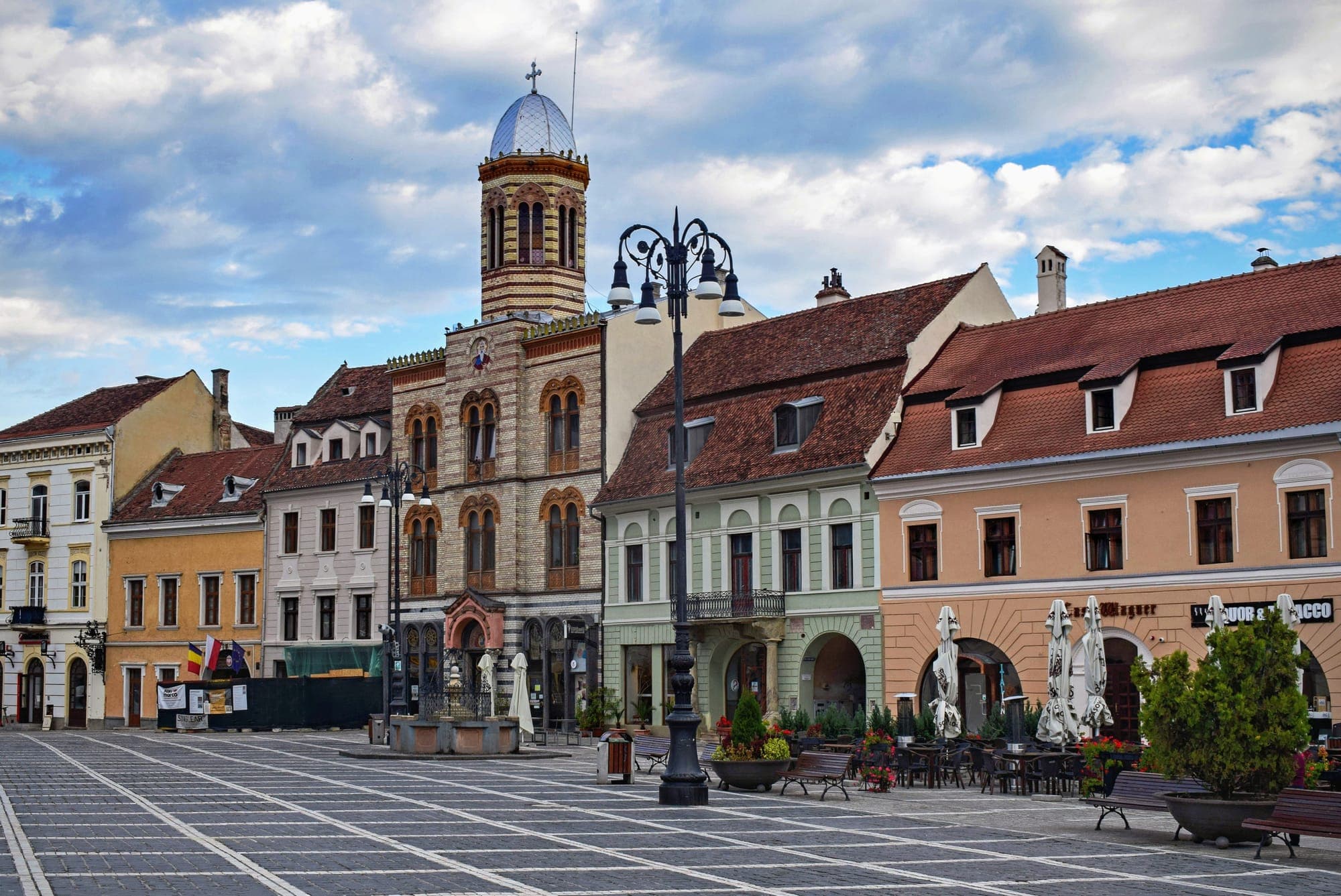
The Orthodox church hidden in the courtyard of a building on Piața Sfatului, built in 1895–1899 in the Neo-Byzantine style, with a carved and gilded iconostasis and interior paintings from 1937.

A wooden church of 1765 in the west of Hunedoara County, with a tall, pointed bell tower and old painting on the timber walls and vault inside.

The Orthodox cathedral in Avram Iancu Square, built between 1923 and 1933 in the Neo-Byzantine style with Brâncoveanu elements, with a central dome ringed by 18 columns and an interior being covered gradually in mosaic.

The permanent folk culture exhibition in the Reduta Palace, the building in central Cluj where the Memorandum Trial was held: tools, costumes, ceramics and textiles from Transylvanian villages.

A 15th-century Gothic Saxon church with more than 250 sq m of medieval wall paintings, uncovered bit by bit from beneath whitewash and among the largest in Transylvania.

The old school in the courtyard of St Nicholas' Church in Șcheii Brașovului, now a museum: a classroom with wooden benches, a replica of Coresi's printing press and Romanian books five centuries old.

A 15th-century Gothic church, extended in 1819 and ringed by a wall with loopholes; its slender tower is an example of the Ciuc type, and 15th-century frescoes survive inside.
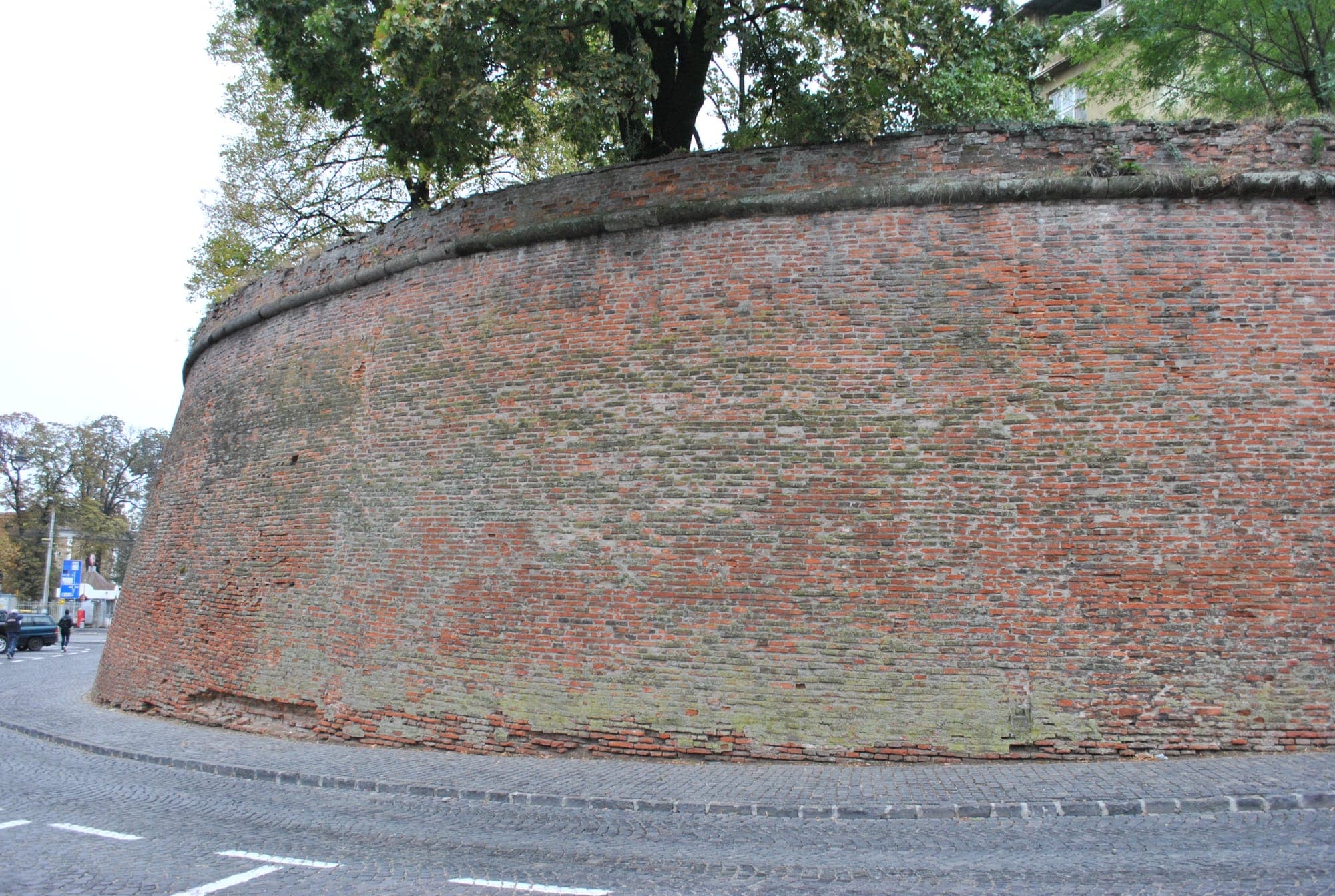
Brick artillery bastion begun in 1551 at the south-eastern corner of Sibiu's fortifications, built to the Italian system; its curved walls can be seen from Corneliu Coposu Boulevard.
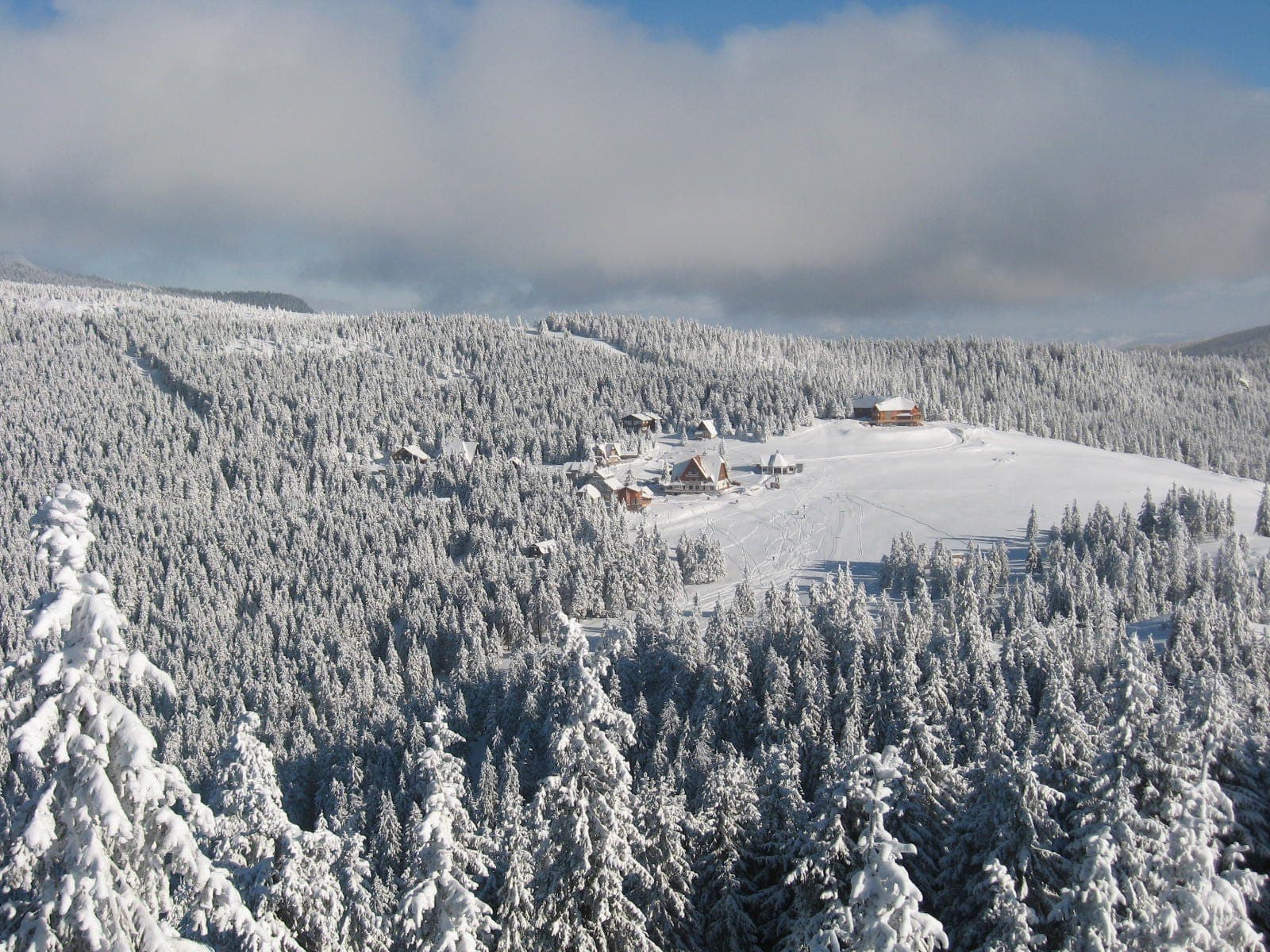
A ski area below Harghita Mădăraș, the highest peak of the Harghita Mountains: 4.5 km of runs through spruce forest, evening skiing and, in summer, hikes to the summit and a via ferrata.
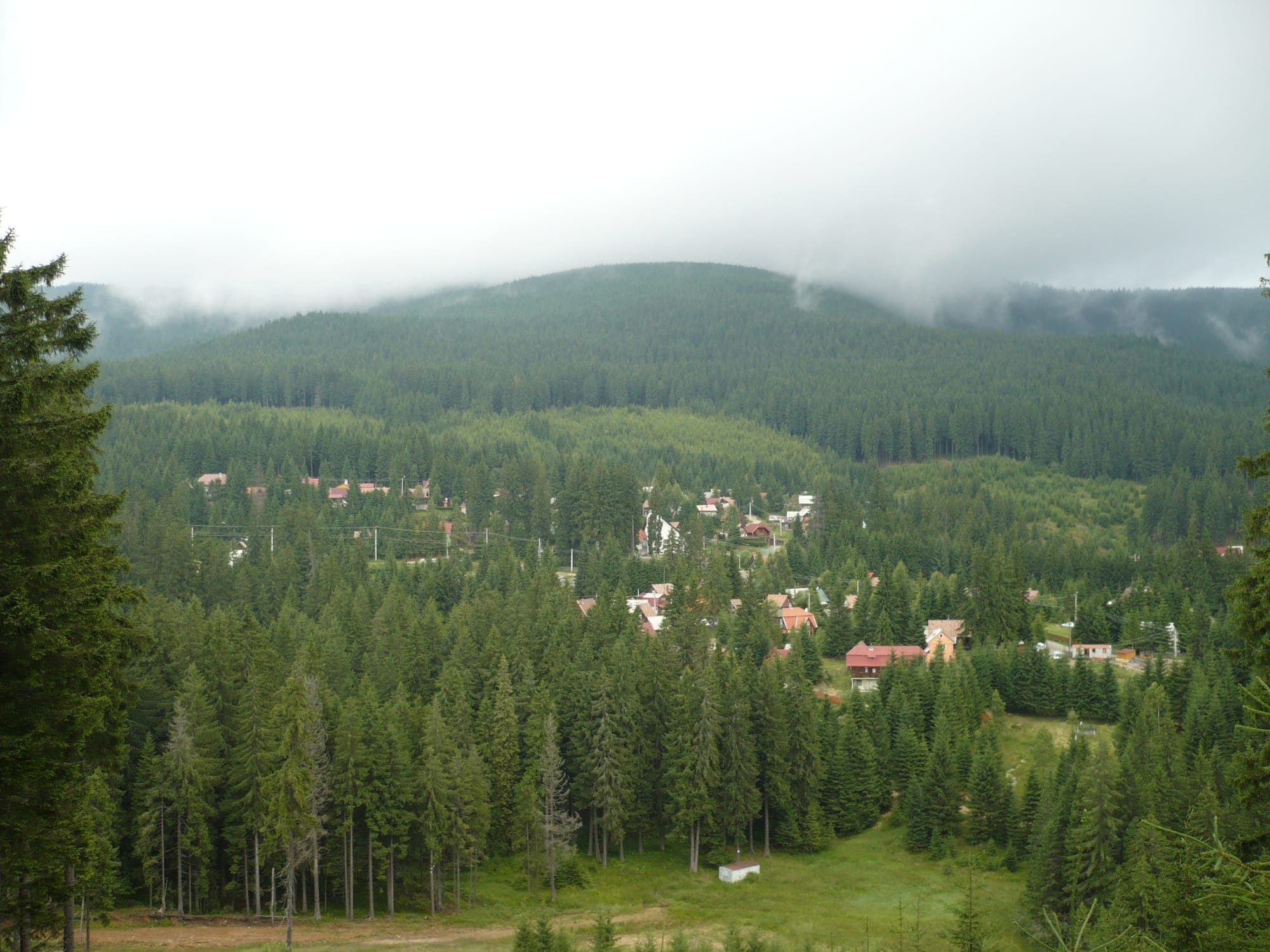
A mountain resort at about 1,300 m, on the slopes of the Harghita Mountains above the town of Miercurea Ciuc: ski runs through spruce forest in winter, a mofette and ridge hikes in summer.
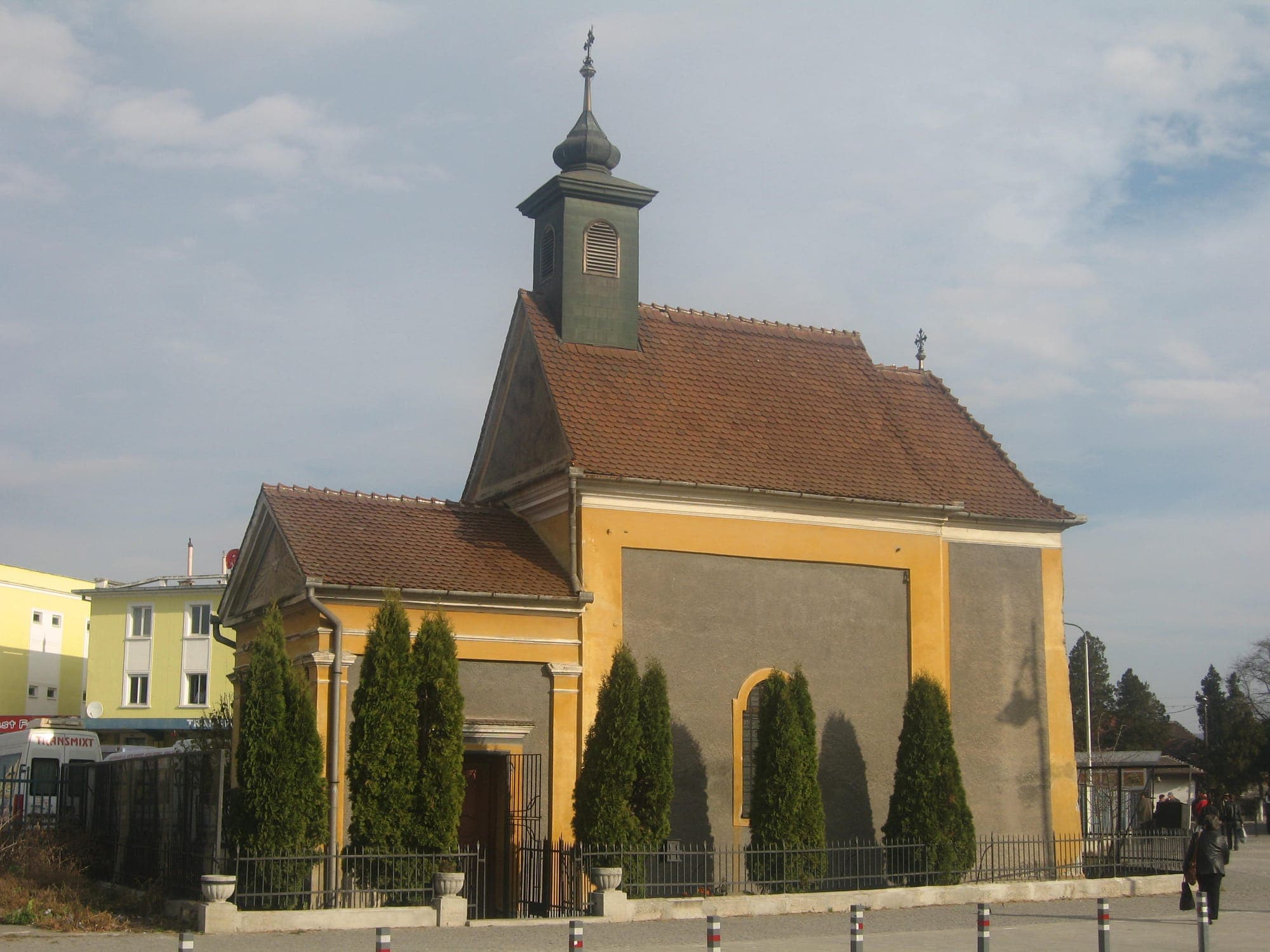
The small Roman Catholic chapel beside the railway station, built in 1755, which shelters a monumental stone crucifix of 1417 with the Virgin Mary and St John.

A wooden church of 1712 with a tall, slender spire, hidden in a village in the Apuseni Mountains and keeping interior paintings of 1791.