The ruins of a Dacian fortress on the rocky summit of Piatra Cetății, above the DN66, which guarded the southern approach to Sarmizegetusa Regia; a UNESCO site, reached only on foot by a steep climb.
Fortresses and fortificationsMonuments and historic sitesUNESCO
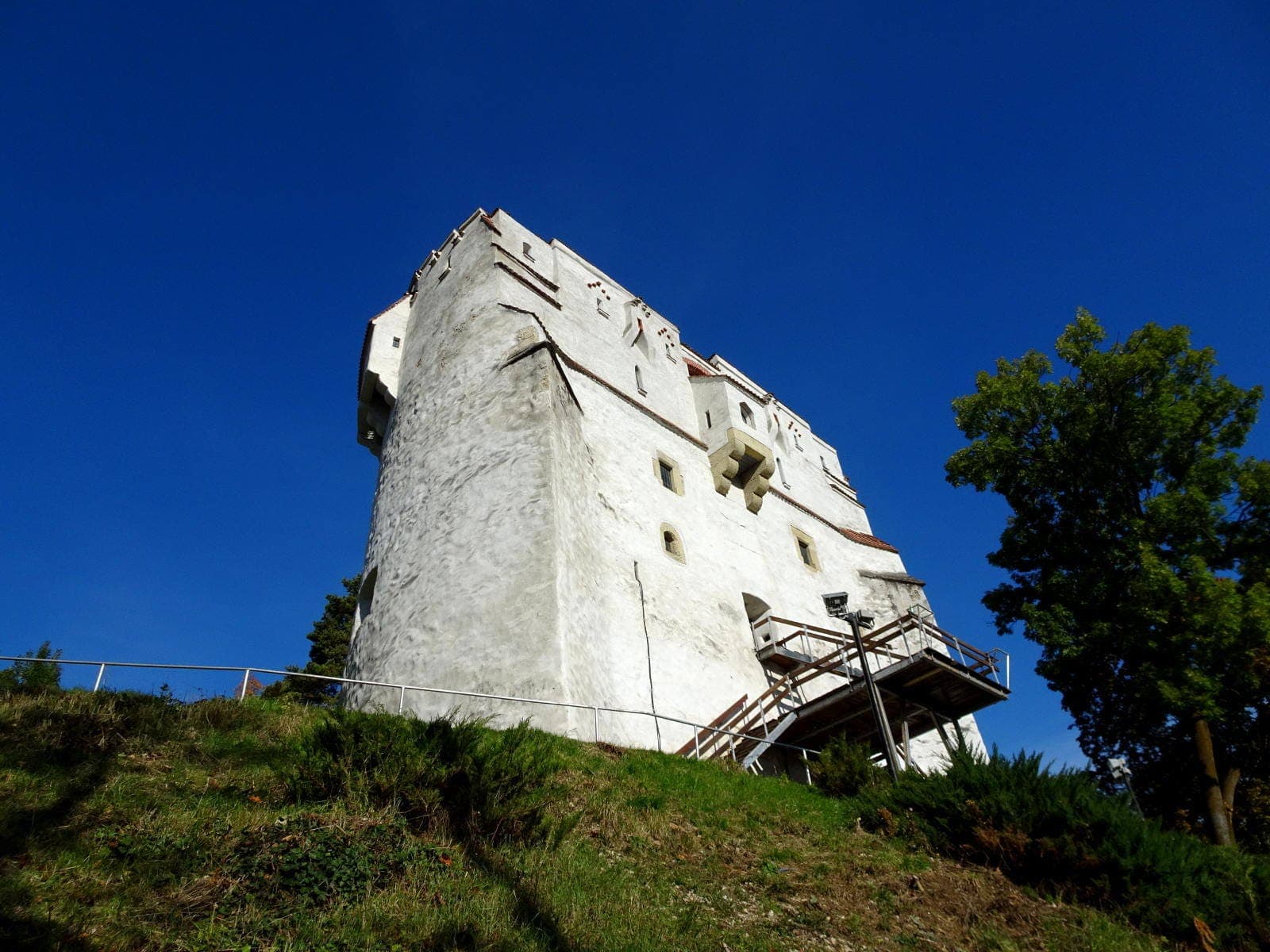
The only surviving medieval gate of Brașov's walled town, a white tower of 1559 with four corner turrets and the town's coat of arms; next to it, the neoclassical Șchei Gate of 1827–1828.
Fortresses and fortificationsMonuments and historic sites
The main square of old Brașov, lined with merchants' houses and dominated by the Council House, the old town hall with its watchtower, now the County History Museum, with Tâmpa as a backdrop.
Monuments and historic sitesMuseums and memorial houses
A forest of about 300 ha on the western edge of Cluj, known for its twisted tree trunks, the Round Clearing and the "paranormal" legends that made it famous worldwide.
A reservoir about 13 km long on the Someșul Cald in the Apuseni Mountains, at almost 1,000 m; in dry summers the ruined church of the drowned village of Giurcuța de Jos rises from the water.
A reservoir on the Bistrița Ardeleană between the Bârgău and Călimani mountains, nicknamed “the sea in the mountains”, with the Colibița resort spread along its shores.
Romania's best-known ski resort, above 1,000 m beneath Postăvaru: 12 slopes, cable cars almost to the summit and, in summer, forest trails and views over Brașov.
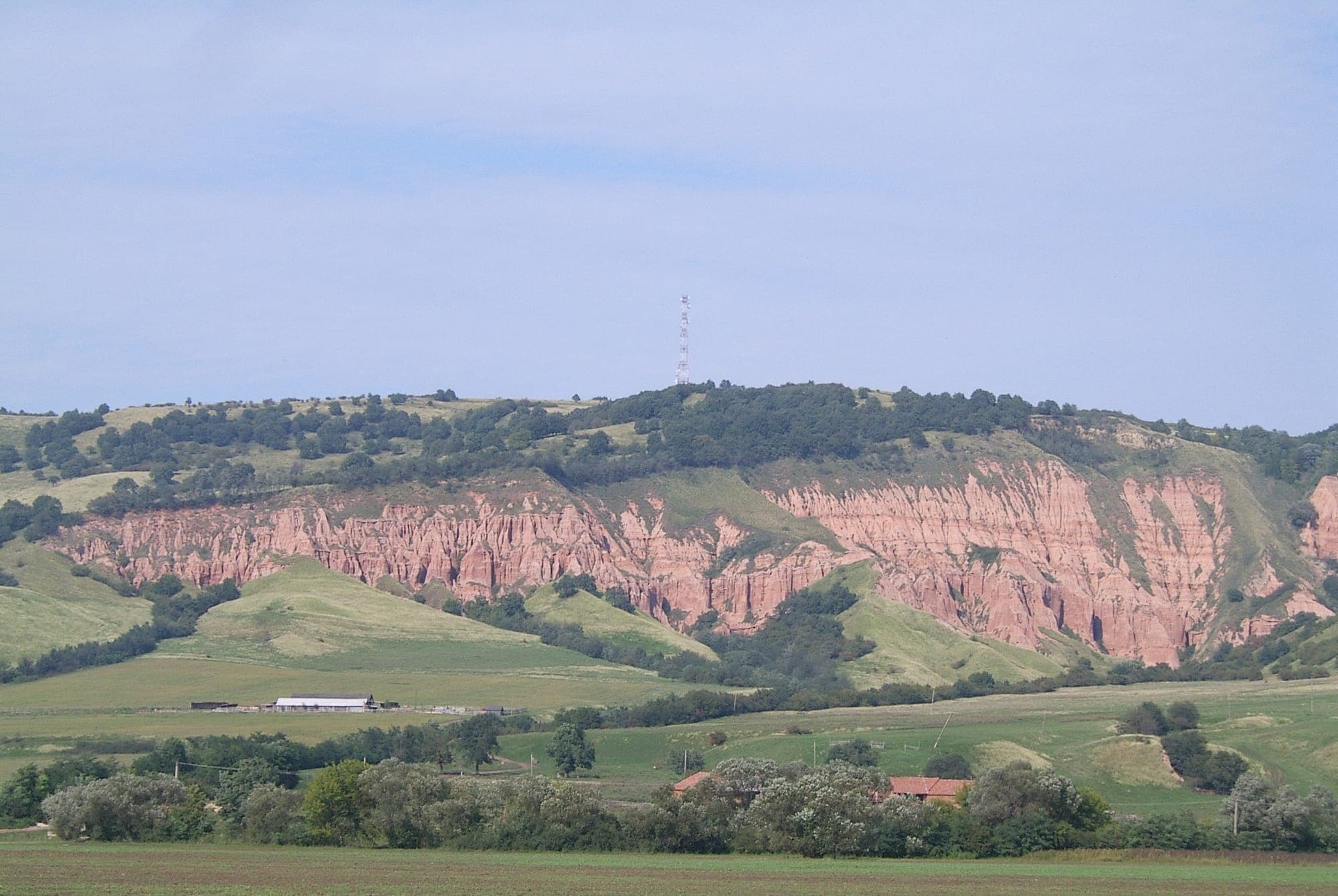
An 800 m wall of red clay and sandstone on the edge of Sebeș, carved by rain into columns, towers and earth pyramids, a badlands landscape rare in Romania.
The pass between Piatra Craiului and the Bucegi: the DN73 climbs from Rucăr onto the Fundata plateau, over the Giuvala Pass at about 1,260 m, and descends to Bran past hamlets scattered on the ridges.
A chain of travertine cascades on the Șipote stream, below the Bedeleu cliffs in the Trascău Mountains: the last one drops straight into the Arieș by the DN75, the upper ones are reached on a nature trail from Sălciua.
A small stone church in the Hațeg Country, built largely from Roman blocks brought from Ulpia Traiana Sarmizegetusa, with a tower over the nave, stone lions on the roof and paintings from 1443.
Monasteries and churchesMonuments and historic sites
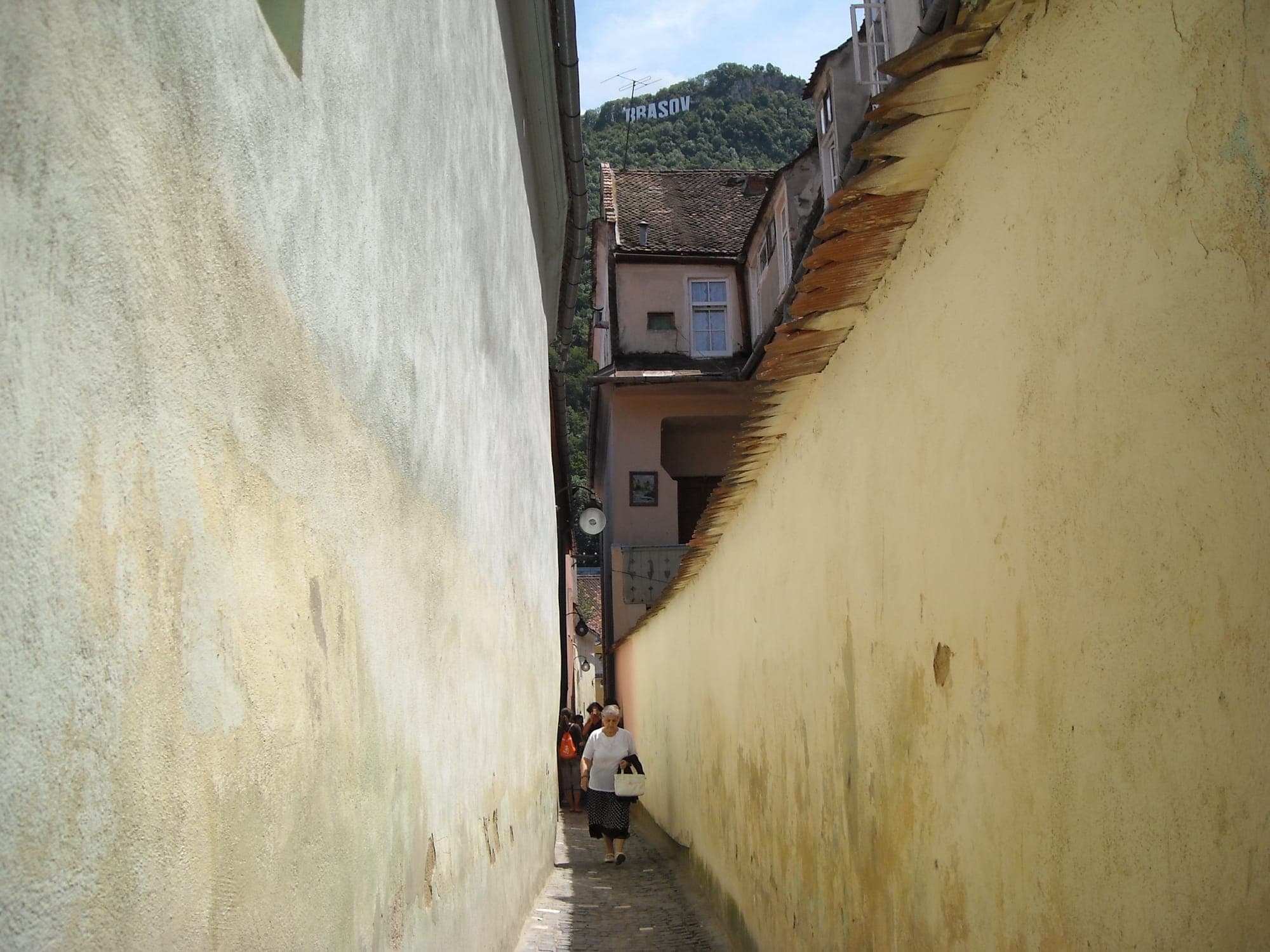
A passage 1.1–1.35 m wide in Brașov's old town, recorded in the 17th century and counted among the narrowest streets in Europe; closed for repairs since November 2025.
A 70–80 m chain of waterfalls, with a 25 m main drop, plunging into a huge sinkhole in the Trascău Mountains and vanishing underground; seen from a wooden balcony a short walk from the road.
A bastioned fortress on Citadel Hill, north of the old town, built to stop enemies firing on Brașov from the heights; the interior is closed for works, but the walls and the view can be enjoyed from the paths on the hill.
Fortresses and fortificationsMonuments and historic sites