Ighișu Nou Fortified Church
Ighișu Nou, SB · 51 km from Sibiu
A Saxon Gothic church of the 14th–15th centuries, with a defensive tower under a hipped roof, a complete enclosure wall, a round bastion from 1515 and medieval frescoes in the choir.
351 results
A Saxon Gothic church of the 14th–15th centuries, with a defensive tower under a hipped roof, a complete enclosure wall, a round bastion from 1515 and medieval frescoes in the choir.

Renaissance residence of the Keresztúri and Kornis families, now a ruin near Dej: the 1720 gate tower, a neoclassical wing with a colonnade and the plinths of the two unicorns.

The Renaissance castle of the Lázár family, with four bastions, a gate tower and walls topped by ornamental crenellations, at the edge of the forest near Gheorgheni; Gabriel Bethlen spent his childhood here.
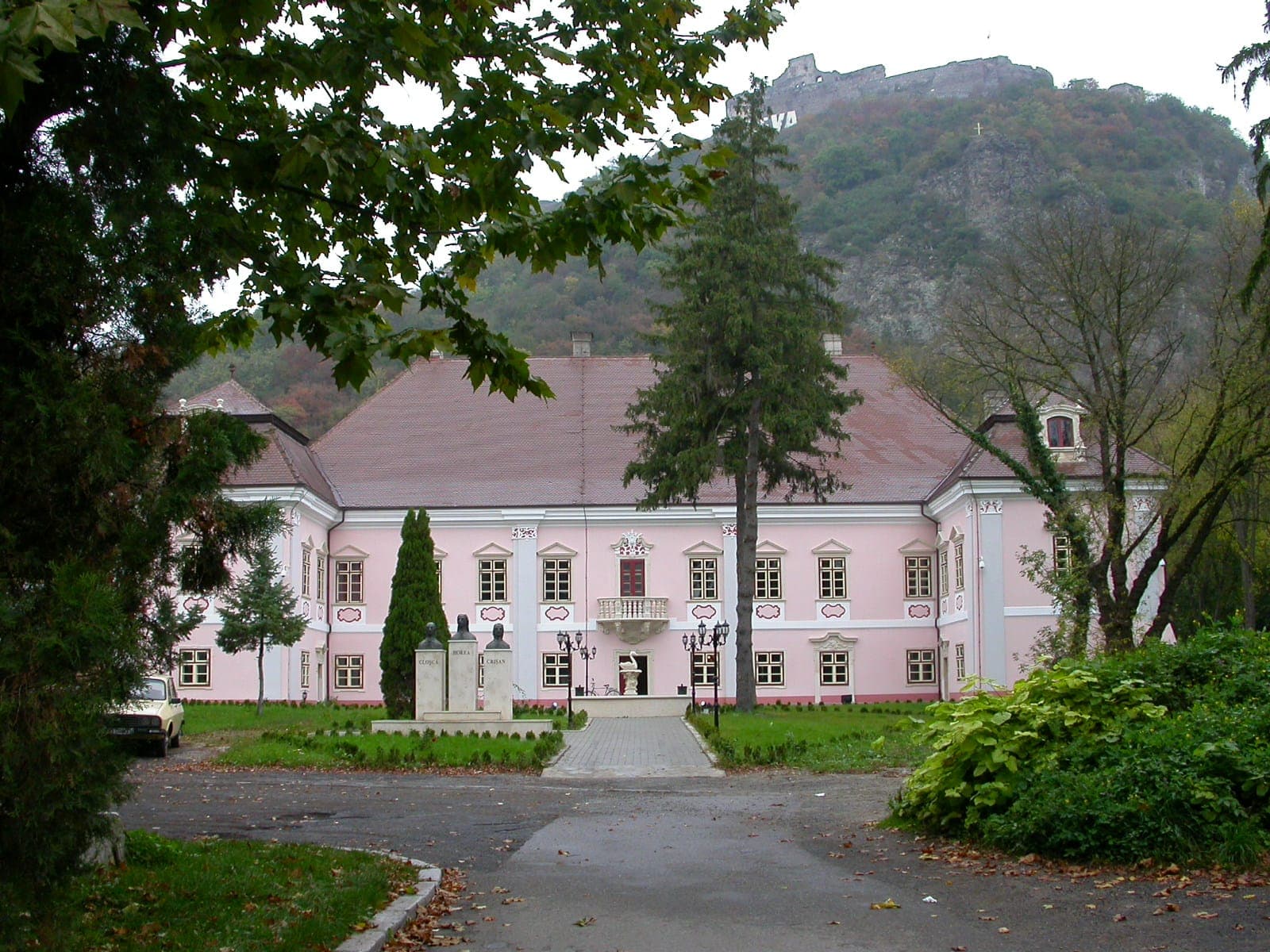
A Baroque palace at the foot of Citadel Hill in Deva, also known as Bethlen Castle, now home to the Museum of Dacian and Roman Civilisation, with a lapidarium in its courtyard.

A Gothic house of the 15th century where King Matthias Corvinus was born in 1443; today it belongs to the University of Art and Design and is best seen from the street, with its pointed-arch portal and commemorative plaques.

A Gothic Saxon church from the 14th century, fortified in 1495, in a quiet village among hills, with an enclosure wall, two towers and a gallery painted in 1765.

A 17th-century Renaissance castle in the centre of Miercurea Ciuc, rebuilt by the Habsburgs as a fortification and now home to the Szekler Museum of Ciuc.

One of the largest Gothic hall churches in the Târnava valley, with a massive bell tower and a walled enclosure with towers; part of the wall collapsed in June 2026.
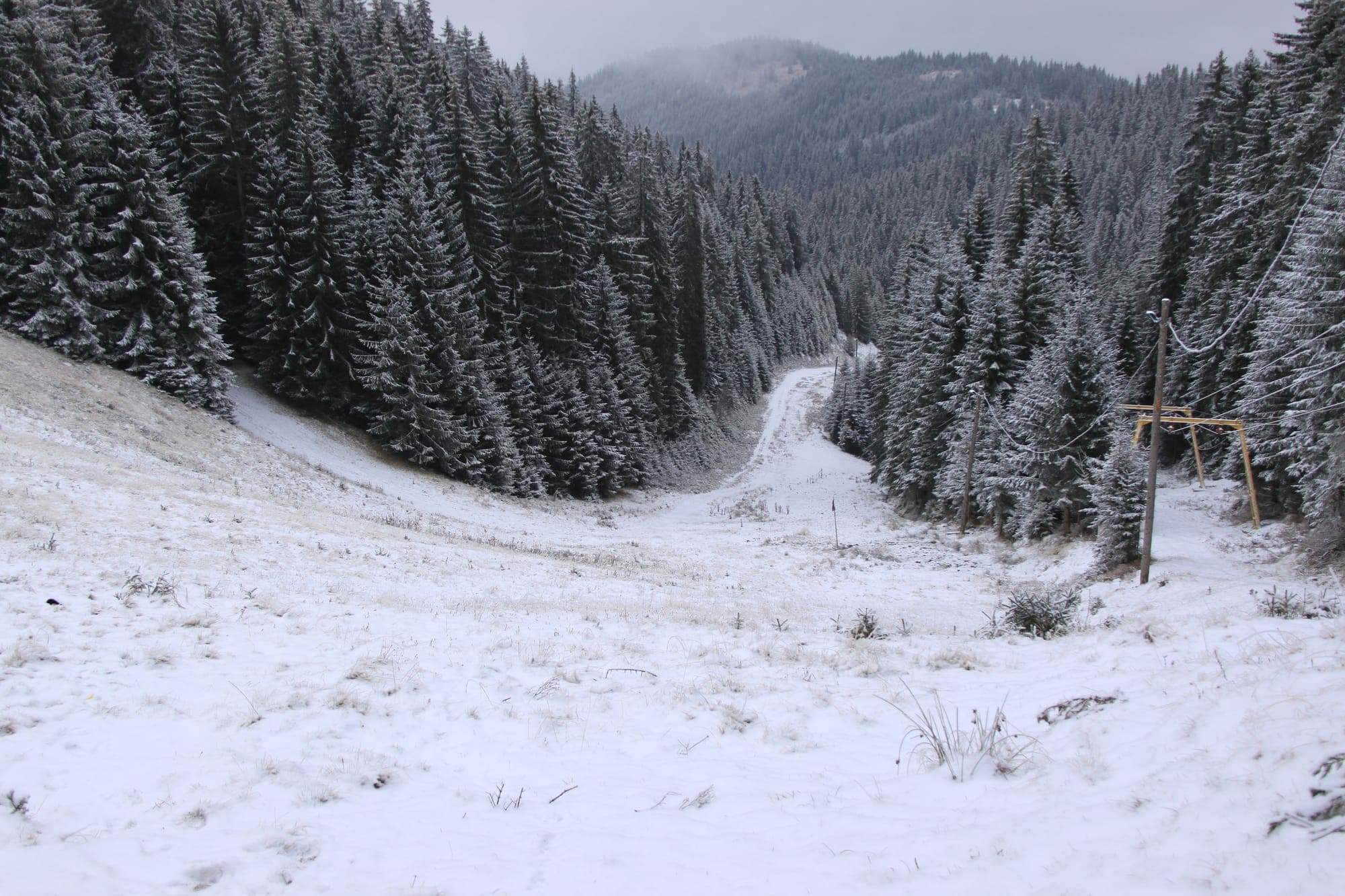
A mountain resort in the Gilău Mountains, about 55 km from Cluj-Napoca: in winter, the slopes of Buscat Ski Resort, with a chairlift, sledging and tubing; in summer, waymarked trails to Scărița-Belioara and Muntele Mare.

A Moorish Revival synagogue of 1886–1887, with four towers and a façade in yellow and ochre bands facing Strada Horea; today the Memorial Temple of the Deported Jews of Cluj.

A department of the Brukenthal National Museum, in an arcaded house on the Small Square, the former "At the Black Bear" pharmacy: the dispensary, the laboratory and a homeopathy collection of almost 3,000 pieces.
A ski area at the foot of the Retezat Mountains, at about 1,200 m: a chairlift and two drag lifts, three runs of different difficulty, night skiing and, in summer, a mountain cart.
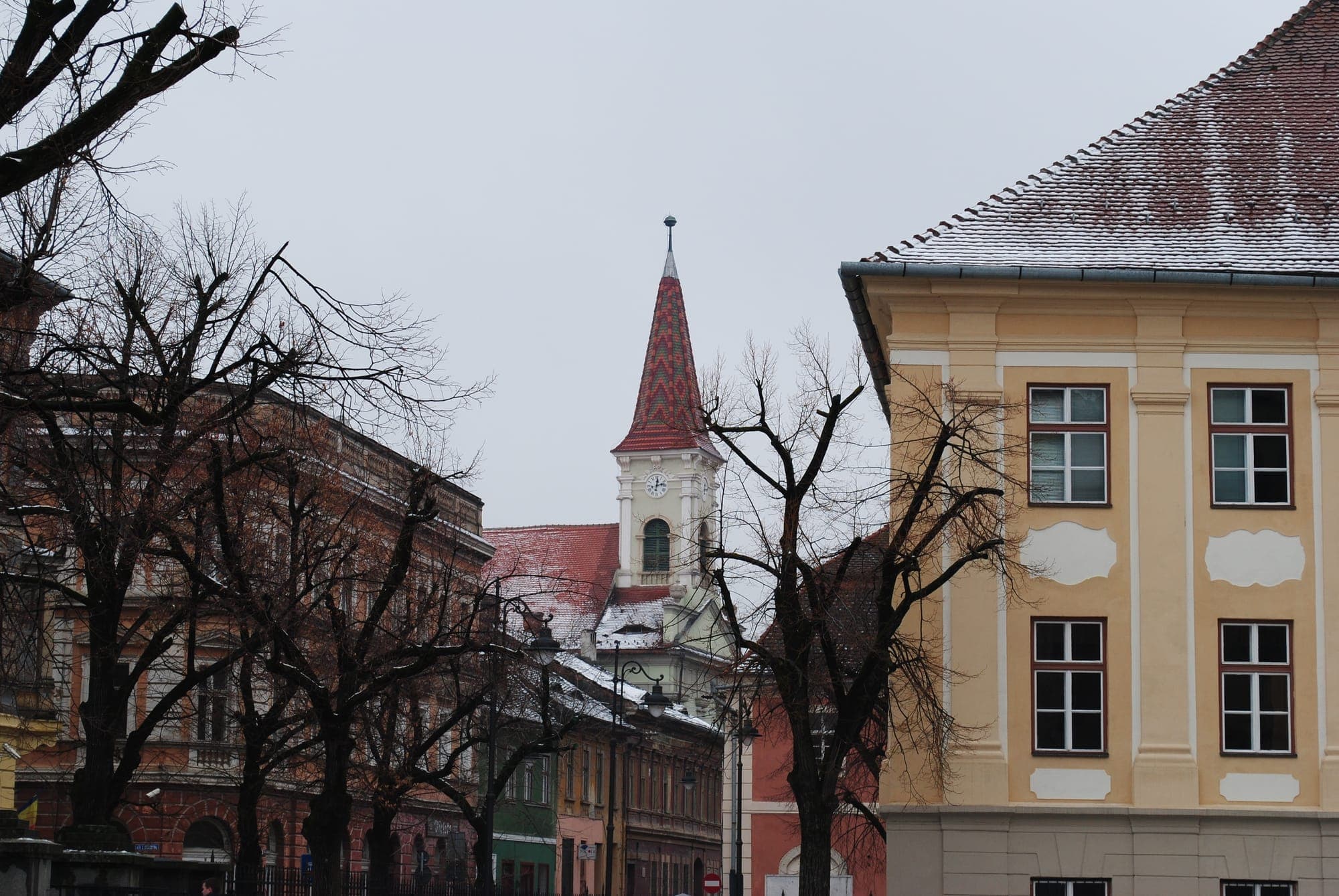
The Baroque church of the Reformed community, built in 1784–1786 in the Upper Town, with a clock bell tower, a Latin inscription of 1786 over the portal and a canopied pulpit.

A Gothic church of the 14th–16th centuries, protected by a fortified wall with loopholes and a gate tower, in the centre of a village in Lower Ciuc. One of the largest medieval churches in the area.

A Saxon peasant fortress of brick on Burgbasch Hill above the village: a bell tower with a Gothic chapel and the imposing ruin of a hall church that was never finished.